 Contribution to the numerical modelling analysis of displacements caused by tunnel construction in discontinuous rock masses: a case study of Boukhadra iron mine (Algeria)
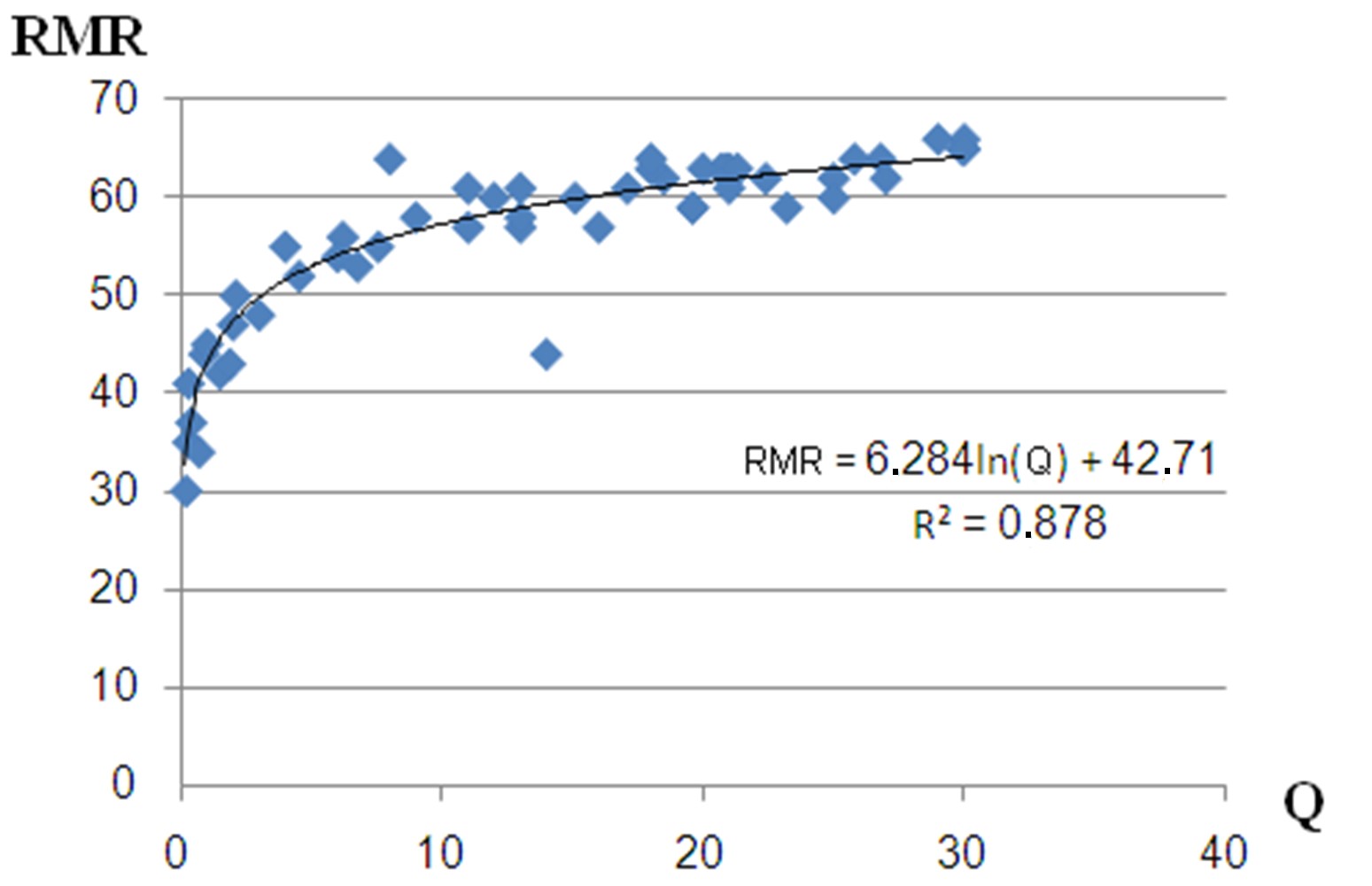
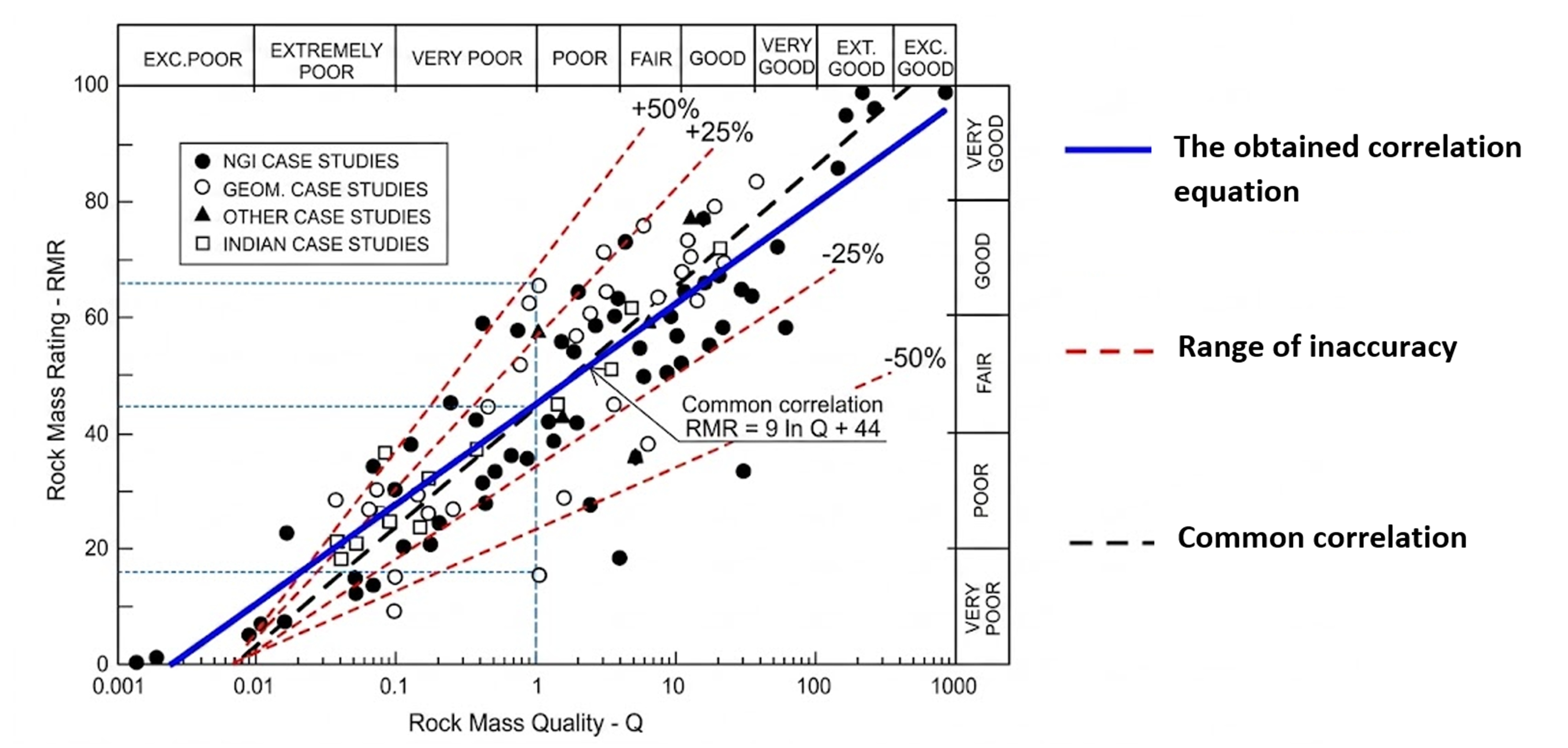
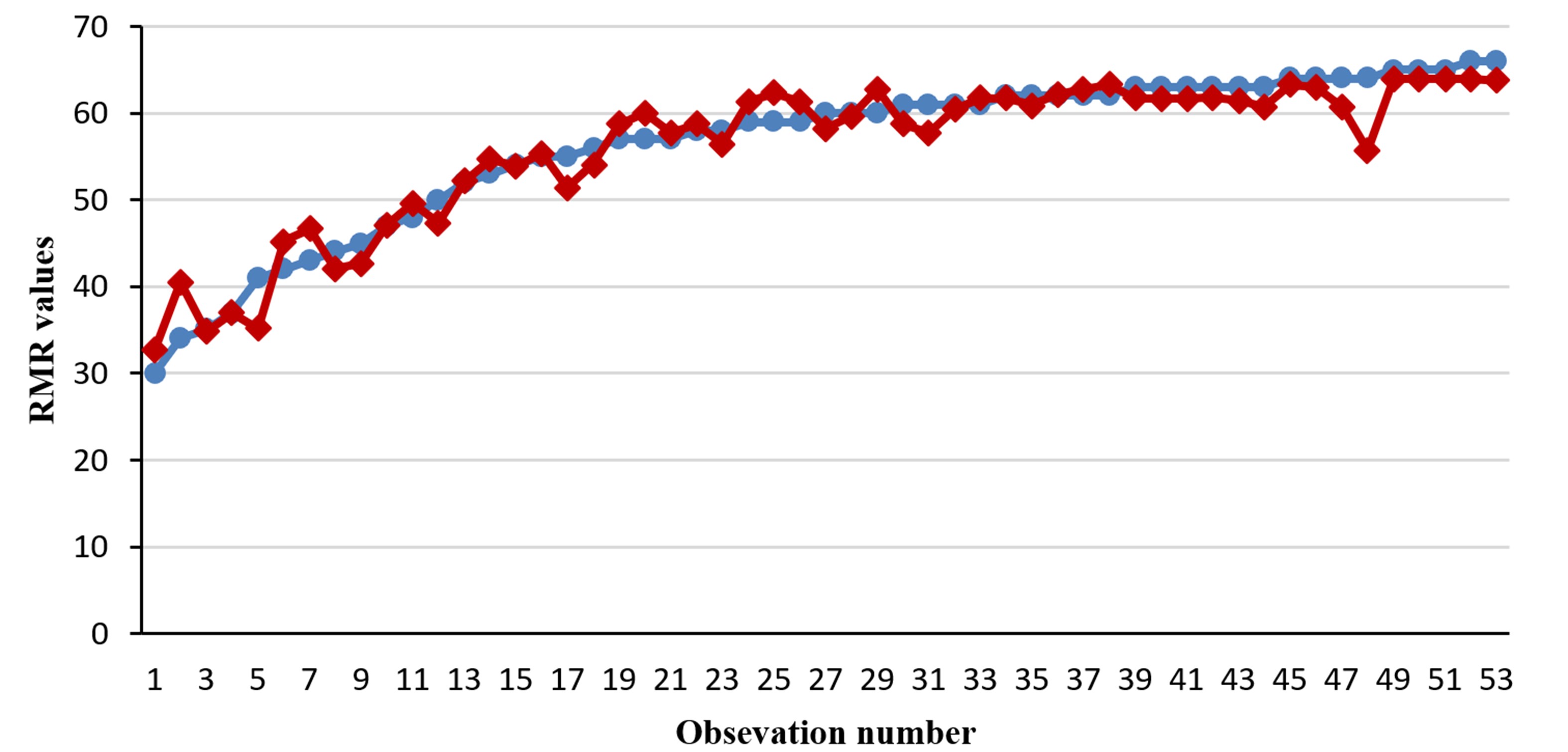
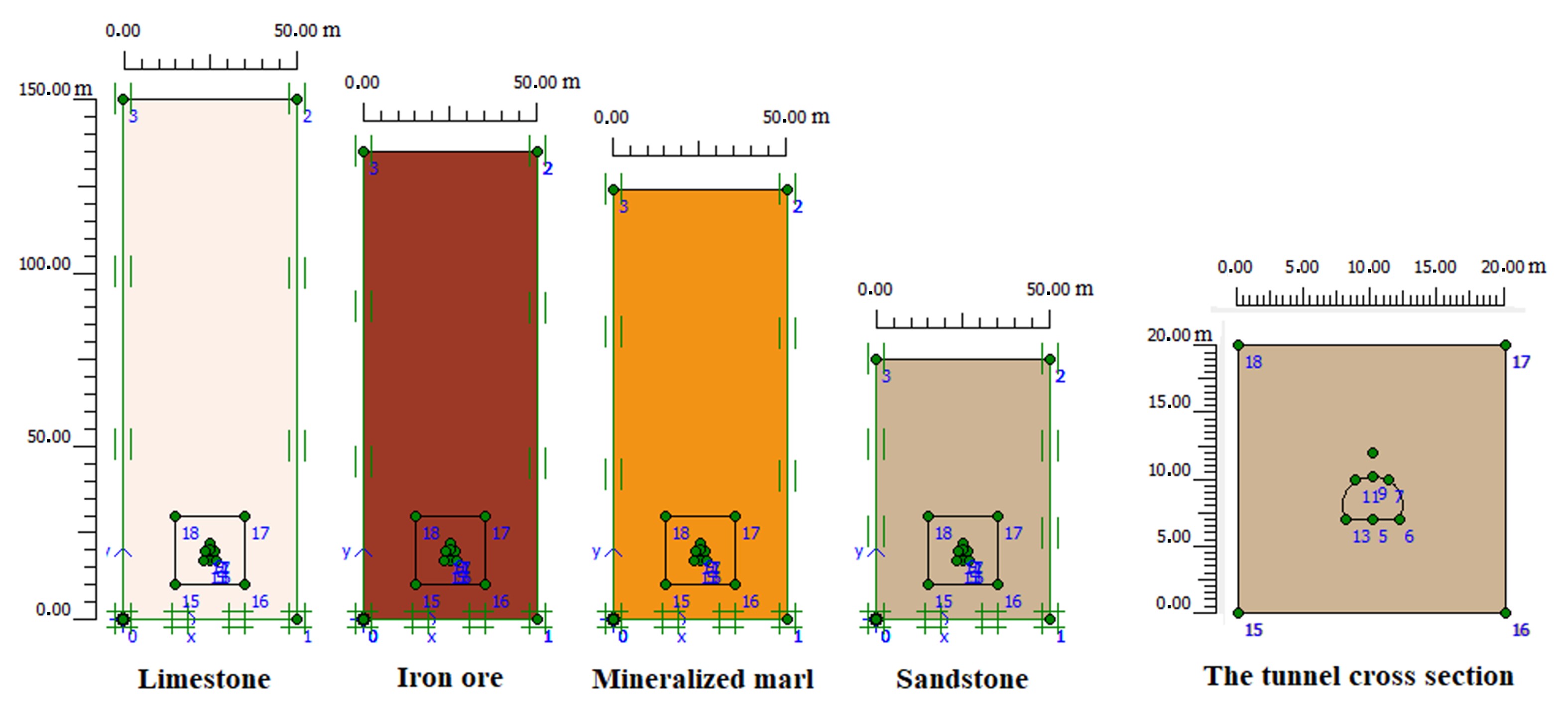
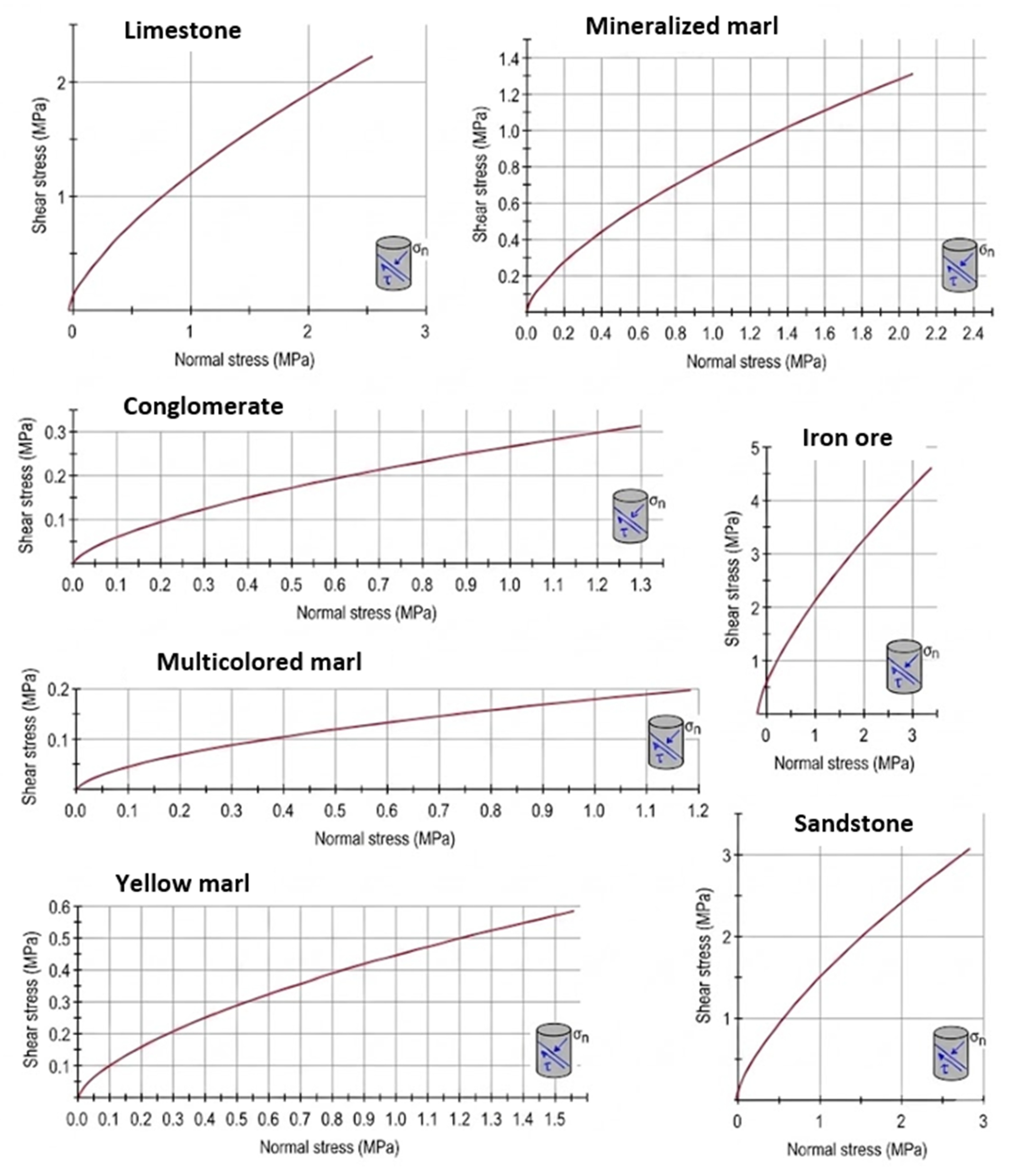
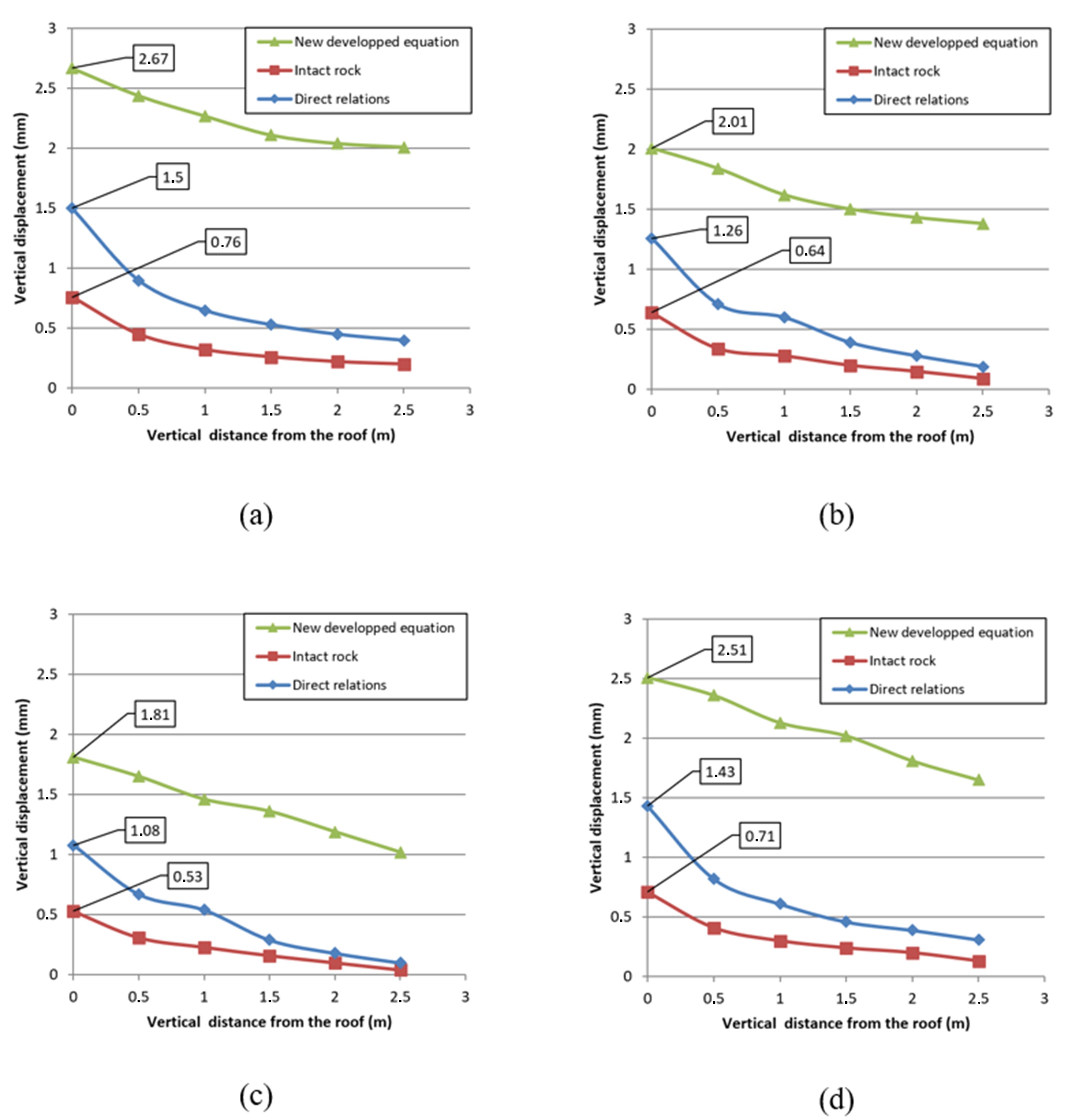
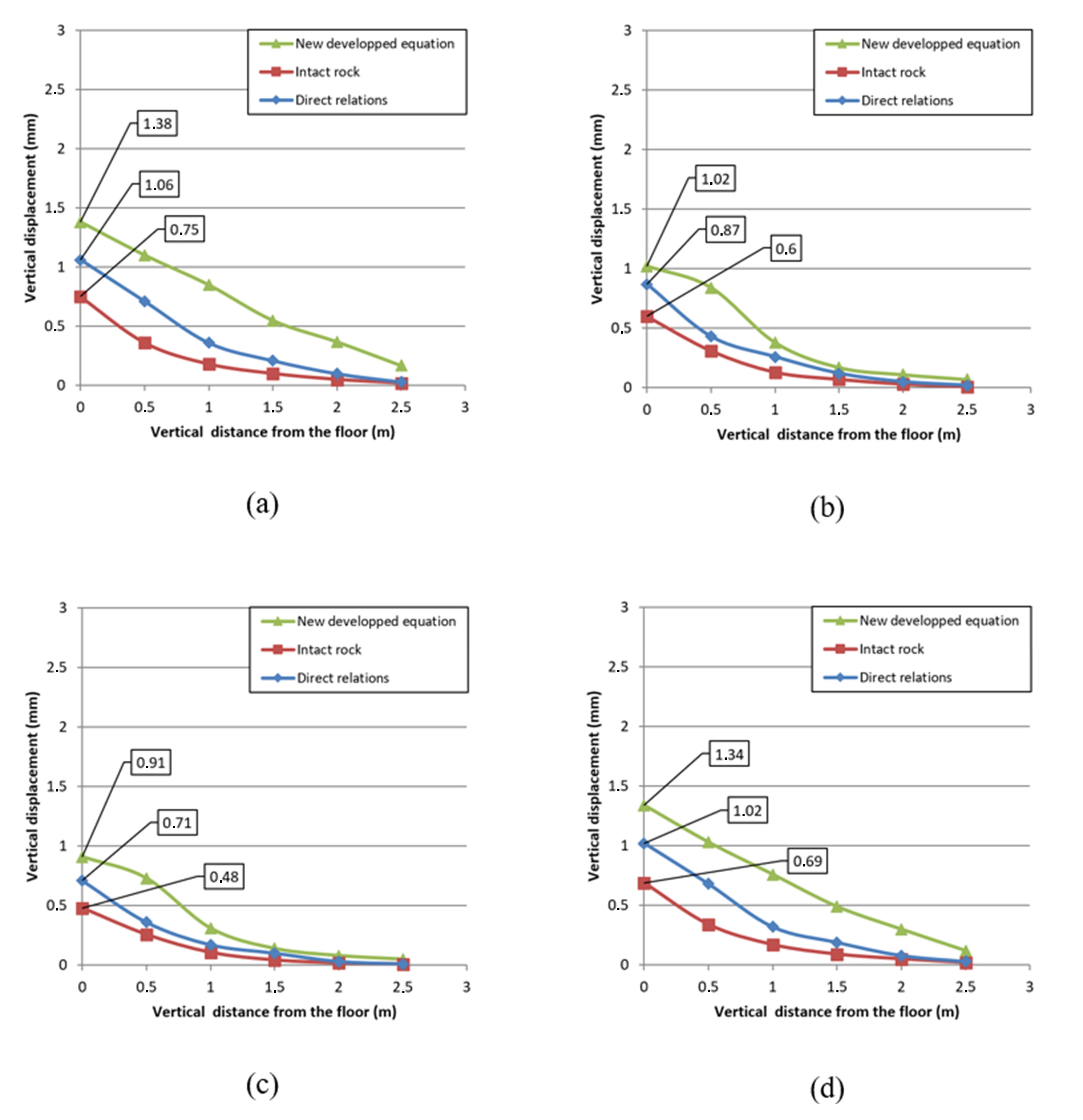
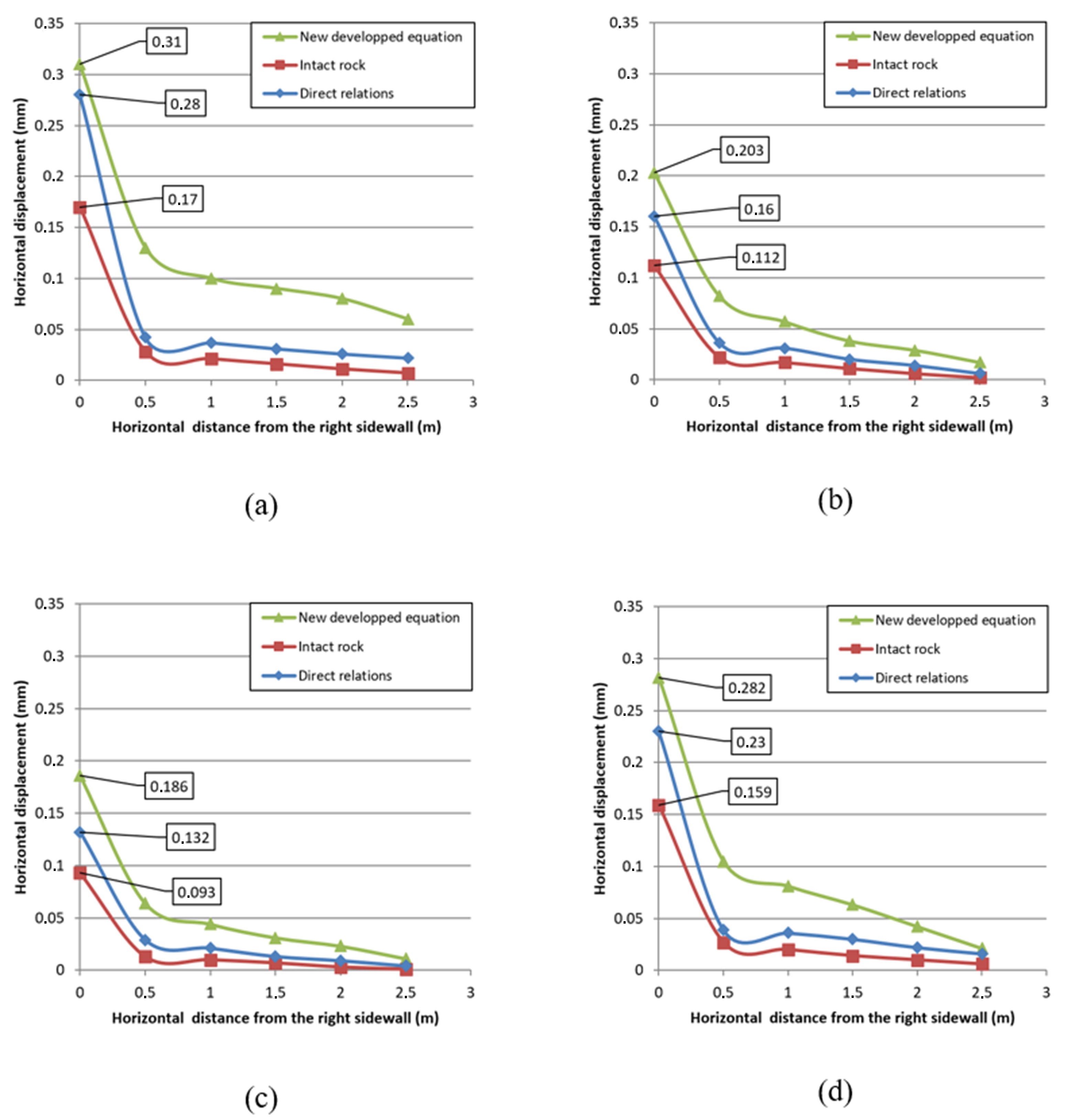
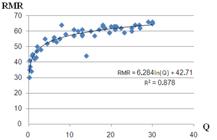
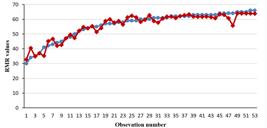
This paper presents a comprehensive study of the stability conditions of a rock mass surrounding a tunnel, using numerical modelling analysis of displacements induced by tunnel construction. The case study focuses on the Boukhadra iron ore mine in Algeria. This research employs empirical equations from literature based on geomechanical classifications to provide the most appropriate geotechnical input data for simulation. In addition to those equations, a novel correlation equation relating the rock mass ratio (RMR) and the rock quality index (Q) was developed. This equation gives a high regression coefficient, revealing a strong correlation (R2) of 0.878. It provides a better estimation of the rock mass characteristics: Young’s moduli (E), Poisson’s ratio (ν), cohesion (c), and friction angle (φ), compared to the existing literature-based correlation equations. The estimated parameters were used to pass from a discontinuous medium to a continuous equivalent, making numerical modelling using finite element method easier. Compared with intact rock and direct equations, the numerical simulation results based on the new equation fit well with the in-situ observations, with predicted displacements remaining within the same order of magnitude as observed deformations, providing more reliable understanding of rock mass behaviour. The new equation proposed in this paper provides a substantial evaluation of the rock mass parameters required for the design process of underground structures when used within their respect acceptable ranges.
Keywords:
Tunnel stability; Rock masses; Geomechanical classifications; Failure strength; Regression analysis; Numerical modelling
 Thumbnail
 Thumbnail
 Thumbnail
 Thumbnail
 Thumbnail
 Thumbnail
 Thumbnail
 Thumbnail
 Thumbnail