 Engolo and Capoeira. From ethnic to diasporic combat games in the Southern Atlantic
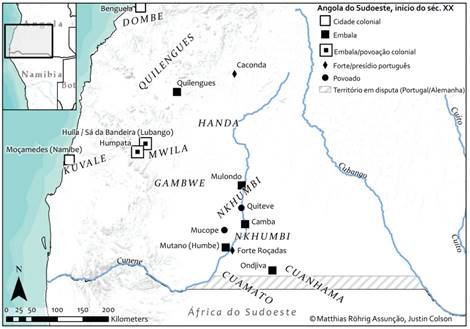
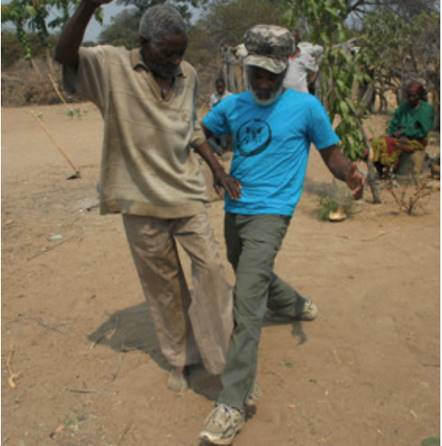
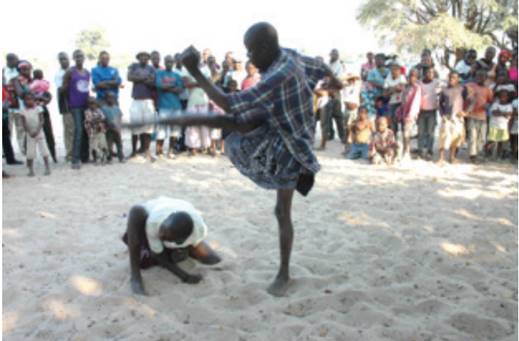
This article provides a re-examination of the main Afrocentric narrative of capoeira origins, the engolo or “zebra dance”, in light of historical primary sources and new ethnographic evidence gathered during fieldwork in south-west Angola. By examining engolo’s bodily techniques, its socio-historical context and cultural meanings, this study emphasises its insertion into a pastoral lifestyle and highlights the relatively narrow ethnic character of the practice in Angola. This analysis and the comparison with capoeira helps us to develop certain hypotheses about the formation, migration, and the re-invention of diasporic combat games between southern Angola and coastal Brazil, and more broadly, to increase our understanding of how African cultures spread across the South Atlantic.
Keywords:
Engolo; Capoeira; Angola
 Thumbnail
 Thumbnail
 Thumbnail
 Thumbnail
 Thumbnail
 Thumbnail
 Thumbnail
 Thumbnail