 Diagnosis of mental disorders in caregivers of patients with bipolar disorder: a gap in the scientific literature
Abstract
Objective: Caregivers appear to experience mental health implications related to their role in supporting patients with bipolar disorder (BD). This study aimed to review the literature assessing the presence of not only psychiatric symptoms but also mental disorders and personality disorders in caregivers of patients with BD.
Methods: This is a narrative review. Articles were searched in some online databases, including PubMed, Embase, Web of Science, PsychINFO, Lilacs, and SciELO up to June 2024. Inclusion criteria comprised articles in any language, focusing on primary caregivers of patients with BD, and quantitative studies evaluating the presence of mental disorder, personality disorder, or psychiatric symptoms in this caregiver group.
Results: The review encompassed 15 articles. Only two studies utilized appropriate diagnostic instruments for assessing mental disorder, and no article evaluated personality disorder. Prevalence of caregiver's psychiatric symptoms and mental disorder was found to be higher compared to the general population.
Conclusion: The lack of studies employing diagnostic assessment tools for mental disorder in these individuals may impede timely access to treatment, affecting both the caregiver's health and the clinical course of patients with BD. This study provides an updated overview of research on caregivers of patients with BD, despite the limitation of not being a systematic review. Further studies employing diagnostic assessments on caregivers are essential to gain deeper insights into this critical topic.
Keywords:
Caregiver; mental disorder; personality disorder; psychiatric symptoms; diagnostic interviews; bipolar disorder
Introduction
Caregivers of patients with mental disorders, whether family members or not, are the primary individuals responsible for providing informal care, offering support in various aspects (physical, material, financial, emotional), and accompanying the patient to appointments.1,2 They play a critical influence on their treatment and the course of their disease; however, this essential role impacts them in several ways.3 Providing care is a time-consuming responsibility, which can lead to social, emotional, and financial challenges for caregivers, and affect their personal life as well. These overwhelming impacts are well established in the literature as caregiver burden, which has been increasingly investigated as a health concern for caregivers who care for people with chronic illness.4,5
One of the mental disorders that demands this crucial care is the bipolar disorder (BD). In most patients, this disease is characterized by recurrent episodes of mania and depression associated with distorted reality judgement and, consequently, expose them to various personal risks.6 In fact, BD is a chronic mood disorder marked by fluctuations in energy and mood, and it is the sixth leading cause of disability worldwide.7,8 Moreover, the functional impairment of an individual with BD may persist even during euthymia (symptomatologic remission), as demonstrated in a recent meta-analysis that described functional impairment in 58,6% of patients with BD.9
Given this, one study found that even when patients with BD are in a euthymic state, there is still considerable caregiver burden. Additionally, mixed episodes or rapid cycling increase the severity of this burden.10 Another study found higher caregiver burden during manic episodes in BD-I, and during depressive episodes in BD-II.11 All these factors emphasizing the ongoing need for social support.
Aside from the caregiver burden resulting from the responsibility of providing care, another concerning consequence is the mental health of the caregivers themselves. Unfortunately, this topic has only recently garnered attention, and the existing studies are limited in terms of their methodologies.12 For instance, depression and residual depressive symptoms, particularly when left untreated, can contribute to functional impairment, and negatively impact the caregiver's ability to fulfill their role. These detrimental effects may alter the natural course of the disease, prevent remission, and affect treatment adherence in these patients.13
Beyond that, some studies have shown an association between psychiatric symptoms, especially depression and anxiety, and higher levels of burden among caregivers of patients with BD.14,15 Nevertheless, these studies failed to employ appropriate diagnostic tools, such as Mini International Neuropsychiatric Interview (MINI)16 or the Structured Clinical Interview (SCID),17 for accurately diagnosing mental disorder. Thereby constraining our comprehension of the true extent of impairment in the mental health of these caregivers. Besides that, these studies did not investigate other psychiatric symptoms.
This discussion prompts pertinent questions that warrant the current review: do caregivers of patients with BD solely possess psychiatric symptoms, or do they already exhibit mental disorder conditions? Do these individuals have any personality disorder? Moreover, is there a correlation between mental disorder and the burden experienced by caregivers? Consequently, the principal aim of this article is to comprehensively examine and discuss published studies that have assessed the presence of mental disorder, personality disorder, and psychiatric symptoms among caregivers of patients with BD. As a secondary objective, this review delves into investigating the association between mental disorder and psychiatric symptoms with caregiver burden.
Methods
Search strategy and study identification
This manuscript is a narrative review article and we conducted searches in multiple databases including PubMed, Embase, Web of Science, PsychINFO, Lilacs and SciELO, covering articles up to June 2024. We searched for a combination of the following search items ("bipolar disorder") AND ("caregiver" OR "family") AND ("mental disorder OR personality disorder OR depression OR anxiety") AND ("psychiatric symptoms") AND ("burden"). In addition, an active search was conducted in the reference lists or found by other searches in order to expand the findings.
We included articles in any language; and quantitative articles that described the presence of mental disorder, personality disorder or psychiatric symptoms in this group. The caregivers needed to be primary caregivers of patients with BD, whether family members or not, responsible for the informal care of the patient. We excluded articles that did not utilize validated instruments for assessing the variables of interest. Additionally, studies that did not stratify the data of caregivers of patients with BD when assessed alongside other groups were excluded.
Study selection procedure and extraction and categorization of data
The selection process of relevant articles initially involved identifying the keywords in titles and abstracts. After this screening, duplicate studies, inaccessible full texts, studies that solely investigated other conditions without BD, or studies off-topic were excluded. The remaining articles were read in their entirety to assess the predetermined criteria and provide a detailed characterization. The extracted data included the year, sample size, if the patient was hospitalized or being followed up at the outpatient clinic, scales utilized, and main results related to mental disorder, personality disorder or psychiatric symptoms.
Results
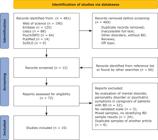
The literature search yielded a total of 481 articles (Figure 1). After the screening process, 72 articles were included. Among them, after a full review of the methodology and results of the articles, 57 were excluded due to the lack of eligible criteria. As a result, 15 articles were included in the review.
Solely two studies utilized a clinical diagnostic interview, specifically the SCID, to assess mental disorder in caregivers of patients with BD. The first study revealed a prevalence of mental disorder of 74% among the 82 caregivers biological and non-biological assessed. The most prevalent mental disorder were alcohol and drug abuse and dependence (n = 30), followed by major depressive disorder (n = 24), adjustment disorders (n = 14), phobias (n = 9), and bipolar disorder I and II (n = 7). Among the respondents, 34% had a single mental disorder, while 40% had comorbid mental disorder. This study utilized the same instrument to confirm the patient's diagnosis, and did not include caregiver burden as a specific objective of investigation.18
The second study explored the impact of traumatic events evaluated by Trauma History Questionnaire, and post-traumatic stress disorder (PTSD). It included 180 caregivers from three groups: those caring for patients with BD, those caring for patients with BD and comorbid PTSD, and those caring for patients with Multiple Sclerosis (control group). Each group comprised 60 participants. The study identified significant differences among the three groups regarding the incidence of traumatic events and the onset of PTSD. The prevalence of PTSD was higher in the caregivers of patients in the BD plus PTSD group (28%) compared to the other groups: BD (12%) and Multiple Sclerosis (7%).19
Four studies utilized the Self Report Questionnaire (SRQ-20), and the General Health Questionnaire (GHQ-20), as a screening scales for developing common mental disorder, such as depression and anxiety. The remaining nine studies employed various psychiatric symptoms scales, most of which focused on depressive and/or anxious symptoms. Surrounded by these studies, only one assessed the risk of suicide among caregivers. Most studies are cross-sectional, except for one that utilized a prospective longitudinal approach (Table 1).
Abdeta and Desalegn20 investigated 215 caregivers of patients with different mental disorder using the SRQ-20. They found that the prevalence of caregivers with suspected common mental disorder was 40%, and among caregivers of patients with BD, it was 48% (n = 29). Besides, caring patients with psychosis (OR 3.33, 1.12-9.92) and bipolar disorder (OR 3.12, 1.35-7.23) were significantly associated with this suspect. However, the study did not mention the method used to confirm the patient's diagnosis, nor did it investigate caregiver burden as a variable of interest.
Avci et al.21 was the only study in this review that assessed suicide risk (Suicide Probability Scale) in a sample of 262 caregivers, including 47 caregivers of patients with BD. The authors observed that 18% of caregivers were at risk of suicide, with the highest risk found among those caring for patients with schizophrenia (89±31), followed by BD (78±22), depression (76±19), and anxiety disorders (74±19). This risk was higher among child (88±26), vs. spouse (80±25) vs. parent (75±20). Moreover, the study indicated a moderate positive relationship between suicide risk and caregiver burden, as measured by the Zarit Burden Interview. The level of burden was found to be significantly high in 47% of the cases. The patients’ diagnosis was made based only on DSM-5 criteria.
Ukpong and Ibigbami22 evaluated depressive and anxious symptoms in 200 caregivers of patients with BD and schizophrenia, with 100 caregivers in each group. Caregivers of patients with BD had higher scores on the Hospital Anxiety and Depression Scale for depression (6±3) vs. schizophrenia (5±3). For anxiety symptoms there were no significant differences between the two groups. Besides, caregiver burden, measured by the Family Burden Interview Schedule scale, was lower in the group of caregivers of patients with BD (10±6) vs. schizophrenia (15±9). The study did not investigate the association between burden and depressive symptoms. The diagnosis of patients was confirmed using the MINI diagnostic tool.
Cohen et al.23 assessed depressive symptoms in 125 caregivers of patients with BD (n = 63), schizophrenia/schizoaffective disorder (n = 62). The prevalence of depressive symptoms, as measured by the Beck Depression Inventory scale, was 47%, and it was higher in caregivers of patients with schizophrenia/schizoaffective disorder (67%) vs. BD (27%). However, they used the DSM-IV-TR criteria to confirm the patient's diagnoses, and the burden variable was not investigated.
In the study by Kizilirmak and Küçük,24 they evaluated 243 caregivers of patients with multiple mental illness, including 47 with BD. They used the GHQ-12 scale and found that 47% of then were considered at a high risk of developing common mental disorder. This risk was lower in caregivers of patients with BD (3.5±3) vs. other mental disorders as schizophrenia (4.3±3), but there were no significant differences between any group. On the other hand, the study identified a significant positive relationship between this risk and burden in caregivers of patients with schizophrenia (47±9) vs. depression (45±10) vs. BD (44±10) vs. anxiety (44±10), measured by the Burden Assessment Scale. The diagnosis of patients was made using the DSM-IV-TR criteria.
Other study evaluated 50 caregivers of patients with BD and 50 with schizophrenia. They exhibited 20% vs. 30% depressive symptoms as measured by the Beck Depression Inventory scale, and 26% vs. 32% symptoms of anxiety according to the Beck Anxiety Inventory, respectively. The patients’ diagnosis was exclusively based on the ICD-10 criteria. The data revealed an association between depressive and anxious symptoms and burden in both groups of caregivers, BD (13±4) vs. schizophrenia (14±5), using the Modified Caregiver Stress Index scale to investigate burden. However, the results did not indicate any significant difference between the groups.25
This review identified only one prospective longitudinal study in which 33% of the 500 caregivers of patients with BD reported experiencing depressive symptoms. This score at study entry, six months and 12 months were 10.0(±10), 9.5(±10), 8.7(±10), respectively, and these symptoms was categorized as mild to subclinical depression, based on the Studies Depression Scale. The overall level of caregiver burden was 32(±23) at study entry, 27(±21) at 6 months, and 24(±20) at 12 months, using the Social Behavior Assessment Schedule scale. The patients’ diagnoses were made using the Affective Disorder Evaluation, a modified version of the SCID for DSM-IV. The findings revealed that higher levels of caregiver burden at baseline predicted an increase in depressive symptoms at the six-month and one-year follow-up. Despite the low levels of depressive symptoms initially observed, a significant positive association with burden was identified. It concluded that the burden of care may act as a risk factor for the development of depressive symptoms in these caregivers.26
In another study, low levels of depressive and anxious symptoms were found in 101 caregivers of patients with BD. However, solely anxious symptoms were significantly more relevant and had a higher mean (7±4) compared to 107 healthy controls (4±4). The Hamilton Depression Rating Scale and Hamilton Anxiety Rating Scale were used to measure these symptoms. Both caregiver and controls showed that higher levels of depressive symptoms (OR, 1.020, 0.467-1.571) and anxiety symptoms (OR, 0.363, 0.029-0.699) were associated with increased caregiver burden (Burden Assessment Scale). Furthermore, this study delved into personality temperaments, revealing an association between irritable temperament and caregiver burden. The diagnoses of patients were based on DSM-5 criteria not through the clinical diagnostic interviews.27
The additional study exploring personality traits revealed a significant relationship between depression, anxiety, and the trait of harm avoidance. It compared caregivers of patients with BD (n = 34) to healthy individuals (n = 37) and found higher mean scores for two types of anxiety symptoms, situational anxiety (39±11 vs. 33±5) and generalized anxiety (43±10 vs. 37±5), measured by State-Trait Anxiety Inventory Scales. However, depression symptoms (by Hamilton Depression Rating Scale) were not found to be significant. Additionally, the burden variable was not investigated. Patients in this study were exclusively diagnosed based on DSM-IV-TR criteria.28 Despite the inclusion of two studies in this review that examined temperaments or personality traits, no articles were identified that specifically assessed personality disorder as a diagnostic criterion in caregivers of patients with BD.
Another study involving 36 caregivers of patients with BD, the Geriatric Depression Scale was utilized, revealing that 34% of then exhibited depressive symptoms. Additionally, the Zarit Burden Interview was employed, and the average score was 32(±19), with 31% of caregivers felt little or no burden, 42% felt mild to moderate burden, and 28% reported moderate to severe burden. It demonstrated a significant positive association between burden and depressive symptoms, and also with anxiety symptoms measured by the Beck Anxiety Inventory. The patients’ diagnoses were based solely on DSM-5 criteria.29
On the other hand, a study, which involved 47 caregivers of patients with BD, reported low levels of depressive symptoms (6%) using the Studies Depression Scale. The diagnosis of BD was clinically confirmed using the MINI-P. The Zarit Burden Interview was used to measure burden (3±2), with a low rate, but with more than half of the caregivers experienced burden. However, this study was the only one in the review that did not find an association between depressive symptoms and burden.30
Lastly, other two studies used the GHQ-28 scale. One aimed to assess somatic, depressive, and anxious symptoms in a sample of 200 caregivers of patients with different mental disorder: BD (n = 121), schizophrenia (n = 71), and schizoaffective disorder (n = 8). It found that 35% showed these symptoms, and over 80% of caregivers of patients with BD vs. 20% in schizophrenia exhibited psychiatric symptoms. However, the authors did not mention the specific scale or criteria used to confirm the patients’ diagnosis, nor did they investigate the burden variable.31 The second study assessed 41 caregivers of patients with BD and found indications of risk of developing common mental disorder in 17% of the then. The patients’ diagnoses were made based on the criteria of the Schedule for Affective Disorders and Schizophrenia. However, the burden variable was not investigated.32
In light of the above, it is possible to observe high heterogeneity in the methodology across all studies assessing mental disorder and psychiatric symptoms in caregivers of patients with BD, compiled in Table 2 for better visualization.
Discussion
Evaluation of mental disorder in caregivers of patients with BD
The outcomes of this review underscore a notable gap in the literature concerning the assessment of mental disorder in caregivers of patients with BD using validated diagnostic tools. This gap in research is significant, as many caregivers may potentially experience mental disorder without proper diagnosis and treatment. Regrettably, only two studies included in this review employed the SCID, considered the gold standard instrument for diagnosing mental disorder, along with the MINI interview. One study demonstrated a higher prevalence of mental disorder, indicating that 74% of caregivers of patients with BD were affected. The most prevalent mental disorder were anxiety disorders (44%), followed by mood disorders (43%), and alcohol and drug abuse and dependence (37%).18
Unfortunately, the other study assessed only PTSD using the SCID-5, revealing a 40% prevalence of this disorder. Furthermore, the authors suggest that the caregiving experience induced traumatic exposure, leading to the development of PTSD.19 However, despite acknowledging this, the study did not examine variables associated PTSD with caregiving, such as burden. Besides that, it is important to highlight that in order to mitigate potential bias errors, the SCID should be applied comprehensively for all mental disorder in the diagnostic interview, rather than selectively for only one disease, as was done.
It is crucial to note that two cross-sectional studies utilizing the MINI for diagnostic assessment were omitted from this review due to their lack of specific data for caregivers of patients with BD exclusively. Nonetheless, one of these studies showed that among 113 caregivers of patients with mood disorders in general, 32% had comorbid mood and anxiety disorders, 69% had alcohol abuse and dependence, and 25% were at risk of suicide.34 But the overall prevalence of mental disorder in caregivers was not described. The other paper, which included 100 caregivers of patients with various mental disorder including depression, BD, schizophrenia, and dementia, found that 79% had a mental disorder. Generalized anxiety disorder was present in 57% of then, major depressive disorder in 51%, and alcohol abuse and dependence in 35%.35
Therefore, it becomes evident that the three aforementioned studies consistently demonstrate elevated rates of mental disorder among caregivers when compared to the general population, estimated to be around 13% according to the World Health Organization.36 These findings align with the meta-analysis of mental disorder prevalence in the general adult population across different countries using appropriate diagnostic instruments, that reported a lifetime prevalence of mental disorder of 29% and a 12-month prevalence of 18%.37 Thus, it can be concluded that caregivers of patients with BD and other mental disorder encounter greater impairment in their mental health compared to the general population.
Evaluation of personality disorder in caregivers of patients with BD
While the preceding discussion has centered on mental disorder in accordance with the ICD-10/ICD-11 classifications, it is imperative to consider the DSM-5/DSM-5-TR classifications, which acknowledge personality disorder as a subset of mental disorder.7,38 To the best of our knowledge, no articles investigating personality disorder in caregivers of patients with BD or other diseases have been identified. It is noteworthy that the most prevalent and central aspect of personality disorder relates to challenges in building and/or maintaining healthy interpersonal relationships.39 This aspect gains significance as it is directly tied to the quality of care, impacting both the caregiver and the patient.
Two studies identified in this review, which closely align with this theme, explored temperaments or personality traits in caregivers, underscoring the importance of considering personality aspects in the context of caring for patients with BD.27,28 However, these studies did not employ diagnostic interviews to investigate personality disorder in these caregivers. It can be inferred that mental disorder, especially personality disorder, as either a "cause" or consequence of caregiving for patients with BD, remains an area that is not fully comprehended in the scientific literature. Gaining insights into the psychological profile and mental health status of individuals providing care will facilitate the identification of psychosocial factors that may influence the treatment of patients with BD.
Evaluation of psychiatric symptoms in caregivers of patients with BD
In the assessment of psychiatric symptoms among caregivers of patients with BD, one of the articles utilized the SRQ-20 scale. It reported a prevalence of 40% for suspected common mental disorder (depression and anxiety), among 215 caregivers of patients with mental disorder in general.20 Similarly, Treichel et al.40 also employed this scale, estimating that 47% of 1164 caregivers of outpatients with various mental disorder had a suspected common mental disorder. However, the latter study was excluded from this review due to the absence of sample stratification. Nevertheless, the elevated prevalence of suspected mental disorder underscores the imperative for a comprehensive diagnostic assessment among caregivers.
Three additional studies employed distinct versions of the GHQ (12/28-item) and reported their findings in varying manners. This scale assesses various psychiatric symptoms, including depressive, anxious, somatic symptoms, and provides a final score indicating the risk of developing common mental disorder. The percentages reported in these articles were 17%, 35% and 47% respectively. These percentages of psychiatric symptoms are consistent with previous studies involving caregivers and indicate higher levels compared to the general population.24,31,32 The lack of a standardized reporting format across studies utilizing the GHQ complicates direct result comparisons and hinders a comprehensive understanding of the specific characteristics within the caregiver samples.
It is noteworthy that a significant portion of the studies assessing psychiatric symptoms in caregivers of patients with BD primarily focused on evaluating depressive and/or anxious symptoms. Additionally, it is essential to highlight that these studies featured heterogeneous samples and employed diverse methodologies. One of the aspects of these limitations is that most of the studies are cross-sectional, and only one prospective study was identified in this review, which provides limited follow-up data on these caregivers.
Among the eight articles discussed in our review, there was variation in the reported rates of psychiatric symptoms. For instance, one reported a prevalence rate of 47% for psychiatric symptoms23; a second described 33% of depressive symptoms29; and other reported rates of 20% for depressive symptoms and 26% for anxiety ones.25 These findings generally align with the overall prevalence estimate of psychiatric symptoms in caregivers of patients with BD (46%).12
In addition, most studies in this review reported higher rates of psychiatric symptoms in caregivers of patients with BD/schizophrenia compared with other mental disorders. Some reported higher rates in BD than schizophrenia,22,31 and other studies higher than different conditions or healthy controls.19,27,28 These results underscore the significance of addressing caregiver health and well-being given the impact of care on more severe mental disorders.
Evaluation of suicide risk in caregivers of patients with BD
Another crucial aspect to consider is the risk of suicide in caregivers since psychological autopsy studies indicate the presence of at least one mental disorder in 95% of suicide cases.41,42 However, our review included only one study that specifically assessed suicide risk among caregivers of patients with mental disorder, reporting a rate of 18% using the self-report scale, which comprises 36 questions related to suicide risk and is also associated with burden.21
This rate aligns with two other studies: one reporting a suicide risk rate of 26% using the MINI diagnostic interview in caregivers of mood disorders,34 and another reporting a rate of 13% based on self-reported suicidal behavior in a sociodemographic questionnaire in caregivers of various mental disorder.43 These findings underscore the significant risk of suicide among caregivers in this population.
Association of mental disorder or psychiatric symptoms with the burden of care
Despite the expanded methodological restrictions and heterogeneity of the studies included in this review, most of them found a positive association between burden and psychiatric symptoms in caregivers of patients with BD. These findings were also confirmed in a recent systematic review that compared caregiver burden and psychological functioning in caregivers of patients with BD and schizophrenia.44 The burden of care is directly linked to the caregiver's perception of their own health, psychological and financial well-being, social life, and relationships due to caring for someone.45 A recent meta-analysis revealed a significant positive association between the presence of anxiety symptoms and subjective burden among caregivers of various diseases (dementia, cancer, the elderly, stroke survivors, and mental disorder).46 These findings align with our own findings.
In our review, the studies utilizing a diagnostic instrument to assess mental disorder did not explore its association with caregiver burden. This leaves unresolved the question regarding the relationship between mental disorder and burden in caregivers of patients with BD specifically. However, the two studies mentioned earlier, which were excluded due to a lack of sample stratification for caregivers of patients with BD, did investigate this association. Both studies reported a positive relationship between the presence of mental disorder and the burden of care among caregivers of various mental disorder.34,35
Another relevant aspect that may affect the caregiver is the duration of care given. In this review, only two articles evaluated the association between psychiatric symptoms and duration of care. One found that the longer the duration of care, the higher the risk of suicide symptoms,21 while the other did not find a statistically significant association.20 Other studies in the literature confirm this association, between longer duration of care with more depressive or anxious symptoms in caregivers of patient with other mental illness,13,14,47 as well as a greater caregiver burden.48,49
Given this context, BD is an ailment demanding continuous social support throughout its trajectory. Regrettably, there is a dearth of studies investigating the impact on the mental disorder in these caregivers. A review conducted by Studart et al.50 underscored the significance of social support as a variable linked to symptom remission and mitigated mood swings in patients with BD. Consequently, social support can be regarded as a protective psychosocial factor potentially influencing the course of the disease.
Indeed, it is important to consider the legal framework and rights associated with caregivers of patients with mental disorder, such as the Brazilian Law for the Inclusion of Persons with Disabilities.51 Specifically, Articles 9 and 18 of this law acknowledge the rights of patients with disabilities, including those with mental disorder, emphasizing the entitlement to priority care and access to health services for caregivers, family members, companions, or personal attendants of people with disabilities. However, despite these legal provisions, there often exists a gap between theory and practice in ensuring these rights for caregivers.
It is crucial to understand the factors and consequences associated with caregiving, as well as the potential impact on the mental health of caregivers themselves. This includes considering the possibility of caregivers experiencing mental health challenges or having their own underlying mental disorder. Caregivers play a significant role in supporting patients with mental disorder, and their well-being and treatment should not be overlooked. It is essential to provide adequate support, resources, and treatment options for caregivers to ensure they receive the necessary care they deserve.
Conclusions
The main findings of this review showed that only two articles, up to June 2024, evaluated mental disorders in caregivers of patients with BD using an appropriate diagnostic instrument. Even so, only one of them assessed this prevalence, which was higher than that in the general population. Moreover, it was found that there is no existing literature that evaluates personality disorder in caregivers of patients with BD or other mental disorder, and this is the first review to acknowledge this gap.
Furthermore, most of the reviewed articles demonstrated a positive association between burden and psychiatric symptoms in these individuals. However, it should be noted that the articles exhibited heterogeneity in their inclusion and exclusion criteria for patients, caregivers, and the scales used. These factors make it challenging to generalize the findings regarding mental disorder and caregiver burden in BD, as no study has been conducted with these variables.
As a limitation of our study, the feasibility of conducting a systematic literature review was constrained by various factors identified in the literature. Nevertheless, it contributes significantly to the scientific literature by providing updated data on mental disorder and psychiatric symptoms among caregivers of patients with BD. It underscores the necessity to assess larger, more homogeneous samples, and advocate for methodological rigor in future studies. For instance, the utilization of diagnostic instruments such as the MINI and the SCID that evaluated all the mental disorder is recommended to confirm diagnoses for patients and caregivers, facilitating the provision of comprehensive treatment for both parties. Additionally, longitudinal studies assessing the different phases of BD and other factors that may influence the burden and mental health of these caregivers would be necessary in future research.
The increasing attention to caregivers over time is evident through the concern observed in clinical practice regarding the importance of social support for patients with mental disorders. The literature indicates an impairment in their mental illness, and more robust articles are needed to demonstrate this prevalence and its relationship with caregiving. This is necessary for the development of public policies that include caregivers in the treatment process, so that comprehensive care for patients with BD, treatment and appreciation of caregivers in the caregiving process, can be promoted.
Data availability statement
The data that support this study are available in the body of the paper and/or supplementary materials.
References
- 1 Ogilvie AD, Morant N, Goodwin GM. The burden on informal caregivers of people with bipolar disorder. Bipolar Disord Supplement. 2005;7:25-32.
- 2 Studart-Bottó P, Léda-Rêgo G, Abbade P, Bandeira ID, Miranda-Scippa Â. Social support among individuals with bipolar disorder during euthymic phase: a systematic review. Clin Psychol Psychother. 2022;30:270-80.
- 3 Cohen AN, Hammen C, Henry RM, Daley SE. Effects of stress and social support on recurrence in bipolar disorder. J Affect Disord. 2004;82:143-7.
- 4 Cheng WL, Chang CC, Griffiths MD, Yen CF, Liu JH, Su JA, et al. Quality of life and care burden among family caregivers of people with severe mental illness: mediating effects of self-esteem and psychological distress. BMC Psychiatry. 2022;22:672.
- 5 Zarit SH, Todd PA, Zarit JM. Subjective burden of husbands and wives as caregivers: a longitudinal study. Gerontologist. 1986;26:260-6.
- 6 Yatham LN, Kennedy SH, Parikh S V., Schaffer A, Bond DJ, Frey BN, et al. Canadian Network for Mood and Anxiety Treatments (CANMAT) and International Society for Bipolar Disorders (ISBD) 2018 guidelines for the management of patients with bipolar disorder. Bipolar Disord. 2018;20:97-170.
- 7 American Psychiatric Association. Diagnostic and Statistical Manual of Mental Disorders, Fifth Edition, Text Revision (DSM-IV-TR). Arlington: American Psychiatric Publishing; 2022.
- 8 Merikangas KR, Jin R, He JP, Kessler RC, Lee S, Sampson NA, et al. Prevalence and correlates of bipolar spectrum disorder in the world mental health survey initiative. Arch Gen Psychiatry. 2011;68:241-51.
- 9 Léda-Rêgo G, Bezerra-Filho S, Miranda-Scippa Â. Functioning in euthymic patients with bipolar disorder: a systematic review and meta-analysis using the Functioning Assessment Short Test. Bipolar Disord. 2020;22:569-81.
- 10 Erten E, Alpman N, Ozdemir A, Fistikci N. [The impact of disease course and type of episodes in bipolar disorder on caregiver burden]. T Turk Psikiyatri Derg. 2014;25:114-23.
- 11 Arciszewska A, Siwek M, Dudek D. Poczucie obciążenia oraz poziom dystresu psychicznego ws̈ród małżonków pacjentów z chorobą afektywną dwubiegunową - Analiza porównawcza typu I i II. Psychiatria Polska. 2015;49:1289-302.
- 12 Steele A, Maruyama N, Galynker I. Psychiatric symptoms in caregivers of patients with bipolar disorder: a review. J Affec Disord. 2010;121:10-21.
- 13 Derajew H, Tolessa D, Feyissa GT, Addisu F, Soboka M. Prevalence of depression and its associated factors among primary caregivers of patients with severe mental illness in southwest, Ethiopia. BMC Psychiatry. 2017;17:88.
- 14 Dikeç G, Ergün G, Gumus F. Relation among anxiety and family burden in primary first-degree caregivers of outpatients with mental disorders in Turkey. Issues Ment Health Nurs. 2017;39:142-50.
- 15 Sun X, Ge J, Meng H, Chen Z, Liu D. The influence of social support and care burden on depression among caregivers of patients with severe mental illness in rural areas of Sichuan, China. I Int J Environ Res Public Health. 2019;16:1961.
-
16 Lecrubier Y, Weiller E, Hergueta T, Amorim P, Bonora LI, Lépine JP. MINI International Neuropsychiatric Interview (version 5.0.0) [Internet]. 2002. www.cosemssp.org.br/downloads/Cursos/Saude-Mental-DSM-07-03.pdf
» www.cosemssp.org.br/downloads/Cursos/Saude-Mental-DSM-07-03.pdf - 17 First MB, Gibbon M. The structured clinical interview for DSM-IV Axis I Disorders (SCID-I) and the structured clinical interview for DSM-IV Axis II Disorders (SCID-II). In: Hilsenroth MJ, Segal DL, editors. Comprehensive handbook of psychological assessment. John Wiley & Sons, Inc; 2004. p. 134-43.
- 18 Goldstein TR, Miklowitz DJ, Richards JA. Expressed emotion attitudes and individual psychopathology among the relatives of bipolar patients. Fam Process. 2002;41:645-57.
- 19 Bahramian A, Shabani A, Naserbakht M, Hadi F. Traumatic events exposure and post traumatic stress disorder in caregivers of patients with bipolar disorder, bipolar disorder and comorbid post traumatic stress disorder and multiple sclerosis. Med J Islam Repub Iran. 2023;37:4-9.
- 20 Abdeta T, Desalegn D. Common mental disorders among informal primary caregivers of adults with mental illness during the coronavirus disease 2019 epidemic in Eastern Ethiopia: a cross-sectional study. F Front Psychiatry. 2021;12:676379.
- 21 Avci D, Duran S, Oz YC, Basak I. Suicide probability in psychiatric patients’ primary caregivers: the role of care burden, alexithymia and some risk factors. Arch Psychiatr Nurs. 2021;35:457-64.
- 22 Ukpong D, Ibigbami O. Correlates of quality of life in caregivers of patients with schizophrenia and bipolar affective disorder: a study from southwestern Nigeria. Turk Psikiyatri Dergisi. 2021;32:26-32.
- 23 Cohen M, Lima AFB da S, Silva CP de A, Miguel SRP de S, Fleck MP de A. Quality of life of family primary caregivers of individuals with bipolar disorder and schizophrenia in south of Brazil. Int J Soc Psychiatry. 2022;68:818-26.
- 24 Kizilirmak B, Küçük L. Care burden level and mental health condition of the families of individuals with mental disorders. Arch Psychiatr Nurs. 2016;30:47-54.
- 25 Sharma R, Sharma SC, Pradhan SN. Assessing caregiver burden in caregivers of patients with schizophrenia and bipolar affective disorder in Kathmandu medical college. J Nepal Health Res Counc. 2017;15:258-63.
- 26 Perlick DA, Berk L, Kaczynski R, Gonzalez J, Link B, Dixon L, et al. Caregiver burden as a predictor of depression among family and friends who provide care for persons with bipolar disorder. Bipolar Disord. 2016;18:183-91.
- 27 İnanlı İ, Çalışkan AM, Tanrıkulu AB, Çiftci E, Yıldız MÇ, Yaşar SA, et al. Affective temperaments in caregiver of patients with bipolar disorder and their relation to caregiver burden. J Affect Disord. 2020;262:189-95.
- 28 Yilmaz ED, Deveci E, Güleç H, Gençer AG, Ünal Ö, Koçer E, et al. Is anxiety and depression related with personality in caregivers for patients with bipolar disorder? Afr J Psychiatry (Johannesbg). 2014;17:1-6.
- 29 dos Santos GD, Forlenza O V., Ladeira RB, Aprahamian I, Almeida JG, Lafer B, et al. Caregiver burden in older adults with bipolar disorder: relationship to functionality and neuropsychiatric symptoms. Psychogeriatrics. 2017;17:317-23.
- 30 Dols A, Thesing C, Wouters M, Theunissen J, Sonnenberg C, Comijs H, et al. Burden on caregivers of older patients with bipolar disorder. Aging Ment Health. 2018;22:686-91.
- 31 Hosseini SH, Sheykhmoun F, Shahmohamm S. Evaluation of mental health status in caregivers of patients with chronic psychiatric disorders. Pakistan J Biol Sci. 2010;13:325-9.
- 32 Dore G, Romans SE. Impact of bipolar affective disorder on family and partners. J Affect Disord. 2001;67:147-58.
- 33 Gallo V, Egger M, Mccormack V, Farmer PB, Ioannidis JPA, Kirsch-Volders M, et al. STrengthening the Reporting of OBservational studies in Epidemiology - Molecular Epidemiology (STROBE-ME): an extension of the STROBE statement. Eur J Clin Invest. 2012;42:1-16.
- 34 Da Silva GDG, Jansen K, Barbosa LP, Branco JDC, Pinheiro RT, Magalhães PVDS, et al. Burden and related factors in caregivers of young adults presenting bipolar and unipolar mood disorder. Int J Soc Psychiatry. 2014;60:396-402.
- 35 Akhilesh M, Priyamkari A, Kakunje A, Karkal R. Cross sectional study on burden and psychiatric morbidity in the caregivers of patients of major psychiatric illness in a tertiary healthcare centre. Arch Ment Health. 2021;22:98.
- 36 World Health Organization (WHO). World mental health report: transforming mental health for all. Geneva: WHO; 2022.
- 37 Steel Z, Marnane C, Iranpour C, Chey T, Jackson JW, Patel V, et al. The global prevalence of common mental disorders: a systematic review and meta-analysis 1980-2013. Int J Epidemiol. 2014;43:476-93.
- 38 Tyrer P, Reed GM, Crawford MJ. Classification, assessment, prevalence, and effect of personality disorder. Lancet. 2015;385:717-26.
- 39 Ekselius L. Personality disorder: a disease in disguise. Ups J Med Sci. 2018;123:194-204.
- 40 Treichel CA dos S, Jardim VM da R, Kantorski LP, Vasem ML, Neutzling A dos S. Clustering of minor psychiatric disorders and burden among family caregivers of individuals with mental illness. Cien Saude Colet. 2016;21:585-90.
- 41 Dallalana C, Caribé AC, Miranda-Scippa A. Suicídio. In: Quevedo A, Nardi B, Silva C Da, editors. Depressão teoria e clínica. Porto Alegre: Artmed; 2018. p. 123-32.
- 42 Turecki G, Brent DA. Suicide and suicidal behaviour. Lancet. 2016;387:1227-39.
- 43 dos Santos Treichel CA, da Rosa Jardim VM, Prado Kantorski L, Guimarães Lima M. Prevalence and factors associated with suicidal ideation among family caregivers of people with mental disorders. J Clin Nurs. 2019;28:3470-7.
- 44 Karambelas GJ, Filia K, Byrne LK, Allott KA, Jayasinghe A, Cotton SM. A systematic review comparing caregiver burden and psychological functioning in caregivers of individuals with schizophrenia spectrum disorders and bipolar disorders. BMC Psychiatry. 2022;22:422.
- 45 Udoh EE, Omorere DE, Sunday O, Osasu OS, Amoo BA. Psychological distress and burden of care among family caregivers of patients with mental illness in a neuropsychiatric outpatient clinic in Nigeria. PLoS One. 2021;16:e0250309.
- 46 del-Pino-Casado R, Priego-Cubero E, López-Martínez C, Orgeta V. Subjective caregiver burden and anxiety in informal caregivers: a systematic review and meta-analysis. PLoS One. 2021;16:e0247143.
- 47 Kolodziej IWK, Coe NB, Van Houtven CH. The impact of care intensity and work on the mental health of family caregivers: losses and gains. J Gerontol B Psychol Sci Soc Sci. 2022;77:S98-111.
- 48 Gania AM, Kaur H, Grover S, Khan AW, Suhaff A, Baidya K, et al. Caregiver burden in the families of the patients suffering from bipolar affective disorder. BMJP. 2019;12:a006.
- 49 Su IJ, Liu H, Li A, Chen JF. Investigation into the psychological resilience of family caregivers burdened with in-home treatment of patients with bipolar disorder. J Affect Disord Reports. 2020;3:100059.
- 50 Studart PM, Bezerra Filho S, Studart ABD, Almeida AG de, Miranda-Scippa Â. Social support and bipolar disorder. Arch Clin Psychiatry (São Paulo). 2015;42:95-9.
-
51 Brasil. Lei N° 13.146, de 6 de julho de 2015. 2015. www.planalto.gov.br/ccivil_03/_ato2015-2018/2015/lei/l13146.htm
» www.planalto.gov.br/ccivil_03/_ato2015-2018/2015/lei/l13146.htm
Edited by
-
Handling Editor:
Joana Bücker