
 Aracati Between Memory and Heritage Historiography, past uses and Negationisms
The article analyzes the interactions between memory, heritage, and public historiography in Aracati, Ceará, exploring how these elements shape narratives about ethnic-racial relations and the legacy of slavery. The research spans the 18th to 21st centuries, focusing on the Instituto Museu Jaguaribano (IMJ) and the city of Aracati as memory-building spaces. Sources include historical documents, censuses, baptism records, and interviews, confronting traditional representations with documentary evidence of Black and Indigenous presence. The central argument highlights the reification of elite memories and the omission of stories of Black and Indigenous resistance. The conclusions point to a systematic erasure reinforced by negationist practices and everyday racism, revealing challenges for engaged historiography that seeks to reframe the past and promote historical justice.
KEYWORDS
memory; heritage; historical negationism
 Thumbnail
 Thumbnail
 Thumbnail
 Thumbnail
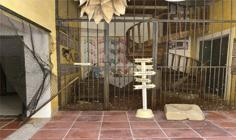
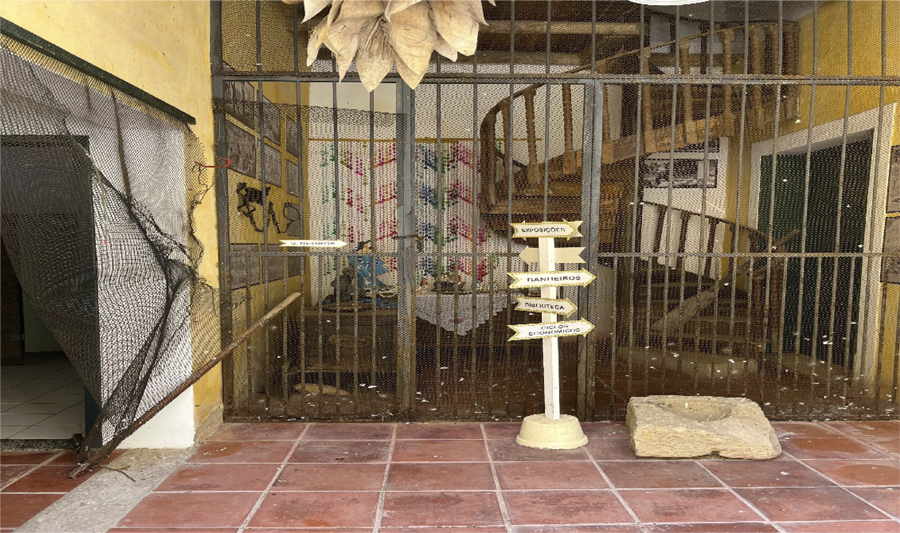 Fonte: Acervo dos autores.
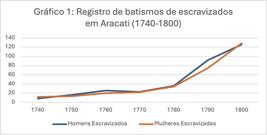
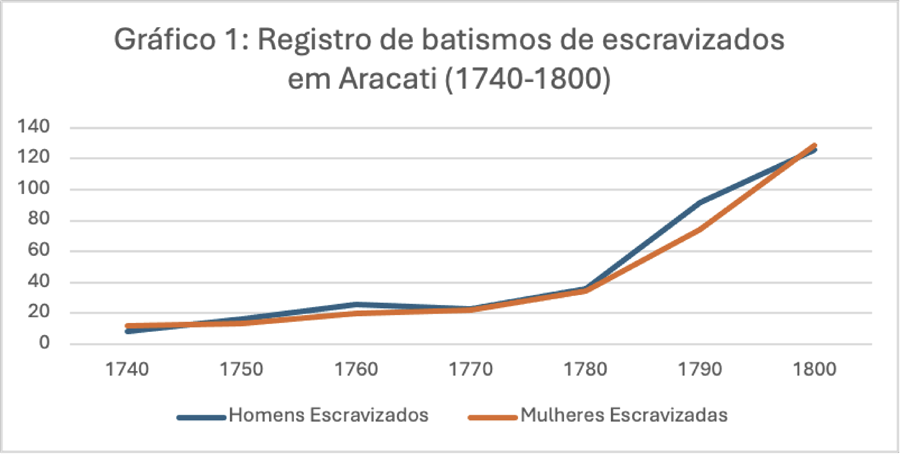 Fonte: Assentos de batizados da freguesia de Aracati (1740-1800), livros 01 ao 14, da Arquidiocese de Limoeiro do Norte.
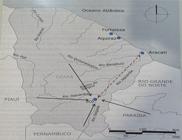
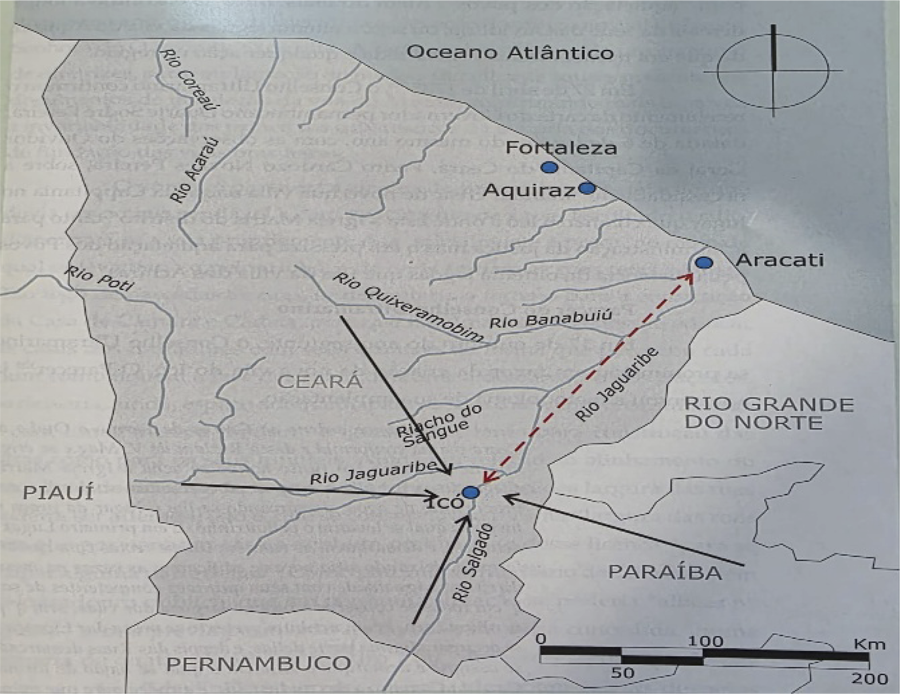 Fonte: JUCÁ NETO, Clóvis Ramiro; GONÇALVES, Adelaide. Arquitetura como extensão do sertão: Casa de fazenda setecentista e oitocentista dos Inhamuns Ceará. Fortaleza: Fundação Waldemar Alcantara, 2019, p. 67.
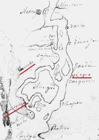
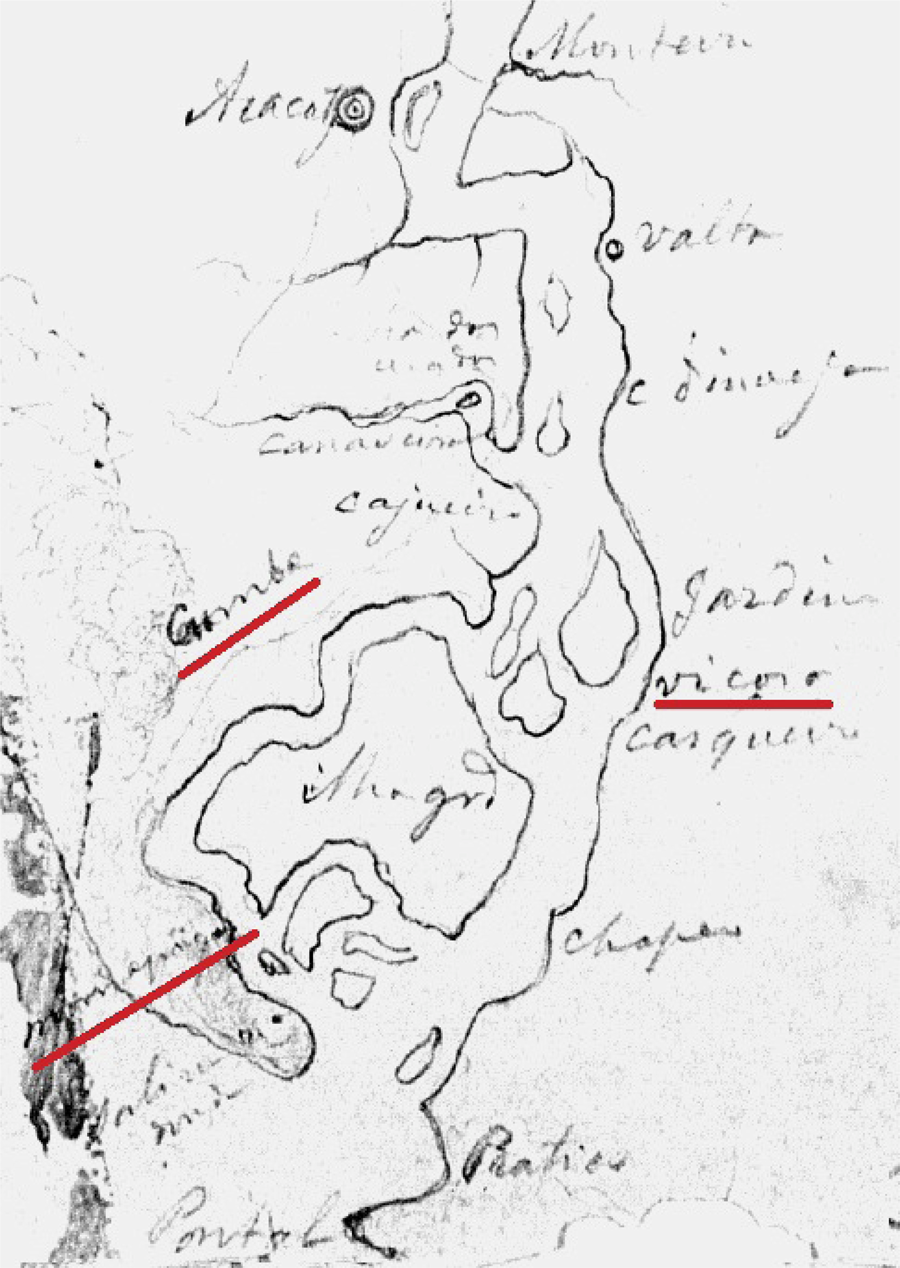 Fonte: Cartas (2) do Curso do Rio Jaguaribe, com detalhe da Ilha Grande. Aracati, 05/09/1859.