
 Endophytic bacteria from lettuce seedlings antagonistic to the phytopathogenic fungus Alternaria sp.
ABSTRACT
Endophytic microorganisms in lettuce plants have received little attention for their potential biological control of phytopathogens. This study aimed to isolate, identify, and select endophytic bacteria from lettuce seedlings cv. Brava and Creta, antagonistic to the phytopathogenic fungus Alternaria sp. (ALT23) in culture media through direct interaction. The experimental design was completely randomized in an 11 x 2 factorial scheme, with 11 treatments [Control - ALT23 and 10 previously selected bacterial isolates] and two evaluation periods (the 5th and 8th day after inoculation) with four replications each. The 16S rDNA gene sequences of the isolates revealed a high similarity with Bacillus tequilensis KCTC 13622, B. subtilis NCIB 3610, B. velezenzis CR-502, B. siamensis KCTC 13613, and Paenibacillus polymyxa ATCC 842. The selected bacterial isolates reduced ALT23 mycelial diameter (46.2-65.3%) and rate (51.8-91.6%). We conclude that endophytic bacterial isolates with antagonistic potential against phytopathogens must be selected after more than five days of cultivation in a culture medium, as longer cultivation times favor endophyte inhibitory activity.
Index terms:
Lactuca sativa; biological control; biofungicide; phytopathogen
RESUMO
Microrganismos endofíticos em plantas de alface têm recebido pouca atenção pelo seu potencial controle biológico de fitopatógenos. Este estudo teve como objetivo isolar, identificar e selecionar bactérias endofíticas de plântulas de alface cv. Brava e Creta, antagonistas do fungo fitopatogênico Alternaria sp. (ALT23) em meio de cultura através de interação direta. O delineamento experimental foi inteiramente casualizado em esquema fatorial 11 x 2, com 11 tratamentos [Controle - ALT23 e 10 isolados bacterianos previamente selecionados] e dois períodos de avaliação (5º e 8º dia após a inoculação) com quatro repetições. As sequências do gene 16S rDNA dos isolados revelaram uma alta similaridade com Bacillus tequilensis KCTC 13622, B. subtilis NCIB 3610, B. velezenzis CR-502, B. siamensis KCTC 13613 e Paenibacillus polymyxa ATCC 842. Os isolados bacterianos selecionados reduziram o diâmetro micelial de ALT23 (46,2-65,3%) e a taxa (51,8-91,6%). Concluímos que isolados bacterianos endofíticos com potencial antagônico contra fitopatógenos devem ser selecionados após mais de cinco dias de cultivo em meio de cultura, pois tempos de cultivo mais longos favorecem a atividade inibitória do endófito.
Termos para indexação:
Lactuca sativa; controle biológico; biofungicida; fitopatógeno
Introduction
Lettuce (Lactuca sativa L.), a species from the Asteraceae family capable of adapting to various soil and climatic conditions, is among Brazil’s most widely consumed vegetables (Lima et al., 2018). However, the phytopathogenic fungus Alternaria sp. can accelerate the emergence of leaf spots by synthesizing phytotoxic substances (Töfoli & Domingues, 2018; Chiotta et al., 2020).
Chemical fungicides have been the most widely used method of controlling phytopathogens in the field. However, their high toxicity and presence of non-biodegradable heavy metals can compromise human health and the environment (Castro et al., 2020). Alternatively, endophytic microorganisms, which colonize plant tissue without causing damage (Azevedo, 1998; Chatuverdi, Sing & Gupta, 2016; Hayashibara et al, 2022), have been used in the biological control of phytopathogens without disrupting the agricultural ecosystem’s equilibrium (Silva & Dourado, 2022).
Among endophytes, bacteria from the Bacillus and Paenibacillus genera have multiple functions and can play a crucial role in sustainable agriculture. These bacteria can increase the availability of essential elements to plant metabolism, such as nitrogen and phosphorus (Chaturvedi, Sing & Gupta, 2016; Aquino et al., 2019); synthesize hormones (Rehan et al., 2023; Sultan, Elsayed & El-Amier, 2023), and induce systemic resistance to abiotic factors and phytopathogens (Langendries & Goormachtig, 2021; Pei et al., 2021). Bacillus spp. and Paenibacillus polymyxa can synthesize antimicrobial compounds, such as enzymes, lipopeptides, and volatile lipopeptides, which can directly target fungi, bacteria, and phytopathogenic nematodes (Morales-Cedeño et al., 2021; Wang et al., 2022; Malik et al., 2024).
Bacillus amyloliquefaciens - MGSS B274 and B. methylotrophicus - MGSS B273 applied to lettuce seeds reduced the incidence of the fungi Aspergillus flavus, A. fumigatus, A. niger, Chaetomium globosum, Curvularia lunata, Trichoderma sp., and Rhizopus stoloniger in seeds (Costa et al., 2021). Furthermore, a biological nematicide based on the endophytic bacterium B. subtilis effectively controlled the root-knot nematode Meloidogyne javanica in lettuce cv. Solaris as well as increased the number of leaves in plants infested with the phytopathogen (Domingues et al., 2022).
To date, endophytic bacteria with antagonistic potential against phytopathogens have been isolated from canola plants (Brassica napus L.), cowpea seeds (Vigna unguiculata (L.) Walp), soybean seeds (Glycine max (L.) Merr.), tomato plant (Solanum lycopersicum L.), roots and leaves of Paspalum vaginatum Swartz, roots of Piper tuberculatum Jacq., and from the leaves of Prunus cerasifera (Oliveira et al., 2021; Pei et al., 2021; Sharma et al., 2021; Baard et al., 2023; Fernandes et al., 2023; Oliveira, Silva, & Tebaldi, 2023). However, it is still unknown how endophytic bacteria identified from lettuce seedlings contribute to the regulation of phytopathogens. In this context, selecting endophytic bacteria from the same plant where the disease occurs may improve the phytopathogen’s biological control efficiency, as endophytes may adapt better to the specific host plant.
This work aimed to isolate, identify, and select endophytic bacteria from lettuce cv. Brava and Creta seedlings antagonistic to the phytopathogenic fungus Alternaria sp. in culture medium.
Material and Methods
Isolation of phytopathogenic inoculum
We collected Alternaria sp. phytopathogenic isolate ALT23 from tomato (Solanum lycopersicum L.) plants that showed early blight symptoms. The fragments containing the phytopathogen’s mycelium and spores were transferred to sterile Petri dishes with a pre-poured potato-dextrose-agar culture medium (commercial PDA, 39 g.L-1). Incubation lasted seven days at 28 ± 1 ºC with an 8-hour light photoperiod. A 5 mm diameter disc of the culture medium colonized by the ALT23 fungus was employed as inoculums in bioassays to select antagonistic bacterium isolates and inhibit mycelial growth of the phytopathogen.
Lettuce cultivars
Brava and Creta lettuce cultivars (Lactuca sativa L.) were utilized to extract the endophytic microbial isolates. The company Isla Sementes Ltd produced the seeds of these cultivars in Porto Alegre, Rio Grande do Sul, Brazil, without any chemical treatment. The examined cultivars exhibit no resistance or tolerance to Alternaria sp. fungus, although cv. Brava resists high-temperature cultivation and cv. Creta resists the Lettuce mosaic virus (LMV) (Isla, 2024).
Isolation of endophytic bacteria from lettuce seedlings
The lettuce seeds were disinfested (surface disinfected) by manual shaking in 70% alcohol and 0.2% sodium hypochlorite, followed by three one-minute washes in autoclaved distilled water (Alfenas & Mafia, 2007). The disinfested seeds were spread in a Gerbox lined with three sheets of autoclaved filter paper and moistened with autoclaved distilled water. We duplicated the experiment setup with 25 seeds per Gerbox and cultivar. These Gerbox were then incubated for seven days at 28 ± 1 ºC with an 8-hour light photoperiod. Five milliliters of autoclaved distilled water per Gerbox was added on the second day after sowing.
Four 0.5 cm fragments from the most vigorous seedlings were transferred to commercial PDA Petri dishes. We used three replicates for each cultivar. According to Landa et al. (1997), using a PDA medium eliminates nutrient competition between fungi and bacteria as it is a nutritionally rich medium. The samples were incubated for five days at 28 ± 1 ºC with an 8-hour light photoperiod.
We used a modified version of the Madigan et al. (2016) protocol to perform a serial dilution of 10-3 to acquire pure bacterial culture. In brief, we transferred a 6 mm disc of culture medium colonized by the bacterial isolates to a test tube containing 10 mL of autoclaved distilled water and gently vortexed. A 1 mL aliquot was then transferred to test tubes with 9 mL of autoclaved distilled water (10-1 dilution) and shaken again. The process was repeated until the dilution reached 10-3, after which an aliquot of 1 mL of this solution was placed on Petri dishes containing commercial PDA media and dispersed using a Drigalski loop. The plates were incubated at 28 ± 1 ºC with an 8-hour light photoperiod. We quantified the number of bacteria in each sample. The isolates were identified using the cultivar acronyms BR (Brava) and CR (Creta), followed by a numerical identification sequence.
Selection of endophytic bacteria antagonistic to the fungi Alternaria sp.
We placed a 5 mm mycelial disc of the ALT23 isolate of the phytopathogenic fungus Alternaria sp. in the center of a commercial PDA Petri dish. We employed the PDA culture medium because it has a chemical composition that promotes mycelial growth and fungus sporulation (Devi et al., 2018), as well as the ability to evaluate the antifungal activity of endophytic bacteria (Fallahzadeh-Mamaghani et al., 2021; Yadav et al., 2021).
Four discs of autoclaved filter paper, each 5 mm in diameter, were moistened with autoclaved distilled water and immersed in the respective bacteria cultures (four discs per culture). The disks were then placed 2.5 cm from the inoculum of the phytopathogenic fungus and incubated at 28 ± 1 ºC with an 8-hour light photoperiod for five days.
Mycelial diameter (MD, in cm) was determined by averaging two cross-measurements of mycelial growth recorded with a millimeter ruler after the fifth day of cultivation. The percentages of inhibition of mycelial diameter (PI-MD, in %) were calculated using the equation: PI = (MDc - MDt)/MDc x 100, where MDc is the value of mycelial diameter (MD) analyzed in the control treatment (ALT23) without inoculation of the endophytic bacterial isolate, and MDt is the value of mycelial diameter (MD) analyzed in the treatment in the presence of the endophytic bacteria. Bacterial isolates that inhibited mycelial growth of the ALT23 fungus by more than 40% were selected for quantitative antifungal activity testing and genetic characterization.
Identification of selected isolates
The genomic DNA of the selected antagonistic bacteria was extracted using the phenol-chloroform method described by Sambrook and Russel (2001) and Alippi and Aguilar (1998). Primers 27F (GAGTTTGATCCTGGCTCAG) and 1525R (AGAAAGGAGGTGATCCAGCC) were used to amplify the whole 16S rRNA gene sequence (Rainey et al., 1996). PCR reactions and sequencing were performed according to Bach et al. (2011). Low-quality sequences were trimmed using Chromas software (Version 2.6.6) (Technelysium, 2023), and contigs were assembled with CAP3 (Huang & Madan, 1999), which was implemented in UGENE (Okonechnikov, Golosova & Fursov, 2012). The 16S rRNA sequences were run through the Basic Local Alignment Search Tool (BLAST) at NCBI (Blast, 2023; EzBioCloud, 2023). The nucleotide sequences acquired during this study were deposited in the GenBank database of the selected isolates. The phylogenetic analysis used the type strain sequences of the most closely related species. Alignment was performed using the MUSCLE algorithm (Edgar, 2004), and phylogenetic trees were constructed with IQ-TREE software (Minh et al., 2020) using the maximum-likelihood approach and a 1,000-replication bootstrap. The resulting phylogenetic trees were edited using the iTOL tool (Letunic & Bork, 2019).
Inhibition of Alternaria sp. mycelial growth by endophytic bacteria
The experimental design was completely randomized in an 11 x 2 factorial scheme, with 11 treatments [Control - ALT23; and ten bacterial isolates selected in the previous bioassay (BR1, BR3, CR1.1, CR1.2, CR2.3, CR3.1, CR3.2, CR4.0, CR5.3, and CR7.40] and two periods of evaluation (5th and 8th day after inoculation) with four repetitions. The methodology used was the same as previously described. However, the cultivation was conducted at room temperature to simulate field conditions.
The analyzed variables included diameter and growth rate, the percentage of inhibition of diameter and mycelial growth rate, and odor. On the fifth and eighth day of cultivation, the mycelial diameter (MD, in cm) was measured using a millimeter ruler in line with the approach described in the previous section. The mycelial growth rate (MGR, in cm day-1) was calculated using the following equation: MGR = (MDf - MDi)/T x 100, where MDf is the final mycelial diameter, MDi is the initial mycelial diameter, and T is the time interval in days. The percentages of inhibition of mycelial diameter (PI-MD, in %) and growth rate (PI-MGT, in %) were calculated using the equation: PI = (VAw - VAt)/VAw x 100, where VAw is the value of the variable analyzed in the control treatment (ALT23) without inoculation of the endophytic bacteria isolate, and VAt is the value of the variable analyzed in the treatment in the presence of the endophytic bacteria. The odor of bacteria growth was defined as odorless, mild, or strong.
Statistical analysis
The acquired data were subjected to analysis of variance, and in cases where there was a significant difference, the Tukey test was performed at 5% probability using the SISVAR version 5.8 software (Ferreira, 2019).
Results and Discussion
Endophytic bacterial isolates from lettuce seedlings
Our study recovered two endophytic bacterial isolates from lettuce seedlings cv. Brava (BR1 and BR3), and 15 from cv. Creta (CR1 to CR7.4), for a total of 17 isolates. This number is comparable to the 18 endophytes detected in lettuce leaves by Soylu et al. (2021) and Muñoz et al. (2022) but lower than the 32 endophytic bacteria retrieved by Orel (2020). We found that the fungus Aspergillus spp. contaminated the non-germinated cv. Brava and Creta seeds at a rate of 12 and 2%, respectively. According to Costa et al. (2021) and Azevedo (1998), the fungus Aspergillus spp. can spread to other seedlings without causing damage and compete with other endophytes. Therefore, the presence of this fungus may have influenced the coexistence of endophytic microorganisms, contributing to the low number of endophytes isolated from the seedlings of the tested cultivars.
Selection of endophytic bacteria antagonistic to the fungus Alternaria sp.
Thirteen of the 17 endophytic bacterial isolates from the cv. Brava and Creta reduced the ALT23 fungus’s mycelial diameter by more than 40%. These 13 isolates accounted for 76.5% of the microorganisms isolated from the seedlings of the examined lettuce cultivars (Table 1).
This percentage was drastically higher than that Orel (2020) observed, where only 6.25% of endophytes isolated from lettuce leaves displayed significant antimicrobial activity due to restricted mycelial growth. Other researchers reported similar findings. For example, Yadav et al. (2021) discovered that endophytes obtained from rice plants (Oryza sativa L.), maize (Zea mays L.), soybean (Glycine max (L.) Merr.), oats (Avena sativa L.), and sesame roots (Sesamum indicum L.) could inhibit the growth of the phytopathogen Fusarium oxysporum f. sp. lactucae. The presence of the bacteria Pseudomonas affected the mycelial growth of the phytopathogenic fungus Phytophthora infestans, resulting in the release of volatile compounds and morphological alterations in the fungal hyphae (Soylu et al., 2021; Anand et al., 2023).
A B. subtilis isolate reportedly inhibited Colletotrichum gloeosporioides growth by up to 100% by lysis and mycelium destruction (Ashwini & Srividya, 2014). A similar phenomenon could have occurred in our current study and resulted in a shift in mycelial growth. According to Li and Chen (2019), P. polymyxa WLY78 disrupted hyphae membranes, reduced mycelial growth, and inhibited spore germination in various phytopathogenic fungi via fusaricidin.
Thus, the 13 bacterial endophytes (BR1, BR3, CR1.1, CR1.2, CR2.2, CR2.3, CR3.1, CR3.2, CR4.0, CR5.3, CR7.1, CR7.2, CR7.3, and CR7.4) isolated from the seedlings of the two tested lettuce cultivars demonstrated fungistatic activity and were selected for genetic characterization and evaluation of their antagonistic potential.
Identification of selected isolates
Endophytic bacterial isolates with antagonistic potential against the phytopathogen ALT23 isolated from lettuce seedlings cv. Brava and Creta exhibited a high similarity to Bacillus and Paenibacillus species. The molecular analysis of the isolates BR1 and BR3 from cv. Brava revealed a significant phylogenetic link with B. tequilensis KCTC 13622 and B. subtilis NCIB 3610, with 99.78% and 99.79% similarity, respectively. CR1.1, a bacterium isolated from lettuce cv. Creta was similar to P. polymyxa ATCC 842, but CR1.2, CR2.3, and CR3.1 isolates were comparable to B. tequilensis KCTC 13622. We could not identify the isolate CR3.2 based on the 16S rRNA sequencing. CR4.0 and CR5.3 exhibited similarity with B. velezensis CR-502 and CR7.4 with B. siamensis KCTC 13613 (Table 2, Figure 1).

Phylogenetic tree of species based on 16S rRNA gene sequences. The tree was reconstructed using Maximum Likelihood (ML) and IQ-TREE software. Bootstrap values below 70% are not shown. Isolate labels are displayed in red. Lactobacillus delbrueckii DSMZ_20074 T was designated as the outgroup.
Dobrzyński et al. (2023) determined that bacteria from the Bacillus and Paenibacillus genera are Gram-positive and have a role in the biological control of pathogens and pests. However, there have been no reports of isolating endophytes from lettuce seedlings belonging to the species B. tequilensis, B. siamensis, B. velezensis, and P. polymyxa. Hou et al. (2013) discovered that the most common genera in romaine and red lettuce leaves wereBacillus, Pseudomonas, and Pantoea.
Muñoz et al. (2022) isolated B. velezensis SPL51 and Paenibacillus sp. PL91 from lettuce leaves and found them to have high antimicrobial activity. Furthermore, a strain of B. velezensis isolated from strawberries demonstrated antifungal activity against Rhizoctonia solani on tomato plants (Abbas et al., 2024). B. subtilis isolated from lettuce leaves inhibited mycelial growth and germination of the fungus Sclerotinia sclerotiorum sclerotia (Soylu et al., 2021). Endophytic isolates of B. subtilis MGRP21, S2, and CPCF54, as well as B. velezensis JM11, demonstrated direct antifungal activity against the phytopathogenic fungus Alternaria alternata in tomato plants (Malik et al., 2024).
The P10 isolate of B. subtilis derived from the leaves of P. cerasifera showed antagonistic activity against the phytopathogenic fungi Verticillium dahliae, Botryosphaeria dothidea, F. oxysporum, F. graminearum, and F. moniliforme (Pei et al., 2021), and the one isolated from B. siamensis inhibited mycelial growth and conidia germination of the phytopathogenic fungus F. graminearum (Huang et al., 2022). Further, SL9 from B. tequilensis showed antimicrobial activity against Cladosporium and Alternaria species (Su et al., 2024). Thus, the selected isolates from our study may also work antagonistically against other phytopathogens, indicating the possibility of a multiple-action biopesticide whose effectiveness might be evaluated in future research.
Inhibition of Alternaria sp. mycelial growth by endophytic bacteria
B. velezensis UK1 inhibited the mycelial growth of the fungus A. alternata KL-1 by up to 47% after 24 hours (Lee et al., 2022). In the current study, isolates BR1 (B. tequilensis), CR3.2 (endophyte not identified), CR5.3 (B. velezensis), and CR7.4 (B. siamensis) induced a more pronounced change in ALT23 mycelial growth (above 50%) after the second day of inoculation (Figure 2).

Mycelial growth change (MGC, %) of the phytopathogenic fungus ALT23 (Alternaria sp.) in the presence of endophytic bacterial isolates from lettuce seedlings cv. Brava and Creta, after two days of inoculation.
Isolates from the same species behaved differentially, as observed for BR1, CR1.2, CR2.3, and CR3.1, all of which were recognized as belonging to the B. tequilensis species but resulted in a shift in ALT23 growth ranging from 0 to 63%. We achieved similar results with isolates CR4.0 and CR5.3, identified as B. velezensis, which enhanced ALT23 growth by 25% to 75% (Figure 1).
We also observed the variance in mycelial growth change between bacterial isolates of the same species (B. subtilis isolates EAB2, EAB3, EAB8, EAB9, and EAB10) from lettuce leaves (Soylu et al., 2021). Similarly, isolates of B. subtilis MR3 and MR19, as well as Paenibacillus peoriae RR8, RR12, RR33, and RR34, showed a variation in the mycelial growth change for the fungus F. oxysporum f. sp. lactucae (Yadav et al., 2021). However, in this same study, isolates of B. siamensis OR7, EN18, EN20, EN21, EN22, and EN23 from rice, maize, and sesame plants did not differ in their ability to suppress the fungus F. oxysporum f. sp. lactucae.
We also discovered that isolates from the same species exhibit distinct colony morphologies, as seen with B. tequilensis isolates CR1.2, CR2.3, and CR3.1. Isolates CR4.0 and CR5.3, identified as the closest to B. velezensis, also presented distinct bacterial morphology. Sultan, Elsayed and El-Amier (2023) observed similar results for B. velezensis isolates derived from the medicinal plant Senecio glaucus.
All endophytic bacterial isolates reduced ALT23’s mycelial diameter (MD) on the 5th and 8th day of cultivation. Increasing the cultivation period encouraged the phytopathogen’s mycelial growth exclusively in the control, BR3, CR5.3, and CR7.4 treatments (Table 3, Figure 3).
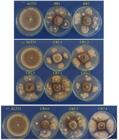
Mycelial growth of Alternaria sp. (ALT 23), a phytopathogenic fungus, in the presence of endophytic bacterial isolates from lettuce seedlings of Creta (CR 1.1 to CR 7.4) and Brava (BR 1 and BR 3), after eight days of cultivation (bar = 1 cm).
Compared to the control, the endophytic bacterial isolates reduced the mycelial diameter (PIC-MD) of the fungus ALT23 by 46.2 to 57.0% on the fifth day and 57.3 to 65.3% on the eighth day of cultivation, with no difference between bacterial treatments per period. The longer the cultivation duration, the greater the inhibition of the ALT23’s mycelial diameter by all the bacterial isolates evaluated, except for the CR5.3, which showed no significant difference between the two assessment periods (Table 3).
Su et al. (2024) reported that B. tequilensis SL9 showed antimicrobial efficacy against Alternaria sp. In the present study, B. tequilensis isolates (BR1, CR1.2, CR2.3, and CR3.1) reduced the growth of the fungus ALT23 (Alternaria sp.) from 62.2 to 64.2% (Table 3), which is more than the inhibition of 29.1% by the SL9 isolate (Su et al. 2024). An earlier study showed that B. tequilensis A13 effectively inhibited Fusarium solani growth in vitro by 73.49 ± 1.33% (Wang et al., 2023). These findings demonstrate the antagonistic potential of this endophytic species in controlling several phytopathogen species.
The isolate BR3 (B. subtilis) suppressed ALT23 growth by 63% (Table 3), which was higher than the 53.7% inhibition of the phytopathogenic fungus F. oxysporum f. sp. lactucae caused by B. subtilis MR3 (Yadav et al., 2021). Earlier, B. subtilis EAB8, EAB0, and EAB10 isolates from lettuce plants were found to be effective against phytopathogens such as Sclerotinia sclerotiorum, Alternaria solani, R. solani AG2-2 IIB, Botrytis cinerea BO5.10, Fusarium culmorum PV, F. oxysporum, Phytium ultimum, Pseudomonas syringae pv. tomato DC300, and Bacillus cereus ATCC 1414579 (Muñoz et al., 2022). Furthermore, the commercial B. subtilis strain QST 713 reduced the growth of the bacteria Pseudomonas cichorri and P. viridiflava in lettuce (Orel, 2020), emphasizing the necessity of evaluating isolate BR3’s antagonistic potential against other phytopathogens.
Compared to the control treatment, isolate CR1.1 (P. polymyxa) suppressed ALT23’s mycelial diameter by 59.7% (Table 3). An earlier study recognized P. polymyxa N179 as a multifunctional biocontrol agent due to its high antimicrobial activity against fungi and bacteria, as well as nematicide action against the eggs and juveniles of the nematode Meloidogyne arenaria (Fallahzadeh-Mamaghani et al., 2021). The study also reported that this isolate of P. polymyxa increased the fresh biomass of beans, cucumber, wheat, and corn by 44%, 35%, 46%, and 45%, respectively, highlighting this endophytic species’ potential as a biofertilizer and biopesticide.
The isolates CR4.0 and CR5.3 (B. velezensis) reduced the mycelial growth of ALT23 from 57.3 to 65.3% (Table 3). The B. velezensis SEB1 isolated from Vigna mungo (L.) inhibited fungus A. alternata growth by 82.34 ± 4.56% (Gorai et al., 2021). B. velezensis ZY-1, isolated from the stem of Buddleja lindleyana, inhibited the mycelial growth of A. solani (81.1%), B. cinerea (93.8%), Valsa mali (83.2%), Monilinia fructicola (80.9%), F. oxysporum f. sp. capsicum (76.7%), and Colletotrichum lindemuthianum (70.6%) (Ren et al., 2022). B. velezensis UK1 suppressed the mycelial growth of the fungus A. alternata KL-1 by 72-99% (Lee et al., 2022). These findings emphasize the significance of B. velezensis species in the biological control of phytopathogenic fungi.
There are no reports on the impact of endophytes on the growth rate of phytopathogenic fungi in the existing literature. All selected bacterial isolates in our investigation significantly reduced the growth rate of ALT23 on the 5th and 8th day of cultivation. On the 8th day of cultivation, the treatments with isolates BR1, BR3, CR1.1, CR1.2, CR2.3, CR3.1, CR3.2, CR4.0, and CR7.4 exhibited the lowest ALT23 growth rate values. Increasing the cultivation period significantly reduced the ALT23 growth rate in all treatments (Table 4).
After five days of incubation, the percentage of ALT23 mycelial growth rate inhibition (PI-MGT) by the bacterial isolates ranged from 51.8 to 91.6%, with no significant differences across endophytes. On the eighth day of cultivation, the inhibition rate ranged from 65.7 to 91.6%, with no significant variation across the isolates, except for CR5.3, which exhibited the lowest growth rate inhibition value against ALT23 and no difference between growing periods (Table 4).
The ability of some endophytes, such as Bacillus and Paenibacillus species, to synthesize substances like chitinase, 2,4-diacetylphloroglucinol (DAPG), phycocyanin, siderophores, and lytic enzymes that break down the pathogen’s cell membrane, contributes to their antifungal activity (Ashwini & Srividya, 2014; Zhao et al., 2024). B. velezensis isolated from the medicinal plant S. glaucus synthesizes several enzymes, including catalases, amylases, cellulases, proteases, and lipases, all of which can influence phytopathogen management (Sultan, Elsayed, & El-Amier, 2023). P. polymyxa WLY78 produces fusaricidin, which inhibits the Fusarium genus, Verticillium albo-atrum, Monilia persoon, Alternaria mali, B. cinerea, and A. niger by reducing spore germination and rupturing the fungal hyphae membrane (Lin & Chen, 2019).
Compared to the control, all treatments with endophytic bacterial isolates caused an alteration in the medium’s odor. Treatments with B. tequilensis isolates BR1, CR1.2, and CR2.3, as well as B. subtilis BR3, generated a strong odor. In contrast, treatments with isolates CR1.1 (P. polymyxa), CR3.1 (B. tequilensis), and CR7.4 (B. siamensis) produced a mild odor in the environment.
Schulz-Bohm et al. (2017) defined volatile compounds as odorous molecules with low molecular mass. B. siamensis isolate LZ88 showed significant antagonistic activity against the phytopathogenic A. alternata due to the release of non-volatile compounds (iturins and macrolactin) and volatile compounds (ketones and 2-methyl butanoic and 3-methyl butanoic acids), which promoted fungal growth inhibition through the deformation and collapse of the phytopathogen hyphae (Wang et al., 2022). Similarly, B. velezensis ZJ1 demonstrated an antagonist effect against phytopathogenic fungi A. solani owing to the release of volatile organic compounds such as isooctanol and 2-nonanol (Ren et al., 2022). Morales-Cadeño et al. (2021) showed that endophytic bacteria release volatile compounds such as phenols, quinones, and alkaloids that can impede the mycelial growth of phytopathogens. Malik et al. (2024) added that the release of lipopeptides and volatile and diffusible organic compounds into the culture medium was responsible for the antifungal action of Bacillus spp. isolates. These compounds can directly affect the mycelial growth of the phytopathogenic fungus, as demonstrated by the reported ability of the Bacillus velezensis NKMV-3 isolate to inhibit the mycelial growth of A. solani (Vignesh et al., 2022).
Bacillus and Paenibacillus bacteria have been reported to promote plant growth by fixing nitrogen, solubilizing phosphorus, and synthesizing growth hormones and antimicrobial compounds (Rehan et al., 2023; Liu et al., 2019). Endophytes can promote host plant growth by producing hormones like indole-acetic acid, gibberellin, and siderophores, solubilizing phosphate in soil, increasing resistance to abiotic factors like salinity and high temperatures, and protecting against phytopathogens (Sultan, Elsayed & El-Amier, 2023; Abbas et al., 2024). Therefore, the antagonistic activity of the selected endophytic bacterial isolates on the ALT23 could be attributed to the release of volatile compounds, the chemical composition of which should be investigated in the future.
In general, endophytic bacteria of the genus Bacillus sp. and the species P. polymyxa isolated from lettuce seedlings cv. Brava and Creta demonstrated antagonistic activity in vitro against the fungus Alternaria sp. However, more research is needed to evaluate the antagonistic potential against other phytopathogens, such as bacteria and nematodes, as this could result in a broad-spectrum phytosanitary product. Furthermore, bioassays in the field are necessary to understand the behavior of these endophytes in the biological control of the fungus Alternaria sp.
Conclusions
The endophytic bacteria found in the lettuce varieties Brava and Creta have antagonistic potential against phytopathogenic Alternaria sp. 16S rDNA gene sequencing of these bacterial isolates revealed a high similarity with Bacillus tequilensis, B. subtilis, B. velezensis, B. siamensis, and Paenibacillus polymyxa. We propose that endophytic bacterial isolates having antagonistic potential against phytopathogens must be selected in vitro over a five-day cultivation period, as increased cultivation promotes endophyte inhibitory activity.
Acknowledgments
This study was supported by the Universidade Federal de Sergipe (UFS), and I.D.A.R received a scholarship from Fundação de Amparo à Pesquisa do Estado Rio Grande do Sul (FAPERGS, RS, Brazil).
References
- Abbas, M. M. et al. (2024). Efficacy of endophytic bacteria as promising inducers for enhancing the immune responses in tomato plants and managingRhizoctoniaroot-rot disease.Scientific Reports,14:1331.
- Alfenas, A. C., & Mafia, R. G. (2007). Métodos em fitopatologia Viçosa: UFV, 382p.
- Alippi, A. M., & Aguilar, O. M. (1998). Characterization of isolates of Paenibacillus larvae sub sp. larvae from diverse geographical origin by the polymerase chain reaction and BOX primers. Journal of Invertebrate Pathology, 72(1):21-27.
- Anand, U. et al. (2023). Current scenario and future prospects of endophytic microbes: promising candidates for abiotic and biotic stress management for agricultural and environmental sustainability. Microbial Ecology, 86:1455-1486.
- Aquino, J. P. A. et al. (2019). Plant growth-promoting endophytic bacteria on maize and sorghum. Pesquisa Agropecuária Tropical, 49:e56241.
- Ashwini, N., & Srividya, S. (2014). Potentiality of Bacillus subtilis as biocontrol agent for management of anthracnose disease of chilli caused by Colletotrichum gloeosporioides OGC1. 3 Biotech, 4(2):127-136.
- Azevedo, J. L. (1998). Microrganismos endofíticos. In I. S. Melo., & J. L. Azevedo. Ecologia microbiana Jaguariúna: Embrapa, (pp. 117-137).
- Baard, V. et al. (2023). Biocontrol potential of Bacillus subtilis and Bacillus tequilensis against four Fusarium species. Pathogens, 12(2):254.
- Bach, E. et al. (2011). Characterization of feather-degrading bacteria from Brazilian soils. International Biodeterioration & Biodegradation, 65(1):102-107.
-
Blast (2023). Basid local alignment search tool Available in: <https://blast.ncbi.nlm.nih.gov/Blast.cgi/>.
» https://blast.ncbi.nlm.nih.gov/Blast.cgi/ - Castro, T. M. et al. (2020). Vulnerabilidade do solo em área agrícola à contaminação por agrotóxicos. Revista FSA, 17(1):217-229.
- Chaturvedi, H., Sing, V., & Gupta, G. (2016). Potential of bacterial endophytes as plant growth promoting factors. Journal of Plant Pathology & Microbiology, 7(9):1000376.
- Chiotta, M. L. et al. (2020). Toxigenic fungal species and natural occurrence of mycotoxins in crops harvested in Argentina. Revista Argentina de Microbiologia, 52(4):339-347.
- Costas, N. J. F. et al. (2021). Microbiolização de sementes de alface com Bacillus spp. para controle de fungos fitopatogênicos. Anais da Academia Pernambucana de Ciências Agronômicas, 18(1):1-14.
- Devi, K. S. et al. (2018). Screening of suitable culture media for growth, cultural and morphological characters of Pycnidia forming fungi. International Journal of Current Microbiology and Applied Sciences, 7(8):4207-4214.
- Domingues, S. C. O. et al. (2022). Ação de agentes biológicos no controle de fitonematóides em alface. Journal of Biotechnology and Biodiversity, 10(2):157-166.
- Dobrzyński J. et al. (2023). Taxonomy, ecology, and cellulolytic properties of the GenusBacillusand related genera. Agriculture, 13(10):1979.
- Edgar, R. C. (2004). MUSCLE: A multiple sequence alignment method with reduced time and space complexity. BMC bioinformatics, 5:113.
-
EzBioCloud (2023). Search EzBioCloud Database Available in: <https://www.ezbiocloud.net/>.
» https://www.ezbiocloud.net/ - Fallahzadeh-Mamaghani, V. et al. (2021). Characterization of Paenibacillus polymixa N179 as robust and multifuncional biocontrol agent. Biological Control, 154:104505.
- Fernandes, A. C. V. et al. (2023). Bactérias endofíticas associadas a Paspalum vaginatum Swartz com potencial para promoção de crescimento vegetal e biocontrole. Brazilian Journal Animal and Environmental Research, 6(2):1071-1089.
- Ferreira, D. F. (2019). Sisvar: A computer analysis system to fixed effects split plot type designs. Revista Brasileira de Biometria, 37(4):529-535.
- Gorai, P. S. et al. (2021). Biological control of early blight disease of potato caused by Alternaria alternata EBP3 by an endophytic bacterial strain Bacillus velezensis SEB1. Biological Control, 156:104551.
- Hayashibara, C. A. A. (2022). Seed inoculation with endophytic Induratia species on productivity of common beans. Ciência e Agrotecnologia, 46:e007322.
- Hou, Z. et al. (2013). Incidence of naturally internalized bacteria in lettuce leaves. International Journal of Food Microbiology, 162(3):260-265.
- Huang, X., & Madan, A. (1999). CAP3: A DNA sequence assembly program. Genome Research, 9:868-877.
- Huang, Y. et al. (2022). Isolation of lipopeptide antibiotics fromBacillus siamensis: a potential biocontrol agent forFusarium graminearum Canadian Journal of Microbiology, 68(6):403-411.
-
Isla Sementes. (2024). Alface Available in: <https://www.isla.com.br>.
» https://www.isla.com.br - Landa, B. B. et al. (1997). Antagonistic activity of bacteria from the chickpea rhizosphere against Fusarium oxysporum f. sp. ciceris Phytoparasitica, 25:305-318.
- Langendries, S., & Goormachtig, S. (2021). Paenibacillus polymyxa, a Jack of all trades. Environmental Microbiology, 23(10):5659-5669.
- Lee, K. H. et al. (2022). Effects of plant extracts and the antagonistic microbe Bacillus velezensis UK1 on mycelial growth of the lettuce leaf spot pathogen Alternaria alternata KL-1. Journal of Agricultural, Life and Environmental Sciences, 34:(1):1-8.
- Letunic, I., & Bork, P. (2019). Interactive tree of life (iTOL) v4: Recent updates and new developments. Nucleic Acids Research, 47:W256-W259.
- Li, Y., & Chen, S. (2019). Fusaricidin produced byPaenibacillus polymyxaWLY78 induces systemic resistance against Fusarium wilt of cucumber.International Journal of Molecular Sciences, 20(20):5240.
- Lima, M. S. S. et al. (2018). Qualidade e produtividade econômica de cultivares alface conduzidas nas condições edafoclimáticas do sudeste paraense. Agroecossistemas, 10(1):227-240.
- Liu, X. et al. (2019). Paenibacillus strains with nitrogen fixation and multiple beneficial properties for promoting plant growth. PeerJ, 7:e7445.
- Madigan, M. T. et al. (2016). Microbiologia de brock New Jersey: Prentice-Hall. 987p.
- Malik, J. et al. (2024). Biocontrol potential of lipopeptides produced by the novel Bacillus altitudinis strain TM22A against postharvest Alternaria rot of tomato. LWT, 191:115541.
- Minh, B. Q. et al. (2020). IQ-TREE 2: New models and efficient methods for phylogenetic inference in the genomic era. Molecular Biology and Evolution, 37(5):1530-1534.
- Morales-Cedeño, L. R. et al. (2021). Plant growth-promoting bacterial endophytes as biocontrol agents of pre- and post-harvest diseases: Fundamentals, methods of application and future perspectives. Microbiology Research, 242:126612.
- Muñoz, C. Y. et al. (2022). Biocontrol properties from phyllospheric bacteria isolated fromSolanum lycopersicumandLactuca sativaand genome mining of antimicrobial gene clusters.BMC Genomics,23:152.
- Okonechnikov, K., Golosova, O., & Fursov, M. (2012). Unipro UGENE: a unified bioinformatics toolkit. Bioinformatics, 28(8):1166-1167.
- Oliveira, D. A. et al. (2021). Characterization of Pseudomonas bacteria of Piper tuberculatum regarding the production of potentially bio-stimulating compound for plant growth. Acta Amazon, 51(1):10-19.
- Oliveira, N. S., Silva, A. C. A., Tebaldi, N. D. (2023). Simonkolleite nanoparticles for seed treatment and control of tomato bacterial spot caused by Xanthomonas hortorum pv. gardneri Ciência e Agrotecnologia, 47:e000623.
- Orel, C. D. (2020). Biocontrol of bacterial diseases with beneficial bacteria in lettuce.International Journal of Agricultural and Natural Sciences, 13(2):108-117.
- Pei, D. et al. (2021). Endophytic Bacillus subtilis P10 from Prunus cerasifera as a biocontrol) agent against tomato Verticillium wilt. Brazilian Journal of Biology, 83:e24461.
- Rainey, F. A. et al. (1996). The genus nocardiopsis represents a phylogenetically coherent taxon and a distinct actinomycete lineage: proposal of nocardiopsaceae fam. nov. Internacional Journal of Systematic and Evolutionary Microbiology, 46:1088-1092.
- Rehan, M. et al. (2023). Performance of plant-growth-promoting rhizobacteria (PGPR) isolated from sandy soil on growth of tomato (Solanum lycopersicum L.). Plants, 12(8):1588.
- Ren, L. et al. (2022). Antifungal activity and control efficiency of endophyticBacillus velezensisZJ1 strain and its volatile compounds againstAlternaria solaniandBotrytis cinereaJournal of Plant Pathology,104:575-589.
- Sambrook, J., & Russel, D. (2001). Molecular cloning: A laboratory manual New York: Cold Spring. 34p.
- Schulz-Bohm, K. et al. (2017) Microbial volatiles: small molecules with an important role in intra and inter-kingdom interactions.Frontiers in Microbiology, 8:2484.
- Sharma, A. et al. (2021). Screening of tomato seed bacterial endophytes for antifungal activity reveals lipopeptide producing Bacillus siamensis strain NKIT9 as a potential bio-control agent. Frontiers in Microbiology, 12:609482.
- Silva, A. P., & Dourado, M. N. (2022). Mecanismos de promoção de crescimento vegetal por bactérias endofíticas. Revista de Iniciação Científica CESUMAR, 24(1):e10776.
- Soylu, S. et al. (2021). Determination of antagonistic potential of endophytic bacteria isolated from lettuce against lettuce white mould disease caused by Sclerotinia sclerotiorum Zemdirbyste-Agri, 108(4):303-312.
- Su, H. et al. (2024). Rapid biosynthesis of biosurfactants byBacillus tequilensisSL9 isolated from oily sludge: Characterization, optimization, and potential applications.Journal of Surfactansts and Detergents, 27(2):211-222.
- Sultan, M. S., Elsayed, A., & El-Amier Y. A. (2023). Primer informe de bacterias endofíticas aisladas de Senecio glaucus L., Egipto. Granja, 38(2):82-95.
-
Technelysium. (2023). Chromas software - version 2.6.6 Available in: <https://technelysium.com.au/wp/chromas/>
» https://technelysium.com.au/wp/chromas/ - Töfoli, J. G., & Domingues, R. J. (2018). Doenças fúngicas. In J. U. T. Brandão Filho. et al. Hortaliças-fruto Maringá: Eduem. (pp. 271-313).
- Vignesh, M. et al. (2022). A novel rhizospheric bacterium:Bacillus velezensisNKMV-3 as a biocontrol agent againstAlternarialeaf Blight in tomato.Applied Biochemistry Biotechnology,194:1-17.
- Wang, D. et al. (2022). Identification of non-volatile and volatile organic compounds produced byBacillus siamensisLZ88 and their antifungal activity againstAlternaria alternata Biological Control, 169:104901
- Wang, R. et al. (2023). Antifungal activity and application ofBacillus tequilensisA13 in biocontrol ofRehmannia glutinosaroot-rot disease.Chemical and Biological Technologies and Agriculture,10:20.
- Yadav, D. R. et al. (2021). Suppression of Fusarium wilt caused byFusarium oxysporumf. sp.lactucaeand growth promotion on lettuce using bacterial isolates.Journal of Microbiology and Biotechnology, 31(9):1241-1255.
- Zhao, T. et al. (2024). Isolation and characterization ofPaenibacillus polymyxaB7 and Inhibition ofAspergillus tubingensisA1 by Its antifungal substances. International Journal of Molecular Sciences, 25(4):2195.


