
 The characteristics of cocoa pods and beans (Theobroma cacao L.) in the highland of Humbang Hasundutan Regency, North of Sumatra, Indonesia
Abstract
The cocoa beans of small holders were usually still of low quality, one of which was caused by the planting location of various altitudes, especially in the highlands at altitudes >800 m above sea level. Currently, cocoa cultivation is expanding to highland areas in the Humbang Hasundutan District at altitudes >800 m above sea level. The pod quality description of cocoa should be emphasized to promote cocoa development in highlands. The focus of this research was the characteristics of cocoa pods and beans on several altitudes in the higland of Humbang Hasundutan Regency, North of Sumatra, Indonesia. The research method was a survey using purposive sampling at four altitudes: 865, 960, 1030, and 1118 m above sea level (asl). The observed parameters were pod size, pod diameter, pod volume, dry weight of pod, dry weight of husk, dry weight of beans, bean count per pod, and dry weight per bean at 4 different altitudes in Humbang Hasundutan highland (>800 m asl) with 10 pods (replications) at each altitude. The results of research showed that pod size increased, pod diameter increased, pod dry weight increased, dry weight of beans increased, bean count per pod increased, and dry weight of each bean increased with the increase in altitude. The best pods and beans were at an altitude of 960 m asl, namely pod length 18.10 cm, pod dry weight 85.92 g, beans dry weight 39.02 g, number of beans per pod 38.7, and average weight per bean 1.02 g. The physical characteristics of cocoa pods and beans are still in the normal category.
Keywords:
characteristic; pod; bean; cocoa; highland
Resumo
Os grãos de cacau de pequenos produtores ainda apresentam baixa qualidade, em parte devido à variação na altitude de plantio, especialmente nas terras altas acima de 800 m de altitude. Atualmente, o cultivo de cacau está se expandindo para as áreas de terras altas no Distrito de Humbang Hasundutan, em altitudes superiores a 800 m. A descrição da qualidade das vagens de cacau deve ser enfatizada para promover o desenvolvimento do cacau nas terras altas. O foco desta pesquisa foi caracterizar as vagens e grãos de cacau em diferentes altitudes nas terras altas do Distrito de Humbang Hasundutan, Norte de Sumatra, Indonésia. O método de pesquisa foi o levantamento por amostragem intencional em quatro altitudes: 865, 960, 1030 e 1118 m acima do nível do mar. Os parâmetros observados foram: tamanho da vagem, diâmetro da vagem, volume da vagem, peso seco da vagem, peso seco da casca, peso seco dos grãos, número de grãos por vagem e peso seco por grão em 4 altitudes diferentes no planalto de Humbang Hasundutan (800 m acima do nível do mar), com 10 vagens (réplicas) em cada altitude. Os resultados da pesquisa mostraram que o tamanho da vagem, o diâmetro da vagem, o peso seco da vagem, o peso seco dos grãos, o número de grãos por vagem aumentou e o peso seco de cada grão aumentaram com o aumento da altitude. As melhores vagens e grãos foram encontrados na altitude de 960 m acima do nível do mar, com comprimento da vagem de 18,10 cm, peso seco da vagem de 85,92 g, peso seco dos grãos de 39,02 g, número de grãos por vagem de 38,7 e peso médio por grão de 1,02 g. As características físicas das vagens e grãos de cacau ainda estão na categoria normal.
Palavras-chave:
característica; vagem; grão; cacau; terras altas
1. Introduction
Globally, cocoa (Theobroma cacao L.) is grown on over 11.5 million ha of land in the equator. It is estimated that about 5 to 6 million farmers from Africa, Asia, Latin America, and Oceania produce cocoa (Kongor et al., 2024). In Indonesia, cocoa is a promising commodity for farmers, with around 94% of the cocoa plantations being owned by smallholder farmers. As of 2020, Indonesia had 1,528,300 ha of cocoa plantation, yielding 713,378 tons, a decline compared to 2019, which had 1,560,900 ha and a yield of 734,796 tons (Achmad et al., 2022). This reduction in the area has been occurring since 2017 due to climate change, changes in land use, and the presence of aging and damaged plants (Widyasanti, 2023). In North Sumatra Province, the cocoa plantation area reached 61,394 ha, producing 25,065 tons (Ruseani, 2016).
Processed cocoa beans yield products such as cocoa butter, cocoa powder, cocoa cake, as well as various chocolate food and beverages. Cocoa beans contain high levels of fat, starch, fiber, theobromine, caffeine, phenylethylamine, anandamide, and antioxidants. The combination of caffeine, theobromine, and phenylethylamine is believed to improve mood and reduce fatigue (Afoakwa, 2008). Antioxidants (phenols, flavonols, and catechins) can lower blood cholesterol levels, thus reducing the risk of coronary heart disease (Oracz and Żyżelewicz, 2020). Cocoa protein contains amino acids such as tryptophan, phenylalanine, and tyrosine (Brunetto et al., 2020). Tryptophan in cocoa bean husks is known as a natural love drug, making one feel cheerful, calm, relaxed, happy, and maintaining a positive mood. Cocoa also contains several vitamins, including vitamins A, B1, C, D, and E, along with minerals like iron, potassium, and calcium (Aydin et al., 2024).
Indonesia’s cocoa export competitiveness remains robust. The economic value of cocoa marketing is influenced by the quality of the beans, including factors like bean weight, skin thickness, fat content, moisture content, smell, the presence of broken beans, foreign matter, unfermented beans, and flat beans. Smallholder farms are generally managed simply, resulting in low productivity and poor-quality cocoa beans. Factors such as old age of plants, pest and disease attacks, and low levels of garden rejuvenation contribute to worsening production performance (Cilas and Bastide, 2020). Supporting infrastructure, such as post-harvest facilities and access to financial institutions, is also often inadequate, thus reinforcing the cycle of low productivity and farmer income (Amuda and Alabdulrahman, 2024).
The quality of cocoa beans produced from small-scale plantations is generally also low, due to the lack of implementation of post-harvest procedures that meet standards (Streule et al., 2022). The fermentation and drying processes are often carried out inconsistently or even neglected, affecting the aroma, flavor, and fat content of the beans. This directly impacts the competitiveness of smallholder cocoa in both domestic and export markets (Hirko et al., 2023). Therefore, increasing farmer capacity through technical training, institutional support, and the application of innovative cultivation and post-harvest technologies is a key factor in efforts to increase the productivity and quality of national cocoa beans (Suh et al., 2020). Some of the main pests and diseases of cocoa are the cocoa moth, Helopelthis, Phytophthora palmivora, and Oncobasidium theobromae. Good GAP practices are required, including land selection, plant material (clones), planting distance, maintenance, pest control, and harvesting. Specifically, frequent harvesting, pruning, fertilization, sanitation, and fruit protection are essential (Adeniyi and Asogwa, 2023). The highest potential yields are about 5,000 kg ha-1 year-1 in Ghana and 6,100 kg per ha per year in Malaysia (van Vliet et al., 2015).
To improve the production and quality of cocoa while protecting the environment, fertilization is a key factor (Nunoo et al., 2014). In 1,000 kg of dry cocoa beans, the nutrient content is 20 kg of nitrogen (N), 4 kg of phosphorus (P), and 10 kg of potassium (K), so fertilization is needed to replenish the nutrients lost during harvest. Phosphorus is crucial for flowering, fruit development, and cocoa production, while potassium and nitrogen are essential for growth and production (Weinstein et al., 2024). Balanced fertilization with the correct amount and proportion should be applied at the right time and manner (Sitohang et al., 2023). To suppress cocoa moth and Helopelthis sp. pests, cocoa fruit protection measures are needed by maintaining biological control ants (Oecophylla smaradigna and Dolichoderus thoracicus), covering the fruit, and fogging with insecticides (deltamethrin, cyhalothrin, or others) every 2-4 weeks (Rizal et al., 2024).
The physical quality of cocoa pods and beans is influenced by specific planting location factors such as altitude, climate, plant material, cultivation techniques, and plant maintenance. An altitude >800 m above sea level is a limiting factor for cocoa plant growth. The optimal altitude for cocoa growth is between 0-600 m above sea level, where fully ripe fruits typically range from 10 to 30 cm in length, contain 30-50 seeds, and weigh 0.8 to 1.3 g per seed, varying depending on the clone (Sitohang and Siahaan, 2018). The highest pod weight is found at altitudes between 400-900 m above sea level, and the best bean quality is at altitudes between 400-800 m above sea level (Kongor et al., 2016). High-quality cocoa beans (classes A, B, and C) are defined as weighing 1.0 to 1.2 g per bean, equivalent to 85-100 beans per 100 g. The smaller the bean, the lower its quality. Class A beans are 90-100 beans per 100 g, class B beans are 100-110 beans per 100 g, and class C beans are 110-120 beans per 100 g (Sitohang and Siahaan, 2018).
The ideal cocoa planting location in Indonesia is at altitudes <800 m above sea level (Poleuleng et al., 2020). Currently, cocoa cultivation is expanding to higher altitudes. In North Sumatra, cocoa plantations are commonly found in the lowlands, but cocoa planting by farmers has also been observed in highland areas, such as in the Humbang Hasundutan Regency, at altitudes >800 m above sea level. The cocoa plantation area in this region spans 1,559.17 ha, distributed across several sub-districts, including Pakkat (421.72 ha), Onan Ganjang (76.13 ha), Sijamapolang (51.86 ha), Paranginan (39.13 ha), Baktiraja (72.99 ha), Parlilitan (431.62 ha), and Tarabintang (465.72 ha) (Harianja, 2020). Altitude affects air pressure, temperature, rainfall, humidity, and radiation. In the highlands, air pressure, average air temperature, and solar radiation decrease, while rainfall increases (Jacobsen and Dangles, 2017). Cocoa ripening takes 5-6 months, influenced by altitude. Ripening takes about 5 months in the lowlands, while at altitudes of 500 m above sea level, it takes about 6 months (Alvim and Kozlowski, 2013).
Therefore, it is necessary to study the characteristics of cocoa pods and beans at high altitudes with altitudes >800 m above sea level, particularly in the Humbang Hasundutan Regency, Onan Ganjang District. The regression between altitude and pod quality components needs to be determined, and the quality description of cocoa should be emphasized to promote cocoa development in highlands, making it productive and profitable.
2. Materials and Methods
2.1. Study sites
This study was conducted from May 2023 to September 2024, with sample collection in May and August 2023, laboratory analysis in August 2024, and report writing in September 2024. The study was conducted at four locations >800 m above sea level (Table 1), namely in Village Batu Sandiri, Huta Toruan, Parbotihan, and Pintu Bosi, Onan Ganjang Sub District, Humbang Hasundutan District, North Sumatra Province (Figure 1).

Geografic location Onan Ganjang Sub District in the highlands of Humbang Hasundutan District.
2.2. Materials and equipment
The materials used were ripe cocoa pods obtained from farmers, estimated clone derivate of TSH 858, MCC 01, MCC 02, and RCC 70 derivate. The equipment used included altimeter, measuring tape, measuring glass, label paper, writing tools, oven, buckets, plastic bags, knives, calipers, digital scales, and other measuring instruments.
2.3. Research method
This research employed a descriptive quantitative field survey (non-experimental) (Benedetti et al., 2010). Sample collection locations were purposively chosen at four different altitudes (Figure 1). The cocoa sampling process begins with the collection of cocoa pods harvested by farmers. These pods are gathered in one location for sorting, separating viable pods from non-viable pods. Sorting ensures that only cocoa pods in good physical condition are used in analysis or further processing. At this stage, pods showing signs of damage, physical defects, or imperfections are removed to maintain consistent quality and sample representativeness.
After sorting, the cocoa pods deemed normal are combined into a single, homogeneous group, or composite sample. The minimum number of pods used for a composite sample is 40 to adequately represent the natural variation of the population. From this group, 10 cocoa pods are then randomly selected as research samples. This random sampling avoids selection bias, ensuring that each pod has an equal chance of being selected and enhancing the validity of the research results.
2.4. Data collection and analysis
Data analysis included analysis of variance, mean test, regression, and correlation. Analysis of variance and mean tests were adjusted according to the Non-Factorial Completely Randomized Design (Bender, 2020). Regression analysis followed a simple function: Y = f(X), where Y represents the dependent variables such as pod length, pod diameter, pod volume, dry pod weight, dry bean weight, bean count per pod, and average bean weight. The X represents the independent variable, which is altitude. Regression and correlation were analyzed using the SPSS (Ver. 18) program (Pallant, 2020), and descriptive analysis was adjusted to the research needs.
2.5. Variables (parameters)
The observed parameters included: altitude, characteristics of the pod, characteristics of the cocoa beans, and bean quality indicators. Altitude at each sample collection location, measured with an altimeter. Characteristics of cocoa pods, including: (a) pod length measured from the base to the tip of pod, (b) pod diameter measured at the middle of the pod using calipers, (c) pod volume measured using a measuring glass volumetrically, (d) dry pod weight the sum of the dry husk weight and dry bean weight per pod, (e) dry pod weight determined by weighing the pod after drying in an oven at 70 °C for 72 hours. Characteristics of cocoa beans, including: (a) dry bean weight, (b) bean count per pod calculated by removing empty beans, and (c) average bean weight determined by comparing dry bean weight with the bean count per pod. Bean quality indicators, including: (a) fat content determined using the Soxhlet method (Sahin et al., 2022), and (b) theobromine content determined through titration (Aromolaran and Ogunsakin, 2018). Supporting data, such as data on location, plant materials, plant age, cultivation techniques, pests, diseases, and so on.
3. Results and Discussion
The research was conducted at altitudes ranging from 865-1118 m above sea level in the villages of Batu Sandiri, Huta Toruan, Parbotihan, and Pintu Bosi, Onan Ganjang District, Humbang Hasundutan Regency. The average monthly rainfall is 240.97 mm, with daily temperatures ranging from 17-29 °C. The ideal rainfall for cocoa cultivation is between 1500-2500 mm per year, with an average temperature of 25-28 °C (Buxton, 2018). The soil is predominantly podzol red-yellow, associated with latosol and litosol. The rainfall and soil type in the research locations are less favorable for cocoa cultivation.
At various altitudes (Figure 2 and Table 2), there were significant differences in pod length, dry pod weight, dry bean weight, number of beans, and average bean weight. The longest pod was 19.0 cm at an altitude of 1030 m above sea level, the highest dry pod weight of 85.92 g was observed at an altitude of 960 m above sea level, the highest dry bean weight of 39.02 g was recorded at an altitude of 960 m above sea level, the highest number of beans 42.0 beans was recorded at an altitude of 1030 m above sea level, and the highest average bean weight 1.02 g was recorded at an altitude of 960 m above sea level.
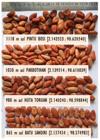
But, there were no significant differences in pod diameter, pod volume, theobromine, and fat content at different altitudes. Furthermore, based on data of dry pod weight, dry bean weight and average bean weight, it is known that the best pods and beans were obtained at an altitude of 960 m. Data on pod, beans, and quality indicators show that cocoa pod and beans in the Humbang Hasundutan highlands are still in the normal category
The linear correlation graph (Figure 3) shows that as altitude increases, the dry pod weight tends to increase, the dry bean weight tends to increase, the number of beans per pod tends to increase, and the average bean weight tends to increase. Increasing altitude tends to allow for improvements in the physical characteristics of both pods and cocoa beans. Good-quality cocoa beans can be obtained in the highlands at higher altitudes, so the application of good agricultural practice techniques is needed to improve pod quality and cocoa bean yield.

Correlation of altitudes with dry pod weight, dry bean weight, number of beans, and average of bean weight.
3.1. Parameter correlation
Significant positive correlation occurred between bean dry weight with pod dry weight value correlation is 0.97. A strong correlation (significant) occurred between pod length with pod volume, pod dry weight, husk dry weight, bean dry weight, number of beans per pod, and bean weight average with bean dry weight. Pod dry weight was the accumulation of husk dry weight and bean dry weight; an increase in pod weight coincides with an increase in bean weight. Photosynthate accumulation (sink) was stronger in the bean compared to the husk of pods. The pod length variable was seen as an important indicator to describe the characteristics of cocoa pods and beans. Altitude was positively correlated with pod and bean characteristic parameters. Strongly correlated (>0.500) with pod diameter, pod volume, and husk dry weight, but weakly correlated with the number of beans (Table 3). At higher altitudes in the highlands, the characteristic parameters of pods and cocoa beans tend to be better, but there was a slight decrease in the number of beans value correlation is 0.50ns.
On the other hand, there is a low (insignificant) correlation value in the measured parameters, which indicates that height does not have a significant influence on the characteristics of the cocoa pods and beans.
3.2. Discussion
The results showed that the best pods and beans (dry pod weight, dry bean weight, and average bean weight) were obtained at an altitude of 960 m. Increasing altitude allows for better physical characteristics of cocoa pods and beans. Normal cocoa beans of good quality could be obtained in the Humbang Hasundutan highlands, of course, with good agricultural practice.
Altitude differences result in variations in temperature, sunlight intensity, air pressure, humidity (RH), and rainfall. The higher the altitude, the lower the solar radiation, temperature, humidity, and air pressure. The altitude factor affects temperature and microclimate changes, leading to different cocoa characteristics. A 100 m increase in altitude results in a 0.6 °C decrease in temperature at all latitudes and times (Fitter and Hay, 2012). These microclimate changes affect plant conditions and production, as they alter the plant's environment. Pod diameter and volume seem more influenced by genetic factors and nutrient availability. Nutrient supply for fruit development is crucial between 18-20 weeks post-flowering, when seed formation and expansion occur rapidly. After this period, fruit growth slows as ripening begins, marked by the fruit turning yellow (Lopes and Pires, 2014).
As altitude increases, dry pod weight increases (Figure 3), as the lower temperature (Fitter and Hay, 2012) reduces plant metabolism, but extends the fruit ripening period. This longer filling period allows for a greater dry pod weight and dry bean weight. Altitude influences the microclimate (Almeida and Valle, 2007). The lower temperature results in more seed pulp. The number of beans per pod describes the pollination process; insects play a crucial role in pollination and fruit set, and effective insect pollination leads to larger fruit size, diameter, weight, and bean count. Possibly, a higher frequency of insect pollination increases the likelihood of bean formation and influences cocoa fruit size. Generally, cocoa fruits contain 40-50 seeds (Kongor et al., 2016). Cocoa is a cross-pollinating plant, with wind and insects acting as pollinators. In highlands, the productivity of Arabica coffee increases by 20-25% due to insect pollinators. The average bean weight of cocoa decreases with the lowering of daily temperature (Daymond and Hadley, 2008). For optimal cocoa growth, a combination of daytime temperature of 30 °C and nighttime temperature of 24 °C is required. A temperature range of 29 °C and 25 °C is favorable for cocoa growth. In research conducted at altitudes of 100-705 m above sea level, dry bean weight ranged from 42.31 to 54.36 g, and average bean weight ranged from 0.981 to 1.269 g. With fertilization, there was an increase in dry bean weight from 31.57 g to 33.08 g and average bean weight from 0.829 g to 0.862 g (Yoroba et al., 2019).
The average theobromine content was 2.16%, and fat content was 28.04%, which is relatively high compared to standard quality (1.42% theobromine and 54.68% fat content). Theobromine is highly desired in cocoa products because it has beneficial effects on mood and alertness (Bertazzo et al., 2013). Meanwhile, cocoa fat, which is mostly removed in food products, is necessary as it solidifies at natural temperatures but melts at human body temperature. Cocoa fat melts in the mouth at temperatures of 20-35 °C, creating a sensation of taste, aroma, and aftertaste (Afoakwa, 2008).
Altitude differences result in variations in temperature, sunlight intensity, air pressure, humidity (RH), and rainfall. The higher the altitude, the lower the solar radiation, temperature, humidity, and air pressure. Altitude affects the physical characteristics of cocoa pod and bean because higher altitudes result in reduced photosynthesis and photosynthetic product translocation (Fitter and Hay, 2012). At lower temperatures (18-21 °C), fewer cocoa flowers form compared to higher temperatures (Daymond and Hadley, 2008). In highland areas, strong winds can damage and shed cocoa leaves, reducing production. Normally, cocoa fruit ripens around 5-6 months after pollination. Ripe fruits measure 10-30 cm, with each pod containing 30-50 seeds and dry bean weight ranging from 0.8-1.3 g per bean. In lowland areas, fruits ripen in about 5 months, while in highlands >500 m above sea level, it takes about 6 months (Alvim and Kozlowski, 2013). The extended ripening period allows the fruit to fill longer, enabling maximum pod and bean size to be achieved. However, it requires good GAP implementation, especially fertilization with sufficient nutrients.
Agronomically, fruit and seed development is influenced by various factors such as plant material, location, and agronomic practices (van Vliet et al., 2015). Key cocoa bean characteristics are determined based on bean size, specifically the number of beans (count) per 100 g of sample at 6-7% moisture content. The size of cocoa beans for export quality ranges from 1.0-1.2 g or 85-100 beans per 100 g.
3.3. Significance statement
This study examined the characteristics of cocoa pods and beans at various altitudes >800 m above sea level, with sample sites located in Batu Sandiri (865 m), Huta Toruan (960 m), Parbotihan (1030 m), and Pintu Bosi (1118 m) above sea level, all within Onan Ganjang District, Humbang Hasundutan Regency, North Sumatra Province. The findings indicated a slight increase in dry pod and bean weights with increasing altitude. The physical characteristics of cocoa pods and beans grown >800 m above sea level were generally normal. While optimal cocoa cultivation is typically found at altitudes <600 m above sea level and remains viable up to 800 m above sea level, cultivation in higher elevations (>800 m above sea level) represents a relatively new area of study in both theory and practice. Further research is needed to identify suitable clones (either generative or vegetative) and to implement improved cultivation practices, including the use of shade plants, pruning, fertilization, pest and disease control, and optimized harvesting techniques. The production of high-quality cocoa in highland areas can be enhanced through the application of good agricultural practices.
4. Conclusion
The physical characteristics of cocoa pods and beans are closely related to altitude. In the highland region of Humbang Hasundutan Regency, at altitudes ranging from 865 to 1118 m above sea level, an increase in altitude was associated with increased pod length, pod weight, bean weight, number of beans per pod, and average bean weight. At an altitude of 960 m above sea level, the best physical characteristics were observed, including pod length of 18.10 cm, dry pod weight of 85.92 g, dry bean weight of 39.02 g, 38.7 beans per pod, and an average dry weight of 1.02 g per bean. Cocoa yield in the highlands can be improved through better cultivation techniques, particularly by implementing appropriate fertilization strategies.
Acknowledgements
The authors express their sincere gratitude to the Government Regional Planning Agency of Humbang Hasundutan Regency and the Catholic University of Saint Thomas Medan for their collaboration and support during the research.
Data Availability Statement
Data will be available at request.
References
-
ACHMAD, B., SANUDIN., SIARUDIN, M., WIDIYANTO, A., DINIYATI, D., SUDOMO, A., HANI, A., FAUZIYAH, E., SUHAENDAH, E., WIDYANINGSIH, T.S., HANDAYANI, W., MAHARANI, D., SUHARTONO., PALMOLINA, M., SWESTIANI, D., BUDI SANTOSO SULISTIADI, H., WINARA, A., NUR, Y.H., DIANA, M., GARTIKA, D. and RUSWANDI, A., 2022. Traditional subsistence farming of smallholder agroforestry systems in Indonesia: a review. Sustainability, vol. 14, no. 14, pp. 8631. https://doi.org/10.3390/su14148631
» https://doi.org/10.3390/su14148631 -
ADENIYI, D.O. and ASOGWA, E.U., 2023. Complexes and diversity of pathogens and insect pests of cocoa tree. Forest Microbiology, vol. 3, pp. 285-311. https://doi.org/10.1016/B978-0-443-18694-3.00002-X
» https://doi.org/10.1016/B978-0-443-18694-3.00002-X -
AFOAKWA, E.O., 2008. Cocoa and chocolate consumption: are there aphrodisiac and other benefits for human health? South African Journal of Clinical Nutrition, v. 21, no. 3, pp. 107-113. https://doi.org/10.1080/16070658.2008.11734163
» https://doi.org/10.1080/16070658.2008.11734163 -
ALMEIDA, A.A.F.D. and VALLE, R.R., 2007. Ecophysiology of the cacao tree. Brazilian Journal of Plant Physiology, vol. 19, no. 4, pp. 425-448. https://doi.org/10.1590/S1677-04202007000400011
» https://doi.org/10.1590/S1677-04202007000400011 - ALVIM, P.T. and KOZLOWSKI, T.T., 2013. Ecophysiology of tropical crops New York: Academic Press, 520 p.
-
AMUDA, Y.J. and ALABDULRAHMAN, S., 2024. Cocoa, palm tree, and cassava plantations among smallholder farmers: toward policy and technological efficiencies for sustainable socio-economic development in southern Nigeria. Sustainability, vol. 16, no. 2, pp. 477. https://doi.org/10.3390/su16020477
» https://doi.org/10.3390/su16020477 - AROMOLARAN, O. and OGUNSAKIN, F.M., 2018. Degradation of theobromine in cocoa (Theobroma cacao) by products by fermentation with Aspergillus niger South Asian J of Research in Microbiology., vol. 2018, pp. 1-6.
-
AYDIN, B., AKCAN, T., & ÖNCÜ GLAUE, S., 2024 [viewed 4 July 2025]. Healthy snacks: chocolate. In: Proceedings of the 7th International Anatolian Agriculture, Food, Environment and Biology Congress [online], 2024, Kastamonu, Türkiye. Merkaz/Sivas: Turkish Science and Technology Publishing, pp. 374-379. Available from: https://targid.net/index.php/TURSTEP/article/view/476
» https://targid.net/index.php/TURSTEP/article/view/476 -
BENDER, F.E., 2020. Statistical methods for food and agriculture. New York: CRC Press, 308 p. https://doi.org/10.1201/9781003073116
» https://doi.org/10.1201/9781003073116 -
BENEDETTI, R., BEE, M., ESPA, G. and PIERSIMONI, F., 2010. Agricultural survey methods New York: John Wiley & Sons. https://doi.org/10.1002/9780470665480
» https://doi.org/10.1002/9780470665480 -
BERTAZZO, A., COMAI, S., MANGIARINI, F. and CHEN, S., 2013. Composition of cacao beans. In: R. WATSON, V. PREEDY and S. ZIBADI, eds. Chocolate in health and nutrition. Totowa: Humana Press, pp. 105-117. https://doi.org/10.1007/978-1-61779-803-0_8
» https://doi.org/10.1007/978-1-61779-803-0_8 -
BRUNETTO, M.D.R., GALLIGNANI, M., OROZCO, W., CLAVIJO, S., DELGADO, Y., AYALA, C. and ZAMBRANO, A., 2020. The effect of fermentation and roasting on free amino acids profile in Criollo cocoa (Theobroma cacao L.) grown in Venezuela. Brazilian Journal of Food Technology, vol. 23, e2019150. https://doi.org/10.1590/1981-6723.15019
» https://doi.org/10.1590/1981-6723.15019 - BUXTON, D.N.B., 2018. Vulnerability of cocoa production to climate change: a case of the Western and Central Regions in Ghana. Gana: University of Cape Coast, 252 p. PhD Thesis in Geography.
-
CILAS, C. and BASTIDE, P., 2020. Challenges to cocoa production in the face of climate change and the spread of pests and diseases. Agronomy, vol. 10, no. 9, pp. 1232. https://doi.org/10.3390/agronomy10091232
» https://doi.org/10.3390/agronomy10091232 -
DAYMOND, A.J. and HADLEY, P., 2008. Differential effects of temperature on fruit development and bean quality of contrasting genotypes of cacao (Theobroma cacao). The Annals of Applied Biology, vol. 153, no. 2, pp. 175-185. https://doi.org/10.1111/j.1744-7348.2008.00246.x
» https://doi.org/10.1111/j.1744-7348.2008.00246.x - FITTER, A.H. and HAY, R.K.M., 2012. Environmental physiology of plants London: Academic Press.
- HARIANJA, R.H., 2020. Humbang Hasundutan Regency in Figures 2019. Jakarta: BPS - Statistics Indonesia, 435 p.
-
HIRKO, B., MITIKU, H. and GETU, A., 2023. Role of fermentation and microbes in cacao fermentation and their impact on cacao quality. Systems Microbiology and Biomanufacturing, vol. 3, pp. 509-520. https://doi.org/10.1007/s43393-023-00160-9
» https://doi.org/10.1007/s43393-023-00160-9 -
JACOBSEN, D. and DANGLES, O., 2017. Ecology of high altitude waters New York: Oxford University Press, 224 p. https://doi.org/10.1093/oso/9780198736868.001.0001
» https://doi.org/10.1093/oso/9780198736868.001.0001 -
KONGOR, J.E., HINNEH, M., VAN DE WALLE, D., AFOAKWA, E.O., BOECKX, P. and DEWETTINCK, K., 2016. Factors influencing quality variation in cocoa (Theobroma cacao) bean flavour profile: a review. Food Research International, vol. 82, pp. 44-52. https://doi.org/10.1016/j.foodres.2016.01.012
» https://doi.org/10.1016/j.foodres.2016.01.012 -
KONGOR, J.E., OWUSU, M. and ODURO-YEBOAH, C., 2024. Cocoa production in the 2020s: challenges and solutions. CABI Agriculture and Bioscience, vol. 5, no. 1, pp. 102. https://doi.org/10.1186/s43170-024-00310-6
» https://doi.org/10.1186/s43170-024-00310-6 - LOPES, U.V. and PIRES, J.L., 2014. Botany and production of cocoa. In: R.F. SCHWAN and G.H. FLEET, eds. Cocoa and coffee fermentation. Boca Raton: CRC Press, pp. 43-71.
-
NUNOO, I., FRIMPONG, B.N. and FRIMPONG, F.K., 2014. Fertilizer use among cocoa farmers in Ghana: the case of Sefwi Wiawso District. International Journal of Environment, vol. 3, no. 1, pp. 22-31. https://doi.org/10.3126/ije.v3i1.9939
» https://doi.org/10.3126/ije.v3i1.9939 -
ORACZ, J. and ŻYŻELEWICZ, D., 2020. Antioxidants in cocoa. Antioxidants, vol. 9, no. 12, pp. 1230. https://doi.org/10.3390/antiox9121230 PMid:33291593.
» https://doi.org/10.3390/antiox9121230 -
PALLANT, J., 2020. SPSS survival manual: a step by step guide to data analysis using IBM SPSS London: Routledge. https://doi.org/10.4324/9781003117452
» https://doi.org/10.4324/9781003117452 -
POLEULENG, A.B., AGUSTA, B.H., YAHYA, B.S., WACHJAR, B.A. and TJOA, C.A., 2020. Plant growth performance of top grafted young cacao at various elevations in Indonesia. Journal of Tropical Crop Science, vol. 7, no. 2, pp. 59-65. https://doi.org/10.29244/jtcs.7.02.59-65
» https://doi.org/10.29244/jtcs.7.02.59-65 -
RIZAL, M., KARMAWATI, E., SISWANTO., TRISAWA, I.M., SAMSUDIN., RISMAYANI., ROHIMATUN., INDRIATI, G., MARDININGSIH, T.L., KARDINAN, A., MARIS, P. and TARIGAN, N., 2024. A sustainable and ecological approach to integrated cocoa pest management in Indonesia. IOP Conference Series. Earth and Environmental Science, vol. 1346, no. 1, pp. 012021. https://doi.org/10.1088/1755-1315/1346/1/012021
» https://doi.org/10.1088/1755-1315/1346/1/012021 - RUSEANI, N.S., 2016. Evaluation of cocoa productivity in response to shade and fertilizer treatments in Sumatra Utara, Indonesia. International Journal of Agricultural, Forestry & Plantation, vol. 2, pp. 234-239.
-
SAHIN, E., CAPANOGLU, E., KARACA, A.C. and DEMIRKOZ, A.B., 2022. Extraction of cocoa butter from by-product cocoa bean shells by using SC-CO2 extraction and investigation of components and antioxidant capacities. Records of Agricultural and Food Chemistry, vol. 2, no. 2, pp. 27-40. https://doi.org/10.25135/rfac.7.2204.2419
» https://doi.org/10.25135/rfac.7.2204.2419 -
SITOHANG, N. and SIAHAAN, R., 2018. Fruit characteristics of cocoa in various altitude place. IOP Conference Series: Earth and Environmental Science, vol. 205, no. 1, pp. 012022. https://doi.org/10.1088/1755-1315/205/1/012022
» https://doi.org/10.1088/1755-1315/205/1/012022 -
SITOHANG, N., HARAHAP, E.M., HANUM, C., SIREGAR, T.H.S., SIREGAR, H. and HERNOSA, S.P., 2023. Cocoa (Theobroma cacao L.) fertilization pattern with four balanced principles in Deli Serdang Regency, Indonesia. Asian Journal of Plant Sciences, vol. 22, no. 2, pp. 357-367. https://doi.org/10.3923/ajps.2023.357.367
» https://doi.org/10.3923/ajps.2023.357.367 -
STREULE, S., LEISCHTFELD, S.F., GALLER, M. and SCHWENNINGER, M.S., 2022. Monitoring of cocoa post-harvest process practices on a small-farm level at five locations in Ecuador. Heliyon, vol. 8, no. 6, e09628. https://doi.org/10.1016/j.heliyon.2022.e09628 PMid:35756114.
» https://doi.org/10.1016/j.heliyon.2022.e09628 -
SUH, N.N., NJIMANTED, G.F. and THALUT, N., 2020. Effect of farmers’ management practices on safety and quality standards of cocoa production: a structural equation modeling approach. Cogent Food & Agriculture, vol. 6, no. 1. https://doi.org/10.1080/23311932.2020.1844848
» https://doi.org/10.1080/23311932.2020.1844848 - VAN VLIET, J.A., SLINGERLAND, M. and GILLER, K.E., 2015. Mineral nutrition of cocoa review Wageningen: Wagenigen University and Research Centre, Plant Production Systems, 57 p.
-
WEINSTEIN, M., BARAM, S., YERMIYAHU, U., LIEBERMAN-LAZAROVICH, M., TSEHANSKY, L., ELMAKIAS, A., KUMAR, P. and GRABER, E.R., 2024. Nitrogen, phosphorus and potassium nutrition effects on flowering and reproduction in an F1 segregating population of the Theobroma cacao L. CCN-51 cultivar. Scientia Horticulturae, vol. 337, pp. 113591. https://doi.org/10.1016/j.scienta.2024.113591
» https://doi.org/10.1016/j.scienta.2024.113591 - WIDYASANTI, A.A., 2023. Indonesia cocoa statistics 2022. Jakarta: Badan Pusat Statistik, vol. 7.
-
YOROBA, F., KOUASSI, B.K., DIAWARA, A., YAPO, L.A.M., KOUADIO, K., TIEMOKO, D.T., KOUADIO, Y.K., KONÉ, I.D. and ASSAMOI, P., 2019. Evaluation of rainfall and temperature conditions for a perennial crop in tropical wetland: a case study of cocoa in Côte d’Ivoire. Advances in Meteorology, vol. 2019, no. 1, pp. 9405939. https://doi.org/10.1155/2019/9405939
» https://doi.org/10.1155/2019/9405939
Edited by
-
Editor:
Takako Matsumura Tundisi


