
 Recent advances in ultrasound application in the dairy industry: Efficacy and challenges in microorganism inactivation
Abstract
This literature review explores the application of ultrasound (US) technology for inactivating microorganisms in dairy products. By examining recent studies in the past decade obtained from databases such as Google Scholar, SciELO, Scopus, and ScienceDirect, this review evaluated the effectiveness and potential of US as an alternative to traditional thermal methods. The main focus was on US mechanisms, including cavitation, and its impact on the sensory and nutritional properties of dairy products. Key findings highlight the advantages of US, such as its non-thermal nature, which helps preserve the quality of dairy products, and its effectiveness in reducing microbial loads. Additionally, the review discussed the technical, economic, and regulatory challenges that must be addressed for widespread industrial adoption. Future research directions are suggested to enhance the application of US in the dairy industry and improve food safety and quality.
Keywords:
High-intensity ultrasound; Microbial control; Dairy products; Thermosonication; Food safety; Energy efficiency
HIGHLIGHTS
Ultrasound (US) effectively reduces microorganisms in dairy products with energy efficiency
The integration of US and heat enhances microbial inactivation and preserves quality
Combined US and thermal treatment is effective for microbial inactivation in some milk products
Challenges in industrial applications include costs and the need for parameter optimization
The integration of US with heat treatment can be a viable alternative to traditional thermal processing methods
1 Introduction
Milk and dairy products are often recommended as part of the daily diet due to their rich composition of essential nutrients. However, these nutrients can also promote the growth of pathogens, leading to outbreaks of foodborne illnesses (Qi et al., 2024). The high demand for dairy products underscores the importance of ensuring their quality and safety. Due to their composition, these products can provide an ideal environment for the proliferation of pathogenic microorganisms, which compromise both sensory and nutritional quality and food safety. Therefore, ensuring the microbiological safety of dairy products is crucial for protecting consumer health and maintaining product integrity (Aaliya et al., 2021; Dash et al., 2022).
Traditionally, the dairy industry employs thermal methods, such as pasteurization and sterilization, for microorganism inactivation. Pasteurization, for example, involves heating milk to specific temperatures for a determined period to eliminate pathogenic microorganisms and reduce the total microbial load. Although effective, these methods can negatively affect the sensory and nutritional properties of the products, resulting in nutrient loss and changes in flavor and texture (Shoaib et al., 2023). Inadequate thermal treatments can also contribute to product recalls and outbreaks of foodborne illnesses. Dairy products, especially raw milk, have frequently been associated with outbreaks of foodborne diseases (Table 1).
Given the limitations of traditional thermal methods, ultrasound (US) technology emerges as a promising alternative for microorganism inactivation in dairy products (Balthazar et al., 2019). The US uses high-frequency sound waves to generate cavitation, a phenomenon that results in the formation and collapse of bubbles in a liquid, producing intense mechanical forces capable of inactivating microorganisms. In addition to being a non-thermal technique, US can be applied controlled to minimize negative impacts on the sensory and nutritional properties of dairy products (Rathnakumar et al., 2023; Scudino et al., 2020).
This review aims to explore the application of US technology for microorganism inactivation in dairy products, highlighting its effectiveness and the challenges associated with its industrial implementation. The review will discuss the mechanisms of US action, its advantages and limitations compared to traditional methods, and the technical and economic obstacles that need to be overcome for widespread adoption of this technology in the dairy industry. Finally, future perspectives and emerging research areas will be presented, which may contribute to advancing the application of US in microorganism inactivation in dairy products.
2 Methodology
This literature review focused on applying US for microorganism inactivation in dairy products. A detailed search was conducted on various sites and databases such as Google Scholar, SciELO, Scopus, and ScienceDirect, prioritizing studies published in the last ten years. The main search terms included “ultrasound,” “microorganism inactivation,” “dairy products,” “ultrasound technology,” “cavitation,” and “microbiological quality.”
3 Fundamentals and applications of ultrasound in microorganism inactivation
Effective control and inactivation of microorganisms are essential to ensure food safety and protect public health. Pasteurization, traditionally used in the dairy industry, aims to reduce the microbial load in dairy products (Aaliya et al., 2021; Dash et al., 2022; Najmitdinova, 2023). Although effective in microbial inactivation, conventional thermal treatment has been challenged by the emergence of resistant bacterial strains, driving the search for new processing technologies (Shoaib et al., 2023). In this context, US technology emerges as a promising alternative, not only for its effectiveness but also for being environmentally friendly (Balthazar et al., 2019; Bernardo et al., 2023; Bhargava et al., 2021; Carrillo-Lopez et al., 2020).
The US uses high-frequency sound waves that exceed the human hearing range, typically with frequencies above 20 kHz (Alvarenga et al., 2021; Rathnakumar et al., 2023; Scudino et al., 2020). The waves are classified by amplitude, wavelength, and frequency. Based on sound frequency, US applications can be divided into high intensity - low frequency (I = 10-1000 W/cm2 and F = 20-100 kHz) and low intensity - high frequency (I < 1 W/cm2 and F > 1 MHz) (Balthazar et al., 2019; Bhargava et al., 2021; Carrillo-Lopez et al., 2020).
High-frequency or low-intensity US is used for non-destructive diagnostic purposes, as it does not cause acute modifications in the structure and characteristics of the product. On the other hand, low-frequency or high-intensity US (>1 W/cm2) favorably alters product attributes and is used in processes aimed at improving the quality and safety of food products (Balthazar et al., 2019; Rathnakumar et al., 2023). The mechanism of US action is based on acoustic cavitation and acoustic streaming (Figure 1).
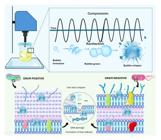
Effects of ultrasound on microbial inactivation. The collapse of cavitation bubbles generates extreme pressure and temperature conditions, leading to disruption of the cell wall and membrane, as well as the formation of reactive oxygen species that cause DNA damage and cell death.
In typical liquid environments, acoustic waves create high pressure (compression) and low pressure (rarefaction) zones. During rarefaction phases, gas microbubbles can form and grow. When these bubbles reach a critical size, they collapse violently. Before the bubbles collapse, the rapid pressure fluctuations induced by ultrasonic waves cause turbulence and volume displacement, known as acoustic streaming (Guimarães et al., 2021; Rathnakumar et al., 2023). The bubble generation, growth, and implosion process is known as acoustic cavitation or implosion (Alvarenga et al., 2021). Cavitation is the formation, growth, and collapse of microbubbles within a solution due to pressure fluctuations caused by the applied ultrasonic field. This collapse leads to high local turbulence, resulting in increased temperature and pressure within the implosion zone, capable of producing shear forces. The violent collapse of a cavitation bubble results in various physical and chemical effects on the liquid, such as microflow, agitation, turbulence, liquid jets, shock waves, and the formation of reactive oxygen species. These phenomena can induce significant physical and chemical effects on the material they are applied to (Carrillo-Lopez et al., 2020; Soltani Firouz et al., 2019).
Microorganism inactivation by US can occur through various mechanisms, as illustrated in Table 2.
Initially, the US, by inducing the phenomenon of acoustic streaming, affects the bacterial cell wall, causing stress without damaging the membrane. Prolonged and intense treatments, resulting from rapid pressure and temperature fluctuations, can lead to bubble collapse and, consequently, rupture of the bacterial membrane or cell wall through shear forces. This treatment results in the release of intracellular material. The most significant effects include cell wall rupture caused by microjets, changes in cell permeability, thermal inactivation due to high-temperature points, and the production of reactive oxygen species, such as hydroxyl radicals. These species have highly reactive oxidative properties, capable of compromising the cell membrane and damaging DNA and enzymes (Alvarenga et al., 2021; Balthazar et al., 2019; Guimarães et al., 2021).
3.1 Inactivation of microorganisms in dairy products
The inactivation of microorganisms in dairy products by US represents an innovative and effective approach to ensuring food safety and preserving quality (Bernardo et al., 2023). This technology offers a promising alternative to traditional thermal methods, better preserving dairy products’ sensory and nutritional properties (Balthazar et al., 2019; Soltani Firouz et al., 2019; Guimarães et al., 2021).
With the growing interest in applying less invasive and more sustainable techniques, the US has garnered significant attention in the scientific literature. Several recent studies have analyzed the application of US in microbial inactivation (Martínez-Moreno et al., 2020; Nascimento et al., 2023; Yu et al., 2021). Table 3 summarizes the treatment parameters and the effectiveness of US in inactivating various microorganisms in dairy products, highlighting variations in effectiveness based on the different parameters used.
The data presented in Table 3 illustrate the variability in the effectiveness of US for microorganism inactivation in dairy products, highlighting how different treatment parameters, such as frequency, intensity, and exposure time, influence the results. For example, Jalilzadeh et al. (2018) observed a more pronounced reduction in E. coli with higher frequencies (60 kHz), while P. chrysogenum showed a lower inactivation rate regardless of the frequency used. Guimarães et al. (2019) revealed that higher US powers (600 W) resulted in greater bacterial inactivation. Additionally, Balthazar et al. (2019) demonstrated that variations in power and treatment duration directly affect effectiveness, with a power of 104 W for 6 minutes being the most efficient for semi-skimmed sheep milk. These discrepancies reinforce the need to optimize US parameters for each type of product and specific microorganism, suggesting that a one-size-fits-all approach may not be ideal for all cases.
The antimicrobial efficacy of US extends beyond pathogenic bacteria, demonstrating notable effects on other microbial groups, including yeasts and filamentous fungi. Although yeasts generally exhibit greater resistance to cavitational stress compared to Gram-negative bacteria, they remain susceptible to inactivation depending on specific process parameters such as frequency, intensity, and exposure duration (Gao et al., 2014a; Soro et al., 2021). In contrast, molds, due to their complex multicellular architecture and reinforced cell walls, display heightened resistance to the mechanical and shear forces generated during ultrasonication. Effective inactivation of these organisms typically necessitates the application of higher energy densities or the use of combinatory technologies (Hashemi Moosavi et al., 2021).
Structural determinants play a pivotal role in modulating microbial susceptibility to US. Gao et al. (2014a) provided a comparative analysis of microbial resistance by examining Enterobacter aerogenes (mean diameter ≈1.1 μm) and the yeast Aureobasidium pullulans (≈7.6 μm). Their findings revealed that A. pullulans exhibited substantially greater resistance to acoustic shear forces. This heightened tolerance was attributed to its robust cell wall, rich in mannoproteins and β-glucans, which conferred significant mechanical stability and protection against sonomechanical disruption.
Extending this investigation, Gao et al. (2014b) reported that prolonged exposure to high-frequency US (850 kHz, 50 W for 60 min) resulted in minimal inactivation of A. pullulans (reduction < 2 log CFU/mL), with most cells retaining structural integrity. Notably, these experiments were conducted in aqueous suspensions, not within food matrices, limiting their translational applicability to industrial food processing systems. Furthermore, their scope excluded filamentous fungi, precluding broader conclusions regarding mold inactivation.
In contrast, Soro et al. (2021) demonstrated that Saccharomyces cerevisiae displayed increased susceptibility to low-frequency US (20-25 kHz), achieving reductions up to 1.3 log CFU/mL. Scanning electron microscopy (SEM) revealed significant morphological damage, indicative of compromised cell membrane integrity. Conversely, higher frequencies (45-130 kHz) did not negatively impact yeast viability, suggesting potential for these settings in fermentation applications where microbial functionality must be preserved.
Thus, the divergent outcomes of these studies underscore the critical influence of operational parameters on US efficacy. While Gao et al. emphasized structural resistance and frequency-dependent limitations of high-frequency US, Soro et al. provided compelling evidence for the efficacy of low-frequency US in microbial inactivation. Collectively, these findings reinforce the necessity of parameter optimization, particularly frequency, power density, and exposure duration, to enhance fungal control via US.
Empirical evidence suggests that US frequencies between 20 and 40 kHz, intensities ranging from 1 to 40 W/cm2, and exposure times of 2-10 minutes are generally more effective against filamentous fungi, provided that process conditions are adapted to the specific properties of the microbial target and the food matrix involved (Hashemi Moosavi et al., 2021).
Moreover, combinatory preservation strategies can amplify the antimicrobial impact of US. Techniques such as thermosonication, or the integration of US with oxidative agents (e.g., ozone, hydrogen peroxide) or hydrolytic enzymes, have demonstrated synergistic effects, facilitating enhanced membrane disruption and mycotoxin degradation. Nevertheless, these approaches require rigorous parameter control; prolonged sonication or elevated temperatures (>50 °C) may enhance microbial lethality but also risk adverse alterations to product quality, including sensory and nutritional degradation.
In conclusion, the application of US for the inactivation of bacteria, yeasts, and molds necessitates meticulous process design. Tailoring frequency, intensity, duration, and potential synergistic treatments to the specific structural and physiological attributes of the target microorganisms is essential for achieving microbial safety without compromising food integrity. Such optimization is paramount for the effective industrial implementation of US-based preservation technologies.
3.1.1 Microbial and environmental determinants of ultrasound efficacy
The main advantage of US is its ability to inactivate microorganisms without the side effects of conventional thermal treatments, which often require high energy levels and can compromise the nutritional value of foods (Balthazar et al., 2019; Soltani Firouz et al., 2019; Guimarães et al., 2021). The US is a disruptive technique that can alter the chemical, biochemical, physical, or mechanical properties of microorganisms, depending on the treatment intensity, such as frequency, power, processing time, and the volume and temperature of the sample (Guimarães et al., 2021; Rathnakumar et al., 2023).
High-intensity US, with power ranging from 1 to 1,000 W/cm2, has shown a faster rate of cavitation formation compared to low-intensity US (<1 W/cm2) (Yu et al., 2021). Recent studies have explored the use of high-intensity US in various dairy products to reduce processing time and energy consumption, as well as to improve the physicochemical characteristics of foods (Carrillo-Lopez et al., 2020; Soltani Firouz et al., 2019). The diversity of dairy products and their unique characteristics have led to extensive research on high-intensity US, covering raw milk, sheep milk, buffalo milk, yogurt, ice cream, and cheese, among others (Balthazar et al., 2019; Guimarães et al., 2021; Jalilzadeh et al., 2018; Scudino et al., 2020).
However, it is challenging to compare results from different studies considering these parameters in isolation, as the effects of cavitation depend on these parameters and slight variations can alter results in different food matrices (Aaliya et al., 2021). Additionally, the success of ultrasonic treatment is also related to the physical and biological characteristics of the microorganisms being treated. While both yeasts and bacteria (Gram-positive and Gram-negative) are susceptible to US, differences in cell membrane structure and the presence of protective capsules can reduce treatment effectiveness (Alvarenga et al., 2021; Guimarães et al., 2021).
The effectiveness of US in microbial inactivation is intrinsically dependent on the structural and physiological properties of the target microorganisms, as well as on environmental factors that influence cavitation behavior. Among the most critical determinants is the architecture of the microbial cell wall. Gram-positive bacteria, characterized by a thick peptidoglycan layer, exhibit markedly higher resistance to acoustic cavitation compared to Gram-negative counterparts, whose relatively thinner cell walls and outer membrane facilitate membrane disruption and subsequent inactivation (Akdeniz & Akalin, 2022).
Additional protective structures, such as spores and biofilms, contribute to increased resistance by providing both physical shielding and biochemical fortification against the shear forces and localized heating associated with ultrasonication (Deshpande & Walsh, 2020). The physiological state of the microorganism also plays a pivotal role: cells in the exponential growth phase demonstrate heightened vulnerability to sonomechanical damage, while stationary-phase cells, with more rigid and stabilized structures, tend to resist disruption more effectively (Akdeniz & Akalin, 2022; Abesinghe et al., 2019).
Other microbial factors influencing susceptibility include capsule thickness, cell membrane fluidity, and intrinsic viability during acoustic exposure. Interestingly, the US can produce dual biological effects: depending on the applied parameters, particularly intensity and duration, the US may either inactivate microorganisms or stimulate growth and metabolic activity. This duality underscores the importance of precise parameter calibration for targeted antimicrobial outcomes (Abesinghe et al., 2019).
Beyond microbial traits, environmental conditions significantly modulate US efficacy by affecting cavitation dynamics. Ambient temperature, pH, viscosity, and ionic strength are key factors and alter the formation, expansion, and collapse of microbubbles, thereby influencing the intensity of mechanical disruption and the generation of reactive species. These medium-specific parameters must be carefully controlled to maximize inactivation while preserving food quality attributes (Akdeniz & Akalin, 2022; Abesinghe et al., 2019).
3.1.2 Ultrasound application in dairy fermentations: balancing microbial stimulation and inactivation
In the production of fermented dairy products, the US exerts a dualistic influence on microbial cultures, with its effects largely governed by the intensity, frequency, and duration of application. At sublethal or low intensities, US has been shown to enhance the metabolic activity of beneficial microorganisms, including lactic acid bacteria (LAB) and probiotic strains, thereby promoting cell proliferation and fermentation efficiency. Conversely, high-intensity US treatments may induce significant structural disruption, resulting in cellular inactivation and reduced viability of desirable starter cultures (Abesinghe et al., 2019; Akdeniz & Akalin, 2022).
Maintaining the viability and functional integrity of LAB, such as L. acidophilus, Bifidobacterium spp., Lactobacillus delbrueckii, and Streptococcus thermophilus, is essential to produce high-quality yogurts, cheeses, and other fermented milk products. These microorganisms not only drive the biochemical transformation of substrates but also influence the sensory and nutritional profiles of the final product. When applied judiciously, low-intensity US can enhance oxygen and nutrient diffusion, stimulate enzymatic activity, and facilitate the expulsion of metabolic by-products. These effects are primarily attributed to increased cell membrane permeability, which in turn accelerates microbial growth and metabolite synthesis, thereby shortening fermentation time and improving product quality (Akdeniz & Akalin, 2022).
Delgado et al. (2020) investigated the effects of varying US exposure times (3, 6, and 9 minutes) at 20 kHz on the physicochemical and microbial properties of probiotic goat milk yogurt. Their findings demonstrated that moderate exposure (6 min) optimized fermentation performance by enhancing viscosity, acidity, and the survival of L. acidophilus and B. animalis subsp. lactis, while minimizing structural disruption. Notably, higher exposure (9 min) began to compromise microbial viability, highlighting the delicate balance required for beneficial outcomes.
This evidence complements other studies, such as Tavşanlı et al. (2024), who showed that applying low-intensity US (15% amplitude, 20 kHz, 15 minutes) either before or after inoculation of yogurt starter cultures into cow’s milk significantly enhanced the production of aroma compounds (acetaldehyde, diacetyl, acetoin) and organic acids, without adversely affecting the viability of Lactobacillus and Streptococcus spp. counts, which remained above 7 log CFU/g in all samples.
On the other hand, when applied at high intensities, US can cause irreversible structural damage to microbial cells, such as membrane rupture and intracellular content release, resulting in microbial inactivation (Akdeniz & Akalin, 2022). These effects arise from intense cavitation and the mechanical forces generated during the treatment, which can compromise desirable starter cultures such as Lactobacillus spp. and S. thermophilus, impairing fermentation performance and the sensory properties of the products.
On the other hand, when applied at high intensities, US can cause irreversible structural damage to microbial cells, such as membrane rupture and intracellular content release, resulting in microbial inactivation (Abesinghe et al., 2019), where judicious application of acoustic energy can promote membrane permeability, nutrient uptake, and bioactive compound production, while excessive exposure may trigger irreversible damage. Therefore, the optimization of sonication parameters—specifically frequency, amplitude, and exposure time—must be tailored to the microbial composition and processing conditions to maximize benefits in dairy fermentations without compromising product quality or microbial integrity.
The microbial response to ultrasonic treatment is influenced by variables such as frequency (with ranges between 20 and 40 kHz being more effective for inactivation), exposure time, and medium composition. In the dairy industry, these dualistic effects require precise adjustment of ultrasonic parameters to balance microbial safety with the preservation of the viability and functionality of lactic cultures. In this regard, US stands out as a promising technology for the selective control of microbial activity and the optimization of fermentation processes.
In summary, the US presents a versatile and promising tool for microbial modulation in dairy processing. When properly calibrated, it enables the selective stimulation of beneficial microorganisms while offering targeted control of undesirable microbial populations, thereby optimizing fermentation dynamics and improving the overall quality of fermented dairy products.
3.1.3 Challenges and Limitations of Ultrasound
Although US technology represents a promising, non-destructive, non-thermal, and environmentally friendly approach, it is important to note that its effectiveness may not be fully realized in all situations (Jalilzadeh et al., 2018; Guimarães et al., 2019). Moreover, US treatment alone has demonstrated limited antibacterial activity and efficacy against bacterial biofilms (Martínez-Moreno et al., 2020; Yu et al., 2021).
Additionally, the effect of the US can be influenced by the product matrix, as the presence of solids, fats, and viscosity can interfere with the propagation of acoustic waves and, consequently, the efficiency of the inactivation process. Heterogeneity in the distribution of ultrasonic waves can lead to areas with varying levels of effectiveness, making it challenging to ensure uniform treatment in large volumes of product (Nascimento et al., 2023).
Despite advances in the application of US in dairy products, the technology has significant limitations related to food composition and the sensory properties of the final product. The effectiveness of ultrasonic treatment may be compromised in foods with high viscosity, elevated fat content, high solid content, or heterogeneous structure, which hinder the uniform propagation of ultrasonic waves and, consequently, the homogeneity of treatment (Abesinghe et al., 2019). Moreover, the application of high-intensity US or extended exposure durations can induce physicochemical degradation of sensitive macromolecules such as proteins and lipids. These alterations may lead to undesirable modifications in texture, viscosity, and sedimentation behavior, as well as perceptible changes in color and flavor. The latter are often attributed to oxidative reactions initiated by the generation of free radicals during acoustic cavitation, particularly involving lipid components (Abesinghe et al., 2019; Akdeniz & Akalin, 2022). Such adverse outcomes underscore the need for precise optimization of US parameters, namely frequency, amplitude, and exposure time, to achieve the desired balance between microbial inactivation and the maintenance of sensory and structural integrity in dairy products.
The application of high-intensity US can generate heat due to the increase in temperature, negatively impacting the organoleptic and nutritional characteristics of food products. Additionally, high-power US can cause adverse physical and chemical effects on foods. Free radicals generated by cavitation can lead to lipid oxidation, resulting in undesirable flavors and odors, protein denaturation, and a reduction in total phenolic content due to ascorbic acid degradation. The combination of the US with temperature and pressure can also form free radicals that trigger damaging reactions to protein structure, compromising food texture. Therefore, optimizing US intensity and combined use before its application becomes essential (Bhargava et al., 2021).
Another challenge is the cost associated with US technology, which can be relatively high compared to traditional thermal treatment methods. Investment in equipment and maintenance can limit some producers' economic feasibility, especially in smaller-scale operations (Bernardo et al., 2023; Yu et al., 2021). Continued research is necessary to address these limitations and improve the effectiveness and applicability of US in the dairy industry.
While recent studies have demonstrated predominantly favorable sensory outcomes associated with US treatment in dairy products, a comprehensive understanding of its impact remains limited by the scarcity of detailed sensory evaluations. For instance, Tavşanlı et al. (2024) reported enhancements in visual appearance, color uniformity, consistency, and mouthfeel of yogurt following US application, without detectable adverse effects on odor or flavor. However, the authors emphasized the paucity of comparative data concerning the timing of US application, whether applied before or after microbial inoculation, highlighting a critical gap in the literature regarding the influence of processing sequences on final product quality.
Complementary findings by Akdeniz & Akalin (2022) indicated that US improved texture and overall acceptability during storage without significantly altering flavor, aroma, or visual attributes. These results suggest that US can selectively enhance sensory characteristics, but its benefits are context-dependent and contingent upon the specific physicochemical properties of the food matrix and the parameters of the applied treatment.
Accordingly, the optimization and validation of US conditions—particularly intensity, duration, and application sequence—are imperative to ensure product consistency and consumer acceptability while avoiding potential negative alterations in composition or sensory profile. Tailored adjustments to the processing protocol are necessary to align US interventions with specific technological goals in dairy processing.
3.1.4 Combined strategies and recent advances
In recent years, the application of US for microorganism inactivation in dairy products has advanced significantly, reflecting the growing interest in more efficient and sustainable processing technologies (Table 3). A major advancement is the implementation of high-intensity US, which has shown enhanced potential for the inactivation of a wide range of pathogenic microorganisms (Guimarães et al.2021; Martínez-Moreno et al., 2020).
The combination of the US with other thermal and non-thermal technologies plays a crucial role in bacterial reduction. Aaliya et al. (2021) discussed the application of hurdle technology, which utilizes a synergistic combination of thermal and non-thermal techniques to enhance microorganism elimination effectiveness. This approach allows for more robust microbial load control by leveraging the advantages of different processing methods to ensure food safety without compromising its sensory qualities (Aaliya et al., 2021).
Sonication, when combined with pressure (manosonication), can inactivate pathogenic and spoilage microorganisms present in food. This is achieved through the mechanical effects of ultrasonic cavitation, which damage bacterial cells, leading to their inactivation (Alvarenga et al., 2021; Martínez-Moreno et al., 2020). When combined with heat (thermosonication), it is also highlighted as a promising strategy for microbial inactivation, effective in reducing or eliminating microorganisms in food, including bacteria, yeasts, and molds (Martínez-Moreno et al., 2020; Nascimento et al., 2023; Rathnakumar et al., 2023). Research conducted with creams observed a reduction of up to 4.72 log CFU/mL in MRSA counts, comparable to the reduction achieved with conventional pasteurization, highlighting thermosonication as an efficient solution for the microbiological safety of dairy products (Nascimento et al., 2023). Similarly, ultrasonic treatment of semi-skimmed sheep milk showed a significant reduction in bacterial contamination, comparable to high-temperature short-time pasteurization treatment (Balthazar et al., 2019).
Additionally, recent research has investigated the use of more sophisticated US devices, such as adjustable frequency transducers and controlled cavitation systems, which offer more precise and efficient control over the microorganism inactivation process (Yu et al., 2021). Further studies have also explored the combination of US with hydrogen peroxide and the active lactoperoxidase (LPS) system, demonstrating the effectiveness of these integrated approaches in eliminating pathogenic and spoilage bacteria in dairy products (Shamila-Syuhada et al., 2016).
These advancements highlight the importance of integrating US with other technologies to overcome specific limitations and optimize microorganism inactivation in dairy products. Ongoing development and innovative combinations of processing methods are expanding the potential of the US as an effective solution for food safety.
3.2 Challenges for industrial application
The implementation of US technology on an industrial scale faces several challenges, including the high costs of acquiring and installing specialized equipment, the need to implement changes in management and production lines, as well as the operational complexity and maintenance of these systems (Bernardo et al., 2023). However, various studies suggest that the US may stand out as a superior alternative to traditional processing methodologies, particularly in the dairy sector, which is a significant segment of the food industry with a wide range of products derived from different processes. (Guimarães et al., 2021).
Technological benefits include improvements in homogenization, emulsification, reduction in fat globule size, and nutritional quality of products (Carrillo-Lopez et al., 2021), as well as a decrease in cheese maturation and fermentation time, and bacterial inactivation (Balthazar et al., 2019; Nascimento et al., 2023; Rathnakumar et al., 2023; Scudino et al., 2020). Moreover, US proves effective in the inactivation of various enzymes related to dairy products, such as alkaline phosphatase, lactoperoxidase, and γ-glutamyl transpeptidase, while preserving the natural flavors of foods (Rathnakumar et al., 2023). Its applications extend to kinetic stabilization, cell rupture, release of bioactive compounds, and improvement of water and lactose crystallization, highlighting its versatility in enhancing food quality and safety. Ultrasound thus establishes itself as an efficient technology for nutrient preservation, extending shelf life, and improving the quality of dairy products (Bhargava et al., 2021; Guimarães et al., 2021).
The US plays a significant role in the firm and stable gel formation by denaturing whey proteins, fragmenting casein micelles, and recombining the protein fraction, therefore resulting in a more consistent yogurt (Carrillo-Lopez et al., 2021). No significant adverse effects were observed on the cohesiveness or elasticity of ultrafiltered white cheese due to the use of US. Sonication led to an increase in acidity and a reduction in pH values compared to control samples, without negatively affecting the fat or protein content of the cheese. Additionally, ultrasonic treatment accelerated lipolysis and proteolysis processes, resulting in higher production of free fatty acids and water-soluble nitrogen. These changes contribute to flavor and aroma enhancement in cheese, improving its physicochemical and sensory properties during the maturation process (Jalilzadeh et al., 2018).
Research conducted in laboratories under controlled conditions suggests that experimental results achieved may not be easily replicable on an industrial scale due to differences in the amount of material processed and the need for more robust systems for large-scale processing (Soltani Firouz et al., 2019).
Bernardo et al. (2023) highlight the main constraints of using US on a large scale in the dairy industry, such as in milk decontamination. These limitations are strongly related to bacterial morphology and cell wall composition. Gram-positive bacteria, characterized by a thick peptidoglycan layer, exhibit greater resistance to the deleterious effects of US (Balthazar et al., 2019; Herceg et al., 2012; Shamila-Syuhada et al., 2016).
These challenges emphasize the lack of consensus on defining and presenting processing parameters in ultrasonic treatment, as well as the methodology for calculating the actual acoustic energy used (Guimarães et al., 2021; Scudino et al., 2020). These are crucial aspects for enabling effective comparisons between different studies. Furthermore, conducting more research to establish process parameters tailored to specific safety objectives, whether technological or microbiological, and appropriate for the particular type of dairy product under analysis, is essential.
4 Final considerations
The use of US for microorganism inactivation in dairy products has proven effective, thus enhancing safety and product quality. This technology reduces processing time and energy consumption while preserving the nutritional and sensory properties of foods, making it appealing for commercial applications due to its eco-friendly and efficient approach. However, variability in microorganism response and differing treatment conditions necessitate a tailored approach for each product and specific context. Despite these advantages, the industrial implementation of US faces challenges, requiring significant investment and effort to advance research, large-scale application, and commercialization.
Acknowledgements
The authors are thankful for the financial support provided by Conselho Nacional de Desenvolvimento Científico e Tecnológico (CNPq) grant number [303074/2021-3].
Data Availability Statement
All data generated or analyzed during this study are included in this published article.
-
Cite as:
Nascimento, J. C. N., Oliveira, C. S., Paulino, B. N., Silva, J. G., & Costa, M. P. (2025). Recent advances in ultrasound application in the dairy industry: Efficacy and challenges in microorganism inactivation. Brazilian Journal of Food Technology, 28, e2024078. https://doi.org/10.1590/1981-6723.07824
-
Funding:
Conselho Nacional de Desenvolvimento Científico e Tecnológico (CNPq) grant number [303074/2021-3].
References
-
Aaliya, B., Valiyapeediyekkal Sunooj, K., Navaf, M., Parambil Akhila, P., Sudheesh, C., Ahmad Mir, S., Sabu, S., Sasidharan, A., Theingi Hlaing, M., & George, J. (2021). Recent trends in bacterial decontamination of food products by hurdle technology: A synergistic approach using thermal and non-thermal processing techniques. Food Research International, 147, 110514. PMid:34399492. http://doi.org/10.1016/j.foodres.2021.110514
» http://doi.org/10.1016/j.foodres.2021.110514 -
Abesinghe, A. M. N. L., Islam, N., Vidanarachchi, J. K., Prakash, S., Silva, K. F. S. T., & Karim, M. A. (2019). Effects of ultrasound on the fermentation profile of fermented milk products incorporated with lactic acid bacteria. International Dairy Journal, 90, 1-14. http://doi.org/10.1016/j.idairyj.2018.10.006
» http://doi.org/10.1016/j.idairyj.2018.10.006 -
Akdeniz, V., & Akalin, A. S. (2022). Recent advances in dual effect of power ultrasound to microorganisms in dairy industry: Activation or inactivation. Critical Reviews in Food Science and Nutrition, 62(4), 889-904. PMid:33030040. http://doi.org/10.1080/10408398.2020.1830027
» http://doi.org/10.1080/10408398.2020.1830027 -
Alvarenga, P. D. L., Cavatti, L. S., Valiati, B. S., Machado, B. G., Capucho, L. C., Domingos, M. M., Silva, M. N., Vieira, M. S., & São José, J. F. B. (2021). Aplicação do ultrassom no processamento de frutas e hortaliças. Brazilian Journal of Food Technology, 24, e2020274. http://doi.org/10.1590/1981-6723.27420
» http://doi.org/10.1590/1981-6723.27420 -
Balthazar, C. F., Santillo, A., Guimarães, J. T., Bevilacqua, A., Corbo, M. R., Caroprese, M., Marino, R., Esmerino, E. A., Silva, M. C., Raices, R. S. L., Freitas, M. Q., Cruz, A. G., & Albenzio, M. (2019). Ultrasound processing of fresh and frozen semi-skimmed sheep milk and its effects on microbiological and physical-chemical quality. Ultrasonics Sonochemistry, 51, 241-248. PMid:30377079. http://doi.org/10.1016/j.ultsonch.2018.10.017
» http://doi.org/10.1016/j.ultsonch.2018.10.017 -
Bernardo, Y. A. G., Rosario, D. K. A., & Conte-Junior, C. A. (2023). Ultrasound on milk decontamination: Potential and limitations against foodborne pathogens and spoilage bacteria. Food Reviews International, 39(1), 320-333. http://doi.org/10.1080/87559129.2021.1906696
» http://doi.org/10.1080/87559129.2021.1906696 -
Bhargava, N., Mor, R. S., Kumar, K., & Sharanagat, V. S. (2021). Advances in application of ultrasound in food processing: A review. Ultrasonics Sonochemistry, 70, 105293. PMid:32750658. http://doi.org/10.1016/j.ultsonch.2020.105293
» http://doi.org/10.1016/j.ultsonch.2020.105293 -
Carrillo-Lopez, L. M., Juarez-Morales, M. G., Garcia-Galicia, I. A., Alarcon-Rojo, A. D., & Huerta-Jimenez, M. (2020). The effect of high-intensity ultrasound on the physicochemical and microbiological properties of mexican panela cheese. Foods, 9(3), 313. PMid:32182832. http://doi.org/10.3390/foods9030313
» http://doi.org/10.3390/foods9030313 -
Carrillo-Lopez, L. M., Garcia-Galicia, I. A., Tirado-Gallegos, J. M., Sanchez-Vega, R., Huerta-Jimenez, M., Ashokkumar, M., & Alarcon-Rojo, A. D. (2021). Recent advances in the application of ultrasound in dairy products: Effect on functional, physical, chemical, microbiological and sensory properties. Ultrasonics Sonochemistry, 73, 105467. PMid:33508590. http://doi.org/10.1016/j.ultsonch.2021.105467
» http://doi.org/10.1016/j.ultsonch.2021.105467 -
Centers for Disease Control and Prevention – CDC. (2016). 2016 Outbreak of Listeria Infections Linked to Raw Milk Produced by Miller’s Organic Farm in Pennsylvania – For Health Professionals Atlanta: CDC. Retrieved in 2024, August 8, from https://archive.cdc.gov/www_cdc_gov/listeria/outbreaks/raw-milk-03-16/health-professionals.html
» https://archive.cdc.gov/www_cdc_gov/listeria/outbreaks/raw-milk-03-16/health-professionals.html -
Centers for Disease Control and Prevention – CDC. (2017). 2017 Outbreak of Listeria Infections Linked to Soft Raw Milk Cheese Made by Vulto Creamery – Map Atlanta: CDC. Retrieved in 2024, August 8, from https://archive.cdc.gov/www_cdc_gov/listeria/outbreaks/soft-cheese-03-17/map.html
» https://archive.cdc.gov/www_cdc_gov/listeria/outbreaks/soft-cheese-03-17/map.html -
Centers for Disease Control and Prevention – CDC. (2024a). Foodborne illness outbreak linked to raw milk cheese. Atlanta: CDC. Retrieved in 2024, August 8, from https://www.cdc.gov/foodsafety/outbreaks/index.html
» https://www.cdc.gov/foodsafety/outbreaks/index.html -
Centers for Disease Control and Prevention – CDC. (2024b). Outbreak of E. coli linked to raw milk cheese. Atlanta: CDC. Retrieved in 2024, August 8, from https://www.cdc.gov/ecoli/outbreaks/map-raw-milk-cheese-2-24.html
» https://www.cdc.gov/ecoli/outbreaks/map-raw-milk-cheese-2-24.html -
Dash, K. K., Fayaz, U., Dar, A. H., Shams, R., Manzoor, S., Sundarsingh, A., Deka, P., & Khan, S. A. (2022). A comprehensive review on heat treatments and related impact on the quality and microbial safety of milk and milk-based products. Food Chemistry Advances, 1, 100041. http://doi.org/10.1016/j.focha.2022.100041
» http://doi.org/10.1016/j.focha.2022.100041 - Delgado, K., Vieira, C., Dammak, I., Frasão, B., Brígida, A., Costa, M., & Conte-Junior, C. (2020). Different ultrasound exposure times influence the physicochemical and microbial quality properties in probiotic goat milk yogurt. Foods, 9(10), 1471.
-
Deshpande, V. K., & Walsh, M. K. (2020). Effect of thermosonication in a batch system on the survival of spore‐forming bacteria. International Journal of Dairy Technology, 73(3), 486-493. http://doi.org/10.1111/1471-0307.12685
» http://doi.org/10.1111/1471-0307.12685 -
Dhahir, N., Feugang, J., Witrick, K., Park, S., & AbuGhazaleh, A. (2020). Impact of ultrasound processing on some milk-borne microorganisms and the components of camel milk. Emirates Journal of Food and Agriculture, 32(4), 245-254. http://doi.org/10.9755/ejfa.2020.v32.i4.2088
» http://doi.org/10.9755/ejfa.2020.v32.i4.2088 -
Food and Drug Administration – FDA. (2024). Recall of contaminated dairy products due to insufficient thermal treatment. Silver Spring: FDA. Retrieved in 2024, August 8, from https://www.fda.gov/safety/recalls-market-withdrawals-safety-alerts
» https://www.fda.gov/safety/recalls-market-withdrawals-safety-alerts -
Gao, S., Hemar, Y., Lewis, G. D., & Ashokkumar, M. (2014a). Inactivation of Enterobacter aerogenes in reconstituted skim milk by high- and low-frequency ultrasound. Ultrasonics Sonochemistry, 21(6), 2099-2106. PMid:24394387. http://doi.org/10.1016/j.ultsonch.2013.12.008
» http://doi.org/10.1016/j.ultsonch.2013.12.008 -
Gao, S., Hemar, Y., Ashokkumar, M., Paturel, S., & Lewis, G. D. (2014b). Inactivation of bacteria and yeast using high-frequency ultrasound treatment. Water Research, 60, 93-104. PMid:24835956. http://doi.org/10.1016/j.watres.2014.04.038
» http://doi.org/10.1016/j.watres.2014.04.038 -
Guimarães, J. T., Silva, E. K., Ranadheera, C. S., Moraes, J., Raices, R. S. L., Silva, M. C., Ferreira, M. S., Freitas, M. Q., Meireles, M. A. A., & Cruz, A. G. (2019). Effect of high-intensity ultrasound on the nutritional profile and volatile compounds of a prebiotic soursop whey beverage. Ultrasonics Sonochemistry, 55, 157-164. PMid:30853535. http://doi.org/10.1016/j.ultsonch.2019.02.025
» http://doi.org/10.1016/j.ultsonch.2019.02.025 -
Guimarães, J. T., Scudino, H., Ramos, G. L., Oliveira, G. A., Margalho, L. P., Costa, L. E., Freitas, M. Q., Duarte, M. C. K., Sant’Ana, A. S., & Cruz, A. G. (2021). Current applications of high-intensity ultrasound with microbial inactivation or stimulation purposes in dairy products. Current Opinion in Food Science, 42, 140-147. http://doi.org/10.1016/j.cofs.2021.06.004
» http://doi.org/10.1016/j.cofs.2021.06.004 -
Hashemi Moosavi, M., Mousavi Khaneghah, A., Javanmardi, F., Hadidi, M., Hadian, Z., Jafarzadeh, S., Huseyn, E., & Sant’Ana, A. S. (2021). A review of recent advances in the decontamination of mycotoxin and inactivation of fungi by ultrasound. Ultrasonics Sonochemistry, 79, 105755. PMid:34562735. http://doi.org/10.1016/j.ultsonch.2021.105755
» http://doi.org/10.1016/j.ultsonch.2021.105755 - Herceg, Z., Jambrak, A. R., Lelas, V., & Thagard, S. M. (2012). The effect of high intensity ultrasound treatment on the amount of Staphylococcus aureus and Escherichia coli in milk. Food Technology and Biotechnology, 50(1), 46-52.
-
Hernández-Falcón, T. A., Monter-Arciniega, A., Cruz-Cansino, N. del S., Alanís-García, E., Rodríguez-Serrano, G. M., Castañeda-Ovando, A., García-Garibay, M., Ramírez-Moreno, E., & Jaimez-Ordaz, J. (2018). Effect of thermoultrasound on aflatoxin M1 levels, physicochemical and microbiological properties of milk during storage. Ultrasonics Sonochemistry, 48, 396-403. PMid:30080565. http://doi.org/10.1016/j.ultsonch.2018.06.018
» http://doi.org/10.1016/j.ultsonch.2018.06.018 -
Jalilzadeh, A., Hesari, J., Peighambardoust, S. H., & Javidipour, I. (2018). The effect of ultrasound treatment on microbial and physicochemical properties of Iranian ultrafiltered feta-type cheese. Journal of Dairy Science, 101(7), 5809-5820. PMid:29705413. http://doi.org/10.3168/jds.2017-14352
» http://doi.org/10.3168/jds.2017-14352 -
Martínez-Moreno, O. G., Anaya-Esparza, L. M., Sánchez-Burgos, J. A., Meza-Espinoza, L., Pérez-Larios, A., Bojorquez-Quintal, J. E., & Montalvo-González, E. (2020). Effect of vacuum-thermosonication on the inactivation of Escherichia coli, Staphylococcus aureus, polyphenol oxidase and the quality parameters of soursop puree. Innovative Food Science & Emerging Technologies, 59, 102255. http://doi.org/10.1016/j.ifset.2019.102255
» http://doi.org/10.1016/j.ifset.2019.102255 -
Monteiro, S. H. M. C., Silva, E. K., Alvarenga, V. O., Moraes, J., Freitas, M. Q., Silva, M. C., Raices, R. S. L., Sant’Ana, A. S., Meireles, M. A. A., & Cruz, A. G. (2018). Effects of ultrasound energy density on the non-thermal pasteurization of chocolate milk beverage. Ultrasonics Sonochemistry, 42, 1-10. PMid:29429649. http://doi.org/10.1016/j.ultsonch.2017.11.015
» http://doi.org/10.1016/j.ultsonch.2017.11.015 -
Mortazavi, N., & Aliakbarlu, J. (2019). Antibacterial effects of ultrasound, cinnamon essential oil, and their combination against Listeria monocytogenes and Salmonella typhimurium in milk. Journal of Food Science, 84(12), 3700-3706. PMid:31721204. http://doi.org/10.1111/1750-3841.14914
» http://doi.org/10.1111/1750-3841.14914 - Najmitdinova, G. K. (2023). Dairy processing technology. European Journal of Emerging Technology and Discovery, 1, 17-23.
-
Nascimento, J. C. N., Salgado, M. J. G., Gutierrez Alzate, K., de Alencar, J. C. G., Rosario, I. L., da Silva, J. G., Paulino, B. N., & da Costa, M. P. (2023). Effect of sonication associated with pasteurization on the inactivation of methicillin-resistant Staphylococcus aureus in milk cream. Applied Sciences, 13(22), 12093. http://doi.org/10.3390/app132212093
» http://doi.org/10.3390/app132212093 -
Qi, Y., Li, S., Zhang, Y., & You, C. (2024). Recent advances in viability detection of foodborne pathogens in milk and dairy products. Food Control, 160, 110314. http://doi.org/10.1016/j.foodcont.2024.110314
» http://doi.org/10.1016/j.foodcont.2024.110314 -
Rathnakumar, K., Kalaivendan, R. G. T., Eazhumalai, G., Raja Charles, A. P., Verma, P., Rustagi, S., Bharti, S., Kothakota, A., Siddiqui, S. A., Manuel Lorenzo, J., & Pandiselvam, R. (2023). Applications of ultrasonication on food enzyme inactivation: Recent review report (2017-2022). Ultrasonics Sonochemistry, 96, 106407. PMid:37121169. http://doi.org/10.1016/j.ultsonch.2023.106407
» http://doi.org/10.1016/j.ultsonch.2023.106407 -
Scudino, H., Silva, E. K., Gomes, A., Guimarães, J. T., Cunha, R. L., Sant’Ana, A. S., Meireles, M. A. A., & Cruz, A. G. (2020). Ultrasound stabilization of raw milk: Microbial and enzymatic inactivation, physicochemical properties and kinetic stability. Ultrasonics Sonochemistry, 67, 105185. PMid:32474185. http://doi.org/10.1016/j.ultsonch.2020.105185
» http://doi.org/10.1016/j.ultsonch.2020.105185 -
Shamila-Syuhada, A. K., Chuah, L.-O., Wan-Nadiah, W. A., Cheng, L. H., Alkarkhi, A. F. M., Effarizah, M. E., & Rusul, G. (2016). Inactivation of microbiota and selected spoilage and pathogenic bacteria in milk by combinations of ultrasound, hydrogen peroxide, and active lactoperoxidase system. International Dairy Journal, 61, 120-125. http://doi.org/10.1016/j.idairyj.2016.05.002
» http://doi.org/10.1016/j.idairyj.2016.05.002 -
Shoaib, M., Aqib, A. I., Muzammil, I., Majeed, N., Bhutta, Z. A., Kulyar, M. F.-A., Fatima, M., Zaheer, C. F., Muneer, A., Murtaza, M., Kashif, M., Shafqat, F., & Pu, W. (2023). MRSA compendium of epidemiology, transmission, pathophysiology, treatment, and prevention within one health framework. Frontiers in Microbiology, 13, 1067284. PMid:36704547. http://doi.org/10.3389/fmicb.2022.1067284
» http://doi.org/10.3389/fmicb.2022.1067284 -
Soltani Firouz, M., Farahmandi, A., & Hosseinpour, S. (2019). Recent advances in ultrasound application as a novel technique in analysis, processing and quality control of fruits, juices and dairy products industries: A review. Ultrasonics Sonochemistry, 57, 73-88. PMid:31208621. http://doi.org/10.1016/j.ultsonch.2019.05.014
» http://doi.org/10.1016/j.ultsonch.2019.05.014 -
Soro, A. B., Oliveira, M., O’Donnell, C. P., & Tiwari, B. K. (2021). Ultrasound assisted modulation of yeast growth and inactivation kinetics. Ultrasonics Sonochemistry, 80, 105819. PMid:34768062. http://doi.org/10.1016/j.ultsonch.2021.105819
» http://doi.org/10.1016/j.ultsonch.2021.105819 -
Tavşanlı, H., Güner, T. E., Altundal, B., Ektik, N., & İlhak, O. İ. (2024). The effect of ultrasound process on lactic acid bacteria, physicochemical and sensory properties of yoghurt, before and after inoculation of starter cultures into milk. International Journal of Dairy Technology, 77(1), 105-113. http://doi.org/10.1111/1471-0307.13013
» http://doi.org/10.1111/1471-0307.13013 -
Yu, H., Liu, Y., Yang, F., Xie, Y., Guo, Y., Cheng, Y., & Yao, W. (2021). Combined an acoustic pressure simulation of ultrasonic radiation and experimental studies to evaluate control efficacy of high-intensity ultrasound against Staphylococcus aureus biofilm. Ultrasonics Sonochemistry, 79, 105764. PMid:34601447. http://doi.org/10.1016/j.ultsonch.2021.105764
» http://doi.org/10.1016/j.ultsonch.2021.105764
Edited by
-
Associate Editor:
Airton Vialta

