 Physiological and biochemical changes and storage potential of chickpea (Cicer arietinum L.) seeds harvested at different maturation stages
ABSTRACT:
Chickpea (Cicer arietinum L.) cultivation in Brazil has expanded as a winter or second-crop option, increasing demand for superior quality seeds. This study evaluated physiological performance, biochemical parameters and storability of BRS Aleppo seeds harvested at different maturation stages. Field production was performed at DAA/UFV from April to September 2020. Harvests were carried out at stages R11, R11.5, R12 and R12+7 (with 50%, 75% and 90% of pods with golden-yellow color and seven days after R12, respectively). The seeds were sealed in paper bags and stored at 23 °C ± 1.8 and 66% RH. At 0, 3, 6 and 9 months, samples were evaluated for seed moisture content, germination, accelerated aging, seedling emergence, tetrazolium test, activity of antioxidant enzymes (CAT and APX) and protein content. Chickpea seeds with higher physiological quality and storage potential were obtained when harvesting was carried out at the R11.5 and R12 stages, equivalent to 75% and 90% of the pods with golden-yellow color, respectively. Harvest delay (R12+7) reduced seed germination, vigor and storage potential, also reducing protein content and activity of APX and CAT enzymes. Storage under laboratory environment conditions for nine months reduces physiological quality of seeds, regardless of the harvest time.
Index terms:
germination; longevity; maturity; vigor
RESUMO:
O cultivo de grão-de-bico (Cicer arietinum L.) tem se expandido no Brasil como opção de cultivo de inverno ou segunda safra, aumentando a demanda por sementes de alta qualidade. Este estudo avaliou alterações fisiológicas e bioquímicas, bem como o potencial de armazenamento de sementes da cultivar BRS Aleppo colhidas em diferentes estádios de maturação. As colheitas foram realizadas nos estádios R11, R11.5, R12 e R12+7, correspondentes a 50%, 75%, 90% das vagens com coloração amarelo-dourada e sete dias após R12. Após a colheita, as sementes foram secas, acondicionadas em sacos de papel e armazenadas em condições controladas por até nove meses. Foram conduzidos testes de germinação, envelhecimento acelerado, emergência de plântulas, tetrazólio, atividade enzimática antioxidante (SOD, APX e CAT) e teor de proteínas. Sementes de grão-de-bico com maior qualidade fisiológica e potencial de armazenamento foram obtidas quando a colheita foi realizada nos estádios R11.5 e R12, equivalendo a 75% e 90% das vagens com coloração amarelo-dourada, respectivamente. O atraso na colheita (R12+7) reduziu a germinação, o vigor e o potencial de armazenamento das sementes, reduzindo também o teor de proteínas e a atividade das enzimas APX e CAT. O armazenamento em condições de ambiente de laboratório por nove meses reduz a qualidade fisiológica das sementes, independente da época de colheita.
Termos para indexação:
germinação; longevidade; maturidade; vigor
INTRODUCTION
Chickpeas (Cicer arietinum L.) are a pulse, a group of legumes with edible dry seeds, being an excellent source of protein, vitamins and tryptophan, an amino acid responsible for the production of serotonin (Merga and Haji, 2019), which has contributed to the increase in consumption (Galdeano et al., 2021). As a result, cultivation has been increasing as an option for crop diversification, whether for winter or second crop in the summer in the Cerrado region (Nascimento, 2016). In this context, the demand for high-quality seeds is also growing.
Among the challenges encountered in the production of chickpea seeds, the unevenness in seed maturation stands out, a consequence of the indeterminate growth habit (Subedi et al., 2017; Trancoso et al., 2021). This characteristic makes it difficult to determine the ideal time to harvest seeds, with a view to combining high yield with the obtaining of high-quality seeds (Dias and Nascimento, 2009; Trancoso et al., 2021).
The establishment of parameters such as physiological characteristics of the plant, fruits, and/or seeds can be used to help determine the maturation stage at which seed quality is maximum and also to define the ideal time for harvest (Trancoso et al., 2021; Cunha et al., 2024). Maximum germination and vigor were observed in seeds obtained from brown pods (Samarah and Abu-Yahya, 2008). Trancoso et al. (2021) found that seeds harvested from yellow, golden-yellow, and brown pods had higher physiological quality compared to those from green and green-yellow pods.
This information is relevant, as it associates the maturation stage of the pods with the quality of seeds. However, due to the unevenness of maturation in the plant, it is also important to define the ideal point for harvesting seeds in the field, as it has a significant effect both on their performance in the field and on their storage potential (Vergara et al., 2019). Considering that the seed deterioration process begins in the field, from physiological maturity, harvesting at the appropriate time is essential, especially under tropical conditions.
Deterioration is triggered by the production and progressive accumulation of reactive oxygen species (ROS), when at levels above baseline and in imbalance with antioxidative mechanisms, characterizing oxidative stress (Mittler, 2017). Among the main consequences of this stress are the peroxidation of membrane lipids, reduction of antioxidant compounds, oxidation of proteins and, consequently, reduction in seed vigor and germination (Ebone et al., 2019). The intensity of the deterioration process is determined by the ability of seeds to eliminate ROS, which can occur via the antioxidative enzyme system, represented by the enzymes superoxide dismutase (SOD), catalase (CAT), ascorbate peroxidase (APX) and peroxidase (POX), among others (Mittler, 2017). Reduction in the activity of these enzymes may be responsible for the accumulation of ROS, leading to reduced seed vigor (Kurek et al., 2019; Fialho et al., 2022; Morais et al., 2021; Pinheiro et al., 2023).
Permanence of seeds in the field for longer than necessary can cause damage to their physiological quality due to deterioration (Fialho et al., 2022; Ebone et al., 2019). On the other hand, early harvesting can lead to a large proportion of immature seeds, as seen in lentil seeds (Cunha, et al. 2024) and chickpea seeds (Trancoso et al., 2021) obtained from pods with yellow green color. In this context, studies that relate harvest time and storage potential of chickpea seeds can bring important information to obtain seeds with high germination, vigor and storability. Thus, the objective of this study was to evaluate the physiological and biochemical changes, as well as the storage potential of chickpea seeds harvested at different maturation stages.
MATERIAL AND METHODS
The experiment was carried out in an experimental area of the Department of Agronomy of the Universidade Federal de Viçosa, located in Viçosa, MG, Brazil, at the geographic coordinates 20°45’48.7” S and 42°49’24.2” W. According to Köppen’s climate classification, the regional climate is Cwb, humid mesothermal with rainy summers and dry winters (Vianello and Alves, 1991).
Basic chickpea seeds, cv. BRS Aleppo, supplied by EMBRAPA Vegetables were used in the experiment. The experimental design was randomized blocks with four replications. The experimental plots had a total area of 36 m2 (6 m x 6 m), row spacing of 0.50 m, with an evaluation area of 21 m2. After soil preparation, sowing was carried out on April 6, 2020, by distributing 10 seeds per linear meter to obtain a final population equivalent to 200,000 plants ha-1 (Nascimento, 2016). Fertilization at planting was carried out based on the results of the soil analysis and on the cultural practices according to the recommendations for the crop (Nascimento, 2016).
Treatments related to harvest times were established based on the phenology of the plant, following the classification presented in GRDC (2017), which quantifies the percentage of mature pods in the plant. Four harvests were made at the following phenological stages of reproduction: R11 - 50% of the pods with golden-yellow color - carried out at 122 days after sowing; R11.5 - 75% of the pods with golden-yellow color - carried out at 122, 128 and 134 days after sowing; R12 - 90% of the pods physiologically mature and with golden-yellow color - carried out at 128 and 134 days after sowing; R12+7 - harvest made seven days after R12, at 141 and 149 days after sowing. The visual aspect of the plants at the time of harvest is shown in Figure 1.

Visual characteristic of chickpea plants in the field at the time of harvest at each reproductive stage: A - R11, 50% of the pods with golden-yellow color. B - R11.5, 75% of the pods with golden-yellow coloration. C - R12, 90% of the pods physiologically mature and with golden-yellow color. D - R12+7, seven days after the field reaches R12.
Field sampling was carried out using twelve plants per plot, which were visually evaluated to determine their average stage of development (GRCD, 2017). The plots were then harvested at each established time after sampling. At the time of harvest, for each stage, a sample of seeds was collected to determine moisture content. The plants were harvested manually within the evaluation area between August 7 and September 4, 2020. Daily climatic data for the period between sowing and harvesting are presented in Figure 2.
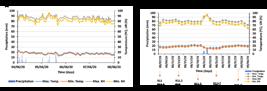
Meteorological data from the municipality of Viçosa, MG, during the pre-harvest period (04/06/2020 to 08/06/2020) (A) and harvest period (08/07/2020 to 09/04/2020) (B). Arrows: dates on which each harvest was carried out. Total daily precipitation (mm), maximum and minimum daily temperature (°C), and maximum and minimum daily relative humidity (RH). Source: Weather Station 86824 located in Viçosa, MG. INMET (2020).
After manual threshing, the seeds of each treatment were kept under ambient conditions until they reached a moisture content close to 12%. They were then packed in paper bags and stored for nine months under laboratory conditions (average temperature of 23.0 ± 1.8 °C and relative humidity of 66.1 ± 6.1%). The seeds obtained at each harvest time were subjected to the quality evaluation tests described below, carried out at 0, 3, 6 and 9 months of storage.
Moisture content: determined after drying in an oven at 105 °C, for 24 h, using four replications of 25 seeds, with the results expressed as a percentage (Brasil, 2009).
Seed dry matter: determined together with the moisture content (Brasil, 2009), consisting of the final average weight obtained after drying the seeds, with the results expressed in g.100 seeds-1.
Germination: four replications of 50 seeds were sown on Germitest paper moistened with distilled water in an amount equivalent to 2.5 times the weight of the dry paper. Rolls were made and kept at 20 °C. Counts were carried out on the fifth and eighth day after sowing, and the results were expressed as a percentage of normal seedlings (Brasil, 2009).
Accelerated aging with saline solution: a uniform layer of seeds was distributed on a wire mesh fixed inside plastic Gerbox boxes, containing 40 mL of saturated NaCl solution at the bottom, in order to obtain 76% RH inside. The covered boxes were kept for 48 h in a B.O.D. incubator at 41 °C (Araújo et al., 2021). After this period, four replications of 50 seeds were subjected to the germination test, and the percentage of normal seedlings obtained on the fifth day after sowing was computed.
Emergence: determined in a test with four replications of 50 seeds conducted in a plant growth room. Sowing was carried out at 1.0 cm depth in a mixture of soil and sand in a 1:1 ratio, contained in plastic trays. Daily counts of the number of seedlings emerged were carried out until this number remained constant, calculating the percentage of seedlings emerged.
Tetrazolium: four replications of 25 seeds were initially pre-conditioned on Germitest paper moistened with water in the proportion of 2.5 times the weight of the dry paper, at 20 °C, for 16 h. Then, the seeds were immersed in a solution of 0.075% 2,3,5-triphenyl-tetrazolium chloride for 2.5 h, in the dark, at 41 °C for staining. The seeds were analyzed individually with the aid of a magnifying glass, according to criteria established by Paraíso et al. (2019). The results were expressed as a percentage of seeds obtained in classes 1 and 2 (vigorous) and in classes 1 to 3 (viable). The percentages of seeds with moisture damage were also calculated.
Activity of antioxidative enzymes and protein quantification: four replications of 20 seeds of each treatment were placed to soak for 16 h in moistened paper towels. The seed coat was removed and then the cotyledons and embryonic axis were frozen in liquid nitrogen. The frozen embryos were freeze-dried (Scanvac CoolSafe Freeze Dryer) for 48 h and macerated using a micro pulverizing mill (TECNAL, Model R-TE-350) for 30 to 40 seconds. The material was stored in Eppendorf microtubes and kept in a desiccator until the time of the evaluations. Activities of the enzymes catalase (CAT; EC 1.11.1.6) and ascorbate peroxidase (APX; EC 1.11.1.11) were quantified by absorbance readings in a Thermo ScientificTM UV-Vis Genesys 10S spectrophotometer. To obtain the crude enzymatic extracts, 0.1 g of the sample was mixed with 2 mL of the homogenization medium composed of potassium phosphate buffer (0.1 M, pH 6.8), 0.1 mM ethylenediaminetetraacetic acid (EDTA), 1 mM phenylmethylsulfonyl fluoride (PMSF) and 1% (w/v) polyvinylpyrrolidone (PVPP) (Peixoto et al., 1999). The homogenization medium and the macerated material were stirred for one minute, and then a centrifugation was performed at 14,000 x g for 15 minutes, at 4 °C, to remove the supernatant layer.
Protein content: determined by the Bradford (1976) method, using bovine serum albumin (BSA) as standard. For this purpose, 5 μL of enzyme extract were diluted in 0.995 mL of distilled water and added to 1 mL of Bradford solution. After 15 min, absorbance readings were taken in a spectrophotometer at a wavelength of 595 nm.
Ascorbate peroxidase (APX): activity was determined by adding 150 μL of enzyme extract to the reaction medium consisting of 50 mM potassium phosphate buffer, pH 7.8, ascorbic acid 0.25 mM, 0.1 mM EDTA and 0.3 mM H2O2. The reaction is performed at a temperature of 25 °C with sample readings at absorbance of 290 nm using a spectrophotometer. Enzymatic activity was calculated with the molar extinction coefficient of 2.8 mM-1 cm-1, and the results were expressed in nmol.min-1.mg-1 of protein (Nakano and Asada, 1981).
Catalase (CAT): determined by adding 100 μL of enzyme extract to the reaction medium consisting of 50 mM potassium phosphate buffer, pH 7.0, and 12.5 mM H2O2 (Havir and McHale, 1987). The decrease in absorbance at 240 nm, at 25 °C, was measured over two minutes of reaction. Enzymatic activity was calculated using the molar extinction coefficient of 36 mM-1 cm-1, and the results were expressed in μmol.min-1.mg-1 of protein (Anderson et al., 1995).
Experimental design and statistical analysis: Laboratory tests were performed using a completely randomized design, in a split-plot scheme with four replications. The data were subjected to analysis of variance, with the four harvest times (R11, R11.5, R12 and R12+7) allocated in the plots and the four seed storage periods (0, 3, 6 and 9 months) in the subplots. To evaluate the effect of harvest times, the means within each storage period were compared using Tukey test (P < 0.05). Data related to the storage periods were subjected to polynomial regression analysis. Statistical analyses were processed in the R program (R Core Team, 2025).
RESULTS AND DISCUSSION
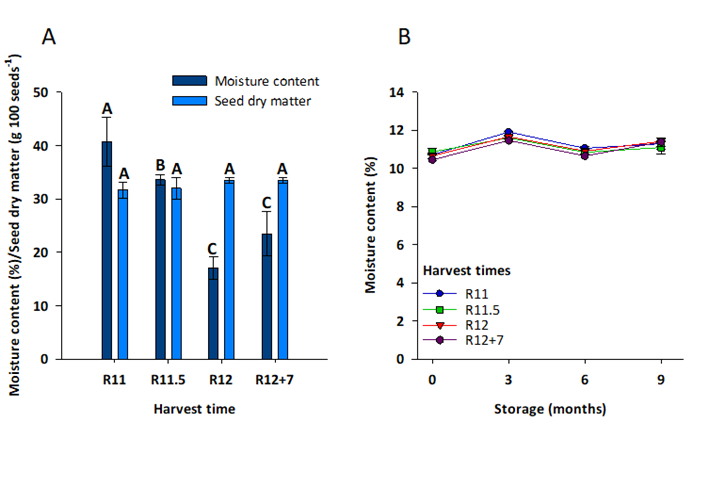
Figure 3A shows that the moisture content of the newly harvested seeds decreased over the harvest times. Seeds harvested at the R11 stage, when 50% of the pods are golden-yellow, showed the highest moisture content (41%), while those harvested at R12 and R12+7, when 90% of the pods had golden-yellow color and seven days after the plant reached R12, respectively, had lower values (17% and 23%, respectively). Regarding seed dry matter, there was no significant difference between the harvest times, indicating that the seeds had already reached the maximum content, i.e., physiological maturity (Figure 3A). Studies related to the development and maturation process of chickpea seeds have shown that the seeds reached physiological maturity when the pods were yellow in color and the seeds had a moisture content of around 40-50% (Samarah and Abu-Yahya, 2008; Trancoso et al., 2021). After drying, the seeds were stored with a moisture content of approximately 11%, which remained within the range of 11% to 12% over nine months (Figure 3B).

Moisture content and dry matter of chickpea seeds harvested at different times (A) and variation of the moisture content of the seeds of each harvest time throughout storage (B). Means followed by the same letter, in the columns of the same color, do not differ from each other according to Tukey test (p < 0.05).
Regarding germination (Figure 4A), there was no significant difference between the harvest times for the newly harvested seeds (time 0). However, after three months of storage, the delay in harvest (R12+7) was detrimental to germination. When evaluating each harvest time along the storage (Figure 4B), a linear reduction in seed germination was observed (Figure 4B), which was more significant for seeds harvested at R12+7. It is important to mention that the seeds of this treatment, R12+7, went through a period of rainfall in the pre-harvest (between 08/21/2020 and 08/22/2020) followed by drought (Figure 2B). These conditions may have caused oscillations in the moisture content of the seeds in the field and consequent deterioration. The total rainfall in this period was 21.40 mm, with maximum and minimum RH of 81.9% and 76.4%, respectively. The high RH may explain the more significant reduction in the germination of these seeds during storage (Figure 4B). Avelar et al. (2018) found reduction in the germination of chickpea seeds due to the delay in harvesting.

Germination (A and B), accelerated aging (C and D) and electrical conductivity (E and F) of chickpea seeds harvested at different times (R11, R11.5, R12 and R12+7) and stored for 0, 3, 6 and 9 months. Means with equal letters do not differ by Tukey test (p ≤ 0.05) and compare harvest times at each storage time.
Rapid oscillations in seed moisture content may be related to the permeability and lignin content in the seed coat (Oliveira et al., 2014). It is important to note that the seed coat of kabuli chickpea seeds is composed of a fine cell structure with a high concentration of pectin and a low concentration of lignin (Trancoso et al., 2021; Wood et al., 2014), which confers high permeability and can facilitate rapid changes in the moisture content of seeds in the field (Trancoso et al., 2021). The increase in the moisture content of seeds intensifies respiratory processes, which in turn contribute to greater degradation of energy reserves and ROS production, consequently reducing their physiological potential (Rajani et al., 2020; Pinheiro et al., 2023).
By the accelerated aging test (Figure 4C), newly harvested seeds that were not stored showed lower vigor when harvesting was carried out at R12 and R12+7 compared to those harvested at R11. Seeds harvested at R12+7 and stored for 3 and 6 months were very sensitive to the stress conditions of this test, showing lower vigor compared to those harvested at the other stages. At 9 months of storage, lower vigor was found in seeds with delayed harvest (R12+7), followed by those of the earliest harvest (R11), which were inferior to those of the R11.5 and R12 treatments, the ones with the highest vigor. When evaluating each harvest time throughout storage (Figure 4D), a linear reduction in vigor was observed for all of them. This reduction was more significant for seeds harvested at R11 and R12+7. In soybean, there was a reduction in the physiological quality of seeds harvested late at R7.8 + 21 days (Vergara et al., 2019), which influenced their storage potential, with a reduction in vigor at the end of 120 days of storage, as also observed in the present study at the end of nine months of storage (Figure 4D).
The reduction in vigor due to deterioration involves several reactions that damage biomolecules. Among the main types of damage are peroxidation of membrane lipids, protein oxidation, damage to nucleic acids, and, at higher levels, cell death (Ebone et al., 2019; Kumar et al., 2015). As a result, some biochemical processes can be compromised, such as protein metabolism and energy production, consequently affecting seed germination and vigor (Min et al., 2017).
In the electrical conductivity (EC) test, there was no difference in the vigor of the newly harvested seeds between the different harvest times (Figure 4E). Seeds harvested at R12 stood out, showing greater vigor after three months of storage, that is, greater integrity of cell membranes, represented by lower EC values. There was a linear increase in EC throughout storage, regardless of the harvest time (Figure 4F). This increase was less expressive for seeds harvested at R12, indicating a greater capacity for reorganization of cell membranes compared to the other harvest treatments. Thus, it is possible to observe that, throughout storage, regardless of the harvest time, there were reductions in germination (Figure 4B) and vigor, according to the accelerated aging (Figure 4D) and electrical conductivity (Figure 4F) tests. One of the first manifestations of seed deterioration is related to the destructuring of cell membranes, due to the peroxidation of phospholipids present in their constitution. With peroxidation, the reorganization of the membrane configuration during imbibition is compromised, leading to an increase in solute leaching (Corbineau, 2024).
For seedling emergence evaluated at time 0, there was no significant difference between the harvest times (Figure 5A) as observed for the results of germination (Figure 4A) and electrical conductivity (Figure 4E). However, after storage, seeds harvested at R11.5 and R12 did not differ from each other, showing, in general, better performance, especially compared to those harvested late (R12+7). Throughout storage, there was a linear reduction in emergence, regardless of the harvest time (Figure 5B), which was evident at R11 and R12+7, as also observed in the accelerated aging test (Figure 4B). These results show that early harvest or delayed harvest can contribute to the reduction of chickpea seed vigor.

Seedling emergence (A and B), vigor (C and D) and moisture damage (E and F) by the tetrazolium test of chickpea seeds harvested at different times (R11, R11.5, R12 and R12+7) and stored for 0, 3, 6 and 9 months. Means with equal letters do not differ by Tukey test (p ≤ 0.05) and compare harvest times at each storage time.
The maturation stage of seeds at the time of harvest is a relevant factor in the seed production process and will influence their physiological quality soon after harvest and also their storage potential (Finch-Savage and Bassel, 2016). In species of indeterminate growth habit, such as chickpeas, whose maturation is uneven (Subedi et al., 2017; Zhang et al., 2016), earlier harvests, such as at the R11 stage, resulted in seeds with lower vigor and longevity, as observed by the accelerated aging and seedling emergence tests (Figure 4C, Figure 4D, Figure 5A, Figure 5B). On the other hand, the lower vigor of seeds subjected to delay in harvest (R12+7) can be attributed to a possible deterioration in the field aggravated by the climatic conditions (rainfall) already mentioned (Figure 2B) and by the longer period of permanence in the field. It has already been shown that pre-harvest rains can cause moisture damage to soybean seed tissues (Pinheiro et al., 2023), which can be more harmful to chickpea seeds, due to the high concentration of pectin in the seed coat, conferring high permeability, which can facilitate rapid changes in their moisture content and accelerate the deterioration process (Trancoso et al., 2021).
Seed vigor, evaluated by the tetrazolium test (Figure 5C), before storage was higher for seeds harvested at R11 compared to those harvested at R12+7, which was also observed at 3 months. At 6 months, the vigor was higher in seeds harvested at R11.5 and lower in those harvested at R12+7; at the end of storage (9 months), there was no difference between seeds harvested at R11, R11.5 and R12, which had higher vigor than those harvested at R12+7. Thus, in general, the lower vigor of seeds subjected to delayed harvest was evident at each storage time (Figure 5C). When evaluating the vigor of the seeds along the storage, a reduction was observed for all harvest times (Figure 5D), similar to the results obtained in the other vigor tests (Figures 4D, 4F and 5B), in which the reduction in vigor was more significant for seeds harvested at R12+7.
The main damage identified by the tetrazolium test in chickpea seeds was moisture deterioration (Figures 5E and 5F). In the harvest carried out at R12+7, there was a higher percentage of seeds with this type of damage compared to the other harvest times, as observed at 0 and 3 months of storage (Figure 5E). At 6 months, there was no difference between the harvest treatments, while at 9 months the highest proportion of seeds with damage occurred in the R12+7 treatment, not differing from R11 and R12, with the lowest values for seeds harvested at R11.5 (Figure 5E). Along the time of storage (Figure 5F), there was a linear increase in the percentage of seeds with moisture deterioration, regardless of the harvest time. Moisture deterioration lesions in seeds evolve at a higher rate than any other type of damage during storage (Moreano et al., 2011). Thus, a reduction in physiological potential may occur as a consequence of the processes of evolution of this damage during storage, especially at the end of this stage (Forti et al., 2010), which can be verified in the present study by the results of germination and vigor (Figures 4 and 5).
In summary, the results of the tetrazolium test (Figure 5E and 5F) show lower physiological quality and a higher incidence of moisture damage in seeds that remained longer in the field (R12 +7). As previously mentioned, rain and high RH occurred in the pre-harvest of these seeds, which caused physical changes in the tissues due to successive expansions and contractions in their volume, generating lesions in the cotyledons or in the embryonic axis, as illustrated in Figure 6, which are also commonly observed in soybean seeds (Forti et al., 2010; Pinheiro et al., 2023). The deterioration process is accentuated in these injured tissues, which can be observed by their intense red or white color, indicating deteriorated or dead tissue, respectively (Figure 6).

External and internal view of symmetrical lesions (black arrows) on the embryonic axis and cotyledons characterizing damage caused by moisture deterioration in chickpea seeds. Scale: 1 cm. Image: TRANCOSO, A.C.R.
Regarding the biochemical alterations, the protein content was not affected by the harvest times at 0 and 3 months of storage (Figure 7A), while at 6 and 9 months, seeds harvested at R12 and R12+7 showed lower contents, respectively, than the others. These results corroborate those of germination at 9 months of storage, as seeds harvested late at R12+7 also had lower germination (Figure 4A). There was a linear reduction in protein content throughout storage, regardless of the harvest time (Figure 7B), as observed for germination (Figure 4B). The reduction was more significant in seeds harvested at R12+7. Reserve proteins are considered one of the main targets for oxidation in seeds (Sano et al., 2016). The reduction in protein content can lead to an inefficient energy supply during the seed germination process, affecting seed performance (Pinheiro et al., 2020).
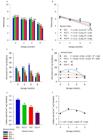
Proteins (A and B) and activity of the enzymes Ascorbate Peroxidase (APX) (C and D) and Catalase (E and F) in chickpea seeds, obtained at different harvest times and stored for 0, 3, 6 and 9 months. Means with equal letters do not differ by Tukey test (p ≤ 0.05) and compare harvest times at each storage time. NS - not significant.
The greater capacity of seeds to eliminate ROS, via the antioxidant system, is related to the lower intensity of cell damage caused by the deterioration process (Ebone et al., 2017). There was higher APX activity in seeds harvested at R11 and R11.5 immediately after harvest and at three months of storage compared to R12 and R12+7, with lower activity in the latter period when there was a delay in harvest (Figure 7C). At six months, the activity of this enzyme remained higher in seeds harvested at R11, and lower in those harvested at R12+7. However, at nine months, lower activity was obtained in seeds harvested at R11, followed by those harvested at R12+7, with higher activity when harvesting was carried out at R12, which did not differ from R11.5. APX participates in the reduction of H2O2 into H2O, using ascorbic acid as a reducer, and its lower activity indicates a higher concentration of ROS, resulting in greater deterioration (Shengchun, 2023).
APX activity throughout storage followed a quadratic model for seeds harvested at R11 and R11.5, with an increase after the beginning of storage and a decrease after three months (Figure 7D). In general, seeds harvested at R11 and R11.5 showed higher physiological quality and, consequently, less deterioration at the beginning (0 months) and at three months of storage. Thus, it can be stated that the increase in APX activity up to three months of storage possibly contributed to attenuating oxidative stress in these seeds. However, the reduction in APX activity after three months of storage may have influenced the increase in oxidative stress with consequent increase in deterioration and reduction in physiological quality at the end of the storage period, especially for seeds harvested at R11. For seeds harvested at R12 and R12+7, the activity remained virtually constant throughout storage. Thus, it is possible to state that, for seeds harvested at R12, the constant activity of APX throughout storage may have been sufficient to attenuate the effects of ROS, since they had greater physiological potential (Figures 4 and 5) and, therefore, less deterioration during storage. On the other hand, APX activity was not sufficient to attenuate the possible higher production of ROS in seeds harvested at R12+7, which showed lower vigor (Figures 4 and 5) and, therefore, greater deterioration, also evidenced by the higher incidence of moisture damage according to the tetrazolium test (Figure 5F).
There was no significant interaction between the factors harvest time and storage period for Catalase (CAT) activity. Seeds harvested at R11 showed higher activity compared to those harvested at the other times, while lower activity was observed for late harvest at R12+7 (Figure 7E). When evaluating CAT activity throughout storage (Figure 7F), a quadratic behavior was observed, with an increase in activity after the beginning of storage and a decrease at the end (9 months). CAT is also involved in the breakdown of H2O2 into H2O and O2, being essential in the defense against ROS-generated oxidative stress (Kibinza et al., 2011; Liu et al., 2015). Therefore, lower CAT activity may contribute to seed deterioration, since H2O2 accumulation is associated with reduction in seed physiological potential (Kurek et al., 2019). Lower CAT activity was observed in seeds harvested at R12+7, which showed lower vigor (Figures 4 and 5), i.e., greater deterioration. Seeds harvested at R12+7 remained longer in the field and suffered pre-harvest rainfall, which probably increased oxidative stress (Figure 1). In soybean seeds, Fialho et al. (2022) observed a reduction in CAT activity with delayed harvest. Pinheiro et al. (2020) observed reduction in the activity of CAT, APX, and POX enzymes with the advancement of moisture deterioration.
Oxidative stress is characterized by the imbalance between ROS and the antioxidative system and is a determining factor in the reduction of seed germination and vigor (Kibinza et al., 2011; Min et al., 2017). In general, the ability of seeds to eliminate ROS via the enzymatic system was reduced with the advancement of storage and in seeds with greater deterioration, as observed in those harvested at R12+7 (Figure 7). These results highlight this imbalance and corroborate those observed for germination, vigor and moisture damage (Figures 4, 5 and 6). Rajani et al. (2020) found that the deterioration rate is significantly influenced by environmental conditions in the pre- and post-harvest phases of chickpea and lentil seeds, observing greater activity of the antioxidant enzymes SOD, CAT and POX in seeds of greater vigor.
Our results confirm that the harvest time interferes with the physiological quality of chickpea seeds both right after harvesting and during storage. In addition, storage under laboratory environment conditions with an average temperature of 23.0 ± 1.8 °C and relative humidity of 66.1 ± 6.1% caused a reduction in seed germination and vigor, as a consequence of oxidative stress and imbalance of antioxidative enzymatic mechanisms, with reductions in CAT and APX activities.
CONCLUSIONS
Chickpea seeds with higher physiological quality and storage potential were obtained when harvesting was carried out at the R11.5 and R12 stages, equivalent to 75% and 90% of the pods with golden-yellow color, respectively.
Seeds with lower vigor, lower storage potential and lower activity of APX and CAT enzymes were obtained when harvesting was carried out at R12+7 days.
Regardless of the harvest time, there were reductions in germination, vigor and activity of antioxidant enzymes APX and CAT at nine months of storage.
ACKNOWLEDGMENTS
This study was carried out with support from CAPES - Financing Code 001 and CNPq.
REFERENCES
-
ANDERSON, M.D.; PRASAD, T.K.; STEWART, C.R. Changes in isozyme profiles of catalase, peroxidase, and glutathione reductase during acclimation to chilling in mesocotyls of maize seedlings. Plant Physiology, v.109, n.4, p.1247 - 1257, 1995. https://doi.org/10.1104/pp.109.4.1247
» https://doi.org/https://doi.org/10.1104/pp.109.4.1247 -
ARAÚJO, J.O.; DIAS, D.C.F.S.; NASCIMENTO, W.M.; MARTINS, A.O.; LIMAO, M.A.R. Accelerated aging test and antioxidant enzyme activity to assess chickpea seed vigor. Journal of Seed Science, v.43, 2021. https://www.scielo.br/j/jss/a/CKtMrWx5q8yHHpvDL5BH9Kk/?format=html⟨=en
» https://www.scielo.br/j/jss/a/CKtMrWx5q8yHHpvDL5BH9Kk/?format=html⟨=en -
AVELAR, R.I.S.; COSTA, C.A.; BRANDÃO-JÚNIOR, D.S.; PARAÍSO, H.A.; NASCIMENTO, W.M. Production and quality of chickpea seeds in different sowing and harvest periods. Journal of Seed Science , v.40, n.2, p.146-155, 2018. https://doi.org/10.1590/2317-1545v40n2185719
» https://doi.org/https://doi.org/10.1590/2317-1545v40n2185719 -
BRADFORD, M.M. A rapid and sensitive method for the quantitation of microgram quantities of protein utilizing the principle of protein-dye binding. Analytical Biochemistry, v.72, n.1-2, p.248-254, 1976. https://doi.org/10.1016/0003-2697(76)90527-3
» https://doi.org/https://doi.org/10.1016/0003-2697(76)90527-3 -
BRASIL. Ministério da Agricultura, Pecuária e Abastecimento. Regras para Análise de Sementes. Ministério da Agricultura, Pecuária e Abastecimento. Secretaria de Defesa Agropecuária. Brasília: MAPA/ACS, 2009. 399p. https://www.gov.br/agricultura/pt-br/assuntos/insumos-agropecuarios/arquivos-publicacoes-insumos/2946_regras_analise__sementes.pdf
» https://www.gov.br/agricultura/pt-br/assuntos/insumos-agropecuarios/arquivos-publicacoes-insumos/2946_regras_analise__sementes.pdf -
CORBINEAU, F. The effects of storage conditions on seed deterioration and ageing: How to improve seed longevity. Seeds, v.3, n.1, p.56-75, 2024. https://doi.org/10.3390/seeds3010005
» https://doi.org/https://doi.org/10.3390/seeds3010005 -
CUNHA, P.T.; TRANCOSO, A.C.R.; DIAS, D.C.F.; PICOLI, E.A.T.; SILVA, R.A.; NASCIMENTO, W.M. Physiological, anatomical, and histochemical changes in lentil (Lens culinaris Medik) seeds at different stages of maturation. Journal of Seed Science , v.46, e202446039, 2024. https://doi.org/10.1590/2317-1545v46291663
» https://doi.org/https://doi.org/10.1590/2317-1545v46291663 - DIAS, D.C.F.S.; NASCIMENTO, W.M. Desenvolvimento, maturação e colheita de sementes de hortaliças Brasília, DF: Tecnologia de sementes de hortaliças - Embrapa Hortaliças, 2009. 11-76 p.
-
EBONE, L.A.; CAVERZAN, A.; CHAVARRIA, G. Physiologic alterations in orthodox seeds due to deterioration processes. Plant Physiology and Biochemistry, v.145, p.34 - 42, 2019. https://doi.org/10.1016/j.plaphy.2019.10.028
» https://doi.org/https://doi.org/10.1016/j.plaphy.2019.10.028 -
FIALHO, C.A.; DIAS, D.C.F.S.; PINHEIRO, D.T.; OLIVEIRA, A.M. S.; SOARES, T. F.S.N.; SILVA, L.J. Antioxidant and physiological responses of seeds of soybean cultivars to delayed harvest. Semina: Ciencias Agrarias, v.43, n.3, p.1127-1144, 2022. https://doi.org/10.5433/1679-0359.2022v43n3p1127
» https://doi.org/https://doi.org/10.5433/1679-0359.2022v43n3p1127 -
FINCH-SAVAGE, W. E.; BASSEL, G. W. Seed vigour and crop establishment: Extending performance beyond adaptation. Journal of Experimental Botany, v.67, n.3, 2016. https://doi.org/10.1093/jxb/erv490
» https://doi.org/https://doi.org/10.1093/jxb/erv490 -
FORTI, V.A.; CICERO, S. M.; FERREIRA PINTO, L. Avaliação da evolução de danos por “umidade” e redução do vigor em sementes de soja, cultivar tmg113-rr, durante o armazenamento, utilizando imagens de raios x e testes de potencial fisiológico. Revista Brasileira de Sementes, v.32, n. 3, 2010. https://doi.org/10.1590/S0101-31222010000300014
» https://doi.org/https://doi.org/10.1590/S0101-31222010000300014 -
GALDEANO, M.; FELBERG, I.; KIMA, J. MELLINGER, C. Evolução dos alimentos plant-based no Brasil Brasilia: Embrapa, 2021. https://www.embrapa.br/busca-de-noticias/-/noticia/67002613/artigo-evolucao-dos-alimentos-plant-based-no-brasil
» https://www.embrapa.br/busca-de-noticias/-/noticia/67002613/artigo-evolucao-dos-alimentos-plant-based-no-brasil -
GRDC - Grains Research and Development Corporation. GRDC GrowNotes™ - Chickpeas, Western Canberra: GRDC, 2017. https://grdc.com.au/
» https://grdc.com.au/ - INMET. Instituto Nacional de Meteorologia . BDMEP - Banco de Dados Meteorológicos para Ensino e Pesquisa Brasília, 2020.
-
HAVIR, E. A.; McHALE, N. A. Biochemical and developmental characterization of multiple forms of catalase in tobacco leaves. Plant Physiology , v.84, n.2, p.450-455, 1987. https://doi.org/10.1104/pp.84.2.450
» https://doi.org/https://doi.org/10.1104/pp.84.2.450 -
KIBINZA, S. BAZIN, J.; BAILLY, C.; FARRANT, J.M; CORBINEAU, F.; EL-MAAROUF-BOUTEAU, H. Catalase is a key enzyme in seed recovery from ageing during priming. Plant Science, v.181, n.3, p.309-315, 2011. https://doi.org/10.1016/j.plantsci.2011.06.003
» https://doi.org/https://doi.org/10.1016/j.plantsci.2011.06.003 -
KUREK, K.; PLITTA-MICHALAK, B.; RATAJCZAK, E. Reactive oxygen species as potential drivers of the seed aging process. Plants, v.8, n.174, 2019. https://doi.org/10.3390/plants8060174
» https://doi.org/https://doi.org/10.3390/plants8060174 -
LIU, Y.; YAO, Y.L.; HU, X.W.; XING, S.L.; XU, L. Cloning and allelic variation of two novel catalase genes (SoCAT-1 and SsCAT-1) in Saccharum officinarum L. and Saccharum spontaneum L. Biotechnology and Biotechnological Equipment, v.29, n. 3, p.431-440, 2015. https://doi.org/10.1080/13102818.2015.1018839
» https://doi.org/https://doi.org/10.1080/13102818.2015.1018839 -
MERGA, B.; HAJI, J. Economic importance of chickpea: Production, value, and world trade. Cogent Food and Agriculture, v.4, n.1, p.1615718, 2019. https://doi.org/10.1080/23311932.2019.1615718
» https://doi.org/https://doi.org/10.1080/23311932.2019.1615718 -
MIN, C. W.; LEE, S.H.; CHEON, Y.E.; HAN, W.Y.; KO, J.M.; KANG, H.W.; KIM, Y.C.; AGRAWAL, G.K.; RAKWAL, R.; GUPTA, S.T.K. In-depth proteomic analysis of Glycine max seeds during controlled deterioration treatment reveals a shift in seed metabolism. Journal of Proteomics, v.169, p.125-135, 2017. https://doi.org/10.1016/j.jprot.2017.06.022
» https://doi.org/https://doi.org/10.1016/j.jprot.2017.06.022 -
MITTLER, R. ROS are good. Trends in Plant Science , v.22, n.1, p.11 - 19, 2017. https://doi.org/10.1016/j.tplants.2016.08.002
» https://doi.org/https://doi.org/10.1016/j.tplants.2016.08.002 -
MORAIS, T.D.C.; DIAS, D.C.F.S.; PINHEIRO, D.T.; GAMA, G.F.V.; SILVA, L.J. Physiological quality and antioxidant enzymatic action in sunflower seeds exposed to deterioration. Revista Caatinga, v.34, n.3, p.570-579, 2021. https://doi.org/10.1590/1983-21252021v34n308rc
» https://doi.org/https://doi.org/10.1590/1983-21252021v34n308rc -
MOREANO, T.B.; BRACCINI, A.L.; SCAPIM, C.A.; KRZYZANOWSKI, F.C.; FRANÇA-NETO, J.B.; MARQUES, O.J. Changes in the effects of weathering and mechanical damage on soybean seed during storage. Seed Science and Technology, v.39, n.3, p.604-611, 2011. https://doi.org/10.15258/SST.2011.39.3.07
» https://doi.org/https://doi.org/10.15258/SST.2011.39.3.07 -
NAKANO, Y.; ASADA, K. Hydrogen peroxide is scavenged by ascorbate-specific peroxidase in spinach chloroplasts. Plant and Cell Physiology, v.22, n.5, p.867 - 880, 1981. https://doi.org/10.1093/oxfordjournals.pcp.a076232
» https://doi.org/https://doi.org/10.1093/oxfordjournals.pcp.a076232 -
NASCIMENTO, W.M. Grão-de-bico. In: NASCIMENTO, W. M.; SILVA, P.P.; ARTIAGA, O.P.; SUINAGA, F.A. Hortaliças Leguminosas Brasília, DF: Embrapa Hortaliças, 2016. p.89-118. https://www.embrapa.br/busca-de-publicacoes/-/publicacao/1054423/hortalicas-leguminosas
» https://www.embrapa.br/busca-de-publicacoes/-/publicacao/1054423/hortalicas-leguminosas -
OLIVEIRA, C.M.D.; KRZYZANOWSKI, F.C.; OLIVEIRA, M.C.N.; FRANÇA-NETO, J.B.; HENNING, A.A. Relationship between pod permeability and seed quality in soybean. Journal of Seed Science , v.36, n.3, p.273-281, 2014. https://doi.org/10.1590/2317-1545v36n3919
» https://doi.org/https://doi.org/10.1590/2317-1545v36n3919 -
PARAÍSO, H. A.; BRANDAO, D.S.; AVELAR, R.I.S.; COSTA, C.A.; GOMES, L.S.; NASCIMENTO, W.M. Adjustments in the tetrazolium test methodology for assessing the physiological quality of chickpea seeds. Journal of Seed Science , v.41, n.1, p.7-12, 2019. https://doi.org/10.1590/2317-1545v41n1187777
» https://doi.org/https://doi.org/10.1590/2317-1545v41n1187777 - PEIXOTO, P.H.P.; CAMBRAIA, J.; SANT’ANA, R.; MOSQUIM, P.R.; MOREIRA, M.A. Aluminum effects on lipid peroxidation and on the activities of enzymes of oxidative metabolism in sorghum. Brazilian Journal of Plant Physiology (Revista Brasileira de Fisiologia Vegetal), v.11, p.137-143, 1999.
-
PINHEIRO, D.T.; OLIVEIRA, R.M.; SILVEIRA, A.S.; LEON, M.J.Z; BRUM, L.B.T.L.; DIAS, D.C.F.S. Antioxidant enzyme activity and physiological potential of Capsicum baccatum var. baccatum seeds as a function of post-harvest storage of fruit. Journal of Seed Science , v.42, e202042028, 2020. https://doi.org/10.1590/2317-1545v42235315
» https://doi.org/https://doi.org/10.1590/2317-1545v42235315 -
PINHEIRO, D.T.; DIAS, D.C.F.S.; SILVA, L.J.; MARTINS, M.S.; FINGER, F.L. Oxidative stress, protein metabolism, and physiological potential of soybean seeds under weathering deterioration in the pre-harvest phase. Acta Scientiarum, v.45, e56910, 2023. https://doi.org/10.4025/actasciagron.v45i1.56910
» https://doi.org/https://doi.org/10.4025/actasciagron.v45i1.56910 -
R CORE TEAM. R: A language and environment for statistical computing Vienna: R Foundation for Statistical Computing, 2025. https://www.R-project.org/
» https://www.R-project.org/ -
RAJANI, K.; KUMA, V.; KUMAR, S.B.; KUMAR, A.; KUMAR, R.R.; KUMAR. A. Physiological and biochemical assesement of chickpea and lentil grown in different agroclimatic zones of bihar. Current Journal of Applied Science and Technology, p.68-78, 2020. https://doi.org/10.9734/cjast/2020/v39i1030629.
» https://doi.org/https://doi.org/10.9734/cjast/2020/v39i1030629 -
SAMARAH, N. H.; ABU-YAHYA, A. Effect of maturity stages of winter- and spring-sown chickpea (Cicer arietinum L.) on germination and vigour of the harvested seeds. Seed Science and Technology , v.36, n.1, p.177-190, 2008. https://doi.org/10.15258/sst.2008.36.1.19
» https://doi.org/https://doi.org/10.15258/sst.2008.36.1.19 - SANO, N.; RAJJOU, L.; NORTH, H. M.; DEBEAUJON, I.; MARION-POLL, A.; SEO, M. Staying alive: molecular aspects of seed longevity. Plant Cell Physiology, v.57, n.4, p.660-674, 2016.
-
SHENGCHUN, L. Novel insight into functions of ascorbate peroxidase in higher plants: More than a simple antioxidant enzyme. Redox Biology, v.64, p.102789, 2023. https://doi.org/10.1016/j.redox.2023.102789
» https://doi.org/https://doi.org/10.1016/j.redox.2023.102789 -
SUBEDI, M.; WILLENBORG, C. J.; VANDENBERG, A. Influence of harvest aid herbicides on seed germination, seedling vigor and milling quality traits of red lentil (Lens culinaris L.) Frontiers in Plant Science , v.8, 2017. https://doi.org/10.3389/fpls.2017.00311
» https://doi.org/https://doi.org/10.3389/fpls.2017.00311 -
TRANCOSO, A.C.R.; DIAS, D.C.F.S.; PICOLI, E.A.T.; SILVA, R.A.; SILVA, L.J.; NASCIMENTO, W.M. Anatomical, histochemical and physiological changes during maturation of chickpea (Cicer arietinum L.) seeds. Revista Ciência Agronômica, v.52, n.4, p.e20207534, 2021. https://doi.org/10.5935/1806-6690.20210048
» https://doi.org/https://doi.org/10.5935/1806-6690.20210048 -
VERGARA, R.; SILVA, R.N.O.; NADAL, A.P.; GADOTTI, G.I.; AUMONDE, T.Z.; VILLELA, F.A. Harvest delay, storage and physiological quality of soybean seeds. Journal of Seed Science , v.41, n.4, p.506-513, 2019. https://doi.org/10.1590/2317-1545v41n4222413
» https://doi.org/https://doi.org/10.1590/2317-1545v41n4222413 - VIANELLO, R.L.; ALVES, A.R. Meteorologia básica e aplicações Viçosa: UFV, Impr. Univ., 1991. 449p.
-
WOOD, J. A.; CAMPBELL, G.M.; CHOCT, M. Differences between easy- and difficult-to-mill chickpea (Cicer arietinum L.) genotypes. Part I: Broad chemical composition. Journal of the Science of Food and Agriculture, v.94, n.7, p.1437-1445, 2014. https://doi.org/10.1002/jsfa.6437
» https://doi.org/https://doi.org/10.1002/jsfa.6437 -
ZHANG, T.; JOHNSON, E. N.; WILLENBORG, C. J. Evaluation of harvest-aid herbicides as desiccants in lentil production. Weed Technology, v.30, n.3, p.629-638, 2016. https://doi.org/10.1614/WT-D-16-00007.1
» https://doi.org/https://doi.org/10.1614/WT-D-16-00007.1
Additional data will be made available by the authors upon reasonable request.
Data citations
INMET. Instituto Nacional de Meteorologia . BDMEP - Banco de Dados Meteorológicos para Ensino e Pesquisa Brasília, 2020.