 EpiFloripa COVID-Tel: methods and results of the telephone survey on the COVID-19 pandemic among older adults participating in the 2017–2019 and 2021–2022 EpiFloripa cohort study
Objectives To analyze the impacts of the coronavirus pandemic on the health conditions and behaviors of older adults participating in the EpiFloripa Aging cohort study, comparing Wave 3 (2017–2019) with Wave 4 (2021–2022), and describe the methodology of the survey used.
Methods Telephone interviews were conducted. Data collection included sociodemographic and health information, adherence to distancing measures, internet use, and perceptions about the pandemic. Descriptive statistical analyses were performed to assess changes before and during the pandemic. Frequency measures (n, %) and 95% confidence intervals were calculated.
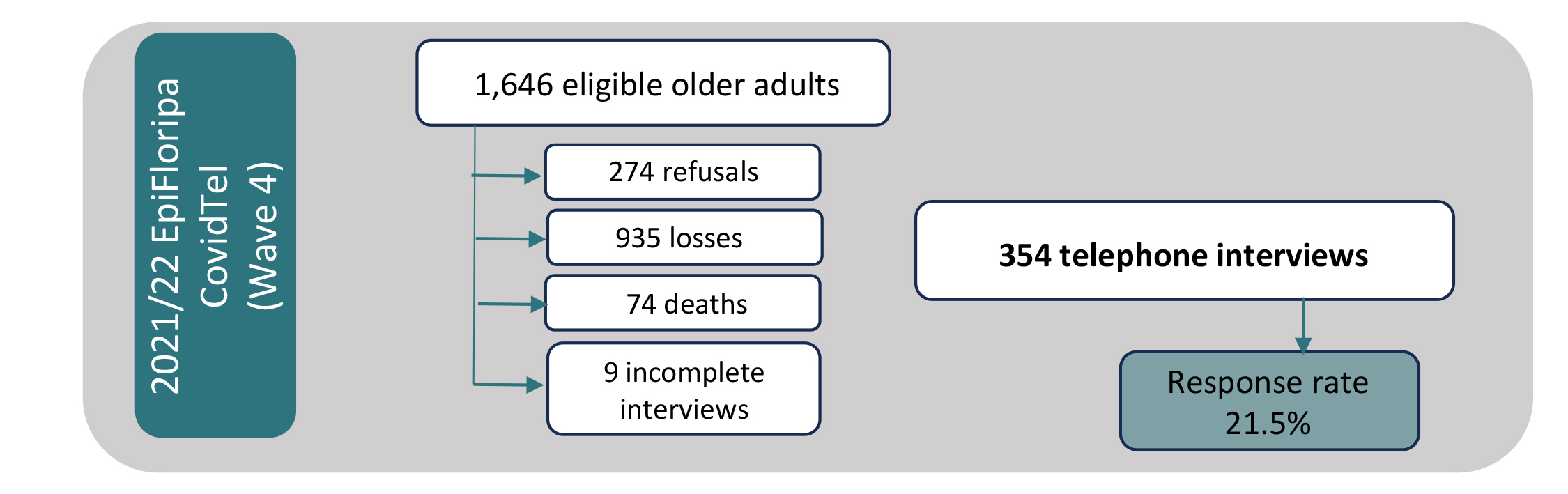
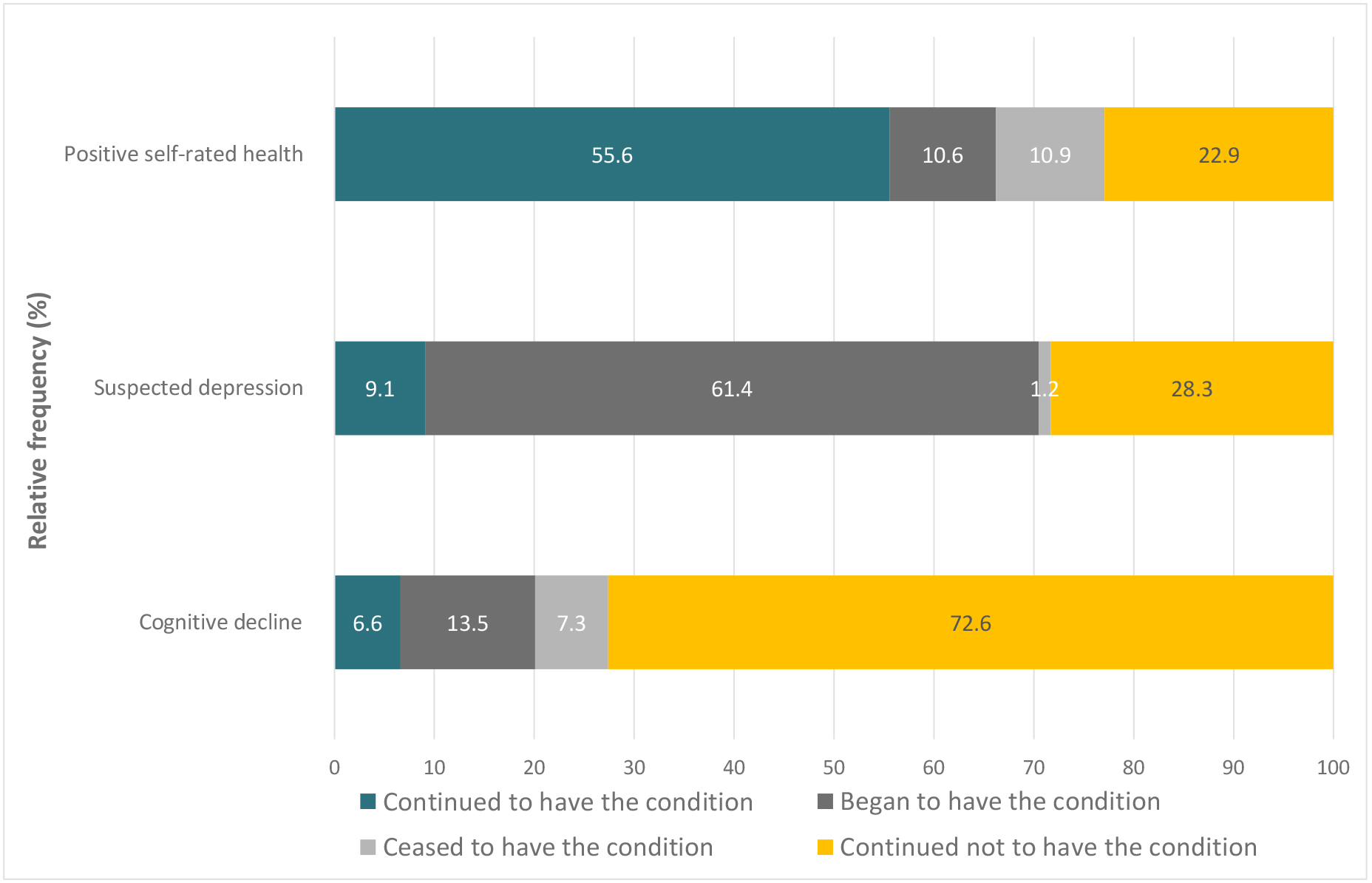
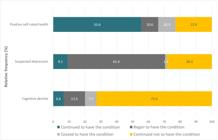
Results Data from 1,335older adults interviewed in Wave 3 and 354 participants in Wave 4 were used. There was an increase in internet use (from 48.5% in Wave 3 to 65.5% in Wave 4), indicating greater digital inclusion during the pandemic. Self-rated health showed that 55.6% maintained a positive perception, but 10.9% began to rate it negatively, and 61.4% began to present depressive symptoms. The majority of older adults (53.7%) rigorously followed social distancing measures; 23.2% reported worsening health. High adherence was observed for both the first (98.0%) and second vaccine doses (98.8%). However, 20.6% showed probable cognitive decline during the COVID-19 period.
Conclusion There was an increase in digital inclusion, adherence to distancing measures, and vaccination. A worsening in self-perceived health, increased cognitive decline, and depressive symptoms were observed. These findings highlight the need for public policies targeting mental health, digital inclusion, and social support for older adults in crisis contexts..
Keywords
COVID-19; Coronavirus Infections; Aged; Pandemics; Health Surveys
 Thumbnail
 Thumbnail