 Strengthening urban waste governance: Integrating data and policy in the northern coast of Rio Grande do Sul, Brazil
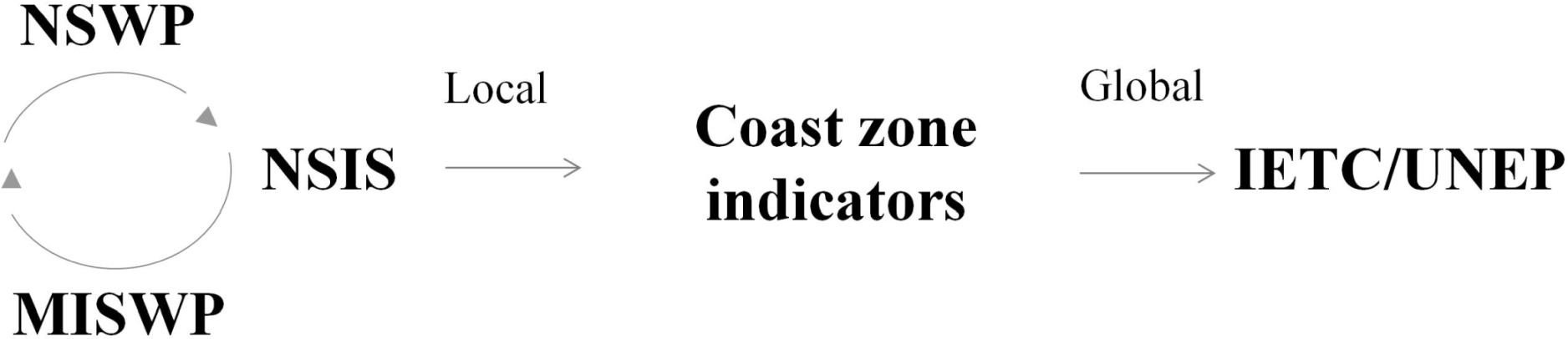
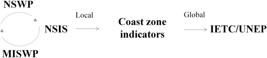
Inadequate infrastructure for the final disposal of solid waste increases the vulnerability of coastal areas to environmental impacts. Poor waste management in these regions leads to severe marine contamination, as land-based waste reaches the oceans through rivers, storm water, and improper land disposal, threatening marine life. This study analyzes the integration between the National Sanitation Information System and the National Solid Waste Policy in regulating the Municipal Integrated Solid Waste Management Plans, focusing on coastal municipalities. A descriptive documentary approach was adopted, involving an analytical review of urban sanitation indicators. The results reveal significant governance gaps and the need for improved coordination in coastal management. In municipalities along the Northern Coast of Rio Grande do Sul, weak integration was found between data repositories and legislation, with extensive and redundant reporting forms. Strengthening Sanitation Information System through alignment with international standards, regulatory mechanisms, social participation, and circular economy principles — especially through the inclusion of low-income waste pickers — can enhance transparency and accountability. Integration with reports from the United Nations Environment Programme would enable the system to become a global reference, contributing to sustainable coastal management and climate change mitigation.
Key words
Coastal Waste Governance; National Sanitation Information System; National Solid Waste Policy; Solid Waste Management; Sustainability Indicators
 Thumbnail
 Thumbnail
 Thumbnail