 Occurrence of microplastics in the gastrointestinal tract of Amazonian fish species with different feeding habits
Abstract
Plastic pollution has become commonplace and knowledge about microplastics is limited in relation to their real threat to the aquatic biota present in the Amazon basin. Through fish species collected in Lake Janauacá and the Anavilhanas Archipelago, in the state of Amazonas, Brazil, we investigated the ingestion of microplastics by Amazonian fish species with different eating habits. The fish were dissected, and the gastrointestinal tract underwent alkaline digestion for the separation of the microplastic particles. Using a stereomicroscope, the items characterized as microplastics were subjected to Fourier-transform infrared spectroscopy. Almost >60% of the analyzed fish species contained microplastics in their gastrointestinal tracts. Most of the microplastics were found in the intestine (91.5%) and the rest (8.5%) in the stomach. There were no significant differences in the feeding habits of the studied species, or between the locations. The characterization of microplastics highlights the possible sources of the microplastics such as discarded fishing artifacts, the lack of basic sanitation evident in the region and the lack of environmental education for tourists. This study provides data that can assist in the development and formation of practices that combat plastic pollution and raises awareness in regard to the correct disposal of plastics.
Key words
microplastics; gastrointestinal tract; fish; pollution
INTRODUCTION
It is estimated that rivers “export” approximately 0.5 million tons of plastics per year worldwide, and that approximately 80% of the world’s population lives near watersheds where macroplastics are ubiquitous due to poor waste management (Strokal et al. 2023). Studies indicate that, compared to sediment, for example, water is the main source of dissemination of microplastic particles to different environments and living beings (Athira et al. 2024). Wastewater treatment plants have also been identified as one of the main sources of microplastic pollution (Kumar et al. 2023). Qiu et al. (2023) found that ultraviolet (UV) radiation and rainfall are factors that stimulate soil microplastic pollution, causing a greater amount of river runoff, and can transport exacerbated amounts of microplastics directly from the source.
The incorrect disposal of plastic waste has seriously resulted in pollution in both terrestrial and aquatic environments, enabling the formation of microplastics in these ecosystems (Montagner et al. 2021). An example of this happens during rainy periods, where untreated effluents transfer a large part of their polluting waste to water bodies, thus compromising the quality of these aquatic ecosystems (Nguyen et al. 2023). Microplastics have accumulated in the aquatic environment, especially the marine environment for decades, and have been reported on the seabed and throughout the water column (Van Cauwenberghe et al. 2013). There is evidence that microplastic pollution is a threat to marine biodiversity, associated with factors such as overfishing, climate change and other forms of anthropogenic disturbance such as pollution by domestic and industrial effluents, heavy metals and solid waste, as well as acidification processes (Hatje et al. 2013).
In recent years, in addition to the marine environment, microplastics have been identified in several freshwater systems in North America (Moore et al. 2011), in Europe (Faure et al. 2012) and in Asia (Free et al. 2014). More recently, microplastics have been found interacting with African freshwater fish species in the Nile River (Saad & Alamin 2024). Still, the presence of plastic items in the Amazon basin, which concentrates the greatest diversity of freshwater fish in the world (Val 2019), has become a problem mainly to its aquatic biota, since the long-term impact of these particles on the health of the biota is not known (Moore et al. 2011).
The first records of the presence of microplastics in Amazonian waters showed the ingestion of 228 microplastic particles by carnivorous fish from 22 families of the Amazon River (Pegado et al. 2018). The examination of the stomach contents of 172 individuals of 16 species of serrasalmids from the lower Xingu River basin revealed the consumption of 96 microplastics by herbivorous, omnivorous and carnivorous fish (Andrade et al. 2019). Wen et al. (2018) observed that microplastics cause a greater impact on Symphysodon aequifasciatus, even when combined with other stressors, such as rising temperatures, for example. Rojas et al. (2023) reported the occurrence of 2,337 microplastic particles in fish in an area of the Peruvian Amazon. In 61 individuals analyzed, 1,096 particles were found in the gills and the rest, 1,241, were found in the other organs analyzed. Another study (De Souza et al. 2023) observed that the Amazon River is the main source of freshwater discharge into the continental shelf of the equatorial Atlantic Ocean and is thus a carrier of plastic waste.
Given their interaction with aquatic biota (Cole et al. 2011), microplastics are considered emerging pollutants of great concern for the aquatic environment. Thus, the objective of this study was to identify the intake of microplastics in fish species with different eating habits, quantify and characterize these particles and observe the possible relationship between the intake of these microplastics with eating habits, as well as biometric parameters. Knowing the interaction between microplastics and the fish species present in the Amazon basin is of fundamental importance for biodiversity, economy and food security of communities in this region because, by understanding the biodiversity-microplastic-society interaction, mitigation, recovery and safety mechanisms can be developed by government agencies.
MATERIALS AND METHODS
Study area
Specimens of different fish species were during the months of October and November 2019, in two locations in the state of Amazonas, Brazil. The first collection site, Lake Janauacá (03º 27’ 24.80953” S and 60º 18’ 31.81641” W), can be defined as a white-water floodplain lake, which is a tributary of the Solimões River, and is located 40 km from Manaus, between the municipalities of Careiro Castanho and Manaquiri (Batistella et al. 2005). Lake Janauacá is influenced by the riverine population that uses it for subsistence fishing and travel. The second collection site, the Anavilhanas archipelago (2° 40’ 1” S and 60° 47’ 2” W), is located within a conservation unit (Anavilhanas National Park), in the city of Novo Airão, which is bathed by the black waters of the Negro River. The park has tourism as its main attraction and, for this reason, in its vicinity there are hotels and large jungle lodges, which provide tourists with tours in the forest.
Sampling of species
The capture of fish species was carried out with the help of gillnets (20:20, 30:30, 25:30 mm between knots), randomly distributed in (Lake Janauacá and Anavilhanas archipelago). The nets were in place for approximately 10 hours per day with surveys being performed every 2 hours. After the collections, the fish were anesthetized and subsequently euthanized by spinal section according to the Brazilian Guidelines for Animal Use and Care (INPA’s Licence to this work CEUA: Nº 021/2021, SEI 01280.000872/2021-74. The fish were identified to species level and each specimen was measured for standard length (in millimeters) and weighed (in grams) with the aid of a digital scale (Marte BL 3200h; accuracy 0.01 g). The samples were frozen and stored individually in 70% alcohol at -20 °C in the Laboratory of Ecophysiology and Molecular Evolution (LEEM) before processing, separation and identification. The fish species collected were selected for their occurrence, abundance and commercial importance in each location sampled.
Processing of samples in the laboratory
The removal of microplastics from the gastrointestinal tract of fish is essential for assessing their level of contamination. Various scientific studies employ specific methods to isolate and quantify these particles. In the laboratory the gastrointestinal tract (GIT) of the fish was removed, using surgical forceps and a scalpel. A longitudinal incision was made in the coelom; the stomach and intestine were removed and then the morphology was observed in situ with the aid of a stereomicroscope (ZEISS). The GITs were fixed in 70% alcohol and individually stored in glass containers (Lusher et al. 2013). The stomach and intestine were carefully dissected and the content washed in a Petri dish with 70% alcohol. A visual scan was then performed to identify suspected microplastic particles, which were separated and photographed. The captured images were later analyzed using ImageJ software to measure the microplastics’ sizes (~1 mm). Subsequently, the digestive tract, along with the residual stomach and intestinal contents, was digested with 10 M NaOH. Following digestion, the processed material was filtered through 0.30 mm steel meshes, and the remaining microplastic particles were measured for size (Pegado et al. 2018).
Extraction of microplastics
Microplastics observed from the content of gastrointestinal tract, and in the stomach and intestine of the fish were removed by digestion of tissues and organic matter with NaOH (Cole et al. (2014, adapted). To achieve this, 10 M of NaOH were added per individual sample (GIT: stomach and intestine), with agitation for 40 sec, to facilitate the removal of all biological material. The contents of the gastrointestinal tract were digested using 40 mL of NaOH for every 0.2 g of dry tissue, kept in fully sealed glass bottles for 24 h at 60 °C in an oven. To avoid possible contamination by persistent plastic waste in glassware, each glass container was decontaminated before use and washed three times with ultrapure water (Milli-Q). The percentage of frequency of microplastics inside the GIT was calculated using the following formula:
FO% = (Ni/N) x 100
in which, FO% = frequency of occurrence of plastic particles; Ni = number of gastrointestinal tracts containing plastic particles; N = total number of gastrointestinal tracts examined.
Steel-mesh filtration
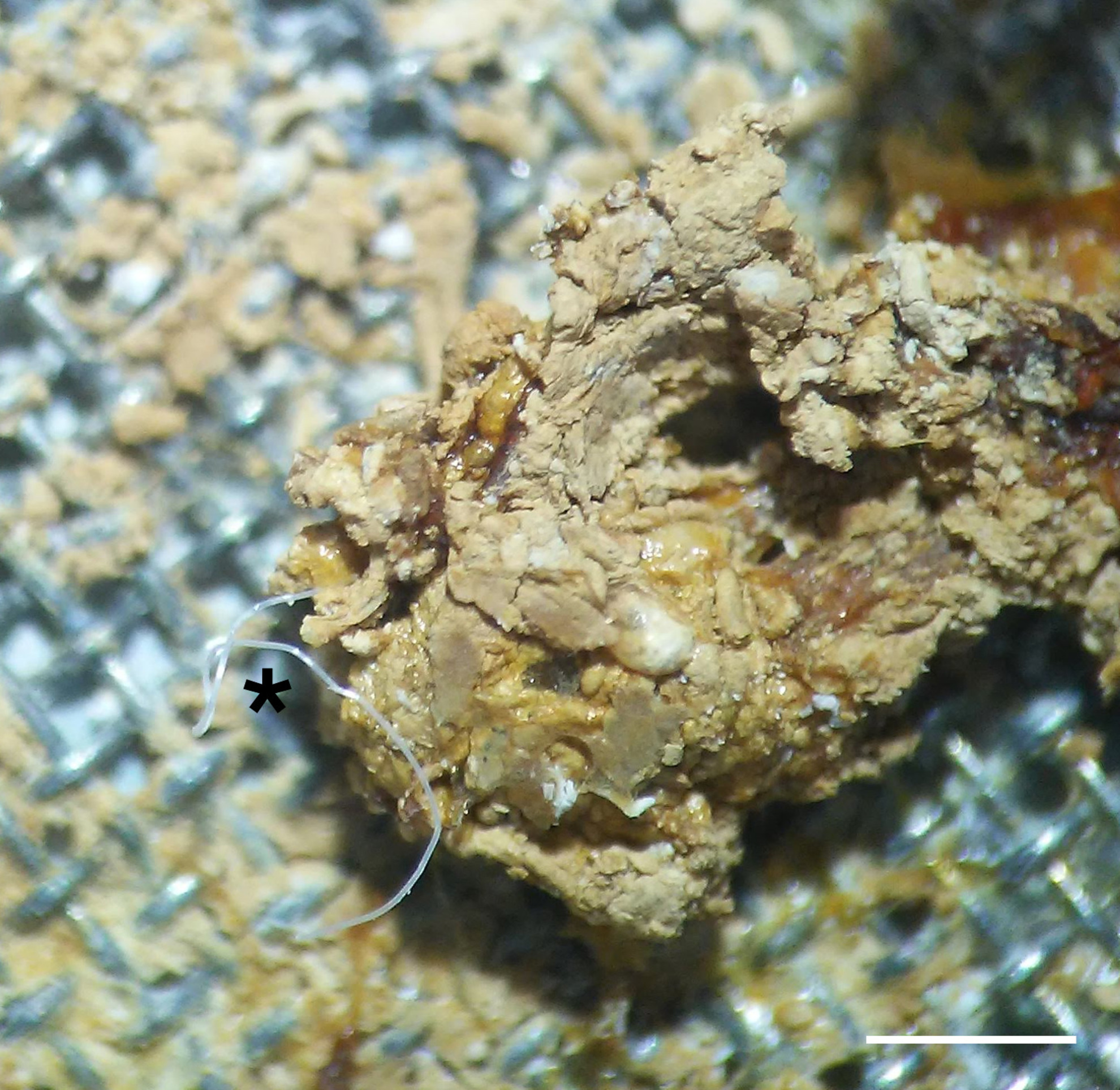
After 24 h of digestion, the organic matter of each sample was completely dissolved, leaving only the plastic particles (Figure 1). After digestion, the samples were weighed and filtered through a stainless-steel mesh (0.30 mm). The steel mesh (1x1 cm) was cut into small circular-shaped filters to facilitate handling in the filtration process. The filters were previously weighed and, after filtration, weighed again with the retained samples. To facilitate and stimulate the filtration process, we adapted a manual vacuum pump. For this, a 2-L vacuum flask was used, which was coupled to a suction hose and had a steel filter in the upper opening of the flask to retain the plastic particles. After filtering, the samples retained in the filters were dried in an oven at 60 °C for 1 h and then stored in aluminum foil for subsequent observation under a stereomicroscope (ZEISS) and identification using FTIR.

After extraction by visual means using a stereomicroscope, the sample was subjected to digestion with 10 M NaOH for 24 hours in an oven, filtered through a stainless-steel screen and dried, separated and stored for later observation under a stereomicroscope. (*) indicates the microplastic filament after digestion of the gastrointestinal tract in NaOH. (scale: 1 mm).
Identification of microplastics using Fourier-transform infrared (FTIR) spectroscopy
The FTIR technique can be used to characterize the polymers that make up each type of microplastic and is thus able to provide evidence of the presence of functional groups present in the structure of a substance and permit chemical characterization (Amendola et al. 2007).
The microplastics obtained from the GIT samples, both visually with the aid of a stereomicroscope and from the samples filtered after alkaline digestion, were subjected to polymer identification by FTIR infrared spectrometer with ATR (Attenuated Total Reflectance) device (manufacturer: Agilent), provided by the Laboratory of Synthesis and Characterization of Nanomaterials (LSCN), located at the Federal Institute of Amazonas (IFAM), industrial district campus. FTIR readings with confidence levels > 75% were considered. Only these data were included for the analysis of the FTIR measurements to confirm the identity of each microplastic found during the observation of the GIT content. The spectra were collected in the region where the wave was absorbed from 4000 to 650 cm-1, with a resolution of 8 cm-1 (reciprocal centimeters).
For FTIR analysis the sample was removed from the filter after treatment with NaOH 10 M, a quick wash was performed using ultrapure water (Milli-Q), since the sample may still contain remnants of organic material (Jung et al. 2018). Before placing the sample in the equipment, the ATR crystal diamond was sanitized with a 70% isopropyl alcohol solution, and a background reading was always done before reading each sample. During the analysis, the samples were compressed by the diamond (individually), to ensure a good contact surface between the ATR crystal and the sample. After the spectra formation, a calculation is used to determine the percentage of similarities of peaks of the sample with those in the library equipment, with values ranging from 0 to 1, the greater the similarity, the closer to 1 is the value, which is based on the Cauchy-Schwarz equation (Mecozzi et al. 2016).
Use of the polyethylene standard
A batch of polyethylene microplastics provided by the research group Ecophysiology and Ecotoxicology of Aquatic Organisms of the University of Santa Cecília, São Paulo, was used as a standard sample to identify the characteristic peaks for polyethylene. The absorbances at the wavenumbers: 2915 cm-1, 2845 cm-1, 1467 cm-1, 1462 cm-1, 730 cm-1, and 717 cm-1 were associated with C-H stretching.
Risk of contamination
To reduce the risk of contamination of the samples by microplastics in the laboratory environment, nitrile gloves were used from the handling of the equipment to the processing of the samples. The work surfaces were thoroughly cleaned with distilled water, as were all the glass equipment and tools before and after each procedure. To avoid air contamination during the dissection, extraction, classification and visual identification of the microplastics, these procedures were performed in a clean lab, which has air-conditioning systems with circulation and filtration in continuous operation. A test of the potential presence of microplastics in the air (blank test) was performed (Pegado et al. 2018), in which a Petri dish with 70% alcohol was positioned above the work surface before the start of each procedure. At the end of the day, this plate was examined with a stereomicroscope to check whether contamination had occurred.
Statistical analysis
Shapiro-Wilk tests were performed to assess the normality of the data. The Kruskal-Wallis test was used to verify whether the amount of microplastics found (Qmicro) presented a significant difference in relation to the feeding habits (carnivore, detritivore, omnivore and herbivore) of the individuals analyzed, and assess whether there was a significant difference between the amount of microplastics found (Qmicro) in relation to the two collection sites. To verify whether there was a relationship between the amount of microplastics found (Qmicro) and the biometric parameters of the individuals (body size, gastrointestinal tract size, body weight and gastrointestinal tract weight), a simple linear regression was used. All the statistical analyses were performed in the software R, version 4.0.4 (2021), and were conducted considering a significance level of 5%.
RESULTS
Quantification of microplastics found
A total of 183 microplastic particles were found inside the gastrointestinal tract of 54 of the 88 fish analyzed, which belong to 15 different species (Table I). This universe is equivalent to about 61.4% of the individuals analyzed. Of the 15 species analyzed, Hoplias malabaricus was the species with the highest number of microplastic particles (Qmicro) found (37 microplastic particles) and was followed by Serrasalmus elongatus (20 microplastic particles) and Semaprochilodus taeniurus (18 microplastic particles), highlighted in red in the table below. Of the total microplastic particles found, 91.5% were in the intestinal portion and 8.5% in the stomach portion. The particles visible to the naked eye in the gastrointestinal tract were in the form of fibers of various colors (Figure 2). The particles found were on average 1.89±0.87 mm in length, with the smallest particle being around 0.79±0.18 mm and the largest 3.7±2.68 mm in length.
Determination of the microplastics found in each fish species collected in Janauacá lake and Anavilhanas archipelago. * Qfish: number of fish observed; Fmicro: quantity of fish analyzed containing microplastic; Qmicro: amount of microplastics found per individual; Amicro: microplastic media found by specific fish; FO%: frequency of occurrence of microplastics; Asmicro: average size of microplastics; Feeding habits.

Samples of microplastics in the form of threads and with different colors (black, blue, red, green) found inside the gastrointestinal tract of different species of Amazonian fish. Scale: 1 mm.
Identification of microplastics
The identification and confirmation of the particles found was performed using Fourier-transformed infrared (FTIR) spectroscopy, which confirmed that these particles were microplastics. Only particles that presented a degree of similarity ≥ 75% were counted, according to the polymer database of the manufacturer of the equipment. We found four units of polyester fiber microplastics, two of polypropylene (PP), eleven high- and low-density polyethylene (PE) microplastics, five polyethylene terephthalate (PET), three neoprene microplastics, as well as waste generated by disposable products, two cellulose acetate fibers and one ethylene-vinyl acetate (EVA) fiber. Table II shows the microplastics items that obtained similarity greater than 80%. As for the test of potential contamination of microplastics by air (blank test), no contamination was found in the Petri dishes containing distilled water used in the experiment.
Microplastics and feeding habits
Although the analyzed fish presented different eating habits (carnivores, detritivores, omnivores and herbivores), there were no significant differences between the amount of microplastic particles found per individual and eating habits (p>0.05) (Figure 3).

The amount of microplastic particles found in 54 sampled fish and the feeding habits (carnivorous, detritivorous, herbivorous and omnivorous) of the analyzed fish. No significant differences were found between the two variables (p>0.05).
Microplastics and biometric parameters of individuals
The biometric parameters body size (cm), GIT size (cm) and GIT weight (g) were not related to the amount of microplastics observed (p>0.05). Only the body weight (g) of the analyzed individuals showed a significant difference and a relationship with the amount of microplastics found (p= 0.007) (Figure 4).

Amount of microplastic particles found as a function of the biometric parameters of the individuals (n=54) analyzed (p>0.05).
Microplastics and sampling locations
There was no relationship between the amount of microplastic particles found in the gastrointestinal tract of the fish and the location where the individuals were sampled (Figure 5).

Graph representing the amount of microplastic particles found as a function of the location (Lake Janauacá and Anavilhanas archipelago) where the fish were sampled. (p>0.05).
DISCUSSION
Recently, attention has focused on the Amazon region, either because of the illegal burning that has directly affected the population or because of climate change that has caused extreme droughts, in addition to emerging pollution by plastic waste. The present study analyzes the scenario of microplastics regarding their abundance, characterization and interaction with some species of Amazonian fish of commercial importance. The presence of microplastics in Lake Janauacá and in the Anavilhanas archipelago was evidenced through the analysis of the digestive tract of fish with different eating habits.
Although studies on these particles in the Amazon region are still small-scale, previous research (Pegado et al. 2018, Andrade et al. 2019) has indicated that microplastic pollution in freshwater can be as harmful as in the oceans, an environment that has been investigated for some time now (Eerkes-Medrano et al. 2015). It is known that the amount or abundance of these plastic microparticles can vary according to their location, such as in sediment, surface water, shallow water, and proximity to urban centers, etc. (Li et al. 2018). In freshwater environments, the possible sources are most often wastewater treatment plants (domestic or industrial), fishing tackle, larger plastic materials (macroplastics) and incorrectly disposed household items (Eerkes-Medrano et al. 2015). One recent study evaluated raw wastewater on the west coast of India, and the authors found that this wastewater is primarily responsible for dumping a high concentration of polyethylene and polypropylene microplastics from sewage directly into rivers (Nguyen et al. 2023). The present study corroborates the descriptions of Nguyen et al. (2023), since both the locations studied are negatively affected by anthropic pressures. Fishing activities generate plastic waste that ends up being discarded directly or indirectly in the aquatic environment or on the banks of rivers, and these are exposed to the weather in this environment. Over time, these become fragments and are transformed into microplastics (Barnes et al. 2009).
One of the factors that increase concern about the impact of plastic particles on aquatic biota, especially on the Amazon, is the effects of climate change. Ford et al. (2022) categorized the contribution of plastic to climate change as in three ways: plastic production, transport and use; plastic disposal, mis-managed waste and degradation; and bio-based plastics. Plastic disposal, mis-managed is a huge problem in Amazon, because of the lack of sanitation treatment. The abundance of microplastics in the studied region is influenced by the lack of basic sanitation on houseboats or in nearby urbanized areas, thus making the aquatic environment the main destination for untreated domestic wastewater. The vast majority of riverine dwellings in the Amazon region, and even in the Amazonian capital, Manaus, do not have sewage treatment or selective collection, which contributes to the entry of contaminants, including microplastic particles, in local waterbodies (Fabregat-Safont et al. 2021). This makes it difficult to achieve the UN’s Sustainable Development Goal Number Six, which is to ensure the availability and sustainable management of drinking water and sanitation for all. To get an idea, about 27 tons of trash were removed every day from the waters in Manaus in 2023, and much of this waste was plastic items (Rádio Rio Mar 2023).
Due to the tourism in the Anavilhanas region, which, even though it is an environmental preservation area, has a variety of jungle hotels and is constantly used as a route for many tourist tours, the activity ends up exerting a strong influence and contributes to plastic pollution, evidencing neglect amid the impacts caused to the local environment. According to the Amazonas State Tourism Company (Amazonas Tur), in the year 2020, the state received about 343,530 tourists, with the most coveted destinations being jungle hotels (5.7% for domestic tourists and 15.3% for foreign tourists) (AmazonasTur 2020). In the northern region, plastic associated with tourism is the main component of beach litter (85.8%), which ends up impacting riverine regions, traditional populations and fishers, often located in remote regions. The solution to this problem depends on the integration of government actions, good practices and participatory management (Heinrich 2020).
Microplastic pollution and climate change pose significant threats to aquatic ecosystems, directly impacting fish physiology. Climate change combined with plastic pollution could have catastrophic effects (Ford et al. 2022). According to Braz-Mota & Val (2024), tropical regions such as the Amazon region will experience the most severe effects of climate change compared to other regions. Furthermore, extreme events induced by climate change redistribute microplastics in the environment, causing pollution to increase more and more (Parvez et al. 2024). The redistribution of microplastics in Amazon waters could also be influenced by climate change. Climate change and its effects on the hydrologic regime of the Amazon basin can impact biogeochemical processes, transportation, flood vulnerability, fisheries and hydropower generation (Sorribas et al. 2016). Extreme climate events in the Amazon, combined with characteristics such as the flood pulse, may be influencing the dynamics of microplastics in the region, but it is not yet known how this is affecting Amazonian fish species.
Firmino et al. (2022) observed that increased rainfall or even flooding make microplastics more likely to be carried into water bodies. And plastic debris, which previously exists in the aquatic environment, will be even more subjected to mechanical weathering of water bodies, making microplastics increasingly available to the biological diversity of these environments. Mota (2023) observed that oxygen consumption in aquatic invertebrates was the most affected component by the presence of microplastics combined with factors associated with climate change; this response can affect important aspects of animal biology such as growth, reproduction, migration, fitness, and others. Firmino et al. (2022) identified that microplastics and climate change have strong effects on the consumption and/or survival of shredding insects in Amazonian streams. Furthermore, the effects of microplastics and climate change can affect not only the population level but also the ecosystem functioning of these individuals (Firmino et al. 2022).
Microplastics can be ingested by fish in a variety of ways, including through respiration, direct ingestion, or through the food chain. Once ingested, microplastics can cause a range of adverse physiological effects, including physical damage, potentially causing lesions in the gastrointestinal tract of fish, causing inflammation; oxidative stress, resulting in cellular damage and impairment of physiological functions; metabolic changes, potentially affecting their growth and reproduction; and bioaccumulation of contaminants causing additional toxic effects (Mindrisz, 2023). The combination of the effects of climate change and microplastic pollution can result in compound impacts, exacerbating challenges to the survival and health of fish populations. It is crucial that future research considers these interactions to develop effective mitigation strategies.
Recent studies have shown the presence and ingestion of microplastics by different species of Amazonian fish. Justino et al. (2021) investigated tropical fish species and found about 176 microplastics in 82 of the individuals analyzed. In the present study, 183 microplastic particles were found inside the gastrointestinal tract of fish species with different eating habits, with 61.3% of the individuals consuming microplastic particles. This finding corroborates previous studies on aquatic organisms of the Amazon region, such as Andrade et al. (2019), who found a total of 96 microplastic particles (81.3%) in piranha species of the Xingu River with different feeding habits, and Pegado et al. (2018) who found a total of 228 microplastic particles (13.7%) in different species of fish from the Amazon River estuary. In addition to these, fish in streams were also observed ingesting tiny plastic particles, with 201 microplastics out of a total of 383 microplastics being found in the gastrointestinal tract of these individuals (Ribeiro-Brasil et al. 2020). The amount of microplastics found reveals a pattern in the abundance of microplastics ingested by several species of fish from different locations, which indicates that microplastic particles are already present in the freshwater environment of the Amazon, including areas that were considered not being affected, as demonstrated in our study.
The high global production of polyethylene-type plastics (Jambeck et al. 2015), which comprises mostly single-use plastic materials, mainly plastic bags and utensils used for food storage (GESAMP 2015) can explain the high rate of this type of microplastic found in the present study. Recently, high concentrations of polyethylene microplastics were discovered draining into rivers directly from wastewater (Nguyen et al. 2023). In the present study, high and low-density polyethylene (HDPE and PELD) represented 39%, followed by PET (18%), polyester fibers (14%), neoprene (11%), polypropylene (7%), cellulose acetate fibers (7%) and EVA (4%).
One of the factors that may contribute to the availability of microplastics in the studied environments, and that accelerates the fragmentation process of polyethylene microplastics, is its high photosensitivity, which in the Amazon region is increased due to the proportionally high incidence of UV rays, resulting in a reduction in the mechanical properties of this material and, consequently, reducing its lifetime. In the present study, the size of the microplastics found ranged from 0.79 to 3.70 mm, which were captured in a 0.30 mm steel mesh. This suggests the need for more adequate environmental management, since it is known that the smaller the size of the microplastic particles, the greater their effects on different organisms (Zhang et al. 2022).
The relationship between the particle size of the microplastic and the concentration in a hybrid fish species known as snakehead (Channa maculata × Channa argus) was analyzed. The results demonstrated that the fish were more intolerant to high concentrations of microplastic particles of 0.0005 mm compared to particles of 0.005 mm (Zhang et al. 2022). Microalgae had their cell walls destroyed by surface adsorption when exposed to microplastics of 0.00005 mm (Liu et al. 2020). Goldfish (Carassius auratus) exposed to two sizes of polystyrene (0.00025 mm and 0.008 mm) showed more severe damage after the ingestion of microplastics with a size of 0.00025 mm than those of 0.008 mm (Abarghouei et al. 2021).
Regarding the format of the microplastics found in the present study, threads represented 100% of the microplastics found. As for the colors of these threads, blue (79%), red (11%), black (9%) and green (1%) were found. This was also the most commonly found form of microplastic by Andrade et al. (2019) who investigated piranha species of the Amazon region. They found about 53.1% of microplastics in the form of threads, in the colors black (28.1%), blue (19.8%), red (18.8%), white (14.6%) and transparent (8.3%). In contrast to our findings, Pegado et al. (2018b) found only 0.9% of thread-shaped particles; most particles were in the form of pellets (97.4%), in the colors yellow and red, within the gastrointestinal tract of Amazonian fish species. Recently, four species of amphidromous fish were exposed to microplastic particles of different colors in the water, and these showed a preference for the colors red and yellow (Okamoto et al. 2022). These studies reveal the main characteristics of the properties of microplastics, which are available in freshwater aquatic environments of the Amazon and, consequently, are ingested more frequently by fish species in the region. We do not yet know the consequences for the health of exposed animals after ingesting these particles.
Regarding the types of microplastics found, the FTIR-ATR technique showed, in addition to the very evident refinement of the items ingested by the analyzed fish species, a simplicity in the preparation of samples for analysis, requiring only the cleaning of the microplastic particles with distilled water or ethanol or isopropyl alcohol (Jung et al. 2018), so that any layer of organic molecule interfering with the reading of the polymer bands could be removed. Microplastics are recognized in the literature for having typical infrared bands for each functional group of the polymer. As it is a technique of attenuated reflectance by means of a diamond, the penetration of the infrared laser (approximately 2 µm) causes absorbance values to be lower compared to the classic transmittance measurement mode. One of the complications of the reflectance mode is the measurement of irregularly shaped fragments of microplastics, which can result in spectra that are not interpretable due to refractive errors (Löder & Gerdts 2015).
Recently, the review by Veerasingam et al. (2020) evaluated more than 400 studies on the identification of microplastics by the most diverse FTIR modes. The ATR mode with reflectance was used in more than 60% of the studies to identify various types of polymers in various types of matrices, and also highlights the advantages and disadvantages of the different modes of attenuated total reflectance (ATR), transmittance and diffuse reflectance (Veerasingam et al. 2020). Although widely used, the attenuated total reflectance identification method still needs to undergo some standardization, since the different sample preparation modes and the size and diameter of the microplastics are limiting factors when using such a technique.
Horton et al. (2024) noted that exposure to microplastics can vary with changing environmental conditions and cannot be easily defined by the eating habits of fish or their sampling sites. Regarding dietary habits and the intake of microplastics, Pegado et al. (2018) found no significant differences between dietary habits and the amount of microplastic particles found. Andrade et al. (2019) also found no significant differences between dietary habits and the frequency of occurrence of microplastics in piranha species from the Amazon region. This reinforces the results found in the present study, since the relationship between eating habits and the amount of microplastic particles ingested also showed no difference between the species analyzed for the two locations in the Amazon. The current data from this study contrast with those of Mizraji et al. (2017) who observed a greater amount of microplastics ingested by omnivorous fish in relation to those with herbivorous and carnivorous habits. They also contrast with the findings of Justino et al. (2021), who identified a variation between the intake of microplastic particles and the different eating habits of tropical fish species. We suggest that different eating habits may influence the ingestion of plastic particles in some locations due to the behavior of each species, a fact that has not been demonstrated in the locations analyzed by us (Anavilhanas and Janauacá).
Regarding the biometric parameters, Saad & Alamin (2024) observed a negative correlation between the abundance of microplastics and the biometric parameters of the analyzed fish, and also that the abundance of microplastics increased as the size of the fish decreased. In addition to this study, Pegado et al. (2018) found significant differences between the total length of the fish and the intake of microplastics, which was not observed in the present study, since no significant differences were found between the weight and standard length of the individuals and neither between the weight and length of the gastrointestinal tract in relation to the intake of microplastics particles, thus indicating no positive relationship between the individual and microplastic particles.
The present study observed individuals from two different locations near the city of Manaus, Amazonas. However, no significant differences were found between the ingestion of microplastic particles by individuals from either locations, demonstrating no difference in the presence and ingestion of microplastic particles between an anthropized area (Lake Janauacá) and a preserved area (Anavilhanas archipelago). The proportion of ingestion of microplastic particles was also not affected in fish species from two locations in the Mediterranean Sea (Rios-Fuster et al. 2019). This indicates that, although environments closer to urban areas are more greatly affected by the direct receipt of waste, microplastics can be easily carried and transported by adverse actions such as air masses, precipitation and human actions, thus reaching more remote regions and influencing environmental responses that are as accentuated as in anthropized environments (de Souza et al. 2016).
CONCLUSIONS
Both study areas are being affected by contamination by plastic particles, and this shows that even organisms in protected areas, as observed in the Anavilhanas, are subject to the impacts of these particles, regardless of their proximity to urban areas.
The availability of microplastics in the locations where the fish were sampled is similar for all observed eating habits (omnivore, carnivore, detritivore and herbivore), which indicates that the fish are being contaminated by plastic particles regardless of the eating habit they present, in other words, all trophic levels are being affected. We suggest that what defines a greater exposure of fish to microplastics is not their eating habits or the place in which they inhabit, but factors such as the contribution and availability of plastic waste particles, added to climate change, seasonal periods and rainfall, which can exert a greater influence on exposure to microplastics in relation to their biometric parameters and location.
References
-
ABARGHOUEI S, HEDAYATI A, RAEISI M, HADAVAND BS, REZAEI H & ABED-ELMDOUST A. 2021. Size-dependent effects of microplastic on uptake, immune system, related gene expression and histopathology of goldfish (Carassius auratus). Chemosphere 276: 129977. https://doi.org/10.1016/j.chemosphere.2021.129977
» https://doi.org/10.1016/j.chemosphere.2021.129977 - AMAZONASTUR. 2020. Movimentação e caracterização de turistas no estado do Amazonas, Amazonastur, 2020 (December), p. 1-6.
- AMENDOLA MC. 2007. Algoritmo Genético e Espectroscopia no Infravermelho – Algumas Aplicações na Indústria Cosmética. https://www.teses.usp.br/teses/disponiveis/46/46133/tde-23042007-171330. (Unpublished).
-
ANDRADE MC, WINEMILLER KO, BARBOSA PS, FORTUNATI A, CHELAZZI D, CINCINELLI A & GIARRIZZO T. 2019. First account of plastic pollution impacting freshwater fishes in the Amazon: Ingestion of plastic debris by piranhas and other serrasalmids with diverse feeding habits. Environ Pollut 244: 766-773. https://doi.org/10.1016/j.envpol.2018.10.088.
» https://doi.org/10.1016/j.envpol.2018.10.088 -
ATHIRA TR, AARIF KM, THOMAS JA, ALATAWI AS, MUZAFFAR S, NEFLA A, RESHI OR, JOBIRAJ T & THEJASS P. 2024. The threat of microplastics: Exploring pollution in coastal ecosystems and migratory shorebirds along the west coast of India. Mar Pollut Bull 198: 115912. https://doi.org/10.1016/j.marpolbul.2023.115912.
» https://doi.org/10.1016/j.marpolbul.2023.115912 -
BARNES DKA, GALGANI F, THOMPSON RC & BARLAZ M. 2009. Accumulation and fragmentation of plastic debris in global environments. Philos Trans R Soc B: Biol Sci 364(1526): 1985-1998. https://doi.org/10.1098/rstb.2008.0205.
» https://doi.org/10.1098/rstb.2008.0205 -
BATISTELLA AM, CASTRO CP & VALE JD. 2005. Conhecimento dos moradores da comunidade de Boas Novas, no Lago Janauacá - Amazonas, sobre os hábitos alimentares dos peixes da região. Acta Amazonica 35(1): 51-54. https://doi.org/10.1590/s0044-59672005000100008.
» https://doi.org/10.1590/s0044-59672005000100008 - BRAZ-MOTA S & VAL AL. 2024. Fish mortality in the Amazonian drought of 2023: the role of experimental biology in our response to climate change. J Exper Biol 227(17), 1-6. Available from https://journals.biologists.com/jeb/article/227/17/jeb247255/361845/Fish-mortality-in-theAmazonian-drought-of-2023.
-
COLE M, LINDEQUE P, HALSBAND C & GALLOWAY TS. 2011. Microplastics as contaminants in the marine environment: A review. Mar Pollut Bull 62(12): 2588-2597. https://doi.org/10.1016/j.marpolbul.2011.09.025.
» https://doi.org/10.1016/j.marpolbul.2011.09.025 -
COLE M, WEBB H, LINDEQUE PK, FILEMAN ES HALSBAND C & GALLOWAY TS. 2014. Isolation of microplastics in biota-rich seawater samples and marine organisms. Sci Rep 4: 1-8. https://doi.org/10.1038/srep04528.
» https://doi.org/10.1038/srep04528 -
DE SOUZA MTV, SALES-SHIMOMOTO V, DA SILVA GS & VAL AL. 2023. Microplastics and the Amazon: From the rivers to the estuary. Química Nova 46(6): 655-667. https://doi.org/10.21577/0100-4042.20230066.
» https://doi.org/10.21577/0100-4042.20230066 -
EERKES-MEDRANO D, THOMPSOJ RC & ALDRIDGE DC. 2015. Microplastics in freshwater systems: A review of the emerging threats, identification of knowledge gaps and prioritisation of research needs. Water Res 75: 63-82. https://doi.org/10.1016/j.watres.2015.02.012.
» https://doi.org/10.1016/j.watres.2015.02.012 -
FABREGAT-SAFONT D, IBÁÑEZ M, BIJLSMA L, HERNÁNDEZ F, WAICHMAN, AV, DE OLIVEIRA R & RICO A. 2021. Wide-scope screening of pharmaceuticals, illicit drugs and their metabolites in the Amazon River. Water Res 200: 117251. https://doi.org/10.1016/j.watres.2021.117251.
» https://doi.org/10.1016/j.watres.2021.117251 - FAURE F, CORBAZ M, BAECHER H & DE ALENCASTRO LF. 2012. Pollution due to plastics and microplastics in Lake Geneva and in the Mediterranean Sea. Archives Des Sciences 65(1-2): 157-164.
- FIRMINO V, MARTINS RT, BRASIL LS, CUNHA EJ, PINEDO RB, HAMADA N & JUEN L. 2022. Do microplastics and climate change negatively affect shredder invertebrates from an Amazon stream? An ecosystem functioning perspective. SSRN Electronic Journal 321: 121184. https://doorg/10.2139/SSRN.4210360.
-
FORD HV, JONES NH, DAVIES AJ, GODLEY BJ, JAMBECK JR, NAPPER IE, SUCKLING CC, WILLIAMS GJ, WOODALL LC & KOLDEWEY HJ. 2022. The fundamental links between climate change and marine plastic pollution. Sci Total Environ 806: 150392. https://doi.org/10.1016/j.scitotenv.2021.150392.
» https://doi.org/10.1016/j.scitotenv.2021.150392 -
FREE CM, JENSEN OP, MASON SA, ERIKSEN M, WILLIAMSON NJ & BOLDGIV B. 2014. High levels of microplastic pollution in a large, remote, mountain lake. Mar Pollut Bull 85(1): 156-163. https://doi.org/10.1016/j.marpolbul.2014.06.001.
» https://doi.org/10.1016/j.marpolbul.2014.06.001 - GESAMP. 2015. Science for Sustainable Oceans. www.imo.org.
-
HATJE V, DA CUNHA LC & DA COSTA MF. 2013. Oceanography And Chemistry: Bridging Knowledge In Favor Of The Oceans And Society. Química Nova 36(10): 1497-1508. https://doi.org/10.1590/S0100-40422013001000004.
» https://doi.org/10.1590/S0100-40422013001000004 -
HORTON AA, WEERASINGHE KDI, MAYOR DJ & LAMPITT R. 2024. Microplastics in commercial marine fish species in the UK - A case study in the River Thames and the River Stour (East Anglia) estuaries. Sci Total Environ 915: 170170. https://doi.org/10.1016/j.scitotenv.2024.170170.
» https://doi.org/10.1016/j.scitotenv.2024.170170 -
HEINRICH BS. 2020. Atlas do plástico - Fatos e números sobre o mundo dos polímeros sintéticos, Vol. 1. https://br.boell.org/pt-br/2020/11/29/atlas-do-plastico
» https://br.boell.org/pt-br/2020/11/29/atlas-do-plastico - JAMBECK JR, GEYER R, WILCOX C, SIEGLER TR, PERRYMAN M, ANDRADY A, NARAYAN R & LAW KL. 2015. Entradas de residuos plásticos desde la tierra al océano. Ciencia 347(6223): 768-771. http://www.sciencemag.org/cgi/doi/10.1126/science.1260879%0Ahttps://www.sciencemag.org/lookup/doi/10.1126/science.1260352.
-
JUNG MR ET AL. 2018. Validation of ATR FT-IR to identify polymers of plastic marine debris, including those ingested by marine organisms. Mar Pollut Bull 127: 704-716. https://doi.org/10.1016/j.marpolbul.2017.12.061.
» https://doi.org/10.1016/j.marpolbul.2017.12.061 -
JUSTINO AKS, LENOBLE V, PELAGEE L, FERREIRA GVB, PASSARONE R, FRÉDOU T & FRÉDOU F. 2021. Microplastic contamination in tropical fishes: An assessment of different feeding habits. Reg Stud Mar Sci 45: 101857. https://doi.org/10.1016/j.rsma.2021.101857.
» https://doi.org/10.1016/j.rsma.2021.101857 -
KUMAR A, YU ZG & THAKUR TK. 2023. Microplastic pollutants in terrestrial and aquatic environment. In Environmental Science and Pollution Research, Vol. 30, Issue 49, p. 107296-107299. Springer Science and Business Media Deutschland GmbH. https://doi.org/10.1007/s11356-023-29210-4
» https://doi.org/10.1007/s11356-023-29210-4 -
LI J, LIU H & CHEN J. 2018. Microplastics in freshwater systems: A review on occurrence, environmental effects, and methods for microplastics detection. Water Res 137: 362-374. https://doi.org/10.1016/j.watres.2017.12.056.
» https://doi.org/10.1016/j.watres.2017.12.056 -
LIU G, JIANG R, YOU J, MUIR DCG & ZENG EY. 2020. Microplastic Impacts on Microalgae Growth: Effects of Size and Humic Acid. Environ Sci Technol 54(3): 1782-1789. https://doi.org/10.1021/acs.est.9b06187.
» https://doi.org/10.1021/acs.est.9b06187 - LODER MGJ & GERDTS G. 2015. Methodology Used for the Detection and Identification of Microplastics: A Critical Appraisal. In: Bergmann M, Gutow L & Klages M (Eds), Marine Anthropogenic Litter, p. 201-227. Springer International Publishing. https://doi.org/10.1007/978-3-319-16510-3_8.
-
LUSHER AL, MCHUGH M & THOMPSON RC. 2013. Occurrence of microplastics in the gastrointestinal tract of pelagic and demersal fish from the English Channel. Mar Pollut Bull 67(1-2): 94-99. https://doi.org/10.1016/j.marpolbul.2012.11.028.
» https://doi.org/10.1016/j.marpolbul.2012.11.028 -
MECOZZI M, PIETROLETTI M & MONAKHOVA YB. 2016. FTIR spectroscopy supported by statistical techniques for the structural characterization of plastic debris in the marine environment: Application to monitoring studies. Mar Pollut Bull 106(1): 155-161. https://doi.org/https://doi.org/10.1016/j.marpolbul.2016.03.012.
» https://doi.org/10.1016/j.marpolbul.2016.03.012 - MINDRISZ LGA. 2023. Efeitos do plastificante Bis (2-etilhexil) ftalato (DEHP) na fisiologia de Hymeniacidon heliophila Tese de Doutorado, Instituto de Biociências, Universidade de São Paulo, São Paulo. doi:10.11606/T.41.2023.tde-12092023-111344. Recuperado em 2025-02-03, de www.teses.usp.br.
-
MIZRAJI R, AHARENDT C, PEREZ-VENEGAS D, VARGAS J, PULGAR J, ALDANA M, PATRICIO OJEDA F, DUARTE C & GALBÁN-MALAGÓN C. 2017. Is the feeding type related with the content of microplastics in intertidal fish gut? Mar Pollut Bull 116(1-2): 498-500. https://doi.org/10.1016/j.marpolbul.2017.01.008.
» https://doi.org/10.1016/j.marpolbul.2017.01.008 -
MONTAGNER CC, DIAS MA, PAIVA EM & VIDAL C. 2021. Microplastics: Environmental Occurrence and Analytical Challenges. Química Nova 44(10): 1328-1352. https://doi.org/10.21577/0100-4042.20170791.
» https://doi.org/10.21577/0100-4042.20170791 - MOORE CJ, LATTIN GL & ZELLERS AF. 2011. Quantity and type of plastic debris flowing from two urban rivers to coastal waters. J Integr Coast Zone Manag 11(1): 65-73.
- MOTA ACR. 2023. Os efeitos da mudança climática e dos microplásticos na fisiologia dos animais de cultivo; dissertação; Jaboticabal, São Paulo, p. 101. (Unpublished).
-
NGUYEN MT, PHUONG NN & SAAD M. 2023. Microplastic accumulation in sewer sediments and its potential entering the environment via combined sewer overows: a study case in Paris École nationale des ponts et chaussées: Ecole des Ponts ParisTech: https://doi.org/10.21203/rs.3.rs-3334301/v1
» https://doi.org/10.21203/rs.3.rs-3334301/v1 -
OKAMOTO K, NOMURA M, HORIE Y & OKAMURA H. 2022. Color preferences and gastrointestinal-tract retention times of microplastics by freshwater and marine fishes. Environ Pollut 304: 119253. https://doi.org/10.1016/j.envpol.2022.119253.
» https://doi.org/10.1016/j.envpol.2022.119253 -
PARVEZ MS, ULLAH H, FARUK O, SIMON E & CZÉDLI H. 2024. Role of Microplastics in Global Warming and Climate Change: A Review. Water Air Soil Pollut 235(3): 201. https://doi.org/10.1007/s11270-024-07003-w.
» https://doi.org/10.1007/s11270-024-07003-w -
PEGADO TSS, SCHMID K, WINEMILLER KO, CHELAZZI D, CINCINELLI A, DEI L & GIARRIZZO T. 2018. First evidence of microplastic ingestion by fishes from the Amazon River estuary. Mar Pollut Bull 133(March): 814-821. https://doi.org/10.1016/j.marpolbul.2018.06.035.
» https://doi.org/10.1016/j.marpolbul.2018.06.035 -
QIU Y, ZHOU S, ZHANG C, QIN W & LV C. 2023. A framework for systematic microplastic ecological risk assessment at a national scale. Environ Pollut 327: https://doi.org/10.1016/j.envpol.2023.121631.
» https://doi.org/10.1016/j.envpol.2023.121631 -
RÁDIO RIO MAR. 27 toneladas de lixo são retiradas por dia na orla de Manaus. Rádio Rio Mar, Manaus, 781 04 de maio de 2023. Available from: [https://radioriomarfm.com.br/lixo-27-toneladassao-retiradas-por-dia-na-orla-de-manaus/]. Accessed 20th 782 August, 2024.
» https://radioriomarfm.com.br/lixo-27-toneladassao-retiradas-por-dia-na-orla-de-manaus/ -
RIBEIRO-BRASIL DRG, TORRES NR, PICANÇO AB, SOUSA DS, RIBEIRO VS, BRASIL LS & MONTAG LFA. 2020. Contamination of stream fish by plastic waste in the Brazilian Amazon. Environ Pollut 266: https://doi.org/10.1016/j.envpol.2020.115241.
» https://doi.org/10.1016/j.envpol.2020.115241 -
RIOS-FUSTER B, ALOMAR C, COMPA M, GUIJARRO B & DEUDERO S. 2019. Anthropogenic particles ingestion in fish species from two areas of the western Mediterranean Sea. Mar Pollut Bull 144(February): 325-333. https://doi.org/10.1016/j.marpolbul.2019.04.064.
» https://doi.org/10.1016/j.marpolbul.2019.04.064 -
ROJAS RR ET AL. 2023. Microplastic occurrence in fish species from the Iquitos region in Peru, western Amazonia. Acta Amaz 53(1): 72-79. https://doi.org/10.1590/1809-4392202201212.
» https://doi.org/10.1590/1809-4392202201212 -
SAAD D & ALAMIN H. 2024. The first evidence of microplastic presence in the River Nile in Khartoum, Sudan: Using Nile Tilapia fish as a bio-indicator. Heliyon 10(1): https://doi.org/10.1016/j.heliyon.2023.e23393.
» https://doi.org/10.1016/j.heliyon.2023.e23393 -
SORRIBAS MV, PAIVA RC, MELACK JM, BRAVO JM, JONES C, CARVALHO L, BEIGHLEY E, FORSBERG B & COSTA MH. 2016. Projections of climate change effects on discharge and inundation in the Amazon basin. Climatic Change 136(3): 555-570. https://doi.org/10.1007/s10584-016-1640-2.
» https://doi.org/10.1007/s10584-016-1640-2 -
STROKAL M, VRIEND P, BAK MP, KROEZE C, VAN WIJNEN J & VAN EMMERIK T. 2023. River export of macro- and microplastics to seas by sources worldwide. Nature Comm 14(1): https://doi.org/10.1038/s41467-023-40501-9.
» https://doi.org/10.1038/s41467-023-40501-9 -
VAL AL. 2019. Fishes of the Amazon: diversity and beyond. An Acad Bras Cienc 91: e20190260. https://doi.org/10.1590/0001-3765201920190260.
» https://doi.org/10.1590/0001-3765201920190260 -
VAN CAUWENBERGHE L, VANREUSEL A, MEES J & JANSSEN CR. 2013. Microplastic pollution in deep-sea sediments. Environ Pollut 182: 495-499. https://doi.org/10.1016/j.envpol.2013.08.013.
» https://doi.org/10.1016/j.envpol.2013.08.013 -
VEERASINGAM S, RANJANI M, VENKATACHALAPATHY R, BAGAEV A, MUKHANOV V, LITVINYUK D, VERHEVSKAIA L, GUGANATHAN L & VETHAMONY P. 2020. Microplastics in different environmental compartments in India: Analytical methods, distribution, associated contaminants and research needs. TrAC - Trends in Analytical Chemistry 133: 116071. https://doi.org/10.1016/j.trac.2020.116071.
» https://doi.org/10.1016/j.trac.2020.116071 -
WEN B, JIN SR, CHEN ZZ, GAO JZ, LIU YN, LIU JH & FENG XS. 2018. Single and combined effects of microplastics and cadmium on the cadmium accumulation, antioxidant defence and innate immunity of the discus fish Symphysodon aequifasciatus Environ Pollut 243: 462-471. https://doi.org/10.1016/j.envpol.2018.09.029.
» https://doi.org/10.1016/j.envpol.2018.09.029 -
ZHANG C, PAN Z, WANG S, XU G & ZOU J. 2022. Size and concentration effects of microplastics on digestion and immunity of hybrid snakehead in developmental stages. Aquacult Rep 22: 100974. https://doi.org/10.1016/j.aqrep.2021.100974.
» https://doi.org/10.1016/j.aqrep.2021.100974