 Ecotoxicity of plastic additives to marine organisms
Abstract
Marine pollution by plastics is a major environmental issue that is expected to increase worldwide. Thousands of chemical substances can be used as plastic additives in industrial processes for various purposes, turning plastics into chemical carriers of such substances. If plastics are discarded in the marine environment, these chemicals can be released into the environment and cause toxicity to marine species. In this review, we analyze the toxicity of chemical groups that are commonly used as plastic additives (bisphenol-A, alkylphenols, tetrabromobisphenol, phthalates, polybrominated diphenyl ethers, and per- and polyfluoroalkyl substances) in marine organisms. Little information has been obtained because only a small number of studies have been conducted on marine species. However, the existing information indicates high toxicity of most chemical groups, with the Lowest Observed Effect Concentrations (LOECs) on the order of micrograms per liter (e.g. bisphenol-A, para-nonylphenol, nonylphenol, octylphenol, Di(2-ethylhexyl) phthalate, BDE-47). Per- and polyfluoroalkyl substances (PFAS) were toxic at milligrams per liter. These results provide evidence that chemicals added to plastics may represent a threat to marine organisms, and further research on the toxicity of these substances is urgently needed.
Key words
Marine Pollution; Plasticizers; Ecotoxicology; Contaminants of Emerging Concern; Plastics; Chemical additives
INTRODUCTION
Plastic pollution is a major global environmental issue, particularly affecting coastal and marine ecosystems worldwide. Since their introduction in the market around the 1950s, plastics have become the main material used in modern society, reaching a current global production of around 400 million tons per year (Geyer et al. 2017), which is expected to continue to increase in the coming decades (Dokl et al. 2024). Currently, approximately 11 million tons of plastics are estimated to be released into the marine environment every year (UNEP 2021), causing environmental and socioeconomic impacts and threats to human health (Izar et al. 2022). Plastics represent approximately 90% of marine litter (Milijö 2001), reaching all marine ecosystems, including remote islands, sandy beaches, estuaries, and polar regions, and accumulating in bottom sediments, water column, and sea surface, including ocean gyres (Andrades et al. 2018, Barnes et al. 2009, Wright et al. 2013, Lebreton et al. 2018, Turra et al. 2020).
After reaching the marine environment, plastics may cause adverse effects on biota, such as entanglement (Laist 1987), ingestion (Mascarenhas et al. 2004), and exposure to plastic-associated chemicals (Alimba & Fraggio 2019). Ingestion of plastics has been reported for different aquatic organisms, such as marine birds (Navarro et al. 2023), turtles (Caron et al. 2018), fish (Dantas et al. 2020), benthic organisms such as bivalves (Bruzaca et al. 2022) and crustaceans (Hara et al. 2020), and zooplankton (Cole et al. 2013, Steer et al. 2017). Its effects include disturbances in the digestive system, such as obstruction and cellular absorption of micro-and nanoplastics, which may cause weight loss and death (Browne et al. 2011, Turra et al. 2020, Cole et al. 2013).
Moreover, plastics are a potential source of chemical contaminants because a set of chemical compounds are added to plastic polymers during their production (Groh et al. 2019, Nobre et al. 2015, França et al. 2022), aiming to provide specific properties such as hardness and flexibility or aesthetic aspects (color and shape), thermal stability, and avoid combustion (Hammer et al. 2012, Wiesinger et al. 2021). According to Wiesinger et al. (2021), virgin plastics may contain more than 10,000 substances as additives, of which over 2,400 are potentially concerning. In addition, plastics can sorb a range of chemicals from the environment (Mato et al. 2001) including metals, polycyclic aromatic hydrocarbons (PAHs), and polychlorinated biphenyls (PCBs) (Endo et al. 2005, Ogata et al. 2009, Karapanagioti & Klontza 2008, Teuten et al. 2009, Fisner et al. 2013). These contaminants can be leached from plastics into the environment (Mato et al. 2001) or released into the digestive tract of the organism when ingested (Peters et al. 2022, Peng et al. 2024). In both cases, bioaccumulation and toxicity may occur because of exposure to contaminants from plastics, such as mutagenicity (Araújo et al. 2020), genotoxicity (Sun et al. 2021), and developmental and reproductive disturbances (Kim et al. 2022).
Most plastic additives involve chemicals of emerging concern (CECs), for which there are no regulations at global or national levels, and their toxicity to marine species is poorly understood. However, an understanding of the impacts caused by plastics requires a solid knowledge of the toxicity of such substances in order to subsidize actions to mitigate this problem. This study aimed to review the existing information on some of these industrial plastic additives (specifically phenols, phthalates, polybrominated diphenyl ethers, per-and polyfluoroalkyl substances), with an emphasis on their ecotoxicological effects on marine organisms. This review aims to assess the extent of knowledge on the ecotoxicity of chemical substances used as plastic additives, providing support to initiatives aimed at communicating on this topic and establishing regulations and decision-making. This review aimed to determine if these plastic additives are toxic to marine organisms, and in positive cases, to determine the toxic thresholds, which are critical for assessing the ecological risks of plastics.
MATERIALS AND METHODS
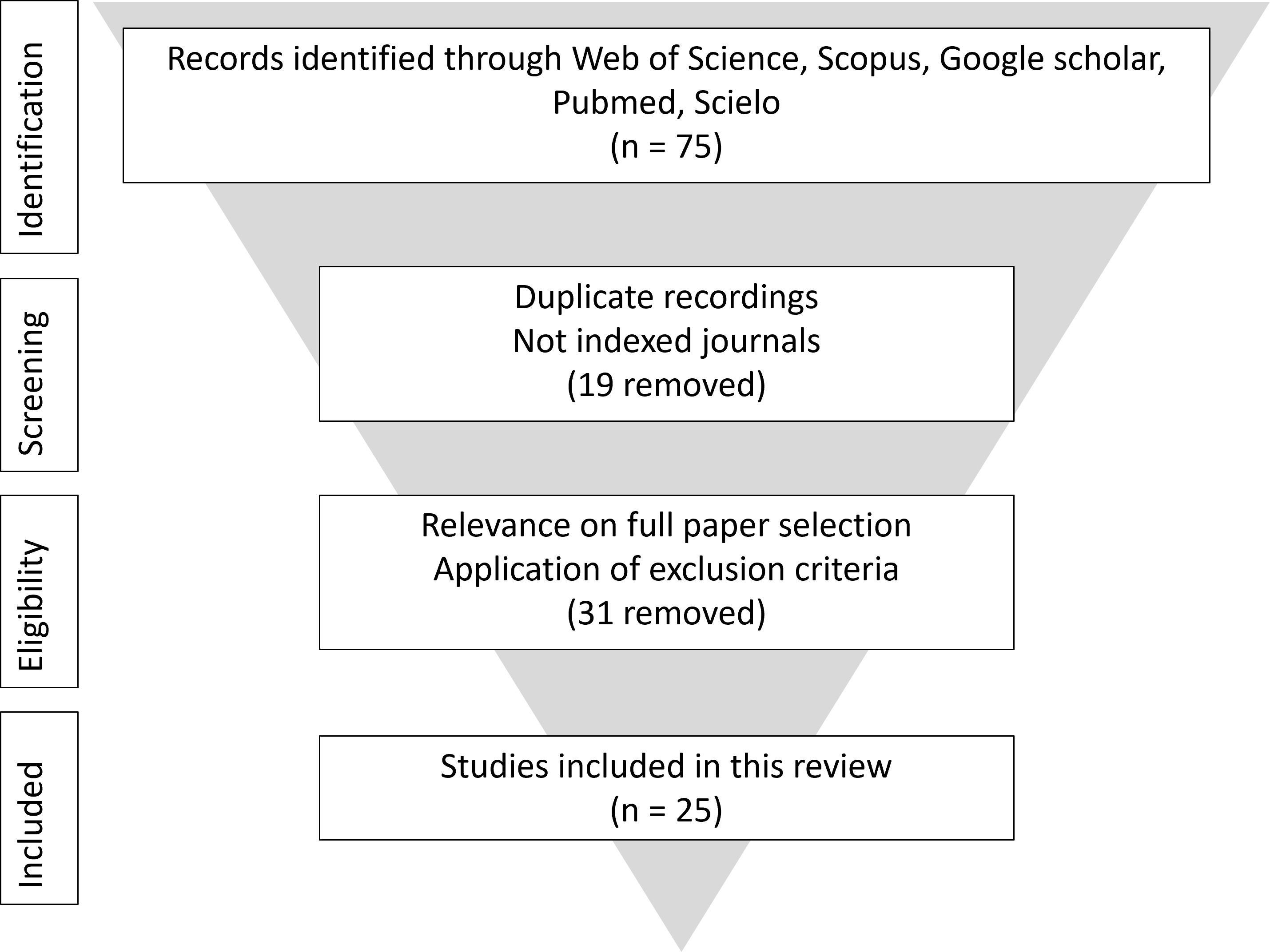
In this review, it was used the Google Scholar, ScienceDirect, Scopus, PubMed and Web of Science databases, searching for the keywords “marine organisms” or “marine biota”, “toxicological effects”, “toxicity”, “ecotoxicity” or “ecotoxicological effects” combined to the “plastic additive name” and/or “plastic”. The chemical additives analyzed included bisphenol A (BPA), bisphenol AF (BPAF), alkylphenols (4-n-nonylphenol - NP, and 4-n-octylphenol - OP), tetrabromobisphenol (TBBPA), phthalates, polybrominated diphenyl ethers (PBDEs), and per- and polyfluoroalkyl substances (PFAS). Only studies published in English from indexed academic journals were considered. This systematic review included studies reporting acute or chronic toxicity data expressed as the lowest observed effect concentration (LOEC) or effect concentration values (e.g., EC10, EC50, and EC90) indicative of population-level responses were considered eligible for inclusion. A total of 75 scientific articles were initially raised, of which 19 studies in journals with low relevance (i.e., not indexed in reputable databases or without impact factor) or those presenting repeated or incomplete information were discarded. After this initial trial, all studies were checked for the use of reliable methods (e.g., experiments based on standardized methods, with an appropriate number of replicates, reliable Quality Assurance and Quality Control (QA/QC) procedures, and adequate statistical analyses), and those that did not meet the reliability criteria were excluded (Figure 1). A total of 56 scientific articles were analyzed in this step, of which 31 were excluded because they did not fit the established criteria. From the articles analyzed, information about species, type of toxicity (acute or chronic), exposure time, and level of effect (Lethal Concentration - LC50, Effective Concentration - EC50, Lowest Observed Effect Concentration (LOEC), and/or No Observed Effect Concentration - NOEC) were extracted for each chemical compound. This systematic review was based on the Preferred Reporting Items for Systematic Reviews and Meta-Analyses (PRISMA) method (Liberati et al. 2009).
Flow diagram of the systematic literature search process for studies on the toxicity of plastic additives to marine organisms.
RESULTS AND DISCUSSION
From the initial list of 56 scientific articles, 25 met the pre-established criteria after careful individual checking of each article. The results were organized separately for each chemical group, and ecotoxicological indices were compiled in tables.
Bisphenol A (BPA) and Bisphenol AF (BPAF)
Six studies were selected on the toxicity of BPA and BPAF in marine organisms; four analyzed the acute effects, while three assessed chronic effects. In total, four taxonomic groups were tested: fish (Oryzias melastigma, 2 papers), tunicates (Oikopleura dioica), mollusks (the gastropod Haliotis discus hannai and the bivalve Mytillus galloprovincialis), and echinoderms (Dendraster excentricus) (Table I). The literature shows that BPA toxic thresholds starts from 0.1 μg/L, when it affects the embryonic development of the mussel M. galloprovincialis (Fabbri et al. 2014), but may reach up to 50 μg/L, when it comes to the embryonic development of D. excentricus (Darin 2021). For BPAF, there is only one paper (Chen et al. 2024) reporting acute effects from 91.88 μg/L and chronic (behavior) effects from 0.61 μg/L. The compiled results (Table I) also showed that BPA and BPAF caused effects in the range of micrograms per liter, indicating that they may potentially cause adverse effects in marine organisms at low concentrations. The existing LOEC and E/LC50 values are mostly higher than the environmental median concentrations of BPA measured in marine environments (22 ng/L – Swansborough et al. 2025, Corrales et al. 2015), but some indices are quite below the maximum concentrations measured (4800 ng/L) indicating potential environmental risks due to BPA, particularly for embryonic development of M. galloprovincialis (Fabbri et al. 2014).
Comparison of studies on the toxicity of Bisphenol A (BPA) and Bisphenol AF (BPAF) to marine species, considering exposure and types of effect.
Bisphenol A (BPA) is a typical endocrine disruptor regularly used for the production of polymeric materials in the plastics industry since the 1950s, with high ability to be leached from these materials (Eladak et al. 2015, Li et al. 2023). It has also been used as a monomer in the production of polycarbonate bottles (Guart et al. 2011). BPA is ubiquitous in coastal environments due to its incomplete removal from wastewater and storage treatment systems and its bioaccumulation and persistence, implying long-term impacts on marine organisms (Li et al. 2024). According to Wu & Seebacher (2020), exposure to BPA can lead to behavioral changes, negative effects on growth and survival, increased abnormalities and effects on the cardiovascular system, energy metabolism, and many other physiological negative effects. BPA is currently banned in several countries, especially in products targeting infants (children up to three years old) (Almeida et al. 2018). Bisphenol analogs have been developed by the plastic industry as alternatives to BPA, including Bisphenol AF (BPAF), a fluorinated compound with trifluoromethyl groups that is more toxic (Catenza et al. 2021, Chen et al. 2024, Rifa & Lavado 2024). However, BPAF seemed to present similar levels of toxicity as BPA, as shown in Table I.
Alkylphenols
A total of 17 studies examined alkylphenols and their ecotoxicological effects on aquatic organisms, but only four of them focused on marine organisms (Liu et al. 2013, Lussier et al. 2000, Arslan et al. 2007, Arslan & Parlak 2007), as presented in Table II. Eleven species representing five distinct taxonomic groups, as fish (Pleuronectes americanus, Menidia beryllina, and Cyprinodon variegatus), molluscs (the clam Mulinia lateralis), crustaceans (the crab Dyspanopeus sayi, lobster Homarus americanus, amphipod Leptocheirus plumulosus, mysid Americamysis bahia, grass shrimp Palaemonetes vulgaris), echinoderms (Paracentrotus lividus, Arbacia lixula), and algae (Cyclotella caspia) were studied for the acute effects of para-nonylphenol (PNP), nonylphenol (NP), and octylphenol (OP). Only one study has examined the chronic effects of nonylphenol on a diatom species (Liu et al. 2013).
Comparison of studies on the toxicity of alkylphenols to marine species, considering exposure and types of effect.
Existing data on the toxicity of alkylphenols to marine species are very limited, as most published articles do not present LOEC or NOEC values. Three studies present such values, which were 20 μg/L for OP (Arslan & Parslak 2007), 5 μg/L for NP (Arslan et al. 2007), and 0.18 mg/L for PNP (Liu et al. 2013). EC50 or LC50 values were not calculated for NP and OP, whereas for PNP, EC50 ranged from 17 μg/L (for larvae of the fish Pseudopleuronectes americanus) to > 195 μg/L (for the crab Dyspanopeus sayi) (Lussier et al. 2000). Although existing data are limited, they suggest that alkylphenols are highly toxic to marine organisms. Information on the environmental concentrations of alkyphenols are very scarce, but maximum concentrations of NP were reported as 4.1 μg/L (David et al. 2009) in estuarine regions, above the toxic thresholds for embryos of A. lixula and P. lividus (0.937 μg/L), suggesting environmental risks due to NP.
Alkylphenols and alkylphenol ethoxylates are phenol derivatives that are widely used as precursors in the production of nonionic surfactants found in various everyday products, as well as antioxidants in plastics (Klančič et al. 2022). Due to their extensive industrial and domestic use, these compounds enter aquatic environments primarily through wastewater (Bergé et al. 2012). As a result, the presence of alkylphenols has been reported in coastal environments worldwide in both coastal waters (Munaron et al. 2012) and sediments (Oliveira Santos et al. 2022). These compounds are considered lipophilic because of their high partition coefficients, which allow them to enter the food chain and accumulate in animal tissues (Acir & Guenther 2018, Diehl et al. 2012). Furthermore, there are significant concerns regarding the endocrine-disrupting effects of this class of chemicals (Acir & Guenther 2018, Klančič et al. 2022).
Tetrabromobisphenol (TBBPA)
Six articles were selected regarding the toxicity of Tetrabromobisphenol A (TBBPA) in marine organisms (Table III), in which five taxonomic groups were analyzed: crustacea (the copepods Acartia tonsa and Paracartia grani), bacteria (Vibrio fischerii), microalgae (Chlorella sp.), mollusks (the mussel M. galloprovincialis and the clam Ruditapes philippinarum), and fish (Sarda sarda and Sardina plicardus). Fish were assessed for subchronic effects (alteration of carboxylesterase activity), whereas microalgae and mollusks were assessed for chronic toxicity (growth inhibition and embryonic development, respectively). Acute toxicity in adults has also been analyzed in mollusks. Existing literature provides little information on the toxicity of TBBPA to marine organisms (Pittinger & Pecquet 2018). Interim LOECs could range between 100 μM for carboxilesterase in fish and copepod (Nos et al. 2020) and 0.1 μg/L for embryonic development of M. galloprovincialis (Fabbri et al. 2014). The reported CE50 values were 3.68 μg/L for mussel embryos (Fabbri et al. 2014) and 3.5 mg/L for microalgae (Debroy et al. 2024), while the LC50 for adult mussels was 7.4 mg/L (Jiang et al. 2019). For the copepod Acartia tonsa, Wollenberger et al. (2005) reported a 48-h LC50 of 0.40 mg/L (0.37–0.43 mg/L). The toxicity of degradation products was evaluated in bioassays of bacteria (Vibrio fischerii), and EC50 values ranged from 4.1 mg/L for B3BPA and 59.69 mg/L for B4BPA (Debenest et al. 2010). Although information on environmental concentrations of TBBPA is scarce, Gong et al. (2021) reported levels up to 0.46 μg/L in coastal waters from China, which are below the toxic thresholds for embryos of M. galloprovincialis (Fabbri et al. 2014), suggesting potential of environmental risk due TBBPA.
Comparison of studies on the toxicity of Tetrabromobisphenol (TBBPA) and its by-products to marine species, considering exposure and types of effect.
TBBPA is a brominated flame retardant used in several consumer products such as building materials, electronics, textiles, and plastic products (Xu et al. 2024, Oral et al. 2021, Serradimigni et al. 2024). As an industrial additive, TBPA has the potential to leach, leading to its detection in many environmental matrices (Serradimigni et al. 2024), such as ocean water, at concentrations ranging from ng/L to μg/L (Zhang et al. 2022). TBBPA can persist for extended periods in the environment, and has the potential to bioaccumulate (Debroy et al. 2024). Significantly higher concentrations of TBBPA have been found in pelagic fish than in demersal species and benthic invertebrates, suggesting a greater prevalence of this compound in the water column (Choo et al. 2019) TBBPA may act as an endocrine disruptor (Baumann et al. 2016), induce oxidative stress (Nos et al. 2020), and cause effects on development (Fabbri et al. 2014) and reproduction (Serradimigni et al. 2024).
Phthalates
Twenty studies were identified examining the effects of phthalates on aquatic biota. However, only four of them met the criteria established in this review, encompassing five species exposed to this class of contaminants and representing three distinct taxonomic groups: echinoderms (the sea cucumber Apostichopus japonicus and sea urchin Strongylocentrotus purpuratus), diatoms (Phaeodactylum tricornutum), and dinoflagellates (Alexandrium pacificum) (Table IV). Chronic effects were observed in two microalgae species, whereas acute effects were reported in two echinoderm species. For leachates of phthalate esters (PAEs) the available LOEC was < 0.3 mg/L, for the embryonic development of A. japonicus, and EC50 5.21 mg/L (Wang et al. 2023). The LOEC of Di(2-ethylhexyl) phthalate (DEHP) was 1 μg/L, obtained from 96h exposure bioassays with dinoflagellates (M’Rabet et al. 2018). LOECs were also calculated for dimethyl phthalate (DMP) and diethyl phthalate (DEP) from bioassays with diatoms, and respectively were 390.5 mg/L and 74 mg/L, respectively (Gao et al. 2021). Net et al. (2015) reported phthalates concentrations ranging 30−5030 pg/L in the North Sea, whereas a review on the phthalates occurrence in marine ecosystems (Hidalgo-Serrano et al. 2022) reported levels of DMP up to 800 ng/L, DEP up to 6360 ng/L, and DEHP up to 35,000 ng/L. These concentrations are much below the reported toxic thresholds for marine organisms, indicating lack of environmental risks due to phthalates.
Comparison of studies on the toxicity of Phthalate Esters (PAEs) to marine species, considering exposure and types of effect.
Phthalates are phthalic acid diesters widely used as plasticizers to enhance the flexibility and durability of plastics, particularly polyvinyl chloride (PVC). These chemicals are also present in lubricants, cosmetics, toys, and adhesives (ECHA 2022). As phthalates leach into the environment, they interact with various environmental compartments and have been detected in sediments (Neves et al. 2023, Okoro et al. 2024), as well as in the higher trophic levels of marine organisms, including sharks (Wang et al. 2024) and marine mammals (Hernández-Milian et al. 2023, Montoto-Martínez et al. 2021). Phthalates are recognized as endocrine disruptors (Hlisníková et al. 2020), and their bioaccumulation in biota poses a significant threat to marine ecosystems.
Polybrominated diphenyl ethers (PBDEs)
Four articles analyzing the effects of polybrominated diphenyl ethers (PBDEs) on marine organisms have been identified (Key et al. 2008, Mhadhbi et al. 2012a, b, Zhao et al. 2019), encompassing four compounds, BDE-47, BDE-99, BDE-153, and BDE-154. Only BDE-47 was tested in all the articles analyzed. Acute and chronic effects were observed in four marine species, including two microalgae, one fish, and one crustacean species (Table V). The LOECs for BDE-47 ranged from 1.6 mg/L, for the fish Psetta maxima (Mhadhbi et al. 2012b), to 5.1 mg/L for the microalgae Isochrysis galbana (Mhadhbi et al. 2012a). For the BDE-99, the respective LOECs for both species were 3.2 mg/L (Mhadhbi et al. 2012b) and 6.9 mg/L (Mhadhbi et al. 2012a). The LOEC of BDE-154 was 24.6 mg/L for I. galbana (Mhadhbi et al. 2012a), whereas for the BDE-153 the EC50 to Platymonas subcordiformis was 14.6 μg/L (Zhao et al. 2019). The environmental concentrations of PBDEs around the world range from non-detectable to 343 ng/L, with the highest concentration found near an industrial area in Korea (Lee et al. 2018, Kim et al. 2012). As the toxic of PBDEs range on the order of micrograms per liter and milligrams per liter, there little or no environmental risks for marine organisms due to PBDEs.
Comparison of studies on the toxicity of polybrominated diphenyl ethers (PBDEs) to marine species, considering exposure and types of effects.
PBDEs are widely employed as brominated flame retardants in the electrical equipment, construction, textiles, and plastic industries (Alaee et al. 2003, Ohgaki et al. 2021). Its molecular structure is similar to that of polychlorinated biphenyls (PCBs), and different brominations of diphenyl ether molecules can generate 209 possible PBDE congeners (Alaee et al. 2003). Due to their widespread use in various industries, even though they have been banned in several countries, PBDEs continue to reach the oceans mainly in sewage systems or associated with plastics. Once in the marine environment, PBDEs can reach high concentrations in seawater and sediments, from which they can be resorbed and concentrated in plastic polymers due to their hydrophobicity (Ohgaki et al. 2021). Adverse effects of PBDE exposure have already been demonstrated in mice, neurotoxic (Eriksson et al. 2001), and marine mammals, immunotoxic (Frouin et al. 2010), and PBDEs have also been found in human breast milk (Schecter et al. 2003).
Per- and polyfluoroalkyl substances (PFAS)
Regarding per- and polyfluoroalkyl substances (PFAS), only four articles were found (Fabbri et al. 2014, Gebreab et al. 2022, Hayman et al. 2021, Mhadhbi et al. 2012c), mostly analyzing the toxicity of perfluorooctanoic acid (PFOA) and perfluorooctane sulfonate (PFOS) in different marine species (Table VI). Other analyzed compounds included hexafluoropropylene oxide-dimer acid (HFPO-DA), 4-(heptafluoroisopropoxy)hexafluorobutanoic acid (PFDMMOBA), perfluoro-3,6-dioxadecanoic acid (PFO2DA), and perfluoro-3,6,9-trioxadecanoic acid (PFO3TDA), which toxicities were tested for the embryonic development of the fish Coryphaena hippurus (Gebreab et al. 2022). The literature reports the effects to nine marine species (two microalgae, two fish, two sea urchins, two crustaceans, and one bivalve), including acute effects on five of them and chronic effects on 13 species (Table VI).
Comparison of studies on the toxicity of per- and polyfluoroalkyl substances (PFAS) to marine species, considering exposure and types of effects. LOAEL = lowest observed adverse effect level.
The LOECs of PFOA were exhibited wide variations, and ranged between 0.1 μg/L (for the embryonic development of M. galloprovincialis) and 50 mg/L (for the growth of I. galbana) (Fabbri et al. 2014, Mhadhbi et al. 2012c). The LOEC of PFOS was also calculated as 0.1 μg/L (Fabbri et al. 2014). The EC50 and LC50 values also varied greatly between species. For the other PFAS, although only one study was found (Gebreab et al. 2022), the lowest observed adverse effect levels (LOAEL) for C. hippurus embryos was proposed by the authors as 100 mg/L for HFPO-DA, 10 mg/L for PFDMMOBA, 1 mg/L for PFO2DA, and 5 mg/L for PFO3TDA. Maximum concentrations of total PFAS in marine waters have been reported up to 7400 pg/L (Wang et al. 2025), thus potential environmental risks could occur to embryos of M. galloprovincialis.
PFAS includes more than 1000 compounds that have been used in a wide variety of industrial applications (USEPA 2020). PFAS consist of organofluorine compounds with fluorine atoms bonded to the carbon chain instead of hydrogen atoms (Buck et al. 2011), or at least one fully fluorinated methyl or methylene carbon atom (Bilela et al. 2023). The C-F bond is strong and stable providing these compounds with thermal stability characteristics and hydrophobic and lipophobic nature (Smart 1994, O’Hagan 2008, Buck et al. 2011, Zhao et al. 2016). These characteristics make PFAS widely used in industry as stain and water repellents, personal care products, pesticides, fire-suppressors, and emulsifiers (Zushi et al. 2012, Brunn et al. 2023). They are used in plastic food contact materials (food packaging) because of their efficiency in repelling water and oil (Barhoumi et al. 2022). PFAS have been called “forever chemicals” because of their innate chemical stability (Evich et al. 2022) and low degradability. PFAS have been used as plastic additives (Llorca et al. 2014, Barhoumi et al. 2022), and their association with microplastics has been reported to increase their persistence in the environment (Scott et al. 2021, Dai et al. 2022). Considering that more than 50% of all plastic packaging is used for food (Groh et al. 2019), PFAS have become an environmental concern due to the plastic waste problem. Moreover, PFAS can be carried by plastic polymers as persistent organic pollutants (POPs) (Bakir et al. 2014, Llorca et al. 2014, Dai et al. 2022, Zenobio et al. 2022).
This review shows that only a very small number of studies have focused on the toxicity of plastic additives in marine organisms; thus, knowledge on this topic is limited. For most of the chemical groups investigated, the reported toxicities were variable and depended on the compound, species tested, and exposure type and duration; however, most threshold effects have been reported in the range of micrograms per liter, and environmental risks could occur for many of the analyzed chemical groups, as discussed above. Most of the chemical compounds used as plastic additives can be considered as very toxic to marine organisms, according to the criteria established in the European Union (EU 2008). The only exception were PFAS, whose toxicities were mostly in the range of milligrams per liter, which were considered toxic (EU 2008); however, because of the persistence of PFASs, they have been known as forever chemicals and are listed as priority pollutants (Brunn et al. 2023).
Furthermore, these plastic additives generally present high partition coefficients (such log Koc and log Kow) and tend to accumulate in the bottom sediments or bioaccumulate (Wang et al. 2025, Khan et al. 2023, Turner 2022, Yogui & Sericano, 2009, Gong et al. 2021, Pittinger & Pecquet 2018, Abdallah, 2016). Thus the possibility of long-term effects of plastic additives is not negligible and should be further studied, as well as their effects on benthic marine species. Moreover, plastic polymers normally have multiple additives (França et al. 2022, Liu et al. 2019), they can be a source of a wide range of chemicals for the marine biota. As consequence, toxicity could occur due to the combined effects of such contaminants.
In this sense, the result of combined effects of plastic additives would depend greatly on the mode of action of such substances. BPA could elicit an endocrine-disrupting capacity, and its effects rely on several and diverse mechanisms that converge upon endocrine and reproductive systems (Acconcia et al 2015). Similarly, alkylphenols are considered endocrine disruptors as well (Regan & Fogarty 2005). Both nonylphenol and octylphenol have been identified as estrogen mimics using vitellogenin gene expression in trout hepatocytes, gene transcription in transfected cells, and by the growth of breast cancer cell lines (Regan & Fogarty 2005). In turn, TBBPA is an endocrine disruptor as well, which acts on T4 production (Lai et al. 2015). Phthalates modify the membrane receptors and protein kinases in signaling pathways, producing endocrine disruption, apoptosis signaling, and carcinogenesis (Hlisníková et al. 2020). The mechanisms involved in the developmental neurotoxic effects of PBDEs are not known, though one general mode of action relates to the ability of PBDEs to impair thyroid hormone homeostasis, indirectly affecting the developing brain. The cAMP pathway is mainly stimulated, affecting critical physiological processes such as metabolism, secretion, calcium homeostasis, muscle contraction, and gene transcription (Costa et al, 2014). Finally, Nguyen et al. (2024) found that PFAS modes of action included increased stem cell self-renewal, altered transcriptomes, and enriched cancer-associated signaling pathways, suggesting a potential association between chronic PFAS exposure and elevated cancer risk. Low-dose PFOA induced male endocrine disruption, revealing significant regulation of proteins and metabolites associated with lipid and fatty acid metabolism, highlighting the stimulation of steroid hormone synthesis.
This review also demonstrates that more research is needed regarding the toxicity of plastic additives to marine organisms, as well as the interactions between plastics and chemical additives. Other relevant features requiring further study involve comparisons between different plastic polymers and their respective chemical additives, as well as the composition and toxicity of plastic leachates. Moreover, due to the hydrophobic nature of most plastic additives and their tendencies of bioaccumulating or accumulating in sediments, there is a critical need for studies covering these topics, including throphic transference and biomagnification. This information is necessary to regulate the use of plastic additives and to establish actions to reduce their impacts on marine ecosystems.
Acknowledgements
This study was supported by the Coordenação de Aperfeiçoamento de Pessoal de Nível Superior - CAPES (Finance Code 001), and Conselho Nacional de Desenvolvimento Científico e Tecnológico - CNPq (Grant #408782/2024-2) through the INCT Identificação, Quantificação, Dispersão, Riscos Ambientais e Mitigação da Poluição por Contaminantes Emergentes em Ambientes Marinhos e Costeiros (INCT - CEMAR). DMSA is grateful to CNPq for the PQ fellowship (#313420/2023-8) and ABC for support. GLA acknowledges the financial support provided by CAPES through a scholarship (Grant #88887.000767/2024-00). LAF thanks Fundação de Amparo à Pesquisa do Estado de São Paulo - FAPESP (Grant #2023/02030-6).
References
-
ABDALLAH MAE. 2016. Environmental occurrence, analysis and human exposure to the flame retardant tetrabromobisphenol-A (TBBP-A)-A review. Environ Int 94: 235-250. https://doi.org/10.1016/j.envint.2016.05.026.
» https://doi.org/10.1016/j.envint.2016.05.026 -
ACIR IH & GUENTHER K. 2018. Endocrine-disrupting metabolites of alkylphenol ethoxylates – A critical review of analytical methods, environmental occurrences, toxicity, and regulation. Sci Total Environ 635: 1530-1546. https://doi.org/10.1016/J.SCITOTENV.2018.04.079.
» https://doi.org/10.1016/J.SCITOTENV.2018.04.079 -
ACCONCIA F, PALLOTTINI V & MARINO M. 2015. Molecular mechanisms of action of BPA. Dose Response 13(4): https://doi.org/10.1177/1559325815610582.
» https://doi.org/10.1177/1559325815610582 - ALAEE M, ARIAS P, SJÖDIN A & BERGMAN Å. 2003. An overview of commercially used brominated flame retardants, their applications, their use patterns in different countries/regions and possible modes of release. Environ Int 29(6): 683-689.
-
ALIMBA CG & FRAGGIO C. 2019. Microplastics in the marine environment: Current trends in environmental pollution and mechanisms of toxicological profile. Environ Toxicol Pharmacol 68: 61-74. https://doi.org/10.1016/j.etap.2019.03.001
» https://doi.org/10.1016/j.etap.2019.03.001 - ALMEIDA S, RAPOSO A, ALMEIDA-GONZÁLEZ M & CARRASCOSA C. 2018. Bisphenol A: Food exposure and impact on human health. Compr Rev Food Sci Food Saf 17(6): 1503-1517.
- ANDRADES R, SANTOS RG, JOYEUX JC, CHELAZZI D, CINCINELLI A & GIARRIZZO T. 2018. Marine debris in Trindade Island, a remote island of the South Atlantic. Mar Pollut Bull 137: 180-184.
-
ARAÚJO APC, DE MELO NFS, DE OLIVEIRA JUNIOR AG, RODRIGUES FP, FERNANDES T, DE ANDRADE VIEIRA JE, ROCHA TL & MALAFAIA G. 2020. How much are microplastics harmful to the health of amphibians? A study with pristine polyethylene microplastics and Physalaemus cuvieri J Hazard Mat 382: 1-20. https://doi.org/10.1016/j.jhazmat.2019.121066.
» https://doi.org/10.1016/j.jhazmat.2019.121066 -
ARSLAN OC & PARLAK H. 2007. Embryotoxic effects of nonylphenol and octylphenol in sea urchin Arbacia lixula Ecotoxicology 16(6): 439–444. https://doi.org/10.1007/s10646-007-0147-z.
» https://doi.org/10.1007/s10646-007-0147-z -
ARSLAN OC, PARLAK H, ORAL R & KATALAY S. 2007. The Effects of Nonylphenol and Octylphenol on Embryonic Development of Sea Urchin (Paracentrotus lividus). Arch Environl Contamin Toxicol 53(2): 214–219. https://doi.org/10.1007/s00244-006-0042-2.
» https://doi.org/10.1007/s00244-006-0042-2 - BAKIR A, ROWLAND SJ & THOMPSON RC. 2014. Enhanced desorption of persistent organic pollutants from microplastics under simulated physiological conditions. Environ Pollut 185: 16-23.
- BARHOUMI B, SANDER SG & TOLOSA I. 2022. A review on per-and polyfluorinated alkyl substances (PFASs) in microplastic and food-contact materials. Environ Res 206, 112595.
-
BARNES DKA, GALGANI F, THOMPSON RC & BARLAZ M. 2009. Accumulation and fragmentation of plastic debris in global environments. Philos Trans R Soc Lond B Biol Sci 364: 1985-1998. https://doi.org/10.1098/rstb.2008.0205.
» https://doi.org/10.1098/rstb.2008.0205 -
BAUMANN L, ROS A, REHBEGER K, NEUHAUSS SCF & SEGNER H. 2016. Thyroid disruption in zebrafish (Danio rerio) larvae: Different molecular response patterns lead to impaired eye development and visual functions. Aquat Toxicol 172: 44-55. https://doi.org/10.1016/j.aquatox.2015.12.015
» https://doi.org/10.1016/j.aquatox.2015.12.015 -
BERGÉ A, CLADIÈRE M, GASPERI J, COURSIMAULT A, TASSIN B & MOILLERON R. 2012. Meta-analysis of environmental contamination by alkylphenols. Environ Sci Pollut Res 19(9): 3798-3819. https://doi.org/10.1007/s11356-012-1094-7.
» https://doi.org/10.1007/s11356-012-1094-7 - BILELA LL, MATIJOŠYTĖ I, KRUTKEVIČIUS J, ALEXANDRINO DA, SAFARIK I, BURLAKOVS J, GAUDÊNCIO SP & CARVALHO MF. 2023. Impact of per-and polyfluorinated alkyl substances (PFAS) on the marine environment: Raising awareness, challenges, legislation, and mitigation approaches under the One Health concept. Mar Pollut Bull 194: 115309.
-
BROWNE MA, CRUMP P, NIVEN SJ, TEUTEN E, TONKIN A, GALLOWAY T & THOMPSON R. 2011. Accumulation of microplastic on shorelines worldwide: sources and sinks. Environ Sci Technol 45: 9175-9179. https://doi.org/10.1021/es201811s.
» https://doi.org/10.1021/es201811s - BRUNN H, ARNOLD G, KÖRNER W, RIPPEN G, STEINHÄUSER KG & VALENTIN I. 2023. PFAS: forever chemicals—persistent, bioaccumulative and mobile. Reviewing the status and the need for their phase out and remediation of contaminated sites. Environ Sci Europe 35(1): 1-50.
-
BRUZACA DNA, JUSTINO AKS, MOTA GCP, COSTA GA, LUCENA-FRÉDOU F & GÁLVEZ AO. 2022. Occurrence of microplastics in bivalve molluscs Anomalocardia flexuosa captured in Pernambuco, Northeast Brazil. Mar Pollut Bull 179: 1-6. https://doi.org/10.1016/j.marpolbul.2022.113659.
» https://doi.org/10.1016/j.marpolbul.2022.113659 - BUCK RC, FRANKLIN J, BERGER U, CONDER JM, COUSINS IT, DE VOOGT P, JENSEN AA, KANNAN K, MABURY SA & VAN LEEUWEN SP. 2011. Perfluoroalkyl and polyfluoroalkyl substances in the environment: terminology, classification, and origins. Integr Environ Assess Manag 7(4): 513-541.
-
CARON AGM, THOMAS CR, BERRY KLE, MOTTI CA, ARIEL E & BRODIE JE. 2018. Ingestion of microplastic debris by green sea turtles (Chelonia mydas) in the Great Barrier Reef: Validation of a sequential extraction protocol. Mar Pollut Bull 127: 743-751. https://doi.org/10.1016/j.marpolbul.2017.12.062.
» https://doi.org/10.1016/j.marpolbul.2017.12.062 -
CATENZA CJ, FAROOQ A, SHUBEAR NS & DONKOR KK. 2021. A targeted review on fate, occurrence, risk and health implications of bisphenol analogues. Chemosphere 268: 129273. https://doi.org/10.1016/j.chemosphere.2020.129273.
» https://doi.org/10.1016/j.chemosphere.2020.129273 -
CHEN Z, ZHOU T, CHEN X, HUAN Z, HUANG J, LU S, ZENG M, GUO Y, WANG Z & DONG Z. 2024. Toxic effects of chronic exposure to BPAF and perturbation of gut microbiota homeostasis in marine medaka (Oryzias melastigma). Sci Total Environ 957: 177745. https://doi.org/10.1016/j.scitotenv.2024.177745.
» https://doi.org/10.1016/j.scitotenv.2024.177745 -
CHOO G, LEE IS & OH JE. 2019. Species and habitat-dependent accumulation and biomagnification of brominated flame retardants and PBDE metabolites. J Hazard Mater 371: 175-182. https://doi.org/10.1016/j.jhazmat.2019.02.106.
» https://doi.org/10.1016/j.jhazmat.2019.02.106 -
COLE M, LINDEQUE P, FILEMAN E, HALSBAND C, GOODHEAD R, MOGER J & GALLOWAY TS. 2013. Microplastic ingestion by zooplankton. Environ Sci Technol 47(12): 6646-6655. https://doi.org/10.1021/es400663f.
» https://doi.org/10.1021/es400663f -
CORRALES J, KRISTOFCO LA, STEELE WB, YATES BS, BREED CS, WILLIAMS ES & BROOKS BW. 2015. Global Assessment of Bisphenol A in the Environment: Review and Analysis of Its Occurrence and Bioaccumulation. Dose Response 13(3): https://doi.org/10.1177/1559325815598308.
» https://doi.org/10.1177/1559325815598308 -
COSTA LG, DE LAAT R, TAGLIAFERRI S & PELLACANI C. 2014. A mechanistic view of polybrominated diphenyl ether (PBDE) developmental neurotoxicity. Toxicol Lett 230(2): 282-294. https://doi.org/10.1016/j.toxlet.2013.11.011.
» https://doi.org/10.1016/j.toxlet.2013.11.011 - DAI Y, ZHAO J, SUN C, LI D, LIU X, WANG Z, YUE T & XING B. 2022. Interaction and combined toxicity of microplastics and per-and polyfluoroalkyl substances in aquatic environment. Front Environ Sci Eng 16(10): 136.
-
DANTAS NCFM, DUARTE OS, FERREIRA WC, AYALA AP, REZENDE CF & FEITOSA CV. 2020. Plastic intake does not depend on fish eating habits: identification of microplastics in the stomach contents of fish on an urban beach in Brazil. Mar Pollut Bull 153: 110959. https://doi.org/10.1016/j.marpolbul.2020.110959.
» https://doi.org/10.1016/j.marpolbul.2020.110959 -
DARIN E. 2021. Effects of Bisphenol-A on the morphology and survival of larvae of the sand dollar Dendraster excentricus (Echinodermata, Echinoidea). Invertebr Reprod Dev 65(3): 163-170. https://doi.org/10.1080/07924259.2021.1923578.
» https://doi.org/10.1080/07924259.2021.1923578 -
DAVID A, FENET H & GOMEZ E. 2009. Alkylphenols in marine environments: Distribution monitoring strategies and detection considerations. Mar Pollut Bull 58(7): 953-960. https://doi.org/10.1016/j.marpolbul.2009.04.021.
» https://doi.org/10.1016/j.marpolbul.2009.04.021 -
DEBENEST T, GAGNÉ F, PETIT A-N, ANDRÉ C, KOHLI M & BLAISE C. 2010. Ecotoxicity of a brominated flame retardant (tetrabromobisphenol A) and its derivatives to aquatic organisms. Comp Biochem Physiol Part C: Toxicol Pharmacol 152(4): 407-412. https://doi.org/10.1016/j.cbpc.2010.06.009.
» https://doi.org/10.1016/j.cbpc.2010.06.009 -
DEBROY A, NIRMALA MJ, PULIMI M, PEIJNENBURG WJGM & MUKHERJEE A. 2024. Assessing the role of the graphene family nanomaterials (GFNs: Graphene, GO, rGO) in modifying the toxicity potential and environmental risk of flame retardant, tetrabromobisphenol-A (TBBPA) in the marine microalgae Chlorella sp. Chemosphere 361: 142491. https://doi.org/10.1016/j.chemosphere.2024.142491.
» https://doi.org/10.1016/j.chemosphere.2024.142491 -
DIEHL J, JOHNSON SE, XIA K, WEST A & TOMANEK, L. 2012. The distribution of 4-nonylphenol in marine organisms of North American Pacific Coast estuaries. Chemosphere 87(5): 490-497. https://doi.org/10.1016/j.chemosphere.2011.12.040.
» https://doi.org/10.1016/j.chemosphere.2011.12.040 - DOKL M, COPOT A, KRAJNC D, VAN FAN Y, VUJANOVIĆ A, AVISO KB, TAN RR, KRAVANJA Z & ČUČEK L. 2024. Global projections of plastic use, end-of-life fate and potential changes in consumption, reduction, recycling and replacement with bioplastics to 2050. Sustain Prod Consum 51: 498-518.
-
ECHA. 2022. ANNEX XV Report an assessment of whether the use of ten phthalates in articles should be restricted in accordance with Article 69(2) of REACH. https://echa.europa.eu/regulations/reach/candidate-list-substances-in-articles/notification-of-substances-in-articles
» https://echa.europa.eu/regulations/reach/candidate-list-substances-in-articles/notification-of-substances-in-articles - ELADAK S, GRISIN T, MOISON D, GUERQIN MJ, N’TUMBA-BYN T, POZZI-GAUDIN S, BENACHI A, LIVERA G, ROULLIER-FABRE V & HABERT R. 2015. A new chapter in the bisphenol A story: bisphenol S and bisphenol F are not safe alternatives to this compound. Fertil Steril 103(1): 11-21.
- ENDO S, TAKIZAWA R, OKUDA K, TAKADA H, CHIBA K, KANEHIRO H, OGI H, YAMASHITA R & DATE T. 2005. Concentration of polychlorinated biphenyls (PCBs) in beached resin pellets: Variability among individual particles and regional differences. Mar Pollut Bull 50: 1103-1114.
- ERIKSSON P, JAKOBSSON E & FREDRIKSSON A. 2001. Brominated flame retardants: a novel class of developmental neurotoxicants in our environment? Environ Health Perspect 109(9): 903-908.
-
EU - EUROPEAN UNION. 2008. Regulation (EC) No 1272/2008 of the European Parliament and of the Council of 16 December 2008 on classification, labelling and packaging of substances and mixtures, amending and repealing Directives 67/548/EEC and 1999/45/EC, and amending Regulation (EC) No 1907/2006 (Text with EEA relevance). Document 32008R1272. OJ L 353, p. 1-1355. https://eur-lex.europa.eu/eli/reg/2008/1272/oj
» https://eur-lex.europa.eu/eli/reg/2008/1272/oj - EVICH MG ET AL. 2022. Per-and polyfluoroalkyl substances in the environment. Science 375(6580): eabg9065.
-
FABBRI R, MONTAGNA M, BALBI T, RAFFO E, PALUMBO F & CANESI L. 2014. Adaptation of the bivalve embryotoxicity assay for the high throughput screening of emerging contaminants in Mytilus galloprovincialis Mar Environ Res 99: 1-8. https://doi.org/10.1016/j.marenvres.2014.05.007.
» https://doi.org/10.1016/j.marenvres.2014.05.007 - FISNER M, TANIGUCHI S, MAJER AP, BÍCEGO MC & TURRA A. 2013. Concentration and composition of polycyclic aromatic hydrocarbons (PAHs) in plastic pellets: implications for small-scale diagnostic and environmental monitoring. Mar Pollut Bull 76(1-2): 349-354.
- FRANÇA LA, IZAR GM, GIMILIANI GT & ABESSA DMS. 2022. Virgin plastic pellets may cause toxic effects to embryos of the sand dollar Mellita quinquiesperforata: a preliminary study. Ecotoxicol Environ Contamin 17(1): 49-49.
- FROUIN H, LEBEUF M, HAMMILL M, MASSON S & FOURNIER M. 2010. Effects of individual polybrominated diphenyl ether (PBDE) congeners on harbour seal immune cells in vitro. Mar Pollut Bull 60(2): 291-298.
-
GAO K, LI B, XUE C, DONG J, QIAN P, LU Q & DENG X. 2021. Oxidative stress responses caused by dimethyl phthalate (DMP) and diethyl phthalate (DEP) in a marine diatom Phaeodactylum tricornutum Mar Pollut Bull 166: 112222. https://doi.org/10.1016/j.marpolbul.2021.112222.
» https://doi.org/10.1016/j.marpolbul.2021.112222 - GEBREAB KY, BENETTI D, GROSELL M, STIEGLITZ JD & BERRY JP. 2022. Toxicity of perfluoroalkyl substances (PFAS) toward embryonic stages of mahi-mahi (Coryphaena hippurus). Ecotoxicology 31(7): 1057-1067.
- GEYER R, JAMBECK JR & LAW KL. 2017. Production, use, and fate of all plastics ever made. Sci Adv 3(7): e1700782.
-
GONG W, WANG J, CUI W & ZHU L. 2021. Distribution characteristics and risk assessment of TBBPA in seawater and zooplankton in northern sea areas, China. Environ Geochem Health 43: 4759-4769. https://doi.org/10.1007/s10653-021-00948-5.
» https://doi.org/10.1007/s10653-021-00948-5 - GROH KJ ET AL. 2019. Overview of known plastic packaging-associated chemicals and their hazards. Sci Total Environ 651: 3253-3268.
-
GUART A, BONO-BLAY F, BORRELL A & LACORTE S. 2011. Migration of plasticizer phthalates, bisphenol A and alkylphenols from plastic containers and evaluation of risk. Food Addit Contam 28(5): 676-685. https://doi.org/10.1080/19440049.2011.555845.
» https://doi.org/10.1080/19440049.2011.555845 -
HAMMER J, KRAAK MH & PARSONS JR. 2012. Plastics in the marine environment: the dark side of a modern gift. Rev Environ Contam Toxicol 220: 1-44. https://doi.org/10.1007/978-1-4614-3414-6_1.
» https://doi.org/10.1007/978-1-4614-3414-6_1 - HAMMER J, KRAAK MH & PARSONS JR. 2012. Plastics in the marine environment: the dark side of a modern gift. Rev Environ Contamin Toxicol 220: 1-44. 10.1007/978-1-4614-3414-6_1.
-
HARA J, FRIAS J & NASH R. 2020. Quantification of microplastic ingestion by the decapod crustacean Nephrops norvegicus from Irish waters. Mar Pollut Bull 152: 1-13. https://doi.org/10.1016/j.marpolbul.2020.110905.
» https://doi.org/10.1016/j.marpolbul.2020.110905 - HAYMAN NT, ROSEN G, COLVIN MA, CONDER J & ARBLASTER JA. 2021. Aquatic toxicity evaluations of PFOS and PFOA for five standard marine endpoints. Chemosphere 273: 129699.
-
HERNANDEZ-MILIAN G, TSANGARIS C, ANESTIS A, FOSSI MC, BAINI M, CALIANI I, PANTI C, BUNDONE L & PANOU A. 2023. Monk seal faeces as a non-invasive technique to monitor the incidence of ingested microplastics and potential presence of plastic additives. Mar Pollut Bull 193: 115227. https://doi.org/10.1016/j.marpolbul.2023.115227.
» https://doi.org/10.1016/j.marpolbul.2023.115227 -
HIDALGO-SERRANO M, BORRULL F, MARCÉ RM, & POCURULL E. 2022. Phthalate esters in marine ecosystems: Analytical methods, occurrence and distribution. Trends Analyt Chem 151: 116598. https://doi.org/10.1016/j.trac.2022.116598.
» https://doi.org/10.1016/j.trac.2022.116598 -
HLISNÍKOVÁ H, PETROVIČOVÁ I, KOLENA B, ŠIDLOVSKÁ M. & SIROTKIN A. 2020. Effects and mechanisms of phthalates’ action on reproductive processes and reproductive health: a literature review. Int J Environ Res Public Health 17(18): 6811. https://doi.org/10.3390/IJERPH17186811.
» https://doi.org/10.3390/IJERPH17186811 - IZAR GM, CHOUERI RB, MARTINEZ ST, DA ROCHA GO & ALBERGARIA-BARBOSA ACR. 2022. The application of the DAPSI(W)R(M) framework to the plastic pellets chain. Mar Pollut Bull 180: 113807.
-
JIANG S, MIAO J, WANG X, LIU P & PAN L. 2019. Inhibition of growth in juvenile manila clam Ruditapes philippinarum: Potential adverse outcome pathway of TBBPA. Chemosphere 224: 588-596. https://doi.org/10.1016/j.chemosphere.2019.02.157.
» https://doi.org/10.1016/j.chemosphere.2019.02.157 - KARAPANAGIOTI HK & KLONTZA I. 2008. Testing phenanthrene distribution properties of virgin plastic pellets and plastic eroded pellets found on Lesvos island beaches (Greece). Mar Environ Res 65(4): 283-290.
- KEY PB, CHUNG KW, HOGUET J, SHADDRIX B & FULTON MH. 2008. Toxicity and physiological effects of brominated flame retardant PBDE-47 on two life stages of grass shrimp, Palaemonetes pugio Sci Total Environ 399(1-3): 28-32.
-
KHAN B, BURGESS RM, & CANTWELL MG. 2023. Occurrence and bioaccumulation patterns of per- and polyfluoroalkyl substances (PFAS) in the marine environment. ACS EST Water 3(5): 1243-1259. https://doi.org/10.1021/acsestwater.2c00296.
» https://doi.org/10.1021/acsestwater.2c00296 -
KIM JH, CHOI KS, YANG HS, KANG HS & HONG HK. 2024. In vitro impact of Bisphenol A on the immune functions of primary cultured hemocytes of Pacific abalone (Haliotis discus hannai). Mar Pollut Bull 206: 116770. https://doi.org/10.1016/j.marpolbul.2024.116770.
» https://doi.org/10.1016/j.marpolbul.2024.116770 -
KIM K, YOON H, CHOI JS, JUNG YJ & PARK JW. 2022. Chronic effects of nano and microplastics on reproduction and development of marine copepod Tigriopus japonicus Ecotoxicol Environ Saf 243: 1-8. https://doi.org/10.1016/j.ecoenv.2022.113962.
» https://doi.org/10.1016/j.ecoenv.2022.113962 -
KIM YH, KIM HS, CHOI HG, CHO HS, & MOON HB. 2012. Contamination and bioaccumulation of polybrominated diphenyl ethers (PBDEs) in Gwangyang Bay, Korea. Toxicol Environ Heal Sci 4: 42-49. https://doi.org/10.1007/s13530-012-0116-7.
» https://doi.org/10.1007/s13530-012-0116-7 -
KLANČIČ V, GOBEC M & JAKOPIN Ž. 2022. Halogenated ingredients of household and personal care products as emerging endocrine disruptors. Chemosphere 303: 134824. https://doi.org/10.1016/J.CHEMOSPHERE.2022.134824.
» https://doi.org/10.1016/J.CHEMOSPHERE.2022.134824 -
LAI DY, KACEW S & DEKANT W. 2015. Tetrabromobisphenol A (TBBPA): Possible modes of action of toxicity and carcinogenicity in rodents. Food Chem Toxicol 80: 206-214. https://doi.org/10.1016/j.fct.2015.03.023.
» https://doi.org/10.1016/j.fct.2015.03.023 -
LAIST DW. 1987. Overview of the biological effects of lost and discarded plastic debris in the marine environment. Mar Pollut Bull 18: 319-326. https://doi.org/10.1016/S0025-326X(87)80019-X.
» https://doi.org/10.1016/S0025-326X(87)80019-X - LEBRETON L ET AL. 2018. Evidence that the Great Pacific Garbage Patch is rapidly accumulating plastic. Sci Rep 8(1): 1-15.
-
LEE HJ, JEONG HJ, JANG YL & KIM GB. 2018. Distribution, accumulation, and potential risk of polybrominated diphenyl ethers in the marine environment receiving effluents from a sewage treatment plant. Mar Pollut Bull 129(1): 364-369. https://doi.org/10.1016/j.marpolbul.2018.02.050.
» https://doi.org/10.1016/j.marpolbul.2018.02.050 -
LI S, LIANG Y & ZHANG G. 2024. Growth and reproductive toxicity of bisphenol A in Oikopleura dioica at environmentally relevant concentrations. J Hazard Mater 479: 135552. https://doi.org/10.1016/j.jhazmat.2024.135552.
» https://doi.org/10.1016/j.jhazmat.2024.135552 -
LI X ET AL. 2023. Effects of bisphenols on lipid metabolism and neuro-cardiovascular toxicity in marine medaka larvae. Aquat Toxicol 259: 106551. https://doi.org/10.1016/j.aquatox.2023.106551.
» https://doi.org/10.1016/j.aquatox.2023.106551 -
LIBERATI A, ALTMAN DG, TETZLAFF J, MULROW C, GØTZSCHE PC, IOANNIDIS JP, CLARKE M, DEVEREAUX PJ, KLEIJNEN J & MOHER D. 2009. The PRISMA statement for reporting systematic reviews and meta-analyses of studies that evaluate healthcare interventions: explanation and elaboration. An Internal Med 151(4): W65-W94. https://doi.org/10.7326/0003-4819-151-4-200908180-00136.
» https://doi.org/10.7326/0003-4819-151-4-200908180-00136 -
LIU X, SHI H, XIE B, DIONYSIOU DD & ZHAO Y. 2019. Microplastics as both a sink and a source of Bisphenol A in the marine environment. Environ Sci Technol 53(17): 10188-10196. https://doi.org/10.1021/acs.est.9b02834.
» https://doi.org/10.1021/acs.est.9b02834 -
LIU Y, DAI X & WEI J. 2013. Toxicity of the xenoestrogen nonylphenol and its biodegradation by the alga Cyclotella caspia J Environ Sci 25(8): 1662-1671. https://doi.org/10.1016/S1001-0742(12)60182-X.
» https://doi.org/10.1016/S1001-0742(12)60182-X - LLORCA M, FARRÉ M, KARAPANAGIOTI HK & BARCELÓ D. 2014. Levels and fate of perfluoroalkyl substances in beached plastic pellets and sediments collected from Greece. Mar Pollut Bull 87(1-2): 286-291.
-
LUSSIER SM, CHAMPLIN D, LIVOLSI J, POUCHER S & PRUELL RJ. 2000. Acute toxicity of para-nonylphenol to saltwater animals. Environ Toxicol Chem 19(3): 617-621. https://doi.org/10.1002/ETC.5620190313.
» https://doi.org/10.1002/ETC.5620190313 -
MASCARENHAS R, SANTOS R & ZEPPELINI D. 2004. Plastic debris ingestion by sea turtle in Paraı́ba, Brazil. Mar Pollut Bull 49(4): 354-355. https://doi.org/10.1016/j.marpolbul.2004.05.006.
» https://doi.org/10.1016/j.marpolbul.2004.05.006 -
MATO Y, ISOBE T, TAKADA H, KAHNEHIRO H, OHTAKE C & KAMINUMA T. 2001. Plastic resin pellets as a transport medium for toxic chemicals in the marine Environment. Environ Sci Technol 35: 318-324. https://doi.org/10.1021/es0010498.
» https://doi.org/10.1021/es0010498 - MHADHBI L, FUMEGA J & BEIRAS R. 2012a. Toxicological effects of three polybromodiphenyl ethers (BDE-47, BDE-99 and BDE-154) on growth of marine algae Isochrysis galbana Water Air & Soil Pollut 223: 4007-4016.
- MHADHBI L, FUMEGA J, BOUMAIZA M & BEIRAS R. 2012b. Acute toxicity of polybrominated diphenyl ethers (PBDEs) for turbot (Psetta maxima) early life stages (ELS). Environ Sci Pollut Res 19: 708-717.
- MHADHBI L, RIAL D, PÉREZ S & BEIRAS R. 2012c. Ecological risk assessment of perfluorooctanoic acid (PFOA) and perfluorooctanesulfonic acid (PFOS) in marine environment using Isochrysis galbana, Paracentrotus lividus, Siriella armata and Psetta maxima J Environ Monitor 14(5): 1375-1382.
- MILIJÖ A. 2001. Marine Litter - Trash that Kills. Risbergs Uddevalla, Sweden, 20 p.
-
MONTOTO-MARTÍNEZ T, DE LA FUENTE J, PUIG-LOZANO R, MARQUES N, ARBELO M, HERNÁNDEZ-BRITO JJ, FERNÁNDEZ A & GELADO-CABALLERO MD. 2021. Microplastics, bisphenols, phthalates and pesticides in odontocete species in the Macaronesian Region (Eastern North Atlantic). Mar Pollut Bull 173: 113105. https://doi.org/10.1016/J.MARPOLBUL.2021.113105.
» https://doi.org/10.1016/J.MARPOLBUL.2021.113105 -
M’RABET C, PRINGAULT O, ZMERLI-TRIKI H, BEN GHARBIA H, COUET D & KÉFI-DALY YAHIA O. 2018. Impact of two plastic-derived chemicals, the Bisphenol A and the di-2-ethylhexyl phthalate, exposure on the marine toxic dinoflagellate Alexandrium pacificum Mar Pollut Bull 126: 241-249. https://doi.org/10.1016/j.marpolbul.2017.10.090.
» https://doi.org/10.1016/j.marpolbul.2017.10.090 -
MUNARON D, TAPIE N, BUDZINSKI H, ANDRAL B & GONZALEZ J-L. 2012. Pharmaceuticals, alkylphenols and pesticides in Mediterranean coastal waters: Results from a pilot survey using passive samplers. Estuar Coast Shelf Sci 114: 82-92. https://doi.org/10.1016/j.ecss.2011.09.009.
» https://doi.org/10.1016/j.ecss.2011.09.009 -
NAVARRO A, LUZARDO OP, GÓMEZ M, ACOSTA-DACAL A, MARTÍNEZ I, FELIPE DE LA ROSA J, MACÍAS-MONTES A, SUÁREZ-PÉREZ A & HERRERA A. 2023. Microplastics ingestion and chemical pollutants in seabirds of Gran Canaria (Canary Islands, Spain). Mar Pollut Bull 186: 1-13. https://doi.org/10.1016/j.marpolbul.2022.114434
» https://doi.org/10.1016/j.marpolbul.2022.114434 -
NET S, SEMPÉRÉ R, DELMONT A, PALUSELLI A, & OUDDANE B. 2015. Occurrence, fate and behavior and ecotoxicological state of phthalates in different environmental matrices. Environ Sci Technol 49(7): 4019-4035. DOI: 10.1021/es505233b.
» https://doi.org/10.1021/es505233b -
NEVES RAF, MIRALHA A, GUIMARÃES TB, SORRENTINO R, MARQUES CALDERARI MRC & SANTOS LN. 2023. Phthalates contamination in the coastal and marine sediments of Rio de Janeiro, Brazil. Mar Pollut Bull 190: 114819. https://doi.org/10.1016/j.marpolbul.2023.114819.
» https://doi.org/10.1016/j.marpolbul.2023.114819 -
NGUYEN TV, TRANG PN & KUMAR A. 2024. Understanding PFAS toxicity through cell culture metabolomics: Current applications and future perspectives. Environ Int 186: 108620. https://doi.org/10.1016/j.envint.2024.108620.
» https://doi.org/10.1016/j.envint.2024.108620 - NOBRE CR, SANTANA MFM, MALUF A, CORTEZ FS, CESAR A, PEREIRA CDS & TURRA A. 2015. Assessment of microplastic toxicity to embryonic development of the sea urchin Lytechinus variegatus (Echinodermata: Echinoidea). Mar Pollut Bull 92: 99-104.
-
NOS D, NAVARRO J, SAIZ E, SANCHEZ-HERNANDEZ JC & SOLÉ M. 2020. Tetrabromobisphenol A inhibits carboxylesterase activity of marine organisms from different trophic levels. Chemosphere 238: 124592. https://doi.org/10.1016/j.chemosphere.2019.124592.
» https://doi.org/10.1016/j.chemosphere.2019.124592 - OGATA Y ET AL. 2009. International pellet watch: global monitoring of persistent organic pollutants (POPs) in coastal waters. 1. Initial phase data on PCBs, DDTs, and HCHs. Mar Pollut Bull 58: 1437-1446.
- OHGAKI T ET AL. 2021. International Pellet Watch: global monitoring of polybrominated diphenyl ethers (PBDEs) in plastic resin pellets. Environ Monitor Contam Res 1: 75-90.
- O’HAGAN D. 2008. Understanding organofluorine chemistry. An introduction to the C-F bond. Chem Soc Rev 37(2): 308-319.
-
OKORO HK, OROSUN MM, ABDULMOJEED M, IWUOZOR KO, POPOOLA SA, EMENIKE EC, ZVINOWANDA C & NGILA JC. 2024. Ecological risk assessment and phthalate ester concentrations in sediment samples from Ilorin metropolis, North Central Nigeria. Reg Stud Mar Sci 72: 103444. https://doi.org/10.1016/j.rsma.2024.103444.
» https://doi.org/10.1016/j.rsma.2024.103444 -
OLIVEIRA SANTOS AD, DO NASCIMENTO MTL, SANSON AL, DOS SANTOS RF, FELIX LC, DE FREITAS AS, HAUSER-DAVIS RA, DA FONSECA EM, NETO JAB & BILA DM. 2022. Pharmaceuticals, natural and synthetic hormones and phenols in sediments from an eutrophic estuary, Jurujuba Sound, Guanabara Bay, Brazil. Mar Pollut Bull 184: 114176. https://doi.org/10.1016/j.marpolbul.2022.114176.
» https://doi.org/10.1016/j.marpolbul.2022.114176 -
ORAL D, BALCI A, CHAO MW & ERKEKOGLU P. 2021. Toxic Effects of Tetrabromobisphenol A: Focus on Endocrine Disruption. J Environ Pathol Toxicol Oncol 40(3): 1-23. https://doi.org/10.1615/jenvironpatholtoxicoloncol.2021035595.
» https://doi.org/10.1615/jenvironpatholtoxicoloncol.2021035595 - PENG X, YANG T, GUO S, ZHOU J, CHEN G, ZHU Z & TAN J. 2024. Revealing chemical release from plastic debris in animals’ digestive systems using nontarget and suspect screening and simulating digestive fluids. Environ Pollut 348: 123793.
- PETERS R, DE JONG N, DE HAAN L, WRIGHT S & BOUWMEESTER H. 2022. Release and intestinal translocation of chemicals associated with microplastics in an in vitro human gastrointestinal digestion model. Microplast Nanoplast 2(1): 3.
-
PITTINGER CA & PECQUET AM. 2018. Review of historical aquatic toxicity and bioconcentration data for the brominated flame retardant tetrabromobisphenol A (TBBPA): effects to fish, invertebrates, algae, and microbial communities. Environ Sci Pollut Res 25: 14361-14372. https://doi.org/10.1007/s11356-018-1998-y.
» https://doi.org/10.1007/s11356-018-1998-y - REGAN F & FOGARTY B. 2005. Endocrine disrupting chemicals. In: Jones L & Regan F (Eds), Encyclopedia of Analytical Science, 2nd ed., p. 495-502 https://doi.org/10.3390/ijerph17186811.
-
RIFA RA & LAVADO R. 2024. Unveiling the next generation of bisphenol analogs and their impact on human health using in vitro methods. Emerg Contam 10(2): 100296. https://doi.org/10.1016/j.emcon.2023.100296.
» https://doi.org/10.1016/j.emcon.2023.100296 -
SERRADIMIGNI R, ROJAS A, PAL U, PATHIRAJAGE KS, BRYAN M, SHARMA S & DASGUPTA S. 2024. Flame retardant tetrabromobisphenol A (TBBPA) disrupts histone acetylation during zebrafish maternal-to-zygotic transition. J Hazard Mater 480: 135845. https://doi.org/10.1016/j.jhazmat.2024.135845.
» https://doi.org/10.1016/j.jhazmat.2024.135845 - SCHECTER A, PAVUK M, PÄPKE O, RYAN JJ, BIRNBAUM L & ROSEN R. 2003. Polybrominated diphenyl ethers (PBDEs) in US mothers’ milk. Environ Health Perspect 111(14): 1723-1729.
- SCOTT JW, GUNDERSON KG, GREEN LA, REDISKE RR & STEINMAN AD. 2021. Perfluoroalkylated substances (PFAS) associated with microplastics in a lake environment. Toxics 9(5): 106.
- SMART BE. 1994. Characteristics of C-F systems. In: Banks RE, Smart BE & Tatlow JC (Eds), Organofluorine chemistry: Principles and commercial applications. New York (NY): Plenum, p. 57-88.
-
SHORE EA, HUBER KE, GARRETT AD & PESPENI MH. 2022. Four plastic additives reduce larval growth and survival in the sea urchin Strongylocentrotus purpuratus Mar Pollut Bull 175: 113385. https://doi.org/10.1016/j.marpolbul.2022.113385
» https://doi.org/10.1016/j.marpolbul.2022.113385 -
STEER M, COLE M, THOMPSON RC & LINDEQUE PK. 2017. Microplastic ingestion in fish larvae in the western English Channel. Environ Pollut 226: 250-259. https://doi.org/10.1016/j.envpol.2017.03.062.
» https://doi.org/10.1016/j.envpol.2017.03.062 -
SUN T, ZHAN J, LI F, JI C & WU H. 2021. Evidence-based meta-analysis of the genotoxicity induced by microplastics in aquatic organisms at environmentally relevant concentrations. Sci Total Environ 783: 1-9. https://doi.org/10.1016/j.scitotenv.2021.147076.
» https://doi.org/10.1016/j.scitotenv.2021.147076 -
SWANSBOROUGH C, SOTO J, SHAPLAND I, HUGHES CB, JENNINGS E, MCARDLE M, MIHAICH E, MAJORIS E & BUNGE M. 2025. Trend analysis of environmental concentrations of Bisphenol A in European waters and sediments. Environ Res 282: 121946. https://doi.org/10.1016/j.envres.2025.121946.
» https://doi.org/10.1016/j.envres.2025.121946 - TEUTEN EL ET AL. 2009. Transport and release of chemicals from plastics to the environment and to wildlife. Phil Transac B 364: 2027-2045.
-
TURNER A. 2022. PBDEs in the marine environment: Sources, pathways and the role of microplastics. Environ Poll 301: 118943. https://doi.org/10.1016/j.envpol.2022.118943.
» https://doi.org/10.1016/j.envpol.2022.118943 - TURRA A, SANTANA MFM, OLIVEIRA ADL, BARBOSA L, CAMARGO RM, MOREIRA F & DENADAI MR. 2020. Lixo nos mares: do entendimento à solução. São Paulo: Instituto Oceanográfico da Universidade de São Paulo, 124 p.
- UNEP - UNITED NATIONS ENVIRONMENT PROGRAMME. 2021. From pollution to solution a global assessment of marine litter and plastic pollution. New York: Norad.
-
USEPA - UNITED STATES ENVIRONMENTAL PROTECTION AGENCY. 2020. EPA’s per- and polyfluoroalkyl substances (PFAS) action plan. EPA 823R18004. Washington, DC. Available from: http://www.epa.gov/pfas
» http://www.epa.gov/pfas - WANG H, LIU H, ZHANG Y, ZHANG L, WANG Q & ZHAO Y. 2023. The toxicity of microplastics and their leachates to embryonic development of the sea cucumber Apostichopus japonicus. Mar Environ Res 190: 106114. https://doi.org/10.1016/j.marenvres.2023.106114.
-
WANG M-H, CHEN C-F, LIM YC, ALBARICO FPJB, TSAI W-P, CHEN C-W & DONG C-D. 2024. Microplastics and phthalate esters contamination in top oceanic predators: A study on multiple shark species in the Pacific Ocean. Mar Pollut Bull 206: 116769. https://doi.org/10.1016/j.marpolbul.2024.116769.
» https://doi.org/10.1016/j.marpolbul.2024.116769 -
WANG Q, SHAO Y, LEUNG KMY, LAM PKS & RUAN Y. 2025. Per- and polyfluoroalkyl substances (PFAS) in the marine environment: An overview and prospects. Mar Pollut Bull 216: 117993. https://doi.org/10.1016/j.marpolbul.2025.117993.
» https://doi.org/10.1016/j.marpolbul.2025.117993 -
WIESINGER H, WANG Z & HELLWEG S. 2021. Deep dive into plastic monomers, additives, and processing aids. Environ Sci Technol 55(13): 9939-9951. https://doi.org/10.1021/acs.est.1c00976.
» https://doi.org/10.1021/acs.est.1c00976 - WOLLENBERGER L, DINAN L & BREITHOLTZ M. 2005. Brominated flame retardants: activities in a crustacean development test and in an ecdysteroid screening assay. Environ Toxicol Chem 24(2): 400-407. https://doi.org/10.1897%2F03-629.1.
-
WRIGHT SL, THOMPSON RC & GALLOWAY TS. 2013. The physical impacts of microplastics on marine organisms: A review. Environ Pollut 178: 483-492. https://doi.org/10.1016/j.envpol.2013.02.031.
» https://doi.org/10.1016/j.envpol.2013.02.031 -
WU NC & SEEBACHER F. 2020. Effect of the plastic pollutant bisphenol A on the biology of aquatic organisms: A meta-analysis. Glob Chang Biol 26(7): 3821-3833. https://doi.org/10.1111/gcb.15127.
» https://doi.org/10.1111/gcb.15127 -
XU X, ZHANG Y, HUANG H, CHEN J & SHI T. 2024. Distribution, transformation, and toxic effects of the flame retardant tetrabromobisphenol S and its derivatives in the environment: A review. Sci Total Environ 948: 174799. https://doi.org/10.1016/j.scitotenv.2024.174799.
» https://doi.org/10.1016/j.scitotenv.2024.174799 -
YOGUI GT & SERICANO JL. 2009. Polybrominated diphenyl ether flame retardants in the U.S. marine environment: A review. Environ Int 35: 655-666. http://dx.doi.org/10.1016/j.envint.2008.11.001.
» https://doi.org/10.1016/j.envint.2008.11.001 -
ZHANG W, SOL S, DU X, HAN Y, TANG Y, ZHOU W, SHI W & LIU G. 2022. Toxic impacts of microplastics and tetrabromobisphenol A on the motility of marine microalgae and potential mechanisms of action. Gondwana Res 108: 158-170. https://doi.org/10.1016/j.gr.2021.08.011.
» https://doi.org/10.1016/j.gr.2021.08.011 - ZENOBIO JE, SALAWU OA, HAN Z & ADELEYE AS. 2022. Adsorption of per-and polyfluoroalkyl substances (PFAS) to containers. J Hazard Mater Adv 7: 100130.
- ZHAO P, XIA X, DONG J, XIA N, JIANG X, LI Y & ZHU Y. 2016. Short-and long-chain perfluoroalkyl substances in the water, suspended particulate matter, and surface sediment of a turbid river. Sci Total Environ 568: 57-65.
-
ZHAO X, LIN X, QU K, XIA B, SUN X & CHEN B. 2019. Toxicity of BDE-47, BDE-99 and BDE-153 on swimming behavior of the unicellular marine microalgae Platymonas subcordiformis and implications for seawater quality assessment. Ecotoxicol Environ Saf 174: 408-416. https://doi.org/10.1016/j.ecoenv.2019.02.050.
» https://doi.org/10.1016/j.ecoenv.2019.02.050 - ZUSHI Y, HOGARH JN & MASUNAGA S. 2012. Progress and perspective of perfluorinated compound risk assessment and management in various countries and institutes. Clean Technol Environ Policy 14: 9-20.