 Highlights of the Brazilian Society of Dermatology’s Brazilian Consensus on Psoriasis
Abstract
The 2024 Brazilian Consensus on Psoriasis and Treatment Algorithm of the Brazilian Society of Dermatology (SBD, Sociedade Brasileira de Dermatologia) comes four years after the release of the last Consensus, published in 2020. This new consensus now includes 43 chapters and has the participation of 85 professionals from across Brazil, including dermatologists and rheumatologists working in university hospitals, research centers, and public and private healthcare systems. The concept of Cumulative Life Course Impairment (CLCI), the inclusion of new biologics approved in Brazil after 2020, the update on psoriasis treatment in specific situations (such as pregnancy and surgery), and the discussion on "Response Predictors" are examples of updates addressed in this Consensus. The updated treatment algorithm used experts’ responses through the Delphi method and, among other modifications, removed acitretin from the plaque psoriasis treatment sequence, defined treatment lines for choosing immunobiologicals in both adult and pediatric populations, and included spesolimab and cyclosporine as first-line treatments for generalized pustular psoriasis. Finally, the new Consensus addresses the place of small molecule inhibitors in the algorithm and discusses future treatment options for plaque psoriasis.
Keywords
Algorithms; Consensus; Psoriasis
The Brazilian Consensus on Psoriasis 2024 and Treatment Algorithm of the Brazilian Society of Dermatology (SBD) comes four years after the release of the last "Brazilian Consensus on Psoriasis 2020,"1 a period during which significant advances and innovations in the study of psoriasis were made, making updating the topic essential.
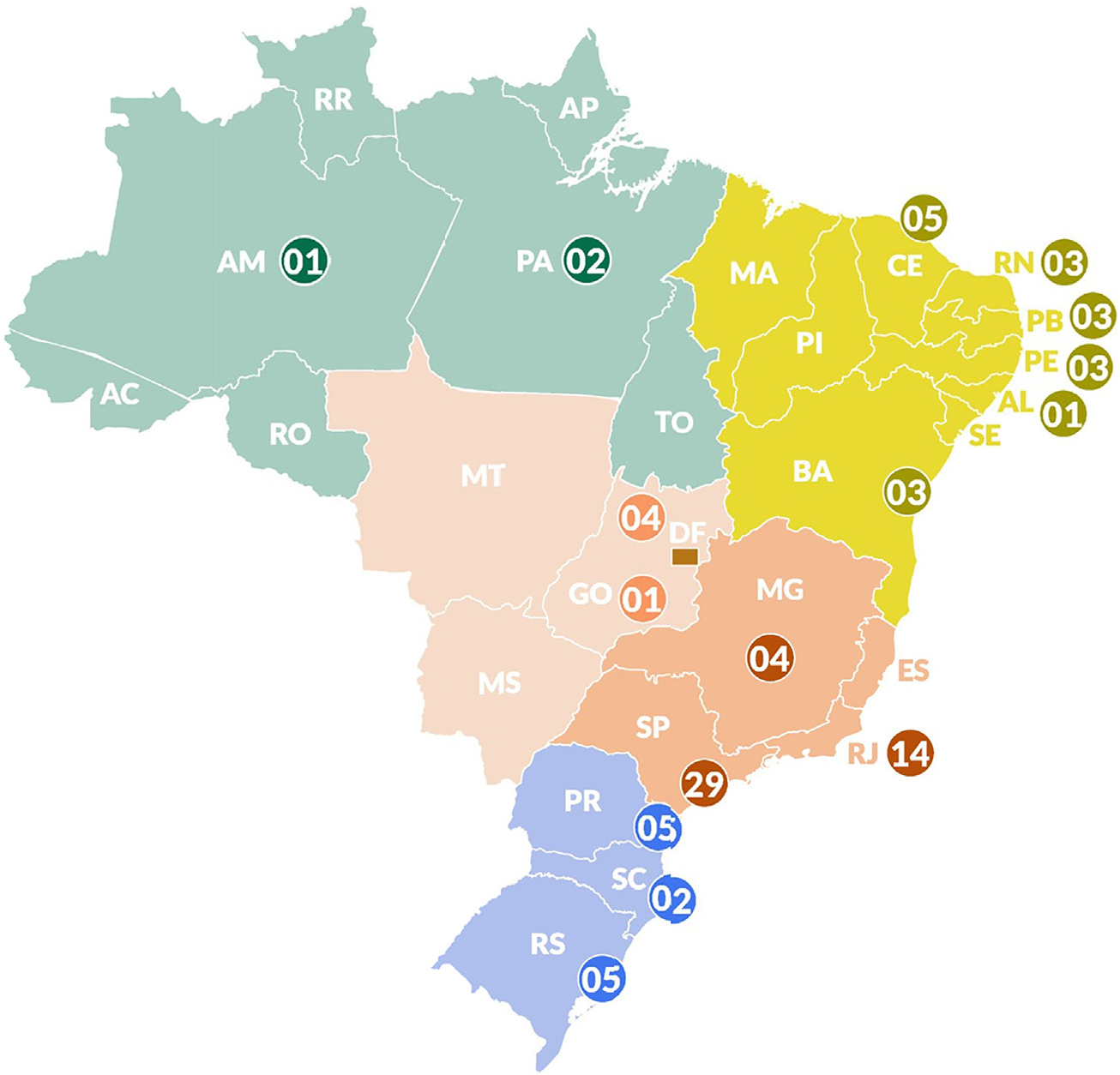
To develop this new work,2 which now includes 43 chapters, the authors relied on the participation of 85 experts from across Brazil, including dermatologists and rheumatologists from a wide range of regions (Fig. 1) and working in university hospitals, research centers, and public and private healthcare systems.
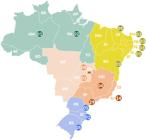
Distribution of the 85 specialists participating in the Brazilian Psoriasis Consensus 2024 according to the different states of Brazil.
Among the updates to the 2024 Consensus, the authors highlight the introduction of the concept of CLCI (Cumulative Life Course Impairment), which characterizes the set of factors detrimental to the lives of patients with psoriasis resulting from stigma and physical and psychological disability, as well as different coping strategies.3 Furthermore, the inclusion of new biological drugs and small molecules, such as bimekizumab, brodalumab, spesolimab, tildrakizumab, and deucravacitinib. The new Consensus also highlights specific situations such as neoplasms, surgeries, and other procedures. It also innovates with the discussion of "Response Predictors" to contribute to and personalize psoriasis treatment and optimize results for each patient.
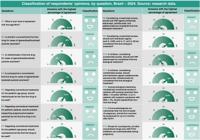
This Consensus maintained the Delphi methodology adopted in the 2020 consensus,1 which facilitates decision-making by seeking to standardize approaches to controversial issues in the literature.4,5 For this purpose, two rounds of questions were conducted, with anonymous participation from 80 and 76 authors, respectively, in each round. To ensure data validity, important criteria were adhered to, such as an adequate number of participants, representation from different regions of the country, the inclusion of experts from both the public and private healthcare systems, and the consistency of opposing questions in the same round. These measures help reduce potential biases. The consensus was considered reached when, for each question, at least 70% of voters assigned a score higher than 7 (Fig. 2).
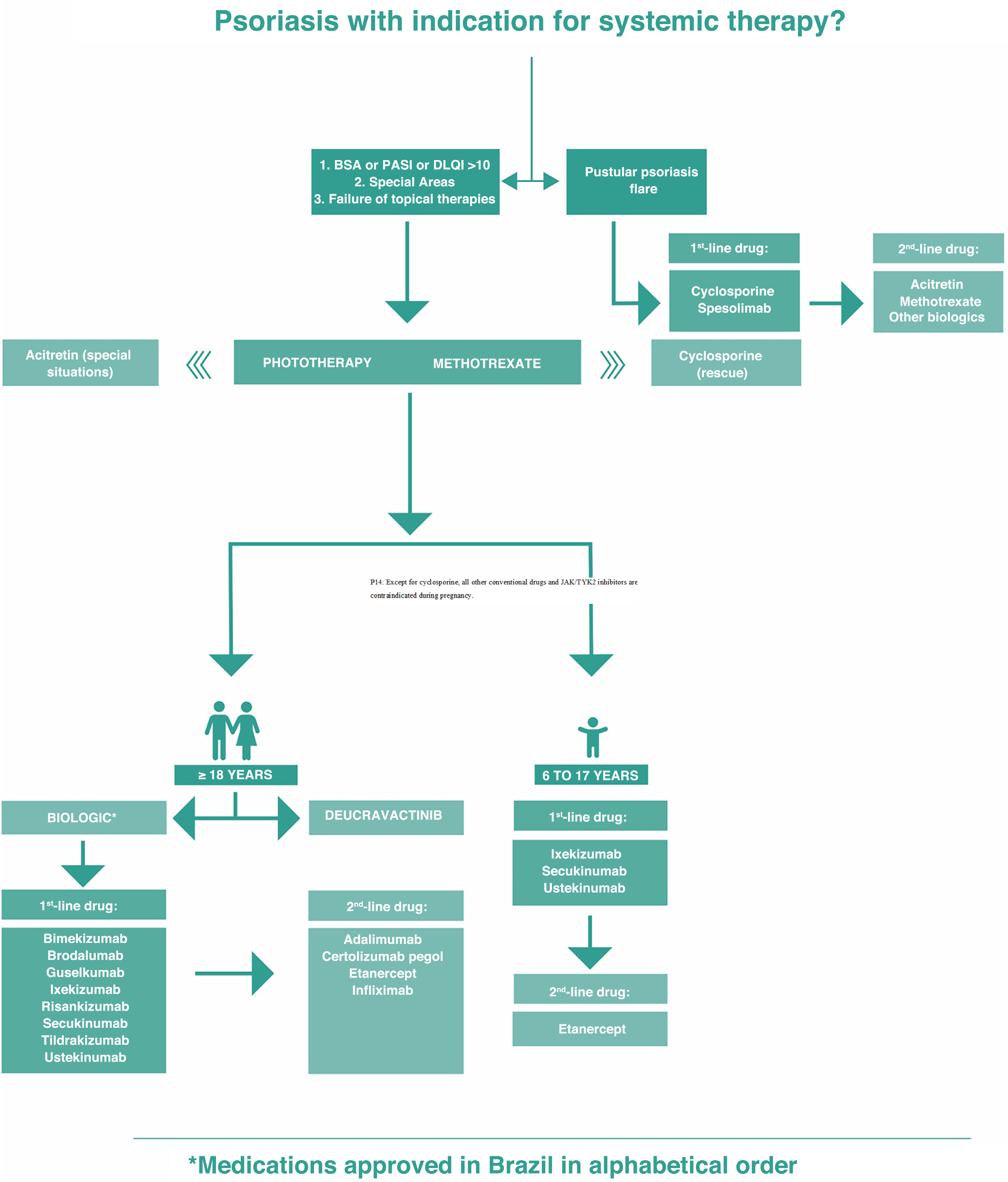
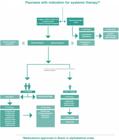
Finally, this Consensus updates the psoriasis treatment algorithm. For this purpose, the experts' responses were taken into consideration, and through the Delphi method, they reached an agreement on significant modifications compared to the 2020 Consensus. Among the new features of the updated severe psoriasis treatment algorithm, the authors highlight the removal of acitretin from the plaque psoriasis treatment sequence, with its use being reserved only for special situations. Deucravacinitib was also included in the treatment sequence, and treatment lines were defined for the selection of immunobiologicals. Anti-interleukin biologics were placed in the first-line position in relation to anti-TNF drugs. The treatment of psoriasis in the pediatric population was also included in the algorithm, with first- and second-line biologic treatments being defined. The algorithm (Fig. 3) includes a treatment sequence for flare-ups of generalized pustular psoriasis, with spesolimab and cyclosporine in the first-line therapy in this situation.
In addition to the recently approved targeted therapies described in the new Brazilian Psoriasis Consensus, new pathophysiological pathways have been targeted for blocking with biologics and small molecules, offering new future therapeutic perspectives.
Recently, pivotal studies involving the use of an oral peptide antagonist of interleukin receptors involved in the inflammatory cascade of psoriasis promise to offer another innovative, potentially effective, and safe treatment line for the management of this immune-mediated dermatosis. The outlook for interventions in psoriasis seems promising, the safety profile of new treatments has proven satisfactory, and the debate about a possible cure for psoriasis is more current than ever.6-8 Future updates to this consensus are therefore mandatory, allowing the discussion of increasingly effective and safe measures in the management of patients with psoriasis.
-
**
The members of the Brazilian Consensus Working Group on Psoriasis of the Brazilian Society of Dermatology are listed in Appendix A.
-
★
Study conducted at the Department of Dermatology, Hospital das Clínicas, Universidade de São Paulo, São Paulo, SP, Brazil; Hospital Moinhos de Vento, Porto Alegre, RS, Brazil; Dermatology Clinic, Santa Casa de Misericórdia, São Paulo, SP, Brazil; Instituto Bahiano de Imunoterapia, Salvador, BA, Brazil.
-
Funding
Brazilian Society of Dermatology.
Research data availability
The entire dataset supporting the results of this study was published in this article.
References
- 1 Romiti R, Carvalho AVE, Duarte GV; Grupo de Trabalho do Consenso Brasileiro de Psoríase da Sociedade Brasileira de Dermatologia. Brazilian consensus on psoriasis 2020 and treatment algorithm of the brazilian society of dermatology. An Bras Dermatol. 2021;96:778-81.
- 2 Gonçalves H. Consenso brasileiro de psoríase 2024: algoritmo de tratamento da sociedade brasileira de dermatologia. 4th ed. Romiti R, Carvalho AVE, Duarte GV, Nakano J, editors. Rio de Janeiro: Sociedade Brasileira de Dermatologia; 2024. 216p.
- 3 Romiti R, Magalhães RF, Duarte GV. Cumulative life course impairment in patients with dermatological diseases, with a focus on psoriasis. An Bras Dermatol. 2024;99:269-76. Epub 2023 Dec 21.
- 4 Jones J, Hunter D. Consensus methods for medical and health services research. BMJ. 1995;311:376-80.
-
5 Marques J, Freitas D. Método DELPHI: caracterização e potencialidades na pesquisa em Educação. Pró-Posições [Internet]. 2018;29:389-41[cited 2025 Apr 17] Available from: https://doi.org/10.1590/1980-6248-2015-0140
» https://doi.org/10.1590/1980-6248-2015-0140 - 6 Romiti R, Hirayama ALS, Porro AM, Gonçalves HS, Miot LDB, Durães SMB, Marques SA. Infections in the era of immunobiologicals. An Bras Dermatol. 2024;99:167-80.
- 7 Blauvelt A. Resident memory T cells in psoriasis: key to a cure? J Psoriasis Psoriatic Arthritis. 2022;7:157-9.
- 8 Lwin SM, Azrielant S, He J, Griffiths CEM. Curing psoriasis. J Invest Dermatol. 2024;144:2645-9.
Edited by
-
Editor
Sílvio Alencar Marques

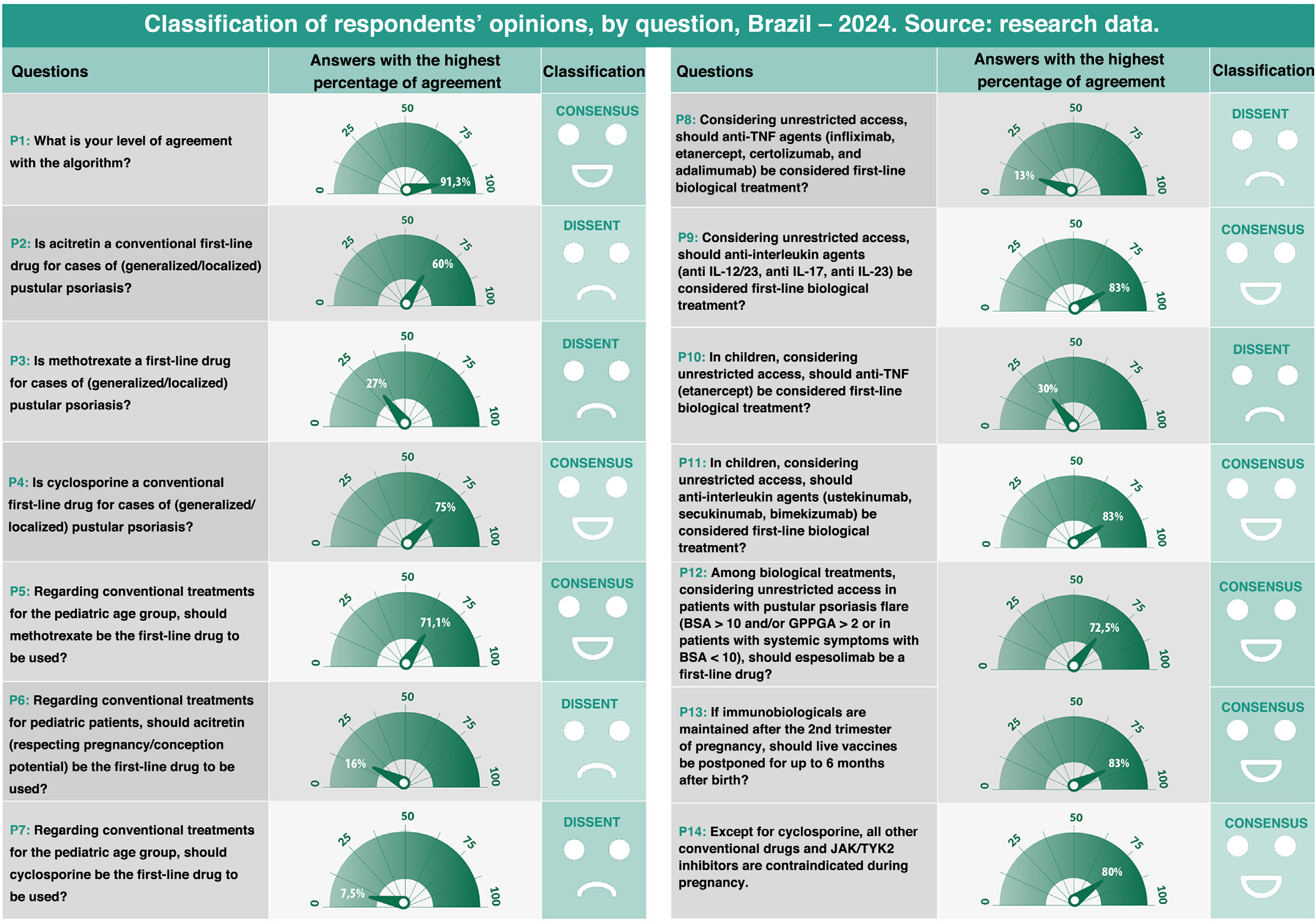 Source: research data.