
 Between Paradise Lost and Civilization: Palm trees in landscape representations of Rio de Janeiro during the transitional decades from Empire to Republic
Abstract
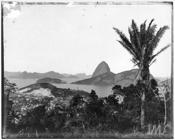
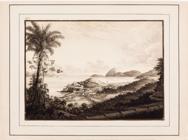
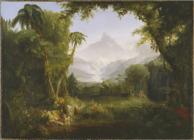
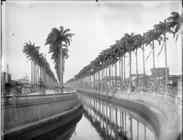
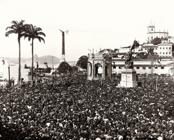
ABSTRACT: By recognizing the landscape of Rio de Janeiro as a symbolic creation based on the aesthetic relationship between city and nature, this study analyzes the meanings of one of its most frequently represented elements, beyond the well-known Sugarloaf Mountain: the palm trees. To this end, the study is based on the fact that the representation of these plants, which apparently functioned as a national symbol during the Empire, was not abandoned in photographs of the capital in the decades of transition to the Republic. In order to interpret the relations that made this preservation possible, the study initially articulates descriptions of Paradise Lost by John Milton and the import of Neoclassicism with the academic training in landscape painting in Brazil. Finally, the study analyzes how these relations can also be found in photographs by Marc Ferrez - photographer commissioned by both the Empire and the Republic - in the last decades of the nineteenth century. It is observed, therefore, the symbolic transfer of palm trees from landscape paintings and photographs to the built spaces of the city, and vice versa. Although the two faces of the former national capital in the late nineteenth century may appear paradoxical - an untouched nature, but ruined by urban engineering works -, the palm trees, which conveyed representations of an imagined paradise and a nation built in the tropics, seem to function as elements that bridge both.
KEYWORDS:
Rio de Janeiro Landscape; “Marvelous City”; Imperial palm trees; Marc Ferrez; Félix-Émile Taunay.
 Thumbnail
 Thumbnail
 Thumbnail
 Thumbnail
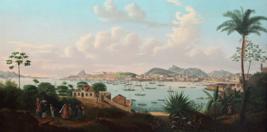 Thumbnail
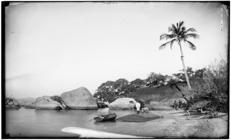 Thumbnail
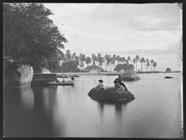 Thumbnail
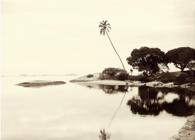 Thumbnail
 Thumbnail
 Thumbnail
 Thumbnail
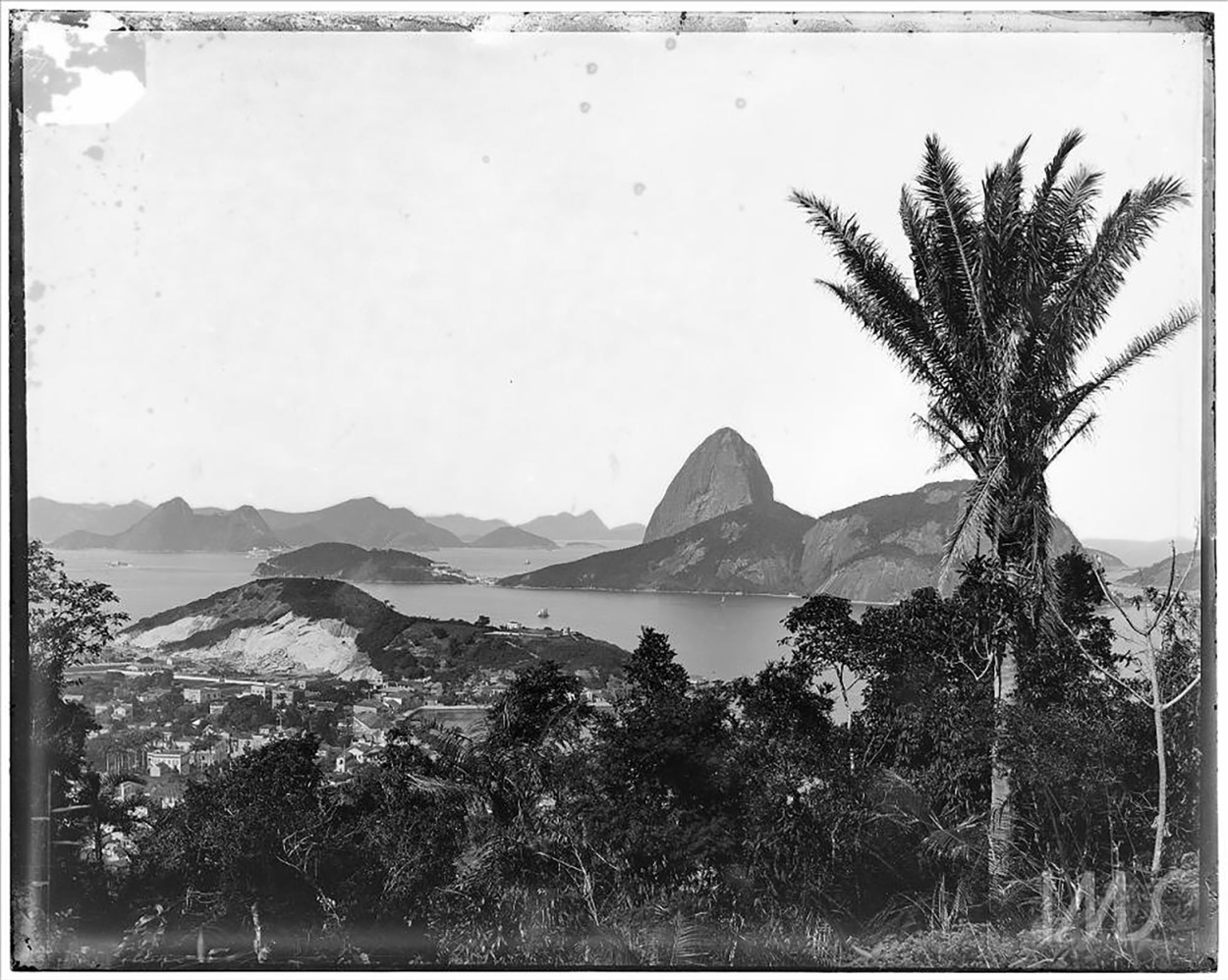 Source: Gilberto Ferrez Collection, Moreira Salles Institute Archive
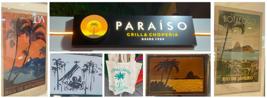
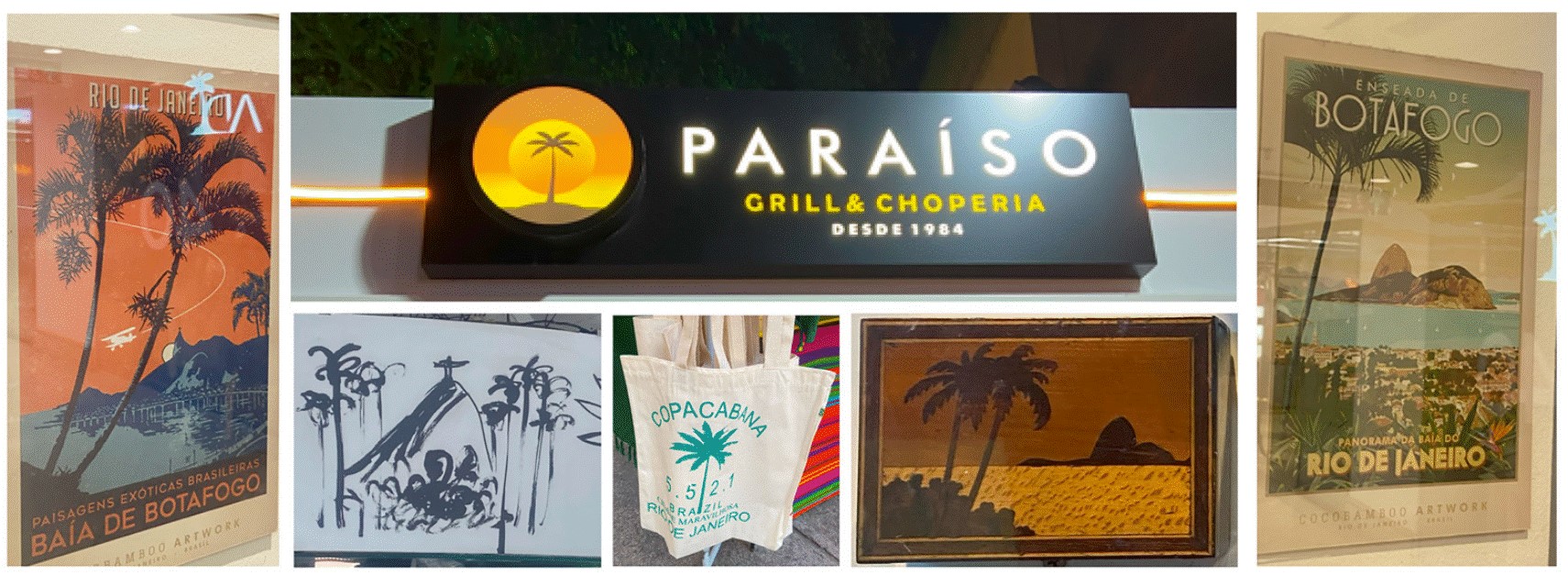 Photographs by Augusto Ruschel.
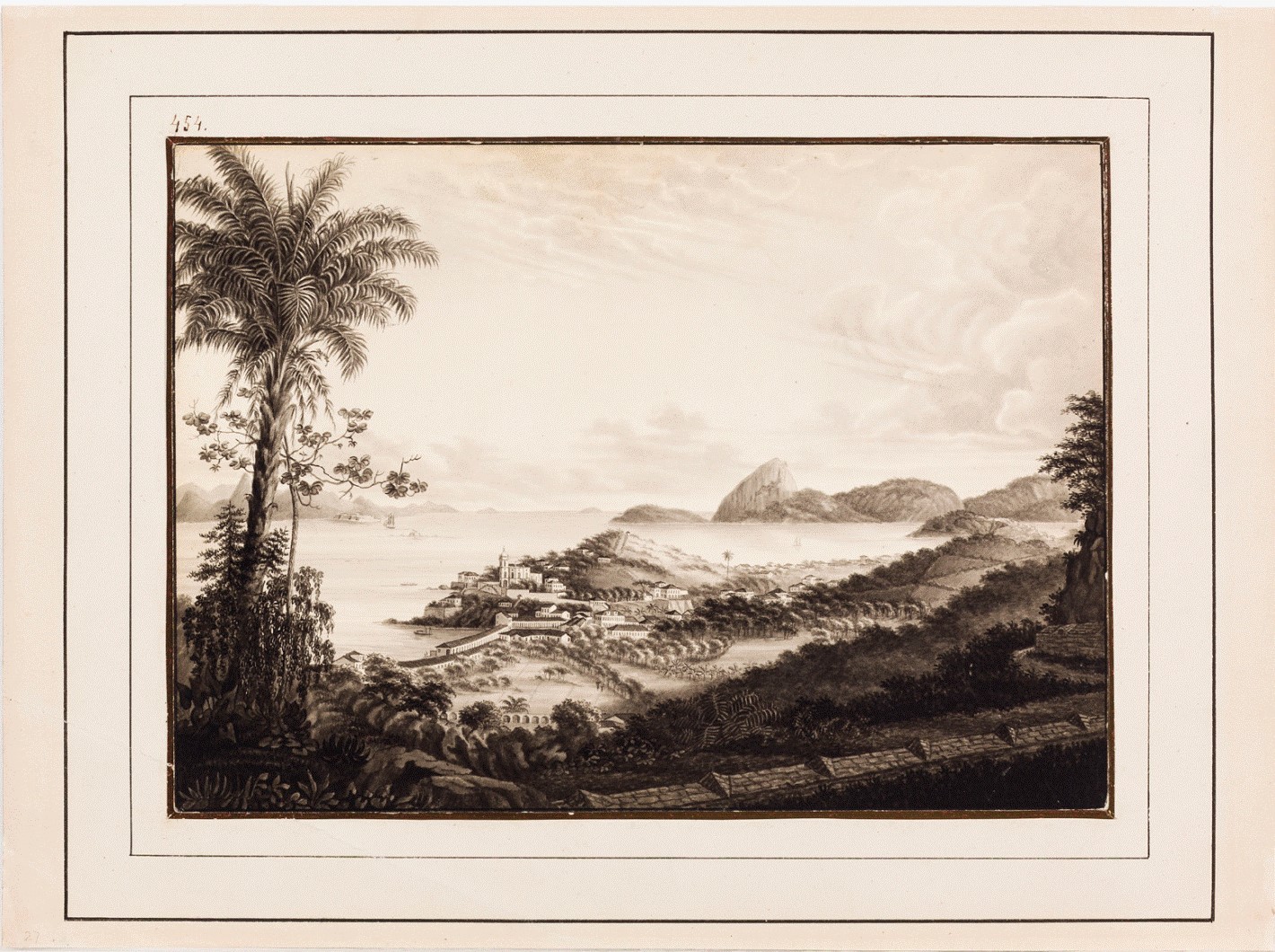 Source: Brasiliana Collection, Pinacoteca do Estado de São Paulo.
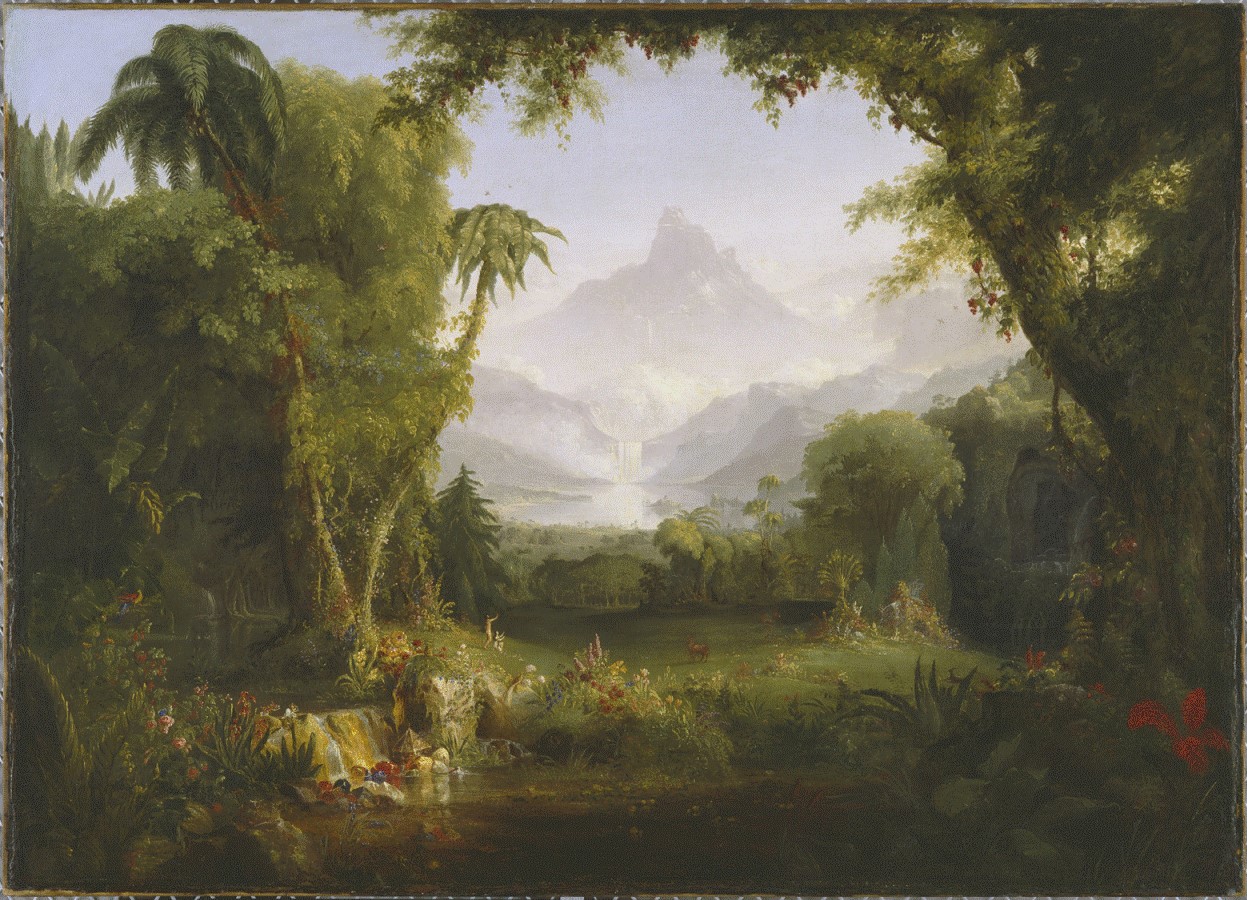 Source: Amon Carter Museum of American Art, Fort Worth, Texas. Accession number: 1990.10.
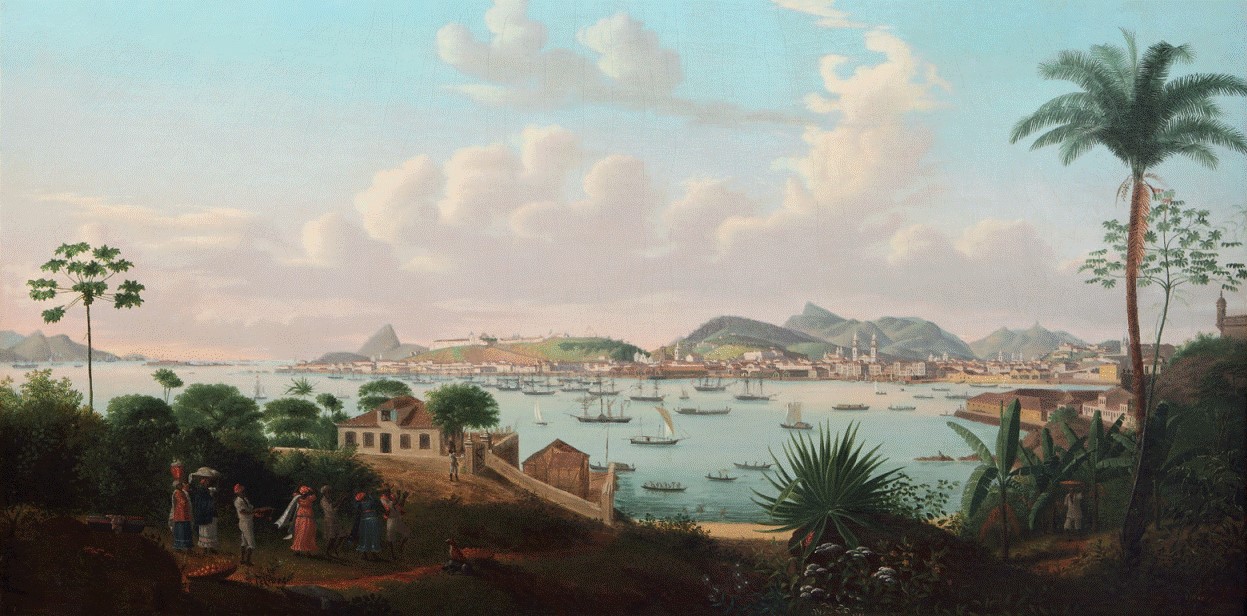 Source: Ricardo Brennand Institute.
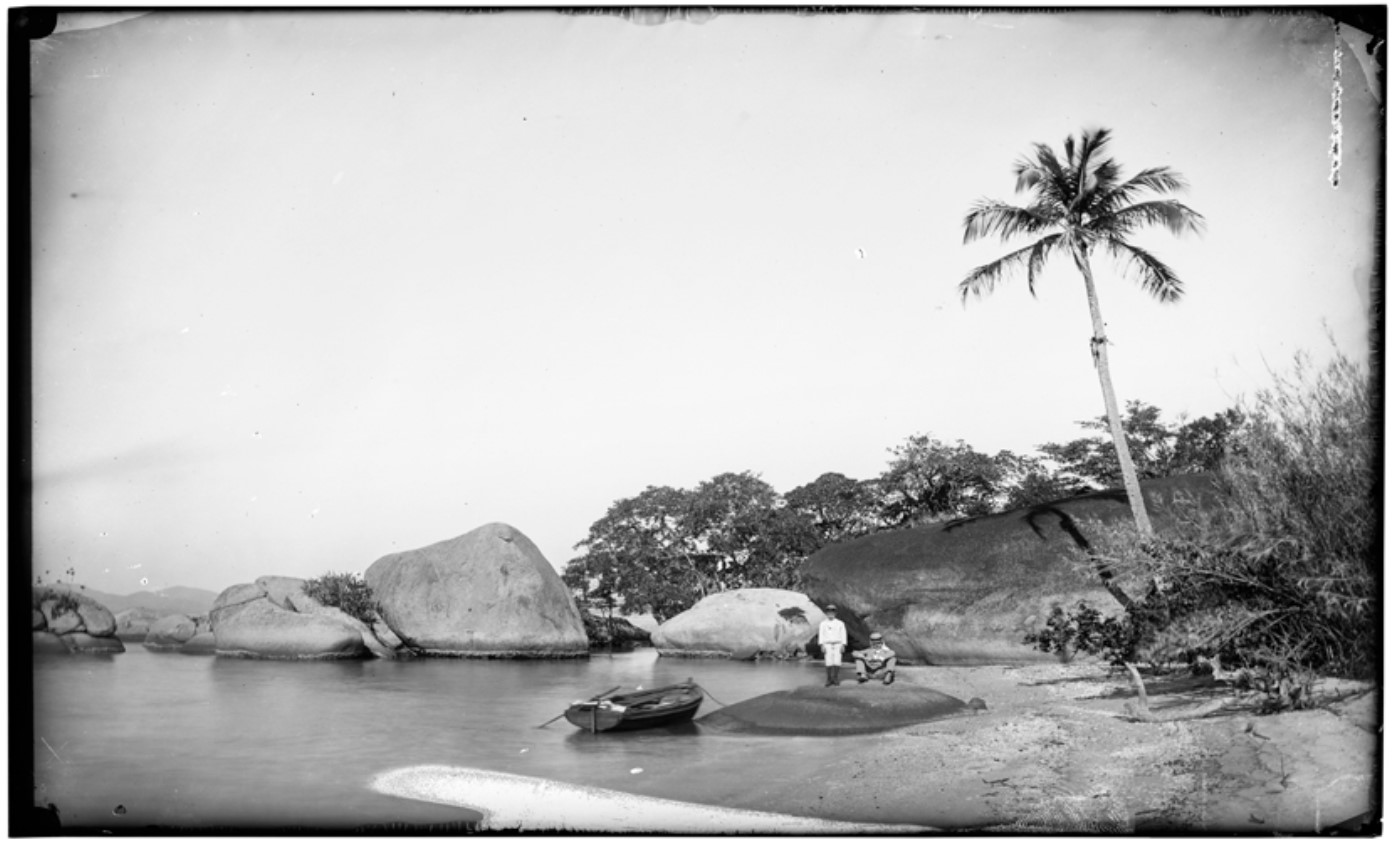 Source: Gilberto Ferrez Collection, Moreira Salles Institute Archive.
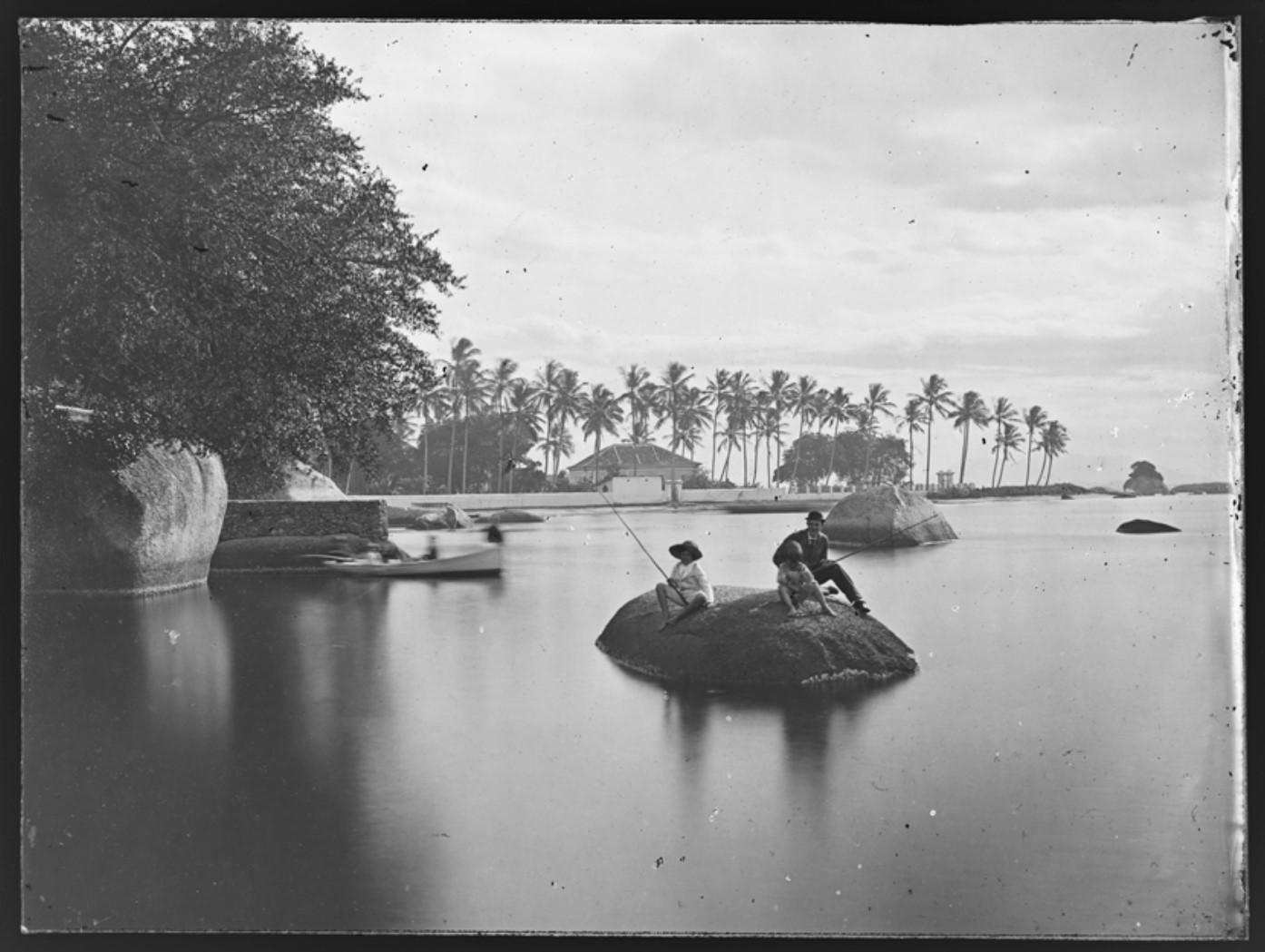 Source: Gilberto Ferrez Collection, Moreira Salles Institute Archive.
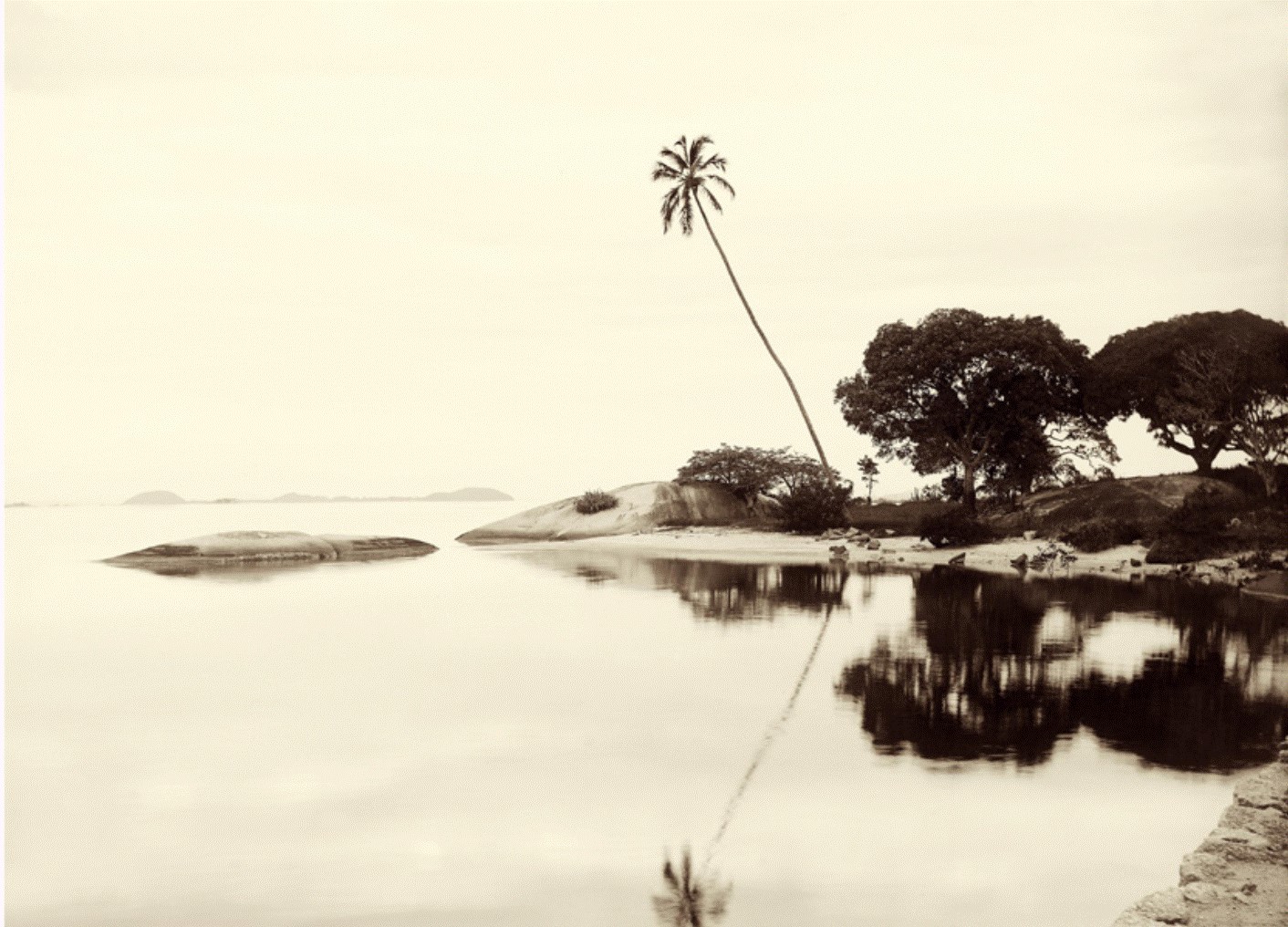 Source: Gilberto Ferrez Collection, Moreira Salles Institute Archive.
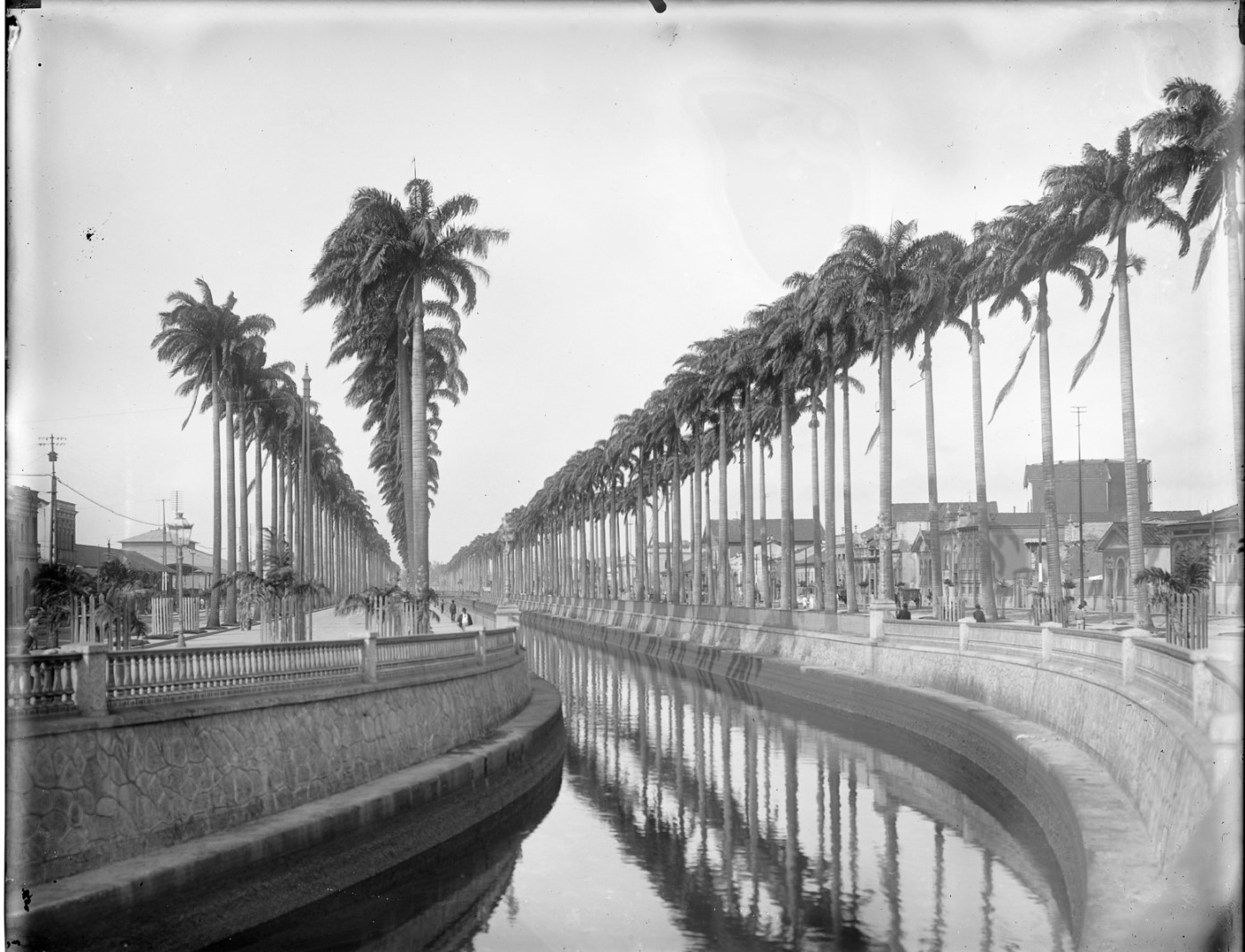 Source: Gilberto Ferrez Collection, Moreira Salles Institute Archive.
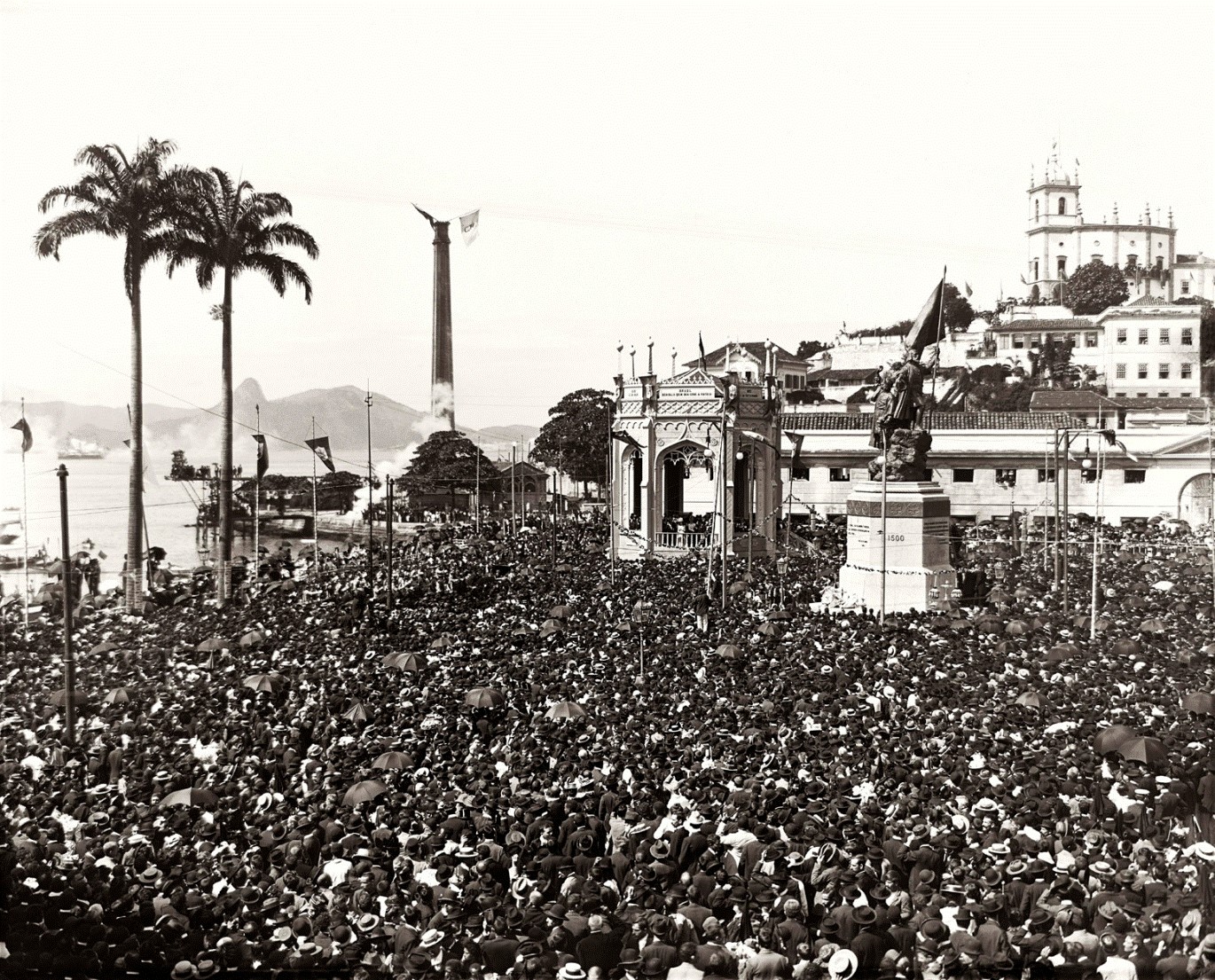 Source: Gilberto Ferrez Collection, Moreira Salles Institute Archive.
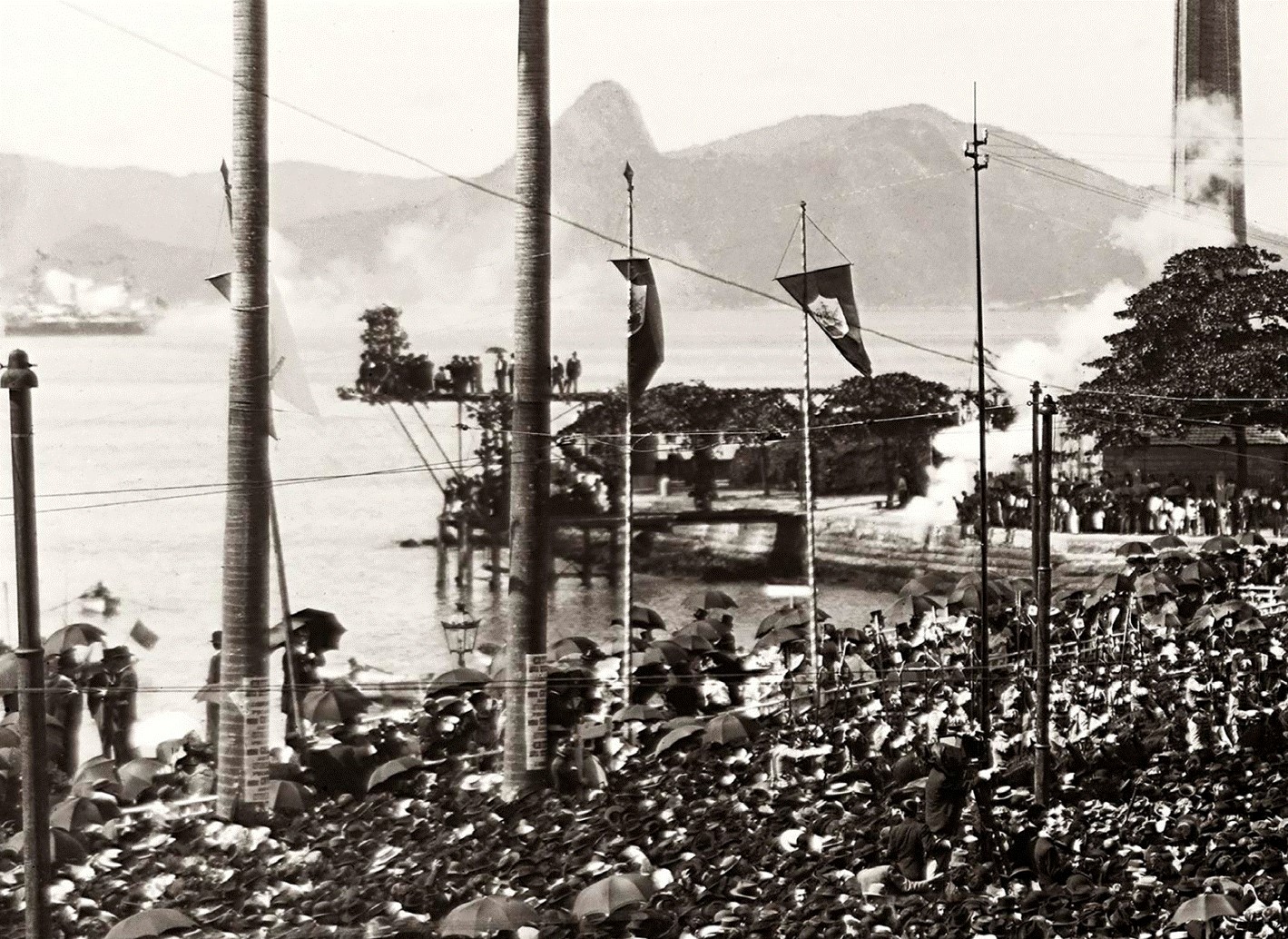 Source: Gilberto Ferrez Collection, Moreira Salles Institute Archive.