
 When an architecture book becomes a foreign policy issue
Abstract
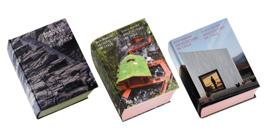
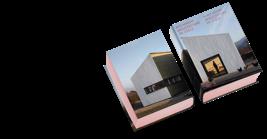
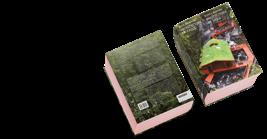
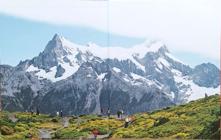
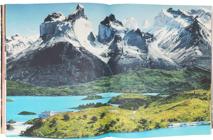
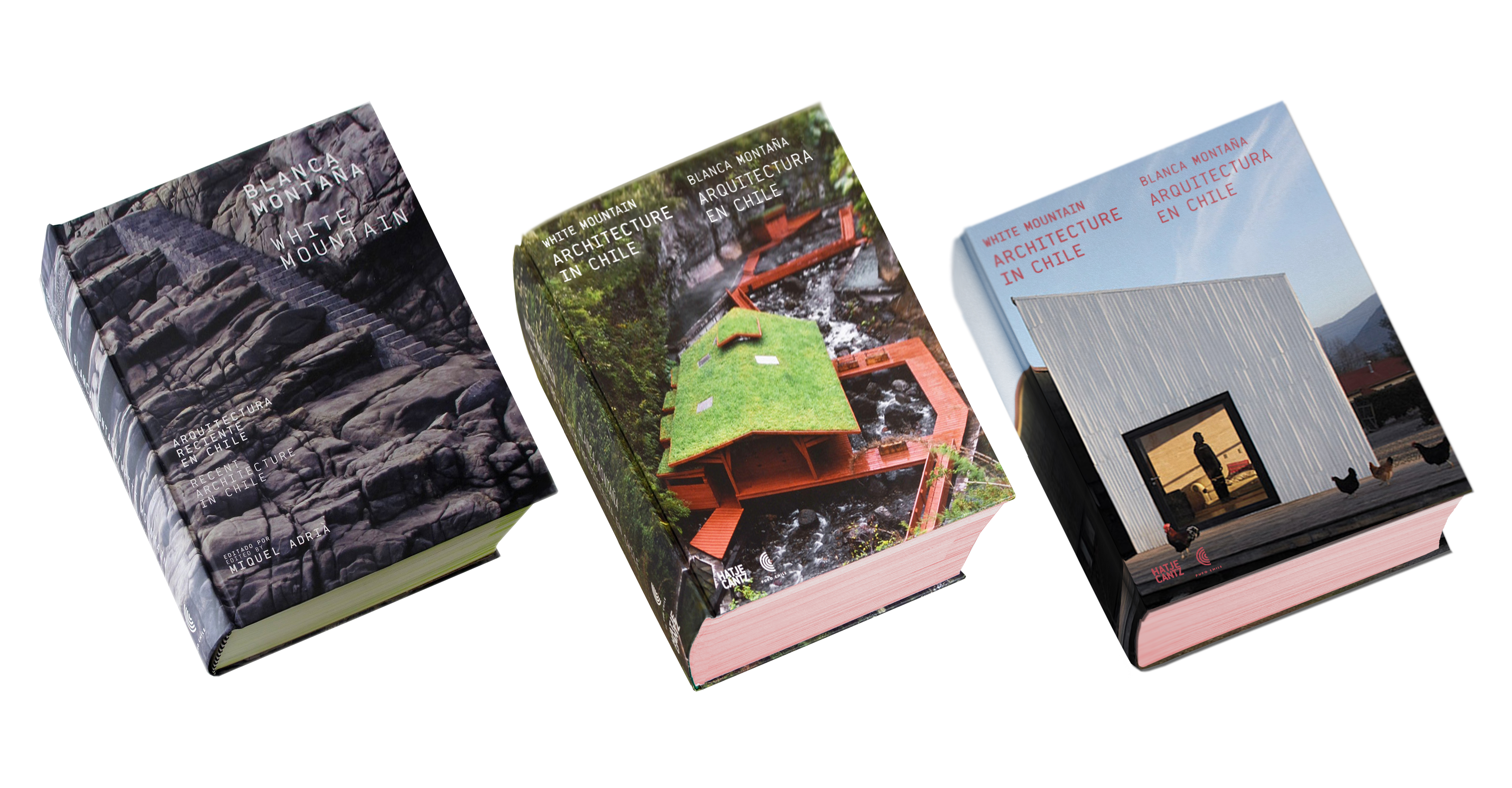
ABSTRACT: Chilean architecture began to emerge on the international stage in the 1990s, and it was materialized in print through the book Blanca Montaña: Architectura en Chile. This publication, conceived with an ambitious editorial and curatorial project, presents itself as an encyclopedia of prestigious architects and architectures of the moment, but it carries narratives of interest far beyond the architectural field. Blanca Montaña engages with a Chilean identity marker such as “the coldness of Latin America,” implying complex narratives with implicit power structures. On the other hand, we find a promotion of tourism through image associations, contemplative and even inviting metaphors such as in the I Was There exhibition. Beyond the field, the book became an object of interest to be promoted by the State shortly after the 2008 recession for its internationalization in Latin America, the United States, and Europe, not only through the Ministry of Culture but also through the Ministry of Foreign Affairs. This article analyzes the visual and verbal narratives transmitted by the book about architecture and the country, as well as its dialogue with the economic and political context of the 2008 economic crisis and the interests in building a national image that conveyed security to the market during times of crisis. Thus, through Blanca Montaña, the aim is not only to highlight the prestige of emerging Latin American architecture but also to reflect on how cultural promotion strategies interact with global power dynamics.
KEYWORDS:
Contemporary Chilean Architecture; Ministry of Foreign Affairs; Latin America; Blanca Montaña; Tourism; 2008 Economic Crisis.
 Thumbnail
 Thumbnail
 Thumbnail
 Thumbnail
 Thumbnail
 Thumbnail
 Thumbnail
 Thumbnail
 Thumbnail
 Thumbnail
 Thumbnail
 Thumbnail
 Thumbnail
 Thumbnail
 Thumbnail
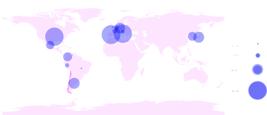
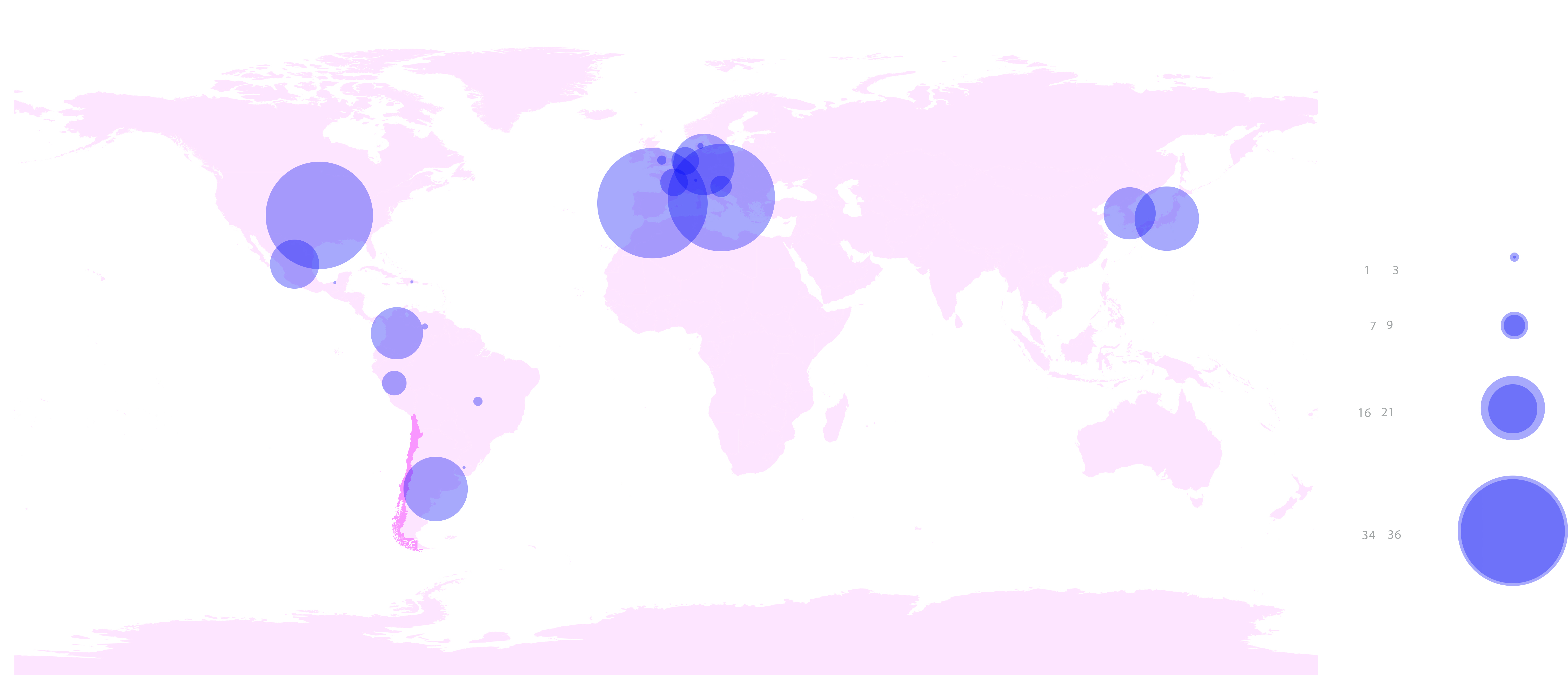 Fonte - Dados numéricos concedidos da pesquisa e livro “El Discurso de la Arquitectura Chilena”
 Acervo pessoal, produção própria ilustrada pela autora.
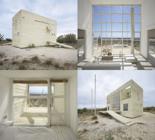
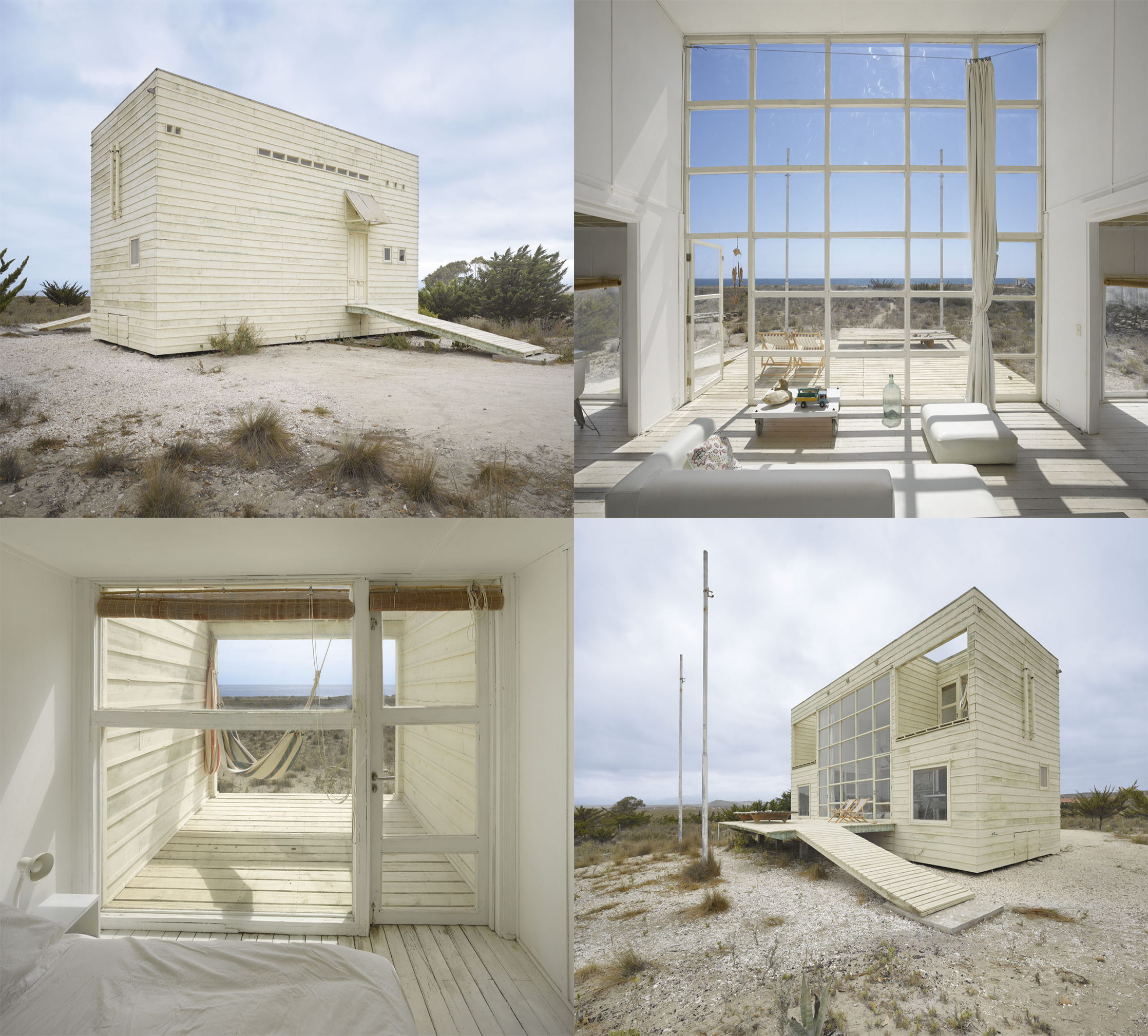 Fonte: Casa Klotz ([2024]).
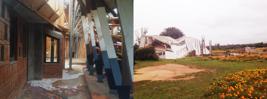
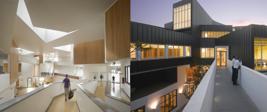
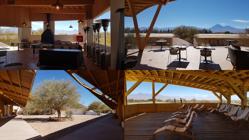
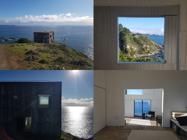
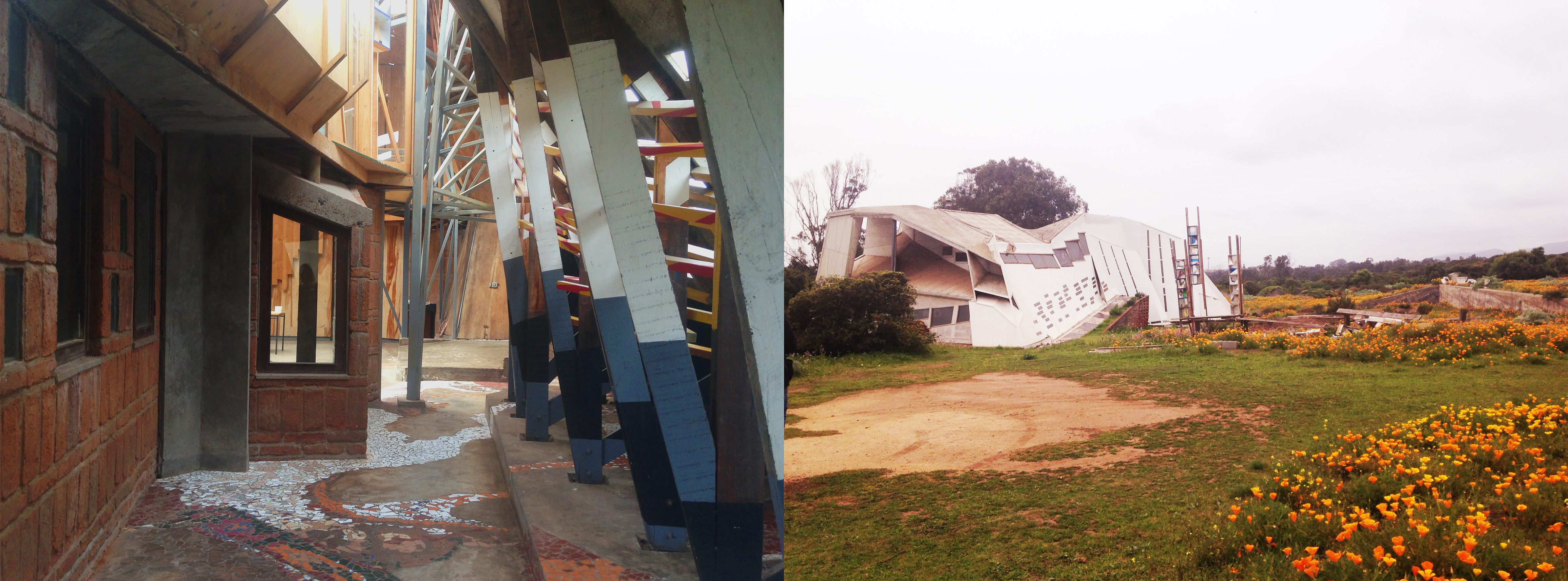 Fotografias elaboradas pela autora por meio de experiência in loco. Produção própria.
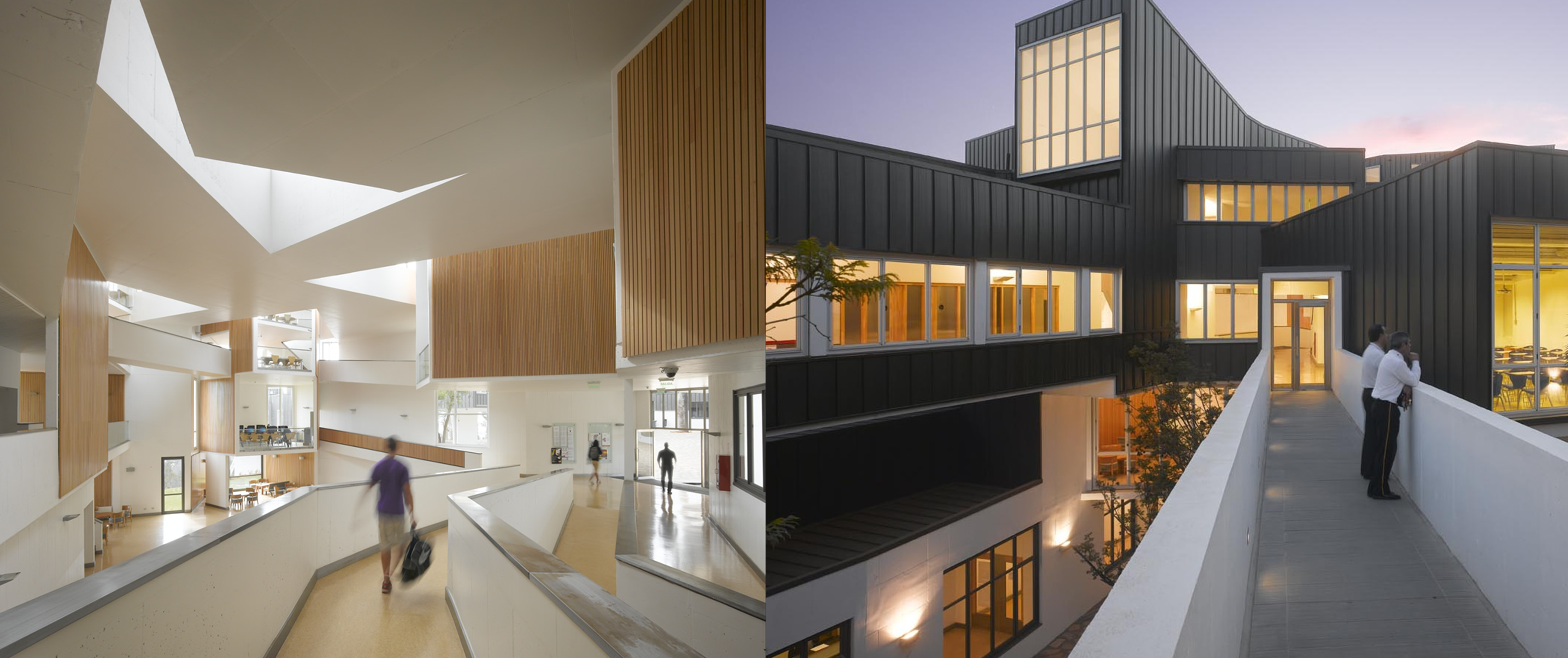 Fonte: Obras Detalle ([2024])
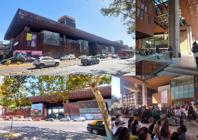
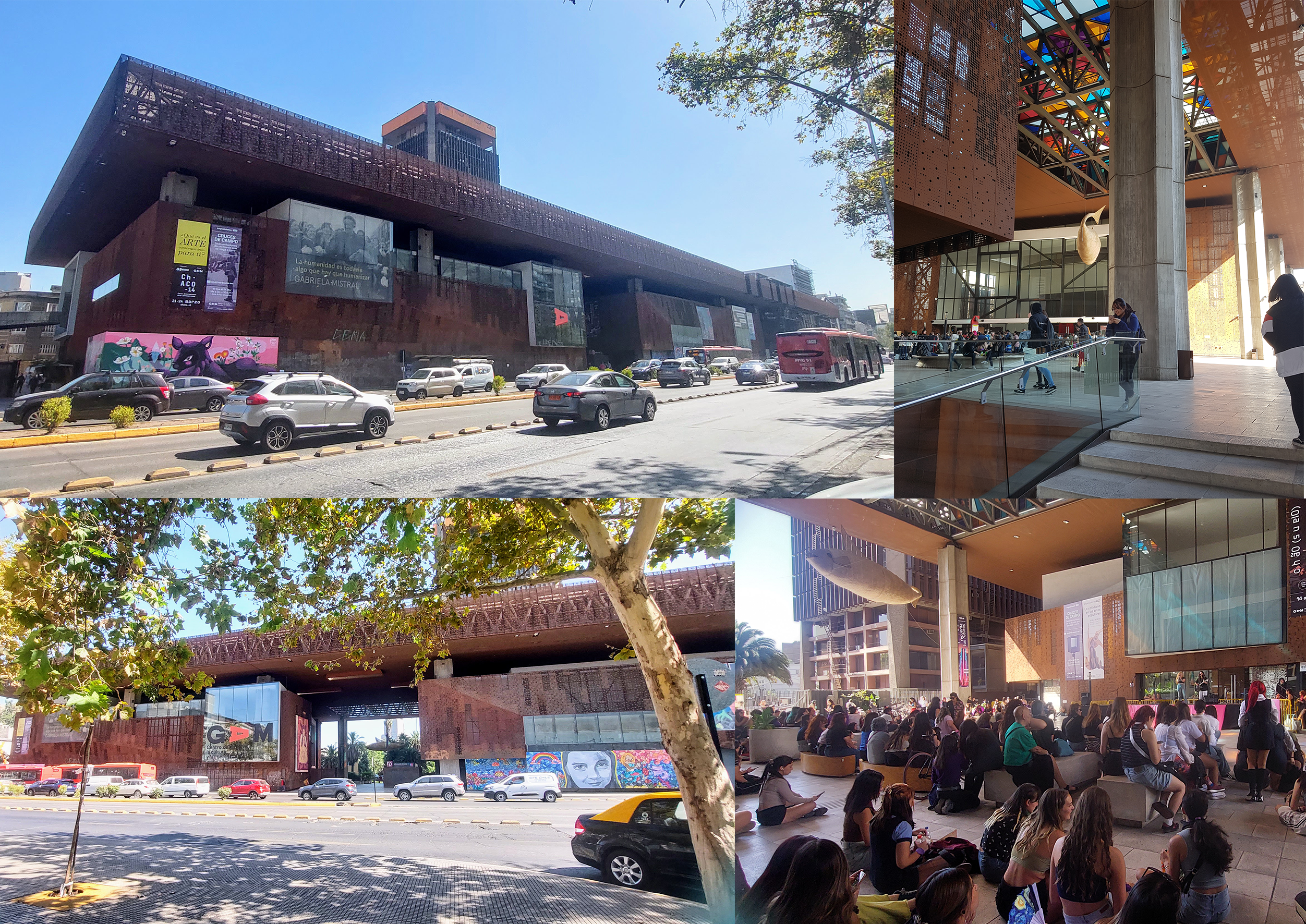 Fotografias elaboradas pela autora por meio de experiên-cia in loco. Produção própria
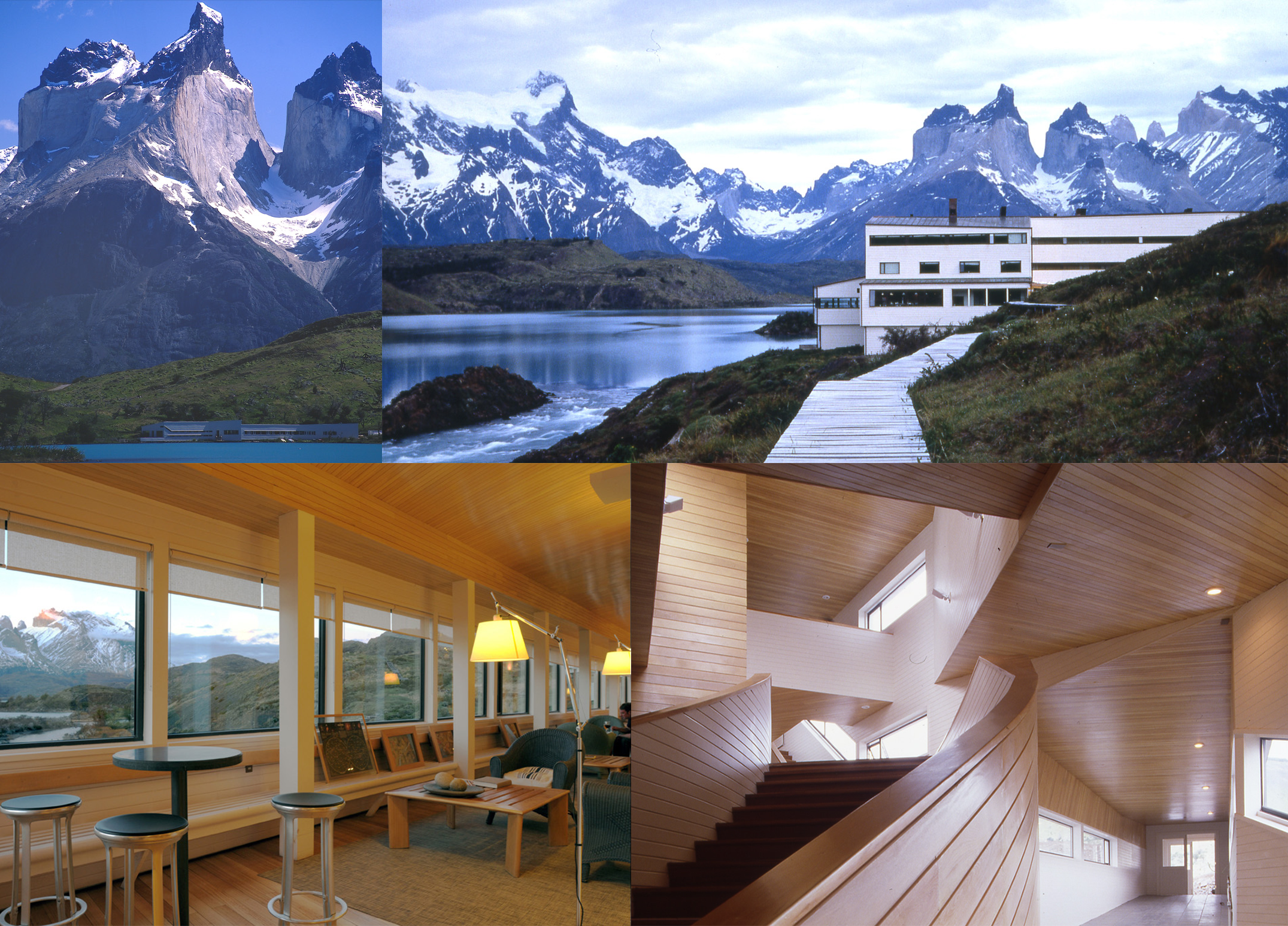 Fonte: Imagens concedidas por José Cruz Ovalle para fins acadêmicos. Obras Detalle ([2024])
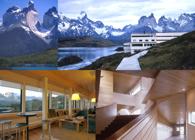
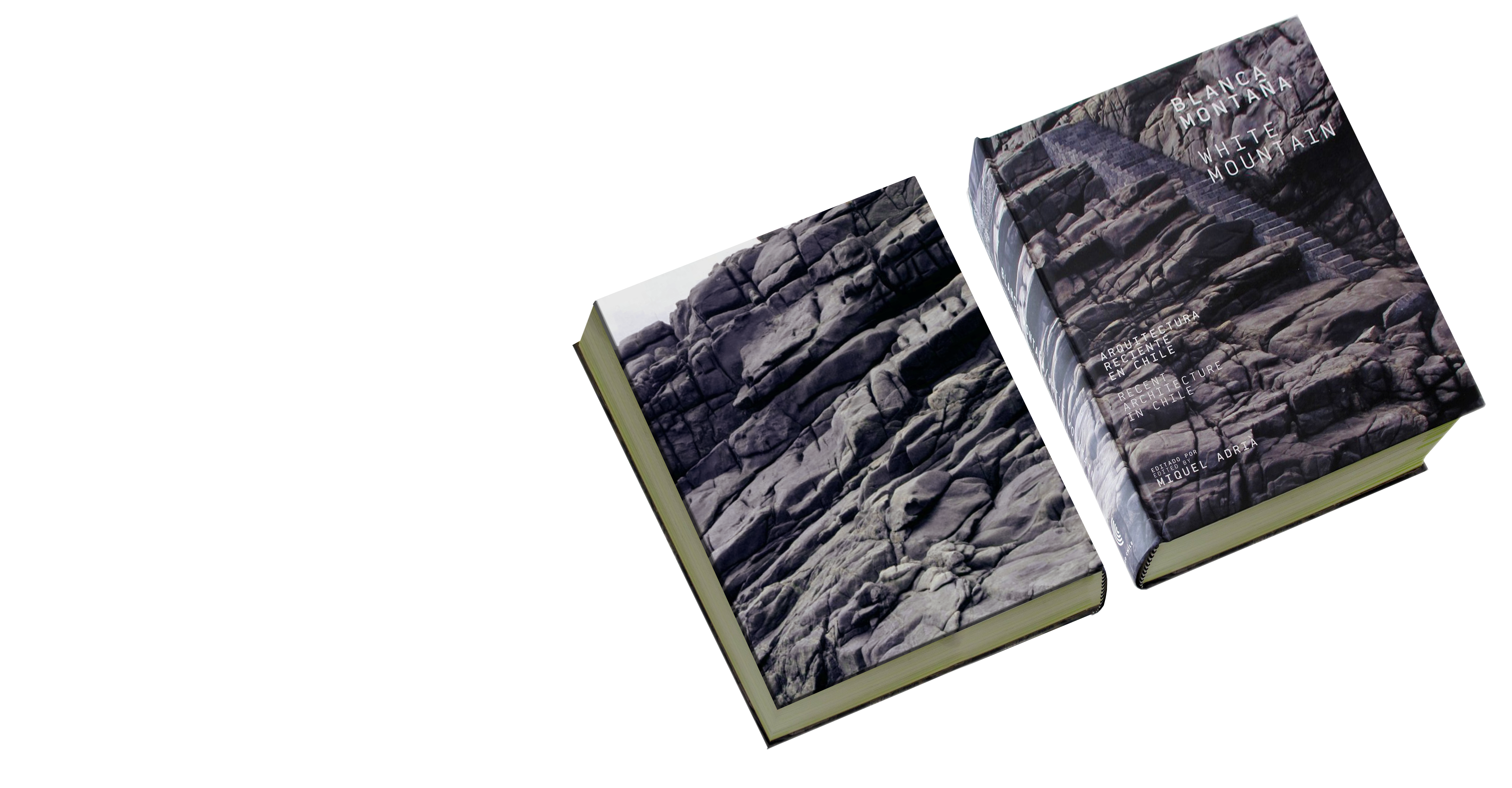 Produção própria. Fonte: colagem por meio de fotos autorais.
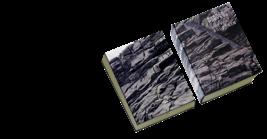
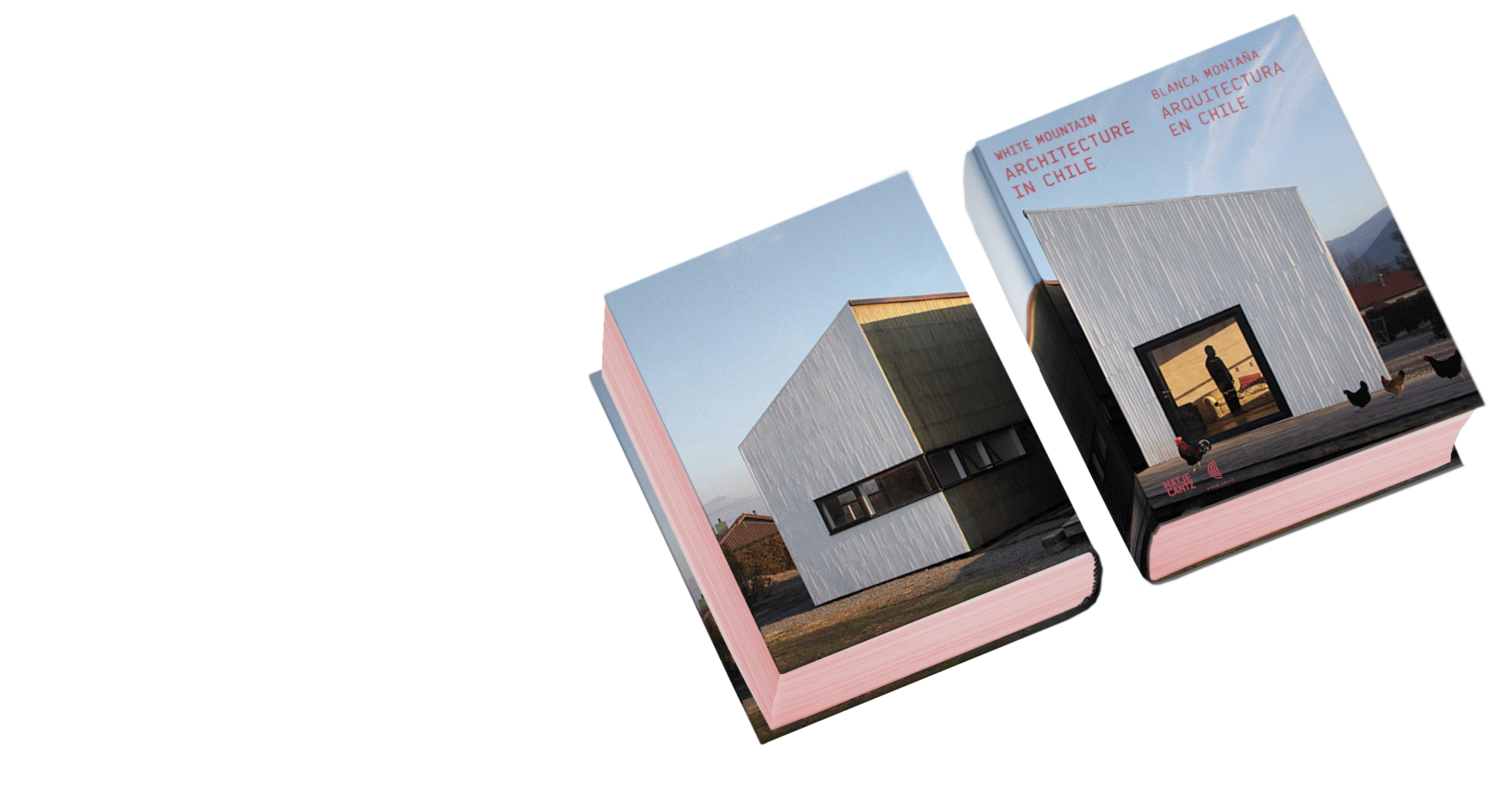 Produção própria. Fonte: colagem por meio de fotos autorais
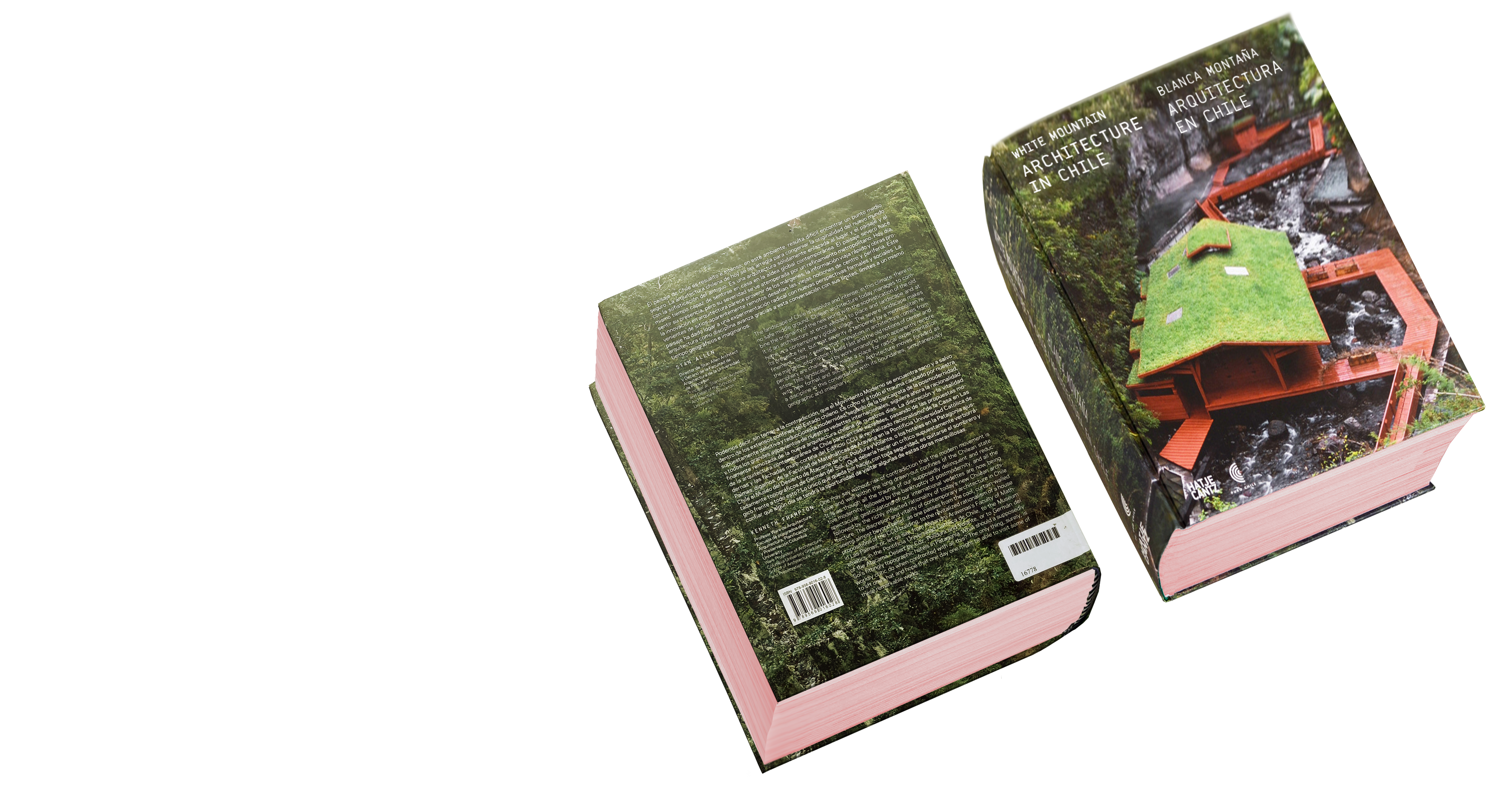 Produção própria. Fonte: cola-gem por meio de fotos autorais
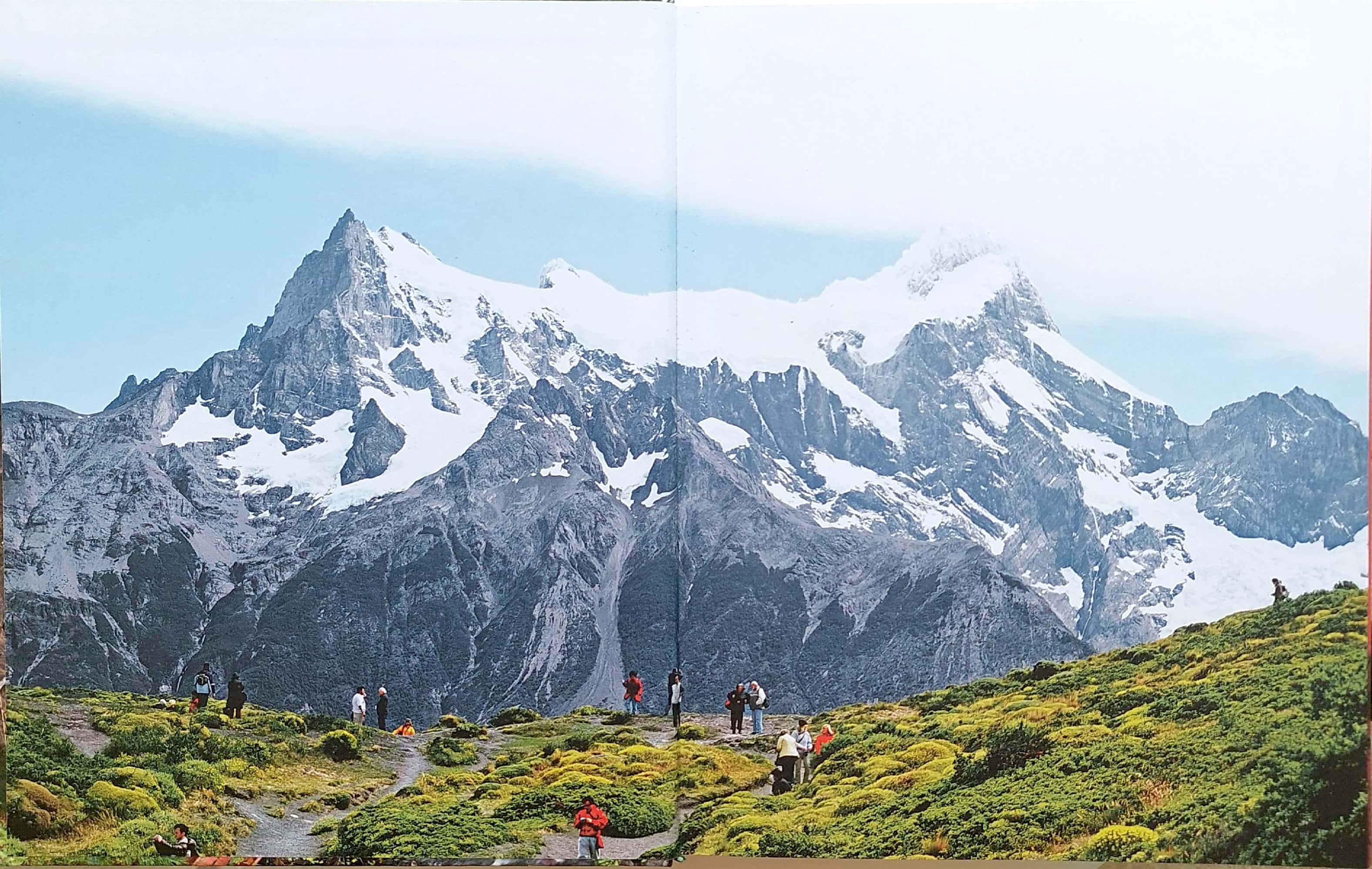 Fonte:
 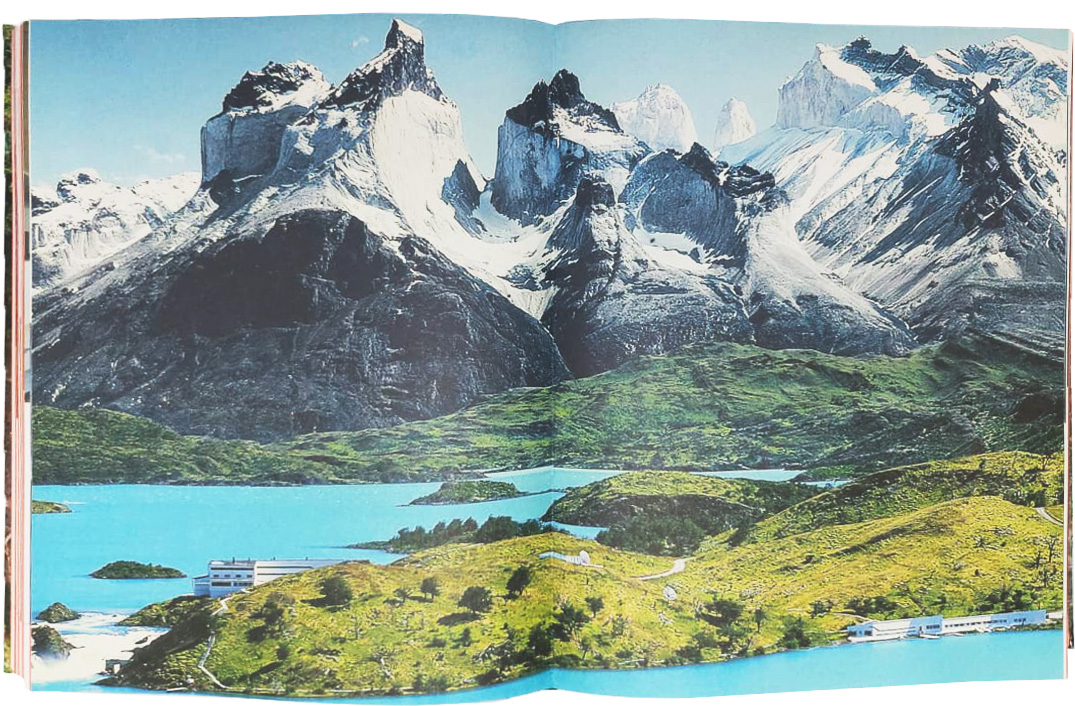 Fonte:
  Fotografias elaboradas por meio de experiência in loco. Fonte: Produção própria
 Fotografias elaboradas por meio de experiência in loco. Fonte: Produção própria