
 Environmental planning with socio-environmental justice in the community of Limão do Curuá - Amazon, State of Amapá (Brazil)
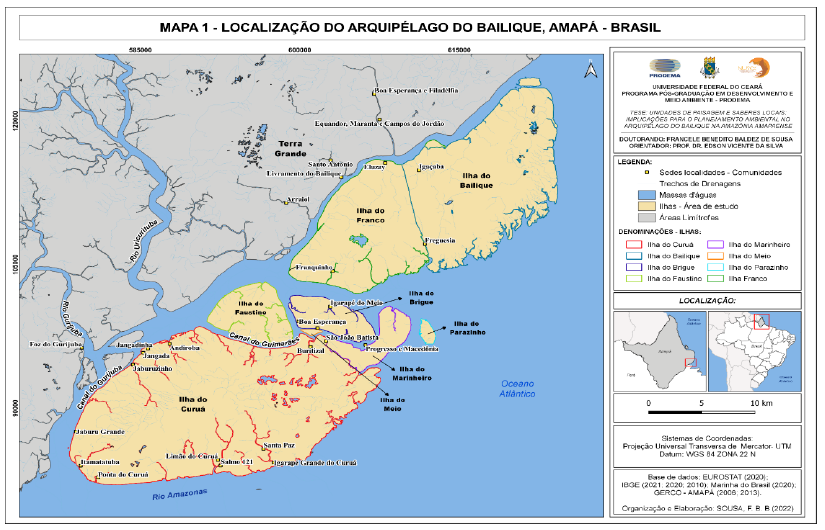
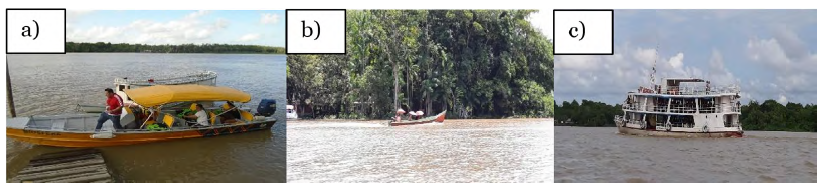
This article aims to understand the interrelations between local knowledge and participatory environmental planning in the community of Limão do Curuá, located in the Bailique Archipelago, in the Amazon region of the state of Amapá, Brazil. Access to the community is only possible via river transportation, taking six to eight hours along the Amazon River. This is a case study with a qualitative approach. Data were collected through direct observation and social cartography. The results indicate that land use and occupation practices have gradually compromised environmental balance, as well as the quality of life of the local populations. Lastly, the study proposes that participatory environmental planning should be grounded in local knowledge as the basis for a collective process aimed at developing socio-environmental protection strategies that promote social justice.
Keywords:
Community protocol; Ecology of knowledge; Environmental Planning; Traditional populations; Amazon
 Thumbnail
 Thumbnail
 Source:
  Source: own authorship (2021)