
 What is the Best Option for Cellular Immunotherapies in Triple-Negative Breast Cancer? A Systematic Review Based on in vitro and in vivo Evidences
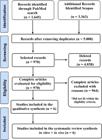
Triple-negative breast cancer (TNBC) is the breast cancer subtype with the worst prognosis and highest malignancy. As an alternative treatment, immunotherapy has gained prominence in recent years for its use of components that modulate the patient's own immune system to combat cancer. Although approved therapies using monoclonal antibodies have shown limitations, a more promising alternative for TNBC is the use of immune cells, which have the ability to infiltrate solid tumors and remain in the tumor microenvironment long-term, promoting a localized and effective immune response. The present study proposed a systematic review of cellular immunotherapies currently under investigation for TNBC. The review was registered with PROSPERO (CRD42024591409). Studies were selected using the PRISMA strategy, and the risk of bias in in vivo studies was assessed with the SYRCLE tool. A total of six studies with in vitro and in vivo analyses were included. Among these, 50% evaluated CAR-T therapy (Chimeric Antigen Receptor T Cells), 16.6% CAR-M therapy (Chimeric Antigen Receptor Macrophages), 16.6% dendritic cell vaccines, and 16.6% autologous CD4+ T lymphocytes stimulated ex vivo. The in vitro analyses focused on antitumor capacity, cell proliferation, cytokine production, apoptosis, and phagocytosis. For the in vivo analyses, tumor growth, survival, metastasis development, and cellular infiltration were evaluated. All therapies demonstrated promising effects; notably, immunotherapy with autologous CD4+ T lymphocytes achieved the greatest tumor reduction among the studied therapies. This review highlights the potential of immune cell-based therapies, particularly CD4+ T lymphocytes, emphasizing the need for further research and potential human testing.
Keywords:
Triple-negative breast cancer; immune cells; tumor microenvironment; target therapy.
Triple-negative breast cancer has the worst prognosis and high malignancy.
Immune cell-based immunotherapies are potentially more effective against solid tumors like triple-negative breast cancer (TNBC).
CD4 lymphocyte therapy achieved the greatest tumor reduction among the selected approaches.
 Thumbnail
 Thumbnail
 Thumbnail


