 Bioactive Compounds from Dioscorea bulbifera L. Obtained by Combined Ultrasound-Assisted and Solid-Liquid Extraction
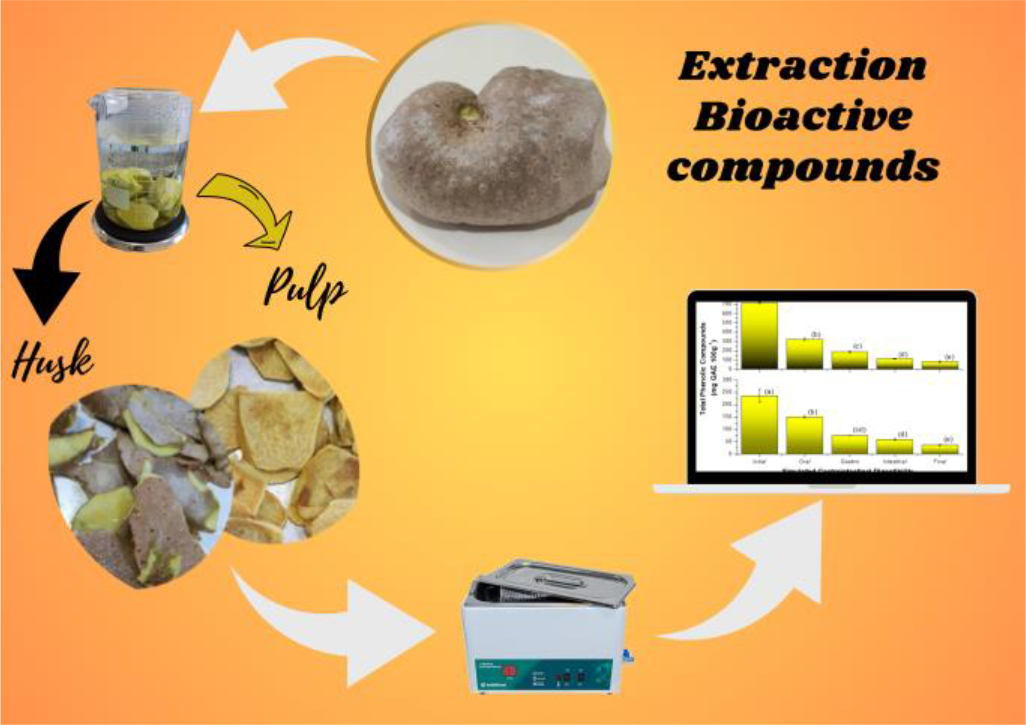
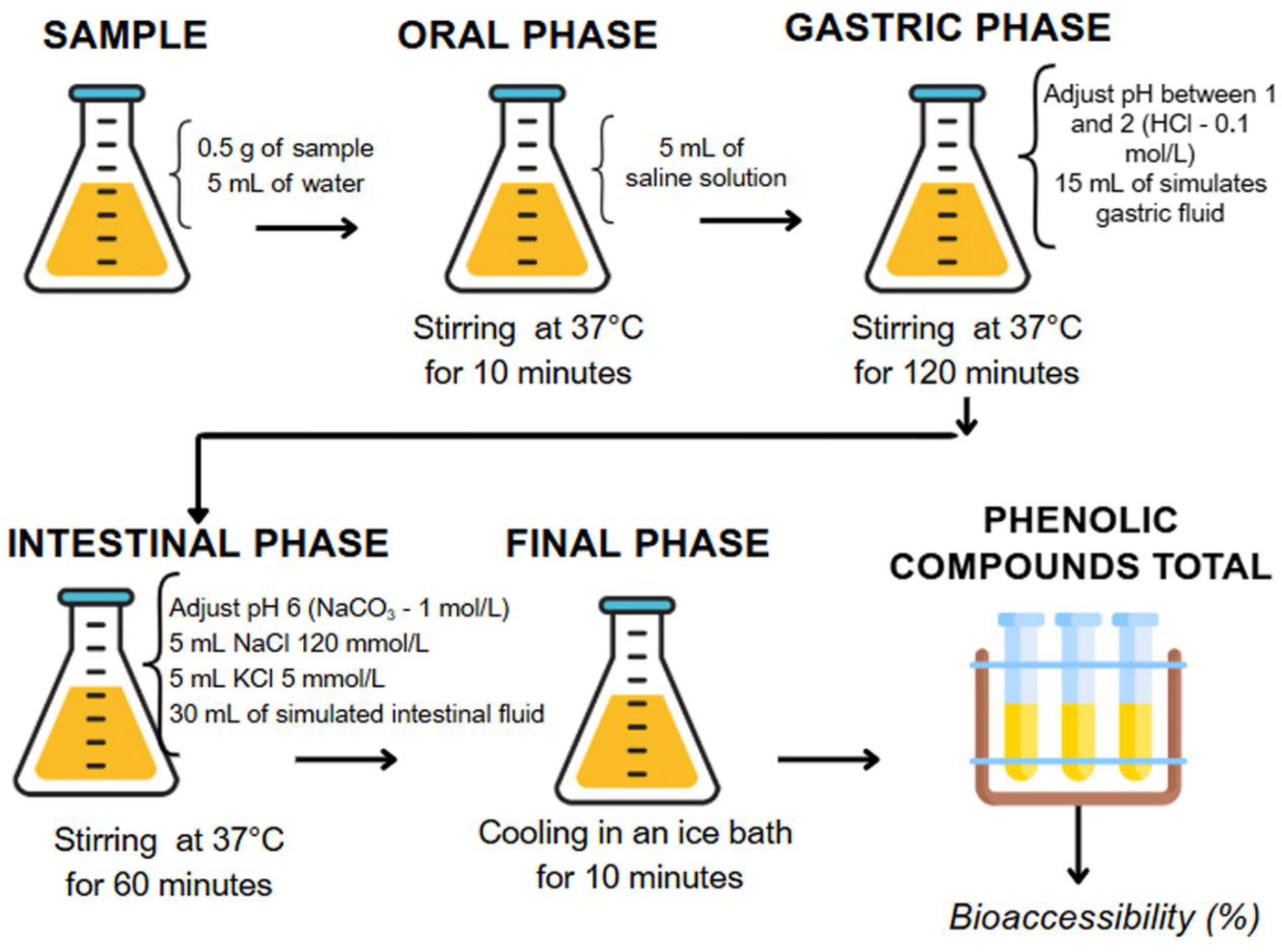
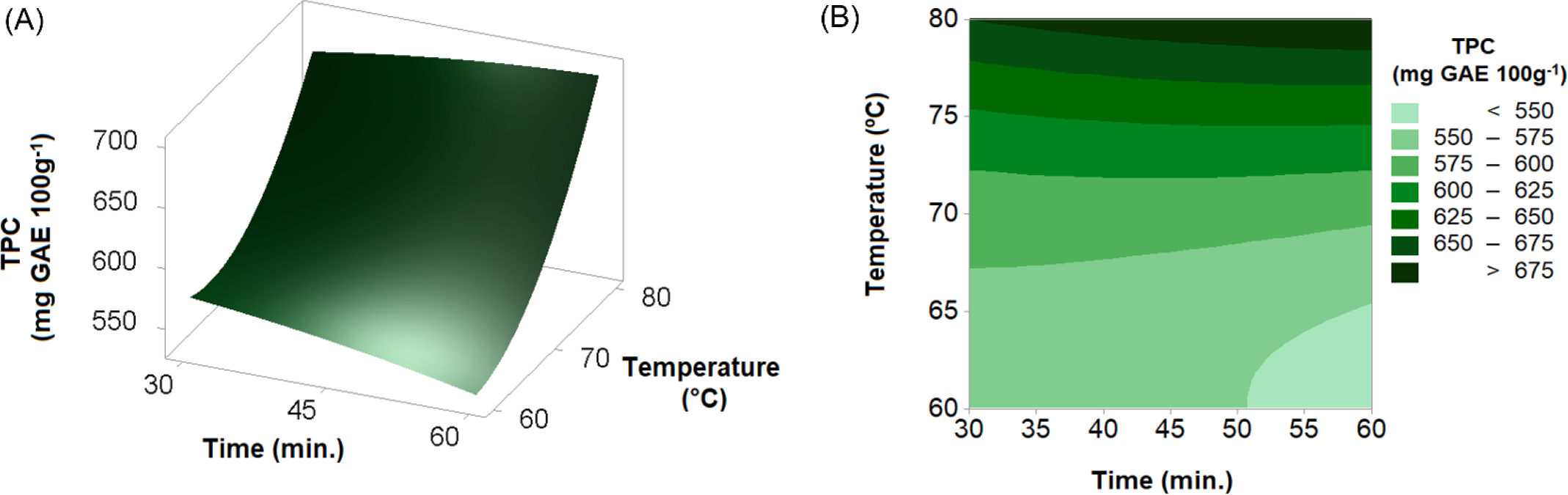
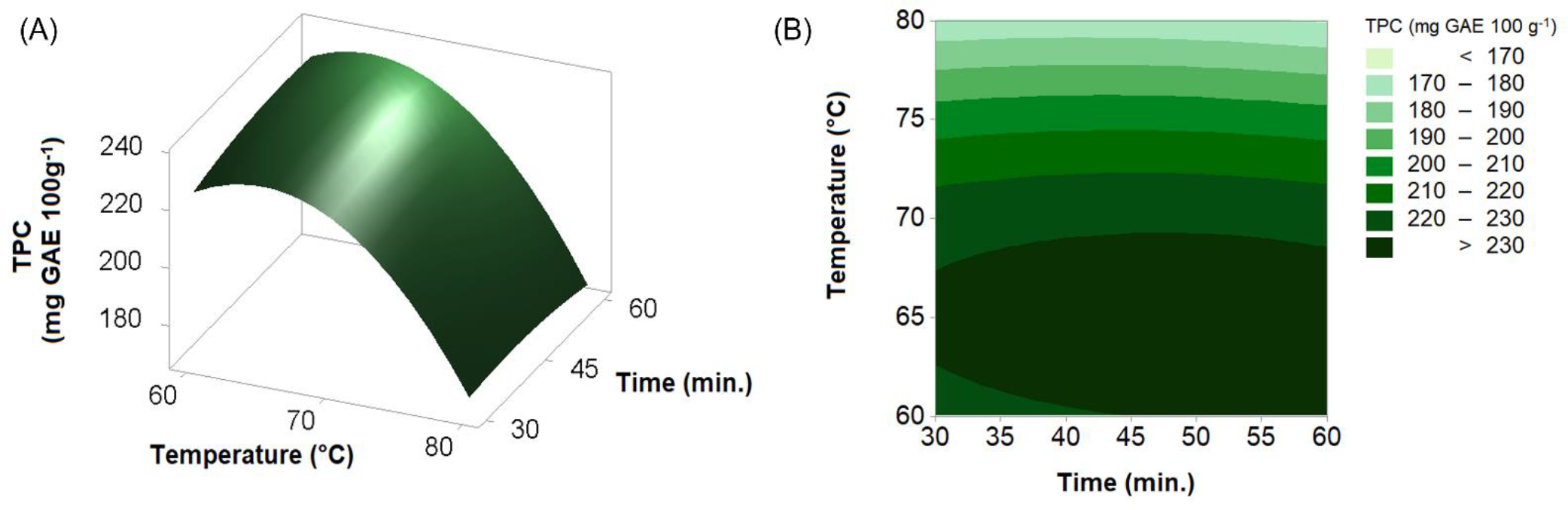
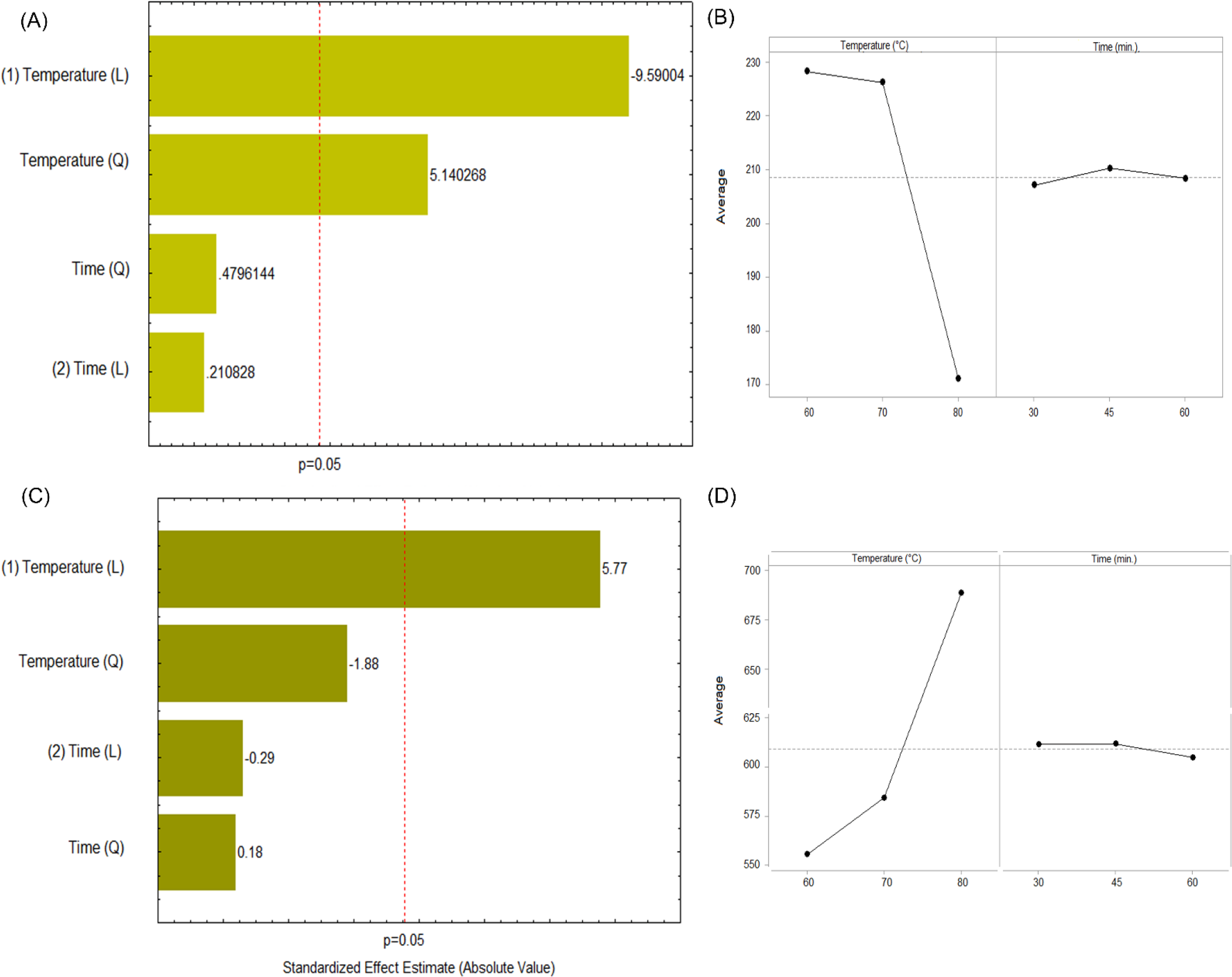
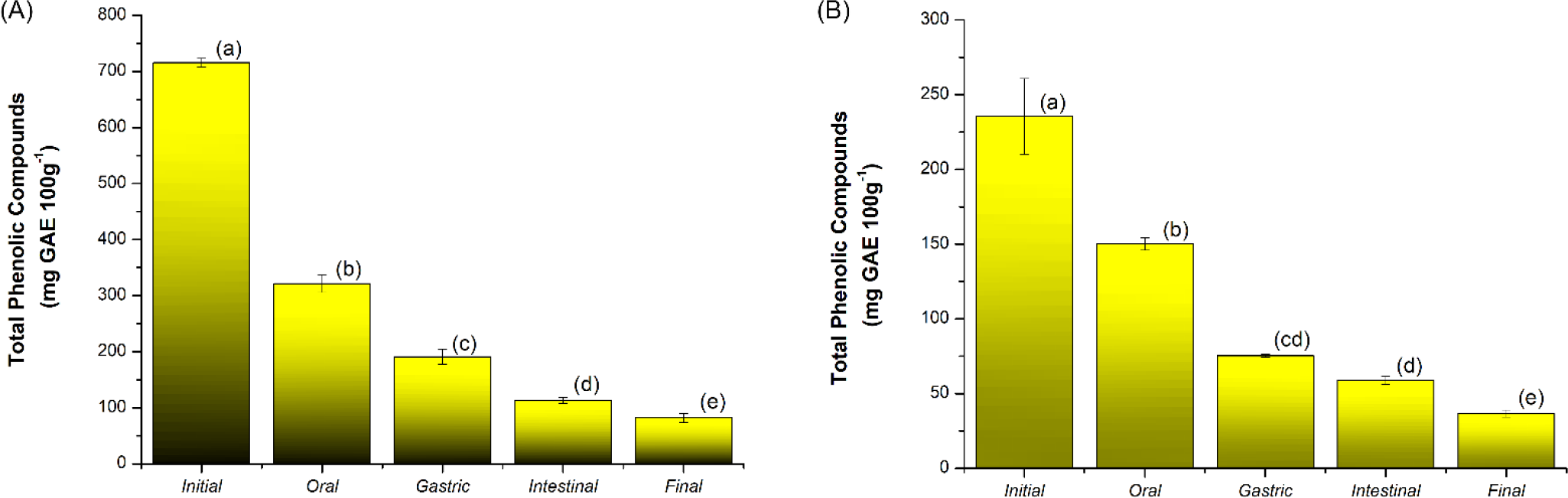
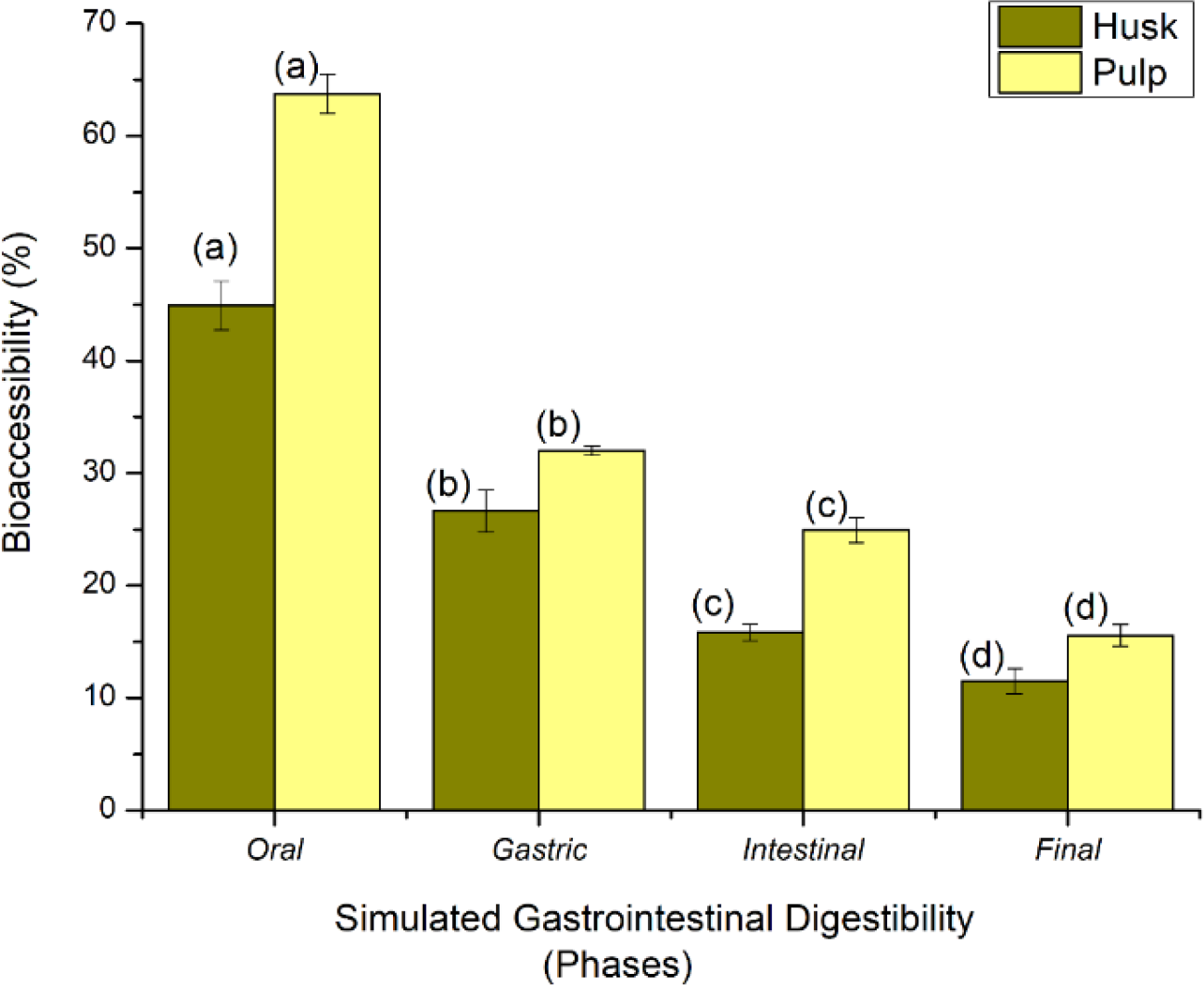
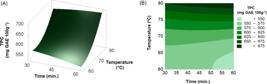
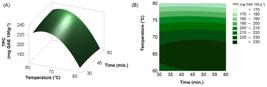
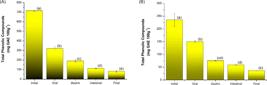
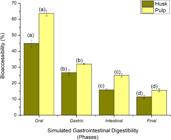
The aim was to extract bioactive compounds from the husk and pulp of Dioscorea bulbifera L. by the combination of ultrasound and solid-liquid extraction techniques, as well as to evaluate the antioxidant potential. The extraction at 80 °C for 60 minutes showed the highest content of total phenolic compounds (TPC), 715.53 ± 8.00 mg EAG 100 g-1, for the husk, while the extraction at 70°C for 45 minutes showed 235.50 ± 25.30 mg EAG 100 g-1, for the pulp. The husk and pulp extracts showed flavonoid content of 363.63 ± 8.92 and 102.44 ± 1.51 mg EC 100 g-1, respectively. The antioxidant potential was evaluated according to the FRAP assay (125.09 ± 8.52 and 32.76 ± 0.65 µM ferrous sulfate g-1), the removal of H2O2 (29% and 41%), the ABTS radical assay (66.88 ± 0.93 and 14.93 ± 0.31 µM Trolox g-1) and the β-carotene/linoleic acid system, (84% and 47%) for husk and pulp, respectively. The bioaccessibility was obtained around 25% (pulp) and 16% (husk) accessible for absorption in the intestine. The combination of ultrasound and solid-liquid extraction methods proved to be effective in extracting bioactive compounds, with possible applications in the food industry.
Keywords:
“Cara-moela”; Unconventional Food Plants; Simulated gastrointestinal digestibility; Antioxidant capacity.
Dioscorea bulbifera L. showed bioactive compounds in the husk and pulp.
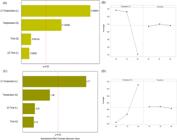
The extraction methods were optimized by mathematical modeling.
Unconventional food plant (Dioscorea bulbifera L.) showed antioxidant potential.
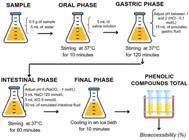
The husk and pulp showed bioaccessibility by the simulated gastrointestinal digestibility assay.
 Thumbnail
 Thumbnail
 Thumbnail
 Thumbnail
 Thumbnail
 Thumbnail