 Main chemical constituents and pharmacological activities of Dimorphandra spp.
Abstract
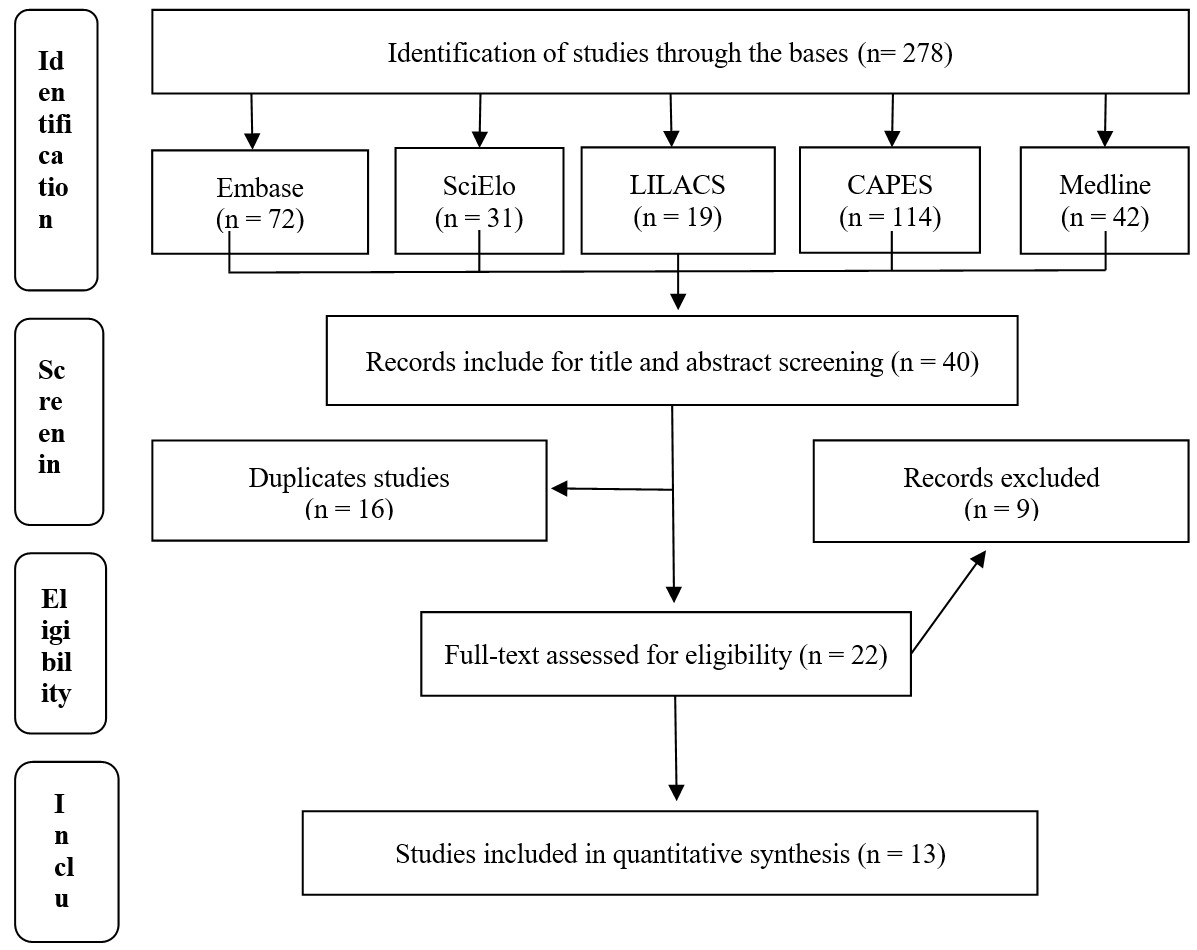
In the pharmaceutical industry, the fruits of the fava d'anta are used to extract quercetin and rutin, which are the basis for the production of medicines that work to treat varicose veins, hemorrhoids, circulatory system disorders and a variety of other conditions. The aim of this article is to carry out a comprehensive review of the chemical constitution and pharmacology of fava d'anta. This is an integrative review using the following databases: Embase, SciElo, LILACS, CAPES Periodicals and Medline, with the search expression “Dimorphandra gardneriana” OR “Dimorphandra mollis”. Studies were selected without any restrictions on language or time of publication, in order to conduct the most comprehensive search possible. A total of 278 articles were identified, of which 72 were viewed on Embase, 31 on Scielo, 19 on LILACS, 114 on CAPES and 42 on Medline. After reviewing the titles, abstracts and removing duplicates, 13 articles were obtained for full text analysis. The studies analyzed showed various pharmacological activities of the compounds extracted from the D. mollis and D. gardneriana species, including antioxidant, anti-inflammatory, neuroprotective, antiviral and lipid metabolism modulating properties. Thus, the presence of the flavonoids rutin and quercetin reinforces the potential of these species for therapeutic applications.
Keywords:
Dimorphandra gardneriana; Dimorphandra mollis; rutin; fava d'anta; chemical composition
Resumo
Na indústria farmacêutica, os frutos da fava d’anta são utilizados na extração de quercetina e rutina, que é base para a produção de medicamentos que atuam no tratamento de varizes, hemorroidas e disfunções do sistema circulatório e uma variedade de outras condições. O objetivo deste artigo é realizar uma revisão abrangente acerca da constituição química e farmacologia da fava d’anta. Trata-se de uma revisão integrativa nas bases de dados: Embase, SciElo, LILACS, Periódicos CAPES e Medline, com a expressão de busca “Dimorphandra gardneriana” OR “Dimorphandra mollis”. Foram selecionados estudos sem nenhuma restrição de idioma ou de tempo de publicação, visando a busca mais abrangente possível. Foram identificados 278 artigos, no qual foram visualizados 72 artigos no Embase, 31 na Scielo, 19 no LILACS, 114 na CAPES, e 42 no Medline. Depois de revisar os títulos, resumos e remover duplicatas, 13 artigos foram obtidos para análise de texto completo. Os estudos analisados demonstraram diversas atividades farmacológicas dos compostos extraídos das espécies D. mollis e D. gardneriana, destacam-se as propriedades antioxidantes, anti-inflamatórios, neuroprotetoras, antivirais e moduladoras do metabolismo lipídico. Sendo assim, a presença dos flavonoides rutina e quercetina reforça o potencial dessas espécies para aplicações terapêuticas.
Palavras-chave:
Dimorphandra gardneriana; Dimorphandra mollis; rutina; fava d'anta; composição química
1. Introduction
Historical records date back 60,000 years BC to the use of medicinal plants as a therapeutic practice in ancient civilizations, which became an important cultural tool (Rocha et al., 2015). These and other writings were essential for the advances, over the ages, in the use and research of natural products, so that today, in Brazil, it is possible to recognize the contribution of European, African and indigenous knowledge to the construction of phytotherapy as a socio-cultural object, representing something traditionally rooted in society (Jamshidi-Kia et al., 2017; Rocha et al., 2021).
Since the 1970s, the World Health Organization (WHO) has sought to recognize the importance of medicinal plants as a therapeutic resource and to encourage the development of new medicines based on traditionally used plants (Leite et al., 2021). It is estimated, for example, that in the last 25 years, 77.8% of anticancer drugs have been discovered from natural products (Rocha et al., 2021; Chaudhry et al., 2022).
Combined with this, Brazil's expressive biodiversity, said to be the largest in the world, with around 20% of the planet's flora, is capable of playing a strategic role in the development of alternative medicines and methods to assist in the therapy of users of phytotherapics and medicinal plants, who represent approximately 80% of the world's population (Salleh et al., 2021).
In this context, plants of the genus Dimorphandra Schott, belonging to the Fabaceae family, stand out as a target in the sphere of natural products, as they bring together relevant representatives divided into several species that share morphological characteristics, such as D. gardneriana Tul. and D. mollis Benth., popularly known in Brazil as Fava d'anta or faveiras (Landim and Costa, 2012). These specimens are widely distributed in Brazil and are common in the Cerrado, Caatinga and Atlantic Forest in states in the North, Central-West, Southeast and Northeast regions (Silva, 2019). In Ceará, faveiras can be found in the middle of the caatinga, in Chapada do Araripe, in two conservation units, the Chapada do Araripe Environmental Protection Area and the Araripe-Apodi National Forest (Nunes et al., 2012; Silva et al., 2012).
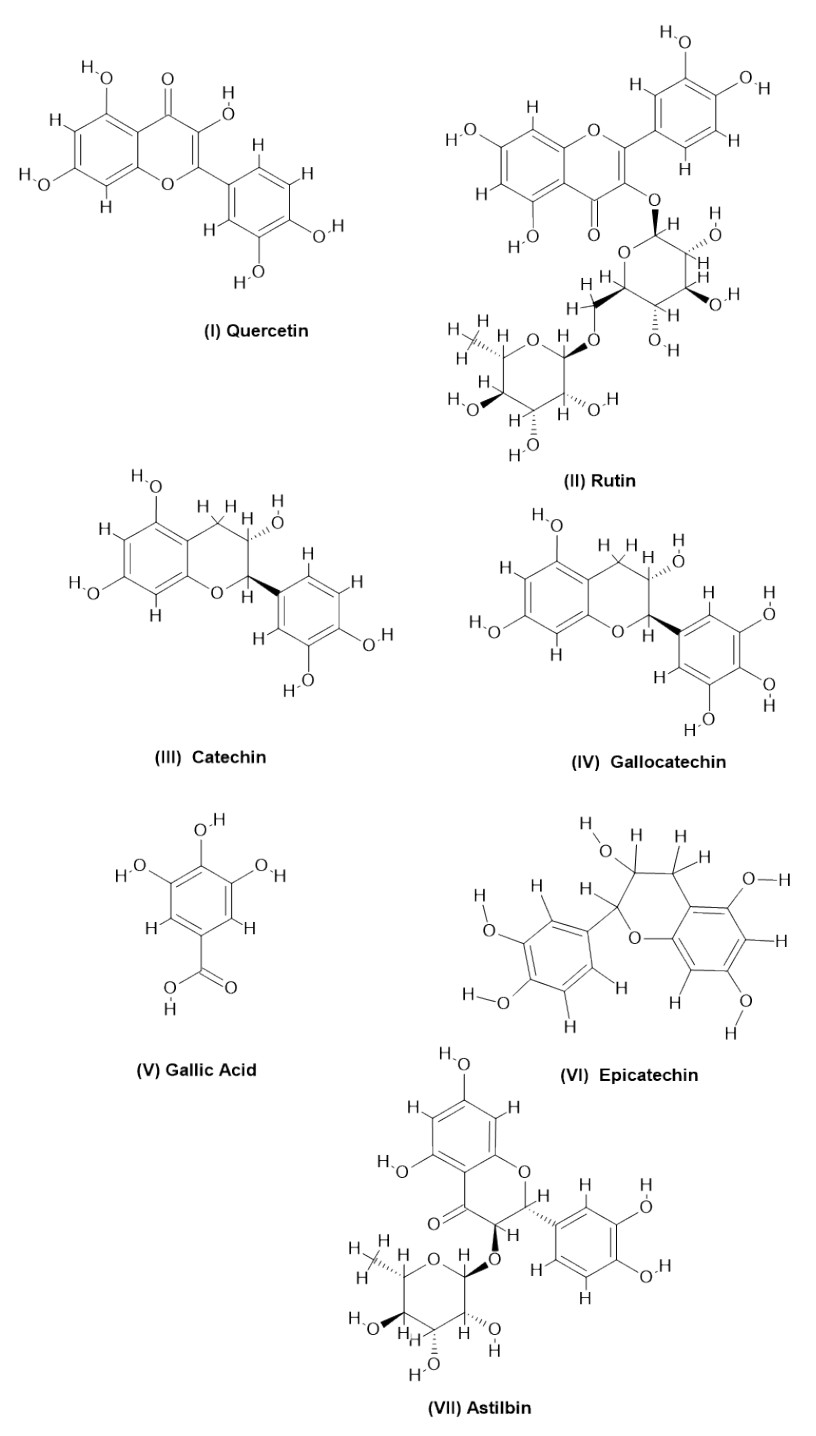
In botanical and ecological terms, both species have a number of similarities, as well as promising bioactive and medicinal compounds, which make them valuable plants for the global cosmetics and pharmaceuticals market (Rocha et al., 2024). In the pharmaceutical industry, the fruits of the fava d'anta are used to extract quercetin (I) and rutin (II), which is the basis for the production of medicines that work to treat varicose veins, hemorrhoids, circulatory system dysfunctions and a variety of other conditions (Alcântara et al., 2020; Başaran et al., 2022).
However, given the focus on extracting these substances, the plant's other potentials are little explored, so most scientific works are limited and lack a broad understanding of the plant's chemical constitution and pharmacological properties. Therefore, the aim of this article is to carry out a comprehensive review of the chemical constitution and pharmacology of Fava d'anta.
2. Materials and Methods
This study is an integrative review of the literature in which data was collected systematically in order to gain a better understanding of this medicinal species. The guiding question was “What are the main pharmacological activities of fava d'anta and what are its chemical constituents?”.
This review was carried out in November and December 2024 using various electronic databases, but quantitatively relevant and viable results were obtained from: Embase; Scientific Electronic Library Online (SciElo); Latin American and Caribbean Health Sciences Literature (LILACS); CAPES Journal Portal and Medical Literature Analysis and Retrieval System Online (MedLine). For the search strategy, several expressions were assembled from the DeCS/MeSH descriptors, however, the number of articles was extremely limited in most databases, so it was decided to use only the name of the species: “Dimorphandra gardneriana” OR “Dimorphandra mollis”.
Studies were selected without any restrictions on language or time of publication, in order to conduct the most comprehensive search possible. Subsequently, the exclusion criteria were: review articles; duplicate articles in the databases and those that did not allow complete visualization. In addition, three screenings were carried out, considering the guiding question: screening of titles and abstracts; screening of the full article; screening of the relevance of the results, according to the PRISMA® model.
The articles and their main data were categorized in Google Sheets® spreadsheets, creating an easy-to-analyze database. The entire screening process was double-checked by the researchers. In order to present the results more effectively, each article was previously identified with numbers, highlighting the title, objective, author (year) and country of origin (Table 1). In addition, the type of study, the main conclusions and the level of scientific evidence, as classified by the Oxford Centre for Evidence-Based Medicine (CEBM, 2009), were considered important variables (Table 2).
Identification of the selected articles in terms of title, objective, author (year) and country of origin.
3 Results
3.1. Characterization of the studies
From the bibliographic search, 278 articles were identified, in which 72 articles were viewed in Embase, 31 articles in Scielo, 19 in LILACS, 114 in CAPES, and 42 in Medline. After reviewing the titles, abstracts and removing duplicates, 13 articles were obtained for full text analysis (Figure 1). In classifying the results, two tables were used, Table 1 containing the title, objective, author (year) and country of origin of the articles evaluated, while Table 2 presented the evidence found.
4. Discussion
The study by Santos et al. (2002) sought to uncover the chemical composition of D. mollis, using its leaves and bark and an extract was prepared with acetone/water 7:3 (4x100 ml), evaporated, filtered and lyophilized. Subsequently, the compounds were identified using chromatography and colorimetric assays. The main phytochemicals identified in fava d'anta, described in this and other studies, are shown in Figure 2.
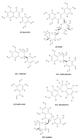
Thus, two chromatography methods were used to identify tannins and flavonoids, one based on thin layer chromatography (SLC) with silica gel eluted with acetone/toluene/formic acid 3: 3:1, with catechin (III) (Rf 0.48), gallocatechin (IV) (Rf 0.38), epicatechin-(4β-8)-catechin (Rf 0.26) and gallocatechin-(4ɑ-8)-galocatechin (Rf 0.12) as chemical reference standards. The other test was based on paper chromatography (PC) eluted with acetic acid/water/hydrochloric acid 30:10:3 and using gallic acid (V) (Rf 0.67) as a reference. Colorimetric assays were used to quantify total phenols, condensed tannins, gallotannins and protein precipitation using established standard curves (Santos et al., 2002).
CP revealed that the condensed tannins of the Dimorphandra genus are composed of procyanidin units. CCD identified that the bark extract contains monomers such as catechin and/or epicatechin (VI) and oligomers of condensed tannins, while the leaf extract only contains flavonol glycosides. Colorimetric tests indicated low levels of total phenols, condensed tannins, galotannins and protein precipitation (Santos et al., 2002).
Fideles et al. (2020) investigated the effects of rutin on intestinal mucositis in a model induced by 5-fluorouracil (5-FU), which is an antineoplastic antimetabolic agent. Swiss mice were divided into different rutin dosage groups, but the relevant dose that showed effects was 200mg/kg. After euthanasia, morphometric analysis of the intestine, assessment of oxidative stress and inflammation, as well as molecular docking to study the mechanism were carried out.
Rutin's supposed protective mechanism against intestinal mucositis is related to its binding to COX-1 and COX-2, both of which are stable. In terms of biological potency, COX-2 was the most attractive target, since rutin had a high molecular affinity, with a binding energy of -10.07 kcal/mol and an inhibition constant of 41.682nM (Fideles et al., 2020).
Rutin prevented histopathological damage such as the induction of necrosis, loss of duodenal crypt architecture, edema and vacuolization, increasing the integrity of the mucosal barrier and its absorptive capacity. It also reduced cyclooxygenase enzyme activity, neutrophil infiltration, the number of mast cells per field and 5-FU-induced degranulation. Another relevant aspect was the proof of antioxidant activity by reducing malondialdehyde (MDA) levels and increasing glutathione (GSH) levels (Fideles et al., 2020).
In this perspective, astilbin (VII), another flavonoid isolated from D. mollis, also showed relevant antioxidant activity in the study by Petacci et al. (2010). The existence of a direct interaction between astilbin and the HRP-H2O2 system was proven, with the elimination of reactive oxygen species (ROS). This flavonoid sequestered hypochlorous acid, a product of myeloperoxidase (MPO) activity; demonstrated a dose-dependent inhibitory effect on MPO activity (CI50 ~15 μM); and also proved to be an efficient inhibitor of peroxidase activity (Petacci et al., 2010).
Other biomolecules that showed antioxidant activity were D. gardneriana seed polysaccharides, galactomannans, after being sulfated with chlorosulfonic acid by Marques et al. (2015). The study proved the inhibition of the DPPH radical, with a CI50 of 7.56 μg/mL. However, the main result of this study was the ability to inhibit the replication of the DENV-2 virus by 94%, with inhibitory activity at 25 μg/mL, thus highlighting the potential of sulphated galactomannans derived from D. gardneriana as a virus entry inhibitor (Marques et al., 2015).
Menezes-Filho et al. (2018) studied the ethanolic extracts of species from the Brazilian Cerrado in order to verify their antioxidant capacity, the concentration of total phenolic compounds using the Folin-Ciocalteau reagent, and the carotenoid content using UV-Vis spectrophotometric methods. D. mollis stood out for having the highest concentration of total phenolic compounds (11.67 mg GAE/100g), as well as 730μg/100g of β-carotene and 84.57% capture of the DPPH free radical.
Silva et al. (2020) investigated the action of rutin and quercetin in modulating the response of microglia and the viability of glioma cells. The study used rat C6 glioma cells, human U251 glioblastoma and microglia isolated from the cortex of Wistar rats. Co-cultures were carried out to evaluate direct interactions and treatments with conditioned medium to analyze indirect interactions between microglia and C6 glioma cells.
It was noted that treatment with flavonoids led to an inflammatory profile, with increased expression of IL-1β and IL-18, and reduced expression of lL-6, IL-10, NOS2, PTGS2, arginase-1, TGF-β, IGF and HDGF (Silva et al., 2020).
The study identified that flavonoids had the ability to stimulate microglia to generate an immune response with an inflammatory profile, migrating to the tumor environment and acquiring the ability to reduce the proliferation of glioma cells, which was associated with the inhibition of growth factor expression in cultures (Silva et al., 2020).
The study carried out by Kanashiro et al. (2009) used 95% pure rutin extracted from D. mollis. The experiment involved golden Syrian hamsters, all male, which were divided into 4 groups: group one was the control group, in which the animals received a normal rodent diet; in group two the animals received high-fat diets; in group three the animals received high-fat diets, but were supplemented with 0.8% (w/w) rutin; while in group four the animals received a normal diet supplemented with 0.8% (w/w) rutin.
This study showed that a high-fat diet induced hypercholesterolemia in hamsters, increasing plasma lipids, lipoproteins and body weight. Rutin supplementation significantly reduced triglycerides, without significantly altering total cholesterol, HDL or weight. In addition, rutin did not affect biochemical and hematological parameters or show toxicity (Kanashiro et al., 2009).
In the study by Freitas et al. (2011), rutin extracted with recrystallization in tetrahydrofuran from the seeds of D. mollis was used to evaluate its effect against inflammation in vitro, in a line of cells derived from human glioblastoma GL-15 grown to confluence in polystyrene plates. The cells were then treated with rutin at concentrations of 50 µM and 100 µM for 24 and 72 hours, after which the supernatant was collected for quantification of VEGF and TGF-β using ELISA. In this case, untreated cultures or cultures treated with dimethyl sulfoxide (DMSO) were used as a control.
The study found that rutin reduced the levels of VEGF and TGF-β in GL-15 cells at concentrations of 50 µM and 100 µM after 24 hours. However, this inhibition was reversed within 72 h, suggesting possible instability of the molecule, development of resistance or metabolism of the substance by the cells (Freitas et al., 2011).
The study by Oliveira et al. (2017) aimed to evaluate the anthelmintic activity of acetonic and ethanolic extracts of D. gardneriana leaves and bark. To this end, eggs and third-stage larvae (L3) were isolated from a goat naturally infected with Haemonchus contortus. After this, tests such as egg hatching (EHA), inhibition of larval exudation (LEIA) and larval development (LDA) were carried out.
In the study by Vila-Nova et al. (2012), rutin and quercetin, isolated from D. gardneriana grains, were evaluated for their leishmanicidal and cholinesterase inhibitory activity. The Leishmania infantum chagasi (Lic-luc) strain was cultivated in promastigote form and subjected to a leishmanicidal test in microplates with different concentrations of the compounds (100-6.25 μg/mL), using pentamidine as a positive control. The viability of the promastigotes was analyzed by microscopy and optical density. To evaluate the amastigote form, infected RAW 264.7 macrophages were treated with the compounds for 48 h, and viability was determined by ELISA, with amphotericin B as a positive control.
Thus, the study found that rutin and quercetin showed leishmanicidal activity on both promastigote and amastigote forms in a similar way to pentamidine and amphotericin B. In the evaluation of AChE inhibition, however, these compounds were less active, with inhibition zones of 0.6 cm, compared to physostigmine with an inhibition zone of 0.9 cm (Vila-Nova et al., 2012).
Roseghini et al. (2007) studied the effects of the flavonoid rutin on thymus and spleen lymphocytes from male Wistar rats. The cells were studied in the presence or absence of mitogens, such as Concanavalin A (ConA), a lecithin extracted from the plant Canavalia ensiformis, Pokeweed Mitogen (PWM), extracted from the plant Phytolacca americana, Lipopolysaccharide (LPS), from the Gram-negative bacterium E. coli, using three different methods. coli bacteria, using three different concentrations of rutin (10 nM, 1 uM, 10 uM) and incubation times of 24, 48 or 72 hours at 37°C.
To assess the effect of rutin on cell proliferation induced by mitogens, thymidine was incorporated. After the addition of mitogens and rutin, incubation was carried out in 96-well plates in triplicate for 48 or 72 hours at 37°C. As a result, splenic lymphocytes in which ConA was stimulated showed an 11% decrease in proliferation after 48 hours with rutin at a concentration of 1 μM. When thymocytes were stimulated with ConA after 72 hours, rutin at a higher concentration (10 nM) caused a 15% inhibition. Therefore, with these results, the study indicated that rutin acts at different stages of cell proliferation (Roseghini et al., 2007).
The study also evaluated the change in apoptosis, observing that thymocytes and splenocytes in the presence of rutin at 10 μM showed an increase of 17% in 24 hours and 33% in 48 hours, respectively when stimulated by PWN. When stimulated with LPS, splenocytes showed a 20% decrease in apoptosis. Finally, in view of the increase in apoptosis in thymocytes with the use of PWN in the earliest period of stimulation and in splenocytes in the later period in the presence of rutin, added to the significant decrease in IFN-γ production, it shows that rutin has a different sensitivity for cells stimulated by this mitogen (Roseghini et al., 2007).
In the research carried out by Roseghini et al. (2009), the effects of the flavonoid rutin on the viability and function of hybrid B cells were investigated, assessing how it influences the production of monoclonal antibodies and cell proliferation, under conditions of mitogenic stimulation. Rutin was extracted from D. mollis seeds with a purity of 98%. With regard to antibody production, rutin at a concentration of 50 μM reduced monoclonal antibody production by 64% and 84% after 48 and 72 hours, respectively. As for the proliferation of hybrid B cells, there was an inhibition of up to 82% when treatment was carried out with rutin at 50 μM after 48 hours. It can therefore be concluded that rutin had a cytotoxic effect on the cells.
In addition, the study examined rutin-induced apoptosis, which had a one- to five-fold increase in the number of apoptotic cells, suggesting that this substance may act as a potential therapeutic agent in contexts where modulation of the immune response is sought (Roseghini et al., 2009).
In the study carried out by Nunes et al. (2018), the researchers studied the antioxidant activity and Sun Protection Factor (SPF) of the ethanolic extract of D. gardneriana seeds and the results obtained were very promising, suggesting that this extract has enormous photoprotective (SPF of 20.12) and antioxidant potential (IC50 of 4.91 ± 0.12), with significant implications for skin health and the development of natural cosmetic products (Nunes et al. 2018).
A limitation of this research is the non-inclusion of gray literature, such as theses, dissertations, undergraduate monographs and annals of scientific events, among other sources. Although these materials may contain relevant information not described in indexed journals (Adams et al., 2017), their exclusion is justified by the fact that they often have less methodological rigor or may be subject to bias (Adams et al., 2017).
5. Conclusion
The studies analyzed showed various pharmacological activities of the compounds extracted from the D. mollis and D. gardneriana species, including antioxidant, anti-inflammatory, neuroprotective, antiviral and lipid metabolism modulating properties.
The presence of the flavonoids rutin and quercetin reinforces the potential of these species for therapeutic applications. However, despite the promising results, there is a need for more studies on the isolation and characterization of the phytochemicals of Fava d'anta, their mechanisms of action, and the safety and efficacy of these substances, especially in rigorous clinical trials.
References
-
ADAMS, R.J., SMART, P. and HUFF, A.S., 2017. Shades of grey: guidelines for working with the grey literature in systematic reviews for management and organizational studies. International Journal of Management Reviews, vol. 19, no. 4, pp. 432-454. http://doi.org/10.1111/ijmr.12102
» http://doi.org/10.1111/ijmr.12102 -
ALCÂNTARA, M.S., DUARTE, A.E., BOLIGON, A.A., CAMPOS, M.M.A., LUCENA, R.F.P., PINHEIRO, M.A. and CRUZ, D.D., 2020. Effects of different levels of exploration on the ecological processes of Dimorphandra gardneriana, a tropical savanna tree. Environmental Monitoring and Assessment, vol. 192, no. 6, pp. 378. http://doi.org/10.1007/s10661-020-08344-9 PMid:32424709.
» http://doi.org/10.1007/s10661-020-08344-9 -
BAŞARAN, E., ÖZTÜRK, A.A., ŞENEL, B., DEMIREL, M. and SARICA, Ş., 2022. Quercetin, rutin and quercetin-rutin incorporated hydroxypropyl β-cyclodextrin inclusion complexes. European Journal of Pharmaceutical Sciences, vol. 172, pp. 106153. http://doi.org/10.1016/j.ejps.2022.106153 PMid:35227839.
» http://doi.org/10.1016/j.ejps.2022.106153 -
CENTRE FOR EVIDENCE-BASED MEDICINE – CEBM, 2009 [viewed 2 May 2025]. Levels of evidence [online]. University of Oxford. Available from: http://www.cebm.net/oxford-centre-evidencebased-medicine-levels-evidence-march-2009/
» http://www.cebm.net/oxford-centre-evidencebased-medicine-levels-evidence-march-2009/ -
CHAUDHRY, G.E.S., MD AKIM, A., SUNG, Y.Y. and SIFZIZUL, T.M.T., 2022. Cancer and apoptosis: the apoptotic activity of plant and marine natural products and their potential as targeted cancer therapeutics. Frontiers in Pharmacology, vol. 13, pp. 842376. http://doi.org/10.3389/fphar.2022.842376 PMid:36034846.
» http://doi.org/10.3389/fphar.2022.842376 -
FIDELES, L.D.S., MIRANDA, J.A.L., MARTINS, C.D.S., BARBOSA, M.L.L., PIMENTA, H.B., PIMENTEL, P.V.D.S. and CERQUEIRA, G.S., 2020. Role of Rutin in 5-Fluorouracil-Induced Intestinal Mucositis: prevention of histological damage and reduction of inflammation and oxidative stress. Molecules, vol. 25, no. 12, pp. 2786. http://doi.org/10.3390/molecules25122786
» http://doi.org/10.3390/molecules25122786 -
FREITAS, S., COSTA, S., AZEVEDO, C., CARVALHO, G., FREIRE, S., BARBOSA, P. and NASCIMENTO, I., 2011. Flavonoids inhibit angiogenic cytokine production by human glioma cells. Phytotherapy Research, vol. 25, no. 6, pp. 916-921. http://doi.org/10.1002/ptr.3338 PMid:21170924.
» http://doi.org/10.1002/ptr.3338 -
JAMSHIDI-KIA, F., LORIGOOINI, Z. and AMINI-KHOEI, H., 2017. Medicinal plants: past history and future perspective. Journal of Herbmed Pharmacology, vol. 7, no. 1, pp. 1-7. http://doi.org/10.15171/jhp.2018.01
» http://doi.org/10.15171/jhp.2018.01 -
KANASHIRO, A., ANDRADE, D.C., KABEYA, L.M., TURATO, W.M., FACCIOLI, L.H., UYEMURA, S.A. and LUCISANO-VALIM, Y.M., 2009. Modulatory effects of rutin on biochemical and hematological parameters in hypercholesterolemic Golden Syrian hamsters. Anais da Academia Brasileira de Ciências, vol. 81, no. 1, pp. 67-72. http://doi.org/10.1590/S0001-37652009000100009 PMid:19274333.
» http://doi.org/10.1590/S0001-37652009000100009 -
LANDIM, L.P. and COSTA, J.G.M., 2012. Dimorphandra gardneriana Tulasne (Fava d’anta)-an approach ethnobotanical and risk of extinction. Revista da Biologia, vol. 9, no. 1, pp. 6-11. http://doi.org/10.7594/revbio.09.01.02
» http://doi.org/10.7594/revbio.09.01.02 -
LEITE, P.M., CAMARGOS, L.M. and CASTILHO, R.O., 2021. Recent progess in phytotherapy: a Brazilian perspective. European Journal of Integrative Medicine, vol. 41, pp. 101270. http://doi.org/10.1016/j.eujim.2020.101270
» http://doi.org/10.1016/j.eujim.2020.101270 -
MARQUES, M.M.M., MORAIS, S.M.D., SILVA, A.R.A.D., BARROSO, N.D., PONTES FILHO, T.R., ARAÚJO, F.M.D.C. and GUEDES, M.I.F., 2015. Antiviral and antioxidant activities of sulfated galactomannans from plants of caatinga biome. Evidence-Based Complementary and Alternative Medicine, vol. 2015, no. 1, pp. 591214. http://doi.org/10.1155/2015/591214 PMid:26257815.
» http://doi.org/10.1155/2015/591214 -
MENEZES FILHO, A.C.P., OLIVEIRA FILHO, J.G., CHRISTOFOLI, M. and SOUZA, C.F., 2018. Atividade antioxidante, conteúdo de fenólicos totais, carotenoides e Provitamina A em extratos vegetais do Cerrado Goiano. Uniciências, vol. 22, no. 1, pp. 28. http://doi.org/10.17921/1415-5141.2018v22n1p28-32
» http://doi.org/10.17921/1415-5141.2018v22n1p28-32 -
NUNES, A.R., RODRIGUES, A.L.M., QUEIRÓZ, D.B., VIEIRA, I.G.P., CÂMARA NETO, J.F., CALIXTO JUNIOR, J.T., TINTINO, S.R., MORAIS, S.M. and COUTINHO, H.D.M., 2018. Photoprotective potential of medicinal plants from Cerrado biome (Brazil) in relation to phenolic content and antioxidant activity. Journal of Photochemistry and Photobiology. B, Biology, vol. 189, no. 18, pp. 119-123. http://doi.org/10.1016/j.jphotobiol.2018.10.013 PMid:30342307.
» http://doi.org/10.1016/j.jphotobiol.2018.10.013 -
NUNES, J.D., NERY, P.S., FIGUEIREDO, L.S., COSTA, C.A. and MARTINS, E.R., 2012. O extrativismo da fava d’anta (Dimorphandra mollis Benth.) na região do Norte de Minas Gerais. Revista Brasileira de Plantas Medicinais, vol. 14, no. 2, pp. 370-375. http://doi.org/10.1590/S1516-05722012000200018
» http://doi.org/10.1590/S1516-05722012000200018 -
OLIVEIRA, A.F., COSTA JUNIOR, L.M.C., LIMA, A.S., SILVA, C.R., RIBEIRO, M.N.S., MESQUISTA, J.W.C., ROCHA, C.Q., TANGERINA, M.M.P. and VILEGAS, W., 2017. Anthelmintic activity of plant extracts from Brazilian savanna. Veterinary Parasitology, vol. 236, pp. 121-127. http://doi.org/10.1016/j.vetpar.2017.02.005
» http://doi.org/10.1016/j.vetpar.2017.02.005 -
PETACCI, F., FREITAS, S.S., BRUNETTI, I.L. and KHALIL, N.M., 2010. Inhibition of peroxidase activity and scavenging of reactive oxygen species by astilbin isolated from Dimorphandra mollis (Fabaceae, Caesalpinioideae). Biological Research, vol. 43, no. 1, pp. 63-74. http://doi.org/10.4067/S0716-97602010000100008 PMid:21157633.
» http://doi.org/10.4067/S0716-97602010000100008 -
ROCHA, F.A.G., ARAÚJO, M.D., COSTA, N.D.L. and SILVA, R.D., 2015. O uso terapêutico da flora na história mundial. Holos, vol. 1, pp. 49-61. http://doi.org/10.15628/holos.2015.2492
» http://doi.org/10.15628/holos.2015.2492 -
ROCHA, L.P.B., OLIVEIRA ALVES, J.V., SILVA AGUIAR, I.F., SILVA, F.H., SILVA, R.L., ARRUDA, L.G. and SILVA, M.V., 2021. Uso de plantas medicinais: histórico e relevância. Research, Social Development, vol. 10, no. 10, e44101018282. http://doi.org/10.33448/rsd-v10i10.18282
» http://doi.org/10.33448/rsd-v10i10.18282 -
ROCHA, V.D.D., DAL’SASSO, T.C.D.S., WILLIAMS, C.C.V., SIMON, M.F., BUENO, M.L. and OLIVEIRA, L.O.D., 2024. From forest to savanna and back to forest: evolutionary history of the genus Dimorphandra (Fabaceae). Journal of Plant Research, vol. 137, no. 3, pp. 377-393. http://doi.org/10.1007/s10265-024-01523-6 PMid:38369599.
» http://doi.org/10.1007/s10265-024-01523-6 -
ROSEGHINI, R., FALCÃO, G.M., COSTA, J.F.O., CLARÊNCIO, J., NASCIMENTO, I., VELOZO, E. and FREIRE, S.M., 2009. The flavonoid rutin but not the alkaloid arborinine induces apoptosis in a B-cell hybridoma cell line. Planta Medica, vol. 75, no. 5, pp. 488-493. http://doi.org/10.1055/s-0029-1185316 PMid:19235127.
» http://doi.org/10.1055/s-0029-1185316 -
ROSEGHINI, R., ROCHA, D.S., CLARÊNCIO, J., COSTA, S.L., COSTA, M.F.D., TARDY, M. and FREIRE, S., 2007. Flavonoid rutin alters the viability and function of mitogen-stimulated splenocytes and thymocytes compared with non stimulated cells. Immunopharmacology and Immunotoxicology, vol. 29, no. 2, pp. 271-285. http://doi.org/10.1080/08923970701512940 PMid:17849271.
» http://doi.org/10.1080/08923970701512940 -
SALLEH, N.H., ZULKIPLI, I.N., MOHD YASIN, H., JA’AFAR, F., AHMAD, N., WAN AHMAD, W.A.N. and AHMAD, S.R., 2021. Systematic review of medicinal plants used for treatment of diabetes in human clinical trials: an ASEAN perspective. Evidence-Based Complementary and Alternative Medicine, vol. 2021, no. 1, pp. 5570939. http://doi.org/10.1155/2021/5570939 PMid:34691218.
» http://doi.org/10.1155/2021/5570939 -
SANTOS, S.C., COSTA, W.F., RIBEIRO, J.P., GUIMARÃES, D.O., FERRI, P.H., FERREIRA, H.D. and SERAPHIN, J.C., 2002. Tannin composition of barbatimão species. Fitoterapia, vol. 73, no. 4, pp. 292-299. http://doi.org/10.1016/S0367-326X(02)00081-3 PMid:12234571.
» http://doi.org/10.1016/S0367-326X(02)00081-3 -
SILVA, A.B., COELHO, P.L.C., NEVES OLIVEIRA, M., OLIVEIRA, J.L., AMPARO, J.A.O., SILVA, K.C. and COSTA, S.L., 2020. The flavonoid rutin and its aglycone quercetin modulate the microglia inflammatory profile improving antiglioma activity. Brain, Behavior, and Immunity, vol. 85, pp. 170-185. http://doi.org/10.1016/j.bbi.2019.05.003 PMid:31059805.
» http://doi.org/10.1016/j.bbi.2019.05.003 - SILVA, G.S., 2019. Contribuição na delimitação de espécies do gênero neotropical Dimorphandra Schott (Fabaceae Caesalpinioideae) Manaus: Instituto Nacional de Pesquisas da Amazônia, 132 p. Dissertação de Mestrado em Biologia (Botânica).
- SILVA, S.R., SCARIOT, A. and MEDEIROS, M.B., 2012. Uso e práticas de manejo de faveira (Dimorphandra gardneriana Tul.) na região da Chapada do Araripe, Ceará: implicações ecológicas e socioeconômicas. Biodiversidade Brasileira, vol. 2, no. 2, pp. 65-73. http://doi.org/10.37002/biodiversidadebrasileira.v2i2.274.
-
VILA-NOVA, N.S., MORAIS, S.M., FALCÃO, M.J., BEVILAQUA, C.M., RONDON, F., WILSON, M.E. and ANDRADE, H.F., 2012. Leishmanicidal and cholinesterase inhibiting activities of phenolic compounds of Dimorphandra gardneriana and Platymiscium floribundum, native plants from Caatinga biome. Pesquisa Veterinária Brasileira, vol. 32, no. 11, pp. 1164-1168. http://doi.org/10.1590/S0100-736X2012001100015
» http://doi.org/10.1590/S0100-736X2012001100015