 Identification of growth-promoting microorganisms and their impact on chickpea growth in tropical regions
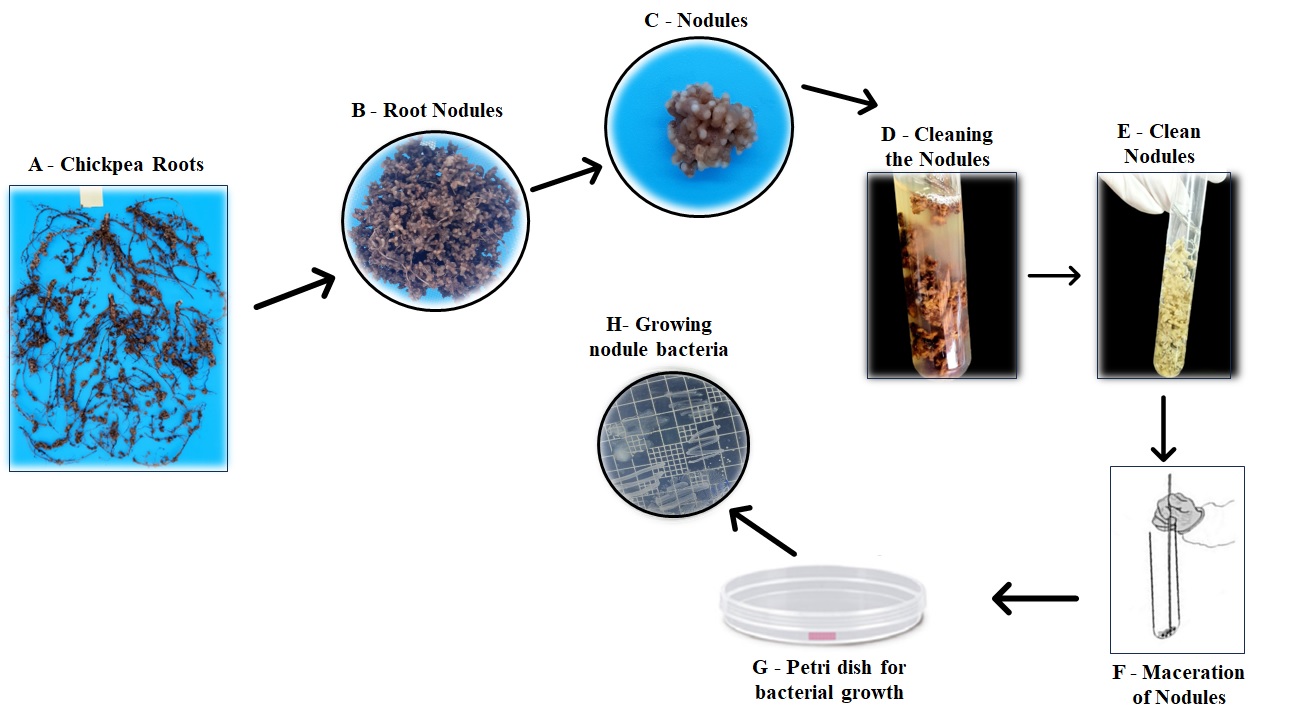
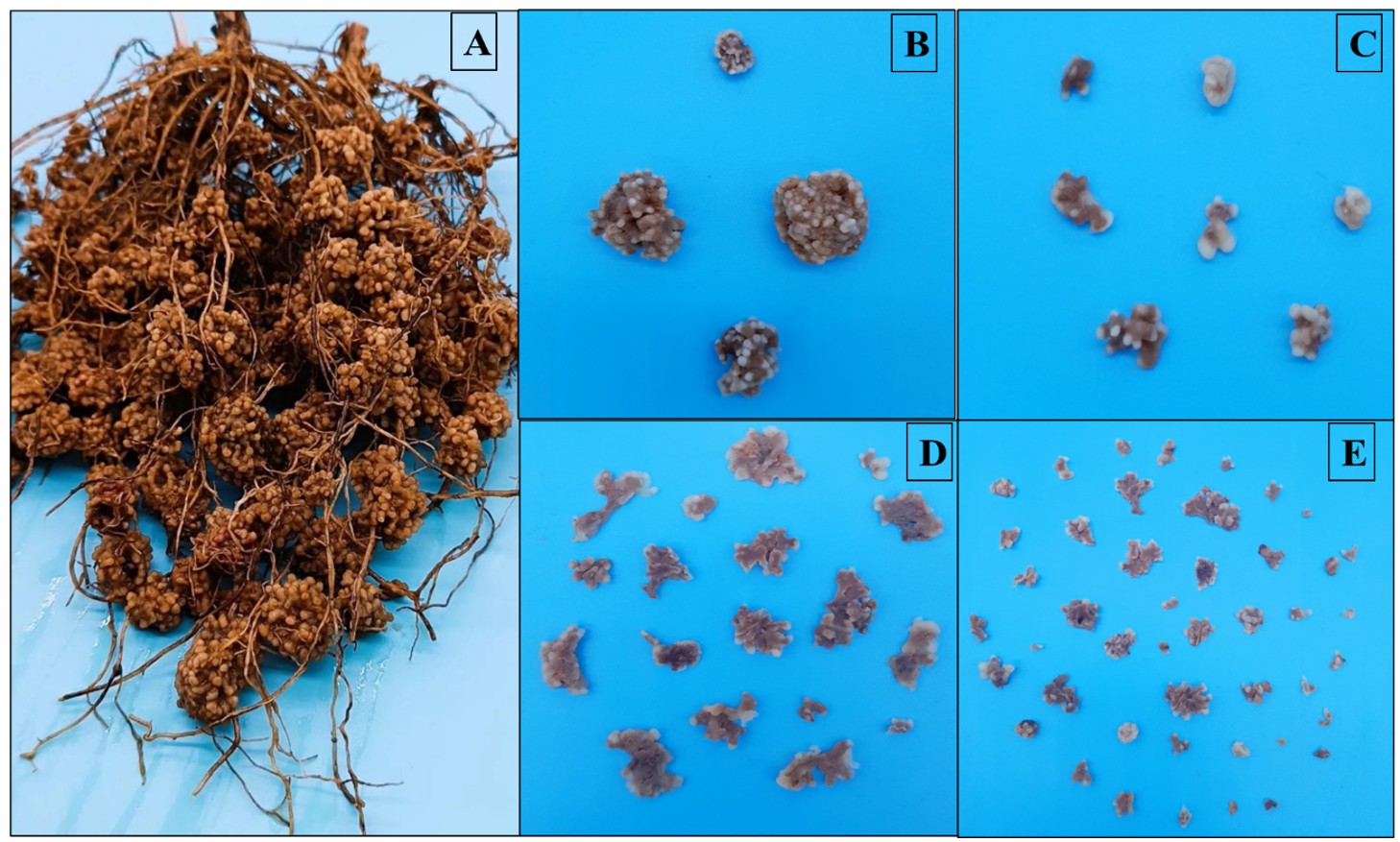
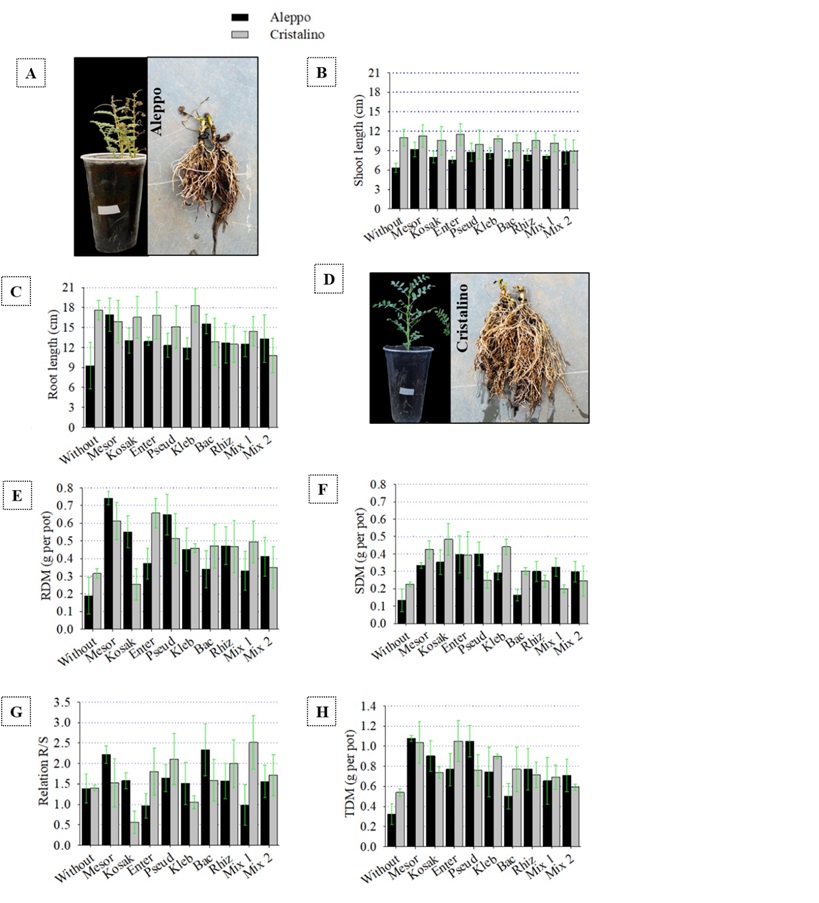
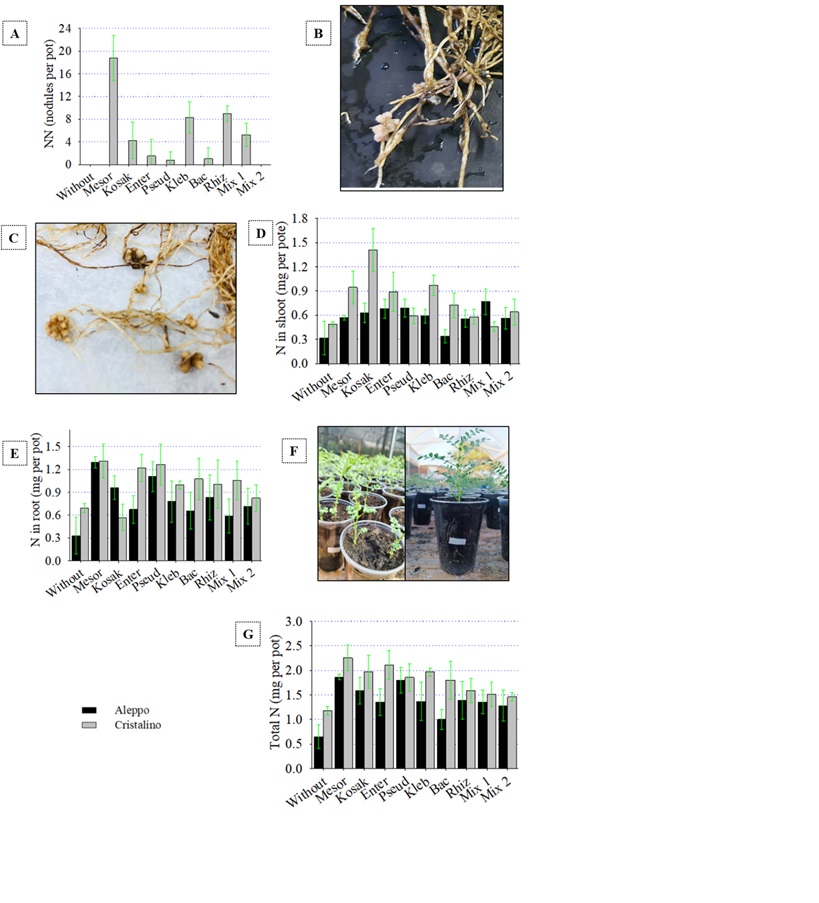
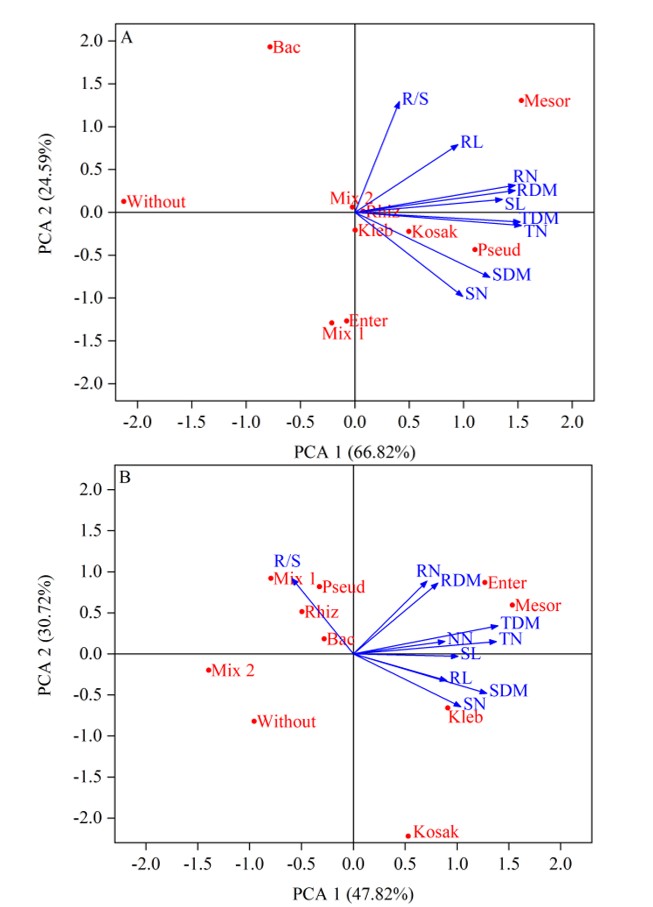
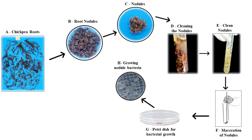
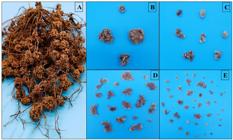
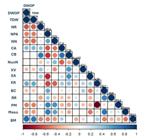
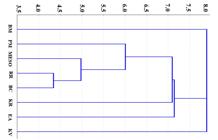
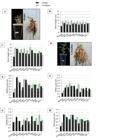
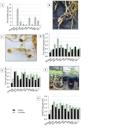
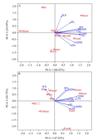
The study of plant growth-promoting microorganisms is crucial for developing new agricultural strategies aimed at increasing productivity and resilience in semi-arid environments, where water scarcity and soil degradation pose critical challenges. Therefore, this study aimed to identify and relate the effects of inoculation of growth-promoting or nodulating microorganisms in isolates from chickpea roots grown in a semiarid region. The nodules were washed with distilled water, 95% ethanol and 3% NaClO. They were then crushed, and the resulting suspension was diluted six times in saline solution. The microorganisms were inoculated in YMA culture medium and observed for colony counting. Microbiological analyses and biochemical identification were conducted to identify the isolates. Eight bacterial species were identified: Bacillus cereus, Bacillus mycoides, Enterobacter asburiae, Klebsiella variicola, Kosakonia radicincitans, Mesorhizobium sp. 1, Pseudomonas monteilii, and Rhizobium radiobacter. Two chickpea cultivars, Aleppo and Cristalino, were planted in a greenhouse to assess the effects of the identified microorganisms. The plants were inoculated and grown for 72 days. The Cristalino cultivar showed improvement in root length, shoot dry weight, number of nodules, and total nitrogen content when inoculated with Klebsiella variicola and Mesorhizobium sp. 1. The Aleppo cultivar showed greater root dry weight, total dry weight, and root-to-shoot ratio when inoculated with Mesorhizobium sp. 1 and Bacillus cereus. All the microorganisms found in this study have significant potential to promote chickpea plant growth.
Keywords:
associative bacteria; Mesorhizobium sp.; native bacteria; root nodules; sustainable production
 Thumbnail
 Thumbnail
 Thumbnail
 Thumbnail
 Thumbnail
 Thumbnail
 Thumbnail