 Morphology, anticancer and neurological activities of Hericium erinaceus
Abstract
Hericium erinaceus, commonly known as Lion's Mane, is a species of medicinal mushroom that possesses remarkable therapeutic properties and has been extensively employed in the practice of traditional Chinese medicine. H. erinaceus demonstrates various medicinal properties, including antimicrobial, anti-hypertensive, anti-diabetic, and positive wound-healing effects. Furthermore, it is worth noting that this substance consists of various physiologically vital constituents, specifically glucan polysaccharides, which exhibit anti-cancer, immunomodulatory, hypolipidemic, antioxidant, and neuroprotective properties. This review examines the scientific literature to gain insight into the latest research advancements concerning the potential health advantages of H. erinaceus. In this study, we compiled a comprehensive inventory of bioactive compounds and examined their therapeutic capabilities, specifically focusing on their potential for exhibiting antiproliferative and neuroprotective pharmacological effects.
Keywords:
Hericium erinaceus; Lion’s Mane; anti-cancer; neuroprotective mushroom; Alzheimer's Disease
Resumo
Hericium erinaceus, comumente conhecido como juba-de-leão, é uma espécie de cogumelo medicinal que possui propriedades terapêuticas notáveis e tem sido amplamente utilizada na prática da medicina tradicional chinesa. H. erinaceus demonstra diversas propriedades medicinais, incluindo efeitos antimicrobianos, anti-hipertensivos, antidiabéticos e cicatrizantes. Além disso, vale ressaltar que esta substância é composta de vários constituintes fisiológicos vitais, especificamente polissacarídeos glucanos, que apresentam propriedades anticancerígenas, imunomoduladoras, hipolipemiantes, antioxidantes e neuroprotetoras. Esta revisão examina a literatura científica para obter insights sobre os avanços mais recentes em pesquisas acerca dos potenciais benefícios do H. erinaceus para a saúde. Neste estudo, compilamos um inventário abrangente de compostos bioativos e examinamos suas capacidades terapêuticas, com foco específico em seu potencial para exibir efeitos farmacológicos antiproliferativos e neuroprotetores.
Palavras-chave:
Hericium erinaceus; juba-de-leão; anticâncer; cogumelo neuroprotetor; Doença de Alzheimer
1. Introduction
Mushrooms are ancient eukaryotic organisms (fungi) with a history of approximately two billion years (Heads et al., 2017), and their long history and wide biological diversity have attracted life scientists and naturalists for a long time. Mushrooms are used in traditional Chinese medicine for their medicinal benefits, and they have many roles in modern medicine due to their positive influence on both quality of life and life expectancy. The 20th century saw a revolution in infectious disease treatment with the discovery of penicillin in 1928 by Alexander Fleming (Gaynes, 2017). During the 20th century, mycologists also discovered that some fungi had been utilized for thousands of years as recorded by early Greek physicians as treatments for such diseases in addition to their beneficial role in wound healing and actions as anti-inflammatory compounds (Stamets and Zwickey, 2014; Zang et al., 2013). Leishmaniasis and Plasmodium falciparum malaria are examples of such diseases that cause global health problems and have been successfully treated using medicinal fungi (Ashley et al., 2014; Hefnawy et al., 2017). This review presents our knowledge of recent advances in the use of the Hericium erinaceus mushroom as a source of novel therapeutic agents for treating different cancers and neuro-generative diseases.
2. Taxonomy of Hericium erinaceus
Taxonomists traditionally divide the kingdom mushrooms (fungi) into four phyla based on the nature of sexual reproduction and the organ structure facilitating the process: (1) Chytridiomycota, (2) Zygomycota, (3) Ascomycota, and (4) Basidiomycota (Kendrick, 2006). The Basidiomycota phylum includes the Hericiaeceae family, which has five genera (Hericium, Dentipelis, Creolophus, Pseudowrightoporia, and Wrightoporiopsis) and up to 40 registered and recognized species in the National Center for Biotechnology Information (NCBI). Several studies describe that this family shares similarities in terms of their characteristics with other families, mainly Auriscalpiaecae, Echinadontaceae, Russulaceae, Schizophyllaceae, and Stereaceae (Boddy et al., 2011; Ţura et al., 2016; Kunca and Čiliak, 2017b; Ji et al., 2018).
Hericiaceae has widespread inhibitory activities against wood causing white-colored decay of deciduous and coniferous trees. Ecologically, members are white-rot fungi, but many species within this genus are also essential as nutrition sources (Hallenberg et al., 2013). Hericiaceae is a dentate and coralloid basidiomycete genus, the most widely recognized genus of this family isHericium. And the fungal genus name and taxonomically belongs to Basidiomycota, Agricomycotina, Agaricomycetes, Incertaesedis, Russulales, and Hericiaceae. Hericium has 11 species, all of which belong to the genus Hericium. These species include H. abietis, H. alpestre, H. cf. alpestre K(M) 107270, H. americanum, H. bharengense, H. cirrhatum, H. coralloides, H. cf. oralloides 1 MB-2018, H. erinaceus, H. cf. erinaceus, H. flagellum, H. novae-zealandiae, H. rajchenbergii, H. rajendrae, and H. yumthangense (Phan and Sabaratnam, 2012).
The H. erinaceus mushroom is also called lion’s mane. Despite its long-standing use in Chinese medicine and Eastern cuisine, it has a relatively short history in the scientific community. Nearly two decades ago, scientists learned about the health-promoting and medicinal values of H.erinaceus (Jiang et al., 2014). H. erinaceus is distributed across multiple countries, including North America, Korea, China, Japan, and Britain (Boddy et al., 2011), and has recently been reported in Africa (Adeniyi et al., 2018), Ukraine (Bisko et al., 2018), and Cameroon (Jumbam et al., 2019). The taxonomy of H. erinaceus follows Basidiomycota, Agricomycotina, Agaricomycetes, Incertaesedis, Russulales, and Hericiaceae (NCBI-Taxonomy). Hericium mushrooms were used for thousands of years as remedies to facilitate wound healing and as anti-inflammatory agents as described by early Greek physicians and alchemists (Stamets and Zwickey, 2014).
3. Morphological characteristics of H. erinaceus
Hericium is a macrofungus primarily found in habitats consisting of decaying or moribund wood. The organism exhibits the formation of basidiomata that are fleshy, white in color, and appear as a cluster of delicate spines that resemble icicles. The elongated, icicle-shaped spines are affixed to a complex network of branches or a resilient structure. The monopodial thallus predominantly develops on decaying or decomposing wood (Boddy and Wald, 2003, Kirk et al., 2008; O'Reilly, 2011). According to a study by Arora (1986), unbranched tissue cushions and basidiomata are mushrooms that are both edible and known for their pleasant taste. Hericium erinaceus, is known by various common names, some highlighting its pleasant taste, such as ‘roe deer’s hip (no-rukungdaei), while others emphasize its physical appearance. such as bear’s head, monkey’s head, or lion’s mane mushroom, mountain-priest mushroom, tooth fungus Houtou, Pom Pom Satyr’s beard, sheep’s head, and bearded hedgehog (Chang and Miles, 1989).
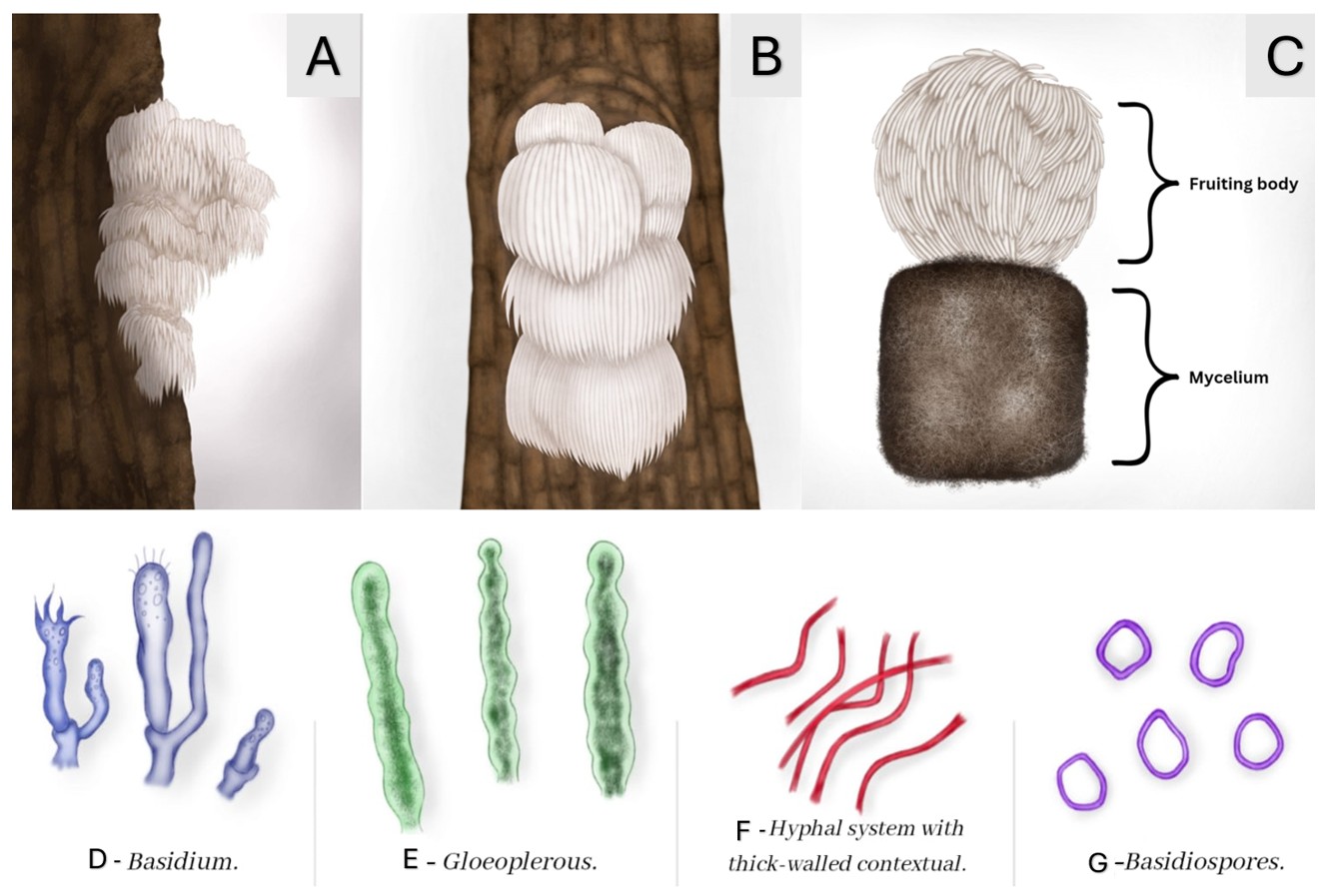
H. erinaceus forms fruitbodies and mycelium. The whitish fruitbody flesh is slightly translucent and rubbery and has irregularly shaped branches that are attached to the substrate along the sides of the substrate. It has a hymenophore (spore-producing tissue), which is rounded, unbranched, and swollen at the base which is often so hard that it cannot be detached from the host tree without a sharp knife (Kuo, 2022). Concurrently, the mycelium can be described as a rhizome-like fungal formation and consists of interconnected and filamentous hyphae (Sokół et al., 2015). This characterization agrees with the findings of several groups of researchers (Pegler et al., 1997; Wald et al., 2004). The fruiting body and mycelium of fungi contain bioactive compounds that possess beneficial properties and demonstrate significant pharmaceutical efficacy. This review focuses on available and updated evidence disclosing the antioxidation activity, antimicrobial activity, immunocompetence, and anti- tumor effects of H. erinaceus (See Figure 1A, B).
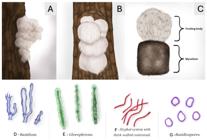
Hericium erinaceus. Grows on wound scars or recently fallen hardwoods. It is an annual fleshy, unbranched fungus up to 20 cm in diameter, crowded with up to 25 mm long spines in terminal tufts. A: Lateral view of the fruiting body, B: front view of the fruiting body (Use in drawing: Autodesk Sketchbook version 5.3.1), C: Fruiting body and mycelium of H. erinaceus. (Use in drawing: Autodesk Sketchbook version 5.3.1+ Photoshop Express version 9.3.70), D: Gloeoplerous; E: Basidium; F: Basidiospores; G: Hyphal system with thick-walled contextual. (Use in drawing: Autodesk Sketchbook version 5.3.1 +Canva version 2.216.0).
The specimen exhibits a basidioma (plural basidiomata) that exhibit minimal visibility. It features a fleshy texture and an unbranched structure. Additionally, it distinguished by two sterigmata and a basal clamp as shown in Figure 1A, B., and appears as a compact or lobed tubercle, reaching a diameter of up to 20 cm. The basidioma is densely covered with spines arranged in tufts located at the ends of the branches, each measuring up to 25 mm in length (Sokół et al., 2015). Within the basidioma, there is a basidium that composed of sexually produced structures known as basidiospores and characterized by its slender clavate shape that measures approximately 25–40 x 5–7 µm. Initially, it exhibits a white-to-cream color, but as it matures, it gradually changes to a yellowish–brown hue. The basidium exhibits two possible configurations: (1) it can either possess a stalk or (2) be directly affixed to the hyphae, which are slender, tube-like structures when viewed at the microscopic level. H. erinaceus is distinguished by its abundant hyphal system, specifically monomitic generative hyphae, and gloeoplerous hyphae as documented by (Stamets, 1993; Stamets, 2000a). The generative hyphae exhibit clamping with a range of thickness from thin to thick (3–15 µm wide). Additionally, the gloeoplerous hyphae are characterized by their oily and/or granular appearance under a microscope with a width ranging from 5 to 13 µm. This appearance is attributed to the presence of resinous or granular substances within these hyphae. Gloeoplerous hyphae frequently occur within the hymenial layer and occasionally exhibit a capitate morphology (Stamets, 1993; Stamets, 2000a).
Basidiospores, which are located within the basidium, are approximately 5–6.2 x 4–5 µm as depicted in Figure 1D-G (Wald et al., 2004; Stamets, 1993; Stamets, 2000b). They are typically white in color and have a mass consisting of short ellipsoid or ovoid, subglobose shapes and possess a rough surface with minute to moderate verrucae. Basidiospores, produced within the basidium, serve as the primary inoculum for artificial cultivation of H. erinaceus. Artificially cultivated fungi appear as white in color, and mycelial cords are seen at the center of a system of radiating threads (Stamets, 2000b). The aerial fungal growth is enhanced by elevated CO2. The growth of the fungal fruiting body is formed in two to three weeks at 24 oC. As a culture ages, it becomes yellow to pink in color, and the elongated white aerial spines turn yellow. H. erinaceus can be cultivated outdoors using logs inoculated with pre-colonized dowels or sawdust. Similarly, indoor cultivation can be achieved by using logs or containers, such as polythene bags, filled with sawdust. These observations are consistent with published research (Wang et al., 2014) as shown in Figure 1C. The peculiar morphology, highly diverse distribution across different environments and atmospheres, nutrient-obtaining behavior, and the energy generation process magnify the scientific community’s interest in the mushroom field (Muszyńska et al., 2019).
4. Habitat and Ecology of H. erinaceus
The nature of H. erinaceus is parasitic and saprobic. This fungus grows from August to November. It commonly grows from walnut, oak, elm, and beech trees’ knotholes. The species exhibits a wide distribution throughout the Northern Hemisphere (Thongbai et al., 2015). H. erinaceus, commonly referred to as lion's mane mushroom, is a member of the family Hericiaceae and the phylum Basidiomycota. This phylum includes organisms that produce sexual spores, known as basidiospores, on basidia. The organism exhibits growth on the surfaces of leaves, wounds, or recently deceased hardwood trees (See Figure 1A, B). The thin appendages protrude from a central white elastic core, allowing for easy differentiation (Kuo, 2022).
This fungus is a potentially weak necrotrophic organism that thrives on aging broadleaf and sclerophyllous trees. It primarily colonizes trunks and large branches, leading to the development of white rot. The organism is classified as a saprotrophic fungus, which derives its sustenance before the demise of its host. The fruiting bodies of this organism have also been observed on standing broken trunks, logs, and stumps. The species thrives in conserved and systematically maintained woodland areas and is predominantly found on aged trees. H. erinaceus exhibits a habitat range that encompasses not only forested areas but also various biotopes, including the steppe environment found on the trunk of Robinia pseudoacacia and pruned Albizia trees within urban regions in Greece. H. erinaceus primarily inhabits Fagus and Quercus trees, specifically those of Q. cerris, frainetto, and gussonei. The fungus exhibits a preference for Aesculus hippocastanus, Albizia julibrissin, Alnus glutinosa, A. incana, Carpinus betulus, Populus tremula, and Tilia cordata, although its occurrence on these host plants is infrequent. However, it has been observed to sporadically colonize Betula, Fraxinus, Juglans, Malus, Ailanthus, and Sorbus (Fraiture and Otto, 2015). The primary habitat for this species is predominantly beech and oak wood within the geographical regions of the United Kingdom, Denmark, and Poland. Additionally, it has been observed to thrive on Fagus and Quercus trees in the Czech Republic and Austria and on Fagus trees in Slovakia and predominantly on Quercus trees in Hungary (Kunca and Čiliak, 2017b). Oak trees are the most observed species for colonization by this fungus, while beech and other tree species are less frequently encountered in North America (Boddy et al., 2011). The fungus develops on the central region of the trunk and subsequently generates basidiomata immediately following its contact with the tree trunk, which has injuries, cracks, and cuttings. The emergence of basidiomata in a consistent location over an extended period designates this enduring organism as a reliable indicator of mature beech and oak forests. Nevertheless, this fungus has been classified as one of the 21 fungal indicator species that are used to assess the conservation significance of European beech forests (Christensen et al., 2005). Furthermore, reports of fungal colonization of young living beech trees (with a diameter ranging from 15 to 20 cm) in the Krasnodar territory of Russia have also been published (Imtiaj et al., 2008).
5. Bioactive components and nutritional value of H. erinaceus
5.1. Nutritional value of H. erinaceus
H. erinaceus has been reported as a source of several bioactive compounds and nutritional contents and was extensively reviewed in one study by Ulziijargal and Mau (2011). Many nutritional components have been isolated from H. erinaceus, some of which are depicted in Table S1.
5.2. Bioactive compounds of H. erinaceus
H. erinaceus is an edible fungus with several bioactive chemicals. The myriad of bioactive and nutraceutical components in these edible mushrooms provide them with a wide range of medicinal applications. Liver, cancer, diabetes, and cardiovascular disease are all preventable and treatable with the chemicals in this fungus (Kumar et al., 2014). Antioxidants and antimicrobials also have anti-aging in addition to immune system modulation. Depending on their molecular weight, bioactive metabolites from H. erinaceus may be classified as either high (such as polysaccharides) or low (such as polyketides and terpenoids) molecular weight compounds (Sokół et al., 2015; Thongbai et al., 2015).
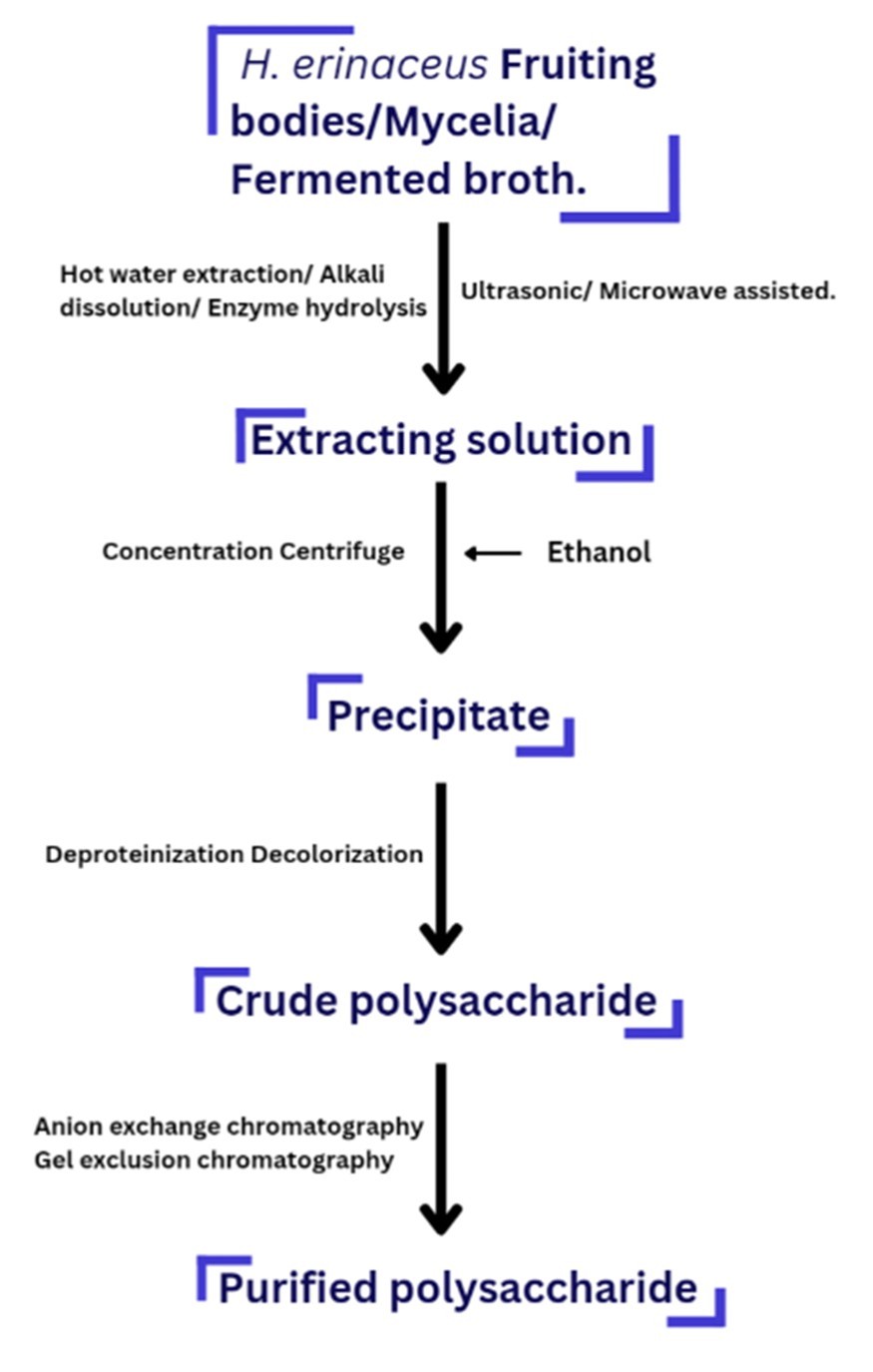
Many ways are available for extracting bioactive components from edible mushrooms. For example, the most important extraction techniques of polysaccharides from the fruiting bodies of mushrooms are hot water, ethanol, and ultrasound. In all cases, the extraction conditions should be optimized many times to increase the extraction rate and efficiency (See Figure 2).
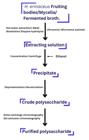
Decision tree used to evaluate the essential steps for extracting and purifying bioactive constituents, including HEP, from the edible mushroom H. erinaceus. (Heinemann et al., 2020) (Use in drawing: Autodesk Sketchbook version 5.3.1+ Canva version 2.216.0).
Mushroom extracts include several bioactive chemicals; these compounds were found to be bioactive in several investigations, both in vitro and in vivo. Examples of these bioactive compounds include ergosterol, 5,6-dehydroergosterol, ergosterol peroxide (Martínez-Montemayor et al., 2019), phenolic extract (Taofiq et al., 2016), Antrodia cinnamomea mushroom extract (Chang et al., 2018), eburicoic acid (Lin et al., 2018), cythane diterpenoids (Li et al., 2017; Wei et al., 2017), ganoboninketals (Moniot et al., 2020), Agaricus bisporus, Agaricus ostreats, and Lentinus edodes extracts (Taofiq et al., 2016), Pleurotus ostreatus extract (Leliebre-Lara et al., 2016), and Cordyceps polysaccharides fraction (Chiu et al., 2014). These extracts were found to be possess as anti-cancer (Martínez-Montemayor et al., 2019), anti-inflammation (Martínez-Montemayor et al., 2019), anti-obesity (Chang et al., 2018; Hiraki et al., 2017), anti-diabetes (Lin et al., 2018), anti-neuroinflammation (Wei et al., 2017), anti-resistance parasites (Moniot et al., 2020), anti-resistance bacteria (Taofiq et al., 2016), antioxidant (Leliebre-Lara et al., 2016; Chen et al., 2016b), anti‑fatigue (Liu et al., 2015), reno-protective properties (Chiu et al., 2014; Szućko -Kociuba et al., 2023).
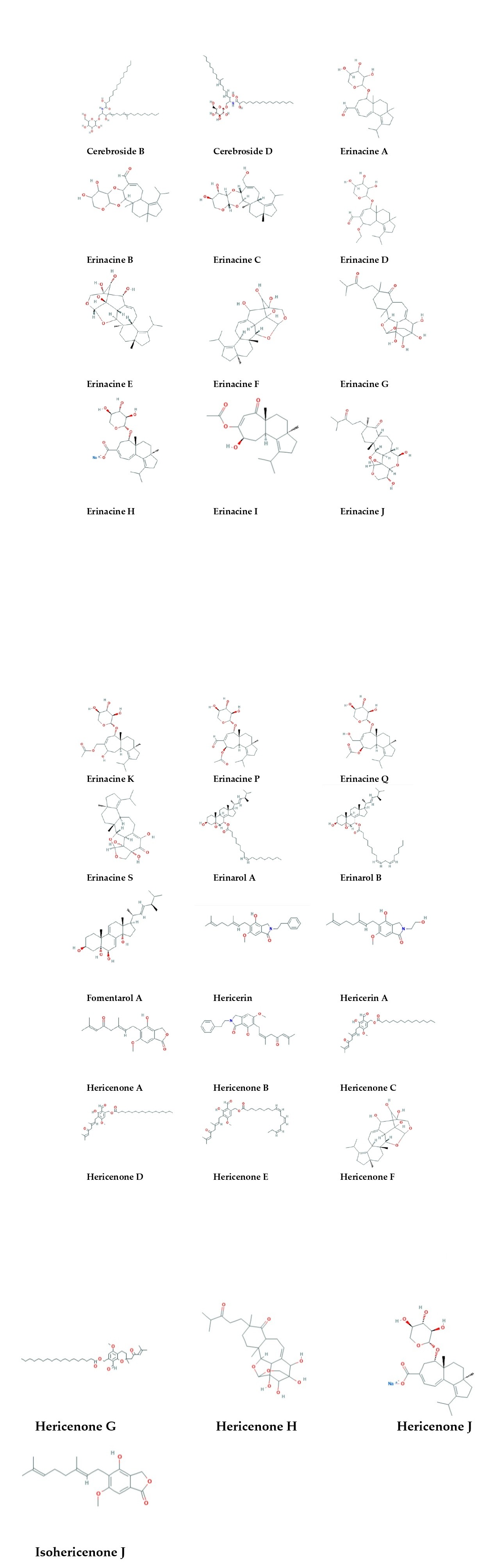
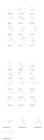
Many bioactive components have been isolated from H. erinaceus, some of which are depicted inTable S2. However, the evidence indicating that mushroom-based agents have effective components is rapidly increasing and suggests that mushrooms are an excellent natural source of therapeutic agents within the boundaries that modern therapeutics face (Ashley et al., 2014; Hefnawy et al., 2017). One of the notable bioactive constituents derived from H. erinaceus is erinacine. To date, a total of 15 erinacines (erinacines A–K and P–S) have been characterized. Subsequent investigations have revealed that eight of these erinacines (A–I) possess neuroprotective properties, including the capability to enhance the release of nerve growth factor (NGF), reduce amyloid deposition, increase the expression of insulin-degrading enz\yme (erinacines A and S), or manage neuropathic pain (erinacine E) (Kawagishi et al., 1994; Kawagishi et al., 1996; Lee et al., 2000). The chemical structure of erinacines found in H. erinaceus is presented inFigure 3.
6. Therapeutic Potential of H. erinaceus for Neurodegenerative Diseases
Over many years, many species of mushrooms have been collected from several countries and identified and shown promising therapeutic results caused by their bioactive compounds. Although numerous studies on A-enriched H. erinaceus mycelia (EAHE) were conducted to assess its bioactive compounds efficacy in treating neurodegenerative diseases, several toxicological studies also were conducted to investigate the negative impact of EAHE on animal models. As an example, Chen, et. al. 2017 assessed the acute and developmental toxicity and investigated the adverse effect of erinacine A-enriched H. erinaceus mycelia on animal models. It examined various parameters and included evaluations of biochemical biomarkers, hematological status, and histological architecture evaluation. The results showed no signs of acute toxicity at the 5000 mg/Kg/day dose and doses of 875, 1750, and 2625 mg/Kg did not produce any significant effects on any aspect of the experiment at any time during the study. Therefore, this study indicates that EAHE is nontoxic and safe for consumption within the appropriate dose. range (Li et al., 2018). Two other studies by Chen et al. (2019). and Li et al. (2014) also showed that H. erinaceus mycelium displayed no mutagenicity.
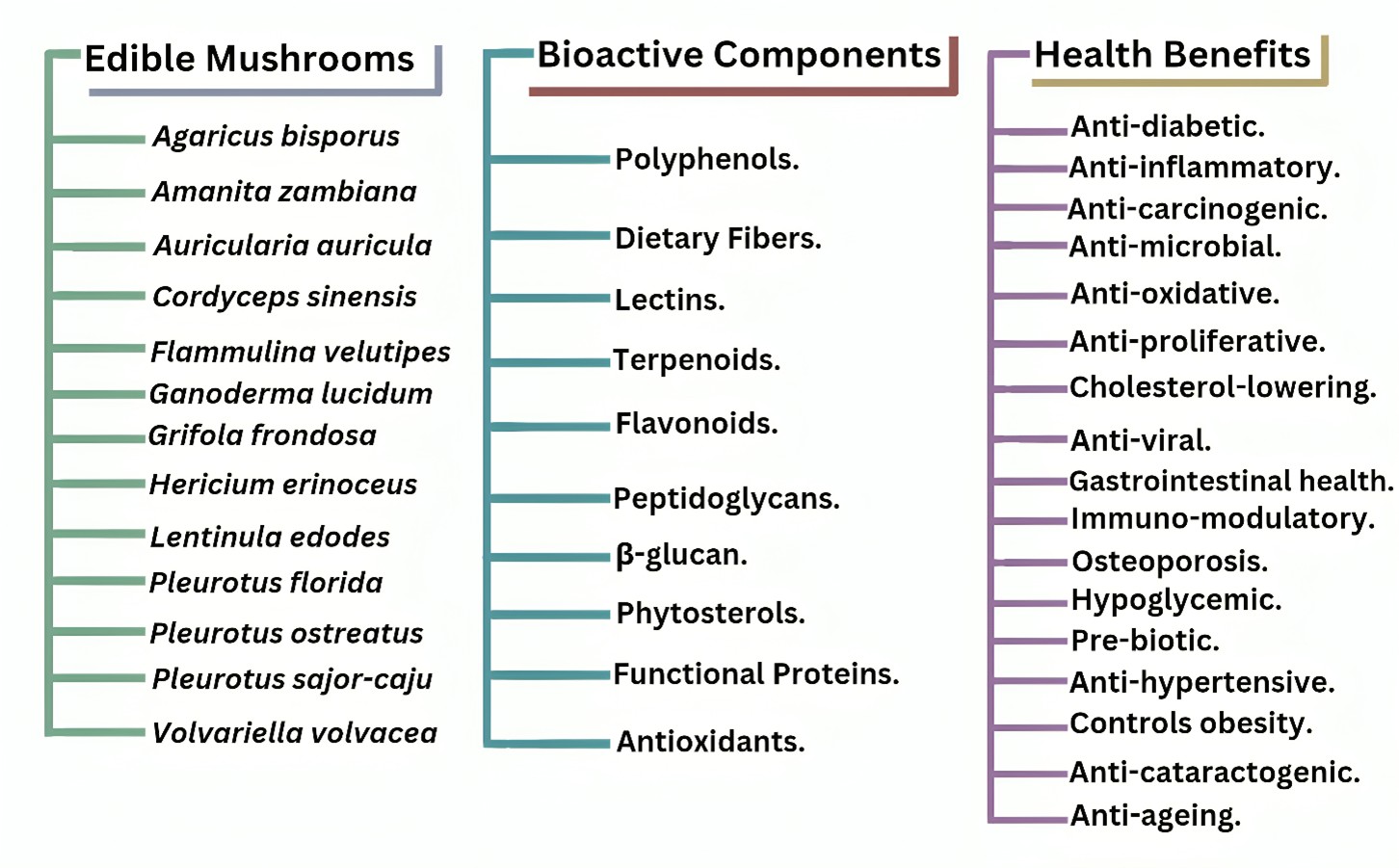
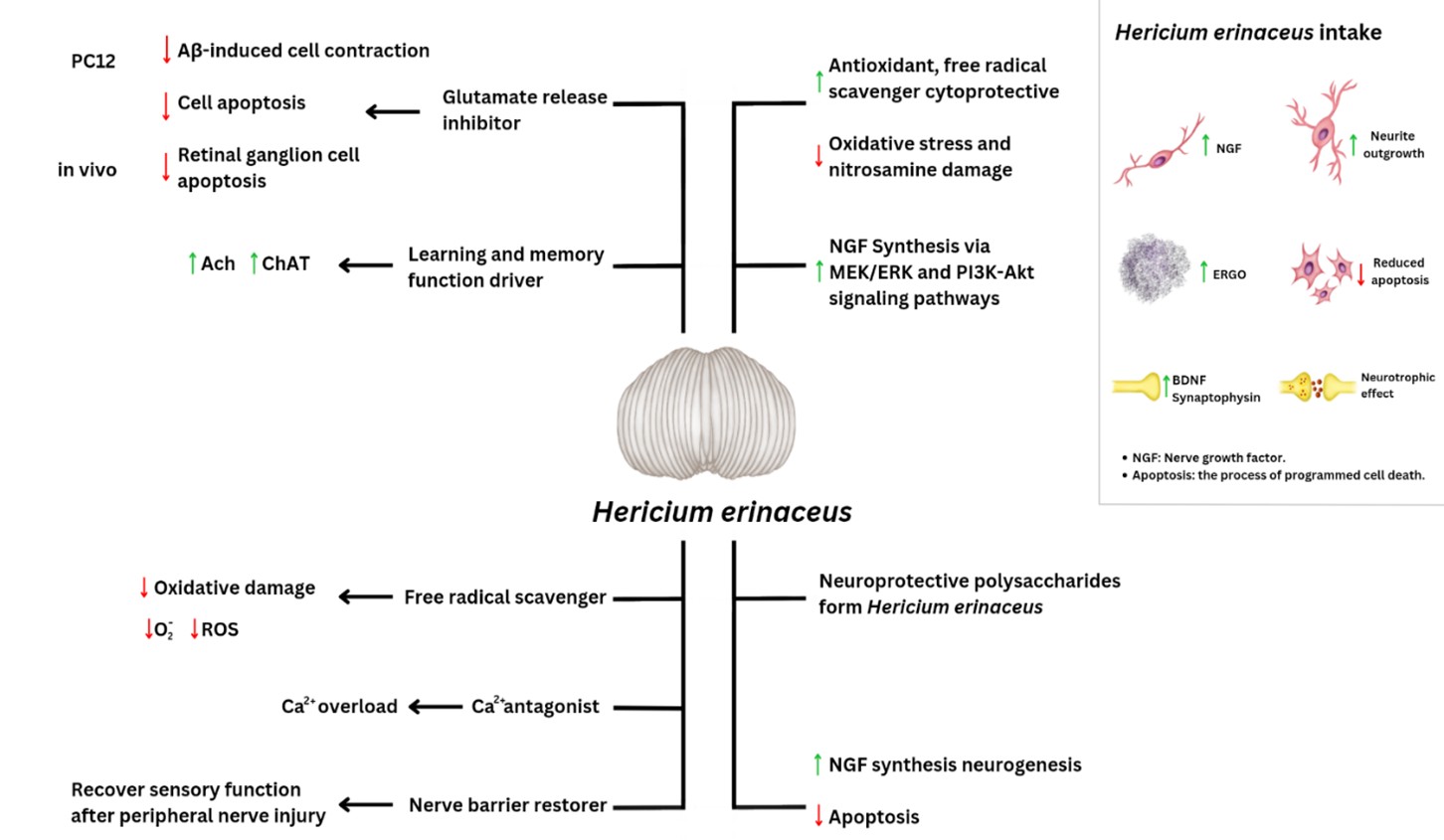
The future therapeutic uses of bioactive components extracted from many types of mushrooms, including H. erinaceus have been studied in several studies. These studies aimed at obtaining extracts which contain a high-level content of bioactive compounds such as hericenones, erinacines, polysaccharides, and sterols (Li et al., 2015b; Tsai-Teng et al., 2016). The health benefits and the neuroprotective activities of the bioactive compounds extracted from various medicinal mushrooms, including H. erinaceus are depicted in Figure 4 and Table S3 respectively. Examples of neurological diseases treated with certain bioactive compounds isolated from H. erinaceus are listed in Table S4.
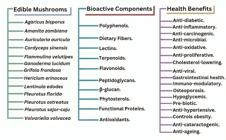
Bioactive components and health benefits of several edible mushrooms, including H. erinaceus (Use in drawing: Autodesk Sketchbook version 5.3.1+ Photoshop Express version 9.3.70).
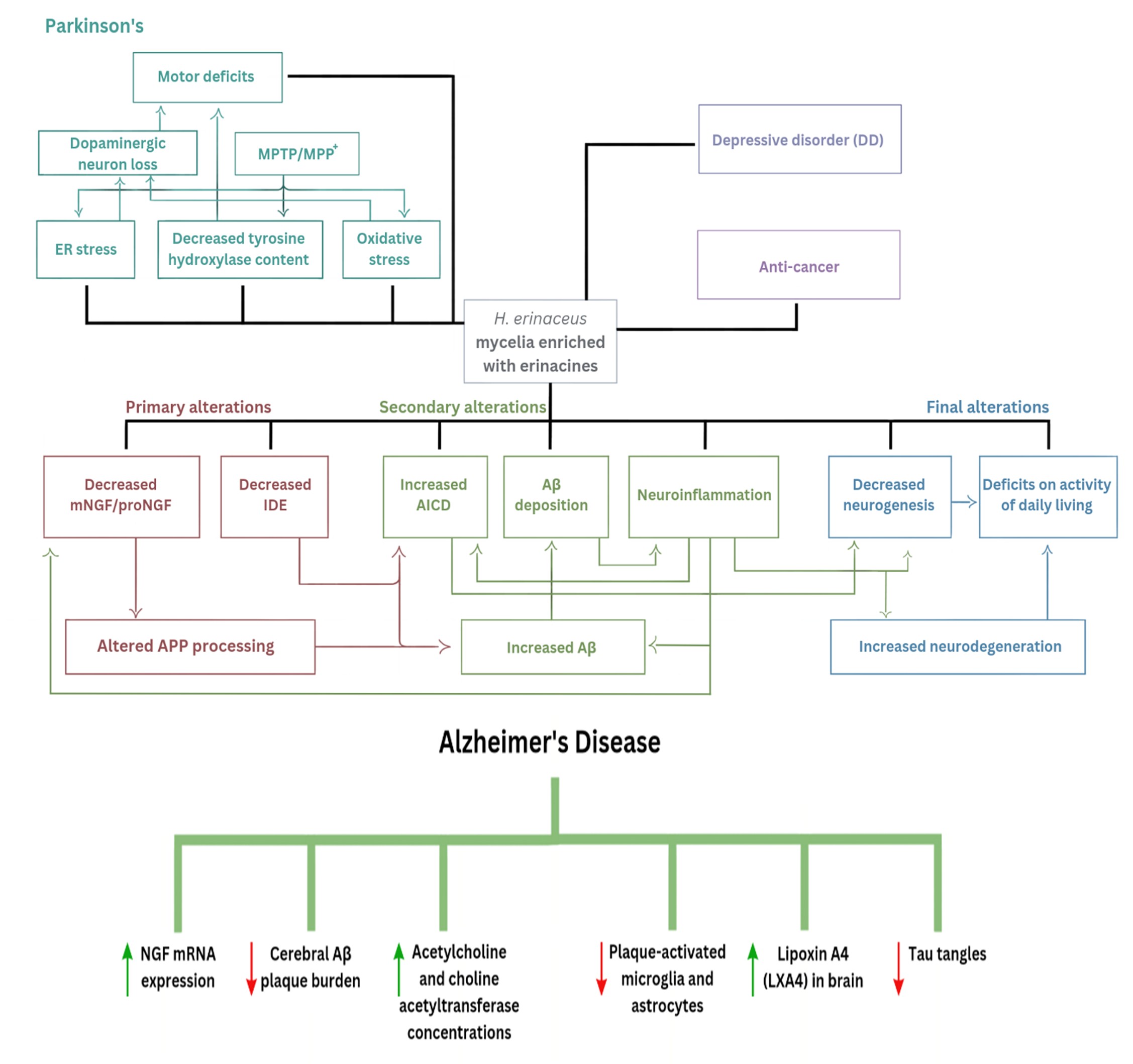
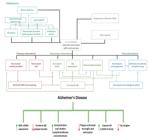
Many of the isolated bioactive components from Hericium erinaceus show promise as bases for creating new, inexpensive, and safe medicines for the treatment and prevention of neurodegenerative illnesses. Diseases affecting the nervous system, such as Alzheimer’s disease, Parkinson's, dementia, depression, and Amyotrophic lateral sclerosis (ALS) (Checkoway et al., 2011). It has been estimated that the incidences of those diseases occurring most frequently in older adults have increased in recent years (Ma et al., 2018). Since the nature of those diseases is progressive, their prevention seems to be addressed and many people can be protected through the bioactive compounds present in edible mushrooms, serving as a beneficial lifestyle adaptation (Fratiglioni and Qiu, 2009). The potential neuroprotective action of H. erinaceus bioactive components on neurodegenerative diseases exhibited neuroprotective effects and has attracted significant attention in the field of central nervous system (CNS) research (Rai et al., 2021). Figure 5 presents Schematic summary of the neurodegenerative diseases and their common molecular features (Blagodatski et al., 2018). Furthermore, neurological diseases are complicated, and none are treatable. Preventing the progression of these diseases is one of the essential aspects on which scientists are currently focused. The prevalence of age-related neurological disorders, including Parkinson’s and Alzheimer’s diseases is escalating and posing major challenges to global public health. Applying mushroom-based therapeutics to limit the progression and hopefully induce neuro-regeneration have attracted growing scientific interest. The following section discusses the neuroprotective and neuroprotective activities of H. erinaceus as a therapeutic tool for treating neurodegenerative diseases (Cancer, Depressive Disorder, Parkinson’s and Alzheimer’s diseases).
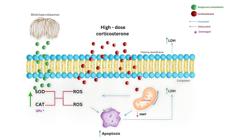
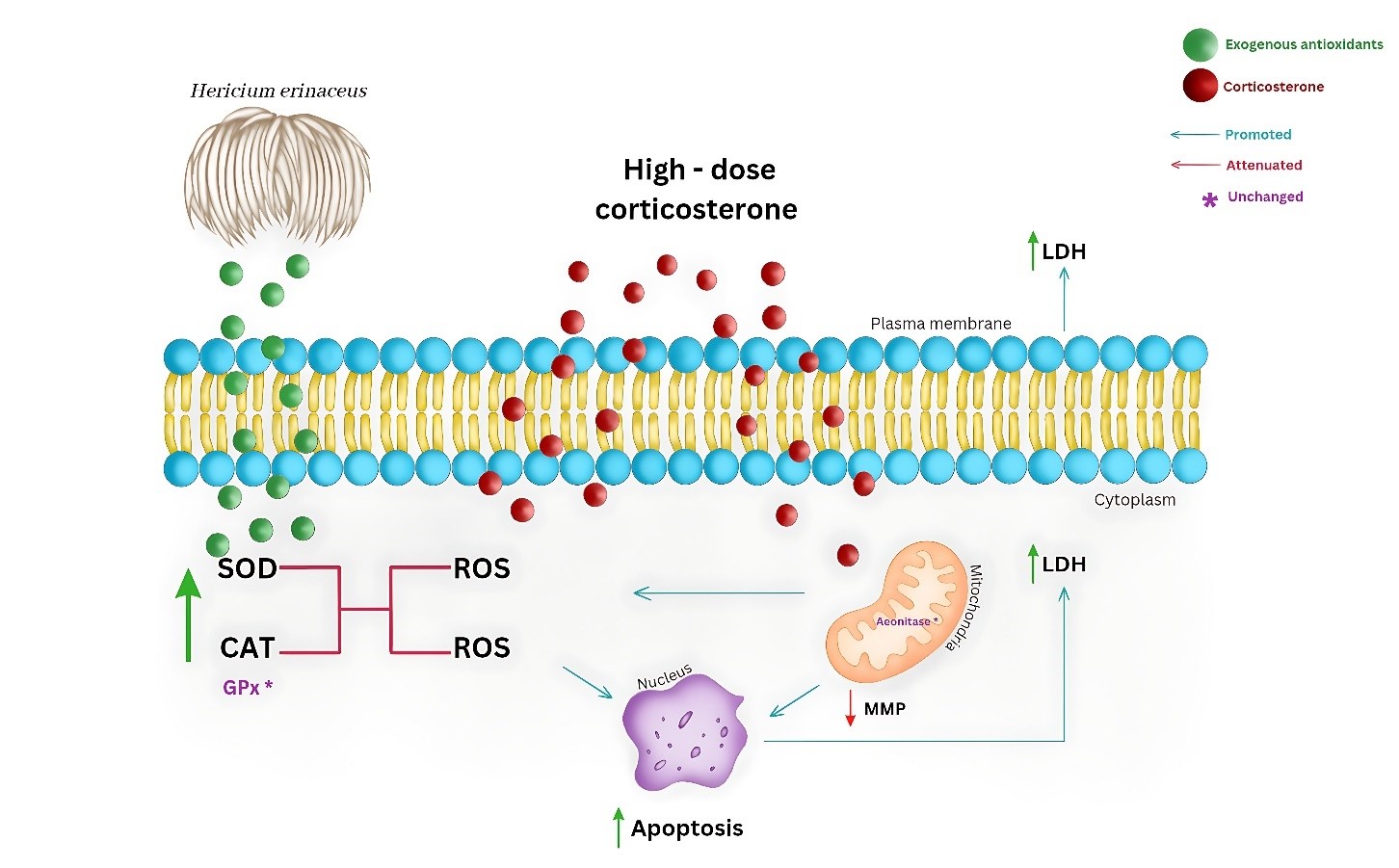
Neuroprotective effects of H. erinaceusstandardized aqueous extract (HESAE) against high-dose corticosterone-induced oxidative stress in an in vitro model mimicking depression. (SOD: superoxide dismutase; CAT: catalase; GPX: glutathione peroxidase—antioxidant enzymes; ROT: rotenone, oxidative stress inducer) (71) (Lew et al., 2020) (Use in drawing: Autodesk Sketchbook version 5.3.1+ Canva version 2.216.0).
6.1. Anti-Parkinsonian activity
Several studies have identified anti-neuroinflammatory effects of bioactive compounds extracted from H. erinaceus against Parkinson’s disease (Thongbai et al., 2015). Cheng et al. (2016) use Parkinson’s disease animal models to assess the anti-neuroinflammatory activities of erinacine A isolated from H. erinaceus. H. erinaceuspolysaccharide (HEP) treatment of PC12 improved cell viability by 89% and 69%. Also, it led to a reduction in the accumulation of reactive oxygen species (ROS) by up to 97% at the concentration of 2 mg/ml and prevented the loss of mitochondrial membrane potential. The morphological and intercellular changes were evaluated after introducing A (1–40), resulting in cell shrinkage and rupture after 24- and 48-h treatments. However, treatment with HEP caused a reduction in morphological changes, suggesting that HEP can produce a reduction in cell apoptosis (Cheng et al., 2016; Sun et al., 2017).
Moreover, oral administration at a dose between 20 and 28g/kg/day for 25 days before 1-methyl-4-phenyl-1,2,3,6-tetrahydropyridine (MPTP) induction showed promising outcomes. Significant reductions in apoptotic cells and increased dopamine, NGF, and glutathione levels were found. Erinacine A prevented cell death by modulating the levels of Inositol-requiring enzyme type 1/2 (IRE1/TRAF2) complex and endoplasmic reticulum (ER)- associated protein expression induced by MMP due to activation of the pathway in ER stress signaling (Kuo et al 2016). Each of the above stated study has shown anti-neuroinflammatory activities of erinacine isolated from H. erinaceus which result on morphological and intercellular changes that led to reduction in cell apoptosis.
6.1.1. Antidepressant-like activities
Depressive disorder (DD) is a multifaceted and profound neuropsychiatric condition that encompasses both neurodegenerative processes and neurobiological alterations. DD is one of the leading contributors to the global disease burden (Han, 2003; iNaturalist.org., 2022). Its etiology is diverse, involving multiple causes and contributing factors. Currently, a wide range of anti-depressants are available; however, their effectiveness is only marginally satisfactory, and a significant number of these agents are associated with adverse effect production (Han, 2003). Multiple studies have demonstrated the potential therapeutic efficacy and cost-effectiveness of alternative medicine including H. erinaceus in treating DD (iNaturalist.org., 2022). Yao et al. (2015) conducted a study to evaluate the therapeutic potential of amycenone, a bioactive compound derived from Hericium erinaceus using animal models of depression. Mice were orally administered a dosage of 200 mg/kg of amycenone 60 min prior to intraperitoneal (ip) injection of lipopolysaccharide (LPS), and behavioral activity was assessed 24 hours post-administration. This study demonstrated the efficacy of efficacy of H. erinaceus amycenone in reducing depressive-like behaviors in mice, which may be attributed to its neuroprotective properties, known to counteract inflammation stimulus associated with depression (Kim et al., 2000). The bioactive extract of H. erinaceus contains compounds derived from its mycelia, as well as compounds such as amycenone—which includes amyloban and hericenones—extracted from its fruiting bodies (iNaturalist.org., 2022). Bioactive extracts have been observed to induce the expression and signaling of neurotrophic factors (NTFs), including NGF, which leads to cellular proliferation. The physiological effects of bioactive extracts of different H. erinaceus for treating neurological disorders are listed in Table S4.
While the antidepressant activity of H. erinaceus has not been extensively validated in comparison to traditional antidepressants. It is highly recommended that future studies investigate the long-term antidepressant effects of bioactive compounds from H. erinaceus extract including amycenone since long-term antidepressant use may not result in significant therapeutic effects and may eventually cause adverse outcomes due to recurrent DD. The precise pathophysiological mechanisms underlying depression remain uncertain, this section concerns the pathophysiological mechanisms of depression and their connection to the therapeutic applications of H. erinaceus.
6.1.2. Mechanism of action of H. erinaceus in depressive disorder (Monoamine Hypothesis)
The monoamine hypothesis is the most widely accepted DD hypothesis due to its comprehensibility and perspicuity. This theory attributes the psychological symptoms of depression to monoamine neurotransmitter depletion, including the amine compounds, namely, serotonin, norepinephrine, and dopamine. This depletion is caused by several factors, which may elevate the level or activity of monoamine oxidase and inhibit exocytosis, for instance, monoamine signaling deficits and deficiency of enzymes and receptors (Hu et al., 2008; Du et al., 2013; Fen et al., 2014; Boku et al., 2018).
A study was conducted over 14 days to investigate the anti-depressant-like effects of EAHE. The research also provided preliminary insights into the mechanisms of action modulating the phosphoinositide 3-kinase/protein kinase B/glycogen synthase kinase (PI3K/Akt/GSK-3) signaling pathway. Additionally, it explored the restoration of hippocampal monoamine neurotransmitters, inhibition of plasma proinflammatory cytokines, and the increase in brain-derived neurotrophic factor (BDNF) levels. The study found that administering H. erinaceus at 100, 200, or 400 mg/kg body weight/day to mice may cause a reversal in the depression behavior attributed to restraint stress (RS) and associated with cellular changes, such as regulation of BDNF pathways that contribute to initiation of inflammation. For that reason, H. erinaceus mycelia may be a cost-effective treatment for depressive illnesses (Chiu et al., 2018). Another study was conducted by Zhang et al. (2016b) aims at investigating the anti-depressant-like effect of H. erinaceusstandardized aqueous extract on pheochromocytoma cells 12 (PC12 cell line). The incubation of cells with the extract for 24 and 48 h showed a significantly induced differentiation in addition to stimulation of tubulin III expression, contributing to the therapeutic effects of antidepressants. On the other hand, no activities from H. erinaceus derived compounds were observed in human astrocyte cell lines after the treatment with erinacines Z1 and Z2. Quantification of the transcription rate and expression levels of NGF and BDNF showed a significant increase up to 2-fold after treatment with some of the compounds (Rupcic et al., 2018). An additional investigation revealed that hericenone E compound from H. erinaceus showed neurotrophic activity and effectively delayed apoptosis on the PC12 cell line (Facchini et al., 2014).
Furthermore, a study investigated the anti-depressant-like effect of H. erinaceusstandardized aqueous extract (HESAE) on the PC12 cell line against high-doses (200–800 μM) corticosterone-induced oxidative stress in an in vitro model mimicking depression (Lew et. al., 2020). This study showed the alterations in intracellular and extracellular activities such as the increase in superoxide dismutase (SOD) enzyme and catalase (CAT) which triggers (MMPs) to be released at high levels. This result on the depression of the production of adequate energy for cells to function by mitochondria causing high levels of oxidative stress (See Figure 6). The preliminary treatment of neural cell from hippocampus and cerebellum with HESAE at doses of 0.25 to 1 mg/mL caused enhancement of cellular functions by improving viability, boosting antioxidant activity, reducing ROS production, and protecting against ROS-mediated damage (Lew et al., 2020). Given the limited data on the neuroprotective effects of H. erinaceus against oxidative stress in DD, future studies should investigate their potential role in inactivation oxidative stress linked to depression and carcinogenesis in rats (Tien et al., 2017).
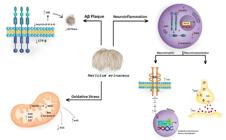
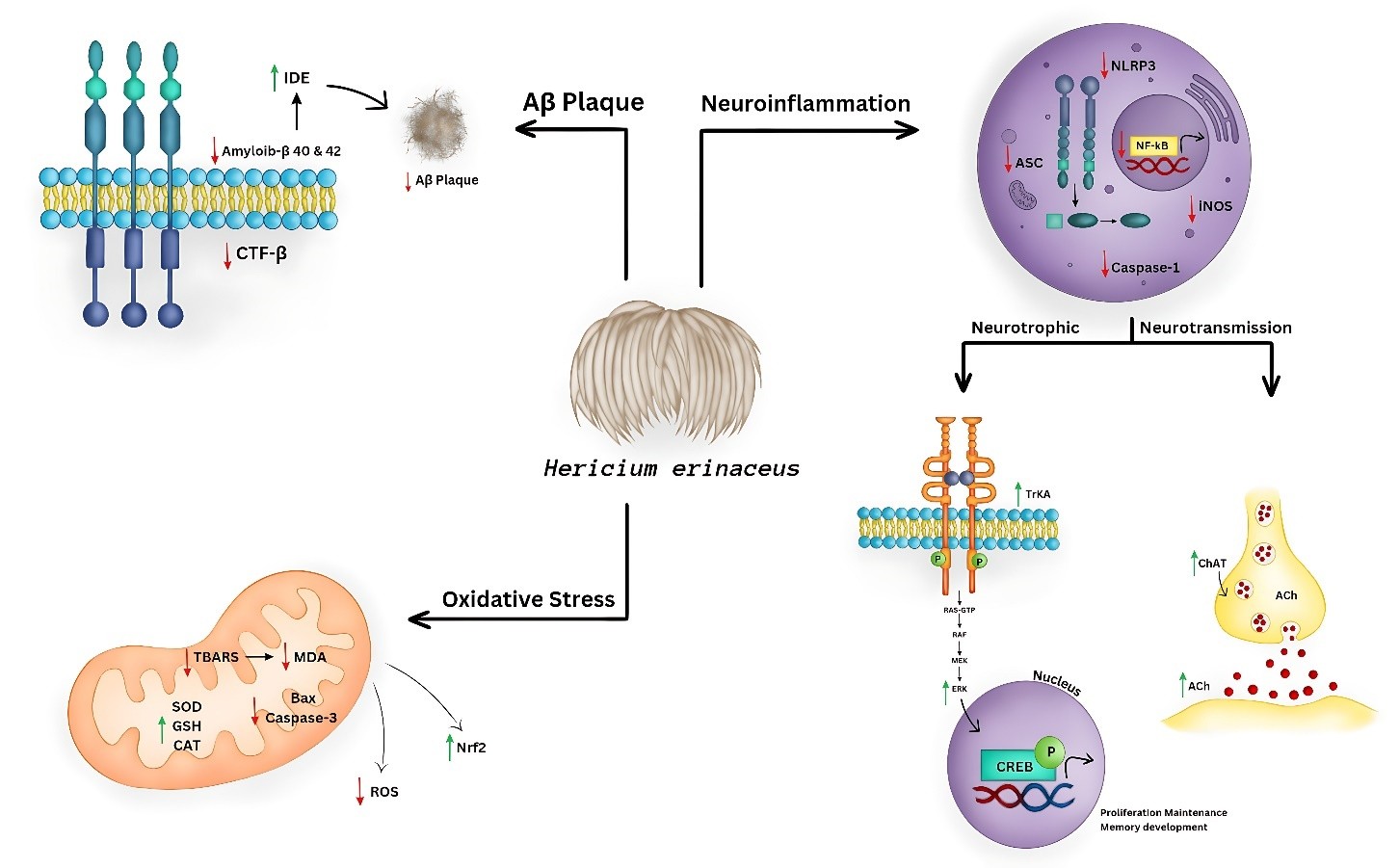
The mechanism of action of H. erinaceus in Alzheimer's disease as it regulates neurotransmitter actions. By increasing levels of acetylcholine (ACh) and choline acetyltransferase, glutamate is released. (Use in drawing: A utodesk Sketchbook version 5.3.1+ Canva version 2.216.
6.1.3. Anti-Alzheimer’s activity
Alzheimer’s disease is the most prevalent mental neurodegenerative disorder. It is a progressive disease that starts with the loss of memory and cognitive functions, and it mainly occurs in the elderly population. It is generally associated with assemblies of extracellular β-amyloid (Aβ) protein and neurofibrillary tangles (NFTs) within the frontal cortex and hippocampus in the brain (Knežević et al., 2018; Huang et al., 2017). No treatment is available to prevent the condition and only drugs can be used to treat it, and such drugs can only be applied to treat behavioral problems caused by the disease (Zhang et al., 2016a).
Numerous studies have been conducted to investigate the therapeutic potential of numerous bioactive compounds derived from various mushrooms, notably H. erinaceus, to treat Alzheimer’s disease. As an example, Knežević et al. (2018) investigated the efficacy of the mushroom Trametes versicolor water extract as a potential natural substitute for treating Alzheimer’s disease, and by causing significant inhibition of AchE of approximately 60% at the dose of 100 mg/mL compared to Donepezil (Janjušević et al., 2017). Huang et al. (2017) use Alzheimer’s disease animal models to evaluate the neuroprotective effects of Ganoderma lucidum (GLP) polysaccharides. The results showed promotion of cognitive functions and enhancement of neural progenitor proliferation. Another study evaluates the effects of polysaccharides extracted from Pleurotus ostreatus (PPO) in Alzheimer’s disease, mice treated with D-galactose for 25 consecutive days, followed by a single administration of PPO on day 30. Findings revealed a decline in hippocampal AchE levels, morphological changes, enhanced antioxidant activity, and improved cognition in the treated group compared with controls (Zhang et al., 2016a). Another study evaluated three H. erinaceus -derived compounds for their effects on recognition memory and its capability to induce neurogenesis in the hippocampus and cerebellum in aging mice. The findings showed improved recognition memory without significant changes in locomotor performance. Of the three compounds, only one demonstrated notable efficacy for inducing neurogenesis in both the hippocampus and cerebellum. The proliferating cell nuclear antigen (PCNA) marker detection indicated that the hippocampal proliferation rates were much higher in dentate gyrus granule cells and CA3 pyramidal neurons (Kempermann et al., 2015).
In contrast, multiple studies have demonstrated that introducing H. erinaceus causes a reduction in the pathological markers in autosomal dominant Alzheimer's disease (ADAD) animal models. Zhang et al. (2016b) further reported that the extract suppressed nuclear apoptosis, mitochondrial dysfunction, calcium overload, and reactive oxygen species (ROS) compared to the control. However, the same study also demonstrated several significant benefits, including a 30% enhancement in cell viability relative to the control group, modulation of serum acetylcholine and acetylcholine transferase levels in both serum and hypothalamus mediated by H. erinaceus extract, and a clear dose-dependent improvement in outcomes. Another study was conducted on an APP/PS1 transgenic mouse model of ADAD, erinacine S was administered orally at 30 mg/kg/day to assess its anti-A and effects on insulin-degrading enzymes in the cerebral cortex (Chen et al., 2016a). It reduced amyloid-beta (Aβ) plaque burden by 19.7% while markedly increasing doublecortin (DCX) expression (Ratto et al., 2019). Erinacines derived from H. erinaceus has also been investigated by Tsai-Teng (2016) on APPswe/PS1dE9 transgenic mouse model of ADAD, yielding comparable outcomes through significant neuroprotective effect on PC12. In contrast, at a dose of 1.2 mM, amyloid b negatively affected PC12 cell line, causing 8% and 6% reductions in cellular viability after 24 and 48 hours of incubation, respectively.
Several vivo experimental studies have indicated that HEP expedite sensory rehabilitation after crush injury to Sprague-Dawley Rat Peroneal Nerve (Wang et al., 2015), and showed neuroprotection in the Wistar rats after optic nerve-crush injury due to the increase in Ach and ChAT levels (Nurgali et al., 2018). Numerous studies have reported that H. erinaceus treatments produced improvements in memory, which were accompanied by enhancements in hippocampal neurogenesis and modulation of the anti-amyloidogenic, anti-oxidative, anti-neuroinflammatory, and neurotransmitter pathways. The therapeutic potential of H. erinaceus as anti- Alzheimer’s disease activity may be related to its calcium-channel–blocking action, limiting Ca2+ influx and preserving neuronal integrity, neuroprotective properties, free radical scavenging capabilities, and inhibitors of the action of neurotransmitter glutamate on neurons (Kempermann et al., 2015; Kirdajova et al., 2020; Mizuno, 1999).
6.1.4. Mechanism of action of H. erinaceus in Alzheimer’s Disease
Pre-clinical studies have examined the manner by which H. erinaceus regulates the expression of neurotransmitters. The administration of H. erinaceus had a positive impact on cholinergic function in mouse models of Alzheimer's disease via an increase in the levels of Ach and ChAt (Kunca and Čiliak, 2017a). In this study, Brandalise et al. (2017) found that dietary administration of H. erinaceus extract resulted in the enhancement of glutamate release from hippocampal mossy fiber terminals, consistent with Vizzini’s et al. (2018) observation of the elevation in spontaneous excitatory activity at mossy fiber–CA3 synapses. Investigating the influence of H. erinaceus on additional neurotransmitters and memory is essential to unravel their mechanistic pathways. The illustration depicts the mechanism of action of H. erinaceus in the context of Alzheimer's Disease (See Table S4 and Figure 7).
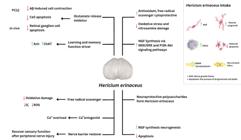
Neuroinflammation effects of H. erinaceus. (Alzheimer’s disease) (Use in drawing: Autodesk Sketchbook version 5.3.1 + Canva version 2.216.0).
During Alzheimer's disease progression, altered inflammatory responses and microglial phenotypes contribute to proteinopathies accumulation (Boddy et al., 2011). Activated microglia can damage neurons by releasing various compounds, including Aβ, which induces excessive release of nucleotide-binding oligomerization domain (NOD). Microglia can also be stimulated by the excessive production of the tripartite protein NLRP3 (Nod-like receptor pyrin domain 3, which triggers an inflammatory type of cellular destruction, known as pyroptosis (Kunca and Čiliak, 2017a; Ji et al., 2018). Other proteins that play a pivotal role in Alzheimer’s disease pathogenesis are monoamine oxidases A and B (MAO-A and -B, respectively). When they are activated, they cause many cellular alterations. They trigger Aβ deposition, neurofibrillary tangle formation with neuronal loss, and mitochondrial dysfunction via ROS/RNS from elevated monoamine oxidase activity (Ţura et al., 2016; Behl et al., 2021).
Zhang et al. (2016b) investigated the therapeutic potential of erinacine A-enriched H. erinaceus mycelium on APPswe/PS1dE9 transgenic mouse model of Alzheimer’s disease. The Administration of the H. erinaceus -derived polysaccharides markedly enhanced neuroprotective effect on PC12 cell line against amyloid ß1-40., whereas amyloid ß (1.2 mM) exerted cytotoxicity, reducing cellular viability by 8% and 6% after the incubation for 24- and 48-h, respectively, as shown in Figure 8.
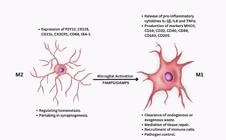
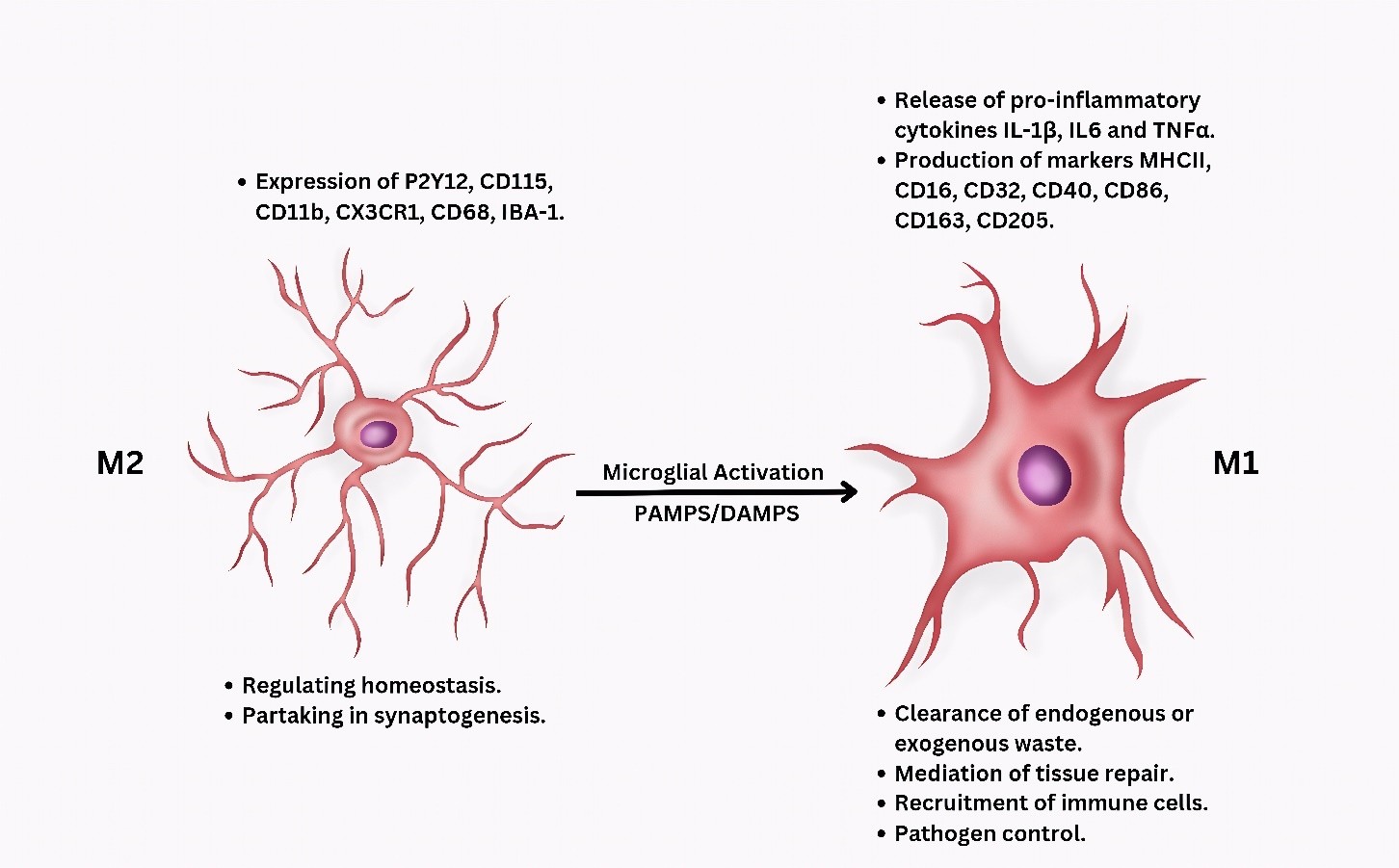
A graphical illustration of the microglial activation model was proposed (51). Microglia change from the M2 "resting" state to the M1 "active" state, which is triggered by various metabolic signaling. (Use in drawing: Autodesk Sketchbook version 5.3.1+ Canva version 2.216.0).
6.2. Therapeutic potential of Hericium erinaceus for cancerous diseases
Cancer is a prominent contributor to global mortality rates (Torre et al., 2016). However, the current limitations of chemotherapeutics in terms of many aspects need to be improved (Nurgali et al., 2018). Mushroom-based therapeutic agents are a good choice; during recent years, multiple studies have been conducted to investigate the potential anti-tumorigenic activities of various mushrooms. Since this review focuses on H. erinaceus, we reviewed recently available studies. According to a study, it has been observed that water extracts derived from H. erinaceus, when administered as a dietary supplement, exhibit anti-metastatic properties. These properties are characterized by significantly inhibiting the migration of CT-26 murine colon carcinoma cells to the lungs after intravenous injection into BALB/c mice. Additionally, the water extracts are found to cause a reduction in the formation of tumor nodules in the lung by approximately 50% and prevent the metastasis-induced increase in lung weight. Another study revealed that hot water and microwave ethanol extracts from H. erinaceus show anti-metastatic activities (Li et al., 2015a). Another study investigated the isolated compound hemagglutinin (HEG-5) and found that it has antiproliferative activities on gastric cancer (SGC-7901) cell lines. A novel isolated glycoprotein was found to show antiproliferative activity against SGC-7901(Cui et al., 2014). Moreover, treatment with isolated compounds from H. erinaceus significantly affected HEL-299 cell lines at safe doses. That study showed that two of the isolated compounds at relatively low doses induced apoptosis in cancer cell lines; after investigating the underlining mechanisms, an upregulating effect on Bax (the nuclear-encoded protein), caspase-3 protein (a member of the cysteine-aspartic acid caspase family), and Poly ADP-ribose polymerase (PARP), and downregulation of B-cell lymphoma 2 (Bcl2) were observed (Rupcic et al., 2018).
6.3. Mechanism of Action of H. erinaceus in carcinogenic disease
The mechanism of H. erinaceus action involves the inhibition of matrix metalloproteinases 2 and 9 (MMP2 and 9, respectively) along with the suppression of extracellular receptor and Janus kinases (ERK and JNK, respectively) activation, resulting in a reduction in overall tumor cell viability (Adeniyi et al., 2018). The proposed mechanism of action for this inhibition was found to involve the down-regulation of anti-apoptotic proteins, specifically Bcl-2, BclxL(S), X-linked inhibitor of apoptosis (XIAP), and cellular inhibitor of apoptosis (cIAP). However, no evidence to suggest an up-regulation of proapoptotic proteins has been found (Bisko et al., 2018). Regarding the investigation into the immunomodulatory capabilities of H. erinaceus, it can be asserted that the polysaccharide fractions derived from the mushroom’s ethanol extract and its derivatives possess the capability to enhance dendritic cell (DC) maturation, stimulate cytokine production by DCs, promote T-cell proliferation (Jumbam et al., 2019), inhibit platelet aggregation induced by collagen (Mori et al., 2010), and activate macrophages and augment the production of tumor necrosis factor-alpha (TNFα) as described in one study (Kim et al., 2000). Figure 5 presents a graphical representation of the proposed model for microglial activation. In in vivo mouose experiments, it was observed that administration of the polysaccharide fraction of H. erinaceus as a food supplement produced stimulatory effects on the intestinal immune system. These effects could primarily be characterized as an increase in the expression of surface Immunoglobulin A (IgA) and activation of natural killer cells (Han, 2003). While these investigations do not provide any insight into the precise structural and chemical properties of the active polysaccharides, the concept of their immunomodulatory contribution to the anti-carcinogenic potential of H. erinaceus has stimulated great scientific interest.
7. Genome of Hericium erinaceus
The molecular principles underlying the biology and genetics of H. erinaceus remain unclear, and the number of H. erinaceus chromosomes is also still uncertain. It has been suggested based on microscopic observation that 12 chromosomes exist inH. erinaceus (Zhou and Liu, 1996). The total genome size of the H. erinaceus is 38.16 Mb, and using genome predictions and the application of single-molecule, real-time sequencing technology 9780 gene models havebeen perfiormed. The average length of protein-coding genes was 1355 base pair (bp), and the proportion (%) of the whole length of protein-coding region to the whole genome was 34.74%. Moreover, the average exon and intron sizes were 235 and 70 bp, resepctivly (Kanehisa and Goto, 2000; Gong et al., 2021). The H. erinaceus genome expressed diverse enzymes and several cytochrome (CYP) P450 enzymes that play essential roles in producing chemical compounds, such as terpenoids and polyketides (Huang and Sabaratnam, 2012). Gene prediction predicted three gene clusters involved in the biosynthesis of terpenoid and upregulated in H. erinaceus mycelia and one gene cluster for polyketides biosynthesis upregulated in the fruiting body (Chen et al., 2017). Schematic summary of the neurodegenerative diseases and their common molecular features is depicted in Figure 9.
8. Conclusions and Future Aspects
New, natural-based therapeutic agents for various disorders including cancer and neurodegenerative diseases may be found in Hericium erinaceus. Several bioactive compounds including erinaceus and polysaccharides extracted from Hericium erinaceus with cancer-fighting and neurodegenerative disease-preventing properties were described in this review. The findings of the included papers, in vitro experiments, and in vivo preclinical trials are qualitatively summarized in a narrative systematic review. These findings confirmed the beneficial effects of the H. erinaceus compounds such as erinacine Z1, erinacine Z2, and erinacine F on many cell lines. This review illuminated the neuroprotective and neuroregenerative properties of H. erinaceus as a therapeutic tool to treat the most common neurodegenerative disorders nowadays (cancer, major DD, and Parkinson's and Alzheimer's diseases). Some studies suggest that erinacine’s therapeutic potential may stem from the healing properties of its mycelia; however, further preclinical experimental research is needed to clarify the medicinal value of H. erinaceus mycelia enriched with erinacines and their role in the diet. The extracting active polysaccharides from H. erinaceus was shown to have health benefits on cultured cancer cells but their exact structural and chemical properties including water solubility and anti-carcinogenic potential remain unknown and warrant further investigation. Therefore, research is needed to investigate how H. erinaceus extracted polysaccharides application influences carcinogen’s cellular response and disease progression, and how these effects correlate with its chemical structure and properties. The mycelial extract of H. erinaceus, erinacine, exhibited anti-carcinogenic, neuroprotective, and antidepressant effects in preclinical in vitro and in vivo studies. To further understand erinacine's therapeutic potential in the treatment of neurodegenerative disorders, more preclinical experimental research is required.
In conclusion, the core findings of studies including various animal models studies showed that H. erinaceus mushroom as a source of novel therapeutic agents demonstrated neuroprotective and anti-cancer effects against different cancers and neuro-generative diseases. Further pre-clinical trials and clinical studies are crucial to confirm therapeutic efficacy and uncover novel bioactive compounds for drug development against neurodegenerative diseases. Furthermore, additional research is needed on other forms of neurodegenerative diseases such as frontotemporal dementia, multiple system atrophy, Huntington's disease, or amyotrophic lateral sclerosis that remain unexplored, to the best of the author’s knowledge.
Supplementary Material
Supplementary material accompanies this paper.
Table S1:
Table S2:
Table S3:
Table S4:
This material is available as part of the online article from https://doi.org/10.1590/1519-6984.296172
Data Availability Statement
Data is contained within the article.
References
-
ADENIYI, M., ODEYEMI, Y. and ODEYEMI, O., 2018. Ecology, diversity and seasonal distribution of wild mushrooms in a Nigerian tropical forest reserve. Biodiversitas (Surakarta), vol. 19, no. 1, pp. 285-295. http://doi.org/10.13057/biodiv/d190139
» http://doi.org/10.13057/biodiv/d190139 - ARORA, D., 1986 [viewed 21 April 2025]. Mushrooms Demystified: a comprehensive guide to the fleshy fungi [online]. 2nd ed. Berkeley, California: Ten Speed Press. Available from: adams.marmot.org/Record/.b10628101
-
ASHLEY, E.A., DHORDA, M., FAIRHURST, R.M., AMARATUNGA, C., LIM, P., SUON, S., SRENG, S., ANDERSON, J.M., MAO, S., SAM, B., SOPHA, C., CHUOR, C.M., NGUON, C., SOVANNAROTH, S., PUKRITTAYAKAMEE, S., JITTAMALA, P., CHOTIVANICH, K., CHUTASMIT, K., SUCHATSOONTHORN, C., RUNCHAROEN, R., HIEN, T.T., THUY-NHIEN, N.T., THANH, N.V., PHU, N.H., HTUT, Y., HAN, K.T., AYE, K.H., MOKUOLU, O.A., OLAOSEBIKAN, R.R., FOLARANMI, O.O., MAYXAY, M., KHANTHAVONG, M., HONGVANTHONG, B., NEWTON, P.N., ONYAMBOKO, M.A., FANELLO, C.I., TSHEFU, A.K., MISHRA, N., VALECHA, N., PHYO, A.P., NOSTEN, F., YI, P., TRIPURA, R., BORRMANN, S., BASHRAHEIL, M., PESHU, J., FAIZ, M.A., GHOSE, A., HOSSAIN, M.A., SAMAD, R., RAHMAN, M.R., HASAN, M.M., ISLAM, A., MIOTTO, O., AMATO, R., MACINNIS, B., STALKER, J., KWIATKOWSKI, D.P., BOZDECH, Z., JEEYAPANT, A., CHEAH, P.Y., SAKULTHAEW, T., CHALK, J., INTHARABUT, B., SILAMUT, K., LEE, S.J., VIHOKHERN, B., KUNASOL, C., IMWONG, M., TARNING, J., TAYLOR, W.J., YEUNG, S., WOODROW, C.J., FLEGG, J.A., DAS, D., SMITH, J., VENKATESAN, M., PLOWE, C.V., STEPNIEWSKA, K., GUERIN, P.J., DONDORP, A.M., DAY, N.P. WHITE, N.J., and TRACKING RESISTANCE TO ARTEMISININ COLLABORATION - TRAC, 2014. Spread of artemisinin resistance in Plasmodium falciparum malaria. The New England Journal of Medicine, vol. 371, no. 5, pp. 411-423. http://doi.org/10.1056/NEJMoa1314981 PMid:25075834.
» http://doi.org/10.1056/NEJMoa1314981 -
BEHL, T., KAUR, D., SEHGAL, A., SINGH, S., SHARMA, N., ZENGIN, G., ANDRONIE-CIOARA, F.L., TOMA, M.M., BUNGAU, S. and BUMBU, A.G., 2021. Role of Monoamine Oxidase Activity in Alzheimer’s Disease: An Insight into the Therapeutic Potential of Inhibitors. Molecules (Basel, Switzerland), vol. 26, no. 12, pp. 3724. http://doi.org/10.3390/molecules26123724 PMid:34207264.
» http://doi.org/10.3390/molecules26123724 -
BISKO, A.N., MARGARITA, L.L., MYKCHAYLOVA, O.B. and MYTROPOLSKA, N.Y., 2018. Conservation of biotechnological important species diversity and genetic resources of rare and endangered fungi of Ukraine. Plant & Fungal Research, vol. 1, no. 1, pp. 18-27. http://doi.org/10.29228/plantfungalres.41
» http://doi.org/10.29228/plantfungalres.41 -
BLAGODATSKI, A., YATSUNSKAYA, A., MIKHAILOVA, V., TIASTO, V., KAGANSKY, A., VLADIMIR, L. and KATANAEV, V., 2018. Medicinal mushrooms as an attractive new source of natural compounds for future cancer therapy. Oncotarget, vol. 9, no. 49, pp. 29259-29274. http://doi.org/10.18632/oncotarget.25660 PMid:30018750.
» http://doi.org/10.18632/oncotarget.25660 -
BODDY, L. and WALD, P., 2003 [viewed 17 August 2025]. Creolophus (=Hericium) cirrhatus, Hericium erinaceus and H. coralloides in England (ENRR492) Peterborough: Natural England, 58 p. English Nature Research Reports, no. 492. Available from: https://publications.naturalengland.org.uk/publication/142020
» https://publications.naturalengland.org.uk/publication/142020 -
BODDY, L., CROCKATT, M.E. and AINSWORTH, A.M., 2011. Ecology of Hericium cirrhatum, H. coralloides and H. erinaceus in the UK. Fungal Ecology, vol. 4, no. 2, pp. 163-173. http://doi.org/10.1016/j.funeco.2010.10.001
» http://doi.org/10.1016/j.funeco.2010.10.001 -
BOKU, S., NAKAGAWA, S., TODA, H. and HISHIMOTO, A., 2018. Neural basis of major depressive disorder: beyond monoamine hypothesis. Psychiatry and Clinical Neurosciences, vol. 72, no. 1, pp. 3-12. http://doi.org/10.1111/pcn.12604 PMid:28926161.
» http://doi.org/10.1111/pcn.12604 -
BRANDALISE, F., CESARONI, V., GREGORI, A., REPETTI, M., ROMANO, C., ORRÙ, G., BOTTA, L., GIROMETTA, C., GUGLIELMINETTI, M.L., SAVINO, E. and ROSSI, P., 2017. Dietary Supplementation of Hericium erinaceus Increases Mossy Fiber-CA3 Hippocampal Neurotransmission and Recognition Memory in Wild-Type Mice. Evidence-based complementary and alternative medicine: eCAM, vol. 2017, no. 1, pp. 3864340. http://doi.org/10.1155/2017/3864340
» http://doi.org/10.1155/2017/3864340 -
CHANG, C.J., LU, C.C., LIN, C.S., MARTEL, J., KO, Y.F., OJCIUS, D.M., WU, T.R., TSAI, Y.H., YEH, T.S., LU, J.J., LAI, H.C. and YOUNG, J.D., 2018. Antrodia cinnamomea reduces obesity and modulates the gut microbiota in high-fat diet-fed mice. International Journal of Obesity, vol. 42, no. 2, pp. 231-243. http://doi.org/10.1038/ijo.2017.149 PMid:28630461.
» http://doi.org/10.1038/ijo.2017.149 - CHANG, S.H. and MILES, P.G., 1989. Edible mushroom and their cultivation Florida: CRC Press, pp. 345.
- CHECKOWAY, H., LUNDIN, J.I. and KELADA, S.N., 2011. Neurodegenerative diseases. IARC Scientific Publications, no. 163, pp. 407-419. PMid:22997874.
-
CHEN, C.C., TZENG, T.T., CHEN, C.C., NI, C.L., LEE, L.Y., CHEN, W.P., SHIAO, Y.J. and SHEN, C.C., 2016a. Erinacine S, a Rare Sesterterpene from the Mycelia of Hericium erinaceus. Journal of Natural Products, vol. 79, no. 2, pp. 438-441. http://doi.org/10.1021/acs.jnatprod.5b00474 PMid:26807743.
» http://doi.org/10.1021/acs.jnatprod.5b00474 -
CHEN, D., LIU, Y., CHEN, D., YOU, Y., ZENG, S., HU, Y., DUAN, X., LIU, A., CHEN, H., HU, X., CHEN, S. and LI, C., 2016b. Structural characterization and antidiabetic activity of a glucopyranose-rich heteropolysaccharide from Catathelasma ventricosum. Carbohydrate Polymers, vol. 149, pp. 399-407. http://doi.org/10.1016/j.carbpol.2016.04.106 PMid:27261764.
» http://doi.org/10.1016/j.carbpol.2016.04.106 -
CHEN, J., ZENG, X., YANG, Y.L., XING, Y.M., ZHANG, Q., LI, J.M., MA, K., LIU, H.W. and GUO, S.X., 2017. Genomic and transcriptomic analyses reveal differential regulation of diverse terpenoid and polyketides secondary metabolites in Hericium erinaceus. Scientific Reports, vol. 7, no. 1, pp. 10151. http://doi.org/10.1038/s41598-017-10376-0 PMid:28860534.
» http://doi.org/10.1038/s41598-017-10376-0 -
CHEN, Y.S., CHEN, Q.Z., WANG, Z.J. and HUA, C., 2019. Anti-inflammatory and hepatoprotective effects of Ganoderma lucidum polysaccharides against carbon tetrachloride-induced liver injury in Kunming Mice. Pharmacology, vol. 103, no. 3-4, pp. 3-4. http://doi.org/10.1159/000493896 PMid:30673679.
» http://doi.org/10.1159/000493896 -
CHENG, J.H., TSAI, C.L., LIEN, Y.Y., LEE, M.S. and SHEU, S.C., 2016. High molecular weight of polysaccharides from Hericium erinaceus against amyloid beta-induced neurotoxicity. BMC Complementary and Alternative Medicine, vol. 16, no. 170, pp. 170. http://doi.org/10.1186/s12906-016-1154-5 PMid:27266872.
» http://doi.org/10.1186/s12906-016-1154-5 -
CHIU, C.H., CHYAU, C.C., CHEN, C.C., LEE, L.Y., CHEN, W.P., LIU, J.L., LIN, W.H. and MONG, M.C., 2018. Erinacine a-enriched Hericium erinaceus mycelium produces antidepressant-like effects through modulating BDNF/PI3K/Akt/GSK-3β signaling in mice. International Journal of Molecular Sciences, vol. 19, no. 2, pp. 341. http://doi.org/10.3390/ijms19020341 PMid:29364170.
» http://doi.org/10.3390/ijms19020341 -
CHIU, C.H., CHYAU, C.C., CHEN, C.C., LIN, C.H., CHENG, C.H. and MONG, M.C., 2014. Polysaccharide extract of Cordyceps sobolifera attenuates renal injury in endotoxemic rats. Food and Chemical Toxicology, vol. 69, pp. 281-288. http://doi.org/10.1016/j.fct.2014.04.009 PMid:24751973.
» http://doi.org/10.1016/j.fct.2014.04.009 -
CHRISTENSEN, M., HEILMANN-CLAUSEN, J., WALLEYN, R. and ADAMCIK, S., 2005 [viewed 21 April 2025]. Wood-inhabiting fungi as indicators of nature value in European beech forests. EFI Proceedings No. 51: Monitoring and Indicators of Forest Biodiversity in Europe from Ideas to Operationality [online], no. 51, pp. 229-237. Available from: https://www.researchgate.net/publication/310750271
» https://www.researchgate.net/publication/310750271 -
CUI, F.J., LI, Y.H., ZAN, X.Y., YANG, Y., SUN, W.J., QIAN, J.Y., ZHOU, Q. and YU, S.L., 2014. Purification and partial characterization of a novel hemagglutinating glycoprotein from the cultured mycelia of Hericium erinaceus. Process Biochemistry (Barking, London, England), vol. 49, no. 8, pp. 1362-1369. http://doi.org/10.1016/j.procbio.2014.04.008
» http://doi.org/10.1016/j.procbio.2014.04.008 -
DU, F., WANG, H.X. and NG, T.B., 2013 [viewed 21 April 2025]. An amylase from fresh fruiting bodies of the monkey head mushroom Hericium erinaceum Prikladnaja biohimija i mikrobiologija [online], vol. 49, no. 1, pp. 29-33. Russian. http://doi.org/10.7868/S0555109913010042
» http://doi.org/10.7868/S0555109913010042 -
FACCHINI, J.M., ALVES, E.P., AGUILERA, C., GERN, R.M.M., SILVEIRA, M.L.L., WISBECK, E. and FURLAN, S.A., 2014. Antitumor activity of Pleurotus ostreatus polysaccharide fractions on Ehrlich tumor and Sarcoma 180. International Journal of Biological Macromolecules, vol. 68, pp. 72-77. http://doi.org/10.1016/j.ijbiomac.2014.04.033 PMid:24768967.
» http://doi.org/10.1016/j.ijbiomac.2014.04.033 -
FEN, L., XUWEI, Z., NANYI, L., PUYU, Z., SHUANG, Z., XUE, Z., PENGJU, L., QICHAO, Z. and HAIPING, L., 2014. Screening of lignocellulose-degrading superior mushroom strains and determination of their CMCase and laccase activity. TheScientificWorldJournal, vol. 12, pp. 763108. http://doi.org/10.1155/2014/763108 PMid:24693246.
» http://doi.org/10.1155/2014/763108 - FRAITURE, A. and OTTO, P., 2015. Distribution, ecology and status of 51 macromycetes in Europe: Results of the ECCF Mapping Programme. Scripta Botanica Belgica, vol. 53, pp. 247.
-
FRATIGLIONI, L. and QIU, C., 2009. Prevention of common neurodegenerative disorders in the elderly. Experimental Gerontology, vol. 44, no. 1-2, pp. 46-50. http://doi.org/10.1016/j.exger.2008.06.006 PMid:18620039.
» http://doi.org/10.1016/j.exger.2008.06.006 -
GAYNES, R., 2017. The discovery of penicillin: new insights after more than 75 years of clinical use. Emerging Infectious Diseases, vol. 23, no. 5, pp. 849-853. http://doi.org/10.3201/eid2305.161556
» http://doi.org/10.3201/eid2305.161556 -
GONG, G., ZHANG, Y., WANG, Z., LIU, L., SHI, S., SIEWERS, V., YUAN, Q., NIELSEN, J., ZHANG, X. and LIU, Z., 2021. GTR 2.0: gRNA-tRNA array and Cas9-NG based genome disruption and single-nucleotide conversion inSaccharomyces cerevisiae. ACS Synthetic Biology, vol. 10, no. 6, pp. 1328-1337. http://doi.org/10.1021/acssynbio.0c00560 PMid:34015926.
» http://doi.org/10.1021/acssynbio.0c00560 -
HALLENBERG, N., NILSSON, R.H. and ROBLEDO, G., 2013. Species complexes in Hericium (Russulales, Agaricomycota) and a new species - Hericium rajchenbergii - from southern South America. Mycological Progress, vol. 12, no. 2, pp. 413-420. http://doi.org/10.1007/s11557-012-0848-4
» http://doi.org/10.1007/s11557-012-0848-4 -
HAN, J., 2003. Solid-state fermentation of cornmeal with the basidiomycete Hericium erinaceum for degrading starch and upgrading nutritional value. International Journal of Food Microbiology, vol. 80, no. 1, pp. 61-66. http://doi.org/10.1016/S0168-1605(02)00122-8 PMid:12430772.
» http://doi.org/10.1016/S0168-1605(02)00122-8 -
HEADS, S.W., MILLER, A.N. and CRANE, J.L., 2017. On the name of the oldest fossil mushroom. Mycological Progress, vol. 16, no. 11-12, pp. 1071-1072. http://doi.org/10.1007/s11557-017-1355-4
» http://doi.org/10.1007/s11557-017-1355-4 -
HEFNAWY, A., BERG, M., DUJARDIN, J.C. and DE MUYLDER, G., 2017. Exploiting knowledge on leishmania drug resistance to support the quest for new drugs. Trends in Parasitology, vol. 33, no. 3, pp. 162-174. http://doi.org/10.1016/j.pt.2016.11.003 PMid:27993477.
» http://doi.org/10.1016/j.pt.2016.11.003 -
HEINEMANN, N., BUB, S., WOLFRAM, J., STEHLE, S., PETSCHICK, L.L. and SCHULZ, R., 2020. A compendium of chemical class and use type open access databases. Data, vol. 5, no. 4, pp. 114. http://doi.org/10.3390/data5040114
» http://doi.org/10.3390/data5040114 -
HIRAKI, E., FURUTA, S., KUWAHARA, R., TAKEMOTO, N., NAGATA, T., AKASAKA, T., SHIROUCHI, B., SATO, M., OHNUKI, K. and SHIMIZU, K., 2017. Anti-obesity activity of Yamabushitake (Hericium erinaceus) powder in ovariectomized mice, and its potentially active compounds. Journal of Natural Medicines, vol. 71, no. 3, pp. 482-491. http://doi.org/10.1007/s11418-017-1075-8 PMid:28181079.
» http://doi.org/10.1007/s11418-017-1075-8 -
HU, S.H., WANG, J.C., WU, C.Y., HSIEH, S.L., CHEN, K.S., CHANG, S.J. and LIANG, Z.C., 2008. Bioconversion of agro wastes for the cultivation of culinary-medicinal lion’s mane mushrooms Hericium erinaceus (Bull.: Fr.) Pers. and H. laciniatum (Leers) Banker (Aphyllophoromycetideae) in Taiwan. International Journal of Medicinal Mushrooms, vol. 10, no. 4, pp. 385-398. http://doi.org/10.1615/IntJMedMushr.v10.i4.120
» http://doi.org/10.1615/IntJMedMushr.v10.i4.120 -
HUANG, C. and SABARATNAM, V., 2012. Potential uses of spent mushroom substrate and its associated lignocellulosic enzymes. Applied Microbiology and Biotechnology, vol. 96, no. 4, pp. 863-873. http://doi.org/10.1007/s00253-012-4446-9 PMid:23053096.
» http://doi.org/10.1007/s00253-012-4446-9 -
HUANG, S., MAO, J., DING, K., ZHOU, Y., ZENG, X., YANG, W., WANG, P., ZHAO, C., YAO, J., XIA, P. and PEI, G., 2017. Polysaccharides from Ganoderma lucidum promote cognitive function and neural progenitor proliferation in mouse model of Alzheimer’s Disease. Stem Cell Reports, vol. 8, no. 1, pp. 84-94. http://doi.org/10.1016/j.stemcr.2016.12.007 PMid:28076758.
» http://doi.org/10.1016/j.stemcr.2016.12.007 -
IMTIAJ, A., JAYASINGHE, C., LEE, G.W., SHIM, M.J., RHO, H.S., LEE, H.S., HUR, H., LEE, M.W., LE, U.Y. and LEE, T.S., 2008. Vegetative Growth of Four Strains of Hericium erinaceus Collected from Different Habitats. Mycobiology, vol. 36, no. 2, pp. 88-92. http://doi.org/10.4489/MYCO.2008.36.2.088 PMid:23990739.
» http://doi.org/10.4489/MYCO.2008.36.2.088 -
JANJUŠEVIĆ, L., KARAMAN, M., ŠIBUL, F., TOMMONARO, G., IODICE, C., JAKOVLJEVIĆ, D. and PEJIN, B., 2017. The lignicolous fungus Trametes versicolor (L.) Lloyd (1920): a promising natural source of antiradical and AChE inhibitory agents. Journal of Enzyme Inhibition and Medicinal Chemistry, vol. 32, no. 1, pp. 355-362. http://doi.org/10.1080/14756366.2016.1252759 PMid:28097907.
» http://doi.org/10.1080/14756366.2016.1252759 -
JI, X.H., CHEN, Q., GATES, G. and DU, P., 2018. Dentipellistasmanicasp. nov. (Hericiaceae, Basidiomycota) from Australia. MycoKeys, vol. 41, no. 41, pp. 29-38. http://doi.org/10.3897/mycokeys.41.28485 PMid:30344442.
» http://doi.org/10.3897/mycokeys.41.28485 -
JIANG, S., WANG, S., SUN, Y. and ZHANG, Q., 2014. Medicinal properties of Hericium erinaceus and its potential to formulate novel mushroom-based pharmaceuticals. Applied Microbiology and Biotechnology, vol. 98, no. 18, pp. 7661-7670. http://doi.org/10.1007/s00253-014-5955-5 PMid:25070597.
» http://doi.org/10.1007/s00253-014-5955-5 -
JUMBAM, B., HAELEWATERS, D., KOCH, R.A., DENTINGER, B.T.M., HENKEL, W. and AIME, C., 2019. A new and unusual species of Hericium (Basidiomycota: Russulales,Hericiaceae) from the Dja Biosphere Reserve, Cameroon. Mycological Progress, vol. 18, no. 10, pp. 1253-1262. http://doi.org/10.1007/s11557-019-01530-1
» http://doi.org/10.1007/s11557-019-01530-1 -
KANEHISA, M. and GOTO, S., 2000. Yeast Biochemical Pathways. KEGG: kyoto encyclopedia of genes and genomes. Nucleic Acids Research, vol. 28, no. 1, pp. 27-30. http://doi.org/10.1093/nar/28.1.27 PMid:10592173.
» http://doi.org/10.1093/nar/28.1.27 -
KAWAGISHI, H., SHIMADA, A., SHIRAI, R., OKAMOTO, K., OJIMA, F., SAKAMOTO, H., ISHIGURA, Y. and FURUKAWA, S., 1994. Erinacines A, B and C, strong stimulators of nerve growth factor (NGF)-synthesis, from the mycelia of Hericium erinaceum. Tetrahedron Letters, vol. 35, no. 10, pp. 1569-1572. http://doi.org/10.1016/S0040-4039(00)76760-8
» http://doi.org/10.1016/S0040-4039(00)76760-8 -
KAWAGISHI, H., SHIMADA, A., HOSOKAWA, S., MORI, H., SAKAMOTO, H., ISHIGURO, Y., SAKEMI, S., BORDNER, J., KOJIMA, N. and FURUKAWA, S., 1996. Erinacines E, F, and G, stimulators of nerve growth factor (NGF)-synthesis, from the mycelia of Hericium erinaceum. Tetrahedron Letters, vol. 37, no. 41, pp. 7399-7402. http://doi.org/10.1016/0040-4039(96)01687-5
» http://doi.org/10.1016/0040-4039(96)01687-5 -
KEMPERMANN, G., SONG, H. and GAGE, F.H., 2015. Neurogenesis in the Adult Hippocampus. Cold Spring Harbor Perspectives in Biology, vol. 7, no. 9, pp. a018812. http://doi.org/10.1101/cshperspect.a018812 PMid:26330519.
» http://doi.org/10.1101/cshperspect.a018812 -
KENDRICK, B., 2006. Fungi and the history of mycology. Encyclopedia of Life Sciences, vol. 1, pp. 1-17. http://doi.org/10.1038/npg.els.0002320
» http://doi.org/10.1038/npg.els.0002320 - KIM, Y.D., HA, K.Y., LEE, J.K. and KIM, S.D., 2000. Variability of rice koji enzyme activities using Basidiomycete. International Rice Research Notes, vol. 25, no. 3, pp. 10.
-
KIRDAJOVA, D.B., KRISKA, J., TURECKOVA, J. and ANDEROVA, M., 2020. Ischemia-Triggered Glutamate Excitotoxicity From the Perspective of Glial Cells. Frontiers in Cellular Neuroscience, vol. 14, pp. 51. http://doi.org/10.3389/fncel.2020.00051 PMid:32265656.
» http://doi.org/10.3389/fncel.2020.00051 -
KIRK, P.M., CANNON, P.F., MINTER, D.W. and STALPERS, J.A., 2008 [viewed 21 April 2025]. Dictionary of the fungi 10th ed, pp. 313. Available from: https://www.researchgate.net/publication/311424562_Dictionary_of_the_Fungi10th_ed
» https://www.researchgate.net/publication/311424562_Dictionary_of_the_Fungi10th_ed -
KNEŽEVIĆ, A., STAJIĆ, M., SOFRENIĆ, I., STANOJKOVIĆ, T., MILOVANOVIĆ, I., TEŠEVIĆ, V. and VUKOJEVIĆ, J., 2018. Antioxidative, antifungal, cytotoxic and ant neurodegenerative activity of selected Trametes species from Serbia. PLoS One, vol. 13, no. 8, pp. e0203064. http://doi.org/10.1371/journal.pone.0203064 PMid:30169542.
» http://doi.org/10.1371/journal.pone.0203064 -
KUMAR, H., CHOUDHARY, N., VARSHA, K.N. and SUMAN, S.R., 2014 [viewed 21 April 2025]. Phenolic compounds and their health benefits: a review. Journal of Food Research and Technology [online], vol. 2, pp. 46-59. Available from: https://www.researchgate.net/publication/350966390
» https://www.researchgate.net/publication/350966390 -
KUNCA, V. and ČILIAK, M., 2017a. Dataset on records ofHericium erinaceusin Slovakia. Data in Brief, vol. 12, pp. 156-160. http://doi.org/10.1016/j.dib.2017.02.056 PMid:28443294.
» http://doi.org/10.1016/j.dib.2017.02.056 -
KUNCA, V. and ČILIAK, M., 2017b. Habitat preferences of Hericium erinaceus in Slovakia. Fungal Ecology, vol. 27, pp. 189-192. http://doi.org/10.1016/j.funeco.2016.12.002
» http://doi.org/10.1016/j.funeco.2016.12.002 -
KUO, H.C., LU, C.C., SHEN, C.H., TUNG, S.Y., HSIEH, M.C., LEE, K.C., LEE, L.Y., CHEN, C.C., TENG, C.C., HUANG, W.S., CHEN, T.C. and LEE, K.F., 2016. Hericium erinaceus mycelium and its isolated erinacine A protection from MPTP-induced neurotoxicity through the ER stress, triggering an apoptosis cascade. Journal of Translational Medicine, vol. 14, no. 78, pp. 78. http://doi.org/10.1186/s12967-016-0831-y PMid:26988860.
» http://doi.org/10.1186/s12967-016-0831-y -
KUO, M., 2022 [viewed 21 July 2022]. Hericium erinaceus.Mushroom Expert.Com Available from: http://www.mushroomexpert.com/hericium_erinaceus.htm
» http://www.mushroomexpert.com/hericium_erinaceus.htm -
LEE, E.W., SHIZUKI, K., HOSOKAWA, S., SUZUKI, M., SUGANUMA, H., INAKUMA, T., LI, J., OHNISHI-KAMEYAMA, M., NAGATA, T., FURUKAWA, S. and KAWAGISHI, H., 2000. Two novel diterpenoids, erinacines H and I from the mycelia of Hericium erinaceum. Bioscience, Biotechnology, and Biochemistry, vol. 64, no. 11, pp. 2402-2405. http://doi.org/10.1271/bbb.64.2402 PMid:11193408.
» http://doi.org/10.1271/bbb.64.2402 -
LELIEBRE-LARA, V., FIDALGO, M.L., PFERSCHY-WENZIG, E.M., KUNERT, O., NOGUEIRAS, L.C. and BAUER, R., 2016. In Vitro Antileishmanial Activity of Sterols from Trametes versicolor (Bres. Rivarden). Molecules (Basel, Switzerland), vol. 21, no. 8, pp. 1045. http://doi.org/10.3390/molecules21081045 PMid:27517895.
» http://doi.org/10.3390/molecules21081045 -
LEW, S., LIM, S.H., LIM, L.W. and HUI WONG, K.H., 2020. Neuroprotective effects of Hericium erinaceus (Bull.: Fr.) Pers. against high-dose corticosterone-induced oxidative stress in PC-12 cells. BMC Complementary Medicine and Therapies, vol. 20, no. 1, pp. 340. http://doi.org/10.1186/s12906-020-03132-x PMid:33176761.
» http://doi.org/10.1186/s12906-020-03132-x -
LI, I.C., CHEN, W.P., CHEN, Y.P., LEE, L.Y., TSAI, Y.T. and CHEN, C.C., 2018. Acute and developmental toxicity assessment of erincine A-enriched Hericium erinaceus mycelia in Sprague–Dawley rats. Drug and Chemical Toxicology, vol. 41, no. 4, pp. 459-464. http://doi.org/10.1080/01480545.2017.1381110 PMid:29359595.
» http://doi.org/10.1080/01480545.2017.1381110 -
LI, I.C., CHEN, Y.L., CHEN, W.P., LEE, L.Y., TSAI, Y.T., CHEN, C.C. and CHEN, C.S., 2014. Genotoxicity profile of erinacine A-enriched Hericium erinaceus mycelium. Toxicology Reports, vol. 1, pp. 1195-1201. http://doi.org/10.1016/j.toxrep.2014.11.009 PMid:28962329.
» http://doi.org/10.1016/j.toxrep.2014.11.009 -
LI, W., BANG, S.H., LEE, C., MA, J.Y., SHIM, S.H. and KIM, Y.H., 2017. Sterols, aromatic compounds, and cerebrosides from the Hericium erinaceus fruiting body. Biochemical Systematics and Ecology, vol. 70, pp. 254-259. http://doi.org/10.1016/j.bse.2016.12.011
» http://doi.org/10.1016/j.bse.2016.12.011 -
LI, W., ZHOU, W., KIM, E.J., SHIM, S.H., KANG, H.K. and KIM, Y.H., 2015a. Isolation and identification of aromatic compounds in Lion’s Mane Mushroom and their anticancer activities. Food Chemistry, vol. 170, no. 1, pp. 336-342. http://doi.org/10.1016/j.foodchem.2014.08.078 PMid:25306354.
» http://doi.org/10.1016/j.foodchem.2014.08.078 -
LI, W., ZHOU, W., CHA, J.Y., KWON, S.U., BAEK, K.H., SHIM, S.H., LEE, Y.M. and KIM, Y.H., 2015b. Sterols from Hericium erinaceum and their inhibition of TNF-α and NO production in lipopolysaccharide-induced RAW 264.7 cells. Phytochemistry, vol. 115, no. 1, pp. 231-238. http://doi.org/10.1016/j.phytochem.2015.02.021 PMid:25794894.
» http://doi.org/10.1016/j.phytochem.2015.02.021 -
LIN, C.H., KUO, Y.H. and SHIH, C.C., 2018. Antidiabetic and hypolipidemic activities of eburicoic acid, a triterpenoid compound from: antrodia camphorata, by regulation of Akt phosphorylation, gluconeogenesis, and PPARα in streptozotocin-induced diabetic mice’. RSC Advances, vol. 8, no. 37, pp. 20462-20476. http://doi.org/10.1039/C8RA01841C PMid:35542324.
» http://doi.org/10.1039/C8RA01841C -
LIU, J., DU, C., WANG, Y. and YU, Z., 2015. Anti-fatigue activities of polysaccharides extracted from Hericium erinaceus. Experimental and Therapeutic Medicine, vol. 9, no. 2, pp. 483-487. http://doi.org/10.3892/etm.2014.2139 PMid:25574220.
» http://doi.org/10.3892/etm.2014.2139 - MA, L., SHEN, Q., YANG, S., XIE, X., XIAO, Q., YU, C., CAO, L. and FU, Z., 2018. Effect of chronic corticosterone-induced depression on circadian rhythms and age-related phenotypes in mice. Acta Biochimica et Biophysica Sinica, vol. 50, no. 12, pp. 1236-1246. PMid:30395149.
-
MARTÍNEZ-MONTEMAYOR, M.M., LING, T., SUÁREZ-ARROYO, I.J., ORTIZ-SOTO, G., SANTIAGO-NEGRÓN, C.L., LACOURT-VENTURA, M.Y., VALENTÍN-ACEVEDO, A., LANG, W.H. and RIVAS, F., 2019. Identification of biologically active Ganoderma lucidum compounds and synthesis of improved derivatives that confer anti-cancer activities in vitro. Frontiers in Pharmacology, vol. 10, no. 115, pp. 1-17. http://doi.org/10.3389/fphar.2019.00115
» http://doi.org/10.3389/fphar.2019.00115 -
MIZUNO, T., 1999. Bioactive substances in Hericium erinaceus (Bull.: Fr.) Pers. and its medicinal utilization. International Journal of Medicinal Mushrooms, vol. 1, no. 2, pp. 105-119. http://doi.org/10.1615/IntJMedMushrooms.v1.i2.10
» http://doi.org/10.1615/IntJMedMushrooms.v1.i2.10 -
MONIOT, M., LAVERGNE, R.A., MOREL, T., GUIEZE, R., MORIO, F., POIRIER, P. and NOURRISSON, C., 2020. Hormographiella aspergillata: an emerging basidiomycete in the clinical setting? A case report and literature review. BMC Infectious Diseases, vol. 20, no. 945, pp. 945. http://doi.org/10.1186/s12879-020-05679-z PMid:33308180.
» http://doi.org/10.1186/s12879-020-05679-z -
MORI, K., KIKUCHI, H., OBARA, Y., IWASHITA, M., AZUMI, Y., KINUGASA, S., INATOMI, S., OSHIMA, Y. and NAKAHATA, N., 2010. Inhibitory effect of hericenone B from Hericium erinaceus on collagen-induced platelet aggregation. Phytomedicine, vol. 17, no. 14, pp. 1082-1085. http://doi.org/10.1016/j.phymed.2010.05.004 PMid:20637576.
» http://doi.org/10.1016/j.phymed.2010.05.004 -
MUSZYŃSKA, B., DĄBROWSKA, M., STAREK, M., ŻMUDZKI, P., LAZUR, J., PYTKO-POLOŃCZYK, J. and OPOKA, W., 2019. Lentinula edodes Mycelium as Effective Agent for Piroxicam Myco remediation. Frontiers in Microbiology, vol. 10, pp. 1-9. http://doi.org/10.3389/fmicb.2019.00313 PMid:30846979.
» http://doi.org/10.3389/fmicb.2019.00313 -
NURGALI, K., JAGOE, R.T. and ABALO, R., 2018. Editorial: Adverse effects of cancer chemotherapy: Anything new to improve tolerance and reduce sequelae? In Front. Frontiers in Pharmacology, vol. 9, no. 1, pp. 245. http://doi.org/10.3389/fphar.2018.00245 PMid:29623040.
» http://doi.org/10.3389/fphar.2018.00245 - O’REILLY, P., 2011. Fascinated by fungi First Nature, 443 pp.
- PEGLER, D.N., ROBERTS, P.J. and SPOONER, B.M., 1997. British chanterelles and tooth fungi London: Kew Royal Botanic Gardens.
-
PHAN, C.W. and SABARATNAM, V., 2012. Potential uses of spent mushroom substrate and its associated lignocellulosic enzymes. Applied Microbiology and Biotechnology, vol. 96, no. 4, pp. 863-873. http://doi.org/10.1007/s00253-012-4446-9 PMid:23053096.
» http://doi.org/10.1007/s00253-012-4446-9 -
RAI, S.N., MISHRA, D., SINGH, P., VAMANU, E. and SINGH, M.P., 2021. Therapeutic applications of mushrooms and their biomolecules along with a glimpse of in silico approach in neurodegenerative diseases. Biomedicine and Pharmacotherapy, vol. 137, pp. 111377. http://doi.org/10.1016/j.biopha.2021.111377 PMid:33601145.
» http://doi.org/10.1016/j.biopha.2021.111377 -
RATTO, D., CORANA, F., MANNUCCI, B., PRIORI, E.C., COBELLI, F., RODA, E., FERRARI, B., OCCHINEGRO, A., DI IORIO, C., DE LUCA, F., CESARONI, V., GIROMETTA, C., BOTTONE, M.G., SAVINO, E., KAWAGISHI, H. and ROSSI, P., 2019. Hericium erinaceusImproves Recognition Memory and Induces Hippocampal and Cerebellar Neurogenesis in Frail Mice during Aging. Nutrients, vol. 11, no. 4, pp. 715. http://doi.org/10.3390/nu11040715 PMid:30934760.
» http://doi.org/10.3390/nu11040715 -
RUPCIC, Z., RASCHER, M., KANAKI, S., KÖSTER, R.W., STADLER, M. and WITTSTEIN, K., 2018. Two new cyathane diterpenoids from mycelial cultures of the medicinal mushroom Hericium erinaceus and the rare species, Hericium flagellum. International Journal of Molecular Sciences, vol. 19, no. 3, pp. 740. http://doi.org/10.3390/ijms19030740 PMid:29509661.
» http://doi.org/10.3390/ijms19030740 -
SOKÓŁ, S., GOLAK-SIWULSKA, I., SOBIERALSKI, K., SIWULSKI, M. and GÓRKA, K., 2015. Biology, cultivation, and medicinal functions of the mushroom Hericium erinaceum. Acta Mycologica, vol. 50, no. 2, pp. 1069. http://doi.org/10.5586/am.1069
» http://doi.org/10.5586/am.1069 - STAMETS, P. and ZWICKEY, H., 2014. Medicinal Mushrooms: ancient remedies meet modern science.Integrative medicine (Encinitas, California), vol. 13, no. 1, pp. 46-47.
- STAMETS, P., 1993. Growing gourmet and medicinal mushrooms Berkeley: Ten Speed Press.
- STAMETS, P., 2000a. Growing gourmet and medicinal mushrooms 3rd ed. Berkeley: Ten Speed Press, pp. 208-216.
-
STAMETS, P., 2000b. Growing Gourmet and medicinal Mushrooms, (Book Review) Third Edition. International Journal of Medicinal Mushrooms, vol. 3, no. 2-3, pp. 1-7. http://doi.org/10.1615/IntJMedMushr.v3.i2-3.1680
» http://doi.org/10.1615/IntJMedMushr.v3.i2-3.1680 -
SUN, X.Z., LIAO, Y., LI, W. and GUO, L.M., 2017. Neuroprotective effects of Ganoderma lucidum polysaccharides against oxidative stress-induced neuronal apoptosis. Neural Regeneration Research, vol. 12, no. 6, pp. 953-958. http://doi.org/10.4103/1673-5374.208590 PMid:28761429.
» http://doi.org/10.4103/1673-5374.208590 -
SZUĆKO-KOCIUBA, I., TRZECIAK-RYCZEK, A., KUPNICKA, P. and CHLUBEK, D., 2023. Neurotrophic and Neuroprotective Effects ofHericium erinaceus. International Journal of Molecular Sciences, vol. 24, no. 21, pp. 15960. http://doi.org/10.3390/ijms242115960 PMid:37958943.
» http://doi.org/10.3390/ijms242115960 -
TAOFIQ, O., HELENO, S.A., CALHELHA, R.C., ALVES, M.J., BARROS, L., BARREIRO, M.F., GONZÁLEZ-PARAMÁS, A.M. and FERREIRA, I.C., 2016. Development of mushroom-based cosmeceutical formulations with anti-inflammatory, anti-tyrosinase, antioxidant, and antibacterial properties. Molecules (Basel, Switzerland), vol. 21, no. 10, pp. 1372. http://doi.org/10.3390/molecules21101372 PMid:27754433.
» http://doi.org/10.3390/molecules21101372 -
THONGBAI, B., RAPIOR, S., HYDE, K.D., WITTSTEIN, K. and STADLER, M., 2015. Hericium erinaceus, an amazing medicinal mushroom. Mycological Progress, vol. 14, no. 91, pp. 91. http://doi.org/10.1007/s11557-015-1105-4
» http://doi.org/10.1007/s11557-015-1105-4 -
TIEN, A.J., CHIEN, C.Y., CHEN, Y.H., LIN, L.C. and CHIEN, C.T., 2017. Fruiting Bodies of Antrodia cinnamomea and Its Active Triterpenoid, Antcin K, Ameliorates N-Nitrosodiethylamine-Induced Hepatic Inflammation, Fibrosis and Carcinogenesis in Rats. The American Journal of Chinese Medicine, vol. 45, no. 1, pp. 173-198. http://doi.org/10.1142/S0192415X17500124 PMid:28081627.
» http://doi.org/10.1142/S0192415X17500124 -
TORRE, L.A., SIEGEL, R.L., WARD, E.M. and JEMAL, A., 2016. Global cancer incidence and mortality rates and trends - An update. Cancer Epidemiology, Biomarkers & Prevention, vol. 25, no. 1, pp. 16-27. http://doi.org/10.1158/1055-9965.EPI-15-0578 PMid:26667886.
» http://doi.org/10.1158/1055-9965.EPI-15-0578 -
TSAI-TENG, T., CHIN-CHU, C., LI-YA, L., WAN-PING, C., CHUNG-KUANG, L., CHIEN-CHANG, S., CHI-YING, H.F., CHIEN-CHIH, C. and SHIAO, Y.J., 2016. Erinacine A-enriched Hericium erinaceus mycelium ameliorates Alzheimer’s disease-related pathologies in APPswe/PS1dE9 transgenic mice. Journal of Biomedical Science, vol. 23, no. 1, pp. 49. http://doi.org/10.1186/s12929-016-0266-z PMid:27350344.
» http://doi.org/10.1186/s12929-016-0266-z -
ŢURA, D., WASSER, S.P. and ZMITROVICH, I.V., 2016. Wood-inhabiting fungi: applied aspects. In: S.K. DESHMUKH, J.K. MISRA, J.P. TEWARI and T. PAPP. Fungi: applications and management strategies Boca Raton: CRC Press, chap. 12. http://doi.org/10.1201/9781315369471-12
» http://doi.org/10.1201/9781315369471-12 -
ULZIIJARGAL, E. and MAU, J.L., 2011. Nutrient compositions of culinary-medicinal mushroom fruiting bodies and mycelia. International Journal of Medicinal Mushrooms, vol. 13, no. 4, pp. 343-349. http://doi.org/10.1615/IntJMedMushr.v13.i4.40 PMid:22164764.
» http://doi.org/10.1615/IntJMedMushr.v13.i4.40 -
VIZZINI, A., ANGELINI, C., LOSI, C. and ERCOLE, E., 2018. Diversity of polypores in the Dominican Republic: pseudowrightoporia dominicanasp. nov. (Hericiaceae, Russulales). MycoKeys, vol. 34, no. 34, pp. 35-45. http://doi.org/10.3897/mycokeys.34.25371 PMid:29849476.
» http://doi.org/10.3897/mycokeys.34.25371 -
WALD, P., PITKÄNEN, S. and BODDY, L., 2004. Interspecific interactions between the rare tooth fungi Creolophus cirrhatus, Hericium erinaceus and H. coralloides and other wood decay species in agar and wood. Mycological Research, vol. 108, no. 12, pp. 1447-1457. http://doi.org/10.1017/S0953756204001340 PMid:15757181.
» http://doi.org/10.1017/S0953756204001340 -
WANG, K., BAO, L., QI, Q., ZHAO, F., MA, K., PEI, Y. and LIU, H., 2015. Erinacerins c-l, isoindolin-1-ones with α-glucosidase inhibitory activity from cultures of the medicinal mushroom Hericium erinaceus. Journal of Natural Products, vol. 78, no. 1, pp. 146-154. http://doi.org/10.1021/np5004388 PMid:25565282.
» http://doi.org/10.1021/np5004388 -
WANG, M., GAO, Y., XU, D., KONISHI, T. and GAO, Q., 2014. Hericium erinaceus (Yamabushitake): a unique resource for developing functional foods and medicines. Food & Function, vol. 5, no. 12, pp. 3055-3064. http://doi.org/10.1039/C4FO00511B PMid:25317734.
» http://doi.org/10.1039/C4FO00511B -
WEI, J., CHENG, Y., GUO, W.H., WANG, D., ZHANG, Q., LI, D., RONG, J. and GAO, J., 2017. Molecular Diversity and Potential Anti-neuroinflammatory Activities of Cyathane Diterpenoids from the BasidiomyceteCyathus africanus. Scientific Reports, vol. 7, no. 1, pp. 8883. http://doi.org/10.1038/s41598-017-09118-z PMid:28827545.
» http://doi.org/10.1038/s41598-017-09118-z -
YAO, W., ZHANG, J.C., DONG, C., ZHUANG, C., HIROTA, S., INANAGA, K. and HASHIMOTO, K., 2015. Effects of amycenone on serum levels of tumor necrosis factor-α, interleukin-10, and depression-like behavior in mice after lipopolysaccharide administration. Pharmacology, Biochemistry, and Behavior, vol. 136, pp. 7-12. http://doi.org/10.1016/j.pbb.2015.06.012 PMid:26150007.
» http://doi.org/10.1016/j.pbb.2015.06.012 -
ZANG, Y., XIONG, J., ZHAI, W.Z., CAO, L., ZHANG, S.P., TANG, Y., WANG, J., SU, J.J., YANG, G.X., ZHAO, Y., FAN, H., XIA, G., WANG, C.G. and HU, J.F., 2013. Fomentarols A–D, sterols from the polypore macrofungus Fomes fomentarius. Phytochemistry, vol. 92, pp. 137-145. http://doi.org/10.1016/j.phytochem.2013.05.003
» http://doi.org/10.1016/j.phytochem.2013.05.003 -
ZHANG, Y., YANG, X., JIN, G., YANG, X. and ZHANG, Y., 2016a. Polysaccharides from Pleurotus ostreatus alleviate cognitive impairment in a rat model of Alzheimer’s disease. International Journal of Biological Macromolecules, vol. 92, pp. 935-941. http://doi.org/10.1016/j.ijbiomac.2016.08.008 PMid:27498414.
» http://doi.org/10.1016/j.ijbiomac.2016.08.008 -
ZHANG, J., AN, S., HU, W., TENG, M., WANG, X., QU, Y., LIU, Y., YUAN, Y. and WANG, D., 2016b. The neuroprotective properties of Hericium erinaceus in glutamate damaged differentiated PC12 cells and an Alzheimer’s disease mouse model. International Journal of Molecular Sciences, vol. 17, no. 11, p. 1810.http://doi.org/10.3390/ijms17111810
» http://doi.org/10.3390/ijms17111810 -
ZHOU, Z.Y. and LIU, H.S., 1996. Study on the chromosome number ofHericium erinaceus. Journal Shenyang Normal University, vol. 14, pp. 58-59. http://doi.org/10.1016/j.toxrep.2014.11.009
» http://doi.org/10.1016/j.toxrep.2014.11.009
Edited by
-
Editor:
Marcelo A. M. Esquisatto