Open-access Does zirconium compounds impact glass ionomer cements properties? A scoping review

Abstract

Objective  The aim of this scoping review was to comprehensively search the literature to identify and present available published information regarding the addition of zirconium compounds into glass ionomer cements (GICs), the incorporation methodologies, and the impact of zirconium on the properties of GICs.

Methods  The protocol was registered in the Open Science Framework Registries (https://doi.org/10.17605/OSF.IO/BWVJK). The search was conducted across eight databases in June 2023. Selected journals were screened for potential predatory status. Data regarding study design, classification of dental materials, zirconium incorporation, and property assessments were extracted and synthesized.

Results  A total of 72 studies, mostly in vitro, were included. Zirconomer, commercially modified GICs, and experimental GICs were identified. Zirconia 10% was the most common added zirconium compound, and nanometric particles resulted in superior mechanical performance. Regarding compressive strength and microhardness, Zirconomer exhibited superior results, while modified or experimental GICs demonstrated lower values compared to commercial GICs lacking zirconium compounds. Zirconomer is the sole commercially available zirconium-based GIC. Among the experimental materials, zirconia nanoparticles at 5% and 10% incorporation ratios presented the most favorable mechanical properties, especially microhardness and compressive strength.

Conclusion  These findings suggest a favorable scenario for the clinical application of glass ionomer cements modified with zirconium compounds. Glass ionomer cements modified with zirconium compounds showed enhanced mechanical properties relevant for restorative dentistry.

Keywords
Dental materials; Scoping review as topic; Compressive strength; Nanoparticles


Introduction

Glass ionomer cements (GICs) are widely used in restorative dentistry due to their ease of handling1, their ability to release fluoride after setting, and chemical bonding to tooth structures1,2. Moreover, GICs are biocompatible, have low toxicity, and exhibit a coefficient of thermal expansion similar to that of the tooth1.

Despite these advantages, GICs have some limitations, such as low abrasion resistance3, opacity, microleakage1 and unsatisfactory results in interproximal restorations3 when compared to other restorative materials. To overcome these limitations, new GICs have been developed by adding zirconium, a silver white metal, with low cytotoxicity4. Compounds, such as zirconium dioxide - ZrO25-7, hydroxyapatite /zirconia - ZrO2-HA8, zirconia-silica-hydroxyapatite - ZrO2-SiO2-HA9,10, yttria stabilized zirconia – YSZ11 and hydroxyapatite/yttria-stabilized zirconia - HA-ZrO2-Y2O312 have been investigated.

In this context, GICs with zirconium compounds in varied percentages and particle sizes have been tested in vitro13,14 and in vivo15,16, regarding their physical17,18, chemical19, mechanical10, and biological characteristics3,20, have shown promising results6,21. However, clinical studies are still in the early stages22,23, since Zirconomer (Shofu, Kyoto, Japan), also known as “white amalgam”24, is the only available commercial product. According to the industry, this product offers durability and strength comparable to amalgam without containing mercury20.

Considering the potential of zirconium particles to enhance GICs’ properties, and the lack of a broad panorama of the evidence available, clarifying key concepts related to zirconium incorporation in GIC, the aim of this scoping review was to comprehensively search the literature to identify and present available published information regarding the addition of zirconium compounds into glass ionomer cements, the incorporation methodologies, and the impact of zirconium on the properties of GICs.

Materials and Methods

Protocol and registration

This study followed the checklist described in Preferred Reporting Items for Systematic reviews and Meta-Analyses extension for Scoping Reviews (PRISMA-ScR) (https://www.equator-network.org/reporting-guidelines/prisma-scr/) and was registered in the OSF Registries under protocol reference osf.io/yadwb (https://doi.org/10.17605/OSF.IO/BWVJK).

Eligibility criteria

Aiming to collect evidence on the incorporation of zirconium into GICs, the eligibility criteria were set in accordance to the following Population-Concept-Context (PCC) approach in which population (P), Concept (C) and Context (C) were defined as follows:

Population (P): healthy human or animal teeth, specimens or patients;

Concept (C): incorporation of zirconium into commercial, modified or experimental glass ionomer cements;

Context (C): an open geographic context to identify the study designs employed; the types, sizes, and percentages of zirconium compounds incorporated into glass ionomer cements (GICs); the method of incorporation into either the powder or liquid component; the resulting physical and biological effects; and the characterization impacts associated with zirconium inclusion.

Primary studies investigating the commercial GIC Zirconomer, modified commercial GICs with zirconium incorporation, or newly developed experimental GICs containing zirconium were included. Conversely, studies on zirconium incorporation in resin-based dental materials, review articles, letters to the editor, and patents were excluded.

Information sources

On April 26, 2023, an electronic literature search was conducted on the following databases: PubMed, Scopus, Web of Science, Embase, Cochrane, Latin American and Caribbean Health Sciences (LILACS) via VHL. Alerts were created for each database to update the search until June 19, 2023. In addition, the grey literature was consulted through Google Scholar and the Open Grey database. In addition, the grey literature was searched in Google Scholar (first 100 documents screened) and the Open Grey database. Experts were identified via Expertscape.com and contacted by e-mail to provide information on ongoing or unpublished results eligible for inclusion in this scoping review. A manual search of reference lists from included studies was also performed. There were no restrictions on date or language.

Search strategy

A search strategy was developed using Medical Subject Headings, entry terms, and free-text terms related to “Zirconium” and “Glass Ionomer Cements.” These terms were combined with Boolean operators (OR, AND) to maximize retrieval. The strategy was initially designed for PubMed and subsequently adapted to each database’s syntax, including INDEXTERMS in Scopus and EMTREE in Embase (Supplementary Table 1).

Selection of sources of evidence

After completing the searches, records were imported into EndNote (http://www.myendnoteweb.com) for automatic duplicate removal. The remaining records were then exported to Rayyan (https://www.rayyan.ai/), where duplicates were further removed electronically and manually by two blinded reviewers (C.M.G.M. and M.C.S.), and titles and abstracts were screened for eligibility.

Following independent screening, selected journals were assessed for potential predatory status using the Kscien predatory publishing list (https://kscien.org/predatory-publishing/) (Kakamad et al.25, 2024) and four trusted sources: PubMed (https://ftp.ncbi.nih.gov/pubmed/J_Medline.txt), the Directory of Open Access Journals (https://doaj.org/), COPE (https://publicationethics.org/members), and Journal Citation Reports (https://jcr.clarivate.com) (Sousa et al.26, 2021). Journals identified in at least one trusted source and absent from the Kscien list were deemed “not potentially predatory”, and their studies remained eligible. Studies published in journals listed on Kscien but not in any trusted source were excluded as “potentially predatory”. If a journal appeared in none of the five lists, its publication schedule and the clarity of its article processing charges were evaluated for inconsistencies indicative of predatory practices; studies were excluded if such concerns arose.

Eligible and potentially eligible articles were then read in full by the same reviewers. After both selection phases, the reviewers convened to reach consensus; in cases of disagreement, a third reviewer (A.V.B.P.) adjudicated. Authors of studies without accessible full texts were contacted by e-mail up to five times. Articles published in languages unfamiliar to the reviewers were translated using Google Translate (https://translate.google.com).

Data charting process and data items

Data extraction and charting were performed independently by two blinded reviewers (C.M.G.M. and M.C.S.); a third reviewer (A.V.B.P.) adjudicated any disagreements. Extracted data were entered into Microsoft Excel (Microsoft, USA) according to the PCC framework and study identification, including: (a) Author, Year, Country; (b) Publication Journal; (c) Aim/focus; (d) Study design; (e) Sample (type, characteristics and size); (f) Experimental, modified or commercial dental materials/classification [product presentation]; (g) Zirconium modification (compound, percentage, particle size); (h) Characterization and/or properties assessments; (i) Results; (j) Conclusion.

When data was missing or unclear, authors were contacted via e-mail or social media, with up to five contact attempts.

Synthesis of results

The data were evaluated through the assessment of authors, countries, and publication year with the highest number of publications, the type of study (in vitro, in situ, or in vivo) that was explicitly specified in the paper, along with the type of specimen used (animal or human teeth or specimens). The materials investigated were further classified by the reviewers, into three categories: commercial materials (commercially available brands in the dental market - when the product used was exactly as it is commercially available, without undergoing any alterations), modified materials (commercial materials modified with some zirconium compound - when the commercial material was altered by incorporating any zirconium compound), and experimental materials (when the material was entirely developed for laboratory testing). In addition, the synthesis considered the comparisons evaluated, including compounds, percentages, and particle sizes incorporated. The kind of assay whether physical, chemical, mechanical, biological, characterization, and follow-up tests, were used to evaluate the comparability of the new modified materials to other restorative materials. Finally, after reading the manuscripts, a synthesis classifying new materials as superior, intermediate or inferior, in relation to their controls was made considering the consensus of Navarro et al.27 (2021) based on the most important mechanical properties for GICs (compressive strength and microhardness).

The results were presented through figures, analyzing absolute frequency of general data and regarding the addition of zirconium compounds into GICs, the most commonly incorporation methodologies used, and the impact of zirconium on the properties of such materials.

Results

Selection of sources of evidence

A total of 2229 studies were initially identified in the databases. Out of these, 1426 were automatically removed as duplicates, leaving 803 studies. After reading the titles and abstracts, 683 studies were further excluded. Subsequently, 120 studies were selected for full-text reading; however, 3 of them were not retrieved28-30, resulting in 117 studies assessed for eligibility. Among these 117 studies, 47 were excluded for various reasons: 13 did not meet the appropriate study design criteria, 28 did not address the relevant topic, and 6 were published in potentially predatory journals (Supplementary Table 2). Finally, from the databases, 70 studies were included in the analysis.

Considering the grey literature, no studies were found in OpenGrey. Additionally, among the first 100 studies retrieved from Google Scholar (out of 3130), 15 were duplicates. After reviewing the titles and abstracts of the remaining 85 studies, 75 were excluded. Ten studies were deemed eligible for full-text reading; however, 2 were found to be duplicates not detected initially, 4 were excluded due to inadequate study design and 2 were published in potentially predatory journals (Supplementary Table 2). Finally, 2 studies from the grey literature were selected.

Combining the 70 studies from the databases and the 2 studies from the grey literature, a total of 72 studies were included (Figure 1). The references of the included studies were reported in Supplementary Table 3. No studies were included through expert consultation or manual search at the time of this report.
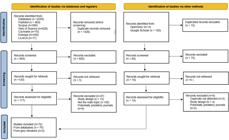
Figure 1
PRISMA flowchart of the study identification and selection process.

Characteristics of sources of evidence

The main characteristics of interest of the 72 studies included in the present scoping review were summarized in Supplementary Table 3.

Among the authors, Sharafeddin stood out, publishing five articles31-35. The studies were from all continents, and India was the most prolific country, with 27 articles3,6,13,14,16,17,19,24,36-54, followed by Turkey (n = 10)18,21,23,55-61 and Iran (n = 9)12,31-35,62-64.

Out of the 52 journals that published papers on GICs modified with zirconium compounds, two of them stood out by publishing the most articles: International Journal of Clinical Pediatric Dentistry14,37,39,42, and the Nigerian Journal of Clinical Practice18,44,56,59.

Most of the included studies used material specimens (n=51)1-3,5-14,19-21,31,34-42,46,50,51,55-62,64-77. The remaining studies used human teeth (n = 14)16,17,24,32,33,43-45,47,48,52,53,63,78, both material specimens and human teeth18,49,54, bovine teeth15,79, patients23, and one study used material specimens, human teeth, and patients22. A large variety of comparisons between different GICs (n = 40)1,2,5-15,18,22,31-35,37-39,41-43,46,50,51,56,62,64-69,71,74,77was conducted (Figure 2).
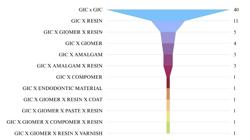
Figure 2
Comparisons between GICs and/or other restorative and preventive materials in studies that used only material specimens (n = 72). *Materials were categorized based on the information provided in the respective articles.

Almost all the studies were laboratory studies (in vitro), with only two involving patients22,23. Among the clinical studies conducted, only the first followed a step-by-step approach, beginning with a prior in vitro study before proceeding to an in vivo split-mouth design. Mahmoud et al.22 (2020) observed patients on the same day, at 1 month, and at 6 months post-treatment. In contrast, Bayazıt et al.23 (2023) conducted observations at 6, 12, 18, 24, and 48 months. The results of the first study revealed no statistically significant differences in clinical performance between Zirconomer and another GIC, while the second study showed no significant differences in retention rates, postoperative sensitivity, or secondary caries. Moreover, Zirconomer exhibited no notable differences in morphological form when compared to both other GIC and bulk-fill resin.

Most studies (n = 52)3,13,14,16-24,31-63,67,72,73,75,77-79 solely utilized commercial materials. Fourteen of them compared commercial and modified materials2,5-12,15,66,68,69,76, four compared commercial and experimental materials1,65,70,71, one compared only modified materials74, and one study compared experimental materials among themselves64. Zirconomer was tested in studies that compared only commercial GICs.

The studies employed different types of GICs. The majority compared powder/liquid (n=50)1,3,5,6,9,10,12-15,17-19,21,24,31-54,62-65,68,71,72,74,76,78,79, followed by powder/liquid versus capsule (n=11)20,23,56-61,66,73,77 capsule versus capsule (n=5)2,8,11,69,70, paste versus paste7, paste versus powder/liquid16, and one study compared three different formulations: powder/liquid versus paste versus capsule75. Three studies did not provide complete information regarding the formulation of all materials used22,55,67 (Supplementary Table 3).

Regarding modifications with zirconium compounds, the only commercial material that contains zirconia (ZrO2) in its composition is Zirconomer, and it was used in 52 of the 72 studies. Among the incorporations made in the modified and experimental materials, the following were observed in the studies: ZrO2 (n =10)2,5,6,7,15,64,65,69,71,76, ZrO2+SiO2+HA (n = 6)1,9,10,66,68,74, YSZ11, ZrO2+HA8, ZrO2+Y2O370 and HA–ZrO2–Y2O312. Not all studies described the method of incorporation, but all of them incorporated the zirconium particles into the powder rather than the liquid.

Regarding the size of the incorporated zirconium particles, Zirconomer particle size could not be identified due to patent protection. Among the other 20 articles, zirconium particles ranged from 5 nm to 80 mesh, and two did not provide a description of the particle size used12,64. Out of the remaining studies: twelve compared nanoparticles with other nanoparticles1,2,6-8,10,66,68,69,74,76; two compared microparticles with nanoparticles5,11, two compared microparticles with other microparticles65,70; and two used mesh as a unit of measurement15,71.

The percentages of zirconium varied significantly among the studies, with the lowest being 1% of ZrO27 and 1% of Zr-SiO2HA74, while the highest being 75.83% of ZrO2-Y2O3-HA12. The most used percentage of ZrO2 was 10% (n=6)2,5,15,64,69,71. The zirconium compound demonstrated improved performance in tests compared to the control in all studies. For ZrO2+SiO2+HA, the most prevalent percentage was also 5% (n=6)1,9,10,66,68,74 which exhibited higher hardness and flexural strength compared to the control and lower incorporation percentages, as reported by Rahman et al.74 (2017) and Sajjad et al.10 (2019).

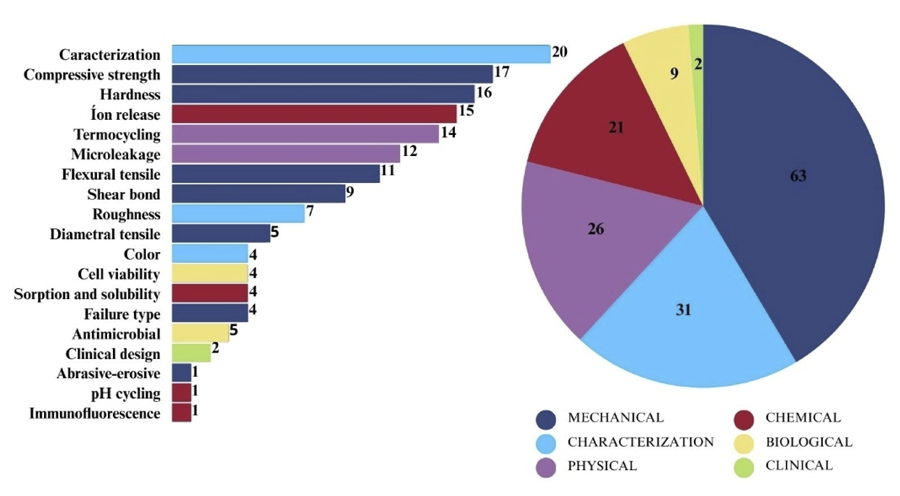
Physical, chemical, mechanical, biological, characterization, and clinical assays were identified in both in vitro and in vivo studies (Figure 3). Material characterization was analyzed in most articles (n = 63), while only two studies reported clinical results. Most studies (n = 51) conducted multiple tests on the materials.
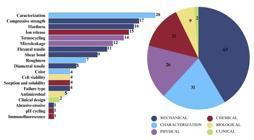
Figure 3
Number of identified physical, chemical, mechanical, biological, characterization, and clinical assays reported across all studies (n = 72).

According to the consensus meeting on the threshold property requirements for the clinical use of conventional GICs in restorative indications, mechanical tests evaluating compressive strength and microhardness are deemed key parameters. Out of the 22 studies conducted on these tests, 4 could not be assessed for the superiority of the zirconium compound over other GICs due to incomplete statistical information disclosure2,44,59,64. Among the 22 studies tabulated, only Cosgun et al.56 (2019) demonstrated statistically lower microhardness results for the zirconium compound compared to the commercial compound (Supplementary Table 4). Conversely, regarding compressive strength, all materials were, at a minimum, considered equivalent.

Discussion

The indications and limitations of GICs are well described in the literature2,6. The use of zirconium incorporated into dental restorative materials began in the early 1990s, to provide aesthetics and strength30. However, the research on the efficacy of zirconium particles incorporated into GIC is still emerging, despite gaining increasing interest5. Therefore, the objective of this scoping review was to conduct a comprehensive literature search80,81, to identify and present the available information on the addition of zirconium compounds in GICs, the incorporation methodologies, and the impact of zirconium on the properties of these materials.

Publications were found in all continents. Authors from India, Iran and Turkey published most of research about the incorporation of zirconium in GICs3,6,12-14,16-20,23,27,30,31,35,37-64. The number of publications for these countries could be justified by the population growth, which demands an increase in health care; due to the level of technological development of nations and the accessibility of zirconium, since it is a silver white metal with a moderate cost on the market, allowing it to be used even in countries whose financial resources for research are more limited. The publication boom occurred in 2019, followed by a decline—likely due to the COVID-19 pandemic’s disruption of laboratory and clinical research. As research activities recovered in 2022, interest in this topic increased.

Using material specimens rather than human or bovine teeth may reflect ISO 9917-182 standard recommendations and the resulting exemption from ethics committee approval. On the other hand, the number of clinical studies, still scarce, should begin to increase due to the volume of primary pre-clinical studies already available with promising results.

A key limitation of this review is the methodological heterogeneity among included studies. Consequently, studies may have employed differing particle sizes and incorporation percentages, thereby precluding direct result comparisons. “Furthermore, assessing the risk of bias of the included studies could have contributed to the overall evidence landscape. On the other hand, the selection of evidence sources, considering the journal’s publishing practices at the moment of the investigation, although possibly changeable, can be highlighted as a strength of this review.” In addition”, the substantial volume of available primary studies forms a solid foundation for the initiation of in vivo investigations.

All studies that compared commercial GICs used Zirconomer, as it is the only commercially available material with zirconium particles in its composition22,30,37,53,62. In contrast, the other studies incorporated different zirconium particles into modified or experimental GICs8,11,65,68. According to the most relevant tests to evaluate the quality of a GIC described by the consensus of Navarro et al.27 (2021), studies with zirconium modification have shown promise. Studies in which zirconium innovative GICs underperformed include amalgam and resinous materials. These materials are known to be more resistant and were used in comparisons to assess the performance of zirconium modified GICs, whose values were lower, but not discrepant.

The incorporated particles exhibited variations in both size and percentage. In the case of experimental and modified GICs, it was evident that nanoparticles displayed greater resistance compared to microparticles. This phenomenon can be attributed to their smaller size, which results in a larger surface area and, consequently, more interaction points with the matrix2. Additionally, nanoparticles are distributed more uniformly, leading to a homogenous matrix that contributes to enhanced strength83. Nanoparticles, due to their higher hydrophobicity relative to microparticles, exhibit lower cytotoxicity and solubility, and form fewer aggregates, making them a preferred choice for biomedical applications such as implants and dental fillings84.

Among the evaluated parameters, mechanical properties were most prominent. This is due to the fact that the biggest gap in the quality of GIC compared to other restorative materials such as composite resins are microhardness, compressive, diametral and flexural strength, erosion resistance, and microleakage58,59,70. This justifies the findings of this study.

Zirconium readily binds to oxygen to form ZrO2, and to other oxides, including Al2O3, SiO2-HA, Y2O3 and particles as YSZ. These modifications increase especially the mechanical properties6,12,21,71,75, besides the biocompatibility with human tissue68. Given its recognized characteristics and current use in restorative materials, zirconium has been incorporated into GICs to enhance its performance in restorations that require more conservative preparations, in line with the philosophy of modern dentistry10,12,71,74. The incorporation of zirconium into GICs could enhance its competitiveness with composite resins, which suffer from drawbacks such as polymerization shrinkage, and potential tooth sensitivity21.

The commercial brand available with zirconia incorporation, Zirconomer is not an easily accessible material in the world. In this sense, only two clinical studies were carried out with Zirconomer22,23. Given that it is a subject that has gained relevance in the last decade, little is known about its behavior in the oral cavity. Knowing the improvement of the properties of modified GICs when compared to conventional or resin-modified GICs, more clinical studies are necessary to investigate the effectiveness of these new materials.

Zirconomer is the only commercially available zirconium-modified material. Among the experimental and modified materials, ZrO2 nanoparticles with an incorporation rate of 5% and 10% seems to exhibit the most favorable mechanical properties, especially microhardness and compressive strength, mechanical tests suggested in the latest consensus.

This scoping review identified the primary studies in the literature that investigated the integration of zirconium compounds, including particle size and percentage, into GICs currently available on the world market or developed for laboratory testing80. This review summarizes available evidence, clarifies key concepts of zirconium incorporation in GICs, and details the methodologies employed80,81. Furthermore, this study contributed to knowledge and by identifying the primary characteristics and factors influencing material properties, thereby serving as a precursor for future research and highlighting the current state of evidence on the topic.

This scoping review identified and synthesized published evidence on the addition of zirconium compounds to glass ionomer cements (GICs), demonstrated that these modifications enhance mechanical properties relevant to restorative dentistry, and suggests a favorable scenario for their clinical application.

Supplementary Table

Supplementary Table 1 Search strategy for all databases assessed. Data base Search Strategy PubMed (06/19/2023) (http://www.ncbi.nlm.nih.gov/sites/pubmed) (((Zirconium oxide[Supplementary Concept] OR Zirconium[Mesh] OR Zircon*[Tiab] OR Zr[Tiab] OR DC-zirkon[Tiab]) AND (Glass Ionomer Cements[Mesh] OR Ionomer*[Tiab] OR Glass-ionomer*[Tiab] OR Polyalkenoate*[Tiab] OR Glass-polyalkenoate*[Tiab] OR GIC[Tiab])) OR Zirconomer*[Tiab]) Scopus (06/19/2023) (http://www.scopus.com) (((INDEXTERMS({Zirconium oxide} OR Zirconium) OR TITLE-ABS-KEY(Zircon* OR Zr OR DC-zirkon)) AND (INDEXTERMS({Glass Ionomer Cements}) OR TITLE-ABS-KEY(Ionomer* OR Glass-ionomer* OR Polyalkenoate* OR Glass-polyalkenoate* OR GIC))) OR TITLE-ABS-KEY(Zirconomer*)) Web Of Science (06/19/2023) (https://www.webofknowledge.com) #1 TS=(Zircon* OR Zr OR DC-zirkon) #2 TS=(Ionomer* OR Glass-ionomer* OR Polyalkenoate* OR Glass-polyalkenoate* OR GIC) #3 TS=(Zirconomer*) #4 #1 AND #2 #5 #4 OR #3 COCHRANE(06/19/2023) (https://www.cochranelibrary.com) #1 MeSH descriptor: [Zirconium] explode all trees #2 (Zircon* OR Zr OR DC-zirkon):ti,ab,kw #3 #1 OR #2 #4 MeSH descriptor: [Glass Ionomer Cements] explode all trees #5 (Ionomer* OR Glass-ionomer* OR Polyalkenoate* OR Glass-polyalkenoate* OR GIC):ti,ab,kw #6 #4 OR #5 #7 (Zirconomer*):ti,ab,kw #8 #3 AND #6 #9 #8 OR #7 EMBASE (06/19/2023) (https://www.embase.com) (((‘zirconium oxide’/exp OR ‘zirconium’/exp OR zircon*:ti,ab,kw OR zr:ti,ab,kw OR ‘dc-zirkon’:ti,ab,kw) AND (‘glass ionomer’/exp OR ionomer*:ti,ab,kw OR ‘glass-ionomer*’:ti,ab,kw OR polyalkenoate*:ti,ab,kw OR ‘glass-polyalkenoate*’:ti,ab,kw OR gic:ti,ab,kw)) OR zirconomer*:ti,ab,kw) LILACS/VHL (06/19/2023) (https://bvsalud.org) ((mh:(“zirconium oxide” OR zirconium) OR zircon* OR zr OR dc-zirkon) AND (mh:(“glass ionomer cements”) OR ionomer* OR glass-ionomer* OR polyalkenoate* OR glass-polyalkenoate* OR gic)) OR zirconomer* AND ( db:(“LILACS”)) Google Scholar (06/19/2023) (https://scholar.google.com.br) “zirconium” AND “glass ionomer cement” OpenGrey (06/19/2023) (https://easy.dans.knaw.nl/ui/datasets/id/easy-dataset:200362) “zirconium” AND “glass ionomer cement”
Supplementary Table 1
Search strategy for all databases assessed.
Supplementary Table 2 Reasons for exclusion. Article Reason for exclusion Akar and Akin (2020) Not the main topic Bahammam et al. (2020) Not the main topic Beketova et al. (2021) Not the main topic Chen et al. (2017) Not the main topic Chowdhary et al. (2019) Not the main topic Dickey et al. (2013) Not the main topic Efe and Güçlü (2021) Not the main topic Flausino et al. (2014) Not the main topic Futatsuki et al. (2001) Not the main topic Gale and Darvell (1997) Not the main topic Gladys et al. (1997) Not the main topic Gotoh et al. (2000) Not the main topic Jaisankar et al. (2014) Not the main topic Jones et al. (2005) Not the main topic Kanca and Greitzer (2009) Not the main topic Marchan et al. (2005) Not the main topic Melo, Oliveira, Soares (2019) Not the main topic Monmaturapoj et al. (2012) Not the main topic Najeeb et al. (2016) Not the main topic Patle et al. (2019) Not the main topic Pereira et al. (2005) Not the main topic Rodrigues et al. (2010) Not the main topic Sakrana et al. (2023) Not the main topic Shahal et al. (1998) Not the main topic Szalay et al. (2017) Not the main topic Tate et al. (1996) Not the main topic Thanjal et al. (2010) Not the main topic Wang and Darvell (2009) Not the main topic Agnihotri et al. (2019) Study design Almuhaiza (2016) Study design Badami and Ahuja (2014) Study design Bradeley and Craig (2008) Study design Darvell (2013) Study design Fernandes et al. (2015) Study design Huff (2011) Study design Mohanty and Kalimireddy (2020) Study design Mortazavi et al. (2015) Study design Rosentiel et al. (1992) Study design Sajjad et al. (2018) Study design Schmalz and Stanley (2009) Study design Souza (2015) Study design Alobiedy et al. (2018) Published in a potential predatory journal Fazelin et al. (2018) Published in a potential predatory journal Khera and Ballal (2019) Published in a potential predatory journal Lokhande and Shivanna (2017) Published in a potential predatory journal Phin et al. (2016) Published in a potential predatory journal Sadananda et al. (2018) Published in a potential predatory journal Shetty et al. (2019) Published in a potential predatory journal Shivakumar et al. (2021) Published in a potential predatory journal

Supplementary Table 2
Reasons for exclusion.

Supplementary Table 3 Main characteristics of included studies. Author, Year. (Country) Aim/focus Samples and materials features Main findings Abo-Mosallam et al.65, 2016 (Egypt) The effect of ZrO2 oxide content of the glass on the glass ionomer formation, setting time, mechanical properties, in vitro cell biocompatibility and the crystallization characteristics was investigated. Specimen Flexural 25mm x 2mm x 2mm (n=ND) Fracture toughness 25mm x 2.5mm x 5mm (n=4) Cell test 15mm x 6mm (n = ISO9917) Groups: GIC Control(ND),commercial - Shofu - (p/l) G1, experimental - (p/l) G2 + 1.5%ZrO2, experimental - (p/l) G3 + 3.0%ZrO2, experimental - (p/l) G4 + 4.5%ZrO2, experimental - (p/l) ZrO2, 1.5%, ≥38 micro ZrO2, 3.0%, ≥38 micro ZrO2, 4.5%, ≥38 micro The incorporation of 4.5 mol% ZrO2 in sample G4 resulted in the longest setting time compared to the control. While the control group showed an initial flexural strength of 6.5 MPa after 1 day of immersion, the modified cements exhibited significantly higher values, ranging from 10.2 to 13.2 MPa. All modified formulations outperformed the control. The glass base without ZrO2 (G1) demonstrated greater cell viability, although cytotoxicity increased slightly with higher ZrO2 concentrations. The presence of zirconium promoted the formation of structural bridges within the glass matrix, increasing viscosity and reducing non-bridging oxygen. This structural modification decreased the material’s reactivity with liquids, resulting in prolonged setting times due to enhanced network coherence. Overall, the addition of ZrO2 improved mechanical strength, although it slightly reduced cell viability in rat dental pulp cells at higher concentrations. Aditi et al.36 , 2023 (India) To evaluate and compare the shear bond strength (SBS) at the interface of monolithic zirconia with zirconomer (Zr) core build-up, a new type of glass ionomer cement to monolithic zirconia with composite resin core build-up material. Specimen 5mm x 3mm (n=32 total) Groups: GIC Zirconomer, commercial/ zirconia reinforced - Shofu (p/l) Resin Te-Econom Plus, commercial - Ivoclar Zirconomer: ZrO2 The shear bond strength of composite resin core build-up (7.25 MPa) was significantly higher than that of zirconia core build-up using Zirconomer (0.74 MPa) (p ≤ 0.001). Zirconomer exhibited exclusively adhesive failures (100%), whereas composite resin showed a distribution of 43.8% cohesive, 31.2% mixed, and 25.0% adhesive failures. These findings indicate that resin not only provides superior bond strength but also demonstrates a more favorable failure profile compared to Zirconomer. Adsul et al.37, 2022 (India) To determine and compare flexural strength and microhardness of Cention N with Glass ionomer cement (GIC) (GC Gold Label Type IX Extra) and Zirconomer improved at a distinctive time period in artificial saliva. Specimen Flexural strength 12mm x 4mm x 2mm Microhardness 12mm x 4mm x 2mm (n=30) Groups: GIC Cention N, commercial/ self-adhesive - Ivoclar (p/l) Fuji IX, commercial / high viscosity - GC (p/l) Zirconomer, commercial/ zirconia reinforced - Shofu (p/l) Zirconomer: ZrO2 Cention N demonstrated significantly higher flexural strength and microhardness compared to Zirconomer and Fuji IX in the intergroup analysis. However, all materials, including Cention N, showed a marked reduction in these properties after immersion in artificial saliva from day 1 to day 28 (p < 0.001). Despite this decrease, Cention N maintained the best overall mechanical performance. Zirconomer Improved, while presenting lower values, exhibited acceptable mechanical properties and can be considered a cost-effective option for basic restorative procedures. Ahsan et al.62, 2021 (Iran) To assess the cytotoxicity of zirconomer and conventional glass ionomer (CGI) for L929 murine fibroblasts over time. Specimen 8mm diameter x 2mm height (n=24 / n=48 total) Groups: GIC FX-II Glass Ionomer, commercial/ conventional - Shofu (p/l) Zirconomer, commercial/ zirconia reinforced - Shofu (p/l) Zirconomer: ZrO2 At 24 hours, the 15-minute extracts of both Zirconomer and CGI exhibited the highest cytotoxicity, while the 7-day extracts showed the lowest. Throughout the time points evaluated, Zirconomer consistently demonstrated significantly higher cytotoxicity than CGI, particularly in the 15-minute extract at 24 and 72 hours (p < 0.05). Although cytotoxicity decreased over time for both materials, Zirconomer maintained higher cytotoxic levels than CGI at all evaluated intervals. Albeshti and Shahid79, 2018 (United Kingdom) To assess the microleakage of Zirconomer and compare it with those previously GIC existing restorative materials. Animal teeth Bovine incisors Cavity Mesial and distal surfaces with dimension of 3.0mm length x 2.0mm width x 2.0mm depth (n=60 total / n= 4 for each group) Groups: GIC Zirconomer, commercial/ zirconia reinforced - Shofu (p/l) Ketac Silver, commercial/ silver-reinforced - 3M (p/l) Amalgam Dispersalloy, commercial - 3M Resin Filtek Z250XT, commercial - Dentsply Zirconomer: ZrO2 Ketac Silver restorations showed the highest mean microleakage (3.71 ± 0.48), significantly greater than the other materials. Zirconomer and composite restorations demonstrated similar dye penetration values (2.86 ± 0.69 and 2.86 ± 1.06, respectively), while amalgam restorations exhibited the lowest leakage (0.57 ± 0.53). These results confirm that cavities restored with Ketac Silver had the highest microleakage, followed by Zirconomer and composite. Aldhuwayhi et al.66, 2021 (Saudi Arabia) To investigate the effects of adding a nano zirconia-silica-hydroxyapatite (nanoZrO2-SiO2-HA) composite synthesized using a one-pot sol-gel technique to a conventional glass ionomer cement (GIC), which was then characterized using X-ray diffraction (XRD). Specimen Fracture Toughness 25mm x 2.5mm x 5mm (n=10 for each group) Color stability 5mm x 2mm (n=10 for each group) Sorption-Solubility 10mm x 2mm (n=10 for each group) Groups: GIC Fuji IX, commercial/ High viscosity - GC (capsule) Fuji IX + 3%nanoZrO2-SiO2 HA modified - GC (p/l) Fuji IX + 5%nanoZrO2-SiO2 HA modified - GC (p/l) Fuji IX + 7%nanoZrO2-SiO2 HA modified - GC (p/l) Fuji IX + 9%nanoZrO2-SiO2 HA modified - GC (p/l) ZrO2-SiO2 HA, 3%, nano ZrO2-SiO2 HA, 5%, nano ZrO2-SiO2 HA, 7%, nano ZrO2-SiO2 HA, 9%, nano The GIC containing 5% nano ZrO2-SiO2-HA exhibited significantly higher fracture toughness (1.35 ± 0.15 MPa·m1/2), representing a ~57% improvement compared to conventional GIC (cGIC). Additionally, this formulation showed lower color change (ΔE) over a one-month period, classified between slight and perceptible, along with reduced water sorption and slightly higher solubility than cGIC. These findings support the potential use of GIC 5% nano ZrO2-SiO2-HA as a versatile restorative material for applications including cavity restoration, core build-up, and luting. Ambhoren et al.21, 2021 (Saudi Arabia) To compare the microhardness of different materials. Specimen 5mm x 3mm (n= ND total / n= 8 each group) Groups: GIC Cention N, commercial/self-adhesive - Ivoclar (p/l) Zirconomer, commercial/ zirconia reinforced - Shofu (p/l) Amalgam Silver amalgam, commercial Resin Surefil SDR flow (SRD), commercial - Dentsply Zirconomer: ZrO2 Zirconomer demonstrated the highest mean microhardness (72.87), outperforming Cention N (62.74), Amalgam (58.48), and SRD (34.33). These results confirm that Zirconomer exhibited the greatest surface hardness among the materials tested. Baskar et al.38, 2022 (India) To determine the color stability of zirconomer after and before immersion in hot beverages. Specimen Color Disk: dimensions ND. (n= 8 total) Groups: GIC Zirconomer, commercial/ zirconia reinforced - Shofu (p/l) Zirconomer: ZrO2 After 24 hours, Zirconomer exhibited a ΔE value of 6.74, higher than that observed in the coffee group (4.39) and the control group (2.55). Although these differences were not statistically significant (p = 0.667), tea caused a greater degree of color change in Zirconomer samples than coffee. Bayazıt et al.23, 2023 (Turkey) To compare the retention rates (primary outcome) of high-viscosity glass ionomer (GI), glass carbomer (GC), zirconia-reinforced GI (ZIR), and bulk-fill (BF) composite resin restorations. Secondary outcomes included anatomical form, marginal adaptation, marginal discoloration, color match, surface texture, post-operative sensitivity and secondary caries. Patients At least four single-surface occlusal caries on their posterior molar teeth (first and/or second molars) (n=30 patients / 32 teeth for each material - mean age 21years) Groups: GIC Equia Forte, commercial/ high viscosity - GC (capsule) Glass Fill, commercial / glass carbon cement - (capsule) Zirconomer, commercial/ zirconia reinforced - Shofu (p/l) Resin Tetric EvoCeram Bulk Fill, commercial / bulk fill - Ivoclar Zirconomer: ZrO2 After 48 months, 97 restorations in 23 patients were evaluated with a 77% recall rate. No significant differences were found in the retention rates among the materials tested (p > 0.05). However, GC restorations showed significantly lower anatomical form values compared to GI, ZIR, and BF (p < 0.05), indicating reduced wear resistance. Despite this, there were no significant differences in postoperative sensitivity or secondary caries across all groups, and the overall clinical performance of the materials remained comparable over time. Beketova et al.7, 2023 (Greece) To investigated the effects of zirconia nanoparticles (NPs) as fillers in commercial dental luting cements. Specimen Water sorption and solubility 15mm x 1mm (n=5) Film thickness ISSO 16506:2017 Flexural strength 25mm x 2mm x 2mm Shear bond strength CAD/CAM 4mm x 6mm Groups: GIC Solocem, commercial - Coltene (paste) Solocem + 1% Zirconia NPs, modified - Coltene (paste) Solocem + 2.5% Zirconia NPs, modified - Coltene (paste) Meron Plus, commercial - Voco (paste) Meron Plus + 1% Zirconia NPs, modified - Voco (paste) Meron Plus + 2.5% Zirconia NPs, modified - Voco (paste) Panavia, commercial - Kuraray (paste) Panavia + 1% Zirconia NPs, modified - Kuraray (paste) Panavia + 2.5% Zirconia NPs, modified - Kuraray (paste) ZrO2, 1%, nano ZrO2, 2.5%, nano The addition of ZrO2 nanoparticles (NPs) did not produce detectable changes in the FTIR spectra, likely due to the broad and weak characteristic bands of tetragonal zirconia. In terms of water sorption and solubility, the PAN group showed the best performance, while the MER group had the highest values, though still within clinically acceptable limits. Film thickness increased after incorporation of 2.5% ZrO2 NPs, with MER-2.5 presenting the thinnest films. Flexural strength improved notably in the MER group after nanoparticle addition. Shear bond strength (SBS) varied across formulations: MER and SOL groups had the lowest values, while PAN-G-2.5 exhibited the highest SBS (22 ± 5 MPa). Although 1% NPs did not affect polymerization, higher concentrations did not promote additional crosslinking. Mechanical properties and sorption behavior remained stable across composites, but thermocycling negatively impacted all materials. Notably, only RMGI cement showed significant mechanical enhancement with NPs, and the use of adhesive primer improved SBS before thermocycling—particularly for RMGI. MDP-based luting cement demonstrated higher SBS than RMGI and 4-META-based agents. Bethapudy et al.39, 2022 (India) To evaluate and compare water sorption, solubility, and microhardness of Zirconomer, Vitremer and Gold Label 9. Specimen Microhardness (n=45 total / n=15 for each group) Water sorption and solubility (n=45 total / n=15 for each group) Groups: GIC Zirconomer, commercial/ zirconia reinforced - Shofu (p/l) Fuji IX, commercial/conventional - GC (p/l) Vitremer, commercial/resin modified - 3M (p/l) Zirconomer: ZrO2 Zirconomer exhibited the lowest solubility (34.57 μg/mm3) and water sorption (5.78 μg/mm3) among the materials tested, followed by Vitremer and Fuji IX. In terms of microhardness, Zirconomer again outperformed the other groups with a value of 75.60 HV, compared to 70.04 HV for Vitremer and 65.36 HV for Fuji IX. These findings indicate that Zirconomer presents superior physical and mechanical properties in relation to both resin-modified and conventional glass ionomer cements. Bhatia et al.14, 2017 (India) To evaluate and compare the sorption, solubility, and Compressive strength of three different glass ionomer cements in artificial saliva – type IX glass ionomer cement, silver reinforced glass ionomer cement, and zirconia-reinforced glass ionomer cement, so as to determine the material of choice for stress-bearing areas. Specimen 6mm height x 4mm diameter Compressive strength (n=45 / n=15 for each group) Sorption and solubility (n=45 / n=15 for each group) (n=90 total / n=45 for each test) Groups: GIC Gold Label, commercial/ conventional - GC (p/l) Miracle Mix, commercial/ silver alloy - GC (p/l) Zirconomer, commercial/ zirconia reinforced - Shofu (p/l) Zirconomer: ZrO2 Zirconomer (Group III) demonstrated the highest compressive strength among the materials tested, followed by Miracle Mix (Group II), while the lowest values were observed for conventional glass ionomer cement type IX-Extra (Group I), with statistically significant differences between the groups. Regarding sorption and solubility in artificial saliva, the highest values were found for GC, followed by Zirconomer and then Miracle Mix. These findings indicate that Zirconomer combines superior compressive strength with moderate sorption and solubility behavior compared to the other materials. Çarıkçıoğlu et al.55, 2021 (Turkey) To observe the effects of high temperature on different restorative dental materials by detecting changes in their microstructural and elemental composition. Specimen 10mm diameter x 2mm depth (n= 8 total / n=1 for each material) Groups: GIC Zirconomer, commercial/ zirconia reinforced - Shofu (p/l) Glass Fill, commercial/ glass carbomer - GCP dental (capsule**) ChemFil Rock, commercial/ zinc reinforced - Dentsply (capsule**) Riva Silver, commercial/Silver alloy reinforced - SDI (ND) Riva self cure, commercial/conventional - SDI (ND) Compomer Dyract XP, commercial - Dentsply Resin Admira, commercial -Voco Giomer Bealtifill II, commercial - Shofu Zirconomer: ZrO2 Among the eight dental materials tested, “Admira” exhibited the greatest dimensional shrinkage, while “ChemFil Rock” showed the most expansion. SEM imaging at varying magnifications (50×, 500×, and 2000×) revealed heterogeneous but distinct microstructural features in each sample. After exposure to high temperatures, all materials demonstrated specific macroscopic changes and microstructural deterioration. Although variations in elemental content were observed, the original elemental composition remained preserved. These findings highlight the relevance of elemental analysis in distinguishing dental materials, especially for identification purposes in forensic contexts. Chalissery et al.40, 2016 (India) To compare the compressive strength (CS) and diametral tensile strength (DTS) of the Zirconomer with conventional glass ionomers (Fuji IX) and amalgam. Specimen Compressive strength 6.0 mm diameter × 12.0 mm height Diametral tensile 6.0 mm diameter × 3.0 mm height (n=120 total / n= 60 for each test) Groups: GIC Zirconomer, commercial/ zirconia reinforced - Shofu (p/l) Fuji IX, commercial/conventional - GC (p/l) Amalgam Silver amalgam DPI Alloy and Mercury, commercial - Fine grain Zirconomer: ZrO2 Zirconomer and amalgam exhibited significantly higher compressive strength values (195 ± 22 MPa and 197 ± 27 MPa, respectively) compared to Fuji IX (107 ± 10 MPa). A similar pattern was observed in diametral tensile strength, with Zirconomer (44.7 ± 4.7 MPa) and amalgam (46.2 ± 4.6 MPa) outperforming Fuji IX (17.6 ± 2.8 MPa). These results confirm that the incorporation of zirconia notably enhances the mechanical properties of restorative materials. Cosgun et al.56, 2019 (Turkey) To investigate the antimicrobial effects, nanohardness, and cytotoxicity of different glass-ionomer restorative materials in dentistry. Specimen Cytotoxicity 5mm x 2mm (n= 60 total / n=10 for each group) Nanohardness and elastic 2mm x 7mm (n=10 for each group) Groups: GIC Zirconomer, commercial/ zirconia reinforced - Shofu (p/l) Fuji IX, commercial / high viscosity - GC (capsule) Fuji II LC, commercial/ resin modified - GC (p/l) Equia Forte, commercial/ bulk fill - GC (p/l) Argion, commercial/ silver reinforced - Voco (p/l) Zirconomer: ZrO2 After 24 hours of incubation, disk diffusion tests showed no inhibition zones for bacterial and fungal strains, indicating low antimicrobial activity for all tested glass-ionomer restorative materials. Antifungal effects were even less pronounced. Cytotoxicity assessments revealed no significant differences in cell viability at 24 and 48 hours; however, at 72 hours, Zirconomer, EQUIA Forte, Fuji IX GP capsule, and Fuji II LC capsule demonstrated significantly reduced cell viability (p < 0.05). Regarding mechanical performance, nanohardness and elastic modulus varied among materials, with Fuji II LC capsule showing the highest values, followed by EQUIA Forte, Argion, Fuji IX GP capsule, and Zirconomer. Only Argion exhibited non-cytotoxic behavior throughout the testing periods. Effendi et al.67, 2020 (Indonesia) To examine the effect of carbonated beverages on the surface roughness of Zirconomer and GIC filling materials and determine if there was any difference between them. Specimen 10mm diameter x 2mm height (n=32 total / n=4 for each group **) Groups: GIC Zirconomer, commercial/ zirconia reinforced - Shofu (p/l) GIC Type II - ND (ND) Zirconomer: ZrO2 Surface roughness analysis of GIC and Zirconomer materials immersed in carbonated beverages revealed time-dependent changes. On day 1, both materials showed significant alterations (p < 0.01), while on subsequent days, the effects varied—GIC was significantly affected on day 3 (p < 0.04), and Zirconomer on day 5 (p < 0.05). By day 7, neither material showed significant changes. Overall, Zirconomer demonstrated greater resistance to carbonated beverages compared to GIC, and a positive correlation was observed between immersion duration and surface roughness for both materials. Feiz et al.63, 2019 (Iran) To compare microtensile bond strength in primary teeth dentin. Human teeth Primary molar (n=16 total / n= least 17 samples with a minimum length of 5 mm were prepared from each dental material). Groups: GIC Fuji II, commercial/resin modified - GC (p/l) Zirconomer, commercial (GII)/ zirconia reinforced - Shofu (p/l) Cention N, commercial/self-adhesive - Ivoclar (p/l) Giomer Giomer,commercial - Shofu Zirconomer: ZrO2 In microtensile bond strength testing, Giomer demonstrated the highest performance (19.2 ± 4.96 MPa), followed by Cention N (12.85 ± 5.06 MPa), Gold Label (0.4 ± 3.66 MPa), and Zirconomer (4.8 ± 2.63 MPa). While Cention N and Gold Label showed relatively similar performance, Zirconomer presented the lowest bond strength among the materials evaluated. Ghazali et al.68, 2017 (Malaysia) To investigate the effect of two different mixing methods on the performance of new GIC-nanoSiO2-HA-ZrO2 which has not been reported previously. Specimen 5mm of diameter x 2mm of height (n= ND) Groups: GIC Fuji IX, commercial, High viscosity - GC (p/l) Fuji IX + SiO2-HA-5ZrO2, modified - GC (p/l) Fuji IX + SiO2-HA-15ZrO2, modified - GC (p/l) Fuji IX + SiO2-HA-20ZrO2, modified - GC (p/l) SiO2-HA-ZrO2, 5%, nano SiO2-HA-ZrO2, 15%, nano SiO2-HA-ZrO2, 20%, nano Scanning Electron Microscope (SEM) analysis of the one-pot synthesis method revealed less agglomeration and a more uniform distribution of nanozirconia within the powder. Vickers hardness testing showed that the incorporation of nanoSiO2-HA-ZrO2 into GIC improved hardness, with values increasing progressively with additions of 1%, 3%, and 5%. However, further increases up to 20% led to a decline in hardness. Overall, the one-pot method produced better nanoparticle morphology and dispersion, enhancing the mechanical properties of the conventional GIC at optimal concentrations. Gjorgievska et al.69, 2015 (Macedonia) To improve these materials by incorporation of 10 wt% of three different types of nanoparticles, aluminum oxide, zirconium oxide, and titanium dioxide, into two commercial GICs (ChemFil® Rock and EQUIA™ Fil). Specimen 4mm in diameter x 6mm in height (n= 48 total*/ n=6 for each group) Groups: GIC Equia Fil, commercial/conventional - GC (capsule) Equia Fil + Al2O3, modified - GC (capsule) Equia Fil + TiO2, modified - GC (capsule) Equia Fil+ ZrO2, modified - GC (capsule) Chemfil Rock, commercial/conventional - Dentsply (capsule) Chemfil Rock + Al2O3, modified- Dentsply (capsule) Chemfil Rock + TiO2, modified- Dentsply (capsule) Chemfil Rock + ZrO2, modified - Dentsply (capsule) ZrO2, 10%, 80 nano SEM micrographs revealed that Al2O3 nanoparticles formed larger agglomerates (1.47 μm) compared to TiO2 and ZrO2, which measured approximately 70 nm. TiO2 particles exhibited a porous structure distinct from the others. Unmodified glass ionomer cements showed significant porosities and microcracks, with compressive strengths ranging from 32 to 37 MPa. These properties were notably improved with the incorporation of nanoparticles: TiO2 enhanced ChemFil® Rock, while both ZrO2 and TiO2 improved EQUIA™ Fil. The modified GICs demonstrated reduced internal voids and microcracks, with better compressive strength and uniform nanoparticle distribution, despite no detectable chemical interaction with the matrix. Gjorgievska et al.2, 2020 (Macedonia) To evaluate the effects of incorporation of Al2O3, ZrO2 and TiO2 nanoparticles into GICs. Specimen 4mm diameter x 6mm height (n=96 total / n=12 for each group) Groups: GIC Equia Fil (E), commercial/conventional - GC (capsule) Equia Fil ZrO2 (EZ), modified (capsule) Equia Fil TiO2 (ET), modified (capsule) Equia Fil Al2O3 (EA), modified (capsule) ChemFil (C), commercial/conventional - Dentsply (capsule) ChemFil ZrO2 (CZ), modified (capsule) ChemFil TiO2 (CT), modified (capsule) ChemFil Al2O3 (CA), modified (capsule) ZrO2, 2% w/t, 80 nano ZrO2, 5% w/t, 80 nano ZrO2, 10% w/t, 80 nano The addition of ZrO2 to Equia and ChemFil glass ionomer cements influenced compressive strength and microstructure over time. After 1 day, compressive strength values varied, with Equia-based groups showing higher values in EZ10% (34.02 MPa) and EZ2% (33.56 MPa), while ChemFil-based groups had CZ2% (36.42 MPa) and CZ10% (35.31 MPa) as top performers. Similar patterns were observed after one week, with slight increases or maintenance of strength. SEM analysis revealed that adding ZrO2 reduced void formation in both cements; in Equia, fracture lines became more pronounced with increasing ZrO2 content, while ChemFil exhibited the greatest porosity reduction at 5% ZrO2. ICP measurements confirmed that zirconium release was below detectable levels. These results support the potential of ZrO2 to enhance GIC properties for clinical applications. Gu et al.11, 2005 (Singapore) To investigate the effects of YSZ powders substituted within glass ionomer cement (GIC) were investigated based on their microhardness, compressive strength and diametral tensile strength. Specimen Hardness testing 3mm height x 6mm diameter Compressive strength 8mm height x 4mm diameter Diametral tensile 3mm height x 6mm diameter (n= total ND / n=5 for each group) Groups: GIC Fuji IX /commercial/ conventional GIC/ GC (capsule) Miracle Mix/commercial/ CIV reinforced with silver alloy/GC (capsule) YSZ, 8 mol.%, 5–15 nano YSZ, 7 wt.%, 2–10 micro XRD analysis confirmed the presence of the ZrO2 phase in both nano- and micro-sized YSZ powders, while the glass powders exhibited an amorphous, disordered structure. In mechanical testing, micro-sized YSZ-GIC composites demonstrated superior performance in microhardness, compressive strength, and diametral tensile strength compared to their nano-sized counterparts. Additionally, all YSZ-GIC composites outperformed Miracle Mix in these mechanical properties. SEM analysis indicated a uniform distribution of glass and YSZ particles within the GIC matrix, with micro-sized YSZ yielding the most enhanced mechanical behavior. Gu et al.8, 2005 (Singapore) The effects of hydroxyapatite-zirconia (HA/ZrO2) filler volume on mechanical properties, including the change of mechanical properties with aging time, were investigated. Specimen Compressive strength 8mm in height x 4mm in diameter Diametral tensile strength 3mm in height x 6mm in diameter Microhardness test 3mm in height x 6mm in diameter Groups: GIC Fuji IX, commercial/conventional - GC (capsule) Fuji IX + 4HA/ZrO2, modified - GC (capsule) Fuji IX + 12HA/ZrO2, modified - GC (capsule) Fuji IX + 28HA/ZrO2, modified - GC (capsule) Fuji IX + 40HA/ZrO2, modified - GC (capsule) HA/ZrO2, 4%, nano HA/ZrO2, 12%, nano HA/ZrO2, 28%, nano HA/ZrO2, 40%, nano The GIC composite containing 4 vol% HA/ZrO2 exhibited the highest mechanical strength (15.42 MPa at 1 day; 18.04 MPa at 1 week). However, increasing the HA/ZrO2 content beyond this level led to a decline in performance. The 40 vol% HA/ZrO2-GICs showed the lowest values in both microhardness (44.88 at 1 day; 45.82 at 1 week) and mechanical strength (9.07 MPa at 1 day; 7.71 MPa at 1 week). The superior mechanical properties observed in HA-GICs are attributed to the presence of ZrO2, known for its high strength, modulus, and hardness compared to glass and HA particles. Additionally, ZrO2 remained stable and undissolved even with prolonged soaking time. Gu et al.70, 2005 (Singapore) The mechanical properties of YSZ–GIC were investigated after 1 day, 1 week and 1 month storage in distilled water. Specimen Compressive strength 8mm height x 4mm diameter Microhardness 3mm height x 6mm diameter Groups: GIC Fuji IX, commercial/high viscosity - GC (capsule) YSZ–glass ionomer, experimental Amalgam Miracle mix, commercial/ amalgam alloy - GC (capsule) ZrO2+Y2O3, 7wt %, 5-80 micro After 1 day, there was no significant difference in compressive strength between Zirconia–glass ionomer (ZG) and Miracle Mix (MM); however, ZG exhibited notably higher diametral tensile strength (10.58 ± 0.79) and microhardness (58.98 ± 5.77) compared to MM (6.31 ± 0.75 and 49.12 ± 3.88, respectively). At 1 week and 1 month, ZG maintained significantly higher diametral tensile strength than MM, although compressive strength and microhardness became statistically comparable. When compared to Fuji IX, ZG presented similar mechanical behavior across all time points, with Fuji IX generally outperforming other materials. The superior tensile performance of ZG was attributed to improved interfacial bonding between the YSZ particles and the GIC matrix. Gurgan et al.20, 2022 (Turkey) To investigate the antibacterial properties and biofilm formation of five different dental materials. Specimen 8mm x 2mm Antibacterial Activity (n=80) Biofilm Formation Assay (n=80) Surface Roughness (n=80) (n=240 total / n=10 for each group) Groups: GIC Equia Forte HT Fil, commercial/ Bulk-fill glass hybrid - GC (capsule) Riva Silver, commercial/ silver-reinforced - SDI (capsule) Riva Self-Cure, commercial/ Bulk-fill glass hybrid - SDI (capsule) Zirconomer, commercial/ zirconia reinforced - Shofu (p/l) Paste MI Paste Plus Strawberry, Topical creme - GC Liquid Equia Forte coat, Light-cured resin coating - GC Composite G-aenial A’Chord, commercial / Nano hybrid - GC Giomer Beautifil II, commercial - Shofu Zirconomer: ZrO2 None of the tested restorative materials exhibited detectable antibacterial activity. Zirconomer demonstrated high biofilm accumulation (0.202 ± 0.068) and one of the highest surface roughness (Ra) values (1.534 ± 0.250), comparable to materials like Riva Silver and Riva Self-Cure. In contrast, Equia Forte HT Fil showed the lowest biofilm accumulation, and G-ænial A’Chord had the lowest Ra values. Overall, Zirconomer presented no antibacterial effect, along with high surface roughness and biofilm retention. Hussin et al.1, 2018 (Malaysia) To evaluate the in vitro microleakage of new modified glass ionomer cement (GIC)-nanozirconia-silica-hydroxyapatite (GIC-nanoZrO2 -SiO2 -HA) hybrid material by comparing the depth of microleakage with conventional GIC (Fuji IX). Specimen 4mm width x 3mm height x 2mm depth (n=40 total / 20 for each group) Groups: GIC Fuji IX, commercial/conventional - GC (p/l) GIC-nanoZrO2-SiO2-HA/ experimental - (p/l) ZrO2–SiO2–HA, ND, nano The new modified GIC-nanoZrO2-SiO2-HA hybrid material demonstrated slightly higher microleakage compared to conventional GIC Fuji IX, with the difference being statistically significant. Despite this, the overall performance remained within acceptable clinical limits, suggesting the modification did not drastically compromise marginal sealing ability. Kale et al.19, 2019 (India) To evaluate the effect of different pediatric drug formulations on color stability of various esthetic restorative materials. Specimen 12mm x 1.5mm (n=120 total / n = 40 for each GIC) Groups: Resin Tetric NCeram, commercial - Ivoclar GIC Zirconomer, commercial/ zirconia reinforced - Shofu (p/l) Gold Label 2, commercial/ Light-cure - GC (p/l) Pediatric drugs: G1: amoxicillin + clavulanic acid G2: metronidazole G3: cephalexin G4: ibuprofen G5: ibuprofen + paracetamol Zirconomer: ZrO2 Color stability analysis showed that Zirconomer Improved exhibited intermediate performance compared to composite resin and conventional GIC. In composite resin, the highest ΔE value was found in G2 (6.997), while the lowest was in G3 (4.11). Zirconomer presented the greatest color change in G2 (5.800), followed by G3 and G1. For GIC, G1 recorded the highest ΔE (5.870), and G4 the lowest (2.126). Overall, Zirconomer demonstrated better color stability than composite resin but inferior to GIC. Karakaş and Küden57, 2022 (Turkey) This study investigated the surface roughness (SR), surface microhardness (SH), and chemical composition of recently developed fluoride-releasing restorative materials aged in common liquids. Specimen 8mm diameter x 2mm height (n=276 total) Surface roughness (n=10) Surface microhardness (n=10) Scanning electron microscopy-energy dispersive X-ray spectroscopy (n=3) Groups: GIC Centrion N, commercial/self-adhesive - Ivoclar (p/l) Zirconomer, commercial/reinforced zirconia with civ - Shofu (pl) Equia Fort Fil/commercial - high viscosity glass ionomer/ GC (capsule) Bioative Pulpdent/commercial - watertown (paste) Zirconomer: ZrO2 Immersion in cola and coffee significantly increased the surface roughness of all tested materials, except Zirconomer in coffee, which showed no change (p < 0.05). Alkasite and Activa experienced significant reductions in microhardness in all tested liquids (p < 0.05). Additionally, the fluoride content of some materials changed significantly after immersion (p < 0.05). Among the materials evaluated, Zirconomer was the most stable, with changes observed only in cola, and no significant alterations in its other structural components across different liquids. Kishore et al.41, 2016 (India) To evaluate and compare the fluoride releasing ability of Fuji II (A) and Zirconomer (B) with and without surface coatings (petroleum jelly and G-Coat plus). Specimen 6±0.1mm diameter x 2±0.1mm thickness (n=30 total / n=10 for each group) Groups: GIC Zirconomer (A), commercial/ zirconia reinforced - Shofu (p/l) Fuji II (B), commercial/ conventional - GC (p/l) G1: uncoat G2: G- coat plus G3: petroleum jelly Zirconomer: ZrO2 Zirconomer (Group B) released significantly more fluoride than conventional GIC (Group A). The highest fluoride release was observed in Group B1 during the first 24 hours, followed by A1 and B2. The lowest release was recorded on the 15th day in Groups B3 and A3. Overall, Zirconomer demonstrated superior fluoride release, showing a performance comparable to that of conventional glass ionomer cements. Kukreja et al.42, 2022 (India) To determine the fluoride release from glass ionomer cements and compare it with new material zirconomer. Specimen Teflon-coated molds (n=20* total / n=10 for each group) Groups: GIC Fuji IX, commercial/conventional - GC (p/l) Zirconomer, commercial/zirconia reinforced - Shofu (p/l) Zirconomer: ZrO2 Zirconomer exhibited consistently higher fluoride release than Fuji IX across all evaluated time intervals. Fluoride concentrations for Zirconomer were 11.01 ppm at 6 hours, 12.54 ppm at 24 hours, 12.09 ppm at 48 hours, 11.93 ppm at 7 days, and 10.74 ppm at 14 days. In contrast, Fuji IX released 5.66, 5.21, 5.08, 7.13, and 4.56 ppm, respectively. These results confirm Zirconomer’s superior fluoride-releasing capacity over time. Kumari and Singh43, 2022 (India) To evaluate the microleakage and dentin shear bond strength of two glass containing restorative materials, Zirconomer and Cention N, and to compare them with a conventional glass ionomer cement (GIC) (GC Fuji II). Human teeth Premolar Cavity 3mm length x 2mm width x 1.5 mm depth (n=30 total / n= 10 for each group) Groups: GIC Zirconomer, commercial/ zirconia reinforced - Shofu (p/l) Cention N, commercial/ self-adhesive - Ivoclar (p/l) Fuji II, commercial/ Light cure - GC (p/l) Zirconomer: ZrO2 Cention N exhibited superior performance in both microleakage and dentin shear bond strength when compared to Zirconomer and GC Fuji II. It showed significantly less microleakage at both gingival and occlusal margins, with more favorable score distributions. In terms of dentin shear bond strength, Cention N achieved the highest values (up to 9.89 MPa), whereas GC Fuji II recorded the lowest (as low as 5.15 MPa). These findings confirm that Cention N consistently outperformed the other two materials. Lagisetti et al.17, 2018 (India) To evaluate and compare the sealing ability of Endo Sequence BC RRM-fast set putty, Proroot mineral trioxide aggregate (MTA), and Zirconomer in the repair of furcal perforation by measuring dye leakage under stereomicroscope. Human teeth First Molar (mandibular and maxillary) (n=48 total / n= 12 for each group) Groups: GIC Zirconomer (Group 2), commercial/ zirconia reinforced - Shofu (p/l) Endodontic material Endosequence BC RRMfast (Group 1) - Endosequence MTA (Group 3) - Dentsply Group 1: control Zirconomer: ZrO2 In the evaluation of perforation repair, Zirconomer (Group 2) exhibited a higher mean perforation length (3.55 ± 1.5 mm) and significantly greater dye leakage (0.55 ± 0.8) compared to Endosequence BC RRM fast set putty (0.08 ± 0.1) and MTA (0.15 ± 0.1). Although all materials showed some level of leakage, the sealing ability of Endosequence and MTA was superior to that of Zirconomer, indicating better marginal integrity in those materials. Laiteerapong et al.5, 2019 (Germany) To formulate novel glass ionomer cements (GICs) containing zirconia (nanopar-ticles (NPs) and micro-particles (MPs) and investigate the genotoxic effect of their eluates on DNA double-strand breaks of human gingival fibroblasts (HGFs) In vitro using a-H2A X fluorescent assay. Specimen 5mm diameter x 2mm high (n = total ND / n= 5 for each group) Groups: GIC Gold Label 9 (C), commercial/conventional - GC (p/l) Gold Label 9 + ZrO2NPs (T1)/modified - GC (p/l) Gold Label 9 + ZrO2MPs (T2)/modified - GC (p/l) ZrO2, 10%w/w, <100 nano ZrO2, 10%w/w, 5 micro In vitro analysis on human gingival fibroblasts (HGFs) exposed to eluates from GIC and zirconia-modified GIC revealed no genotoxic effects. Cells exposed to T1 eluates showed fewer DNA damage foci compared to T2 and control groups (p < 0.05), with T1 at 5% concentration showing significantly fewer foci than even the medium group. Although T1 and control eluates exhibited a higher—but not statistically significant—percentage of cells without foci compared to the negative control, T2 at 20% concentration showed significantly fewer foci-free cells than the control (p < 0.05). Overall, both nano- and micro-zirconia-modified GICs demonstrated a tendency to exert a protective or neutral effect on HGFs. Mahmoud et al.22, 2020 (Egypt) To evaluated and compared between effect of heat application on the shear bond strength and microleakage of class I reinforced glass ionomer restorations. Human teeth + Specimen + Patients First and Second Permanent Molar Class I cavity 4mm x 4mm x 2mm (n=90 total /n= 30 for each GIC) Specimen Shear bond strength 3mm in diameter x 2mm in height (n = ND) In vivo 20 patients split mouth (n= 40 class I carious lesions) Groups: GIC Equia Forte Fil, commercial/ high viscosity - GC (capsule) Zirconomer, commercial/ zirconia reinforced - Shofu (p/l) Fuji II LC, commercial/ resin modified - GC (ND) Zirconomer: ZrO2 All heat-treated groups demonstrated significantly increased shear bond strength and microleakage (p < 0.001). Clinically, no significant differences were observed between Equia and Zirconomer in terms of secondary caries, postoperative sensitivity, or color match (p > 0.05). These findings suggest that heat application enhances the mechanical performance of GICs, and both Equia and Zirconomer exhibited satisfactory clinical outcomes after 6 months of evaluation. Mashyakhy et al.44, 2020 (India) To evaluate and compare the fracture resistance and marginal adaptation of Zirconomer and bulk fill posterior restorative material (Surefil SDR) in nonendodontically and endodontically treated teeth. Human teeth Premolar (n= 52 total) Groups: GIC Zirconomer (Z), commercial/ zirconia reinforced - Shofu (p/l) Resin Surefil SDR flow (SRD), commercial - Dentsply GI: Z + operative only GII: Z + endo GIII: SRD + operative only GIV: SRD + endo Zirconomer: ZrO2 Zirconomer showed significantly lower fracture resistance (320.25 ± 170.98 N) and greater marginal gaps (37.088 ± 6.074 μm) compared to Surefil SDR, which exhibited superior performance in both fracture resistance (804.96 ± 167.47 N) and marginal adaptation (14.034 ± 6.168 μm). These differences were consistent in both endodontically and non-endodontically treated teeth, indicating the mechanical and sealing superiority of Surefil SDR over Zirconomer. Melo et al.71, 2019 (Brazil) To determine the influence of ZrO2 particle size as well as the ZrO2 content on zirconia-reinforced GIC properties (compressive strength, roughness, and microhardness). The initial hypothesis is that significant differences in the properties of the zirconia-reinforced GIC would be observed as a function of ZrO2 characteristics. Specimen 7mm x 2.5mm (n= ISO 9917-1/2007) Groups: GIC Fuji IX, commercial/conventional - GC (p/l) GICZrO2 7% 45 mesh, experimental - (p/l) GICZrO2 7% 50 mesh, experimental - (p/l) GICZrO2 7% 80 mesh, experimental - (p/l) GICZrO2 8.5% 45 mesh, experimental - (p/l) GICZrO2 8.5% 50 mesh, experimental - (p/l) GICZrO2 8.5% 80 mesh, experimental - (p/l) GICZrO2 10% 45 mesh, experimental - (p/l) GICZrO2 10% 50 mesh, experimental - (p/l) GICZrO2 10% 80 mesh, experimental - (p/l) ZrO2, 7%, 45 mesh ZrO2, 7%, 50 mesh ZrO2, 7%, 80 mesh ZrO2, 8.5%, 45 mesh ZrO2, 8.5%, 50 mesh ZrO2, 8.5%, 80 mesh ZrO2, 10% 45 mesh ZrO2, 10%, 50 mesh ZrO2, 10%, 80 mesh The addition of ZrO2 particles to glass ionomer cement (GIC) significantly improved its compressive strength, with the highest values observed in composites containing 8.5 wt% ZrO2, regardless of particle size (granulometry). These composites also showed increased microhardness compared to pure GIC. While one formulation (10% ZrO2, 50 mesh) demonstrated a significant reduction in surface roughness, most treatments did not differ significantly from commercial GIC in this respect. Overall, the incorporation of zirconia enhanced mechanical properties without compromising surface quality, and sieving treatments (45, 50, and 80 mesh) had no notable influence on strength, microhardness, or roughness. Melody et al.72, 2016 (Singapore) To investigated the effect of thermal fatigue on the shear strength of a range of tooth-colored restorative materials including giomers, Zirconomer, nano-particle resin-modified GIC, highly viscous GICs, and composite resin. Specimen 17mm x 9mm x 1mm (n = 140 total* / n= 20 for each material) Groups: GIC Zirconomer, commercial/ zirconia reinforced - Shofu (p/l) Fuji IX, commercial/ highly viscous - GC (p/l) Ketac Molar Quick, commercial/ highly viscous - 3M (p/l) Ketac Nano, commercial/ nano-particle resin-modified - 3M (p/l) Giomer Beautifil II, commercial - Shofu Beautifil flow, commercial – Shofu Resin Filtek Z250XT, commercial - 3M Zirconomer: ZrO2 Z250 and Beautifil Flow demonstrated significantly higher shear strength values compared to Zirconomer and Ketac Molar Quick, both before and after thermocycling. Specifically, Z250 (39.16 NT; 41.21 TC) and Beautifil Flow (30.02 NT; 36.35 TC) outperformed Zirconomer (19.94 NT; 22.65 TC) and Ketac Molar Quick (20.46 NT; 22.07 TC). The overall ranking of mean shear strength was: Z250 > Beautifil Flow > Fuji IX > Ketac Nano > Beautifil > Zirconomer = Ketac Molar Quick. While thermocycling had a material-dependent effect, it did not significantly impact most of the materials tested. Sculptable composite and giomer materials were the strongest, while the flowable giomer showed intermediate strength, positioned between composite resins and glass ionomer cements. Meral and Baseren18, 2019 (Turkey) To evaluate the microleakage and shear bond strength (SBS) of four different GIC restorative materials. Human teeth + Specimen Molars Class V cavity 4mm width x 3mm height x 2mm depth (n=62 total) Specimen SBS (n=15) Groups: GIC Zirconomer, commercial/ zirconia reinforced - Shofu (p/l) Glass carbomer, commercial/ glass carbomer - GCP (p/l) Riva Self, commercial/conventional - SDI (p/l) Equia Fill, commercial/ highviscosity - GC (p/l) Zirconomer: ZrO2 The GC group exhibited the highest bond strength to dentin, although no statistically significant differences were found among the high-viscosity, conventional, and zirconia-reinforced glass ionomer groups (p > 0.05). Microleakage at enamel margins did not differ significantly across materials, but in the high-viscosity GIC group, dentin margins presented higher microleakage than enamel margins (p < 0.05). These findings suggest that zirconia-reinforced, high-viscosity, and conventional glass ionomer cements may be more suitable as permanent restorative materials compared to glass carbomer. Moztarzadeh et al.64, 2004 (Iran) To evaluate the effects of nucleating agents such as TiO2 and ZrO2, and the heat treatment time on the crystalline phase formation in a SiO2-Al2O3-MgO-CaF2 glass, and thereby to compare the working, setting times and the compressive strength of glass ionomer cement with those of the conventional restorative cement. Specimen ND Groups: GIC MZT0, experimental - (p/l) MZ1,experimental - (p/l) MZ2, experimental - (p/l) MZ3, experimental - (p/l) MZ4 ,experimental - (p/l) MT1,experimental - (p/l) MT2, experimental - (p/l) MT3,experimental - (p/l) MT4, experimental - (p/l) Fuji II - liquid MZ1: ZrO2, 2.5%, ND MZ2: ZrO2, 5%, ND MZ3: ZrO2, 7.5%, ND MZ4: ZrO2, 10% , ND The addition of ZrO2 increased the viscosity of the cement, leading to higher glass transition temperatures (Tg), with more pronounced effects than those observed with TiO2. XRD analysis confirmed that ZrO2 acted as a more effective nucleating agent in the formulations. Heat treatment of the MZ1 cement sample significantly extended its working and setting times—more than doubling them when mixed with Fuji II liquid—and enhanced its compressive strength. Specifically, a 3-hour heat treatment resulted in a ~16% increase in the compressive strength of MZ1, demonstrating the mechanical and handling benefits of thermal modification in restorative cements. Mulay et al.16, 2022 (India) To evaluate and compare Nano-ionomer, zirconia reinforced glass ionomer, and flowable composite resin for the fluoride uptake by dentin at different time intervals. Human teeth Premolar (maxillary and mandibular) Class I cavity 5mm × 3mm x 2mm (n=30 total / the teeth were sectioned and the n was different for each group) Groups: GIC Ketac N100, commercial/ nano ionomer - 3M (paste/paste) Zirconomer, commercial/ zirconia reinforced - Shofu (p/l) Resin Flowable SDR - Dentsply Zirconomer: ZrO2 Fluoride uptake by dentin varied over time among the materials tested. At 3 days, Zirconomer exhibited the highest uptake (10.06 ± 2.18), significantly outperforming SDR Flowable Composite (2.65 ± 0.13) and Ketac N100 (2.24 ± 0.48). However, by 42 days, Ketac N100 showed a significant increase in fluoride uptake (3.64 ± 0.31), surpassing Zirconomer (3.34 ± 0.30) and SDR Flowable Composite (1.55 ± 0.25). These results highlight the time-dependent fluoride release dynamics, with Zirconomer performing best in the short term and Ketac N100 showing superior long-term uptake. Nanavati el at.45, 2021 (Indian) To evaluate the shear bond strength of three different glass ionomer based restorative materials. Human teeth Primary molar (n=30 total were sectioned and were examined under a light microscope at 20x magnification / n=20 for each group) Groups: GIC Zirconomer, commercial/ zirconia reinforced - Shofu (p/l) Gold label 9, commercial/conventional - GC (p/l) Giomer Activa kids, commercial - Pulpdent Zirconomer: ZrO2 Activa Kids demonstrated the highest mean shear bond strength (6.41 MPa), outperforming Zirconomer (3.89 MPa) and Gold Label 9 (2.36 MPa). Failure mode analysis showed predominantly cohesive failures for Activa Kids (90%), while Zirconomer and Gold Label 9 exhibited a higher proportion of mixed failures (55% and 60%, respectively). These findings indicate that Activa Kids provides superior bonding performance among the materials tested. Ong et al.73, 2018 (Malaysia) To compare the viscoelastic properties of contemporary bulk-fill restorative materials. Variations in storage and loss modulus as well as loss tangent after conditioning in distilled water and artificial saliva were also compared. For the reinforced glass ionomer cements, the effects of resin coating on viscoelastic properties were also evaluated. Specimen 12mm x 2mm x 2mm (n=20 total/ n=10 for each group) Groups: GIC Zirconomer, commercial/ zirconia reinforced - Shofu (p/l) Equia Forte, commercial/ bulk fill glass - GC (capsule) Resin Filtek Z350, commercial/ nanohybrid composite - 3M Filtek Bulk Fill, commercial/ bulk fill - 3M Tetric N Ceram Bulk Fill, commercial/ bulk fill - Ivoclar Giomer Beautiful bulk restorative, commercial/ bulk fill - Shofu Coat Equia Forte coat, commercial/ nanofilled resin - GC Zirconomer and Equia were divided into two groups: with and without coat. Zirconomer: ZrO2 Significant differences in viscoelastic behavior were observed among bulk-fill restorative materials when tested in both distilled water and artificial saliva, with storage modulus values ranging from 3.19 ± 0.30 to 7.44 ± 0.28 GPa in water, and from 3.16 ± 0.25 to 8.98 ± 0.44 GPa in saliva. Equia Forte exhibited the highest storage modulus (0.48 ± 0.05), while Zirconomer showed the lowest (0.24 ± 0.03). The application of resin coating did not significantly affect Zirconomer, whereas Equia Forte demonstrated significantly higher loss tangent values when coated. Overall, uncoated Equia Forte and Zirconomer presented improved storage modulus, and notable variations in mechanical behavior were evident across materials and testing environments. Patel et al.24, 2015 (India) To evaluate the micro-leakage of these three different restorative materials. Human teeth Permanent 1º and 2º molar Cavity class I 4mm wide x 2mm deep x 4mm long (n=30 total / n=10 for each group) Groups: GIC Zirconomer, commercial/ zirconia reinforced - Shofu (p/l) Amalgam Amalgam, commercial/ amalgam - Dentsply (capsule) Resin Cerm-X, commercial - Dentsply Zirconomer: ZrO2 Zirconomer exhibited the highest microleakage rate (72.5%) among the materials tested, followed by composite (47.5%) and amalgam (20%). These findings indicate that Zirconomer demonstrated inferior marginal sealing ability compared to composite and amalgam restorations. Paul el al.13, 2020 (India) To compare the evaluation of fluoride release and re-release and recharge potential of Zirconomer and Cention N. Specimen 5mm diameter x 3mm depth (n=30 total / n = 15 samples for each GIC) Groups: GIC Zirconomer (Z), commercial/ zirconia reinforced - Shofu (p/l) Cention N, commercial/ self-adhesive - Ivoclar (p/l) Zirconomer: ZrO2 On day 1, Zirconomer exhibited significantly higher initial fluoride release (35.07 ± 4.80) compared to Cention N (20.13 ± 3.54) (p < 0.001), with similar results maintained on days 7 and 15. Fluoride re-release followed the same pattern, with Zirconomer releasing 24.17 ± 4.47 versus 14.89 ± 4.20 for Cention N at day 1 (p < 0.001). These findings indicate that while both materials demonstrated effective fluoride release and re-release, Zirconomer was consistently more efficient than Cention N. Rahman et al.74, 2017 (Malaysia) To assess the effect of the addition nanozirconia-silica-hydroxyapatite on the hardness and aesthetic properties of GIC. Specimen 5mm x 2mm (n=7 for each group) Groups: GIC 1% nano5Zr-Si-HA + FujiIX, modified - GC (p/l) 3% nano5Zr-Si-HA + FujiIX, modified - GC (p/l) 5% nano5Zr-Si-HA + FujiIX, modified - GC (p/l) 7% nano5Zr-Si-HA + FujiIX, modified - GC (p/l) 9% nano5Zr-Si-HA + FujiIX, modified - GC (p/l) 15% nano5Zr-Si-HA + FujiIX, modified - GC (p/l) 20% nano5Zr-Si-HA + FujiIX, modified - GC (p/l) 1% nano15Zr-Si-HA + FujiIX, modified - GC (p/l) 3% nano15Zr-Si-HA + FujiIX, modified - GC (p/l) 5% nano15Zr-Si-HA + FujiIX, modified - GC (p/l) 7% nano15Zr-Si-HA + FujiIX, modified - GC (p/l) 9% nano15Zr-Si-HA + FujiIX, modified - GC (p/l) 15% nano15Zr-Si-HA + FujiIX, modified - GC (p/l) 20% nano15Zr-Si-HA + FujiIX, modified - GC (p/l) 1% nano20Zr-Si-HA + FujiIX, modified - GC (p/l) 3% nano20Zr-Si-HA + FujiIX, modified - GC (p/l) 5% nano20Zr-Si-HA + FujiIX, modified - GC (p/l) 7% nano20Zr-Si-HA + FujiIX, modified - GC (p/l) 9% nano20Zr-Si-HA + FujiIX, modified - GC (p/l) 15% nano20Zr-Si-HA + FujiIX, modified - GC (p/l) 20% nano20Zr-Si-HA + FujiIX, modified - GC (p/l) 1% nano25Zr-Si-HA + FujiIX, modified - GC (p/l) 3% nano25Zr-Si-HA + FujiIX, modified - GC (p/l) 5% nano25Zr-Si-HA + FujiIX, modified - GC (p/l) 7% nano25Zr-Si-HA + FujiIX, modified - GC (p/l) 9% nano25Zr-Si-HA + FujiIX, modified - GC (p/l) 15% nano25Zr-Si-HA + FujiIX, modified - GC (p/l) 20% nano25Zr-Si-HA + FujiIX, modified - GC (p/l) 1% nano5Zr-Si-HA + FujiIX, modified - GC (p/l), 40 nano 3% nano5Zr-Si-HA + FujiIX, modified - GC (p/l), 40 nano 5% nano5Zr-Si-HA + FujiIX, modified - GC (p/l), 40 nano 7% nano5Zr-Si-HA + FujiIX, modified - GC (p/l), 40 nano 9% nano5Zr-Si-HA + FujiIX, modified - GC (p/l), 40 nano 15% nano5Zr-Si-HA + FujiIX, modified - GC (p/l), 40 nano 20% nano5Zr-Si-HA + FujiIX, modified - GC (p/l), 40 nano 1% nano15Zr-Si-HA + FujiIX, modified - GC (p/l), 40 nano 3% nano15Zr-Si-HA + FujiIX, modified - GC (p/l), 40 nano 5% nano15Zr-Si-HA + FujiIX, modified - GC (p/l), 40 nano 7% nano15Zr-Si-HA + FujiIX, modified - GC (p/l), 40 nano 9% nano15Zr-Si-HA + FujiIX, modified - GC (p/l), 40 nano 15% nano15Zr-Si-HA + FujiIX, modified - GC (p/l), 40 nano 20% nano15Zr-Si-HA + FujiIX, modified - GC (p/l), 40 nano 1% nano20Zr-Si-HA + FujiIX, modified - GC (p/l), 40 nano 3% nano20Zr-Si-HA + FujiIX, modified - GC (p/l), 40 nano 5% nano20Zr-Si-HA + FujiIX, modified - GC (p/l), 40 nano 7% nano20Zr-Si-HA + FujiIX, modified - GC (p/l), 40 nano 9% nano20Zr-Si-HA + FujiIX, modified - GC (p/l), 40 nano 15% nano20Zr-Si-HA + FujiIX, modified - GC (p/l), 40 nano 20% nano20Zr-Si-HA + FujiIX, modified - GC (p/l), 40 nano 1% nano25Zr-Si-HA + FujiIX, modified - GC (p/l), 40 nano 3% nano25Zr-Si-HA + FujiIX, modified - GC (p/l), 40 nano 5% nano25Zr-Si-HA + FujiIX, modified - GC (p/l), 40 nano 7% nano25Zr-Si-HA + FujiIX, modified - GC (p/l), 40 nano 9% nano25Zr-Si-HA + FujiIX, modified - GC (p/l), 40 nano 15% nano25Zr-Si-HA + FujiIX, modified - GC (p/l), 40 nano 20% nano25Zr-Si-HA + FujiIX, modified - GC (p/l), 40 nano The addition of Zr-Si-HA nanopowder to conventional GIC improved both mechanical and aesthetic properties. Hardness increased with nanoparticle incorporation up to concentrations of 3–5%, after which it began to decline. The highest hardness values were observed with 3% nano5Zr-Si-HA (~59.45 HV), 3% nano20Zr-Si-HA (~75.63 HV), and 5% nano25Zr-Si-HA (~79.38 HV). These optimized formulations were subsequently evaluated for color stability. SEM analysis of the nanopowder confirmed that the one-pot synthesis method produced particles with minimal agglomeration and uniform distribution within the GIC matrix. Rai et al.46, 2019 (India) To assess and compare the fluoride release and recharge capacity of CentionN, Zirconomer and GC Gold Label 9 Extra. Specimen 10mm x 3mm (n=12) Groups: GIC Zirconomer, commercial/ zirconia reinforced - Shofu (p/l) Cention N, commercial/ self-adhesive - Ivoclar (p/l) Fuji IX, commercial / high viscosity - GC (p/l) Zirconomer: ZrO2 Cention N exhibited significantly higher fluoride release on both day 1 and day 6 compared to Zirconomer and GC Gold Label 9 Extra (p < 0.001). It also demonstrated superior fluoride recharge capacity (p < 0.001). These findings support the use of Cention N as a posterior restorative material, particularly in patients with high caries risk, due to its enhanced ability to release and recharge fluoride, contributing to the prevention of secondary caries. Rajabzadeh et al.12, 2014 (Iran) To formulate hydroxyapatite/yttria-stabilizedzirconia (HA/YSZ) in the composition of GIC to enhance mechanical properties and to improve fluoride release of GIC. Specimen Microhardness 4mm x 8mm (n= ND) Compressive strength 6mm x 12mm (n=5) Diametral tensile 8mm x 4mm (n=5) Fluoride release 8mm x 4mm (n=ND) Groups: GIC Fuji IX, commercial/ High viscosity - GC (p/l) Fuji IX (GIC + 301), modified - GC (p/l) Fuji IX (GIC + 302), modified - GC (p/l) Fuji IX (GIC + 303), modified - GC (p/l) Fuji IX (GIC + 304), modified - GC (p/l) Fuji IX (GIC + 305), modified - GC (p/l) HA–ZrO2–Y2O3 ZrO2, 28.44% wt, ND ZrO2, 75.83% wt, ND ZrO2, 52.13% wt, ND ZrO2, 40.28% wt, ND ZrO2, 63.9% wt, ND The GIC reinforced with 20 wt% nanohydroxyapatite (HA) and 80 wt% stabilized zirconia (YSZ) exhibited markedly superior mechanical properties compared to pure GIC. After 1 and 7 days, the reinforced cement showed higher compressive strength (185–245 MPa), diametral tensile strength (11–14 MPa), and microhardness (104–106 MPa), surpassing the values recorded for pure GIC (compressive: 65–88 MPa, tensile: 5–9.5 MPa, microhardness: 70–89 MPa). Additionally, fluoride release was significantly enhanced, particularly with the inclusion of 5 wt% HA/YSZ. The mechanical improvements observed over time were attributed to the formation of aluminum salt bridges during soaking, highlighting HA/YSZ as an effective reinforcing agent for GIC formulations. Ranadheer et al.47, 2018 (India) To evaluate and compare the microleakage of Zirconomer with Miracle Mix and amalgam. Human teeth Premolar Cavity class V mesiodistally 3mm wide x occluso gingival height 2mm x depth 2mm (n=30 total / n=10 for each group) Groups: GIC Zirconomer, commercial/ zirconia reinforced - Shofu (p/l) Miracle Mix, commercial/ silver alloy - GC (p/l) Amalgam Amalgam, commercial - DPI Zirconomer: ZrO2 In Class V cavity restorations, Zirconomer exhibited the lowest microleakage (1.40 ± 0.51), significantly outperforming Miracle Mix (2.30 ± 0.48) and amalgam (2.60 ± 0.51). These results indicate that Zirconomer provides superior marginal sealing ability in this type of restoration. Ruengrungsom et al.75, 2020 (Australia) To evaluate fluoride (F), calcium (Ca), and phosphate (P) release of ion-leaching restorative materials (ILMs), their recharge efficacy with a Ca/P-containing F varnish, and relative microhardness. Specimen Microhardness 10mm diameter x 3mm height (n = 351 total) SEM 2mm x 2mm x 4mm (n=1 for each material) Groups: GIC Centrion N, commercial/self-adhesive - Ivoclar (p/l) Geristore, commercial/ resin dual cure - DenMat (paste/paste) Fuji VIII, commercial/ resin modified - GC (capsule) Fuji II LC, commercial/ resin modified - GC (capsule) Riva Light Cure HV, commercial/ resin modified - SDI (capsule) Zirconomer, commercial/ zirconia reinforced - Shofu (p/l) Keta universal, commercial/ high viscosity - 3M (capsule) Equia Forte Fil, commercial/ high viscosity - GC (capsule) Riva Self Cure HV commercial/ high viscosity/ SDI (capsule) Giomer Beautifil II, commercial - Shofu Activa Bioactive Restorative, commercial/ Resin dual cure Acid-base self cure - Pulpdent (paste/paste) Resin Filtek Z250XT, commercial - 3M Equia Forte Coat, commercial - GC Varnish MI Varnish, commercial - GC Zirconomer: ZrO2 Zirconomer demonstrated versatile ion-release and re-release capabilities, particularly for fluoride. It ranked first in fluoride release (444.9 ± 56.2) and second in re-release (195.1 ± 16.0), outperforming several HVGICs and materials like Fuji VIII, Fuji II LC, and Cention N. Regarding calcium release and re-release, Cention N (2977.2 ± 121.7; 1093.6 ± 42.1), Activa-Restorative (565.6 ± 46.5; 167.5 ± 13.6), and Zirconomer (258.7 ± 4.8; 374.8 ± 11.9) were the top performers. Activa-Restorative showed the highest phosphate release, while Cention N exhibited the best phosphate recharge capacity. Additionally, the hardness of ion-leaching restorative materials increased immediately after recharge, with Ketac Universal achieving the highest value (93.8) after 28 days, closely approaching that of the resin composite control (99.3). Safy and Elmohsen78, 2019 (Egypt) To evaluate the influence of newly introduced Zirconia reinforced glass ionomer when used as a base or as a restorative material on fracture resistance and fracture pattern of class II restorations. Human teeth Mandibular Third Molar Cavity 3mm x 1.6mm x 1mm x 2mm (n=40 total) Groups: GIC Zirconomer, commercial/ zirconia reinforced - Shofu (p/l) Vitrebond, commercial/ resin modified - 3M (p/l) Resin Filtek Z350, commercial/ nanohybrid composite - 3M Zirconomer: ZrO2 The highest fracture resistance was observed in the RC/RMGI group, followed by RC/Zr and RC, while the lowest was recorded in the Zr group. However, the Zr group showed the highest frequency of repairable fractures, followed by RC/Zr and RC, with the RC/RMGI group exhibiting the least reparability. Despite its lower fracture strength, Zirconomer Improved® demonstrated more favorable fracture patterns, suggesting its clinical usefulness as a restorative or base material due to the reparability of its failures. Sajjad et al.9, 2019 (Malaysia) To evaluate the effect of a novel nano zirconia-silicahydroxyapatite reinforcement phase on the efficacy of F- ion release from conventional GIC. Specimen 5mm x 2mm (n=20 total / n=10 for each group) Groups: GIC Fuji IX, commercial/ conventional - GC (p/l) Fuji IX, modified (p/l) ZrO2-SiO2-HA, 5% w/w, nano The incorporation of nanoZrO2-SiO2-HA into conventional GIC promoted molecular interactions that contributed to a strong bond between the filler and the matrix. Fluoride release was significantly higher (p ≤ 0.01) in the modified GIC across most time intervals, with the exception of days 2, 4, and 28, which still showed significant differences at a lower threshold (p ≤ 0.05). Overall, the addition of nanoZrO2-SiO2-HA enhanced the fluoride release profile of the material. Sajjad et al.10, 2019 (Malaysia) To evaluate the effectiveness of a novel nanoZrO2–SiO2–HA reinforcement phase on the physico-mechanical properties of cGIC. Specimen Compressive strength: 4mm × 6mm Flexural 3mm × 3mm × 25mm Surface roughness 5mm diameter × 2mm deep (n: ND total / n= ISO 9917-1: 2007) Groups: GIC Fuji IX, commercial/ conventional - GC (p/l) Fuji IX, modified (p/l) ZrO2–SiO2–HA, 5%, nano The incorporation of 5% nanoZrO2–SiO2–HA into conventional GIC significantly improved its mechanical properties, with compressive strength reaching 144.12 ± 13.88 MPa and flexural strength 18.12 ± 2.33 MPa (p ≤ 0.05). Despite the enhancement in strength, the surface roughness (0.15 ± 0.029 μm) remained comparable to that of unmodified GIC. These results suggest that nanoZrO2–SiO2–HA is a promising filler for use in restorative dental materials intended for high stress-bearing areas. Salman et al.48, 2019 (India) To evaluate and compare the adaptability of Zirconomer, and Giomer to tooth surface by measuring the degree of microleakage at gingival and occlusal margins of Class V cavities and comparing among these four restorative materials using stereomicroscopic study. Human teeth Maxillary premolar (n=60 total /n= 15 for each group) Groups: GIC Gold Label LC (GI), commercial/ resin modified - GC (p/l) Zirconomer, commercial (GII)/ zirconia reinforced - Shofu (p/l) Ketac N 100, commercial (GIV)/ nano ionomer - 3M (p/l) Giomer Giomer (GIII), commercial - Shofu Zirconomer: ZrO2 Microleakage evaluation showed the highest mean values at both occlusal and gingival margins in the Giomer group (GIII), followed by Zirconomer (GII), Gold Label LC (GI), and Ketac N (GIV). Specifically, microleakage scores at the occlusal margin were: GIII (2.46) > GII (2.26) > GI (1.73) > GIV (1.46), and at the gingival margin: GIII (2.60) > GII (2.33) > GI (1.80) > GIV (1.53). These results indicate that Ketac N showed the least microleakage, while Giomer performed the worst among the materials tested. Sardana et al.49, 2022 (India) To compare and evaluate microleakage and hardness of three different posterior restorative materials: Cention N, Zirconomer Improved and Solare Sculpt. Human teeth + Specimen Microleakage Third Molar three experimental groups (n =10) two control groups (n =5) (n=40 total) Microhardness 10mm x 4mm (n=10 for each material) Groups: GIC Zirconomer, commercial/ zirconia reinforced - Shofu (p/l) Cention N, commercial/ self-adhesive - Ivoclar (p/l) Resin Solare Sculpt, commercial/nanohybrid restorative - GC Zirconomer: ZrO2 Group IV showed no dye penetration and was excluded from statistical analysis. Among the remaining groups, Group I exhibited the lowest microleakage score (2.2), followed by Group III (2.4) and Group II (4.1). Although Group I and III did not differ significantly, both performed better than Group II. In terms of hardness, Group I (Cention N) had a slightly higher mean score (99.07) compared to Group II (Zirconomer, 97.96), though the difference was not statistically significant. Within the limitations of this in vitro study, none of the materials completely prevented microleakage, but Cention N demonstrated superior hardness. Saxena and Tiwari50, 2016 (India) To compare constituents of glass powder, fluoride release, and antimicrobial properties of new atraumatic restorative treatment material with zirconia fillers and conventional glass ionomer cement (GIC) type IX. Specimen 6mm x 8mm (n= 15 for each GIC and for each test) Groups: GIC Zirconomer, commercial/ zirconia reinforced - Shofu (p/l) Fuji IX, commercial/ High viscosity - GC (p/l) Zirconomer: ZrO2 Energy dispersive X-ray microanalysis revealed that both Zirconomer and Fuji IX glass powders had an oxygen atomic percentage exceeding 50%. Zirconomer consistently exhibited significantly higher fluoride release than Fuji IX across all time points, with peak values of 35.65 ppm and 15.56 ppm, respectively. Antibacterial activity tests showed that Zirconomer produced larger zones of inhibition against Streptococcus mutans (11.14 ± 0.77 mm) and Lactobacillus casei (14.06 ± 0.71 mm) compared to Fuji IX. However, neither material demonstrated antifungal activity against Candida albicans. The superior antibacterial effect of Zirconomer is likely linked to its formulation and enhanced fluoride release. Sharafeddin and Bahrani31, 2020 (Iran) To evaluate the surface roughness (Ra) of a conventional glass ionomer cement (CGIC), a resin-modified glass ionomer (RMGI) and a Zirconomer with and without micro-hydroxyapatite (μHA). Specimen 6mm x 2mm (n= 60 total / n = 10 for each group) Groups: GIC Fuji II (G1), commercial/conventional - GC (p/l) Fuji II + μHA(G2), modified/conventional - GC (p/l) Fuji II LC (G3), commercial/ light cure - GC (p/l) Fuji II LC + μHA(G4), modified/light cure - GC (p/l) Zirconomer (G5), commercial/ zirconia reinforced - Shofu (p/l) Zirconomer + μHA (G6), modified/ zirconia reinforced - Shofu (p/l) Zirconomer: ZrO2 The incorporation of microhydroxyapatite (μHA) led to a significant reduction in surface roughness (Ra) in both conventional GIC (p = 0.013) and Zirconomer (p = 0.003). In contrast, μHA addition to resin-modified GIC (RMGI) significantly increased its Ra (p < 0.001). These results indicate that μHA improves surface smoothness in conventional GIC and Zirconomer, but has the opposite effect on RMGI. Sharafeddin et al.34, 2017 (Iran) To evaluate the microhardness of two glass-ionomers types by incorporating different percentages of microhydroxyapatite Specimen 6mm x 2mm (n = 80 total / n= 10 for each group) Groups: GIC G1: Zirconomer, commercial/ zirconia reinforced - Shofu (p/l) G2: Zirconomer + 5 wt% of Microhydroxiapatite, modified/ zirconia reinforced - Shofu (p/l) G3: Zirconomer + 15 wt% of Microhydroxiapatite, modified/ zirconia reinforced - Shofu (p/l) G4: Zirconomer + 25 wt% of Microhydroxiapatite, modified/ zirconia reinforced - Shofu (p/l) G5: Gold label RMGIC, commercial/resin-modified - GC (p/l) G6:Gold label RMGIC + 5 wt% of Microhydroxiapatite, modified/light cure - GC (p/l) G7:Gold label RMGIC + 15 wt% of Microhydroxiapatite, modified/light cure - GC (p/l) G8:Gold label RMGIC + 25 wt% of Microhydroxiapatite, modified/light cure - GC (p/l) Zirconomer: ZrO2 The incorporation of microhydroxyapatite into Zirconomer and RMGIC improved surface microhardness in a concentration-dependent manner. The best results were observed with 5% HA (56.46 ± 3.33 for Zirconomer and 71.28 ± 0.91 for RMGIC), followed by 15%, while the control group (0%) and the 25% group showed progressively lower values. Specifically, the addition of more than 15% HA had a detrimental effect, with 25% HA reducing hardness below even the unmodified materials. These findings suggest that low to moderate concentrations of microhydroxyapatite enhance material performance, whereas excessive incorporation compromises mechanical properties. Sharafeddin et al.35, 2017 (Iran) To evaluate the effect of home bleaching agents on the surface hardness of two different commercially available GICs containing hydroxyapatite. Specimen 6mm x 2mm (n=80 total / n=10 for each group) Groups: GIC Zirconomer, commercial/ zirconia reinforced - Shofu (p/l) Zirconomer + hydroxyapatite-containing 20% wt, modified/ zirconia reinforced - Shofu (p/l) Zirconomer + bleaching gel 15% carbamide, commercial/zirconia reinforced - GC (p/l) Zirconomer + bleaching gel 15% carbamide + 20 %wt. hydroxyapatite-containing, modified/ zirconia reinforced - Shofu (p/l) Fuji II LC, commercial/ resin modified - GC (p/l) Fuji II LC + hydroxyapatite-containing 20% wt, modified/ resin modified - GC (p/l) Fuji II LC + bleaching gel 15% carbamide, commercial/ resin modified - GC (p/l) Fuji II LC + bleaching gel 15% carbamide + 20 %wt. hydroxyapatite-containing, modified/ resin modified - GC (p/l) Zirconomer: ZrO2 Significant interactions were observed between glass ionomer materials (GIs) and bleaching (F = 6.491, p = 0.013), between GIs and hydroxyapatite (HA) (F = 45.837, p < 0.001), and between HA and bleaching (F = 113.143, p < 0.001). For all materials, the control groups exhibited significantly higher surface hardness than treated groups. In the case of Zirconomer, the surface hardness ranking among treatment groups was HAC > Bleach > BHAC, although no statistically significant differences were found between them. Overall, both bleaching and HA incorporation led to a reduction in surface hardness of GICs. Sharafeddin et al.33, 2019 (Iran) To evaluate the effect of home bleaching gel on microleakage of glass-ionomer cements reinforced with micro-hydroxyapatite (HAP). Human teeth Third Molar Class V 5mm length x 3 mm width x 2 mm depth (n= 40 total / n= 10 for each group) Groups: GIC Zirconomer, commercial/ zirconia reinforced - Shofu (p/l) GC RMGI (ND), commercial/ modified resin - GC (p/l) Zirconomer + micro-HAP 20%wt, modified/ zirconia reinforced - Shofu (p/l) GC RMGI (ND) + micro-HAP 20%wt, modified/ modified resin - GC (p/l) Zirconomer: ZrO2 In distilled water, no significant differences were observed in occlusal microleakage scores among groups (p > 0.05). However, gingival microleakage varied, with Group 4 showing the lowest scores (50% score 0) and Group 3 the highest (80% score 3). In a bleaching environment, no significant differences were found between the four groups (p > 0.05). When comparing each material across both environments, significant differences were noted in gingival and occlusal microleakage for Group 4 (p = 0.000) and in occlusal microleakage for Group 1 (p = 0.036). Overall, micro-HAP incorporation did not affect microleakage of RMGI and Zirconomer under bleaching or in distilled water. However, bleaching procedures negatively impacted the microleakage performance of RMGI + micro-HAP and the occlusal seal of Zirconomer. Sharafeddin et al.32, 2020 (Iran) To assess if the type of GIC containing nanohy-droxyapatite (nHAp) and dentin depth could affect the shear bond strength (SBS). Human teeth Freshly third molar (n=60 total / n=10 per group) Groups: GIC Fuji IX + nHAP, modified/conventional - GC (p/l) Fuji II + nHAP, modified/ resin modified - GC (p/l) Zirconomer + nHAP, modified/ zirconia reinforced - Shofu (p/l) This GIC were tested in enamel and dentin. Zirconomer: ZrO2 Fuji II nHAp exhibited significantly higher bond strength to both superficial and deep dentin compared to Fuji IX and Zirconomer plus nHAp. Mean bond strength values for superficial and deep dentin were highest for Fuji II (10.75; 9.11), followed by Zirconomer (6.24; 5.53), and lowest for Fuji IX (6.24; 4.06). In all groups, bond strength was greater to superficial dentin than to deep dentin, confirming the influence of dentin depth on adhesion performance. Soares et al.15, 2019 (Brazil) To evaluate the effects of an abrasive-erosive challenge on two restorative materials and the surrounding tooth filled with these materials. Animal teeth Freshly extracted bovine anterior teeth Root dentin was sectioned in two blocks per tooth (n = 40) Blocks: 8mm long x 8mm wide x 6mm thick Enamel was sectioned in two blocks per tooth (n = 40) Blocks: 8mm long x 8mm wide x 4 mm thick Circle cavity: 1.0mm in width x 1.0mm in depth (n=25 total of teeth/ n=10 for each group) n=20 blocks were excluded after EDX Groups: GIC Gold Label, commercial/ GIC - GC (p/l) Gold Label, modified (p/l) ZrO2, 10%, 50 mesh Both materials showed a positive mineral variation (MV%) on enamel and a negative MV% on dentin after erosion-abrasion, with statistically significant differences (p < 0.05). SEM analysis revealed pronounced enamel loss and material degradation, which was more severe in the GIC_AE group. Toothbrush abrasion acted synergistically with erosion, increasing substance loss in bovine enamel, dentin, GIC, and zirconia-modified GIC (ZrGIC) restorations. The incorporation of zirconia into the GIC powder enhanced its resistance to erosive and abrasive challenges. Souza et al.76, 2016 (Brazil) To evaluate the influence of zirconia and/or alumina fillers on the microstructure and strength of a resin modified glass-ionomer cement after thermal cycling. Specimen cylindrical: 6mm x 4mm (n= 210 total/ n = 10 for each group) Groups: GIC Vitremer (VT), commercial/resin modified - 3M (p/l) GIC reinforced with alumina (VTA1)/ modified - 3M (p/l) GIV reinforced with alumina (VTA2)/ modified - 3M (p/l) GIV reinforced with alumina (VTZ1)/ modified - 3M (p/l) GIV reinforced with zirconia (VTZ2)/ modified - 3M (p/l) GIV reinforced with zirconia (VTZ3)/ modified - 3M (p/l) GIV reinforced with zirconia (VTZ4)/ modified - 3M (p/l) GIV reinforced with zirconia and aluminac (VTZA)/ modified- 3M (p/l) Resin GrandioSO (GD), commercial - Voco ZrO2, 9.4%, <50 nano ZrO2, 11%, <50 nano ZrO2, 15.8%, <50 nano ZrO2, 9.3%, <50 nano Al2O3, 9.3%, <50 nano The incorporation of zirconia particles into glass ionomer cement (GIC) negatively affected its mechanical strength, particularly when large agglomerates exceeding 50 μm were present. Microscopic analysis revealed a high degree of porosity and microcracks in both commercial GIC and nanoparticle-reinforced formulations. However, the experimental formulation simultaneously reinforced with alumina and zirconia (VTAZ) exhibited mechanical strength comparable to GICs reinforced with alumina alone (VTA1 and VTA2), suggesting that zirconia’s reinforcing effect may be limited or compromised by particle agglomeration. Surabhilakshan et al.51, 2021 (India) To quantitatively assess and compare the fluoride release and recharge of zirconia-reinforced, resin-modified, and conventional glass ionomer cement. Specimen 5mm x 3mm (n=45 total / n=15 for each group) Groups: GIC Zirconomer (Z), commercial/ zirconia reinforced - Shofu (p/l) Gold label 2LC (RMGIC), commercial/ resin modified - GC (p/l) Gold label (GIC), commercial/ conventional - GC (p/l) Zirconomer: ZrO2 Zirconomer demonstrated the highest fluoride release on the first day (28.25 ppm), significantly surpassing RMGIC (4.65 ppm) and GIC (4.37 ppm), with levels declining over time. Similarly, after fluoride recharge, Zirconomer maintained the highest re-release value (28.28 ppm), followed by GIC (6.65 ppm) and RMGIC (4.37 ppm). These findings indicate that Zirconomer possesses superior fluoride release and recharge capabilities compared to conventional GIC and RMGIC. Taori et al.52, 2022 (India) To evaluate and compare the microleakage In class II restorations using open- and closed-sandwich techniques with zirconomer as an intermediate material. Human teeth First Molar Class II cavity Occlusal: 3mm wide x 2mm depth. Proximal: 4mm bucco-lingually x 2mm depth (n=26) Groups: GIC Zirconomer, commercial/ zirconia reinforced - Shofu (p/l) Resin Spectrum, commercial/ nanohybrid - Dentsply Zirconomer: ZrO2 Although none of the restorative techniques completely eliminated microleakage, the open-sandwich technique showed significantly lower dye penetration than the closed-sandwich technique (p < 0.001). Restorations using the open-sandwich method demonstrated better marginal adaptation and fewer voids. These findings suggest that placing Zirconomer at the gingival floor in Class II composite restorations using the open-sandwich technique may be an effective strategy to reduce microleakage. Tiwari et al.3, 2016 (India) To evaluate invitro antibacterial activity and fluoride release from Fuji II and Fuji IX, Compoglass and Zirconomer. Specimen 5mm x 8mm (n=80/ n=20 for each group) Groups: GIC Zirconomer, commercial/ zirconia reinforced - Shofu (p/l) Fuji II, commercial/ Light-cure - GC (p/l) Fuji IX, commercial/conventional - GC (p/l) Compomer Compoglass, commercial - Ivoclar Zirconomer: ZrO2 Zirconomer exhibited the highest fluoride release at all evaluated time points—33.31 ± 0.32 (day 1), 40.88 ± 0.05 (day 7), 29.69 ± 0.14 (day 14), and 15.43 ± 0.08 (day 21)—alongside the greatest antibacterial activity against Streptococcus mutans (13.00 ± 0.83 mm inhibition zone). In contrast, Compoglass showed the lowest performance in both fluoride release and antibacterial effect, with minimal release and no measurable inhibition zone. These findings confirm that Zirconomer offers superior fluoride release and antibacterial properties. UB et al.53, 2020 (India) To compare the fracture resistance of maxillary premolars with MOD cavities when restored with Zirconomer, Resin modified glass ionomer cement and Composite. Human teeth Maxillary Premolars Class II MOD cavity 2 ± 0.2mm pulpal width x 2 ± 0.2mm gingival width x 3 ± 0.2mm buccolingual width (n= 40 total / n= 5 for each control group and n=10 for each experimental group) Groups: GIC Zirconomer, commercial/ zirconia reinforced - Shofu (p/l) Fuji II LC, commercial/ resin modified - GC (p/l) Resin Carisma, commercial - Kulzer Zirconomer: ZrO2 Zirconomer demonstrated fracture resistance comparable to the control group without cavities (p > 0.05) and significantly higher than that of the unrestored cavity group and Fuji II LC (p < 0.05). Although it did not exceed the performance of the positive control, Zirconomer proved to be an effective restorative material in terms of compressive strength. Uğurlu58, 2020 (Turkey) To evaluate the effects of surface coating and one-year water storage on the flexural strength of fluoride-releasing restorative materials. Specimen (n=280 total*/ n=40 for each material) Groups: GIC GCP Glass Fill, commercial/ GCP glass Fill - GCP (capsule) Amalgomer CR, commercial/ ceramic reinforced - AHL (p/l) Zirconomer, commercial/ zirconia reinforced - Shofu (p/l) Fuji IX , commercial/ conventional - GC (capsule) Giomer Beautifil II, commercial - Shofu Resin Estelite Σ Quick, commercial/ Nano-filled - Tokuyama ReliaFIL LC, commercial/Nano-hybrid - AHL Zirconomer: ZrO2 Flexural strength testing at 24 hours and after one year revealed that giomers and composite resins—such as Estelite Σ Quick, reliaFIL LC, and Beautifil II—consistently outperformed glass ionomer-based materials regardless of the application of resin coating. Among the glass ionomer cements, Zirconomer showed moderate flexural strength, which improved with resin coating (from 35.58 ± 3.94 to 44.12 ± 4.81 MPa at 24 h, and from 33.96 ± 3.81 to 41.90 ± 5.33 MPa after one year). SEM analysis confirmed micromechanical interlocking between the coating agent and all materials at both time points. While resin coating improved flexural strength across all groups, only the glass ionomer-based materials demonstrated a decline in strength after one year of water aging. In contrast, the mechanical performance of giomer and composite resins remained stable over time. Uğurlu59, 2020 (Turkey) To evaluate the effects of surface coating and 1-year water aging on flexural strength, compressive strength (CS) and surface roughness of fluoride-releasing restorative materials. Specimen Flexural strength 25mm x 2mm x 2mm Compressive strength 4mm x 6mm Surface roughness 5 mm diameter x 2mm thickness (n=40 for each GIC for each test) Groups: GIC GCP Glass Fill, commercial /Glass carbomer - GCP (capsule) Amalgomer CR, commercial/ ceramic reinforced - AHL (p/l) Zirconomer, commercial/ zirconia reinforced - Shofu (p/l) Fuji IX, commercial / high viscosity - GC (capsule) Giomer Beautifil II, commercial - Shofu Resin Estelite Σ Quick, commercial - Tokuyama ReliaFIL LC, commercial - AHL Zirconomer: ZrO2 After 24 hours, resin coating significantly improved the flexural and compressive strength of Amalgomer CR, Zirconomer, and Fuji IX (p < 0.05). After one year, coating continued to enhance the flexural strength of Amalgomer CR and Zirconomer, as well as the compressive strength of GCP Glass Fill (p < 0.05). Additionally, coating reduced the surface roughness of GCP Glass Fill, Amalgomer CR, and Zirconomer after one year (p < 0.05). Water aging negatively affected the mechanical properties and increased the surface roughness of all glass ionomer-based materials (p < 0.05). Specifically, Zirconomer showed increased compressive strength after one year—higher than GCP Glass Fill and comparable to Amalgomer CR—while its flexural strength slightly decreased, yet remained above GCP Glass Fill and very similar to Amalgomer CR. Ugurlu et al.60, 2020 (Turkey) To evaluate the effect of ionizing radiation from high energy X-ray on fluoride release, surface roughness, flexural strength, and surface chemical composition of the materials. Specimen Fluoride release 8mm x 2mm (n=100 / n=20 for each material) Flexural strength 25mm x 2mm x 2mm (n=100 / n=20 for each material) IR: irradiated group NI: non-irradiated group Groups: GIC GCP Glass Fill, commercial/glass carbomer - GCP (p/l) Amalgomer CR,commercial/ceramic reinforced - AHC (p/l) Zirconomer, commercial/ zirconia reinforced - Shofu (p/l) Fuji IX, commercial/high viscosity - GC (capsule) Giomer Beautifil II, commercial - Shofu Zirconomer: ZrO2 Fluoride release was highest in Zirconomer, with values of 25.20 ± 2.21 (non-irradiated) and 29.31 ± 2.45 (irradiated) after 24 hours. Irradiation significantly increased surface roughness (Ra) in both Amalgomer CR and Zirconomer groups (p < 0.05). EDS analysis revealed a dominance of oxygen, aluminum, and silicon in all materials across both non-irradiated and irradiated subgroups. Ionizing radiation did not affect the flexural strength of any material, with Beautifil II exhibiting the highest flexural strength in both the non-irradiated and irradiated groups (p < 0.05). Overall, the radiotherapy protocol for head and neck cancer increased fluoride release and surface roughness in some glass ionomer-based materials, but did not alter flexural strength or surface chemical composition. A positive correlation was observed between surface roughness and fluoride release, while a negative correlation existed between surface roughness and flexural strength, as well as between fluoride release and flexural strength. Ugurlu61, 2021 (Turkey) To assess the effect of the polishing procedure and surface sealant application on the fluoride release of restorative materials. Specimen Fluoride release 8mm x 2mm (n= 150 total / n=30 for each material) SEM/EDS 4mm x 1mm (n = 15 total / n= 3 for each material) Groups: GIC Zirconomer, commercial/ zirconia reinforced - Shofu (p/l) Fuji IX, commercial/ High viscosity - GC (capsule) GCP Glass Fill, commercial/ Glass carbomer - GCP (capsule) Amalgomer CR, commercial/ceramicreinforced - Advanced Health Care (p/l) Giomer Beautifil II, commercial - Shofu Zirconomer: ZrO2 Fluoride release was highest within the first 24 hours for all materials, with Beautifil II releasing significantly less fluoride compared to the other materials (p < 0.05) throughout all time points. After polishing, fluoride release increased for all materials except Beautifil II (p < 0.05). The application of G-Coat Plus did not significantly affect fluoride release for any material (p > 0.05). EDS analysis revealed that oxygen was the most abundant element in all materials. Zirconomer demonstrated the highest fluoride release at all time points, second only to GCP Glass Fill, while the application of G-Coat Plus had no impact on fluoride release. Venugopal el al.6, 2023 (India) To evaluate and compare the compressive strength and fluoride release of conventional glass ionomer cement (GIC) with zirconium oxide (ZrO2) nanoparticle and antibiotic-enriched glass ionomer cement. Specimen Compressive 10mm x 4mm Fluoride release 10mm x 4mm (n=30 total) Groups: GIC G I Control: Fuji IX, commercial / high viscosity - GC (p/l) GII A: 3% ZrO2 nanoparticles + Fuji IX, modified - (p/l) GII B: 1.5% ZrO2 nanoparticles + Fuji IX, modified - (p/l) G III A: 3% (ciprofloxacin + cefuroxime = 1:1) + Fuji IX, modified - (p/l) G III B:1.5% (ciprofloxacin + cefuroxime = 1:1) + Fuji IX, modified - (p/l) ZrO2, 1,5%, 30–50 nano ZrO2, 3%, 30–50 nano The highest mean compressive strength was observed in group II A (94.13 MPa ± 1.81), while the lowest was in group III A (62.80 MPa ± 1.53). After 24 hours, group II A also showed the highest fluoride release (18.40 ppm ± 1.32), compared to the lowest release observed in group I (10.10 ppm ± 0.36). However, the fluoride release from group II A did not differ significantly after 7 days. Overall, zirconium oxide-enriched GIC (3% w/w) demonstrated superior fluoride release and compressive strength compared to both antibiotic-enriched and conventional GIC. Walia et al.54,2016 (India) The aim of this study is to evaluate and compare the microleakage and compressive strength of Ketac Molar, Giomer, Zirconomer, and Ceram-x. Human teeth + Specimen Premolars Class V cavity 2mm x 2mm x 3mm (n=60) Compressive cylindrical: 5mm x 6mm Group I (Ketac Molar), Group II (Giomer), Group III (Zirconomer), and Group IV (Ceramx) Groups: GIC Ketac Molar, commercial/ conventional - 3M (p/l) Zirconomer, commercial/ zirconia reinforced - Shofu (p/l) Resin Ceram- X, commercial - Dentsply Giomer Beautifil II, commercial - Shofu Zirconomer: ZrO2 Microleakage was found to be insignificant (p > 0.05) across all study groups, with Giomer showing the highest microleakage (2.20 ± 0.561), followed by Zirconomer (1.67 ± 0.900), Ceram-X (1.42 ± 1.082), and Ketac Molar (1.38 ± 0.621). In terms of compressive strength, significant differences were observed (p < 0.01), with Giomer exhibiting the highest strength (250.95 ± 4.35), followed by Ceram-X (248.95 ± 4.93), Zirconomer (220.48 ± 4.32), and Ketac Molar (153.74 ± 5.70). While Ketac Molar demonstrated the best sealing ability, Giomer achieved the highest compressive strength, followed by Ceram-X, Zirconomer, and Ketac Molar. Yap et al.77, 2021 (Singapore) To determine the effects of self-adhesive resin coatings on viscoelastic properties of highly viscous glass ionomer cements (HVGICs) using dynamic mechanical analysis. Specimen 12mm x 2mm x 2mm (n= total ND / n= 60 for each material) Groups: GIC Zirconomer, commercial/ zirconia reinforced - Shofu (p/l) Equia Forte, commercial/Bulk-fill CIV - GC (capsule) Riva self, commercial/High viscosity - SDI (p/l) One half of the specimens was being uncoated and remaining half was covered by self-adhesive serin coat. The uncoated and coated specimens (n =10 each) were subsequently conditioned at 37ºC for 7 days in the following mediums: Group 1 - distilled water (control), Group 2 - artificial saliva and Group 3–0.02 N citric acid. Zirconomer: ZrO2 The elastic modulus varied depending on the immersion liquids and materials tested. Zirconomer, both coated (1.39 ± 0.36) and uncoated (2.18 ± 0.57), showed the lowest values, with the coated Riva in distilled water (3.24 ± 0.80) being slightly higher. Zirconomer consistently presented the lowest viscosity values in all three media (0.13 ± 0.03 with coating, 0.15 ± 0.03 without coating). Coating decreased elasticity in distilled water and artificial saliva, while it increased elasticity for Zirconomer and Equia in citric acid. Viscosity increased only for distilled water in all three groups.
Supplementary Table 3
Main characteristics of included studies.
Supplementary Table 4 Summary of the comparisons between glass ionomer cements considering microhardness and compressive strength results. Test Study Type of zirconium (compound, percentage, particle size) Superior (p≤0.05) Similar (p=0.05) Inferior (p>0.05) Microhardness Adsul et al.37, 2022 (India) ZrO2, NR, nano-sized Zirconomer >Fuji IX Zirconomer < Cention N Ambhoren et al.21, 2021 (Saudi Arabia) ZrO2, NR, nano-sized Zirconomer >Cention N Bethapudy et al.39, 2022 (India) ZrO2, NR, nano-sized Zirconomer>Vitremer> Fuji IX Cosgun et al.56, 2019 (Turkey) ZrO2, NR, nano-sized Zirconomer< Fuji IX GP = Argion = Equia Forte = Fuji II LC Karakaş and Küden57, 2022 (Turkey) ZrO2, NR, nano-sized Zirconomer > Equia Forte Ruengrungsom et al.75, 2020 (Australia) ZrO2, NR, nano-sized Zirconomer> Fuji VIII> Cention N> Geristore= Riva Light Cure HV> Equia Forte Coating* Zirconomer= Fuji II LC* Zirconomer< Equia Forte uncoating= Riva Self Cure< Ketac* Sardana et al.49, 2022 (India) ZrO2, NR, nano-sized Zirconomer = Cention N Sharafeddin et al.34, 2017 (Iran) ZrO2, NR, nano-sized Zirconomer > Zirconomer +25% HA Zirconomer < Zirconomer +15% HA < Zirconomer +5% HA Sharafeddin et al.35, 2017 (Iran) ZrO2, NR, nano-sized Zirconomer> Zirconomer + HA Ghazali et al.68, 2017 (Malaysia) SiO2-HA-ZrO2, 5%, nano SiO2-HA-ZrO2, 15%, nano SiO2-HA-ZrO2, 20%, nano Zirconomer < SiO2-HA-ZrO2 Gu et al.11, 2005 (Singapore) YSZ, 8 mol.%, 5–15 nano YSZ, 7 wt.%, 2–10 micro YSZ micro> Miracle Mix YSZ nano = YSZ micro Gu et al.70, 2005 (Singapore) ZrO2+Y2O3, 7wt%, 5-80 micro YSZ = Miracle Mix (1week and 1 month) YSZ = Fuji IX (all times) Melo et al.71, 2019 (Brazil) ZrO2, 7%, 45 mesh ZrO2, 7%, 50 mesh ZrO2, 7%, 80 mesh ZrO2, 8.5%, 45 mesh ZrO2, 8.5%, 50 mesh ZrO2, 8.5%, 80 mesh ZrO2, 10% 45 mesh ZrO2, 10%, 50 mesh ZrO2, 10%, 80 mesh ZrO2, 8.5%, 45 mesh> Fuji IX ZrO2, 8.5%, 50 mesh> Fuji IX ZrO2, 8.5%, 80 mesh> Fuji IX Microhardness Rahman et al.74, 2017 (Malaysia) 1% nano5Zr-Si-HA + FujiIX, modified - GC (p/l), 40 nano 3% nano5Zr-Si-HA + FujiIX, modified - GC (p/l), 40 nano 5% nano5Zr-Si-HA + FujiIX, modified - GC (p/l), 40 nano 7% nano5Zr-Si-HA + FujiIX, modified - GC (p/l), 40 nano 9% nano5Zr-Si-HA + FujiIX, modified - GC (p/l), 40 nano 15% nano5Zr-Si-HA + FujiIX, modified - GC (p/l), 40 nano 20% nano5Zr-Si-HA + FujiIX, modified - GC (p/l), 40 nano 1% nano15Zr-Si-HA + FujiIX, modified - GC (p/l), 40 nano 3% nano15Zr-Si-HA + FujiIX, modified - GC (p/l), 40 nano 5% nano15Zr-Si-HA + FujiIX, modified - GC (p/l), 40 nano 7% nano15Zr-Si-HA + FujiIX, modified - GC (p/l), 40 nano 9% nano15Zr-Si-HA + FujiIX, modified - GC (p/l), 40 nano 15% nano15Zr-Si-HA + FujiIX, modified - GC (p/l), 40 nano 20% nano15Zr-Si-HA + FujiIX, modified - GC (p/l), 40 nano 1% nano20Zr-Si-HA + FujiIX, modified - GC (p/l), 40 nano 3% nano20Zr-Si-HA + FujiIX, modified - GC (p/l), 40 nano 5% nano20Zr-Si-HA + FujiIX, modified - GC (p/l), 40 nano 7% nano20Zr-Si-HA + FujiIX, modified - GC (p/l), 40 nano 9% nano20Zr-Si-HA + FujiIX, modified - GC (p/l), 40 nano 15% nano20Zr-Si-HA + FujiIX, modified - GC (p/l), 40 nano 20% nano20Zr-Si-HA + FujiIX, modified - GC (p/l), 40 nano 1% nano25Zr-Si-HA + FujiIX, modified - GC (p/l), 40 nano 3% nano25Zr-Si-HA + FujiIX, modified - GC (p/l), 40 nano 5% nano25Zr-Si-HA + FujiIX, modified - GC (p/l), 40 nano 7% nano25Zr-Si-HA + FujiIX, modified - GC (p/l), 40 nano 9% nano25Zr-Si-HA + FujiIX, modified - GC (p/l), 40 nano 15% nano25Zr-Si-HA + FujiIX, modified - GC (p/l), 40 nano 20% nano25Zr-Si-HA + FujiIX, modified - GC (p/l), 40 nano 5% nano25Zr-Si-HA > nanoZr-Si-HA 5% nano25Zr-Si-HA > Fuji IX Rajabzadeh et al.12, 2014 (Iran) [12] HA–ZrO2–Y2O3, 28.44%, ND HA–ZrO2–Y2O3, 75.83%, ND HA–ZrO2–Y2O3, 52.13%, ND HA–ZrO2–Y2O3, 40.28%, ND HA–ZrO2–Y2O3, 63.9%, ND YSZ-Fuji IX > Fuji IX Compressive strength Bhatia et al.14, 2017 (India) ZrO2, NR, nano-sized Zirconomer> Miracle Mix > Fuji IX Chalissery et al.40, 2016 (India) ZrO2, NR, nano-sized Zirconomer> Fuji IX UB et al.53, 2020 (India) ZrO2, NR, nano-sized Zirconomer > Fuji II LC Walia et al.54,2016 (India) ZrO2, NR, nano-sized Zirconomer> Ketac Gu et al.11, 2005 (Singapore) YSZ, 8 mol.%, 5–15 nano YSZ, 7 wt.%, 2–10 micro YSZ micro = Miracle Mix Gu et al.70, 2005 (Singapore) ZrO2+Y2O3, 7wt %, 5-80 micro YSZ = Miracle Mix (all times) Gjorgievska et al.69, 2015 (Macedonia) ZrO2, 10%, 80 nano ZrO2 , 10% > Equia Fil ZrO2 = ChemFil Venugopal el al.6, 2023 (India) ZrO2, 3%, nano ZrO2, 1.5%, nano ZrO2, 3%> Fuji IX ZrO2, 1.5%> Fuji IX Melo et al.71, 2019 (Brazil) ZrO2, 7%, 45 mesh ZrO2, 7%, 50 mesh ZrO2, 7%, 80 mesh ZrO2, 8.5%, 45 mesh ZrO2, 8.5%, 50 mesh ZrO2, 8.5%, 80 mesh ZrO2, 10% 45 mesh ZrO2, 10%, 50 mesh ZrO2, 10%, 80 mesh ZrO2, 7%, 50 mesh > Fuji IX ZrO2, 8.5%, 45 mesh> Fuji IX ZrO2, 8.5%, 50 mesh> Fuji IX ZrO2, 8.5%, 80 mesh> Fuji IX ZrO2, 10% 45 mesh> Fuji IX ZrO2, 10%, 80 mesh> Fuji IX Rajabzadeh et al.12, 2014 (Iran) HA–ZrO2–Y2O3, 28.44%, ND HA–ZrO2–Y2O3, 75.83%, ND HA–ZrO2–Y2O3, 52.13%, ND HA–ZrO2–Y2O3, 40.28%, ND HA–ZrO2–Y2O3, 63.9%, ND YSZ-Fuji IX > Fuji IX Sajjad et al.10, 2019 (Malaysia) ZrO2–SiO2–HA, 5%, nano ZrO2–SiO2–HA > Fuji IX
Supplementary Table 4
Summary of the comparisons between glass ionomer cements considering microhardness and compressive strength results.

Acknowledgments

This study was supported by Fundação de Amparo à Pesquisa do Estado do Rio de Janeiro (FAPERJ) grant numbers E-26/203.868/2022 and E- 26/201.175/2021; Conselho Nacional de Desenvolvimento Científico e Tecnológico (CNPQ) grant number 407091/2023-8 and Fundação Coordenação de Aperfeiçoamento de Pessoal de Nível Superior (CAPES-DS) finance code 001.

References

  • 1 Hussin HM, Bakar WZW, Ghazali NAM, Sajjad A. Microleakage assessment of a new modified glass ionomer cement-nanozirconia-silica-hydroxyapatite restorative material. J Int Oral Health 2018 May-Jun;10(3):138-42. doi: 10.4103/jioh.jioh_73_18.
    » https://doi.org/10.4103/jioh.jioh_73_18
  • 2 Gjorgievska E, Nicholson JW, Gabric D, Guclu ZA, Miletic I, Coleman NJ. Assessment of the impact of the addition of nanoparticles on the properties of glass-ionomer cements. Materials (Basel). 2020 Jan;13(2):276. doi: 10.3390/ma13020276.
    » https://doi.org/10.3390/ma13020276
  • 3 Tiwari S, Kenchappa M, Bhayya D, Gupta S, Saxena S, Satyarth S, et al. Antibacterial activity and fluoride release of glass-ionomer cement, compomer and zirconia reinforced glass-ionomer cement. J Clin Diagn Res. 2016 Apr;10(4):ZC90-3. doi: 10.7860/JCDR/2016/16282.7676.
    » https://doi.org/10.7860/JCDR/2016/16282.7676
  • 4 Yamamoto A, Honma R, Sumita M. Cytotoxicity evaluation of 43 metal salts using murine fibroblasts and osteoblastic cells. J Biomed Mater Res. 1998 Feb;39(2):331-40. doi: 10.1002/(sici)1097-4636(199802)39:2<331::aid-jbm22>3.0.co;2-e.
  • 5 Laiteerapong A, Reichl FX, Hickel R, Högg C. Effect of eluates from zirconia-modified glass ionomer cements on DNA double-stranded breaks in human gingival fibroblast cells. Dent Mater. 2019 Mar;35(3):444-9. doi: 10.1016/j.dental.2019.01.004.
    » https://doi.org/10.1016/j.dental.2019.01.004
  • 6 Venugopal P, Kumaran P, Varma BR, Janardhanan SK, Xavier AM, Venugopal M. In vitro evaluation of incorporation of zirconium oxide nanoparticle and antibiotics on the physical properties of glass ionomer cement. World J Dent 2023 Mar;14(1):21-6. doi: 10.5005/jp-journals-10015-2159.
    » https://doi.org/10.5005/jp-journals-10015-2159
  • 7 Beketova A, Tzanakakis EC, Vouvoudi E, Anastasiadis K, Rigos AE, Pandoleon P, et al. Zirconia nanoparticles as reinforcing agents for contemporary dental luting cements: physicochemical properties and shear bond strength to monolithic zirconia. Int J Mol Sci. 2023 Jan;24(3):2067. doi: 10.3390/ijms24032067.
    » https://doi.org/10.3390/ijms24032067
  • 8 Gu YW, Yap AU, Cheang P, Khor KA. Effects of incorporation of HA/ZrO(2) into glass ionomer cement (GIC). Biomaterials. 2005 Mar;26(7):713-20. doi: 10.1016/j.biomaterials.2004.03.019.
  • 9 Sajjad A, Bakar WZW, Mohamad D, Kerian TPKK. Characterization and efficacy of fluoride elusion of a novel glass ionomer nano zirconia silica hydroxyapatite hybrid material. Fluoride 2019;52(4):507-16.
  • 10 Sajjad A, Bakar WZW, Mohamad D, Kannan TP. Characterization and enhancement of physico-mechanical properties of glass ionomer cement by incorporating a novel nano zirconia silica hydroxyapatite composite synthesized via sol-gel. AIMS Mater Sci 2019;6(5):730-47. doi: 10.3934/matersci.2019.5.730.
  • 11 Gu YW, Yap AUJ, Cheang P, Koh YL, Khor KA. Development of zirconia-glass ionomer cement composites. J Non Cryst Solids 2005 Mar;351:508-14. doi: 10.1016/j.jnoncrysol.2005.01.045.
  • 12 Rajabzadeh G, Salehi S, Nemati A, Tavakoli R, Hashjin MS. Enhancing glass ionomer cement features by using the HA/YSZ nanocomposite: a feed forward neural network modelling. J Mech Behav Biomed Mater. 2014 Jan;29:317-27. doi: 10.1016/j.jmbbm.2013.07.025. Epub 2013 Aug 28.
    » https://doi.org/10.1016/j.jmbbm.2013.07.025
  • 13 Paul S, Raina A, Kour S, Mishra S, Bansal M, Sengupta A. Comparative evaluation of fluoride release and re-release and recharge potential of zirconomer improved and cention. J Conserv Dent. 2020 Jul-Aug;23(4):402-6. doi: 10.4103/JCD.JCD_222_20. Epub 2021 Jan 16.
    » https://doi.org/10.4103/JCD.JCD_222_20
  • 14 Bhatia HP, Singh S, Sood S, Sharma N. A comparative evaluation of sorption, solubility, and compressive strength of three different glass ionomer cements in artificial saliva: an in vitro study. Int J Clin Pediatr Dent. 2017 Jan-Mar;10(1):49-54. doi: 10.5005/jp-journals-10005-1407.
    » https://doi.org/10.5005/jp-journals-10005-1407
  • 15 Soares LES, Melo TMTC, Brandim AS, Oliveira IR. Chemical and morphological evaluation of enamel and dentin near cavities restored with conventional and zirconia modified glass ionomer subjected to erosion-abrasion. Microsc Res Tech. 2019 Jul;82(7):1114-26. doi: 10.1002/jemt.23259.
    » https://doi.org/10.1002/jemt.23259
  • 16 Mulay S, Galankar K, Varadarajan S, Gupta AA. Evaluating fluoride uptake of dentin from different restorative materials at various time intervals - In vitro study. J Oral Biol Craniofac Res. 2022 Jan-Feb;12(1):216-22. doi: 10.1016/j.jobcr.2021.12.005. Epub 2021 Dec 28.
    » https://doi.org/10.1016/j.jobcr.2021.12.005
  • 17 Lagisetti AK, Hegde P, Hegde MN. Evaluation of bioceramics and zirconia-reinforced glass ionomer cement in repair of furcation perforations: an in vitro study. J Conserv Dent. 2018 Mar-Apr;21(2):184-9. doi: 10.4103/JCD.JCD_397_16.
    » https://doi.org/10.4103/JCD.JCD_397_16
  • 18 Meral E, Baseren NM. Shear bond strength and microleakage of novel glass-ionomer cements: an in vitro study. Niger J Clin Pract. 2019 Apr;22(4):566-72. doi: 10.4103/njcp.njcp_543_18.
    » https://doi.org/10.4103/njcp.njcp_543_18
  • 19 Kale YJ, Nalwade AV, Dahake PT, Dadpe MV, Kendre SB. Effect of different pediatric drug formulations on color stability of composite, zirconia-reinforced glass ionomer cement, and glass ionomer cement. J Indian Soc Pedod Prev Dent. 2019 Apr-Jun;37(2):151-6. doi: 10.4103/JISPPD.JISPPD_280_18.
    » https://doi.org/10.4103/JISPPD.JISPPD_280_18
  • 20 Gurgan S, Vural UK, Atalay C, Tassery H, Miletic I, Gurpinar S. Antibacterial activity and biofilm inhibition of new-generation hybrid/fluoride-releasing restorative materials. Appl Sci 2022;12:2434. doi: 10.3390/app12052434.
    » https://doi.org/10.3390/app12052434
  • 21 Ambhore MP, Cirigiri S, Bhurande A, Darak P, al Enazi BM, Mattigatti S, et al. Comparative evaluation of hardness of silver amalgam, SDR posterior bulk fill, Cention N, zirconomer - an in vitro study. J. Cardiovasc. Dis. Res 2021;12(3):202-5. doi: https://doi.org/10.48047
    » https://doi.org/10.48047
  • 22 Mahmoud N, Niazy M, Elyasaky M. Evaluation of the clinical performance of reinforced glass ionomer restorations and influence of heat application on their shear bond strength and microleakage. ADJ-for Girls 2020;7(4):522-9. doi: 10.21608/adjg.2020.13541.1166.
    » https://doi.org/10.21608/adjg.2020.13541.1166
  • 23 Bayazit EÖ, Baseren M, Meral E. Clinical comparison of different glass ionomer-based restoratives and a bulk-fill resin composite in Class I cavities: a 48-month randomized split-mouth controlled trial. J Dent. 2023 Apr;131:104473. doi: 10.1016/j.jdent.2023.104473.
    » https://doi.org/10.1016/j.jdent.2023.104473
  • 24 Patel MU, Punia SK, Bhat S, Singh G, Bhargava R, Goyal P, et al. An in vitro evaluation of microleakage of posterior teeth restored with amalgam, composite and zirconomer - A stereomicroscopic study. J Clin Diagn Res. 2015 Jul;9(7):ZC65-7. doi: 10.7860/JCDR/2015/13024.6225.
    » https://doi.org/10.7860/JCDR/2015/13024.6225
  • 25 Kakamad FH, Abdalla BA, Abdullah HO, Omae SS, Mohammed SH, Ahmed SM et al. Lists of predatory journals and publishers: a review for future refinement. Eur Sci Ed. 2024;50:e118119. doi: 10.3897/ese.2024.e118119.
    » https://doi.org/10.3897/ese.2024.e118119
  • 26 Sousa FSO, Nadanovsky P, Dhyppolito IM, Santos APPD. One year of unsolicited e-mails: the modus operandi of predatory journals and publishers. J Dent. 2021 Jun;109:103618. doi: 10.1016/j.jdent.2021.103618.
    » https://doi.org/10.1016/j.jdent.2021.103618
  • 27 Navarro MFL, Pascotto RC, Borges AFS, Soares CJ, Raggio DP, Rios D, et al. Consensus on glass-ionomer cement thresholds for restorative indications. J Dent. 2021 Apr;107:103609. doi: 10.1016/j.jdent.2021.103609.
    » https://doi.org/10.1016/j.jdent.2021.103609
  • 28 Shafiei F, Ghahramani Y, Farhadpour H, Asim N. Effect of restorative technique on the fracture strength and fracture mode of premolars after mineral trioxide aggregate pulpotomy. Gen Dent. 2021 May-Jun;69(3):46-51.
  • 29 Eriwati YK, Hanyouri WA, Dharma M, Irawan B. Acid buffer capacity and compressive strength of bioactive restorative materials in the cariogenic pH solution. Mater. Sci. Forum 2022 Aug;1069:167-73. doi: 10.4028/p-391smw.
    » https://doi.org/10.4028/p-391smw
  • 30 Chandak P, Chandak M, Gode CS. Clinical evaluation of marginal integrity of flowable glass ionomer cement, bioactive glass and zirconia reinforced glass ionomer cement (GIC) in class v non-carious cervical lesions. Int. J. Pharm. Res. 2019; 11(2):1849-52. doi: 10.31838/ijpr/2019.11.02.210.
    » https://doi.org/10.31838/ijpr/2019.11.02.210
  • 31 Sharafeddin F, Bahrani S. Effect of hydroxyapatite on surface roughness of zirconomer, and conventional and resin-modified glass ionomers. Front Dent. 2020 Dec;17:36. doi: 10.18502/fid.v17i36.5201.
    » https://doi.org/10.18502/fid.v17i36.5201
  • 32 Sharafeddin F, Alavi AA, Siabani S, Safari M. Comparison of shear bond strength of three types of glass ionomer cements containing hydroxyapatite nanoparticles to deep and superficial dentin. J Dent (Shiraz). 2020 Jun;21(2):132-40. doi: 10.30476/DENTJODS.2019.77762.0.
    » https://doi.org/10.30476/DENTJODS.2019.77762.0
  • 33 Sharafeddin F, Bakhtiarvand NA, Jowkar Z. Evaluation of the effect of home bleaching gel on microleakage of different glass ionomers reinforced with micro-hydroxyapatite. J Conserv Dent. 2019 Jan-Feb;22(1):64-8. doi: 10.4103/JCD.JCD_312_18.
    » https://doi.org/10.4103/JCD.JCD_312_18
  • 34 Sharafeddin F, Shoale S, Kowkabi M. Effects of different percentages of microhydroxyapatite on microhardness of resin-modified glass-ionomer and zirconomer. J Clin Exp Dent. 2017 Jun;9(6):e805-e11. doi: 10.4317/jced.53668.
    » https://doi.org/10.4317/jced.53668
  • 35 Sharafeddin F, Kowkabi M, Shoale S. Evaluation of the effect of home bleaching agents on surface microhardness of different glass-ionomer cements containing hydroxyapatite. J Clin Exp Dent. 2017 Sep;9(9):e1075-80. doi: 10.4317/jced.53852.
    » https://doi.org/10.4317/jced.53852
  • 36 Aditi P, Mehta S, Raj R. Comparative evaluation of shear bond strength at the interface of monolithic zirconia with two distinct core build-up materials: an in vitro study. J Indian Prosthodont Soc. 2023 Apr-Jun;23(2):178-83. doi: 10.4103/jips.jips_1_23.
    » https://doi.org/10.4103/jips.jips_1_23
  • 37 Adsul PS, Dhawan P, Tuli A, Khanduri N, Singh A. Evaluation and comparison of physical properties of Cention N with other restorative materials in artificial saliva: an in vitro study. Int J Clin Pediatr Dent. 2022 May-Jun;15(3):350-5. doi: 10.5005/jp-journals-10005-2383.
    » https://doi.org/10.5005/jp-journals-10005-2383
  • 38 Baskar S, Ganesh SB, Jayalakshmi S. Comparative analysis of colour stability of zirconomer on immersion in hot beverages - an in vitro study. J. Pharm. Negat. Results 2022;13(3):1447-51. doi:10.47750/pnr.2022.13.S03.224.
    » https://doi.org/10.47750/pnr.2022.13.S03.224
  • 39 Bethapudy DR, Bhat C, Lakade L, Chaudhary S, Kunte S, Patil S. Comparative evaluation of water sorption, solubility, and microhardness of zirconia-reinforced glass ionomer, resin-modified glass ionomer, and type IX glass ionomer restorative materials: an in vitro study. Int J Clin Pediatr Dent. 2022 Mar-Apr;15(2):175-81. doi: 10.5005/jp-journals-10005-2364.
    » https://doi.org/10.5005/jp-journals-10005-2364
  • 40 Chalissery VP, Marwah N, Almuhaiza M, AlZailai AM, Chalisserry EP, Bhandi SH, et al. Study of the mechanical properties of the novel zirconia-reinforced glass lonomer cement. J Contemp Dent Pract. 2016 May;17(5):394-8. doi: 10.5005/jp-journals-10024-1861.
    » https://doi.org/10.5005/jp-journals-10024-1861
  • 41 Kishore G, Sai-Sankar AJ, Pratap-Gowd M, Sridhar M, Pranitha K, Sai-Krishna VS. Comparative evaluation of fluoride releasing ability of various restorative materials after the application of surface coating agents - an in-vitro study. J Clin Diagn Res. 2016 Dec;10(12):ZC38-ZC41. doi: 10.7860/JCDR/2016/21980.9047.
    » https://doi.org/10.7860/JCDR/2016/21980.9047
  • 42 Kukreja R, Singla S, Bhadoria N, Pawar P, Gupta K, Khandelwal D, et al. An in vitro study to compare the release of fluoride from glass ionomer cement (Fuji IX) and zirconomer. Int J Clin Pediatr Dent. 2022 Jan-Feb;15(1):35-7. doi: 10.5005/jp-journals-10005-2141.
    » https://doi.org/10.5005/jp-journals-10005-2141
  • 43 Kumari A, Singh N. A comparative evaluation of microleakage and dentin shear bond strength of three restorative materials. Biomater Investig Dent. 2022 Feb;9(1):1-9. doi: 10.1080/26415275.2022.2033623.
    » https://doi.org/10.1080/26415275.2022.2033623
  • 44 Mashyakhy M, Jabali A, Karale R, Parthiban G, Sajeev S, Bhandi S. Comparative evaluation of fracture toughness and marginal adaptation of two restorative materials in nonendodontically and endodontically treated teeth: an in vitro study. Niger J Clin Pract. 2020 Mar;23(3):349-54. doi: 10.4103/njcp.njcp_424_19.
    » https://doi.org/10.4103/njcp.njcp_424_19
  • 45 Nanavati K, Katge F, Chimata VK, Pradhan D, Kamble A, Patil D. Comparative evaluation of shear bond strength of bioactive restorative material, zirconia reinforced glass ionomer cement and conventional glass ionomer cement to the dentinal surface of primary molars: an in vitro study. J Dent (Shiraz). 2021 Dec;22(4):260-6. doi: 10.30476/DENTJODS.2021.87115.1230.
    » https://doi.org/10.30476/DENTJODS.2021.87115.1230
  • 46 Rai S, Kumari RA, Meena N. Comparative assessment of fluoride release and recharge through newer fluoride releasing posterior restorative materials: an in vitro study. J Conserv Dent. 2019 Nov-Dec;22(6):544-7. doi: 10.4103/JCD.JCD_92_19. Epub 2020 Aug 20.
    » https://doi.org/10.4103/JCD.JCD_92_19
  • 47 Ranadheer E, Shah UD, Neelakantappa KK, Fernandes S. Comparative analysis of microleakage of zirconia-infused glass ionomer cement with miracle mix and amalgam: an in vitro study. Cureus. 2018 Dec;10(12):e3672. doi: 10.7759/cureus.3672.
    » https://doi.org/10.7759/cureus.3672
  • 48 Salman KM, Naik SB, Kumar NK, Merwade S, Brigit B, Jalan R. Comparative evaluation of microleakage in Class V cavities restored with giomer, resin-modified glass ionomer, zirconomer and nano-ionomer: An in vitro study. J Int Clin Dent Res Organ 2019 Jan-Jun;11(1):20-5. doi: 10.4103/jicdro.jicdro_2_19.
    » https://doi.org/10.4103/jicdro.jicdro_2_19
  • 49 Sardana A, Kumar M, Taneja S. Comparative evaluation of microleakage and hardness of newer posterior restorative materials. J Oral Biol Craniofac Res. 2022 Sep-Oct;12(5):733-6. doi: 10.1016/j.jobcr.2022.08.023. Erratum in: J Oral Biol Craniofac Res. 2024 Jul-Aug;14(4):358-9. doi: 10.1016/j.jobcr.2024.05.010.
    » https://doi.org/10.1016/j.jobcr.2022.08.023
  • 50 Saxena S, Tiwari S. Energy dispersive X-ray microanalysis, fluoride release, and antimicrobial properties of glass ionomer cements indicated for atraumatic restorative treatment. J Int Soc Prev Community Dent. 2016 Jul-Aug;6(4):366-72. doi: 10.4103/2231-0762.186790.
    » https://doi.org/10.4103/2231-0762.186790
  • 51 Surabhilakshan SL, Gopinath AS, Joseph S, Kumar V, Dinakaran S, Babu A. Comparative evaluation of fluoride release and recharge of zirconia-reinforced, resin-modified, and conventional glass ionomer cements. World J Dent 2021;12(6):469-73. doi: 10.5005/jp-journals-10015-1877.
    » https://doi.org/10.5005/jp-journals-10015-1877
  • 52 Taori P, Nikhade P, Chandak M, Mahapatra J. Comparative evaluation of microleakage in class II restorations using open- and closed-sandwich techniques with zirconomer as an intermediate material: an in-vitro study. Cureus. 2022 Oct;14(10):e30109. doi: 10.7759/cureus.30109.
    » https://doi.org/10.7759/cureus.30109
  • 53 UB S, Ramesh S, Pradeep S. Fracture resistance of mesio-occlusal-distal cavities restored with composite, resin modified glass ionomer cement and zirconomer - an in vitro study. Int J Oral Sci 2020 Nov;44-9. doi: 10.19070/2377-8075-SI02-010008.
    » https://doi.org/10.19070/2377-8075-SI02-010008
  • 54 Walia R, Jasuja P, Verma KG, Juneja S, Mathur A, Ahuja L. A comparative evaluation of microleakage and compressive strength of Ketac Molar, Giomer, Zirconomer, and Ceram-x: an in vitro study. J Indian Soc Pedod Prev Dent. 2016 Jul-Sep;34(3):280-4. doi: 10.4103/0970-4388.186746.
    » https://doi.org/10.4103/0970-4388.186746
  • 55 Çarikçioglu B, Misilli T, Deniz Y, Aktas Ç. Effects of high temperature on dental restorative materials for forensic purposes. Forensic Sci Med Pathol. 2021 Mar;17(1):78-86. doi: 10.1007/s12024-020-00345-x.
    » https://doi.org/10.1007/s12024-020-00345-x
  • 56 Cosgun A, Bolgul B, Duran N. In vitro investigation of antimicrobial effects, nanohardness, and cytotoxicity of different glass ionomer restorative materials in dentistry. Niger J Clin Pract. 2019 Mar;22(3):422-31. doi: 10.4103/njcp.njcp_429_18.
    » https://doi.org/10.4103/njcp.njcp_429_18
  • 57 Karakas SN, Küden C. AFM and SEM/EDS characterization of surfaces of fluorine-releasing bulk-fill restorative materials aged in common liquids. J Oral Sci. 2022 Jul;64(3):202-7. doi: 10.2334/josnusd.22-0020.
    » https://doi.org/10.2334/josnusd.22-0020
  • 58 Ugurlu M. Effects of surface coating on the flexural strength of fluoridereleasing restorative materials after water aging for one year. Eur Oral Res. 2020 May 1;54(2):62-68. doi: 10.26650/eor.20200042.
    » https://doi.org/10.26650/eor.20200042
  • 59 Ugurlu M. How do the surface coating and one-year water aging affect the properties of fluoride-releasing restorative materials? Niger J Clin Pract. 2020 May;23(5):720-8. doi: 10.4103/njcp.njcp_591_19.
    » https://doi.org/10.4103/njcp.njcp_591_19
  • 60 Ugurlu M, Ozkan EE, Ozseven A. The effect of ionizing radiation on properties of fluoride-releasing restorative materials. Braz Oral Res. 2020 Jan;34:e005. doi: 10.1590/1807-3107bor-2020.vol34.0005.
    » https://doi.org/10.1590/1807-3107bor-2020.vol34.0005
  • 61 Ugurlu M. Effect of the polishing procedure and surface sealant application on fluoride release. Braz Dent. Sci 2021 Jan-Mar;24(1):1-10. doi: 10.14295/bds.2021.v24i1.2133.
    » https://doi.org/10.14295/bds.2021.v24i1.2133
  • 62 Ahsan MG, Emamieh S, Torabzadeh H, Yadegari Z. Cytotoxicity of zirconomer and conventional glass ionomer for L929 murine fibroblasts over time. J Dent Sch 2021;39(3):89-94. doi: 10.22037/jds.v39i3.37985.
    » https://doi.org/10.22037/jds.v39i3.37985
  • 63 Feiz A, Amrollahi N, Ziayi F. Comparative evaluation of microtensile bond strength of four glass-containing materials with primary teeth dentin. Iran J Pediatr 2019 Jul; 29(4):e88774. doi: 10.5812/ijp.88774.
    » https://doi.org/10.5812/ijp.88774
  • 64 Moztarzadeh F, Rad MK, Rostami A, Salarian R. The effect of the addition of ZrO2, TiO2 nucleating agents on setting, working times and compressive strength of a glass ionomer dental cement. Iran J Sci Technol Trans 2004 Apr;28 (B2):277-82.
  • 65 Abo-Mosallam HA, Kim DA, Kim HW, Lee HH. Influence of ZrO2 oxide on the properties and crystallization of calcium fluoro-alumino-silicate glasses. Ceram. Int 2016;42(4):5107-12. doi: 10.1016/j.ceramint.2015.12.028.
  • 66 Aldhuwayhi SD, Sajjad A, Bakar WZW, Mohamad D, Kannan TP, Moheet IA. Evaluation of fracture toughness, color stability, and sorption solubility of a fabricated novel glass ionomer nano zirconia-silica-hydroxyapatite hybrid composite material. Int J Polym Sci 2021 Apr;2021(1):1-8. doi: 10.1155/2021/6626712.
    » https://doi.org/10.1155/2021/6626712
  • 67 Effendi MC, Nugraeni Y, Hartami E, Ummah AN. Changes in the surface roughness of glass ionomer cement and zirconomer after immersion in carbonated beverages. J. Dent. Indones 2020;27(2):85-90. doi: 10.14693/jdi.v27i2.1155.
    » https://doi.org/10.14693/jdi.v27i2.1155
  • 68 Ghazali NAM, Bakar WZW, Rahman IA, Masudi SM. Fabrication of modified GIC: GIC-nanoSiO 2-HA-ZrO 2 using two different mixing methods. Am J Phys 2017 Dec;1901(1):020007. doi:10.1063/1.5010444.
  • 69 Gjorgievska E, Tendeloo G, Nicholson JW, Coleman NJ, Slipper IJ, Booth S. The incorporation of nanoparticles into conventional glass-ionomer dental restorative cements. Microsc Microanal. 2015 Apr;21(2):392-406. doi: 10.1017/S1431927615000057.
  • 70 Gu YU, Yap AUJ, Cheang P, Khor KA. Zirconia-glass ionomer cement--a potential substitute for Miracle Mix. Scr. Mater 2005;52(2):113-6. doi: 10.1016/j.scriptamat.2004.09.019.
  • 71 Melo TMTC, Oliveira IR, Brandim AS, Soares LES. Properties of zirconia-containing glass-ionomer cement. Cerâmica 2019;65(365):394-9. doi: 10.1590/0366-69132019653752678.
    » https://doi.org/10.1590/0366-69132019653752678
  • 72 Melody FM, U-Jin YA, Natalie TW, Elizabeth TW, Chien JY. Effects of thermal fatigue on shear punch strength of tooth-colored restoratives. J Conserv Dent. 2016 Jul-Aug;19(4):338-42. doi: 10.4103/0972-0707.186444.
    » https://doi.org/10.4103/0972-0707.186444
  • 73 Ong J, Yap AU, Hong JY, Eweis AH, Yahya NA. Viscoelastic properties of contemporary bulk-fill restoratives: a dynamic-mechanical analysis. Oper Dent. 2018 May-Jun;43(3):307-14. doi: 10.2341/16-365-L.
    » https://doi.org/10.2341/16-365-L
  • 74 Rahman IA, Ghazali NAM, Bakar WZW, Masudi SM. Modification of glass ionomer cement by incorporating nanozirconiahydroxyapatite-silica nano-powder composite by the one-pot technique for hardness and aesthetics improvement. Ceram. Int 2017 Nov;43(16):13247-53. doi: 10.1016/j.ceramint.2017.07.022.
  • 75 Ruengrungsom C, Burrow MF, Parashos P, Palamara JEA. Evaluation of F, Ca, and P release and microhardness of eleven ion-leaching restorative materials and the recharge efficacy using a new Ca/P containing fluoride varnish. J Dent. 2020 Nov;102:103474. doi: 10.1016/j.jdent.2020.103474.
    » https://doi.org/10.1016/j.jdent.2020.103474
  • 76 Souza JC, Silva JB, Aladim A, Carvalho O, Nascimento RM, Silva FS, et al. Effect of zirconia and alumina fillers on the microstructure and mechanical strength of dental glass ionomer cements. Open Dent J. 2016 Mar;10:58-68. doi: 10.2174/1874210601610010058.
    » https://doi.org/10.2174/1874210601610010058
  • 77 Yap AU, Ong JE, Yahya NA. Effect of resin coating on highly viscous glass ionomer cements: a dynamic analysis. J Mech Behav Biomed Mater. 2021 Jan;113:104120. doi: 10.1016/j.jmbbm.2020.104120. Epub 2020 Oct 1.
    » https://doi.org/10.1016/j.jmbbm.2020.104120
  • 78 Safy RK, Elmohsen HBA. Assessment of the fracture resistance of novel zirconia reinforced glass ionomer in comparison to nano hybrid resin composite restorations. Egypt. Dent. J 2019 Oct;65:3735-44. doi: 10.21608/edj.2019.76018.
    » https://doi.org/10.21608/edj.2019.76018
  • 79 Albeshti R, Shahid S. Evaluation of microleakage in Zirconomer®: a zirconia reinforced glass ionomer cement. Acta Stomatol Croat. 2018 Jun;52(2):97-104. doi: 10.15644/asc52/2/2.
    » https://doi.org/10.15644/asc52/2/2
  • 80 Munn Z, Pollock D, Khalil H, Alexander L, Mclnerney P, Godfrey CM, et al. What are scoping reviews? Providing a formal definition of scoping reviews as a type of evidence synthesis. JBI Evid Synth. 2022 Apr;20(4):950-2. doi: 10.11124/JBIES-21-00483.
    » https://doi.org/10.11124/JBIES-21-00483
  • 81 Peters MDJ, Godfrey C, McInerney P, Khalil H, Larsen P, Marnie C, et al. Best practice guidance and reporting items for the development of scoping review protocols. JBI Evid Synth. 2022 Apr;20(4):953-68. doi: 10.11124/JBIES-21-00242.
    » https://doi.org/10.11124/JBIES-21-00242
  • 82 International Organization for Standardization. ISO 9917-1:2007: Dentistry - Water-based cements. Part 1: Powder/liquid acid-based cements. Geneva: ISO; 2007.
  • 83 Fu S, Sun Z, Huang P, Li Y, Hu N. Some basic aspects of polymer nanocomposites: a critical review. Nano Mat. Sci 2019 Mar;1(1):2-30. doi: 10.1016/j.nanoms.2019.02.006.
  • 84 Karunakaran G, Suriyaprabha R, Manivasakan P, Yuvakkumar R, Rajendran V, Kannan N. Screening of in vitro cytotoxicity, antioxidant potential and bioactivity of nano- and micro-ZrO2 and -TiO2 particles. Ecotoxicol Environ Saf. 2013 Jul;93:191-7. doi: 10.1016/j.ecoenv.2013.04.004.
    » https://doi.org/10.1016/j.ecoenv.2013.04.004
  • Data availability:
    This study followed the PRIMA-ScR checklist, and the protocol was registered in the Open Science Framework Registries available at the link https://doi.org/10.17605/OSF.IO/BWVJK. The data that support the findings of this study are available as supplementary information (Supplementary Tables 1-4).

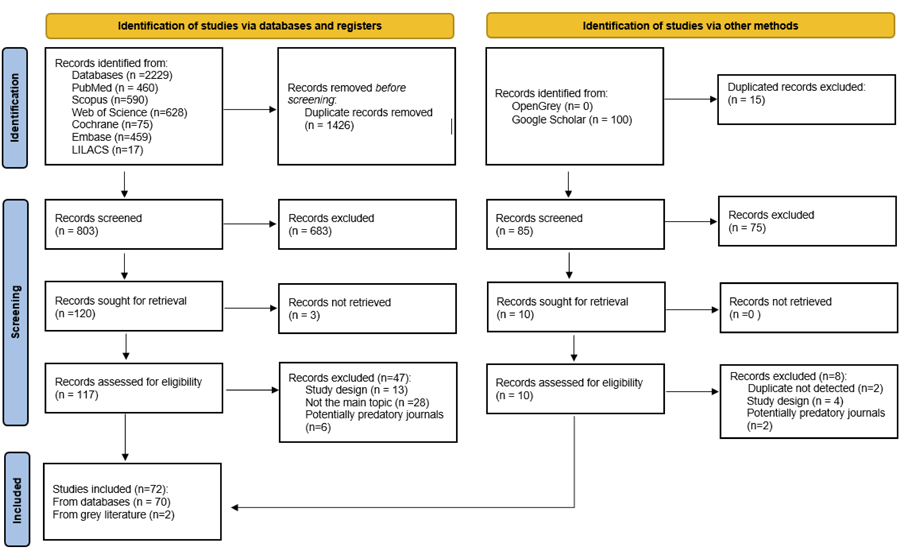
Edited by

  • Editor:
    Dr. Altair A. Del Bel Cury

Data availability

This study followed the PRIMA-ScR checklist, and the protocol was registered in the Open Science Framework Registries available at the link https://doi.org/10.17605/OSF.IO/BWVJK. The data that support the findings of this study are available as supplementary information (Supplementary Tables 1-4).
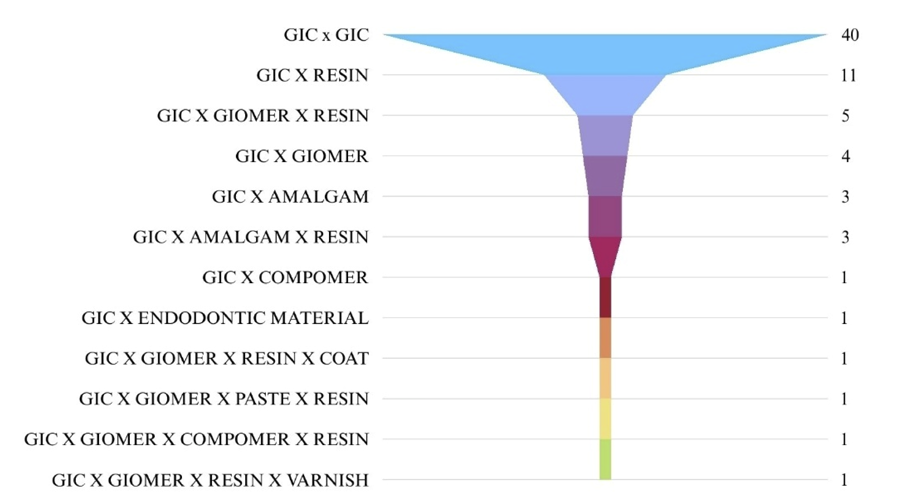
Publication Dates

  • Publication in this collection
    16 Mar 2026
  • Date of issue
    2026

History

  • Received
    21 Feb 2025
  • Accepted
    05 June 2025
location_on
Faculdade de Odontologia de Piracicaba - UNICAMP Avenida Limeira, 901, cep: 13414-903, Piracicaba - São Paulo / Brasil, Tel: +55 (19) 2106-5200 - Piracicaba - SP - Brazil
E-mail: brjorals@unicamp.br
rss_feed Acompanhe os números deste periódico no seu leitor de RSS
Ir para o topo Reportar erro