 Physical and color stability of PMMA provisional crowns made by conventional vs digital methods: in situ study
Abstract
Aim This cross sectional in situ study aimed to evaluate the physical properties and color stability of polymethylmethacrylate (PMMA)-based resins used in provisional crowns.
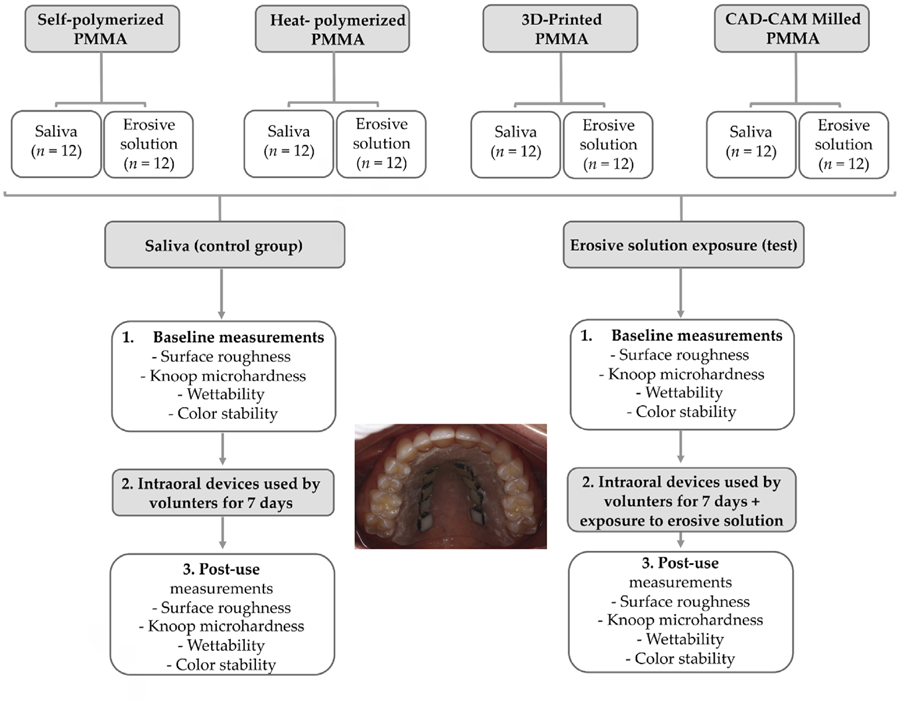
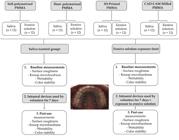
Methods Twelve cubic specimens with 5mm edges of conventional self-, heat-polymerized acrylic resins, 3D-printed, and CAD-CAM milled PMMA resin were fabricated. Surface roughness, Knoop microhardness, wettability, and color stability were evaluated. Utilizing a split-mouth design, 8 cubes were randomly placed in a palatal intraoral appliance worn by 12 volunteers. Specimens were exposed to erosion extra-orally with 15 mL of cola-based soft drink (Coca-Cola®) three times daily for 5 minutes over 7 days. Statistical analysis was performed using one-way repeated measures ANOVA and Bonferroni multiple comparison analysis (α = 0.05).
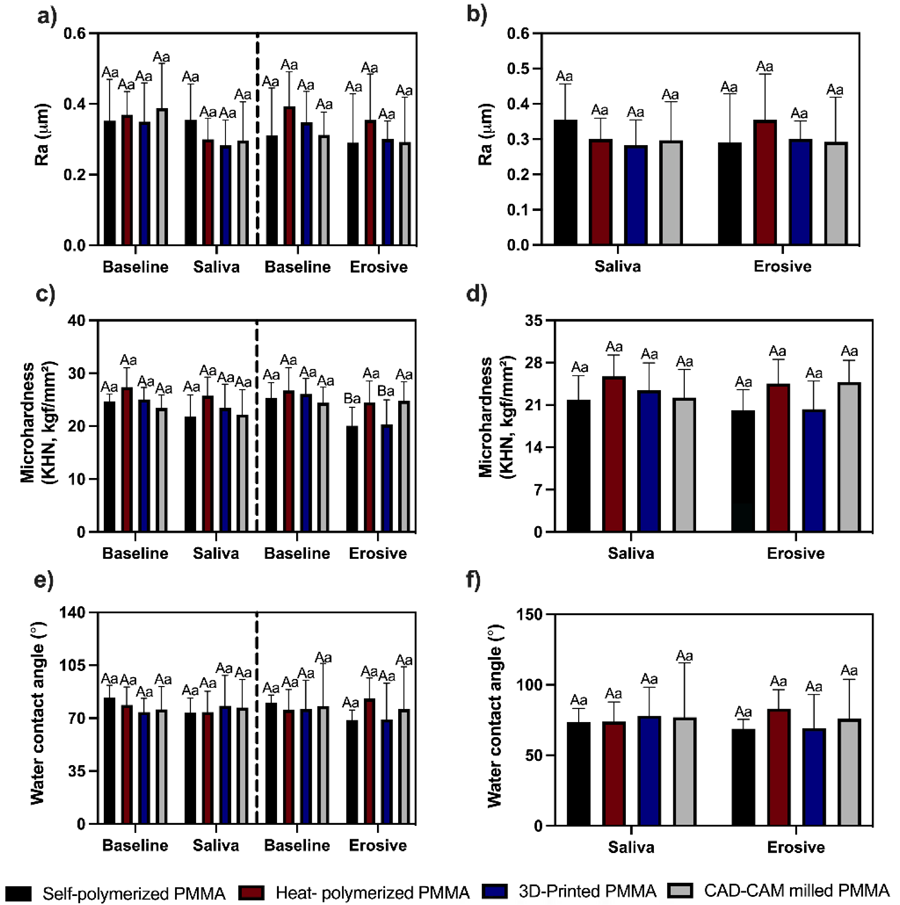
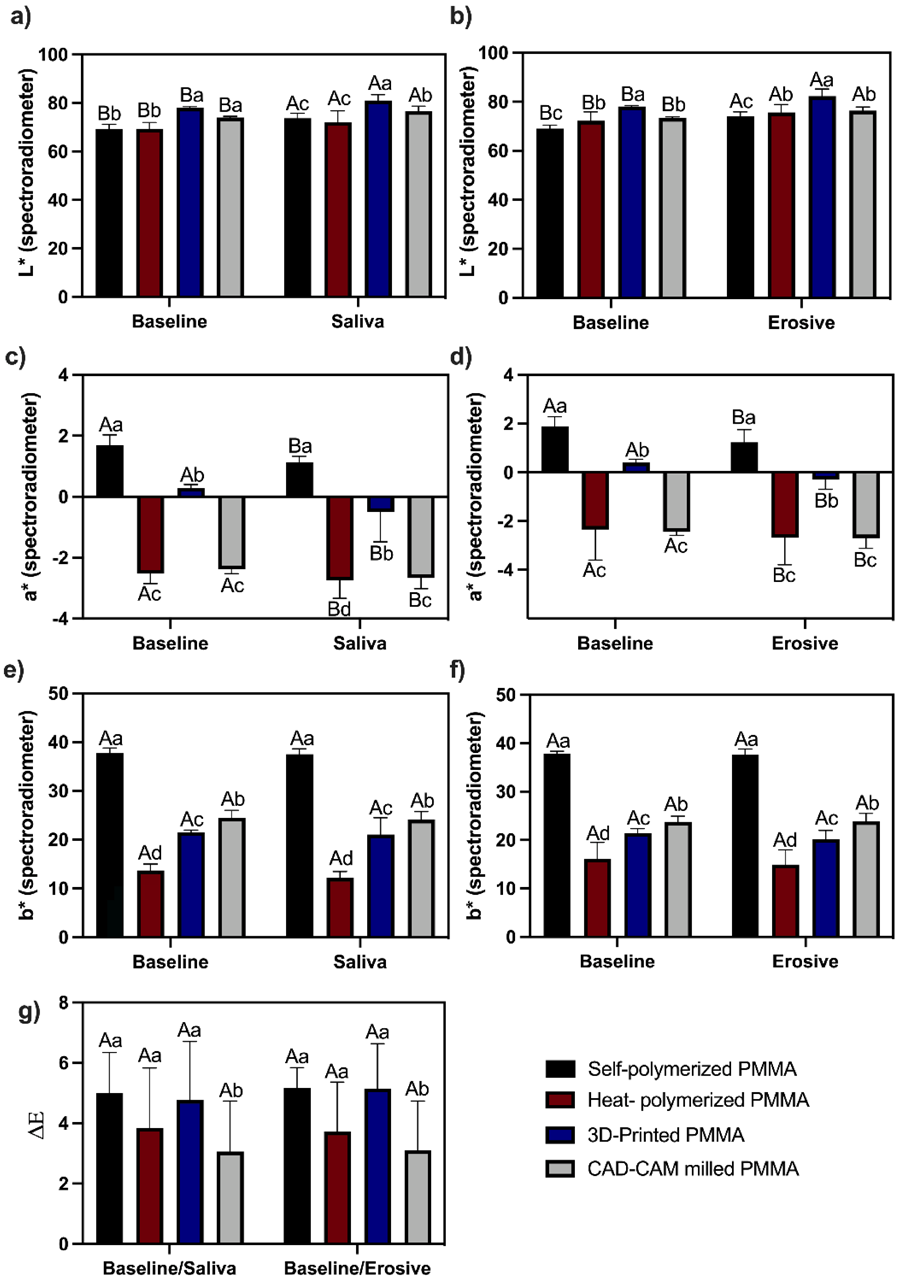
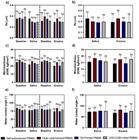
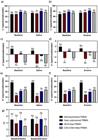
Results PMMA resins exhibit comparable surface roughness and wettability under non-erosive and erosive conditions (p>0.05). However, self-polymerized and 3D-printed acrylic resins exhibited significant differences in microhardness after exposure to the erosive environment (p<0.05). CAD-CAM milled acrylic resins showed superior color stability compared to the other resins (p <0.05). The simulated erosive environment significantly alters the physical properties and color of provisional crown resins.
Conclusions These findings demonstrate that heat-polymerized and CAD-CAM acrylic resins exhibit superior behavior under non-erosive and erosive conditions, which may indicate better clinical performance, especially when indicated for longer-term use.
Keywords
Dental prosthesis; Computer-aided design; Tooth erosion; Surface properties
 Thumbnail
 Thumbnail
 Thumbnail