 Dental student’s perception, attitude and educational experience in treating patients with special healthcare needs at undergraduate level
Abstract
Aim To assess Libyan undergraduate dentistry students’ familiarity, comfort, attitudes towards treating patients with special healthcare needs (PSHCN), their opinions on instruction quality, and their perceptions of treatment needs and challenges in providing dental care to children with special needs.
Methods A self-administered questionnaire on special need dentistry (SND) was given to 239 fourth-year undergraduate dental students at the Faculty of Dentistry in Benghazi, Libya, as part of a cross-sectional, questionnaire-based study that took place between February and August 2022.
Results Most students lacked a comprehensive understanding of SND definitions and expressed discomfort in managing patients with such conditions, 59.4% of dental students lack knowledge about intellectual disabilities. The highest rate of dental students who never exposed themselves to intellectual disabilities and visual and hearing impairment were 60.3% and 54.8%, respectively. Most students agreed that they should have received didactic and clinical training at the undergraduate level, and they felt their undergraduate training in SND was insufficient. Respondents were less motivated regarding clinical and behavioral management, facilities, didactic training, and degree of collaboration, but more motivated to treat PSHCN if they were compensated, had more time, had experience with oral sedation, and had hospital privileges.
Conclusions The study suggests that dental practitioners and students should enhance their understanding and awareness of the oral health requirements of PSHCN. In addition, a significant portion of students indicated a desire to pursue graduate study in this field of dentistry, even though they had little exposure to it during their undergraduate studies.
Keywords
Dental Care for persons with disabilities; Oral health; Students, dental; Perception
Introduction
Despite advancements in dentistry, children with special needs continue to have poor oral health, with a higher prevalence of untreated dental caries and periodontal disease. This may affect the quality of their oral health. In addition, identifying and overcoming barriers in managing patients with special healthcare needs (PSHCN) is crucial for addressing their treatment needs1. American academy of pediatric dentistry (AAPD) was define special health care dentistry as children who have emotional, behavioral and development conditions that put them at higher risk and need special care beyond that required by the populations generally2,3. The royal college of surgeons of Edinburgh defines special needs dentistry as the practice of providing oral health care to patients with special needs, including those with physical or mental disabilities4. Special care dentistry (SCD) provides oral care for those with any kind of impairment or disability. Poor oral health and quality of life have both been reported in published studies. The challenged population requires important knowledge that can only be learned through supplementary training in order to receive effective care5. The rapid advancement of health sciences has led to a decrease in death rates, resulting in an aging population and an increase in chronic illnesses, causing a rise in special healthcare needs1,6.
The national survey of children’s health reported that 13.6 million children (18.5%) had special health care needs, with 26.6% having functional limitations, 19.9% consistently or significantly impacted, and 46.0% sometimes/moderately impacted7. The recent census reported 26 million people with disabilities in India, accounting for 2% of the population. However, systemic reviews indicate that 15% have disabilities or special needs, with higher caries incidence and periodontal disease in special need patients (SNPs)1,8. Dentists must have a comprehensive understanding of the child’s particular healthcare needs, which frequently necessitates a multidisciplinary approach. Nevertheless, access to dental care for this group of people in the society continues to be difficult since there are not enough general dentists with the appropriate training, such behavior management abilities in conventional dental settings9,10. The public health issue of oral diseases has a big effect on people’s quality of life. Due to their impairment, children with special needs encounter substantial obstacles, while performing oral hygiene making them more vulnerable to infections and poor oral health11,12.
In addition, there are several substantial challenges, such as specialized clinical training, that can thwart efforts to expand programs like that in dental education curriculum. The addition of curricular time to teach students how to deal with the oral health care demands of SNPs could make many of these difficulties even worse13. Numerous studies have shown that those who require specific dental care are undertreated and, as a result, have worse oral health4. Parents and dentists worldwide are concerned about increased caries and poor periodontal health in children with special needs due to unmet oral hygiene challenges14. Patients with unique health conditions and behaviors require a specific strategy and care to ensure high-quality dental care. Poor hygienic practices, such as brushing and flossing, increase the likelihood of oral and dental issues15.
Due to a variety of physical, cognitive, sensory, and behavioral issues, people with disabilities frequently struggle to achieve and maintain the best dental health and overall health. There is little literature about the viewpoints of dental professionals or how people with special care needs are taught in dentistry curricula, despite the fact that oral health care is desperately needed and that access to it is limited16. Special needs dental patients were solely seen by pediatric dentists, according to a Saudi Arabian study. Additionally, only the curriculum for pediatric dentistry offered dental programs or courses that addressed this dental area17.
Many dental schools still do not offer sufficient training for the management of this patient population, even though education plays a crucial role in preparing professionals to handle the present and upcoming issues in providing care for PSHCN6. A pre-post design education program in special needs dentistry significantly improved students’ comfort and knowledge base after presenting a virtual patient on a compact disc, providing basic information on patients with special healthcare needs4. Along with suggestions to enhance access and to utilize healthcare for this demographic, there are obstacles to providing PSHCN with oral health care. Increasing the dental workforce, giving dentists and other members of the dental care delivery team more training, and better compensation for dental services are some of the ideas that are most focused on workforce or financial challenges18. The knowledge and skills that a dentist can learn can be influenced by the level at which SCD is taught during undergraduate courses14,19. However, none of the schools provide a specific course on SCD; rather, the subject is handled in modules for pediatric dentistry. Given this context, it was decided to poll final-year dental students at the faculty of dentistry in Benghazi about their opinions. The data on the knowledge and attitude of dental students regarding special care patient is not applicable in Libya. However, this study is the first research on SCD in Benghazi city, Libya.
Materials and Methods
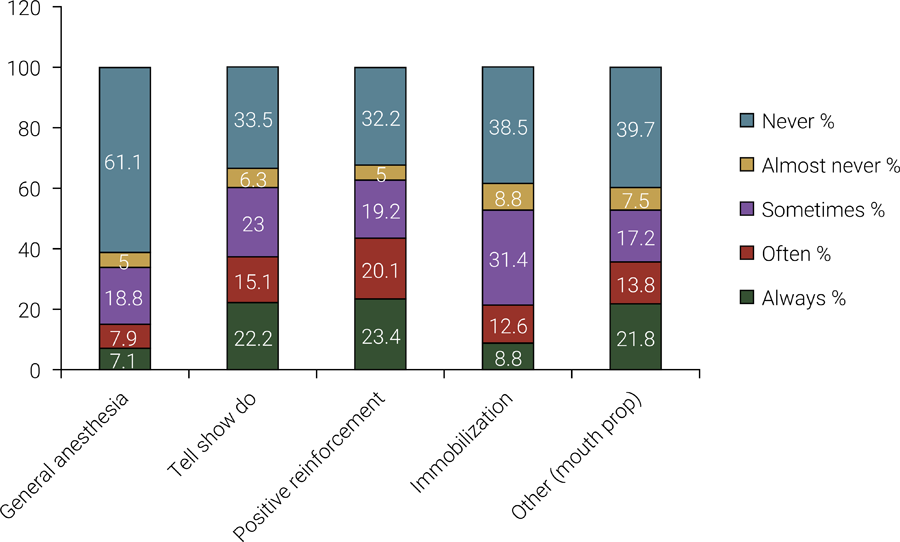
A self-administered questionnaire was given to final-year undergraduate dental students in a classroom setting. This study, which was cross-sectional and questionnaire-based, involved 239 dental students from the Benghazi, Libya, Faculty of Dentistry. Prior to the gathering of data, ethical approval was obtained from the faculty of dentistry in Benghazi with reference number (0148/2022). The same questionnaire that was used in earlier research on Australian samples was used in this study6,20. However the questionnaire was created using data from prior studies and to ensure the intelligibility of every section of the questionnaire, it was pre-structured and reviewed by dental academicians and questionnaire’s phrasing was modified because of the piloting in some specific ways21. However, in this study, twenty volunteers from the target population pre-tested and piloted the questionnaire. To evaluate the validity of the questionnaire on Libyan samples, Cronbach’s alpha was calculated (0.87). A pilot study was carried out to check that the questionnaire could be completed easily and clearly after the participants received instructions on how to fill it out. A closed-ended questionnaire was utilized to collect data on demographics, students’ exposure to PSHCN, and students’ attitudes and practices about it. The students were asked to complete administered questionnaires on SND in the period from February to August 2022. The questionnaire was consisting of 8 parts, the first part consists of 7 definitions of SND which set by the Royal Australian College of Dental Surgeon (RACDS) as follows: intellectual disabilities, complex medical condition, physical disabilities, psychiatric issue, emotional, sensory and social impairment. The second part consists of 7 questions on students’ exposure in treating patients with PSHCN (see Table 1 for an overview of these questions), and the response to the questions were evaluated on a five-point Likert-type scale: “Always,” “Often,” “Sometimes,” “Almost never,” and “Never. The third part consists of 4 questions of students’ attitudes towards providing treatment to different categories of PSHCN (See Figure 2 for an overview of students’ attitudes questions), and the response to these questions were assessed by answering (Yes or No). The fourth part consists of 4 questions of students’ perception on the current training in SND at undergraduate level as shown in (Figure 3). The five parts consist of 14 questions on the educational experience of undergraduate students in treating PSHCN (see Table 2 for the wording of these questions). The sixth part consists of 5 questions on the techniques used in treating PSHCN, the techniques as follow:(general anesthesia, Tell Show Do, positive reinforcement, immobilization and other techniques such mouth prob as shown in (Figure 4), and the response were measured on a five point Likert type scale: “Always,” “Often,” “Sometimes,” “Almost never,” and “Never. The seventh part consists of 8 questions on the criteria to be considered when deciding to refer patients to SND specialists and the response to these questions were rated on a five-point Likert type scale: “Always,” “Often,” “Sometimes,” “Almost never,” and “Never (see Table 3). The eighth part consists of 12 questions on motivational factors in treating PSHCN as shown in (Table 4), and the response to these questions were measured on a five point Likert type scale: “Strongly disagree,” “Disagree,” “Neutral,” “Strongly agree,” and “Agree”6,20,22.
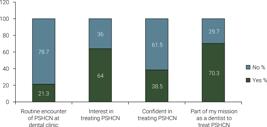
Students’ attitudes towards providing treatment to different categories of patients with special healthcare needs
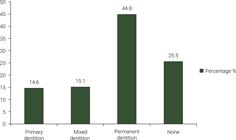
Students’ perception on the current training in special need dentistry at undergraduate level
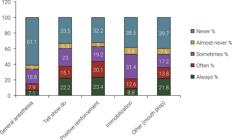
Statistical analysis
The Statistical Package for Social Sciences (SPSS) version 29 was used for all statistical calculations. The Chi-square test was performed and (p<0.05) was considered significant. Descriptive statistics like frequencies and percentages were used. Reliability analysis, Cronbach alpha was used to measure the internal consistency of the questionnaire and the correlation between the items. Mean, standard deviation (σ) and weight average were used to make decisions regarding the perception, criteria for refer and motivation factors in treating PSHCN. The decisions were made using the average weight value which calculated by sum up the mean value for the items, then it divided by the number of items.
RESULTS
Definition of SND
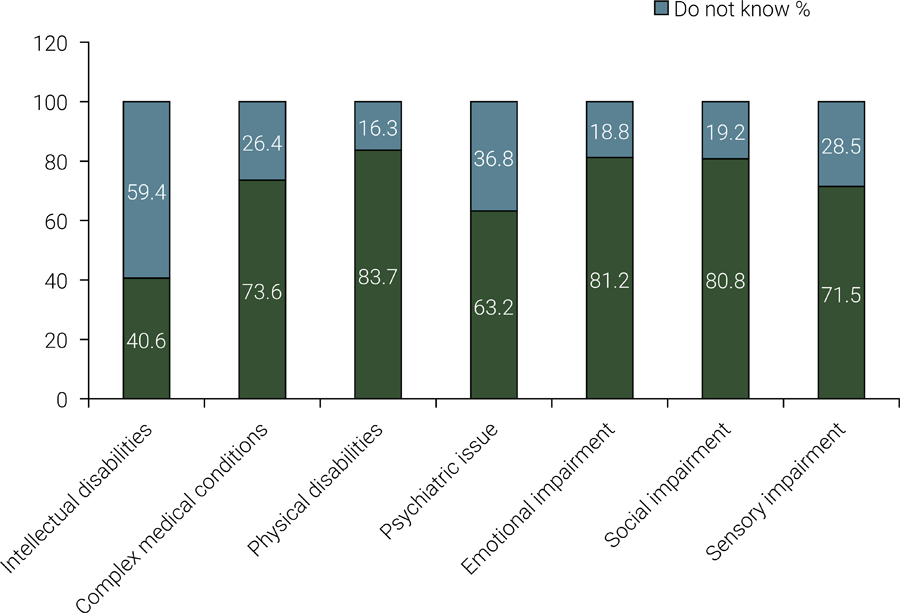
The Royal Australian College of Dental Surgeons’ (RACDS) definition of SND was used to classify students’ abilities to define it. There are 7 types of special needs: intellectual disabilities, complex medical condition, physical disabilities, psychiatric issues, emotional, sensory and social impairment. The finding showed that a higher percentage of dental students (59.4%) do not know the definition of intellectual disabilities followed by 36.8% of dental students do not know the definitions of psychiatric issue set as shown in Figure 1.
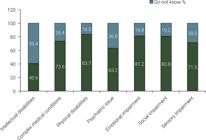
Definition of special need dentistry was set by the Royal Australian College of Dental Surgeon
Students’ exposure to treating patients with PSHCN
The data analysis showed that most of the students had higher exposure to patients with psychological, infections disease, physical disabilities, intellectual disabilities and visual/ hearing impairments. On the other hand, most of the respondents had low exposure to patients with complex medical problems and elderly patients as shown in Table 1.
Attitudes of students on treating various PSHCN categories
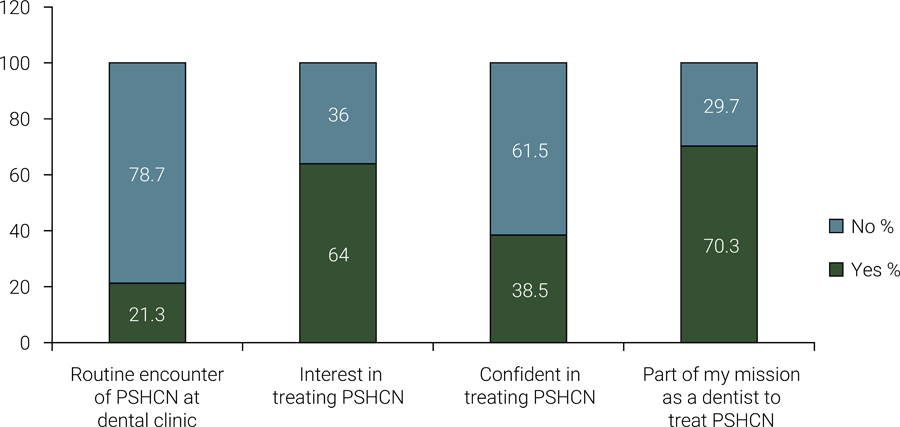
Higher percentages of students, 78.7%, have not routinely encountered PSHCN at dental clinic, and 61.5% of dental students were not confident towards providing treatment to different categories of PSHCN. However, 64% of students were interested in treating PSHCN, while 70.3% of dental students had wellness in their mission to treat special need patients (Figure 2).
Perceptions of undergraduate students regarding the current SND training
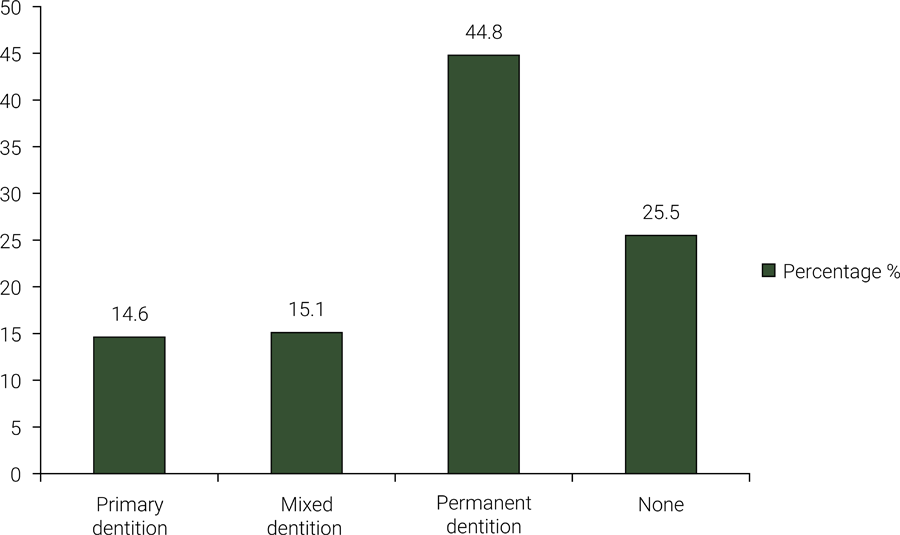
Students’ perceptions of treating PSHCN with permanent dentition were greater (44.8%) than those for mixed and primary dentitions (15.1% and 14.6%, respectively) (Figure 3). However, 25.5% of dental students were represented by the nonresponse rate.
Educational experience in treating patients with PSHCN at undergraduate level
The findings showed that a significantly higher number of students had no education experience or the opportunities to treat a variety of patients (66.9% and 67.8%, respectively. However, the lack of sufficient resources that would have aided the dentistry students’ learning (75.3%) (Table 2).
Techniques used in treating PSHCN
The finding showed that the highest rate of dental students never uses all the techniques in treating PSHCN. Dental students had not used general anesthesia techniques were 61.1%. However, the dental students who used the immobilization and mouth prop were 38.5% and 39.7%, respectively (Figure 4).
Referral criteria for patients to SND specialists
The finding showed that most dental students had a higher perception of referring the PSHCN to specialists because they feel uncomfortable in performing the necessary treatment, unable to deal with intellectual, physical, psychological, behavioral issues, and lack facilities. However, most respondents had a low perception of the second opinion and were unaware of the necessary treatment procedures (Table 3).
Factors that motivate patients with special needs
The highest percentage of dental students were agreed in treating such patients, which ranged from 25.5% to 56.5% (Table 4).
The results showed that most respondents had higher motivation to treat PSHCN if they were reimbursed for the treatment, had more time allocated for the treatment, had more experience with oral sedation, and had hospital privileges. In contrast, most respondents reported low motivation regarding clinical, behavioral management, facilities available, adequately trained staff, didactic training, and the cooperation level of PSHCN.
Discussion
The findings in the current study observed that a higher percentage of dental students (59.4%) do not know the definition of intellectual disabilities, followed by 36.8% of dental students do not know the definitions of psychiatric issue set by the Royal Australian College of Dental Surgeon (RACDS). While intellectual disability may affect the requirement for routine personal care, oral health problems, such as dental caries and gingivitis, can be made worse by dry mouth in people with underlying illnesses, reduced muscular control, or drug side effects23. However, a studied was conducted of 442 of Australian students showed that 87% of students were not able to define SND according to RACDS definition12.
According to the data analysis, most students were more likely to have encountered patients with mental health issues, infections, physical disabilities, intellectual disabilities, and visual/hearing impairments, while most respondents were less likely to have encountered patients with complex medical issues and elderly patients. Although Alexandria’s postgraduate dentists tended to have a fair level of general knowledge about treating PSHCN and those who have physical disabilities, attitudes and reported practices were remarkably positive and also revealed that there was a dearth of educational programs focusing on clinical training for SND17.
The present study showed that 61.5 % of dental students were confident in treating PSHCN, and 78.7% of students had not seen PSHCN on a regular basis. While 70.3% of dental students considered wellness to be important in their goal of serving patients with special needs, 64% of students were interested in treating PSHCN. However, a studied was conducted of 397 dental students at Michigan University, concluded that the students were highly motivated to provide dental care with 3.54 of the comfortable level among student24. This finding is consistent with a study in Brazil that showed the majority of dentists expressed interest in becoming qualified in this field in order to broaden their expertise and maybe enhance the attendance of patients with Down syndrome (DS) who require interdisciplinary dental care25. On the other hand, most of dental students in Malaysia felt a negative regarding sufficient trains of PSHCN6. Another studied was conducted in Malaysia involved 129 final year dental students, reported that the students showed less confident and clinic experience in managing special need patients due to inadequate exposure to PSHCN in the undergraduate level26. Although, in India, the study showed that dentists have low confident in their ability to treat children with special health care need (CSHCN), Nearly 50% of the respondents stated that they would not treat CSHCN at their clinic because they lacked the necessary skills and confidence27.
According to the current study, 69.5% of students lack the clinical skills necessary to treat PSHCN, and 76.2% of students lack communication skills. Educational programs in this area could assist students gain the fundamental information and skills required to treat patients with special needs13. Many medical professionals lack the skills necessary to effectively serve patients with special healthcare needs (PSHCN), which include many patients with disabilities or chronic illnesses16.
In the present study, students’ opinions of the current undergraduate SND training in treating PSHCN with permanent dentitions, the students’ perception was higher (44.8%). A study in India found that dental professionals’ lack of training is a significant barrier to treat patients with special needs. 68.7% of participants believed that this was the biggest obstacle. Only 10% felt PSHCN did not need dental insurance. However, 28.3% of dental professionals felt comfortable with straightforward dental procedures for these patients, suggesting the need for SCD in the dental curriculum19.
In the current study, 66.9% of students had not encountered a good mix of patients, issues, and clinical experiences, and 75.3% lacked the necessary resources to handle PSHCN. This findings in consistent with a survey, 270 dentists (67.5%) reported having some knowledge in treating PSHCN, while 48 (12%) students were unaware of SCD and only 58 (14.5%) knew a lot about it28. Before and after fieldwork visits to a facility for children with special needs in Saudi Arabia, diverse viewpoints from dental students were gleaned. The pupils acknowledged their inadequacy in preparation and lack of confidence before the visit. But as seen by their post-visit replies, the contextual learning experience had a favorable impact on how the students perceived managing kids with special needs. They felt privileged to serve this unique segment of the community and grateful to learn about uncommon diseases and disorders. Some students’ negative reactions to the fieldwork visit were mostly caused by a lack of prior instruction and inadequate facilities9. Between knowledge and desire to treat PSHCN, there was a statistically significant connection (p<0.05). Overall, only 41% of the students who participated in the poll felt competent to manage patients with special needs after graduation. This, according to the authors, was caused by the combination of all respondents at different stages of training, including both didactic and clinical instruction among the students. Most interns (76.2%) who focus on clinical training and have a special needs care rotation agreed that they felt confident in their ability to care for individuals with special needs. Only 21.4% of third-year students agreed to feel confident in treating such patients, in comparison3.
There are still many areas that remain unexplored despite the exponential rise in oral health awareness as a component of overall health. People who require particular medical care have been shown to have limited access to oral healthcare facilities, according to a number of reports27. The next areas of emphasis for the practitioner’s education include controlling the patient’s behavior and cooperation as well as recognizing and treating the patient’s unique medical, psychological, or physical ailments29. The majority of those questioned about the difficulties they encountered when caring for patients with special needs stated that they had trouble controlling the behavior of their patients (50%)30.
In the current study, most students felt more comfortable sending the PSHCN to professionals because they were unable to handle behavioral, psychological, physical, or intellectual problems, lacked facilities, or were uncomfortable administering the required treatment. Most respondents, however, disapproved of the second view and were ignorant of the required therapeutic measures. However, CSHCN patients have difficulty getting dental care in the United States and are frequently treated with stainless steel crowns and nitrous oxide, oral sedation, or a combination of these drugs31. Insufficient access to dental treatment is the cause of the significant health inequalities in the United States. Access to health care services, including preventative dental care, is known to be less accessible for patients with impairments than for those without disabilities32. The Commission on Dental Accreditation (CODA) introduced a new standard for the education of dentists and dental hygienists in the USA in 2004, requiring professional programs to ensure graduates can determine the dental treatment requirements of patients with special needs3.
In this study, most responders were more motivated to treat PSHCN if they were compensated for the treatment, had greater experience with oral sedation, and had hospital privileges. On the other hand, most respondents expressed little enthusiasm for PSHCN’s clinical and behavioral management, facilities, staff with proper training, didactic instruction, and degree of cooperation. In the current study, the students who would be more likely to treat PSHCN if they had hospital privileges were 41.8%. In addition to recommendations for improving this population’s access to and use of healthcare, there exist barriers to oral health treatment for PSHCN. Some of the proposals that are mainly focused on workforce or budgetary difficulties include recruiting more dentists, providing additional training to dentists and other members of the dental care delivery team, and improving compensation for dental services18.
A study found that 32.9% of dentists in dental clinics lack necessary equipment for treating and managing PSHCN patients. Of these, 17.06% provide general anesthesia facilities, 38.8% transfer patients from wheelchairs to dental chairs, and 51.2% have elevators for non-ground floor locations. Only 12% use immobilization devices. The majority of dentists use the Tell Show Do method for treating PSHCN, indicating a need for improved equipment and treatment methods33. To better support the students and run the program, some dental students suggested adding more supervisors to the team in along with an experienced dentist who specializes in treating children with medical conditions9.
The present study exhibited that 35.1% of students agreed that the amount of time taken in treating PSHCN is a major factor in whether they treat these patients or not. This finding is in agreement with the results in Malaysia, whereas, time constraints have been identified by nearly half of the surveyed dentists (48%) as a challenging factor in providing dental care to SNPs and revealed that longer treatment times needed for these patients may be one of the reasons for not providing adequate care to this population30. High cost of treatment and inefficient time may considered as barrier for parents to seek oral care for their special need children1. Additionally, the cost of dental care for PSHCN patients rises because of the increased chair time and staff resources needed. Nonetheless, the bulk of dental insurance policies, whether commercial or government funded, seldom make up for the additional time and money required34.
The previous study included 100 participants, all of whom were dental residents, and consisted of a set of 11 multiple-choice questions. In their internship, 95% of participants came across patients who needed special care, and approximately 87% of participants knew what SCD was. Even though most participants (92%) knew that extra care must be given while treating PSHCN, only about 53% of them were aware that there were dental chairs that could accommodate people with impairments. Most people are not aware of the Indian universities that offer SCD courses35. A study conducted in Boston and Jeddah, Saudi Arabia, assessed dental students’ preparedness for treating developmental disorders using online questionnaires. The findings revealed that Saudi dentistry students’ expertise in special care needs was reportedly inferior to US dental students13.
The present study offers additional proof that the undergraduate dental curriculum needs to be updated to adequately prepare students for the difficulties they will face once they graduate. Changing trends in population health indicate that the number of people with SHCN is increasing, which implies that the dental health care needs and requests of this patient population are also increasing. The increasing proportion of SHCN members who support dental schools provide undergraduate students with SND instruction and training to promote an educational environment. Training programs for special needs dentistry could be put in place to boost and enhance the standard of patient care, in addition to providing a training path to inspire dentists who are interested in this area to pursue their passion. Effective communication is widely regarded as one of the most significant barriers to treating SNPs. One of our study’s limitations was that we could have done it with a larger sample size and over a wider geographic area. One possible future direction for our research is to use a digital platform to reach a wider range of dentists.
According to the current study, third-year students ought to be exposed to patients with special needs at an earlier stage of their clinical training. As a result, they are better able to comprehend people who have physical disabilities including blindness, deafness, or illnesses. They can encounter patients with increasingly complicated issues as their professional training advances, enabling them to employ sedation or behavior management techniques. The authors also advise providing students and interns with significant assistance so they can comprehensively manage SNPs within a competency-based curriculum framework. Preventive care should be a part of such comprehensive patient management plans to lower the risk of oral illness in the future and the accompanying burden of care. Dental students’ attitudes and treatment confidence may be improved by a curriculum that includes both didactic elements and more clinical time with patients with special needs during undergraduate dental school. Increased clinical exposure to patients with special needs boosts students’ confidence in treating this population, highlighting the need for further initiatives in Libyan dentistry education.
Acknowledgments
I appreciated thanks to Prof. Dr. Mohamed Idris Alshelmani for his assistance in data analysis and manuscript editing.
References
-
1 Alamri H. Oral care for children with special healthcare needs in dentistry: a literature review. J Clin Med. 2022 Sep;11(19):5557. doi: 10.3390/jcm11195557.
» https://doi.org/10.3390/jcm11195557 -
2 Salama F, Al-Balkhi B, Abdelmegid F. Dental students' knowledge of oral health for persons with special needs: a pilot study. ScientificWorldJournal. 2015;2015:568464. doi: 10.1155/2015/568464.
» https://doi.org/10.1155/2015/568464 -
3 Hector T, Balkaran R, Marchan SM. Educational experiences and personal attitudes of dental students toward patients with special needs in Trinidad and Tobago. Port J Public Health. 2023 Feb;41(1):19-25. doi: 10.1159/000528858.
» https://doi.org/10.1159/000528858 -
4 Holzinger A, Lettner S, Franz A. Attitudes of dental students towards patients with special healthcare needs: Can they be improved? Eur J Dent Educ. 2020 May;24(2):243-51. doi: 10.1111/eje.12490.
» https://doi.org/10.1111/eje.12490 -
5 Kapoor S, Chahar P, Mohanty V, Balappanavar AY. Special care dentistry: Knowledge and attitudes among Indian dental students. J Indian Assoc Public Health Dent. 2019 Jun;17(2):108 doi: 10.4103/jiaphd.jiaphd_206_18.
» https://doi.org/10.4103/jiaphd.jiaphd_206_18 -
6 Ahmad MS, Razak IA, Borromeo GL. Special needs dentistry: perception, attitudes and educational experience of Malaysian dental students. Eur J Dent Educ. 2015 Feb;19(1):44-52. doi: 10.1111/eje.12101. Epub 2014 Apr 30.
» https://doi.org/10.1111/eje.12101 -
7 Child and Adolescent Health Measurement Initiative. Children with special health care needs, NSCH data brief. US Department of Health; 2020. Available from: https://nschdata.org/browse/survey/results?q=10124&r=1
» https://nschdata.org/browse/survey/results?q=10124&r=1 -
8 Pani S, Al Shalan A, Al Saigh H, Shaheen R, Radwan V. Saudi dental students' perception of their education in Special Care Dentistry and its effect on their confidence to render care. J Disabil Oral Health. 2012 Mar;13(1):19-25 doi: 10.4483/JDOH_003Pani07.
» https://doi.org/10.4483/JDOH_003Pani07 -
9 Fadel HT, Baghlaf K, Ben Gassem A, Bakeer H, Alsharif AT, Kassim S. Dental students' perceptions before and after attending a centre for children with special needs: a qualitative study on situated learning. Dent J (Basel). 2020 Jul;8(3):69. doi: 10.3390/dj8030069.
» https://doi.org/10.3390/dj8030069 -
10 Uchôa SACL, Corrêa SCL, Corrêa DL, Corrêa VC. The care of patients with special needs in pediatric dentistry. In: Health of tomorrow: innovations and academic research. 2024 Jan 5. Chapter 42. doi: 10.56238/sevened2023.007-042.
» https://doi.org/10.56238/sevened2023.007-042 -
11 Tefera AT, Girma B, Adane A, Muche A, Ayele TA, Getahun KA, et al. Dental health problems and treatment-seeking behavior among special need school students in Amhara region, Ethiopia. BMC Oral Health. 2021 Oct;21(1):489. doi: 10.1186/s12903-021-01856-x.
» https://doi.org/10.1186/s12903-021-01856-x -
12 Borromeo GL, Ahmad MS, Buckley S, Bozanic M, Cao A, Al-Dabbagh M, et al. Perception of special needs dentistry education and practice amongst Australian dental auxiliary students. Eur J Dent Educ. 2018 Aug;22(3):e321-6. doi: 10.1111/eje.12296. Epub 2017 Oct 11.
» https://doi.org/10.1111/eje.12296 - 13 AlSaadi RN, Albahrani SS, Alshodokhy ED, Alnaim AF, AlAbdullah SM, Alkharboush FA, et al. Special needs dentistry: perception, attitudes and educational experience of dental students in Riyadh colleges of dentistry and pharmacy. KSA. DJDOH. 2018 Aug;4:46-53.
-
14 Nayak UA, Hijji RB, Aljhani MA, Aljuhani LA, Almarwani RN, Nayak PA. Dentists' knowledge, attitude and practices regarding dental care for children with special healthcare needs in Saudi Arabia. J Clin Diagn Res. 2022 Oct;16(10) doi: 10.7860/JCDR/2022/57379.16933.
» https://doi.org/10.7860/JCDR/2022/57379.16933 -
15 Mata LL, Cunha AMSR, Moronte AM. Dental management of a patient with special health care needs. Case Rep Dent. 2021 Feb;2021:6692325. doi: 10.1155/2021/6692325.
» https://doi.org/10.1155/2021/6692325 -
16 Zechner M, Singhal V, Murphy A, S K. Exploring dental students' perceptions of mental illness to address unmet needs: a preliminary study. Open Dent J. 2022 Apr;16(1) doi: 10.2174/18742106-v16-e2112240.
» https://doi.org/10.2174/18742106-v16-e2112240 -
17 Soliman E, Mohamed AA. Knowledge, attitudes, reported dental experience among postgraduate dental students regarding physically disabled patients a cross-sectional study. Alex Dent J. 2022 Apr;47(1):149-54 doi: 10.21608/adjalexu.2021.45370.1110.
» https://doi.org/10.21608/adjalexu.2021.45370.1110 - 18 Patel A. Motivational factors for treating patients with special health care needs [master's thesis]. Virginia Commonwealth University; 2015.
-
19 Poojary D, Ishaq A, Bharath K, Shekhar S, Maddula DC, Preetha A, et al. Knowledge and perception of new graduates on treating patients with special needs in dentistry: an original research. J Pharm Negat Results. 2023 Jan;13(6):4084-8. doi: 10.47750/pnr.2022.13.S06.541.
» https://doi.org/10.47750/pnr.2022.13.S06.541 - 20 Yahaya N. The perception of Special Needs Dentistry amongst the general dentists in Victoria, Australia. University of Melbourne, Special Needs Dentistry, Melbourne Dental School; 2010.
-
21 Bahanan L, Alsharif M, Samman M. Dental students' perception of integrating e-learning during COVID-19: a cross-sectional study in a Saudi University. Adv Med Educ Pract. 2022 Aug;13:839-47. doi: 10.2147/AMEP.S376069.
» https://doi.org/10.2147/AMEP.S376069 -
22 Alamoudi N, Almushayt A, El Derwi D, Mirdad L, El-Ashiry E. Dentists' perception of the care of patients with special health care needs in Jeddah, Saudi Arabia. J Oral Hyg Health. 2017;5(3):226. doi: 10.4172/2332-0702.1000226.
» https://doi.org/10.4172/2332-0702.1000226 - 23 Oredugba F, Akinwande J. Preparedness of dental undergraduates for provision of care to individuals with special health care needs in Nigeria. J Disabil Oral Health. 2008;9(2):81-6.
-
24 Vainio L, Krause M, Inglehart MR. Patients with special needs: dental students' educational experiences, attitudes, and behavior. J Dent Educ. 2011 Jan;75(1):13-22. doi: 10.1002/j.0022-0337.2011.75.1.tb05018.x.
» https://doi.org/10.1002/j.0022-0337.2011.75.1.tb05018.x - 25 Lira ALS, Silva CIR, Rebelo STCP. Dentists' actions about oral health of individuals with Down Syndrome. Braz J Oral Sci. 2015 Dec;14(4):256-61 doi: 10.1590/1677-3225v14n4a01.
-
26 Fuad N, John J, Koh W, Mani S, Lim W, Wong C, et al. Special care dentistry curriculum at the undergraduate level: students' prespective. J Dent Indones. 2015 Dec;22(3):2. doi:10.14693/jdi.v22i3.976.
» https://doi.org/10.14693/jdi.v22i3.976 -
27 Hugar SM, Soneta SP, Gokhale N, Badakar C, Joshi RS, Davalbhakta R. Assessment of dentist's perception of the oral health care toward child with special healthcare needs: a cross-sectional study. Int J Clin Pediatr Dent. 2020 May-Jun;13(3):240-5. doi: 10.5005/jp-journals-10005-1777.
» https://doi.org/10.5005/jp-journals-10005-1777 -
28 Rajan S, Kuriakose S, Varghese BJ, Asharaf F, Suprakasam S, Sreedevi A. Knowledge, attitude, and practices of dental practitioners in Thiruvananthapuram on oral health care for children with special needs. Int J Clin Pediatr Dent. 2019 Jul-Aug;12(4):251-4. doi: 10.5005/jp-journals-10005-1631.
» https://doi.org/10.5005/jp-journals-10005-1631 -
29 Davis MJ. Issues in access to oral health care for special care patients. Dent Clin North Am. 2009 Apr;53(2):169-81, vii. doi: 10.1016/j.cden.2008.12.003.
» https://doi.org/10.1016/j.cden.2008.12.003 - 30 Bindal P, Chai WL, Bindal U, Safi SZ, Zainuddin Z, Lionel A. Dental treatment and special needs patients (SNPs): Dentist's point of view in selected cities of Malaysia. Biomed Res India. 2015;26(1):152-6.
- 31 Casamassimo PS, Seale NS, Ruehs K. General dentists' perceptions of educational and treatment issues affecting access to care for children with special health care needs. J Dent Educ. 2004 Jan;68(1):23-8.
- 32 Peterson LB. Dental provider attitudes about and perceptions of caring for patients with developmental disabilities [doctoral dissertation]. Spalding University; 2023.
- 33 Chadha G, Panchmal GS, Shenoy RP, Jodalli P, Siddique S, Dsouza N. Attitude of dentists towards providing oral health care to patients with special health care needs (PSHCN) in Mangalore, India. Int J Oral Care Res. 2015 Apr-Jun;1(3):1-7.
- 34 Vertel N. Access to dental services for children with special health care needs: a pilot study at British Columbia children's Hospital Department of Dentistry [master's thesis]. Vancouver: University of British Columbia; 2013.
-
35 Sangeetha R, Charan K, Santana N, Anand B, Kumari M. Evaluating the knowledge and attitude of dental residents about special care dentistry-A cross-sectional study. J Indian Assoc Public Health Dent. 2023 Jan-Mar;21(1):49-53 doi: 10.4103/jiaphd.jiaphd_203_22.
» https://doi.org/10.4103/jiaphd.jiaphd_203_22
-
Ethics Statement:
Ethical approval was obtained from the Faculty of Dentistry in Benghazi with reference number (0148/2022).
-
Data availability:
Datasets related to this article will be available upon request to the corresponding author.
-
Funding:
This study had not received any financial support.
Edited by
-
Editor:
Dr. Altair A. Del Bel Cury
Datasets related to this article will be available upon request to the corresponding author.