 Flipbook for nutritional education of non-breastfed children: evaluation by students and health professionals
Abstract
Objective to adapt the language and graphic-editorial design of a website on nutritional education for non-breastfed children under six months of age into a flipbook, and to evaluate its usability among students and health professionals.
Method in the resource adaptation stage, a flipbook was developed (Technology Readiness Level 8); the evaluation stage involved a cross-sectional study with 112 students and 18 health professionals in southern Brazil. Data were collected in 2024 using a self-administered questionnaire and the System Usability Scale, followed by descriptive analysis.
Results the flipbook’s usability was rated as “best imaginable” (scores of 95 by students and 92.5 by professionals). Positive evaluations were reported for usability expectations (95.5% and 100%), ease of use (75% and 100%), integrated and consistent features (83% and 88.9%), and rapid learning (72.3% and 100%). Barriers identified included printing costs, lack of prior knowledge, and accessibility challenges for visually impaired individuals, which prompted the development of a digital version, training materials, and an audiobook, respectively.
Conclusion and implications for the practice the product was considered practical, accessible, and user-friendly, with integrated and consistent features. It has the potential to contribute to professional training and health education, positively influencing child growth and development.
Keywords:
Nursing Students; Healthcare Staff; Child Health; Food Security; Educational Technology
Resumo
Objetivo adaptar para o formato flipbook a linguagem e o projeto gráfico-editorial de um website sobre educação alimentar de lactentes menores de seis meses não amamentados, avaliando sua usabilidade por estudantes e profissionais da saúde.
Método na etapa de adaptação do recurso foi desenvolvido um flipbook (projeto de desenvolvimento de maturidade tecnológica 8); a etapa de avaliação foi um estudo transversal com 112 estudantes e 18 profissionais da saúde no Sul do Brasil, coleta de dados em 2024 por formulário autoaplicado, com a System Usability Scale, com análise descritiva.
Resultados a usabilidade do flipbook foi melhor imaginável (escore 95 pelos estudantes e 92,5 pelos profissionais). Obteve avaliação positiva na expectativa de uso (95,5% e 100%), facilidade da ferramenta (75% e 100%), atributos integrados e consistentes (83% e 88,9%) e aprendizagem rápida (72,3% e 100%). Indicaram barreiras: custo de impressão, falta de conhecimento prévio e acessibilidade por deficiência visual, que resultaram respectivamente em versão digital; material de treinamento e audiobook.
Conclusão e implicações para a prática o produto foi considerado prático, acessível, fácil de usar e com funções integradas e consistentes. Poderá auxiliar na formação profissional e na educação em saúde impactando positivamente o crescimento e desenvolvimento infantil.
Palavras-chave:
Estudantes de Enfermagem; Pessoal de Saúde; Saúde da Criança; Segurança Alimentar; Tecnologia Educacional
Resumen
Objetivo adaptar el lenguaje y el diseño gráfico-editorial de un sitio web sobre educación nutricional para lactantes menores de seis meses no amamantados al formato flipbook y evaluar su usabilidad entre estudiantes y profesionales de la salud.
Método en la fase de adaptación del recurso, se desarrolló un flipbook (proyecto con nivel de madurez tecnológica 8); la fase de evaluación consistió en un estudio transversal con 112 estudiantes y 18 profesionales de la salud en el sur de Brasil, con datos recolectados en 2024 mediante cuestionario autoadministrado y la Escala de Usabilidad del Sistema, seguido de análisis descriptivo.
Resultados la usabilidad del flipbook fue considerada la mejor posible (puntuaciones de 95 para estudiantes y 92,5 para profesionales). Se registraron evaluaciones positivas respecto a la expectativa de uso (95,5% y 100%), facilidad de uso de la herramienta (75% y 100%), atributos integrados y consistentes (83% y 88,9%) y aprendizaje rápido (72,3% y 100%). Se identificaron barreras como costo de impresión, falta de conocimientos previos y accesibilidad para personas con discapacidad visual, lo que llevó respectivamente a la creación de una versión digital, materiales de capacitación y un audiolibro.
Conclusión e implicaciones para la práctica el producto fue considerado práctico, accesible, fácil de usar y con funciones integradas y consistentes. Puede contribuir a la formación profesional y la educación sanitaria, impactando positivamente el crecimiento y desarrollo infantil.
Palabras-clave:
Estudiantes de Enfermería; Personal de Salud; Salud Infantil; Seguridad Alimentaria; Tecnología Educacional
INTRODUCTION
According to the Brazilian National Survey on Child Nutrition (Portuguese acronym: ENANI), breastfeeding rates in Brazil are 52.1% at 12 months of life, 35.5% at 24 months, and 45.8% for exclusive breastfeeding in the first six months.1,2 These rates have increased compared to previous decades; however, they remain below the ideal target set by the World Health Organization, which seeks to raise exclusive breastfeeding rates to at least 50% by 2025.3
It is therefore essential to strengthen strategies for screening and prevention of nutrition-related conditions arising from inadequate food access, especially in economically vulnerable regions. Enhanced international cooperation and the sharing of experiences are fundamental to improving food security and basic sanitation, with a direct impact on child health. Additionally, strengthening primary health care institutions along with the continuous review and improvement of relevant policies and legislation are essential measures to ensure universal access to safe and nutritious food and to prevent diseases associated with microbiological risks, such as foodborne illnesses (e.g., diarrheal and emetic syndromes) and diseases related to malnutrition.4
Food security can be promoted through open educational resources, defined as teaching, learning, or research materials that are either in the public domain or released under licenses permitting their use, adaptation, and distribution.5 Open educational resources are grounded in two principles: flexible-use licensing and technical openness, employing resource formats that are easily accessible and modifiable.6
The use of educational resources continues to grow exponentially and is regarded as a method that complements the learning process.7,8 One such resource is the flipbook, a practical learning strategy to develop knowledge and experience while fostering interaction and supporting the development of problem-solving skills.9,10 Amid advances in educational resource development in the health field, nursing plays a crucial role in adapting to daily changes and technological progress, underscoring the need to reshape work processes through the creation of new knowledge and the readaptation of existing resources.11
This study aligns with the 2030 Agenda for Sustainable Development, particularly Sustainable Development Goal (SDG) 2 (Zero Hunger), which includes a commitment to ending all forms of malnutrition by 2030. Furthermore, promoting child health through appropriate feeding practices directly contributes to SDG 3 (Good Health and Well-being), particularly the goal of reducing neonatal and child mortality. The evaluation of an educational resource for nursing students, as proposed in this article, aligns with SDG 4 (Quality Education) by strengthening the training of future health professionals and enhancing their clinical practice, equipping them to provide qualified guidance to families and thereby positively impacting child health while advancing these global objectives.12
This study is justified by the need to address food and nutrition security for children under six months of age who are not breastfed. Despite public efforts and policies promoting breastfeeding, many Brazilian children do not receive exclusive breastfeeding during this period. In this context, equipping future nursing professionals and health teams to provide appropriate guidance to families is crucial, as adequate nutrition is an essential strategy for child development and for reducing morbidity and mortality.1,7,8
Based on a seminal resource (a validated website13 developed to support families of non-breastfed children under six months of age), a need emerged to translate this knowledge14,15 for another audience: students in training and practicing health professionals. The seminal resource was adapted into a flipbook to help professionals guide families of non-breastfed children under six months of age. The flipbook may facilitate health-related decision-making, as it constitutes an educational resource that is safe, effective, cost-efficient, and socially acceptable.
The adaptation from website to flipbook was justified by the need to provide linearity and control over the pedagogical reading flow. Whereas the web environment tends to encourage fragmented navigation through hyperlinks, the sequential page structure of the flipbook promotes focus and optimizes the consultation time for students and professionals, while also enabling the portability of materials to care settings with limited internet connectivity.
The objective of this study was to adapt, into flipbook format, the language and graphic-editorial design of a website on nutritional education of non-breastfed infants under six months of age, and to evaluate its usability among students and health professionals.
METHOD
This is a matrix-structured Knowledge Translation (KT) project,14,15 organized into two complementary stages: a development study (Stage 1) and a cross-sectional study (Stage 2). The conceptual design is anchored in the Canadian KT framework for translating evidence into practice. The first stage consisted of a development study aimed at creating and refining innovative, improved interventions or strategies to achieve specific learning goals.16,17 The knowledge application cycle was structured using the conceptual model illustrated in Figure 1.

The continuous flow depicted in Figure 1 illustrates the importance of identifying knowledge gaps. The central funnel in the figure represents the creation of knowledge, specifically the Vialáctea seminal resource, which was developed and validated as a website for families of non-breastfed children under six months of age.13 This resource is at technology readiness level 8, indicating it has been tested and is ready for implementation.18
The knowledge creation stages may influence the seven points of application (outer circle in Figure 1), considering the perspectives of different user groups throughout the cycle, which is continuously adjusted based on the knowledge produced. These application points may occur sequentially or simultaneously.
Stage 1 comprised the adaptation of the language and graphic-editorial design of a website on nutritional education of non-breastfed infants under six months of age into a flipbook, engaging stakeholders (application point in the KT framework: adapting knowledge to the local context). The need for adaptation emerged during the website’s launch event, when health department officials (stakeholders) identified the necessity to train professionals and provide a resource that would lower barriers to accessing safe, up-to-date information, , enabling professionals to guide families and refer them to the website for routine care. The decision to convert the website into a flipbook for students and professionals was reached during a stakeholder meeting that included health and education department officials, as well as local health professionals.
Stage 2 involved evaluating the usability of the educational resource, engaging the target population of students and health professionals (application point in the KT framework: assessing barriers/facilitators for knowledge use).
Language and graphic-editorial adaptation stage
The adaptation of the seminal Vialáctea website into a flipbook followed a structured methodological flow in three interdependent steps (Figure 2).

The adaptation of the language (Step 1) aligned the original website content, which was initially aimed at families, with the specific needs of students and health professionals, including the addition of technical and scientific terminology appropriate to their academic level. This stage involved review by specialists in linguistics and advertising to ensure conceptual precision and textual clarity. The adaptation of the graphic-editorial design (Step 2) began with content restructuring. The team, including researchers, designers, advertisers, and linguists, reorganized the seminal resource for the flipbook format. During this phase, a wireframe was created using Adobe Photoshop® (version 27.0), establishing a simplified visual schematic for layout, information hierarchy, and structural functionality. Subsequently, layout and typesetting were executed (Step 3), focusing on transitioning from the website’s scrolling navigation to the flipbook’s digital and print interfaces. The content, previously continuous on the screen, was divided into pages, with attention paid to macro-visual elements: typography, color palette, margins, hierarchy, and reading pace. The final typeset version supported the subsequent usability evaluation with target users.
After the graphic-editorial design was adapted, the resource was registered (https://www.registrodeobras.com/index) to protect intellectual property and ensure material integrity. An International Standard Book Number (ISBN) and cataloging information were provided. To guarantee accessibility, the resource was hosted on the lead university’s institutional open-access platform, allowing anyone interested to access, download, and use the material, thereby democratizing knowledge and promoting education on health and well-being.
The resource was widely disseminated through social media and other communication channels. Targeted dissemination strategies in academic, political, and care-related settings were implemented to ensure the resource reached a diverse audience, including academics, health professionals, and policymakers.
Usability evaluation stage
Following the adaptation of the resource, the evaluation stage began with a cross-sectional study. The investigation was reported following the Strengthening the Reporting of Observational Studies in Epidemiology (STROBE) checklist.19 The study was conducted in a municipality in central Rio Grande do Sul, Brazil. The population consisted of students and health professionals. Eligibility criteria for students included current enrollment in, or completion of, courses addressing child health, breastfeeding, and care for non-breastfed children. For professionals, eligibility required providing care to children exposed to HIV, given the national recommendation of not breastfeeding as part of vertical transmission prophylaxis.
Data collection took place during the second half of 2024. Students were recruited from an undergraduate nursing program at a public university. The convenience sample totaled 112 out of 158 eligible students. Professionals were recruited from the local Breastfeeding Committee, the Specialized Care Service, and the Counseling and Testing Center, totaling 18 professionals. The numerical imbalance between the two groups of participants (i.e., more students than professionals) reflects rigorous eligibility criteria applied to professionals, who were limited to those working in specialized frontline care for non-breastfed infants.
The study objectives and informed consent form were initially presented. Printed copies of the flipbook were distributed, and time was allotted for participants to review and handle the material. Participants then completed a self-administered questionnaire via Google Forms accessed through a QR code.
All participants were instructed on how to navigate the flipbook and access Google Forms through a card (available in print and digital format, the latter sent via electronic media and projected using an overhead projector), containing the QR code that allowed them to complete the form on their own electronic device. Tablets were provided to support data collection.
The immediate assessment of usage was justified by the nature of the study, which focused on the initial usability of the resource. Future studies are needed to evaluate the long-term impact of the resource’s continued use in clinical routine.
The questionnaire comprised three sections. In the first section, participants responded to items regarding their sociodemographic profile (age, gender, semester, professional experience). In the second section, they completed the ten items of the System Usability Scale (SUS), using the version translated and validated for Brazilian Portuguese20 with a five-point Likert scale (ranging from “completely disagree” to “completely agree”) and ten additional items covering expectation, motivation, knowledge, and capacity (dichotomous yes/no responses), along with two open-ended questions about barriers and facilitators in using the resource. The final section requested suggestions for implementing the flipbook. The questionnaire was pilot-tested with the research group to improve clarity and minimize errors in data collection. The estimated completion time was fifteen minutes.
The average score on the System Usability Scale is 68 points.20 Usability is classified into: “worst imaginable” (≤ 20.5), “poor” (21-38.5), “fair” (39-52.5), “good” (53-73.5), “excellent” (74-85.5), and “best imaginable” (above 86-100).21 The score is calculated as follows: for odd-numbered items (1, 3, 5, 7, 9), 1 is subtracted from the participant’s rating; for even-numbered items (2, 4, 6, 8, 10), the response is subtracted from 5. The values for all ten items are then summed, and the result is multiplied by 2.5. Data were exported to a Microsoft Excel® spreadsheet and analyzed using the Statistical Package for the Social Sciences (version 21.0). Scale data and open-ended responses were analyzed descriptively.
At the end of data collection, all professionals and students received a card with information on the PEFAS+ Educational Platform (https://www.ufsm.br/grupos/gp-pefas/paginas/pefas/SAN), providing digital access to the technologies produced by the research group. The project was approved by the Research Ethics Committee at the Federal University of Santa Maria (Approval 7.068.594/2024, CAAE 82840624.1.0000.5346).
RESULTS
Adaptation of the educational resource
The Vialáctea website is an open-access platform that was adapted into a specific format in order to present its content in a more immersive manner, resembling a booklet. The technical specifications are as follows: matte coated paper with a weight of 170 g/m2, total weight of 260 g, 154 pages, 49 illustrations, a 3.5 mm ring binding to hold the pages and front/back covers together, with dimensions detailed in Figure 3. The back cover of the flipbook features a card used to promote the website, indicating that students or health professionals can recommend the resource to families. The back cover also includes the Vialáctea visual identity, the educational resource’s objective, a QR code for access, as well as credits and funding acknowledgments.

Adaptation of format and content structure from the website to the flipbook (printed version), with an example of the introductory and table-of-contents pages.
The original structure of interconnected web pages, featuring free navigation via the table of contents and hyperlinks according to the website’s decision tree, was adapted into a single, sequential document, organized by color-coded sections, as shown in “How to use this flipbook” (p. 1), “Introduction” (p. 2), and “Table of Contents” (p. 4) (Figure 3). The design incorporates icons, images, tables, alert text boxes, and practical tips, in addition to QR codes for accessing other resources. Attractive, functional layouts were developed to optimize user experience, integrating text, illustrations, icons, and highlighted frames in a complementary fashion.
The content, developed based on scientific evidence, was maintained in accordance with Brazilian public health recommendations and policies, having been previously validated by experts during the website’s development. The flipbook’s content, therefore, comprises three types of milk (infant formula, liquid cow’s milk, and powdered milk) and feeding utensils (bottle, cup, and dosing spoon) used to feed the infant. This approach meets the target audience’s learning objectives, ensuring that access to content is hierarchically organized according to their work- or study-related needs.
Evaluation of the educational resource by undergraduate nursing students
Among the 112 students who participated in the study, the majority were women (83%), and most were between 20 and 25 years of age. Two participants (1.8%) reported a disability, and four (3.6%) had children. The flipbook’s usability score was 95, classified as “best imaginable”.
Regarding the expectations of use, 95.5% indicated they would like to use this product frequently. In terms of usability, 75% strongly agreed the resource is easy to use; the same percentage strongly disagreed that the flipbook is unnecessarily complex; additionally, 73.2% disagreed that technical assistance would be needed to use the resource. As for flipbook attributes, 83% strongly agreed that the functions were well integrated, and only one participant strongly agreed there were inconsistencies.
Regarding the learning demand to use the flipbook, 72.3% believed that most people would learn to use the tool quickly. In total, 92.8% disagreed that the flipbook is complicated to use. Among participants, 68.8% felt confident using the tool, and 1.8% strongly agreed they would need to learn a lot of things before being able to use it.
Participants were strongly confident in the accuracy of the information, its benefit to their studies, and the contribution to professional practice (100%). Most were favorable regarding willingness to use the resource, the expectation that it would support teaching, and motivation to use it as an educational tool for learning about the feeding of non-breastfed children under six months of age (99%). Regarding potential barriers, a minority indicated they preferred to maintain existing teaching routines/habits (8%), mentioned a lack of time (5%), or found it incompatible with their local teaching environment (2%).
Evaluation of the educational resource by health professionals
Among the 18 participants who evaluated the educational resource were 6 nurses, 3 nutritionists, 2 psychologists, and one representative from each of the following: social worker, biomedical scientist, dentist, pharmacist, speech therapist, physician, and nursing technician. The median length of professional experience was seven years (range: 1-28), with most holding a specialization/residency (55.5%). Experience providing care to pregnant women, postpartum women, or children ranged from 1-5 years (55.6%) or more than 5 years (38.9%). The flipbook’s usability score among health professionals was 92.5, also classified as “best imaginable”.
In terms of expectations of use, 100% expressed wanting to use it frequently. All (100%) strongly agreed that the resource is easy to use; 95.5% strongly disagreed that it is unnecessarily complex, and 77.7% disagreed that they would need technical assistance. Regarding the flipbook’s attributes, 88.9% strongly agreed that the functions were well integrated, and no participants found inconsistencies. Regarding the learning demand to use the flipbook, 100% believed most people would learn to use it quickly, and an equal percentage disagreed that it was complicated to use. This confidence was also reflected among those who felt secure using the flipbook. Among health professionals, 83.3% disagreed that they would need to learn a lot of things before using it.
All participants were entirely favorable regarding the accuracy of the information, willingness to use the resource, the expectation that it would keep them updated on feeding practices for non-breastfed children under six months of age, motivation to use it as a support tool, the benefit of using the flipbook for continuing education, the belief that it can contribute to supporting families of non-breastfed children, and the ability to use it (100%). Regarding barriers, a minority indicated a preference to maintain teaching routines (5.5%) or a lack of time (5.5%).
Regarding the positive and negative points identified by both groups involved in the evaluation, a convergence analysis was conducted (Figure 4). The negative points indicated possible adjustments for the flipbook and for improving the Vialáctea educational kit.
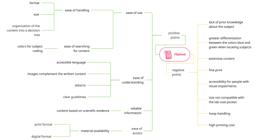
The mentioned negative aspects, such as printing costs and the need for digital accessibility, are important practical considerations for the dissemination of the resource. Therefore, a digital version of the flipbook was developed as part of the Vialáctea educational kit under the matrix project. Both the print and digital versions have obtained ISBN registrations: 978-85-64049-46-8 and 978-85-64049-49-9, respectively. The literary work is registered at Portal de Obras (https://www.registrodeobras.com/index) under number 312251206. The digital version is hosted on an open-access institutional domain (https://www.ufsm.br/app/uploads/sites/564/2020/01/Flipbook-Digital.pdf).
Regarding the mentioned items such as lack of prior knowledge on the subject and extensive content, a training material was developed (https://www.ufsm.br/app/uploads/sites/564/2020/01/Material-de-treinamento-ViaLactea-Digital-digital.pdf). For accessibility for individuals with visual impairment, an audiobook was produced (https://www.ufsm.br/app/uploads/sites/564/2020/01/AudioBook-Vialactea-1.mp3), as well as a promotional video using Brazilian sign language (https://www.youtube.com/ watch?v=Vco8Jwfinls&feature=youtu.be). Suggestions for design improvements (size, markers, binding type) are valuable for future editions and implementation strategies.
DISCUSSION
The adaptation of this educational resource builds on the earlier creation of a website designed to address clinical issues related to food insecurity among non-breastfed children, as well as needs arising from the everyday care practices of their families. This development reflects the research team’s ongoing commitment to maximizing the use of the educational resource created.
Stakeholder engagement22 is crucial in the development of health education materials. This includes the participation of individuals or groups with an interest in educational interventions, such as officials, health professionals, and educators. Partnerships among researchers, users, and knowledge brokers, supported by suitable structures, are essential to strengthening KT.23 This ensures that the needs and concerns of the target population are considered, enabling the identification of barriers and strategies to overcome them, thereby increasing the likelihood of project success.
Barriers to the continuing education and training of professionals underscore the importance of translating knowledge into action, as KT is a dynamic process that synthesizes, disseminates, exchanges, and ethically applies knowledge to improve health and strengthen health services.24 Educational health materials created or adapted for a target audience must ensure that their content is both understandable and relevant.25 Evaluation involving the target audience makes it possible to ensure that not only the content, but also the language and format (i.e., the flipbook), are accessible and applicable to the local context in which they will be used.
In this study, the flipbook’s usability was rated as “best imaginable”, with scores exceeding those reported in evaluations of other educational resources for health students, such as software and e-learning tools, which are typically classified in the “good” to “excellent” range.26-28 The usability scores of 95 and 92.5, both classified as “best imaginable”, may reflect the sequential format of the flipbook, which, by preserving a traditional page-turning reading experience, reduces the extraneous cognitive load and spatial disorientation commonly associated with hyperlink-based e-learning tools.
The scores suggest that the flipbook format—which offers content structured as a decision tree organized by milk type and feeding utensil, and features subject-based navigation grounded in scientific evidence on child feeding and nutrition—was perceived by the study population as useful, easy to use, consistent, and appropriate for learning.
Participants recognized the benefits of the flipbook for their academic and professional development, demonstrating high confidence in the information and expectations. This indicates that the resource addresses a recognized need related to food security for non-breastfed children, an issue that is essential in pediatric nursing and primary health care practice. Participants also expressed motivation to use the flipbook, reinforcing the premise that high motivation is a key factor in resource effectiveness.29
The finding of 100% confidence and security regarding the use of the flipbook reflects increased autonomy for students in health care settings. With access to an easy-to-use educational resource during consultations, students may feel less fear of making mistakes in clinical decision-making, with the tool thus functioning as an element of formative support and allowing students greater agency in conducting well-child consultations.
The flipbook was rated as easy, intuitive, straightforward, and safe to use, which is crucial for employing educational resources.10 Ease of use without the need for technical support contrasts with more complex technologies, such as virtual reality, which may require additional support.30
The perception that the flipbook’s functions were well integrated and consistent reinforces the quality of its design and structure.31 Organized presentations of key points, a modular structure, and easy-to-read formatting with high-quality graphics can contribute to improved knowledge of food security.32 Flipbooks for health professionals, when developed with stakeholder input, can improve cultural competence, while visual presentation increases engagement with and comprehension of educational resources.33
The flipbook’s design elements (icons, images, tables, alert text boxes, practical tips, and QR codes for additional resources or content) facilitate use, create interactive content, transform complex concepts into accessible information, and generate meaningful learning experiences. Meaningful learning supports knowledge transformation and empowers students to understand and act independently throughout their professional journey.34 Educational resources have the potential to produce positive effects on meaningful learning among health professionals, as exemplified by their impact on changes in knowledge and practice, resulting in higher-quality well-child consultations for growth and development monitoring.35
The positive points highlighted in the open-ended responses (printed and digital formats, convenience, accessible language, clarity, design, relevance) support the higher usability scale scores and the positive evaluations regarding expected use, ease of use, integrated and consistent attributes, and rapid learning. The perception that the content is evidence-based and contributes to food security for non-breastfed children validates the material’s purpose and quality. These results align with desired qualities in educational resources, such as topic understanding, technical quality,36 motivation, and interactivity.37
The identification of barriers such as “extensive content” and “lack of prior knowledge” transcends mere technological evaluation and reveals structural gaps in academic training in pediatric nursing. This scenario suggests that complex topics, such as food security in early childhood, often addressed superficially or fragmentarily within curricular frameworks, may generate theoretical insecurity among students. Accordingly, the flipbook functions not only as a support material but also as a pedagogical tool preceding students’ insertion into clinical practice. On the other hand, within a national context marked by national socioeconomic asymmetries, providing the material in digital and audiobook formats represents a multimodal alternative that democratizes access to knowledge.
The development of the Vialáctea flipbook as part of an educational kit addresses the need for open-access, evidence-based educational resources tailored to the local context. Health professionals view the use of health toolkits favorably as a means of supporting families with care-related demands, and such kits can be useful either as a multicomponent intervention or individually as an educational intervention.37 Furthermore, the digital version can overcome geographic barriers to physical distribution, while the audio format promotes inclusion and accessibility for users with varying literacy levels or visual impairments, aligning with guidelines on humanization and universal access in health care.
CONCLUSION AND IMPLICATIONS FOR PRACTICE
The educational resource in flipbook format on the food and nutrition security for non-breastfed children under six months of age was positively evaluated by both students and health professionals, who regarded it as practical, accessible, easy to use, and featuring well-integrated and consistent functions.
Its high potential for acceptance and use in academic and clinical contexts suggests that the flipbook may support training and assist professionals in promoting food and nutritional security for non-breastfed children, which can have a positive impact on healthy growth and on reducing infant morbidity and mortality. The flipbook can be used alongside other materials (e.g., the Child Health Handbook) as a reliable source of information in line with national guidelines.
The development of the flipbook, involving stakeholder engagement and target-audience evaluation, produced a knowledge translation product on nutrition education for non-breastfed children, which achieved the highest rating and can be used in Brazil and adapted to other contexts. A limitation identified in the flipbook’s development concerns image production, which reflects Brazilian diversity only partially, although it does include brown, white, and black characters, in keeping with national demographics and the country’s cultural and nutritional context. There is a recognized need to adapt the resource for culturally and linguistically diverse populations, taking local dietary guidelines into account, in order to expand the implementation of the Vialáctea educational kit. Additionally, a limitation of the material’s evaluation was the use of a convenience sample restricted to a single city.
ACKNOWLEDGMENTS
We thank Cassiani Mello Gubiani for her contribution in data collection as a research scholarship student.
DATA AVAILABILITY RESEARCH
The underlying content of the research text is contained in the article.
-
a
Extracted from the dissertation Segurança alimentar e nutricional de crianças menores de seis meses não amamentadas: avaliação de um recurso educacional por estudantes de enfermagem, presented to the Universidade Federal de Santa Maria, in 2025.
-
FINANCIAL SUPPORT
This work was carried out with the support of the Conselho Nacional de Desenvolvimento Científico e Tecnológico – CNPq (Universal grant no. 18/2021, category B, process number 403547/2021-0) and Program CAPES: PDPG-CONSOLIDACAO-3-4 (process number 88881.710198/2022-01).This study was financed in part by the Coordenação de Aperfeiçoamento de Pessoal de Nível Superior - Brasil (CAPES) - Finance Code 001.
References
-
1 World Health Organization. Infant and young child feeding [Internet]. Geneva: WHO; 2023 [citado 2025 set 27]. Disponível em: https://www.who.int/news-room/fact-sheets/detail/infant-and-young-child-feeding
» https://www.who.int/news-room/fact-sheets/detail/infant-and-young-child-feeding -
2 Universidade Federal do Rio de Janeiro. Alimentação Infantil I: prevalência de indicadores de alimentação de crianças menores de 5 anos: ENANI - 2019 [Internet]. Rio de Janeiro: UFRJ; 2021 [citado 2025 set 27]. Disponível em: https://enani.nutricao.ufrj.br/wp-content/uploads/2021/08/Relatorio-preliminar-AM-ENANI-2019.pdf
» https://enani.nutricao.ufrj.br/wp-content/uploads/2021/08/Relatorio-preliminar-AM-ENANI-2019.pdf -
3 Fundo das Nações Unidas para a Infância. Na Semana Mundial da Amamentação, UNICEF e OMS pedem igualdade de acesso ao apoio à amamentação [Internet]. Brasília: UNICEF; 2024 [citado 2025 ago 15]. Disponível em: https://www.unicef.org/brazil/comunicados-de-imprensa/na-semana-mundial-da-amamentacao-unicef-e-oms-pedem-igualdade-de-acesso-ao
» https://www.unicef.org/brazil/comunicados-de-imprensa/na-semana-mundial-da-amamentacao-unicef-e-oms-pedem-igualdade-de-acesso-ao -
4 Mao C, Shen Z, Long D, Liu M, Xu X, Gao X et al. Epidemiological study of pediatric nutritional deficiencies: an analysis from the global burden of disease study 2019. Nutr J. 2024;23(1):44. https://doi.org/10.1186/s12937-024-00945-1 PMid:38637763.
» https://doi.org/10.1186/s12937-024-00945-1 -
5 Organização das Nações Unidas para a Educação, a Ciência e a Cultura. Recommendation on Open Educational Resources (OER) [Internet]. Paris: UNESCO; 2019 [citado 2025 ago 20]. Disponível em: https://unesdoc.unesco.org/ark:/48223/pf0000370936
» https://unesdoc.unesco.org/ark:/48223/pf0000370936 -
6 Cruz FO. Diretrizes para Recursos Educacionais Abertos (REA) [Internet]. Rio de Janeiro: Fiocruz; 2023 [citado 2025 ago 20]. Disponível em: https://portal.fiocruz.br/documento/diretrizes-para-recursos-educacionais-abertos-rea-fiocruz
» https://portal.fiocruz.br/documento/diretrizes-para-recursos-educacionais-abertos-rea-fiocruz -
7 Ribeiro ALT, Araújo ÉFD, Pinho IVOSD, Melo MC, Martins RGG, Lara CCQ. Avaliação de tecnologia educativa para crianças com diabetes: estudo metodológico. Esc Anna Nery. 2021;25(5):e20200282. https://doi.org/10.1590/2177-9465-ean-2020-0282
» https://doi.org/10.1590/2177-9465-ean-2020-0282 -
8 Lim CW, Liew KY, Lim SH, Cheema MS, Sulaiman PS, Harith HH et al. Student acceptance towards AsepticTech VR: a teaching and learning tool for cell and tissue culture aseptic techniques. Int J Educ Technol High Educ. 2024;21(1):36. https://doi.org/10.1186/s41239-024-00472-3
» https://doi.org/10.1186/s41239-024-00472-3 -
9 Korber I, Shepherd J. Teaching the information literacy framework: creating choose-your-own-adventure flip-books. Ref Serv Rev. 2019;47(4):461-75. https://doi.org/10.1108/RSR-05-2019-0033
» https://doi.org/10.1108/RSR-05-2019-0033 -
10 Maynastiti D, Serevina V, Sugihartono I. The development of flip book contextual teaching and learning-based to enhance students’ physics problem solving skill. J Phys Conf Ser. 2020;1481(1):012076. https://doi.org/10.1088/1742-6596/1481/1/012076
» https://doi.org/10.1088/1742-6596/1481/1/012076 -
11 Ornellas T, Monteiro M. Lifelong learning entre profissionais de enfermagem: Desafios contemporâneos. Referência. 2023;VI(2):e22055. https://doi.org/10.12707/RVI22055
» https://doi.org/10.12707/RVI22055 -
12 Nações Unidas. Objetivos de Desenvolvimento Sustentável no Brasil [Internet]. Brasília: Nações Unidas no Brasil; 2025 [citado 2025 out 20]. Disponível em: https://brasil.un.org/pt-br/sdgs
» https://brasil.un.org/pt-br/sdgs -
13 Bick MA, Paula CC. Website for families of non-breastfed children: development and validation of content and interface. Rev Bras Enferm. 2024;77(3):e20230490. https://doi.org/10.1590/0034-7167-2023-0490pt PMid:38896662.
» https://doi.org/10.1590/0034-7167-2023-0490pt -
14 Graham ID, Logan J, Harrison MB, Straus SE, Tetroe J, Caswell W et al. Lost in knowledge translation: time for a map? J Contin Educ Health Prof. 2006;26(1):13-24. https://doi.org/10.1002/chp.47 PMid:16557505.
» https://doi.org/10.1002/chp.47 -
15 Vieira ACG, Gastaldo D, Harrison D. How to translate scientific knowledge into practice? Concepts, models and application. Rev Bras Enferm. 2020;73(5):e20190179. https://doi.org/10.1590/0034-7167-2019-0179 PMid:32609213.
» https://doi.org/10.1590/0034-7167-2019-0179 -
16 Institute of Education Sciences & National Science Foundation. Common guidelines for education research and development [Internet]. Washington, D.C.: Institute of Education Sciences and National Science Foundation; 2013 [citado 2025 ago 8]. Disponível em: https://www.nsf.gov/pubs/2013/nsf13126/nsf13126.pdf
» https://www.nsf.gov/pubs/2013/nsf13126/nsf13126.pdf -
17 Jang EC. Addressing challenges to the development, delivery, and evaluation of continuing education for nurses. Nurs Clin North Am. 2022;57(4):513-23. https://doi.org/10.1016/j.cnur.2022.06.003 PMid:36280291.
» https://doi.org/10.1016/j.cnur.2022.06.003 -
18 Salazar G, Russi-Vigoya MN. Technology readiness level as the foundation of human readiness level. Ergon Des. 2021;29(4):25-9. https://doi.org/10.1177/10648046211020527
» https://doi.org/10.1177/10648046211020527 -
19 Cuschieri S. The STROBE guidelines. Saudi J Anaesth. 2019;13(5, Suppl 1):S31. https://doi.org/10.4103/sja.SJA_543_18 PMid:30930717.
» https://doi.org/10.4103/sja.SJA_543_18 -
20 Lourenço DF, Valentim EC, Lopes MHBDM. Translation and cross-cultural adaptation of the system usability scale to Brazilian Portuguese. Aquichan. 2022;22(2):e2228. https://doi.org/10.5294/aqui.2022.22.2.8
» https://doi.org/10.5294/aqui.2022.22.2.8 -
21 Padrini-Andrade L, Balda RDCX, Areco KCN, Bandiera-Paiva P, Nunes MDV, Marba STM et al. Evaluation of usability of a neonatal health information system according to the user’s perception. Rev Paul Pediatr. 2019;37(1):90-6. https://doi.org/10.1590/1984-0462/;2019;37;1;00019 PMid:30569950.
» https://doi.org/10.1590/1984-0462/;2019;37;1;00019 -
22 Ketelaar M, Bult M, Veld MWH, Van Meeteren K, Roebroeck M, Voorman J. Bridging the gap: reflections on co-creation in knowledge translation. Res Involv Engagem. 2024;10(1):119. https://doi.org/10.1186/s40900-024-00653-4 PMid:39516889.
» https://doi.org/10.1186/s40900-024-00653-4 -
23 Khatri RB, Endalamaw A, Mengistu T, Erku D, Wolka E, Nigatu F et al. A scoping review of knowledge translation in strengthening health policy and practice: sources, platforms, tools, opportunities, and challenges. Arch Public Health. 2025;83(1):78. https://doi.org/10.1186/s13690-025-01567-7 PMid:40133971.
» https://doi.org/10.1186/s13690-025-01567-7 -
24 Straus SE, Tetroe J, Graham I. Defining knowledge translation. CMAJ. 2009;181(3-4):165-8. https://doi.org/10.1503/cmaj.081229 PMid:19620273.
» https://doi.org/10.1503/cmaj.081229 -
25 Elliott SA, Bialy L, Scott SD, Hartling L. Exploring methods for creating or adapting knowledge mobilization products for culturally and linguistically diverse audiences: a scoping review. Arch Public Health. 2024;82(1):111. https://doi.org/10.1186/s13690-024-01334-0 PMid:39034399.
» https://doi.org/10.1186/s13690-024-01334-0 -
26 Silva AMCD, Silva MJDA, Silva NNQ, Moretti EC, Lima FJCD, Oliveira OBD et al. Anatomy alive: aplicativo móvel para facilitar o ensino-aprendizagem de anatomia de cabeça e pescoço aplicada à Odontologia. Rev ABENO. 2024;24(1):2201. https://doi.org/10.30979/revabeno.v24i1.2201
» https://doi.org/10.30979/revabeno.v24i1.2201 -
27 Roncal-Belzunce V, Gutiérrez-Valencia M, Echeverría-Beistegui I, Martínez-Velilla N. Optipharm: enhancing pharmacological management skills in healthcare students for geriatric care through gamified e-learning. Int J Med Inform. 2024;190:105535. https://doi.org/10.1016/j.ijmedinf.2024.105535 PMid:39047675.
» https://doi.org/10.1016/j.ijmedinf.2024.105535 -
28 Tokuno J, Fried GM, Kaneva P, Sayadi A, Caron C, Jastaniah A et al. Mixed reality for remote procedural training and assessment: a feasibility study. J Surg Educ. 2025;82(6):103504. https://doi.org/10.1016/j.jsurg.2025.103504 PMid:40267879.
» https://doi.org/10.1016/j.jsurg.2025.103504 -
29 Andreasen EM, Høigaard R, Berg H, Steinsbekk A, Haraldstad K. Usability evaluation of the preoperative ISBAR (Identification, Situation, Background, Assessment, and Recommendation) desktop virtual reality application: qualitative observational study. JMIR Hum Factors. 2022;9(4):e40400. https://doi.org/10.2196/40400 PMid:36580357.
» https://doi.org/10.2196/40400 -
30 Santilli T, Ceccacci S, Mengoni M, Giaconi C. Virtual vs. traditional learning in higher education: a systematic review of comparative studies. Comput Educ. 2025;227:105214. https://doi.org/10.1016/j.compedu.2024.105214
» https://doi.org/10.1016/j.compedu.2024.105214 -
31 Santos CJ Jr, Martins ASS, Silva MR, Araújo JFS, Cantalice JDA. Construção de recurso didático para a promoção da saúde em tempos de Pandemia de SARS-CoV-2: diálogos interdisciplinares em Saúde, Educação e Design. Rev Portal Saude Soc. 2021;6:e02106007. https://doi.org/10.28998/rpss.e02106007
» https://doi.org/10.28998/rpss.e02106007 -
32 Adegoye GA, Tolar-Peterson T, Ene-Obong HN, Nuntah JN, Pasqualino MM, Mathews R et al. Development and validation of nutrition and food safety educational material for fish processors in Nigeria. Int J Environ Res Public Health. 2023;20(6):4891. https://doi.org/10.3390/ijerph20064891 PMid:36981799.
» https://doi.org/10.3390/ijerph20064891 -
33 Francalancia S, Mehta K, Shrestha R, Phuyal D, Bikash D, Yadav M et al. Consumer focus group testing with stakeholders to generate an enteral resuscitation training flipbook for primary health center and first-level hospital providers in Nepal. Burns. 2024;50(5):1160-73. https://doi.org/10.1016/j.burns.2024.02.008 PMid:38472005.
» https://doi.org/10.1016/j.burns.2024.02.008 -
34 Paiva LGD, Guimarães LA, Silva LCVAMD, Vernasque JRDS, Marin MJS. Aprendizagem significativa sobre política de saúde da criança: relato de experiência de estudantes. Rev Bras Educ Med. 2024;48(4):e118. https://doi.org/10.1590/1981-5271v48.4-2023-0242
» https://doi.org/10.1590/1981-5271v48.4-2023-0242 -
35 Vieira DS, Brito PKH, Bezerra ICDS, Soares AR, Santos LMD, Toso BRGDO et al. Educational action to monitor children’s growth and development based on the theory of meaningful learning. Rev Esc Enferm USP. 2023;57:e20230200. https://doi.org/10.1590/1980-220x-reeusp-2023-0200en PMid:38215032.
» https://doi.org/10.1590/1980-220x-reeusp-2023-0200en -
36 Parker D, Hudson P, Tieman J, Thomas K, Saward D, Ivynian S. Evaluation of an online toolkit for carers of people with a life-limiting illness at the end-of-life: health professionals’ perspectives. Aust J Prim Health. 2021;27(6):473-8. https://doi.org/10.1071/PY21019 PMid:34802508.
» https://doi.org/10.1071/PY21019 -
37 Urstad KH, Navarro-Illana E, Oftedal B, Whittingham K, Alamar S, Windle R et al. Usability and value of a digital learning resource in nursing education across European countries: a cross-sectional exploration. BMC Nurs. 2021;20(1):161. https://doi.org/10.1186/s12912-021-00681-5 PMid:34488724.
» https://doi.org/10.1186/s12912-021-00681-5
Edited by
-
ASSOCIATED EDITOR
Candida Primo https://orcid.org/0000-0001-5141-2898
-
SCIENTIFIC EDITOR
Marcelle Miranda da Silva https://orcid.org/0000-0003-4872-7252

 Source: Graham et al.
 Source: Developed by the authors using Nano Banana integrated with the Gemini API (Google DeepMind, USA, 2026).

