 THE REVISTA SCHOLA AND ITS SCIENTIFIC DISSEMINATION ROLE IN THE ASSOCIAÇÃO BRASILEIRA DE EDUCAÇÃO (ABE)
ABSTRACT:
This article aims to identify the scientific dissemination activities carried out by Revista Schola, a journal linked to the Associação Brasileira de Educação (ABE). The research is based on a set of documents located in the Arquivo Carmem Jordão, linked to the Associação, covering the period between 1930 and 1931, as this corresponds to the period when the publication was in circulation and valid. Methodologically, the study relies on the historical method as a research method, according to Rüsen (2015), using cognitive strategies such as heuristics, criticism, and interpretation. The findings indicate that Revista Schola has established itself as a tool for the ABE to communicate issues related to education, presenting activities to members, researchers, intellectuals, institutions and associations at the national and international levels, as well as a tool for scientific dissemination and the circulation of ideas, through the import and export of knowledge, aiming to spread and promote specific discourses, meanings and themes related to the educational field and teaching.
Keywords:
Associação Brasileira de Educação;
Revista Schola
; scientific dissemination
RESUMO:
Neste artigo, objetiva-se identificar as ações de divulgação científica presentes na Revista Schola, vinculada à Associação Brasileira de Educação (ABE). A pesquisa desenvolve-se a partir do conjunto documental localizado no Arquivo Carmem Jordão, vinculado à Associação, tendo como recorte temporal os anos de 1930 e 1931, período correspondente à circulação e vigência do impresso. Metodologicamente, fundamenta-se no método histórico como método de pesquisa, conforme Rüsen (2015), mobilizando estratégias cognitivas como a heurística, a crítica e a interpretação. Como resultados, compreende-se que a Revista Schola se configurou como um dispositivo da ABE destinado à comunicação de questões correlatas à educação, apresentando atividades aos sócios, pesquisadores, intelectuais, instituições e associações, em âmbito nacional e internacional. Compreende-se, ainda, que o periódico atuou como dispositivo de divulgação científica e de circulação de ideias, via importação-exportação de saberes, com o objetivo de difundir e valorizar determinados discursos, sentidos e temáticas relacionados ao campo educacional e ao ensino.
Palavras-chave:
Associação Brasileira de Educação;
Revista Schola
; divulgação científica
RESUMEN:
Este artículo tiene como objetivo identificar las acciones de divulgación científica presentes en la Revista Schola, vinculada a la Associação Brasileira de Educação (ABE). La investigación se llevó a cabo a partir del conjunto documental localizado en el Arquivo Carmem Jordão, vinculado a la Associação, con un recorte temporal entre los años 1930 y 1931, teniendo como justificación el período de circulación y vigencia de la publicación impresa. La metodología se basa en el método histórico como método de investigación, según Rüsen (2015), utilizando estrategias cognitivas tales como la heurística, la crítica y la interpretación. Los resultados permiten concluir que la Revista Schola se configuró como un dispositivo de la ABE para la comunicación de cuestiones relacionadas con la educación, abordando la presentación de actividades a los socios, investigadores, intelectuales, instituciones y asociaciones a nivel nacional e internacional. Asimismo, se constata que la publicación actuó como um medio de divulgación científica y de circulación de ideas a través de la importación-exportación de saberes, con el objetivo de difundir y valorizar determinados discursos, significados y temáticas relacionados con el campo educativo y la enseñanza.
Palabras clave:
Associação Brasileira de Educação;
Revista Schola
; divulgación científica
INTRODUCTION
This article aims to identify the science dissemination activities found in Revista Schola, a publication linked to the Brazilian Education Association (ABE-Associação Brasileira de Educação). Our research adopts a qualitative, historical approach situated within the field of the history of education, at the intersection of digital history and transnational history, while focusing primarily on the corpus of printed materials.
Based on the objective of this study, we draw on the insights of Barros (2020), who emphasizes the importance of the research problem and the sources in historical inquiry. Barros notes that the research problem directs the historian’s focus toward the content of the sources. Based on this, we formulated the following guiding questions: What was Revista Schola, and what were its objectives? Which of the ABE’s initiatives aimed at the dissemination of scientific knowledge were featured in the journal? To address these questions, we utilized the printed editions of Revista Schola as primary sources, analyzing them throughout the course of the investigation.
In celebration of the ABE’s centenary in 2024, we have chosen to focus on printed material, examining its role within the Association as a means of scientific dissemination and the circulation of ideas related to education. It is essential to recognize that “[...] the history of pedagogical ideas and educational practices constitutes, therefore, a vast and diverse field that allows us to understand the different ways in which educational processes have been conceived and conducted over the centuries” (Medeiros Neta, 2023, p. 2).
For this reason, understanding the history of ideas through the lens of import and export movements contributes to analyzing the transformations that constitute pedagogy, considering its influences and ramifications, and how these ideas are received and incorporated into the educational landscape, or even rejected partially or entirely within different contexts of circulation. Thus, the transnational history of education emerges as a strategy for analyzing the processes of formation and constitution of pedagogical ideas in motion (Medeiros Neta, 2023).
We must consider that “[...] while acknowledging the circulation of ideas, we need to highlight the limits of these exchanges and regard them as equally constitutive of pedagogy” (Houssaye, 2007, p. 298). From this perspective and drawing on the contributions of Westberg (2022), we understand that this movement of ideas entails retentions and appropriations that are reconfigured by the local context, such as the spread of the British-model preschool to Sweden and the significant role played by those who disseminated it.
This understanding of how ideas circulate enables us to see educators and the concept of pedagogy in action as a specific aspect of this process. We view pedagogy as something constructed by educators from various backgrounds through a dynamic of import and export. Also, this process is influenced by international organizations that play a significant role in the internationalization of pedagogies and educational models.
We understand educators as individuals rooted in specific historical contexts and societal conditions, where social conditions inevitably affect the processes of reception, rejection, and dissemination of specific pedagogical models and ideas. When we find movements that involve the importation of both material and immaterial objects, we can identify the use of nationalist and localized references as a response to foreign influences. On the other hand, in export movements, we observe the use of justifications and generalized frames of reference regarding educational practices (Houssaye, 2007).
The circulation of material and immaterial objects is significant due to the role it plays in the production and import-export of scientific knowledge, as well as in access to knowledge through various transmission and reception channels. Among these means, we can highlight educational trips and exchanges; participation in events such as scientific congresses, courses, and conferences; and the circulation of printed materials, including newspapers, books, official documents, magazines, and bulletins.
Within this import-export context, we adopt the transnational history of education to analyze our object of study, therefore understanding this approach is essential. As noted by Rabelo and Baeza (2025) and Vera and Fuchs (2021), the transnational approach in the history of education is a theoretical-methodological research framework that allows the object of study, and its investigation, to be understood beyond the confines of national borders in historical analysis. Thus, we can view both institutions and actors as “travelers” embedded in networks formed through the contextualization of their relationships.
Thus, choosing a transnational approach in the field of the history of education means adopting a specific perspective and “position” for research analysis, which guides the development of historical investigations. This approach challenges traditional perspectives that are limited to the national sphere (Vera; Fuchs, 2021). This nation-state-centric approach is grounded in methodological nationalism, as noted by Rabelo and Baeza (2025).
Regarding research methodology, we adopted the historical method based on the contributions of Rüsen (2015), considering its relationship with the field of history and the systematization of procedural stages, such as heuristics, the use of document analysis based on source criticism, and interpretation. This enables us to investigate the editions of Schola in dialogue with the existing historiography on the magazine, using a qualitative, historically oriented approach aimed at identifying and discussing the science dissemination initiatives found in the publication.
For Rüsen (2015), the historical method consists of the systematization of procedures undertaken during the research process. It is structured into three stages or cognitive strategies: heuristics, criticism, and interpretation. This trajectory begins with the formulation of a historical question and ends in the organization of the insights from that inquiry.
Heuristics, the first of these cognitive strategies, involves the methodical regulation of the research question. Thus, the question must adhere to certain rules, including the requirement for innovation demonstrated by how the answer fills historiographical gaps or addresses dissatisfactions within the field. The question must be formulated based on the body of existing scholarship and should guide the search for collections and sources that allow us to answer it (Rüsen, 2015).
Thus, we base our investigation on the collection of documents located in the Carmem Jordão Archive and Library (Arquivo e Biblioteca Carmem Jordão), affiliated with the Association. We delimited the timeframe to the years 1930 and 1931 because it corresponds to the period in which Revista Schola, established and organized by the aforementioned institution, was in circulation.
We need to explore new methods with sources while considering that “[...] the manuscript archive is living material, whereas its microfilm reproduction is somewhat of a dead letter, even if it proves necessary” (Farge, 2022, p. 11). In this context, physical archives, which exist at the intersection of materiality and knowledge serve as spaces containing a vast number of traces essential for the historical research. These sources act as witnesses to the past. The richness and diversity of the traces found in these documents, along with the need to handle them carefully to preserve their materiality, influence the historian’s approach and careful “observation” when working with the sources. This engagement enables us to understand various subjects through their words and actions (Farge, 2022).
Consequently, we must dedicate ourselves to reading the manuscripts, re-reading them and paying attention to both the novel and the common, while remaining alert to potential pitfalls, such as failing to question the archive, over-identifying with the object of study, lacking a critical perspective, using quotations to avoid reflection, and turning historical writing into a novel. These processes of gathering, reading, and engaging with the content require the document to be analyzed through a critique of sources (Farge, 2022): “[...] which demands that it be skillfully interrogated to acquire meaning” (Farge, 2022, p. 21).
In summary, we recognize that the interaction between the researcher and the archive enables the development of new research by raising important questions. Unlike digital sources, this process allows for direct contact with and physical handling of the materials. Researchers must sort, organize, and classify the manuscripts while ensuring they do not damage them (Farge, 2022).
Next, critical analysis, which is the second cognitive strategy, consists of extracting information about the past from the sources to answer the research question. This stage is structured around three processes: external source criticism, internal source criticism, and the criterion of objective possibility (Rüsen, 2015).
External criticism means the investigation of documents as sources and the verification of their authenticity, while internal criticism is the analysis of the information contained within those sources and its implications for the historical question. The criterion of objective possibility consists of cross-referencing the information found in the documents with historically established knowledge. This enables us to historicize facts by comparing them with others, and to assign them meaning, form, and content through narrative organization (Rüsen, 2015).
To clarify this methodological procedure, we reference the concept of the historical source as defined by Barros (2020). The author characterizes a source as a remnant of the past; the information it contains allows us to analyze and interpret individuals and societies, given the impossibility of directly verifying past events.
Historical sources are “[...] records or materials that provide testimony or a discourse stemming from the human past, reflecting a reality once lived relevant to the historian’s present” (Barros, 2020, p. 7, author’s emphasis). This definition highlights the significant scientific and historical value of sources for the development of historical research, as they are the foundation and support for the propositions of the historians. In addition to material historical sources, there is an increasing use of virtual sources in historical investigations, which are essential for understanding the past (Barros, 2020).
Finally, the third cognitive strategy, interpretation, corresponds to the stage of the historical method. Having obtained traces from sources through critical analysis, we connect and organize information into narrative sequences to explain. This methodological procedure also enables us to select the information relevant to answering the research question (Rüsen, 2015).
In this context, source analysis is shaped by the researcher's subjectivity. The researcher guides the inquiry process by focusing on specific aspects and details throughout the historiographical operation. This process is essential for transitioning from a merely descriptive historical narrative to one that is simultaneously descriptive and interpretive, based on the analysis of historical sources (Barros, 2020).
We draw upon the theoretical framework of different authors who discuss the circulation of ideas and the import-export dynamics associated with the transnational approach in the history of education. They are Houssaye (2007), Medeiros Neta (2023), Rabelo and Baeza (2025), Vera and Fuchs (2021), Viñao Frago (2007), and Westberg (2022). We aim to understand the actions of the ABE as reflected in Revista Schola, as well as the role of the publication itself. Supported by authors such as Burlamaqui (2013), Carvalho (1998), Dantas (2024), Saviani (2005), and Vieira (2017), we discuss the Association's creation and journey, its internal and state-level organization, and the initiatives it undertook. To contextualize the period, emerging educational movements, and scientific dissemination initiatives, we analyzed authors such as Gomes (2020), Massarani and Moreira (2003), and Nagle (1974). Finally, we base the design of our methodological process on the contributions of authors such as Barros (2020), Farge (2022), and Rüsen (2015).
This article is organized into four sections. First, we present the context in which this research was produced, focusing on the theoretical framework and the structure of the text. Second, we contextualize the period surrounding the creation of the ABE, the institution that organized the journal serving as the subject of this historiographical study, focusing on the emergence of educational movements (specifically, the “enthusiasm for education” and “pedagogical optimism”) within the Brazilian scenario, with particular attention to the role played by Heitor Lyra da Silva. The third section discusses initiatives for the dissemination of scientific knowledge and the organization of Revista Schola. Finally, the fourth section presents some reflections on the discussions developed throughout the study and suggests possibilities for future research and scholarship.
THE CREATION OF THE ABE
In the late 19th century, concerns regarding the modernization of the city of Rio de Janeiro materialized through infrastructure projects, the expansion of services offered to citizens, and initiatives for urban beautification and decoration. However, this approach had difficulties and was unsustainable given the prevailing social conditions. This shifted the focus of modernization efforts from urban space to the shaping of the individual, as advocated by Heitor Lyra, given the need to guide the city toward a path of civility (Gomes, 2020).
This contrast between the urban and the human became evident in Rio de Janeiro. On one hand, Brazil's capital sought to be established as a city guided by ideals of modernity through its urban planning policies. On the other hand, Heitor Lyra saw these policies as limited to the city's physical aspects, failing to address the population's social conditions. Thus, the Republic faced worsening conditions across various dimensions of social life, particularly regarding public health, the educational and economic context, and government repression of social movements (Gomes, 2020).
According to Heitor Lyra, “[...] the educational issue became one of the key elements in his goal to resolve the social question in the city, specifically, the urban question” (Gomes, 2020, p. 14). Thus, Lyra’s thinking advocated for the poor population’s right to exercise citizenship, given that this segment of society lacked the means for a fulfilling life and was neglected by the State. This was a result of the prevailing societal model, which prioritized urban infrastructure projects and an agenda centered on immigrants (Gomes, 2020).
During the First Republic, various ideological, political, and social divisions became evident. A significant issue was the restriction of voting rights to only a segment of society, which was a consequence of social stratification. Also, political parties emerged, such as the Democratic Party, in opposition to the rotational presidential system known as the “Coffee with Milk” politics (Política do Café com Leite). The coffee sector also played a dominant role in Brazil’s economic production and circulation. In this context, the agricultural sector and the principles of “ruralism” suggested that the rise of industrialization was in conflict with the vision of a society focused on an economy based on natural products (Nagle, 1974).
The growth of immigration flows and the process of urbanization, driven by the migration of the population from rural areas to urban centers, contributed significantly to the development of industrialization in Brazil. In this context, there was an intensification of various currents of thought and socio-political movements, which helped define new questions (Nagle, 1974).
Transformations in the cultural sector during the First Republic, efforts to develop intellectual thought, and the crisis of liberalism contributed to the evolution of “Octoborism” (outubrismo), a movement that fostered the emergence of new theoretical frameworks and, consequently, a climate of ideological ferment. Thus, an understanding of the role of the school in transforming the social landscape took place, particularly regarding the use of civic education and moral instruction to shape individuals for the nation's progress. This led to intensified debates concerning the country's major challenges, with the school emerging as a central issue (Nagle, 1974).
In the early 20th century, educational ideals became a means to transform the Brazilian population and its reality. By the late 1920s, concepts related to urbanization and education had become essential and were gradually integrated into social intervention efforts, mainly with the goal of reorganizing society (Gomes, 2020).
At the beginning of the 20th century, initiatives primarily focused on urban planning issues related to infrastructure and beautification projects, alongside developing public policies. However, in the 1920s, a shift occurred as engineers began advocating for improvements in the living conditions for the population. As a result, education became a fundamental element in building a modern city (Gomes, 2020).
During that same decade, the city of Rio de Janeiro became a central hub for the dissemination of scientific knowledge and the shaping of intellectual thought, particularly regarding debates on education and culture in Brazil. The 1920s were marked by an intensification of such activities. Notable initiatives included the production and distribution of printed materials, such as books, magazines, and newspapers, as well as conferences organized by academic groups and the ABE, the content of which was publicized in city newspapers. We also highlight the dissemination of knowledge through radio, highlighted by the work of Rádio Sociedade. Founded by Roquette-Pinto, this station offered programming that focused on scientific discussions (Massarani & Moreira, 2003).
In addition to these examples, we consider it essential to highlight other initiatives aimed at disseminating knowledge from the scientific field. For example, we note the emergence of institutions dedicated to the popularization and promotion of science, such as the Brazilian Society of Sciences (Sociedade Brasileira de Ciências), established in 1916 and later transformed into the Brazilian Academy of Sciences (ABC-Academia Brasileira de Ciências) in 1922. We also identify the publication of daily newspapers and book series dedicated to science popularization, the production of science fiction works and the hosting of events featuring both Brazilian and foreign scientists. We highlight the role of science communicators, such as Miguel Osório de Almeida and Roquette-Pinto, among others, who contributed to the publication of texts and books aimed at popularizing science. We also note the perspective of museums as spaces for education and the dissemination of science (Massarani; Moreira, 2003).
Regarding science popularization during this period, we emphasize that:
Science dissemination played a crucial role in disseminating its protagonists' ideas about science and its importance to the country's development. One of its main objectives was to raise awareness among public authorities, which would help create and maintain science-related institutions and promote greater social appreciation for research activities. However, this form of science dissemination remained fragmented and incomplete, reflecting the fragile state of the scientific community at the time (Massarani; Moreira, 2003, p. 51).
In the 1920s, the fight against illiteracy gained significant momentum as it became clear that literacy was fundamental for the country’s social progress. Key issues of this period included the development of primary education and the expansion of schooling; the relationship between general education and vocational training; the importance of school subjects and the need for more effective government involvement in this endeavor. In this context, we highlight the activities promoted by the ABE, driven by the emergence of various institutions that helped strengthen the “enthusiasm for education” movement. This also included the creation of educational bulletins and journals (Nagle, 1974).
The pedagogical enthusiasm and optimism came from a socio-political and intellectual scenario shaped by the activities of various currents and groups. These groups viewed education as a key theme and, consequently, incorporated it into the debates surrounding institutional agendas. The central importance accorded to “schooling” facilitated the involvement of intellectuals and educators and drove a growing focus on this issue within these programs, limiting the scope of other topics and generating discussions toward the schooling process, a process often linked to challenges within the political sphere (Nagle, 1974).
After World War I, several nationalist movements emerged and diversified, with two organizations highlighted for the incorporation of nationalist ideas: the National Defense League (Liga de Defesa Nacional) and the Nationalist League of São Paulo (Liga Nacionalista de São Paulo). Both organizations recognized the role of literacy, attributing a political dimension to it capable of changing the country's course. In addition to these organizations, we identify two other significant movements from that era that shared certain similarities: Nativist Propaganda (Propaganda Nativista) and Nationalist Social Action (Ação Social Nacionalista). The main difference between them is regarding politics: while Nativist Propaganda adopted a political character, Nationalist Social Action rejected it (Burlamaqui, 2013).
These movements aimed to confront and resolve the issues affecting Brazil, the so-called “[...] ‘national problems’, disease, illiteracy, and poverty” (Burlamaqui, 2013, p. 19). In the early years of the 20th century, intellectuals sought to guide the country toward progress and modernization, while also attempting to identify and address the difficulties permeating the national reality (Burlamaqui, 2013).
Therefore, the ABE was established in October 1924 at the Polytechnic School in Rio de Janeiro, driven by the mobilization of intellectuals led by Heitor Lyra da Silva. The concept of an institution defined by Saviani (2005) is important. He states that they are spaces created to meet human needs, possess a permanent character, and are places where specific agents carry out systematized, intentional actions, based on the relationships established both within the organization and with its target audience.
Initially, the meeting held in Rio de Janeiro in March 1924, attended by Lysimacho da Costa, Everardo Backheuser, Edgar Süssekind de Mendonça, and Francisco Venâncio Filho, in addition to Lyra, aimed to establish the Federation of Education Associations (Federação de Associações de Ensino). Given the infeasibility of creating this Federation, a proposal emerged to organize a political party named National Action (Acção Nacional). However, it was not materialized due to the defeat of the São Paulo Revolution (Carvalho, 1998). Later that same year, in October, the ABEA was founded with the participation of other intellectuals, including Tobias Moscoso, Amoroso Costa, Mário Paulo de Brito, Ferdinando Labouriau, Barbosa de Oliveira, and Dulcídio Pereira, as well as female intellectuals such as Isabel Lacombe, Armanda Álvaro Alberto, Alice de Carvalho de Mendonça, Branca Fialho, Bertha Lutz, and Jerônima Mesquita (Burlamaqui, 2013). In this context, we highlight the figure of Heitor Lyra da Silva, the Association's principal founder.
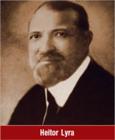
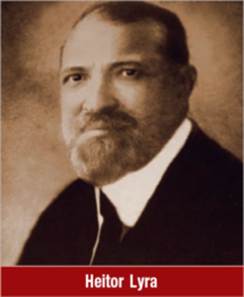
Figure 1 shows Heitor Lyra da Silva, an intellectual who played an important role in creating and organizing the ABE and was actively involved in the Association's activities. Lyra was born in 1879 in the city of Rio de Janeiro and passed away in 1926 at the age of 47. His education began with primary studies under his family's guidance, followed by his time at Colégio Pedro II (Associação Brasileira de Educação, 2024).
In addition to this early education, Lyra graduated from the Polytechnic School of Rio de Janeiro and participated in various educational initiatives. He was a member of the Pedagogical League for Secondary Education (Liga Pedagógica de Ensino Secundário), he was a founder of the ABE; he participated in education-focused events; and he collaborated with the Jacobina Course (Curso Jacobina) and the Meriti Regional School (Escola Regional de Meriti), initiatives organized by Laura Jacobina Lacombe and Armanda Álvaro Alberto, respectively. Both were members of the Association (Associação Brasileira de Educação, 2024). The reasons for the institution's creation were:
[…] the problem of national education, the dissemination of scientific knowledge to society, the establishment of a body to coordinate ideas across state departments involving various local intellectuals, and the absence of government participation in proposing public policies addressing the country's social landscape (Dantas, 2024, p. 65).
Through the proposal of educational initiatives, the ABE was distinguished both as an institution dedicated to disseminating scientific knowledge and for its capacity to coordinate activities on a national scale. This work was carried out through dialogue with various institutions and individuals regarding educational matters, without restrictions on the target audience for these discussions (Dantas, 2024).
Among these initiatives, we highlight events promoted by the sections, such as teacher training programs (including professional development and specialization courses, as well as courses on psychoanalysis applied to education and child psychology). We also identify strategies related to this field, such as the pedagogical advisory service, the National Education Conferences, and Education Weeks (Dantas, 2024).
The ABE was internally organized into state-level sections and departments. According to Burlamaqui (2013), the sections were organized around specific themes and addressed topics relevant to each area. They were led by a president and held meetings for discussion. The first sections established were: “[...] ‘Basic and Normal School Education,’ ‘Secondary Education,’ ‘Technical and Higher Education,’ ‘Vocational and Artistic Education,’ ‘Physical Education and Hygiene,’ ‘Moral and Civic Education,’ and ‘Family Cooperation’” (Burlamaqui, 2013, p. 25). Table 1 shows the active sections identified within the Association during the timeframe of this research:
Table 1 shows the ABE sections found in June, July, August, and November 1930, and February 1931, in the journal. We observe the continued presence of certain educators in the same sections of the institution. In the Basic Education section, we find Consuelo Pinheiro (June to November); in Secondary Education, C. A. Barbosa de Oliveira (June to November); in Home Education, Cassilda Martins (June to November); in Vocational Education, Salvador Fróes (June to November); in Technical and Higher Education, Mario Brito (June to November); in Moral and Civic Education, Everardo Backheuser (June to November); in Physical Education, Jorge de Moraes (June to November); in the Hygiene section, Gustavo Lessa (June to November); in Family Cooperation, Laura Xavier da Silveira (June to November); and, finally, in Children’s Welfare, Maria Luiza C. de Azevedo (June to November).
In addition to being organized into thematic sections, the ABE aimed to establish a national organizational structure, intending to disseminate knowledge to other states across the country (Burlamaqui, 2013). The Association sought to consolidate its position as an institution able to coordinate, articulate, and support initiatives within the educational field. Heitor Lyra had worked toward realizing this project before his death, but the process of organizing at the national level truly began during the ABE presidency of intellectual and educator Levi Carneiro (Carvalho, 1998).
While leading the Association, Levi Carneiro sent a request to state public instruction directors, seeking support for the creation of state departments affiliated with the ABE. These state departments were envisioned as centers for promoting national unity, facilitating the exchange of information and ideas, and fostering collaboration and the proposal of educational research (Carvalho, 1998).
To achieve this objective, departments were to be created in alignment with “[...] one of the key points of its national educational action program: to create, in all states of the Union, departments that, organized according to regional needs and operating with administrative independence, remain united by a shared vision” (Revista Schola, 1930a, p. 23). Based on the editions analyzed, we found records of the creation of only one state department: the one established in the city of Recife, Pernambuco (Revista Schola, 1930a).
In addition to the headquarters in the state of Rio de Janeiro, we identified departments with administrative autonomy distributed across various other states. We note the departments in Rio Grande do Norte (1926), Rio de Janeiro-Niterói (1925), Rio Grande do Sul (1926), the Federal District, and Espírito Santo (1926). Beyond these departments, the ABE had representatives distributed across several states, notable among them were Xavier da Silveira (Amazonas), Roberto de Almeida Cunha (Minas Gerais), and Francisco de Paula Rodrigues (Ceará) (Burlamaqui, 2013).
Beyond this organization, the institution was structured around two other main organizations for administration and coordination: the Governing Council and the Directorate. They were reshaped according to the interests, privileged forms of knowledge, and educational visions championed by key representatives of the movements, such as the reformist group led by Ferdinando Labouriau and the Catholic group led by Fernando Magalhães. The occupation of these positions by specific educators contributed to the continuity of some initiatives while also leading to the discontinuation of others, while fostering the circulation of both material and immaterial objects.
Among the educators committed to addressing national education and other social problems affecting the country's population, we identify individuals who rose to significant prominence within the reformist movement and maintained ties to the Rio de Janeiro Polytechnic School. The intervention proposals formulated by the Association’s educators and founders prioritized scientific knowledge and the involvement of engineers as strategies for addressing societal challenges (Gomes, 2020).
Regarding the categorization of “engineer-educator,” this term made it possible to identify intellectuals who were active in both engineering and education fields, while also participating politically in social issues. Thus, this categorization allows us to understand their actions, particularly concerning the interplay between the urban sphere and education, as seen in the case of Heitor Lyra. Driven by ideals aimed at tackling social problems in the 1920s, these intellectuals, known as engineer-educators, linked different fields of knowledge in the effort to build a modern country (Gomes, 2020).
REVISTA SCHOLA AND ITS ROLE IN SCIENTIFIC DISSEMINATION
Created by the ABE Board of Directors to replace the Boletim after it ceased circulation, Revista Schola was published monthly. It aimed to report on the activities of the Association’s department in the city of Rio de Janeiro both for the Brazilian people and for those interested in education-related topics (Revista Schola, 1930).
Regarding the elements of the publication's first issue, we observe that the cover of the January 1930 edition of Revista Schola (1930a) had the journal's name, the institution's emblem, and the name of the department to which it was linked, alongside chronological and numerical details (month, year, and issue number). We found that the cover's structure and its elements remained consistent across editions, from January 1930 through February 1931, the final one published.
Revista Schola was a print publication organized and produced by the ABE, issued between January 1930 and February 1931 to replace the ABE’s Boletim. After it ceased publication, the journal was succeeded by the journal Educação, which began publication in 1939. Throughout its run, Revista Schola disseminated information regarding initiatives promoted by the Association, such as publications and the proposal for an annual national conference held in various cities, bringing together individuals and institutions to discuss the future direction of Brazil (Burlamaqui, 2013).
The objective of Revista Schola aligns with the goals and actions of the Association to achieve them. Based on the timeframe of this research, we have organized the Association’s objectives and actions in the table presented below.
Table 2 shows the general objective and the specific actions undertaken by the Association to achieve this purpose. We can identify that ABE aims to collaborate on proposals directly or indirectly related to education and, consequently, to contribute to addressing national educational challenges, such as illiteracy. The intention was to enable the transformation of the population and elevate the country to the same level as a civilized foreign nation.
We observe that these actions, including the publication of Revista Schola and other printed materials regarding educational issues, the promotion of national and regional events, such as conferences, the organization of an archive, cooperation with institutions, the dissemination of educational initiatives, and participation in international events, involved practices of scientific dissemination and the circulation of ideas. Establishing relationships with foreign institutions, researchers, and associations aimed to foster the exchange, the import and export, of educational ideas.
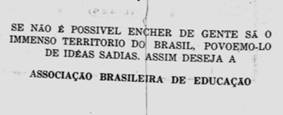
In this context, Figure 2 shows the Association’s mission.
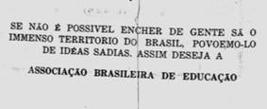
Figure 2 shows the proposal to disseminate ideas considered “sound” as one of the institution's objectives. Promoting these ideas reflected the Association's intent to combat illiteracy and ignorance. These issues were viewed by many intellectuals as major national problems facing the Brazilian population. In this context, the aim was to select ideas deemed “good” and appropriate for intellectual development and the literacy process.
Regarding acquisition, Revista Schola was available through two options: purchasing a single issue for “2$000” or taking out an annual subscription for “20$000” (Revista Schola, 1930g). The publication measured approximately 16 centimeters in width and 23 centimeters in height. Currently, the pages appear in shades of white and gray due to the document digitization process. Internally, the journal comprised a table of contents, presentations of work, and advertisements distributed throughout the publication. We also highlight sections that are crucial for understanding ABE’s activities and initiatives, such as “A Year of Work” (Um ano de trabalho) and “Notes and Information” (Notas e informações). To provide an overview of the content titles found in Revista Schola, Table 3 lists the published editions and their respective tables of contents.
Table 3 shows the topics listed in the table of contents of each edition of the journal from January 1930 to February 1931. We observe that the ABE diversified the educational themes published in Revista Schola, covering topics related to school subjects, pedagogical practices, the school environment and its actors, as well as elements circulating within the school setting, such as the press.
We also noted in this table the existence of relationships between the ABE and other institutions, specialists, and intellectuals, both domestic and foreign, in the promotion of collaborative initiatives involving the exchange of materials or the undertaking of educational trips. We understand that establishing these relationships was a strategy for the Association to expand its network and influence.
Thus, the ABE was established as an institution of great significance during its time, particularly due to its politically oriented initiatives linked to the dissemination of scientific knowledge and the pursuit of cooperation. These efforts were realized through actions designed to bring together and coordinate individuals and institutions to discuss the country's education system. To publicize its activities and engage the general public, the Association organized dinners attended by its members and guests from other institutions, aiming to foster partnerships focused on addressing educational challenges. At the same time, inviting the press was intended to broaden outreach and build connections with others interested in the cause of education (Burlamaqui, 2013).
Regarding ABE’s cooperation with other institutions and countries, notable activities include the translation, reception, and dispatch of works, whether at the request of international organizations or the Association, as well as invitations to participate in events. Examples of these actions include: the shipment of books from publishers associated with the ABE, at the request of the International Bureau of Education (IBE) via its Family Cooperation section, for display at the International Children's Book Exhibition organized by the IBE (Revista Schola, 1930a); the reception of books from the United States, Uruguay, Mexico, Cuba, and Colombia, forwarded by the Ministry of Foreign Affairs for the Association’s Children's Literature Exhibition (Revista Schola, 1930h); and the reception of a notification regarding the 2nd Inter-American Conference on Education, organized by the National Education Association (NEA) in Havana (Revista Schola, 1930f).
The transnational movement of artifacts and material objects across borders, through imports and participation in international events, allowed members of the ABE and various audiences to explore new ideas for educational reform and to develop a fresh body of knowledge tailored to Brazil’s educational needs. On the other hand, the exportation of these products and the involvement of ABE educators in overseas gatherings reflect the Association's commitment to becoming part of the global movement for educational renewal.
The courses and conferences promoted by the Association were conducted by the institution's various sections. These sections aimed to encourage work and discussions on specific topics that were particularly significant at the time. Each section was led by a president and held organized meetings (Burlamaqui, 2013). Initially, the sections were established to address various themes, such as: “[...] ‘Basic and Normal School Education,’ ‘Secondary Education,’ ‘Technical and Higher Education,’ ‘Vocational and Artistic Education,’ ‘Physical Education and Hygiene,’ ‘Moral and Civic Education,’ and ‘Family Cooperation’” (Burlamaqui, 2013, p. 25).
The sessions were led by individuals primarily affiliated with institutions such as the National Museum and the School of Medicine, among others. The activities took place in the Physics amphitheater at the Polytechnic School of Rio de Janeiro and were promoted through Rádio Sociedade. Admission was free, and no prior registration was required to participate (Burlamaqui, 2013).
Radio was used not only to promote events but also in educational debates in which the ABE reflected on the medium’s potential to disseminate scientific knowledge. In this context, editions of Revista Schola contain reports such as the dialogue between the Association and the president of the Jury Tribunal regarding the public presentation of material that might conflict with moral standards, as well as the presentation of the Atlanta Congress's findings (Revista Schola, 1931). Beyond radio, educational cinema also featured in these discussions, demonstrating the ABE's interest in promoting initiatives related to this medium. One example is the information provided in the journal's July edition regarding the publication of a printed work titled Educational Cinematograph, associated with the International Institute of Educational Cinematography (Revista Schola, 1930f).
This information helps us understand the ABE's concerns about the discussion surrounding the functionality and content of these educational tools, as well as their intended audience. Additionally, the presence of news from other countries emphasizes the Association's interest in the exchange of ideas, knowledge, and teaching models that are being debated across various platforms. These discussions often serve as reference points within the educational field.
Among the courses and lectures featured in Revista Schola, we found the lecture series on subject-specific teaching methodologies for basic education (Revista Schola, 1930a), “Arithmetic Methodology” by Alda Lodi, “Extracurricular Instruction” by Amelia Monteiro, “Native Language Methodology” by Lucia S. de Castro, and “The General Organization of the Teacher Training School” by Lucia dos Santos (Revista Schola, 1930b). We also identified a series of promotional lectures, organized by the Family Cooperation section, on “What Parent-Teacher Circles Are” and “Children’s Stories” (Revista Schola, 1930a). Under the Technical and Higher Education section, we found: “The Use of Tests in Recife” by Ulysses Pernambuco, “Aspects of Japan” by Juliano Moreira, “Electoral Reform and Proportional Representation” by Everardo Backheuser, “The Diamond” by Djalma Guimarães, “Electoral Reform and Proportional Representation” by O. B. Couto e Silva, “Alphonsus de Guimarães” by Agrippino Grieco, and “Ratzel and Modern Geography” by Fernando Raja Gabaglia. Finally, under the Family Cooperation section, we found “Poetry in Child Education” by Maria Eugenia Celso (Revista Schola, 1930f).
In addition to intellectuals linked to national institutions, we also found individuals associated with international organizations and/or associations, such as Edouard Claparède (Revista Schola, 1930h), Artus-Perrelet, and Helena Antipoff (Revista Schola, 1930b). They were affiliated with the Jean-Jacques Rousseau Institute (IJJR). Claparède investigated issues related to applied psychology (Revista Schola, 1930h) and delivered the first lecture on the feeling of inferiority (Revista Schola, 1931); Perrelet studied the teaching of drawing; and Antipoff discussed issues regarding child psychology. We also found Professor Lúcio dos Santos, affiliated with the University of Porto, who taught classes on “Rythmanaluysis” through the ABE’s Technical and Higher Education section (Revista Schola, 1930b). We also identified other individuals whose institutional affiliations were not mentioned, such as Léon Walter, Théodoro Simon (Revista Schola, 1930a), the philosopher Keyserling, and the educator Lina Hirsch (Revista Schola, 1930b).
The presence of specialists affiliated with the IJJR demonstrates the ABE’s engagement with institutions regarded as international centers in the field of education and, in the case of the Institute, with the ideals of the Escola Nova movement, disseminated through the work of representatives such as Claparède. The participation of these figures in the Association’s debates brought its members and other interested parties closer to educational discussions. This supported the strengthening of the Escola Nova movement’s pedagogical ideas within the ABE, in contrast to the views advocated by the Catholic educators' movement in Brazil.
Regarding educational trips taken by Brazilians and the hosting of foreign educators, we have identified a group exchange program with educators traveling to the United States and the arrival of teachers from other countries at the ABE. Based on contributions of Gondra (2010) and Viñao Frago (2007), we understand that these trips were designed not only to broaden the travelers' perspectives through the observation of experiences in a different setting, but also to provide specialized training. In many cases, the goal was to mobilize the knowledge gained toward transforming the educational landscape of their home country. In this sense, we can see these dimensions reflected in the participation of Brazilians in these journeys.
This exchange was conducted at the request of the American institution, the Carnegie Endowment, with the goal of allowing educators to study their respective fields of interest. This opportunity was facilitated by Professor Delgado de Carvalho following his return from a trip (Revista Schola, 1930c). The selected educators and their areas of study during this trip included: Noemy Silveira, who focused on vocational guidance; Julieta Arruda, Consuelo Pinheiro, Maria Reis Campos, and Laura Lacombe, who explored the project method; and O. B. do Couto e Silva and Othon-Leonardos, who studied university organization (Revista Schola, 1930c).
The decision to establish the foundations for the exchange of basic school teachers was formalized during the 2nd Education Week, in an agreement between the Association’s Espírito Santo and Rio de Janeiro departments (Revista Schola, 1930a). Regarding the travelers' intellectual output, we identified accounts in issues of Schola written after their return, such as “Five weeks in the United States” by Laura Lacombe (Revista Schola, 1930c); “A ‘Junior High School’” by Laura Lacombe; “The Modern School” by Consuelo Pinheiro; and “The Project Method” by Maria dos Reis Campos (Revista Schola, 1930f).
We can observe that the circulation of printed materials from other countries, along with the writing of texts incorporating imported ideas about methods, institutions, figures, and educational contexts abroad, played a significant role in educational reform efforts. Also, the translation of works and familiarity with foreign institutions gained through this travel were important tools in this process. These efforts were aimed at improving education within the national context and, indirectly, influencing the political, economic, and social spheres.
Thus, these journeys undertaken by individuals linked to the field of education, often made under difficult conditions, provided opportunities to observe foreign contexts, a process that “[...] ultimately endowed the traveler with knowledge that enhanced their intellectual and political capital. Consequently, the travel report, far from being a mere impartial description, became an effective instrument and a means of exercising power” (Gondra, 2010, p. 14).
We understand that the travelers' return and the intellectual output resulting from their experiences abroad enabled these educators to be recognized as specialists in the topics they had studied, legitimizing their positions within educational debates. As a result, they gained the status of qualified experts, “capable” of leading courses and lectures at national and international events and of being appointed to strategic positions within the State.
Regarding foreign travelers going to Brazil, we found information in the July 1930 issue of Schola indicating that the ABE hosted three professors - Rodolfo Llopis, George McBride, and Crescencio Coccaro - during their stopover in Rio de Janeiro. Llopis, of Spanish origin, was trained as an educator and represented his country at the “I.M.A. Congress” held in Montevideo, Uruguay. He was welcomed at a meeting of the Association’s Board of Directors but did not deliver a lecture due to time constraints (Revista Schola, 1930f).
Professor MacBride, linked to the University of California, gave a conference on “The Teaching of Regional Geography in the United States”, while Professor Coccaro, from Uruguay, promoted a conference on “Aspects of Education in Uruguay” as a way of valuing the existence of the Association. Both conferences were followed by debates around their themes and were configured as a new method of lectures promoted by ABE, demonstrating the quality of the meetings, the focus of the listeners, and the creation of a space for the exchange of ideas (Revista Schola, 1930f).
These conferences held by foreign educators from various regions, particularly the United States and Europe, were a key strategy used by the Association to facilitate the circulation of educational ideas through importation. By discussing the subject matter with teachers, the Association mobilized this audience to act as agents for the dissemination and promotion of scientific knowledge.
In addition to these initiatives, Revista Schola highlights the Association’s use of broader forums for collective debate and knowledge exchange, such as the National Education Conferences (CNEs) and Education Weeks. These events operated on a national scale: the Conferences were designed to take place annually in a host city, while the Education Weeks were held annually and organized at the state level by local institutions and educators, together with the Association’s central headquarters.
In the early days after the creation of the ABE, its activities were limited to discussions among small groups and liaison work with the nation's capital, involving the institution's intellectuals. It was only from 1927 that the Association sought to expand the reach of its principles and debates on a national level. This was primarily achieved by organizing conferences, with the goal of influencing the political landscape during a time of significant changes in public educational policies (Vieira, 2017).
Annual events were held only during the first three National Education Conferences (CNEs) and between 1933 and 1935. After that, there were two breaks in the schedule of these events: the first between 1936 and 1941, and the second between 1957 and 1966 (Vieira, 2017). Despite these intervals, “[...] the association’s longevity and the frequency of the events were significant for the period, given that ephemerality and discontinuity were the norm for events, associations, and publications in the educational field” (Vieira, 2017, p. 26).
The 3rd CNE was held in São Paulo from September 7 to 15, 1929 (Revista Schola, 1930a). According to an article in Revista Schola (1930a, p. 25), this event highlighted the visibility and influence of the Association. Professor Anísio Teixeira, the state delegate for Bahia, quoted an American educator at the ABE headquarters before the conference started: “In Brazil, a private association (the ABE) was carrying out work perhaps greater than that of the official authorities.” This excerpt reflected dissatisfaction with the government's approach to educational matters, while also recognizing the ABE’s significant contributions to national education, extending its influence beyond Brazilian territory.
Another edition identified in the ABE publication was the 4th CNE. Table 4 presents the general theme and the specific topics approved for presentation at the event.
Table 4 shows the general theme of the 4th CNE and the themes approved for the event. We note the importance attached to topics related to the organization and training of primary education teaching staff, as well as to didactics and methodology. We perceive that the CNEs represented an initiative of the Association, held annually in various Brazilian cities to circulate its activities, bringing together individuals and institutions linked to the educational field, and discussing topics of national interest (Burlamaqui, 2013).
In addition to their main objectives, the Conferences also served as platforms for celebration and for bringing together intellectuals, specialists, and high-ranking public officials. The goal was to foster national unity through discussions related to education. Fernando Magalhães played a key role in organizing the CNEs, serving as president of the event's organizing committees up to the fifth edition (Carvalho, 1998).
It is important to note that the themes of the CNEs and those discussed by the ABE were linked to the needs of the State. The conclusions from these discussions were considered essential for supporting public policies in the field of education (Vieira, 2017). Furthermore, the Conferences gained increased visibility due to coverage in newspapers from Rio de Janeiro and the involvement of a diverse audience and prominent scientists of the time. The topics addressed by specialists were not restricted, allowing for the discussion of diverse subjects that also appealed to the general public (Burlamaqui, 2013).
The State, chosen as the Association's primary interlocutor, was at the center of the struggle for privileged roles within it, as such positions offered significant influence in shaping public policy. As a result, the State and various political groups played a crucial role in the conflict over these positions, particularly among those seeking to contribute to the development of educational initiatives. These conflicts were linked to the need to expand formal schooling processes to reach diverse segments of the population (Vieira, 2017).
We understand that the structure of the ABE and the CNEs was oriented toward influencing the State and organizations operating in the political and economic spheres, was linked to intellectual trends based on the central struggle for institutional positions. These battles for strategic control over the direction of national education projects resulted in a conflict between the Catholics groups and groups advocating universal schooling based on secular principles (Vieira, 2017). Thus, for this reason, and due to the competition for public resources to implement initiatives aligned with specific educational visions, the Association’s dialogue with the State became a central focus of the ABE’s activities.
Education Weeks, originally held annually in the United States by the NEA starting in 1926, aimed to celebrate education. This concept of promoting Education Weeks resonated with the ABE (Revista Schola, 1930f). The ABE began promoting the event to educate the public on the importance of education as a tool for shaping a democratic society (Burlamaqui, 2013).
Held annually and organized by the ABE’s Board of Directors, Education Weeks were viewed as events that fostered moral values and were considered significant by the Board members, much like the CNEs (Carvalho, 1998). They were first held in October 1928, when the Association asked other groups with similar objectives to develop an agenda based on local contexts, while still adhering to the previously established program (Burlamaqui, 2013). Examples of such actions taken by the associations include:
[...] event announcements (e.g., a poster reading “To educate oneself is to triumph”); sales of books on education, with proceeds benefiting the event; sale of a commemorative stamp for the event to support the A.B.E.; regional pedagogical exhibitions organized by primary schools; school visits by parents to foster closer contact with their children’s learning environment and teachers; literary sessions in all schools; brief daily lectures on the social role of education; and school visits to the Botanical Garden, the National Museum, the School of Fine Arts, and the Historical Museum, guided by teachers or A.B.E. members. This program was published in the official gazette by the Municipal Director of Public Instruction, Fernando de Azevedo (Burlamaqui, 2013, pp. 61-62).
We observe a diversification of activities, with the states taking responsibility for organizing the Education Weeks program. According to Burlamaqui (2013), subsequent editions of the event were held during the following periods, with daily schedules advertised in newspapers: the 2nd Education Week (October 1929); the 3rd Education Week (May 1930); the 4th Education Week (May 1931); and the 5th Education Week (November 1933).
In the January edition of Schola, we found the program for the 2nd Education Week, held from October 7 to 13, with a daily schedule focused on specific themes within the field of education. The program was organized as follows: Monday (the 7th) - Home Education Day, led by Ms. Cassilda Martins, featuring visits to the Light and Power Company cafeteria and the Osorio Foundation, as well as a lecture by Cassilda on “The Crisis of the Home”; Tuesday (the 8th) - Intellectual Education Day, led by Ms. Branca Fialho, featuring the organization of public speaking contests in educational institutions; Wednesday (the 9th) - Vocational Education Day, organized by Prof. Salvador Fróes, featuring visits to vocational schools; Thursday (the 10th) - Physical Education Day, structured by Prof. Ambrosio Torres, featuring a gymnastics demonstration at a stadium; Friday (the 11th) - Artistic Education Day, organized by Prof. Corrêa Lima, featuring a visit to the School of Fine Arts and a presentation on “Brazilian Artists and Their Works” by Prof. Flexa Ribeiro; Saturday (the 12th) - Civic Education Day, planned by Prof. Fernando Magalhães, featuring a visit to the Historical Museum; Sunday (the 13th) - Moral Education Day, led by Ms. Vera Delgado de Carvalho, featuring an open-air mass organized by Catholic educators from the ABE at the Sacred Heart of Jesus Parish Church, followed in the afternoon by a celebratory event and an awards ceremony (Revista Schola, 1930a).
In the July edition of Schola, we located the program for the 3rd Education Week, as well as some of the participating cities and states. This program, established by the Governing Board of the Rio de Janeiro department, comprised the following days: “[...] Home Day - Fraternity Day - School Day - Health Day - Duty Day - Nature Day - Good Will Day” (Revista Schola, 1930f, p. 159).
Regarding the participating states, the ABE received news that the event was held in the state of Ceará, organized by the state director of education, Dr. Moreira de Souza, and the teaching staff of the city of Fortaleza (Revista Schola, 1930g), and in the city of São Luís, in the state of Maranhão, where it was promoted by teachers and the government (Revista Schola, 1930f). In addition to this information, the Association communicated with various directors of public education in locations such as “[...] Alagôas, Aracajú, Bahia, Curityba, Fortaleza, Goyas, Manáos, Porto Alegre, São Paulo, Victoria” (Revista Schola, 1930f, p. 160).
Both the CNEs and the Education Weeks played a crucial role in creating networks among intellectuals from diverse educational backgrounds and varying positions within the educational debate. This collaboration helped expand the ABE’s initiatives to improve national education and address challenges facing the Brazilian population, such as high illiteracy rates. Consequently, these events became essential hubs for the exchange of knowledge, ideas, models, and pedagogical projects, contributing to a broader movement of renewal in the field of education.
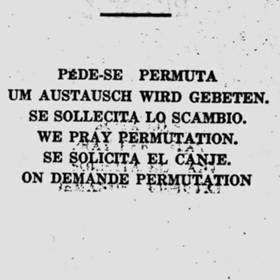
Beyond the role of Schola as a vehicle for disseminating knowledge, we identified another activity related to the circulation of ideas within the editions: the publication was part of this process through a system of exchange, effectively an import-export mechanism for printed materials. We found excerpts in various languages discussing this practice, as shown in Figure 3.
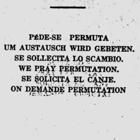
Figure 3 illustrates the phrase “Exchange requested” in the table of contents of the journal’s July edition. This indicates that the ABE publication was initially intended for national circulation but later expanded its distribution to researchers, associations, and other institutions, both domestically and internationally, to facilitate the exchange of publications. Consequently, the exchange process involved sending Schola in return for receiving publications from abroad.
Another indication contributing to this understanding was the Association’s response, published in Revista Schola, to the invitation extended by the American University Congress. Organized by the government of the Oriental Republic of Uruguay to celebrate the centenary of the swearing-in of the Constitution, the event took place in Montevideo in February (Revista Schola, 1931). Its objective was “[...] to study major issues regarding secondary and higher education, as well as ways to intensify exchange and relations among educational institutions in New World countries” (Revista Schola, 1931, pp. 291-292). In response to the invitation, professors Fernando Magalhães and C. A. Barbosa de Oliveira were designated to represent the ABE at the congress (Revista Schola, 1931).
In addition to being acquired via subscription (Burlamaqui, 2013), these journals were also obtained through exchange and incorporated into the ABE library collection, a space specifically for the teachers. The collection consisted of “[...] works received from institutions and donations from individuals in the fields of education and the sciences, including specialized journals and publications of scientific interest” (Burlamaqui, 2013, p. 25). Thus, the library was a formative space for readers, reflecting the nature of the materials acquired through various channels and the organization of a body of specialized knowledge, with a focus on making available information deemed appropriate for professional development.
We understand that the ABE provided readers with access to knowledge circulating in different countries and allowed them to update their existing knowledge base, while also demonstrating its connection to other scientific dissemination outlets at both national and international levels. We also found information in Revista Schola (1930a) indicating that the library space was formally regulated and that Association members were invited to donate works to help build its collection (Revista Schola, 1930a).
FINAL CONSIDERATIONS
In this article, we aimed to identify the science dissemination initiatives found in Revista Schola, a publication linked to the ABE. The research adopted a qualitative, historical approach situated within the field of the history of education, intersecting with digital history and transnational history, and relied primarily on printed materials as its documentary corpus.
The creation of the Association was driven by intellectuals' concerns about the nation's direction, especially in response to high illiteracy rates and the influence of educational movements of the time. This enthusiasm for education and pedagogical optimism brought important discussions around relevant educational issues in Brazil. A key figure in this movement was Heitor Lyra da Silva, the primary founder of the Association. He emphasized the connection between urban planning and education, initially focusing on Rio de Janeiro. By integrating these two fields throughout his career, Lyra established himself as one of the Association's engineer-educators, dedicating his efforts to addressing social problems from the 1920s until his death in that same decade.
The investigation revealed that Revista Schola acted as a means for the ABE to communicate educational issues. It presented its activities to members, researchers, intellectuals, institutions, and associations at both national and international levels. It also served as a vehicle for scientific dissemination and the exchange of ideas, aiming to promote specific discourses, meanings, and themes relevant to the fields of education and teaching.
Among the strategies for disseminating scientific knowledge and exchanging educational ideas, in addition to Revista Schola, we identified the following methods: CNEs; Education Weeks; pedagogical trips and exchange programs; courses and conferences organized by local chapters and state departments; the operation of the pedagogical library and the acquisition of works for its collection; the translation, receipt, and dispatch of publications at the request of international organizations or the Association; invitations to foreign professors to give lectures; radio broadcasting; and educational cinema.
We emphasize the impact of the United States on the establishment of the ABE by importing educational ideas, such as using the NEA as a model for founding the institution and organizing Education Weeks. This exchange also occurred through invitations extended to foreign professors to lead events, conduct courses, and participate in conferences. Additionally, specialized publications and journals donated by educators and international organizations contributed to this influence.
This research enhances the understanding of the ABE as an institution that not only participated in activities benefiting the educational field but also fostered initiatives to involve individuals, institutions, and associations in education, which is seen as a collective effort. The Revista Schola played a key role in facilitating this engagement. We highlight that the distribution of ABE publications and the activities organized by the Association contributed to both the weakening and strengthening of specific pedagogical ideas, models, and practices, particularly those influenced by significant educational sources, especially from the United States and Europe.
During this study, we intend to conduct further research in the field of the history of education, focusing on detailing the ABE’s scientific dissemination efforts, particularly activities related to the movement of importing and exporting educational ideas. We highlight the importance of producing new studies on the Association that examine its operations during its early years in greater depth, even though the institution remains active today, primarily as a research center, through its Carmen Jordão Archive and Library in Rio de Janeiro.
References
-
ASSOCIAÇÃO BRASILEIRA DE EDUCAÇÃO. ABE - Associação Brasileira de Educação Rio de Janeiro: Associação Brasileira de Educação, [s. d.]. Disponível em: Disponível em: https://www.abe1924.org.br/ Acesso em: 3 nov. 2024.
» https://www.abe1924.org.br/ - BARROS, José D’Assunção. Fontes Históricas: uma introdução à sua definição, à sua função no trabalho do historiador, e à sua variedade de tipos. Cadernos do Tempo Presente, São Cristóvão, v. 11, n. 2, p. 3-26, jul./dez. 2020.
- BURLAMAQUI, Mariana Mello. A divulgação científica na Associação Brasileira de Educação: o caso da Seção de Higiene (1924-1932). 2013. 105 f. Dissertação (Mestrado em História da Ciências e da Saúde) -Fundação Oswaldo Cruz, Casa de Oswaldo Cruz, Rio de Janeiro, 2013.
- CARVALHO, Marta Maria Chagas de. Molde nacional e fôrma cívica: higiene, moral e trabalho no projeto da Associação Brasileira de Educação (1924-1931). Bragança Paulista: EDUSF, 1998.
- DANTAS, Lidemberg Régis Santos; MEDEIROS NETA, Olivia Morais de. A Associação Brasileira de Educação (ABE) e ações de formação para professores (1924-1929) Natal: Editora FAMEN, 2024. E-book
- FARGE, Arlette. O Sabor do Arquivo Tradução de Fátima Murad. 1. ed. 2. reimpr. São Paulo: Editora da Universidade de São Paulo, 2022.
- GOMES, Clécia Aparecida. Urbanismo e Educação: ideários modernos nas engenharias da nação. Rio de Janeiro, anos iniciais do século XX. Revista de História, São Paulo, n. 179, p. a07119, 2020.
- GONDRA, José Gonçalves. Apresentação. In: GONDRA, José Gonçalves (Org.). Dossiê: Viagens de educadores, circulação e produção de modelos pedagógicos. Revista Brasileira de História da Educação, Maringá, n. 22, p. 13-16, jan./abr. 2010.
- HOUSSAYE, Jean. Pedagogias: importação - exportação. In: MIGNOT, Ana Chrystina Venancio; GONDRA, José Gonçalves (Orgs.). Viagens Pedagógicas São Paulo: Cortez, 2007. p. 294-314.
- MASSARANI, Luisa; MOREIRA, Ildeu de Castro. A divulgação científica no Rio de Janeiro: um passeio histórico e o contexto atual. Revista Rio de Janeiro, Rio de Janeiro, n. 11, p. 38-69, 2003.
-
MEDEIROS NETA, Olivia Morais. História das Ideias Pedagógicas e as Importações-Exportações: Problematizações. Holos, [S. l.], v. 2, n. 39, 2023. Disponível em: Disponível em: https://www2.ifrn.edu.br/ojs/index.php/HOLOS/article/view/15100 Acesso em: 21 nov. 2024.
» https://www2.ifrn.edu.br/ojs/index.php/HOLOS/article/view/15100 - NAGLE, Jorge. Educação e sociedade na Primeira República São Paulo: EPU; Rio de Janeiro: Fundação Nacional de Material Escolar, 1974. Reimpressão.
-
RABELO, Rafaela Silva; BAEZA, Andrés. A transnational history of education in Latin America: a look towards cultural exchanges and appropriations. Paedagogica Historica, [S. l.], v. 61, n. 6, p. 848-855, 2025. DOI: 10.1080/00309230.2025.2564953.
» https://doi.org/10.1080/00309230.2025.2564953 - REVISTA SCHOLA. Rio de Janeiro: Associação Brasileira de Educação (ABE), ano 1, n. 1, jan. 1930a.
- REVISTA SCHOLA. Rio de Janeiro: Associação Brasileira de Educação (ABE), ano 1, n. 2, fev. 1930b.
- REVISTA SCHOLA. Rio de Janeiro: Associação Brasileira de Educação (ABE), ano 1, n. 3, mar. 1930c.
- REVISTA SCHOLA. Rio de Janeiro: Associação Brasileira de Educação (ABE), ano 1, n. 4, maio 1930d.
- REVISTA SCHOLA. Rio de Janeiro: Associação Brasileira de Educação (ABE), ano 1, n. 5, jun. 1930e.
- REVISTA SCHOLA. Rio de Janeiro: Associação Brasileira de Educação (ABE), ano 1, n. 6, jul. 1930f.
- REVISTA SCHOLA. Rio de Janeiro: Associação Brasileira de Educação (ABE), ano 1, n. 7, ago. 1930g.
- REVISTA SCHOLA. Rio de Janeiro: Associação Brasileira de Educação (ABE), ano 1, n. 8, nov. 1930h.
- REVISTA SCHOLA. Rio de Janeiro: Associação Brasileira de Educação (ABE), ano 2, n. 9, fev. 1931.
- RÜSEN, Jörn. Teoria da História: uma teoria da História como ciência. Tradução de Estevão C. de Resende Martins. Curitiba: Editora da UFPR, 2015.
- SAVIANI, Dermeval. Instituições escolares: conceito, história, historiografia e práticas. Cadernos de História da Educação, Uberlândia, n. 4, jan./dez. 2005.
- VERA, Eugenia Roldán; FUCHS, Eckhardt. O transnacional na história da educação. Educ. Pesqui São Paulo, v. 47, e470100301trad, 2021.
- VIEIRA, Carlos Eduardo. Conferências Nacionais de Educação: intelectuais, Estado e discurso educacional (1927-1967). Educar em Revista, Curitiba, n. 65, p. 19-34, jul. 2017.
- VIÑAO FRAGO, Antonio. Viajes que educan. In: MIGNOT, Ana Chrystina; GONDRA, José Gonçalves (Orgs.). Viagens Pedagógicas São Paulo: Cortez, 2007.
-
WESTBERG, Johannes. The transnational dissemination of the infant school to the periphery of Europe: the role of primary schools, religion, travels, and handbooks in the case of nineteenth-century Sweden. Paedagogica Historica, [S. l], v. 58, n. 1, p. 99-119, 2022. DOI: 10.1080/00309230.2020.1803936.
» https://doi.org/10.1080/00309230.2020.1803936
1
2
3
4
5
6
FUNDING
DATA AVAILABILITY STATEMENT
Section Editor:
CONFLICT OF INTEREST STATEMENT
History
-
Received
08 Aug 2025 -
Preprint posted on
08 Aug 2025
10.1590/SciELOPreprints.12938 -
Accepted
14 May 2026

 Source: Print screen from Associação Brasileira de Educação (2024).
 Source: Screenshot from Revista Schola (
 Source: Screenshot from Revista Schola (