
 Banking competition in a context of regulatory transformation: a multi-product stochastic frontier approach
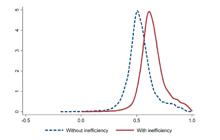
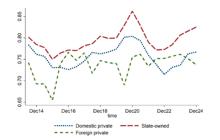
This study revisits the issue of competition in the Brazilian banking industry, which has been impacted by the Central Bank of Brazil’s Agenda BC# initiatives since 2016. We apply stochastic frontier models to estimate the markup and Lerner index of financial institutions (FIs) using a novel multi-product approach. The outputs of FIs were grouped into four categories: (i) loans; (ii) other types of financial intermediation; (iii) service provision; and (iv) income from equity holdings. Overall, our results indicate a decline in the markup for loans. However, contrary to expectations, the average markup of credit unions was significantly higher than that of commercial banks. Despite the decline in credit markups, there was no corresponding reduction in the overall market power of FIs, which led to increased revenues from other outputs. Notably, we observe a rise in the market power of state-owned banks and a convergence toward a higher level of market power by the end of the period. Our findings also reveal the presence of cross-subsidization among banking products and suggest that market power may be underestimated when inefficiencies are present.
Keywords:
Banks; Competition; Credit market; Market power; Agenda BC#
 Thumbnail
 Thumbnail
 Thumbnail
 Thumbnail
 Thumbnail
 Thumbnail
 Thumbnail
 Thumbnail
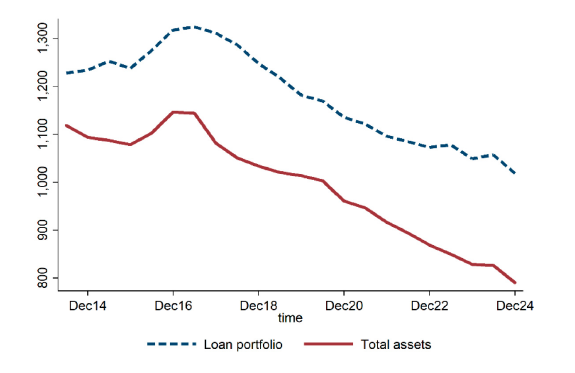 Source: Prepared by the author using data from IFData/BCB.
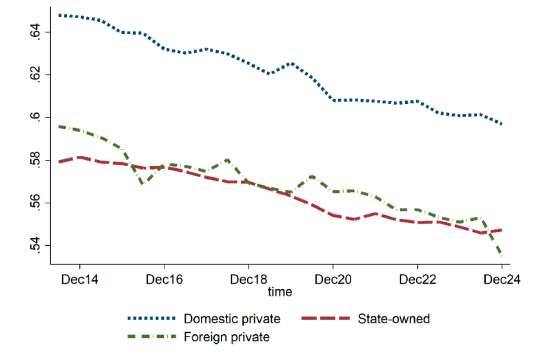 Source: Prepared by the authors.
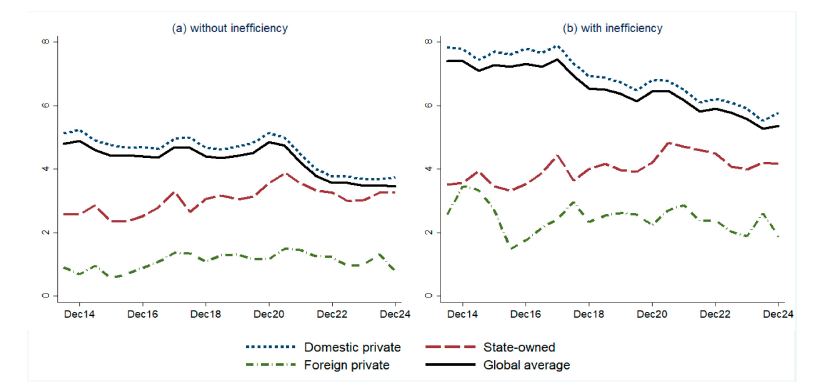 Source: Prepared by the authors.
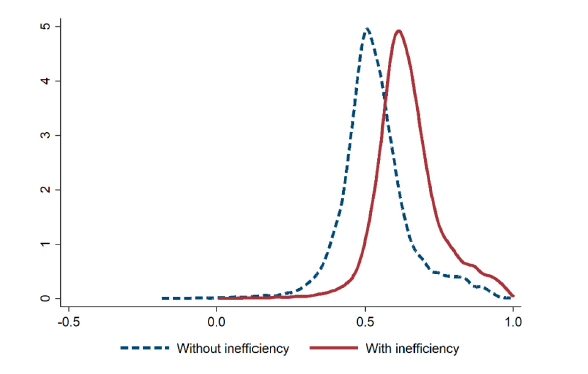 Source: Prepared by the authors.
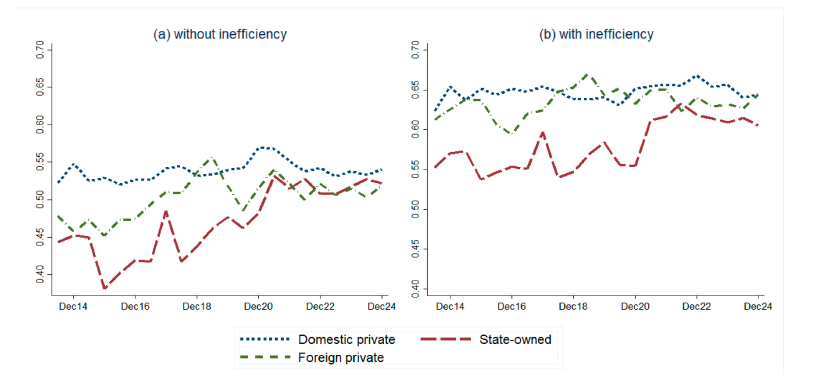 Source: Prepared by the authors.
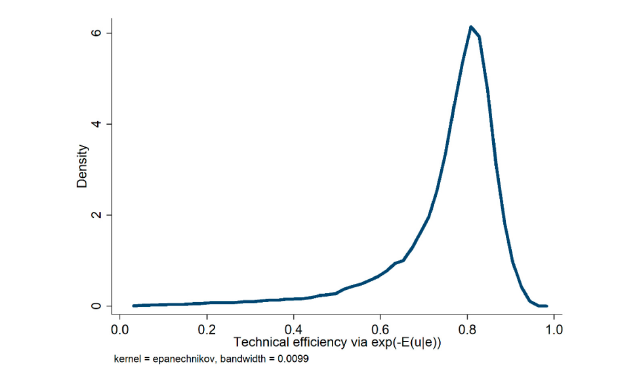 Source: Prepared by the authors.
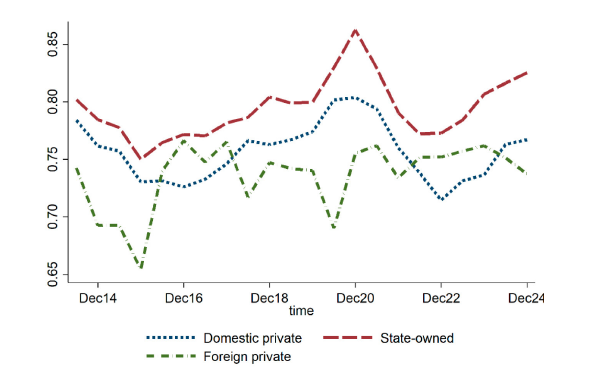 Source: Prepared by the authors.
 Source: Prepared by the authors.