
 The future of rainwater recycling: assessing health risks and environmental impact
ABSTRACT
This article examines the future of rainwater recycling through a study of numerous scholarly articles, research papers, and studies on rainwater collection, its advantages, potential health hazards, and environmental consequences. Rainwater collecting systems have gained popularity as feasible alternatives to traditional water resources because of their ability to alleviate water scarcity. A comprehensive search of peer-reviewed journal articles from 2004 to 2024 was conducted using Medline, PubMed, EBSCOhost, and Google Scholar, with specific search terms and Boolean operators. The assessment explores the importance of effective disinfection and filtration technologies for reducing microbiological pollutants. It also addresses the effects of toxic contaminants, such as heavy metals, highlighting the necessity of efficient management techniques. The review provides insights into optimising rainwater collection practices for better sustainability and resilience against the impacts of climate change by evaluating regional variances and global regulatory frameworks. This paper advocates for integrated approaches that are aligned with global water security goals and sustainable development objectives by providing information to policymakers, academics, and practitioners regarding the state and future directions of rainwater recycling.
Keywords:
rainwater recycling; health risks; environmental impacts; contaminants; clean water and sanitation (SDG 6).
INTRODUCTION
Introduction to rainwater recycling
A total of 2.2 billion people worldwide do not have consistent access to clean drinking water (Chubaka et al., 2018a). In terms of hygiene, 2.3 billion individuals, or one in every three people, do not have access to basic handwashing facilities at home (Chubaka et al., 2018b; Hora; Cohim; Leão, 2018). Sub-Saharan Africa has the world’s highest proportion of water-stressed countries, with over 40% of the population without access to safe drinking water. Unsafe water, sanitation, and hygiene (WASH) conditions can be lethal to children. More than 297,000 children under the age of five die per year (about 814 children per day) from diarrheal illnesses due to a lack of sufficient WASH services, as documented in 2019 (John et al., 2021c; WHO, 2023), which has been improved to 255, 500 children (approximately 700 children per day) by 2021. Contaminated water may transmit diseases such as cholera, typhoid, dysentery, diarrhoea, and polio. Harvested rainwater is utilised worldwide to enhance potable and non-potable water supplies. Rainwater recycling is the process of collecting, storing, treating (if necessary), and reusing rainwater for different purposes such as irrigation, toilet flushing, washing, and, in certain situations, potable usage. Rainwater collected from rooftops, pavements, and other surfaces is directed to storage tanks or reservoirs for later use. Rainwater recycling has several key advantages in sustainable water management, including the conservation of freshwater resources, reduction of stormwater runoff, promotion of localised water independence, environmental benefits, cost savings, and economic benefits (Ghisi; Ferreira, 2007; John et al., 2021d; Ertop et al., 2023). Rainwater recycling minimises the demand for conventional water sources such as rivers, lakes, and groundwater by gathering rainwater, particularly in areas with limited freshwater supply or water shortage challenges. Rainfall recycling captures and reuses rainfall that would otherwise be lost to runoff. Rainwater may be used for non-potable applications such as irrigation, toilet flushing, and washing, reducing families’ and businesses’ dependency on municipal water supplies and conserving limited freshwater resources. This facilitates the protection of freshwater resources.
Traditional urban landscapes frequently contribute to stormwater runoff, which can cause floods, erosion, and contamination of aquatic bodies. Traditional urban landscapes with impermeable surfaces such as rooftops, roadways, and parking lots contribute to stormwater runoff, which can overload drainage systems, create erosion, and contaminate rivers with toxins. Rainwater recycling systems collect rainwater at its source, avoiding runoff and redirecting it for productive use, hence minimising stormwater runoff. Rainwater recycling reduces the amount and velocity of stormwater runoff, therefore mitigating flood risks, protecting water quality, and preserving aquatic habitats (Tenebe et al., 2022; Zhang et al., 2023). Another key benefit of rainwater recycling is the promotion of local water independence. Rainwater recycling enables people, households, and communities to become more self-sufficient in meeting their water requirements, particularly during droughts or water supply outages. It lowers reliance on centralised water delivery systems while encouraging decentralised water management methods. By augmenting traditional water sources with gathered rainwater, communities can reduce the demand on municipal water resources, particularly during times of drought or water shortage. This decreases the need for expensive infrastructure expenditures to extend water treatment and distribution systems, while also improving the overall resilience of the water supply infrastructure. Rainwater recycling has environmental advantages such as lowering groundwater and surface water extraction, as well as helping to protect natural ecosystems and habitats. It also helps to save energy and reduce greenhouse gas emissions associated with the treatment and distribution of traditional water supplies (Proença; Ghisi, 2013; Almeida; Liberalesso; Sousa, 2023). Finally, rainwater recycling has the ability to reduce costs and provide economic advantages. Rainwater recycling systems can result in long-term cost benefits for consumers by lowering water bills and minimising the need for costly infrastructure expenditures in water delivery and wastewater treatment facilities (Quaghebeur et al., 2019; Imarhiagbe; Osarenotor, 2020; Wijewanha et al., 2024).
Overall, rainwater recycling contributes significantly to sustainability by preserving valuable freshwater resources, minimising the effects of urbanisation on hydrological cycles, and increasing resilience to climate change-induced water concerns. To summarise, rainwater recycling provides a multidimensional approach to sustainable water management by saving water resources, decreasing reliance on centralised water supply, and mitigating the negative effects of urbanisation on hydrological processes. It is a cost-effective and ecologically friendly approach to managing water issues in both urban and rural areas. This research analysed and assessed the health hazards and environmental consequences, with a focus on the future of rainwater recycling. One of the challenges addressed in this paper is the growing need for sustainable water management solutions in the face of increasing water scarcity and pollution. The aim of this review is to critically evaluate the health risks and environmental impacts associated with rainwater recycling, identify key contaminants, and assess the efficacy of current mitigation strategies. The primary objective of this study is to evaluate the management of microbiological and chemical contaminants in harvested rainwater. This will help to ensure the safety of rainwater for a range of applications, including a non-potable or potable water supply. The evaluation presented in this study will combine contemporary research and data to offer a state-of-the-art assessment of the health concerns related to rainwater recycling, covering chemical contaminants like heavy metals and microbiological infections like Escherichia coli and Legionella. Additionally, it will draw attention to regional differences in the difficulties and achievements of rainwater harvesting systems in various climates and environments. The evaluation can provide insights into better practices, drive future research paths, and advance sustainable development goals connected to water security and sanitation by highlighting these factors.
Health risks associated with rainwater recycling
Microbial contamination is a substantial health concern linked to rainwater recycling, especially if the water is drinkable or comes into contact with humans. Bacteria, viruses, and protozoa are some of the potential microbiological contaminants linked with rainwater recycling. Rainwater, whether gathered from the roof or falling from the sky, may include harmful bacteria such as E. coli, Salmonella spp., and Campylobacter spp., which can cause gastrointestinal diseases such as diarrhoea, vomiting, and abdominal cramps. Bird, rodent, and other animal faeces are a major cause of bacterial contamination in rainwater, especially if the collecting surfaces are not adequately kept or protected (John et al., 2023). Bacteria can build biofilms within rainwater storage tanks or distribution pipes, creating a reservoir for ongoing pollution and possible health problems if the water is not properly treated (Hamilton et al., 2017; John et al., 2023). Rainwater may contain enteric viruses including norovirus, rotavirus, and adenovirus, which are spread through the faeces and can cause gastroenteritis and other gastrointestinal diseases. Unlike bacteria, viruses are more resistant to standard disinfection procedures used in rainwater treatment, making it difficult to successfully remove viral pathogens from harvested rainwater (John et al., 2021b). Protozoan parasites such as Cryptosporidium and Giardia can infect rainfall, especially when runoff comes into contact with animal excrement or polluted soil. These parasites can cause serious gastrointestinal sickness, particularly in immunocompromised patients. Cryptosporidium, in particular, is resistant to chlorination, a typical disinfection procedure used in water treatment, making it difficult to ensure the complete eradication of protozoan parasites from rainwater (Dada; Gyawali, 2021; John et al., 2021d).
Studies show that quantitative microbial risk assessment (QMRA) and epidemiological methodologies are two of the most prevalent ways to evaluate microbial risk in drinking water (Calderon; Mood; Dufour, 1991; Haile et al., 1999; Colford Jr. et al., 2012). While the epidemiological method only briefly mentions the propensity of these components, the QMRA precisely identifies the source of faecal pollution, the course and kinetics of the microorganisms, the inherent variability of the bacteria in the etiological agent, and the environmental matrix (John et al., 2021a; 2023). The QMRA approach may be specifically modified to assess pathogen exposure in people (John et al., 2021a; 2023). Furthermore, numerous studies have shown that, in situations where epidemiological research is not feasible, QMRA provides an accurate interpretation of epidemiological results by estimating the risk to human health (John et al., 2021d; Nduka et al., 2022; Wijewanha et al., 2024). Table 1 presents the health risks of consuming harvested rainwater from different parts of the world using QMRA. These studies used QMRA to assess the health risks of different potable and non-potable uses of rainwater from different countries around the world.
Several studies have found health concerns connected with drinking or utilising untreated or inadequately treated rainwater. These studies discovered that untreated rainwater samples collected from rooftop catchments or directly from the atmosphere in urban areas contained elevated levels of faecal indicator bacteria like E. coli and Enterococcus spp., indicating potential faecal contamination and microbial risks to human health (Hamilton et al., 2017; Igbinosa; Aighewi, 2017; John et al., 2021d). Another study conducted by the WHO and Unicef (2019) and WHO (2023) found a link between untreated rainwater consumption and diarrheal diseases, particularly in areas with poor sanitation and hygiene practices, where rainwater quality may be contaminated by faeces from animal droppings, bird excreta, and environmental pollutants (UNICEF; WHO, 2021; John et al., 2023). Other studies (Quaghebeur et al., 2019; Valappil; Viswanathan; Hamza, 2020; Zini; Gutterres, 2021) examined the chemical contaminants in rainwater collected from urban rooftops and discovered detectable levels of heavy metals (e.g., arsenic, lead, copper, zinc) and organic pollutants (e.g., polycyclic aromatic hydrocarbons) that exceeded regulatory drinking water quality limits, posing potential health risks to consumers if left untreated. Another study by the Australian National University found pesticide residues, including glyphosate and atrazine, in rainwater samples collected from agricultural areas, indicating potential agricultural runoff contamination and pesticide exposure risks to humans and ecosystems (Nahar; Niven, 2023).
Cases of gastrointestinal diseases have been reported in many parts of the world. A systematic review of the epidemiological evidence linking rainwater consumption to gastrointestinal illnesses highlighted the role of microbial pathogens (e.g., bacteria, viruses, protozoa) and chemical contaminants (e.g., heavy metals, pesticides) in contributing to waterborne disease outbreaks and public health concerns associated with untreated rainwater use (Drayna et al., 2010; Takaro; Galway; Allen, 2013; Gleason; Fagliano, 2017; Kraay et al., 2020). The importance of rainwater recycling for public health should not be overlooked. The Centres for Disease Control and Prevention (CDC) conducted research that emphasised the importance of proper rainwater harvesting and treatment practices in reducing health risks and preventing waterborne diseases, particularly in vulnerable populations such as children, the elderly, and immunocompromised individuals who may be more susceptible to waterborne pathogens and contaminants (CDC, 2021). These and other studies highlight the need for conducting detailed risk assessments, monitoring water quality, and developing regulatory standards to guarantee the safe and sustainable use of rainwater for a variety of reasons, including potable water supply, irrigation, and domestic usage. Proper treatment procedures, such as filtration, disinfection, and chemical treatment, are critical for reducing microbiological and chemical contamination concerns and protecting public health in rainwater recycling systems (Drayna et al., 2010; WHO, 2011; Gleason; Fagliano, 2017). Furthermore, boosting knowledge of safe rainwater collecting procedures and encouraging community involvement in water quality management activities are critical steps towards reducing the health concerns associated with untreated or badly processed rainwater consumption.
Chemical contaminants in rainwater
Chemical pollutants in rainwater can be harmful to human health if not handled and treated appropriately in rainwater recycling systems. Heavy metals, pesticides, herbicides, polycyclic aromatic hydrocarbons (PAHs), and industrial and urban pollution are among the main chemical contaminants found in rainfall. Heavy metals such as lead and copper have been detected in rainwater samples. Lead leaches into rainwater through roofing materials, plumbing systems, and air deposition. Chronic lead exposure can cause neurological and developmental problems, particularly in children, whereas excessive copper exposure can induce gastrointestinal distress and liver damage. Copper pollution in rainwater can result from rusted copper pipes or roofing materials. Other chemical pollutants, such as zinc, cadmium, chromium, and mercury have been identified in rainwater quality analyses. Rainwater may also include these heavy metals as a result of industrial activity, atmospheric deposition, or discharge from polluted surfaces. Chronic exposure to these heavy metals can cause a number of health issues, including brain impairment, renal malfunction, and cancer (Drayna et al., 2010; Rathore et al., 2023).
Pesticides and herbicides are two other potential chemical pollutants. Glyphosate, a commonly used pesticide in agriculture, can pollute rainwater by air deposition or runoff from agricultural areas. Prolonged glyphosate exposure has been linked to negative health outcomes such as cancer and reproductive difficulties. Organophosphate and organochlorine insecticides are also widely employed in agriculture. Pesticide residues from agricultural spraying can pollute rainfall and water supplies. Chronic exposure to these chemicals may cause neurological diseases, respiratory problems, and hormonal disturbances. PAHs are hazardous chemical molecules produced by the incomplete combustion of organic materials, including fossil fuels, wood, and tobacco. They can be deposited on surfaces and washed into rainwater, creating health dangers such as respiratory irritation, cancer, and developmental defects. The final example of chemical contaminants is industrial and urban pollutants, which are classified as petroleum products and high traffic emissions. Petroleum products including oil, grease, and hydrocarbons from vehicular traffic, industrial activities, and urban runoff can contaminate rainwater, leading to soil and water pollution and posing health risks to humans and wildlife, while heavy traffic emissions are the chemical pollutants from vehicle exhaust, such as nitrogen oxides (NOx) and volatile organic compounds (VOCs), which can dissolve in rainwater and contribute to acid rain formation and air quality degradation (Nduka et al., 2022).
Chemical contamination hazards connected with rainwater recycling must be mitigated by using suitable treatment procedures such as filtration, activated carbon adsorption, reverse osmosis, and chemical precipitation. Regular monitoring of water quality criteria, such as heavy metals, pesticides, and other contaminants, is essential for maintaining the safety and acceptability of collected rainwater for a variety of uses, including potable water supply, irrigation, and non-potable applications. Furthermore, source management techniques, such as using nontoxic roofing materials and limiting pollutant runoff, can help decrease chemical contamination inputs into rainwater collecting systems.
METHODS
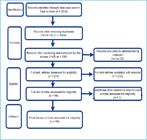
The qualitative research approach was employed in the investigation. Reviews were carried out on literature that covered important or related themes. To achieve the study’s objectives, we employed three-stage procedures (Figure 1).
Source: elaborated by the authors.
First, only peer-reviewed publications published in English were identified and gathered from the Scopus database (www.scopus.com), which provides the most complete abstract and citation of peer-reviewed literature. Keywords relevant to the topic and goals of this study, such as “WASH services”, “environmental impact”, “health risk”, “rainwater recycling”, and “water sources”, were used in conjunction with the Boolean search expressions “AND” and “OR”. Original and review articles published throughout the last 20 years (2004–2024) were among those selected. The articles on water pollution without pathogenic contamination and waterborne diseases were not considered. Second, to avoid omitting important, essential publications that encompass the goals of this study, relevant articles from the recovered papers’ references were carefully examined for relevance before being collected. Finally, all the publications that were retrieved were extensively examined, synthesised, and incorporated into this study.
REVIEWS AND DISCUSSION
This section may be divided by subheadings. It should provide a concise and precise description of the experimental results, their interpretation, and the experimental conclusions that can be drawn.
Potential environmental concerns related to rainwater collection systems
When performing an environmental impact evaluation of rainwater collecting systems, it is critical to address potential environmental problems about various components of the systems, such as materials utilised, energy usage, and maintenance needs. Rainwater collecting systems may raise environmental problems due to the materials used, energy consumption, and maintenance requirements.
The materials used to gather and harvest rainfall have a substantial influence on water quality. Materials used in rainwater collecting systems, such as roofs, guttering, pipelines, storage tanks, and filtering components, may raise environmental problems. Furthermore, some roofing materials, such as asphalt shingles, may contain harmful elements like lead or VOCs, which can seep into rainfall and endanger human health and the environment. Furthermore, plastic storage tanks and pipe materials may leach chemicals or microplastics into harvested rainwater, particularly when exposed to sunlight or high temperatures for an extended period of time, possibly compromising water quality and aquatic ecosystems (Lim; Jiang, 2013; Hamilton et al., 2017). Energy consumption is a worldwide sustainability concern that affects rainwater recycling. The energy required to manufacture, transport, install, and operate rainwater collection devices can contribute to greenhouse gas emissions and the environmental effects of rainwater recycling. Furthermore, the energy-intensive methods utilised to manufacture materials used in rainwater collection infrastructure, such as steel, aluminium, and plastics, may result in increased carbon emissions and resource depletion. Furthermore, the energy consumption associated with pumping, filtration, and treatment of gathered rainwater, especially in large-scale or complicated systems, can increase environmental consequences and operating costs (Proença; Ghisi, 2013; Mazurkiewicz; Jez-Walkowiak; Michalkiewicz, 2022). Another important consideration for rainwater recycling is maintenance needs. Regular maintenance tasks, such as cleaning, inspecting, and repairing rainwater collection components, are required to guarantee system performance, water quality, and durability. Improper maintenance methods, such as failing to clean storage tanks or replace worn-out filtering components, can cause microbiological contamination, sediment accumulation, and system breakdowns, endangering human health and the environment. Chemical treatments used for disinfection or algae control in rainwater storage tanks may release dangerous compounds into the environment, necessitating correct management and disposal to avoid ecological damage (Mankad; Gardner, 2014; Imarhiagbe; Osarenotor, 2020).
To address these environmental problems and reduce the total ecological impact of rainwater collection systems, a variety of techniques are available. Rainwater collecting infrastructure must be made of ecologically safe and sustainable materials that are low in toxicity, recyclable, and long-lasting. Additionally, system design and operation must be optimised to reduce energy consumption and dependency on fossil fuels through efficient pump selection, renewable energy integration, and passive design tactics. Furthermore, full lifecycle evaluations are conducted on a regular basis to analyse the environmental consequences of rainwater collection systems from cradle to grave, considering embodied energy, resource usage, and end-of-life disposal issues. Finally, ecologically responsible maintenance procedures, such as utilising nontoxic cleaning agents, reducing chemical inputs, and encouraging water conservation and efficiency measures, are critical for reducing the total ecological footprint of rainwater collection systems. Rainwater collecting systems can help water resource resilience, ecosystem protection, and climate mitigation initiatives by addressing environmental issues and using sustainable design, operation, and maintenance methods. An environmental impact assessment should take these aspects into account holistically in order to inform decisions and encourage sustainable water management practices.
Case studies and research findings
Health risks and environmental impact of rainwater recycling systems
Studies assessing the health hazards and environmental effects of rainwater recycling systems in a variety of contexts, including urban, rural, and industrial settings, have shed light on the advantages and drawbacks of rainwater gathering (John et al., 2021a). This section highlights major findings from the investigations. Microbial contamination has constantly been highlighted as a major hazard in rainwater recycling systems, particularly in urban and industrial settings where pollution sources are common. Pathogens such as bacteria, viruses, and protozoa can contaminate gathered rainwater, endangering human health if not adequately handled and controlled. Microbial contamination is influenced by roof material, storage tank conditions, ambient pollutants, and maintenance techniques (Hedhili et al., 2023). Rainwater may contain a variety of chemical contaminants, such as heavy metals, pesticides, VOCs, and atmospheric pollutants resulting from roof materials, air pollution, and industrial operations. Studies have shown that monitoring and managing chemical pollutants is critical for preventing negative health consequences and environmental damage (Ward et al., 2017; Al-Khatib et al., 2019). Risk assessment studies have looked at the exposure routes and potential health consequences of chemical pollutants in collected rainwater (Al-Khatib et al., 2019; Gougueni et al., 2023).
Effective water quality management procedures, such as filtration, disinfection, and sedimentation, are essential for guaranteeing the safety and dependability of collected rainwater for non-potable applications. Studies have assessed the effectiveness of various treatment technologies and operating techniques for eliminating microbiological and chemical pollutants from rainfall. Comprehensive water quality management programmes rely heavily on proper system design, maintenance practices, and user education. Rainwater harvesting systems can benefit the environment by lowering demand on centralised water sources, decreasing stormwater runoff, and encouraging water conservation. However, research has raised concerns about the possible environmental consequences of rainwater recycling methods, such as hydrologic alterations, habitat disruption, and water quality degradation. Assessments of the ecological footprint and sustainability of rainwater collecting systems have emphasised the significance of considering local environmental circumstances and implementing adaptive management strategies (Leong et al., 2017; Imarhiagbe; Osarenotor, 2020). The effectiveness and viability of rainwater recycling systems differ depending on the environment, which includes geographic location, climate, land use patterns, and regulatory framework. Studies have emphasised the importance of context-specific risk assessments and management techniques that are suited to the particular features and difficulties of various locations, such as urban neighbourhoods, rural communities, and industrial sites (Leong et al., 2017; John et al., 2021c; Gougueni et al., 2023).
To summarise, studies assessing the health risks and environmental impact of rainwater recycling systems have highlighted the importance of comprehensive risk assessment, effective water quality management, and context-specific approaches to ensuring the safety, sustainability, and resilience of rainwater harvesting practices in a variety of contexts. Continued study, monitoring, and cooperation are critical for expanding knowledge and promoting best practices in rainwater management across the world.
Successful implementations and challenges faced in different regions or climates
Examples of successful implementations and obstacles encountered in various countries or climates while assessing health hazards and environmental effects in rainwater gathering. The following are some of the triumphs and obstacles encountered in different nations. Some of Australia’s triumphs show the broad adoption of rainwater collecting technologies, particularly in areas with water constraints. The Australian government, through efforts such as the National Guidelines for Water Recycling, has offered guidelines on examining health hazards and environmental effects to ensure safe implementation. However, some of the problems include maintaining water quality in gathered rainwater, regulating toxins from atmospheric deposition, and dealing with microbiological threats. Chubaka et al. (2018b) conducted research on the problems of sustaining water quality requirements and controlling hazards related with microbiological contamination in collected rainwater systems in Australia. Rainwater harvesting systems for home and commercial usage have been successfully deployed in parts of the United States, including the Pacific Northwest. Organisations like the American Rainwater Catchment Systems Association (ARCSA) offer recommendations and standards for evaluating health hazards and environmental impacts. However, some of the issues encountered include regulatory fragmentation as well as concerns about water quality and public health. Wright et al. (2004) examined the difficulty of controlling and monitoring the microbiological quality of collected rainwater in the United States, emphasising the importance of uniform rules and standards.
Singapore has used innovative rainwater harvesting technologies as part of its water management strategy. The Public Utilities Board (PUB) supervises the construction of rainwater harvesting projects and conducts risk assessments to guarantee water safety, while some of the issues faced include regulating urban pollution and addressing public image. Khakhar et al. (2022) highlighted the problems of controlling urban stormwater for rainwater collecting in Singapore, emphasising the need for integrated methods to address environmental and health issues. Rainwater collection programmes in sub-Saharan Africa have helped rural people get access to clean drinking water. Organisations such as the African Water Association (AfWA) promote rainwater gathering and offer professional assistance in analysing health concerns and environmental effects. However, some of the problems are limited resources, technical skills, and climatic unpredictability. Reference (Chubaka et al., 2018) investigated the obstacles and potential for rainwater collection in sub-Saharan Africa, emphasising the relevance of community participation and capacity building in mitigating health and environmental hazards.
These examples demonstrate the many settings and issues that come with analysing health hazards and environmental effects in rainwater gathering across locations and climates. By addressing these difficulties and applying best practices, stakeholders may help to promote safe and sustainable rainwater harvesting efforts across the world.
Regulatory framework and guidelines
Existing regulations and guidelines governing rainwater harvesting and recycling practices
Regulations and guidelines regulating rainwater collection and recycling activities vary greatly between nations, states, and municipal governments. These policies are usually designed to ensure water quality, safeguard public health, and promote sustainable water management techniques. This section provides overviews of existing legislation and recommendations in several sectors.
In the United States, rules governing rainwater collection and recycling are generally set at the state and municipal levels. Some states, such as Texas, Colorado, and California, have detailed rules that control rainwater gathering for a variety of purposes, including irrigation and toilet flushing. Organisations such as the ARCSA provide recommendations and standards for rainwater harvesting system design, installation, and maintenance. Rainwater harvesting and recycling in Australia is well-established, with clear norms and standards. The Australian Drinking Water Guidelines (ADWG) include guidelines for minimising microbiological and chemical hazards in gathered rainwater for potable use. Each Australian state and territory may have its own rainwater harvesting legislation and standards, which reflect regional differences in climate and water quality.
Rainwater harvesting and recycling legislation differs among EU member states. The EU Water Framework Directive (WFD) establishes guidelines for long-term water management and resource preservation, which may have an impact on national rainwater harvesting rules. Some European nations, like Germany and the Netherlands, have established regulations and recommendations for rainwater collecting systems, notably for non-potable applications such as irrigation and toilet flushing. Singapore has extensive legislation and procedures for rainwater collection and recycling as part of its integrated water management plan. Rainwater harvesting projects are overseen by the PUB, which assures compliance with water quality requirements and environmental legislation. The United Nations (UN) has recognised rainwater collection as a sustainable water management strategy and encouraged its use in areas experiencing water scarcity and environmental issues. The UN WHO offers guidelines and recommendations for analysing and managing the health hazards linked with gathered rainwater (Tenebe et al., 2007; Dobrowsky et al., 2015; Gougueni et al., 2023; WHO, 2023). Stakeholders participating in rainwater collecting and recycling initiatives must be aware of and follow appropriate legislation, norms, and standards particular to their location and setting. Furthermore, continued study, cooperation, and information sharing can contribute to the establishment of successful worldwide policies and practices for sustainable rainwater management.
Evaluate the adequacy of current regulations associated with rainwater recycling
The effectiveness of present legislation in addressing health and environmental problems related to rainwater recycling varies greatly depending on the location, jurisdiction, and particular focus of the rules. Effective laws should include detailed instructions for all areas of rainwater recycling, such as system design, installation, operation, maintenance, and water quality control. Regulations that cover a wide range of rainwater recycling issues are more likely to appropriately address health and environmental problems. Regulations should mandate extensive risk assessment and management systems to detect any health concerns and environmental repercussions related with rainwater recycling. To reduce hazards to human health and the environment, appropriate rules should establish monitoring requirements, water quality standards, and mitigation measures (Gougueni et al., 2023; Wijewanha et al., 2024). Regulations should provide explicit water quality criteria for captured rainwater, particularly if it is intended for potable use or human contact. These standards should cover microbiological contaminants, chemical pollutants, and other possible risks while adhering to established norms such as the WHO Drinking Water Quality norms (John et al., 2021d; Gomes et al., 2023; WHO, 2023). Regulations should require frequent monitoring and reporting of water quality parameters to guarantee adherence to set standards and guidelines. Adequate rules must establish monitoring frequencies, sampling methodologies, and laboratory testing methods to provide accurate data for assessing health hazards and environmental repercussions. Regulations should include references to technical standards and best practices for designing, building, and maintaining rainwater recycling systems. These standards may contain requirements for storage tanks, treatment methods, plumbing connections, and cross-connection control mechanisms to reduce contamination concerns and maintain system integrity (Khayan et al., 2019). Regulations should include provisions for public education and awareness campaigns to educate stakeholders on the advantages, hazards, and correct use of rainwater recycling systems. Educating users on water quality issues, maintenance needs, and safe practices can assist improve compliance while reducing health and environmental hazards (Khayan et al., 2019; Zhang; Wu; Zhao, 2023). Regulations should be responsive to new technology, scientific advances, and growing trends in rainwater recycling activities. Adequate rules should allow for innovation and flexibility in system design and administration while yet protecting public health and the environment (Gougueni et al., 2023).
When assessing the effectiveness of present rules, it is critical to analyse whether they successfully address these crucial components and offer adequate advice and monitoring to prevent the health and environmental risks associated with rainwater recycling. Regulations may be kept relevant and effective in supporting safe and sustainable rainwater management practices by conducting continuous reviews, engaging stakeholders, and providing periodic updates.
Technological advances and best practices
Innovations in rainwater harvesting technologies, treatment methods, and system designs
Rainwater harvesting technology, treatment procedures, and system designs are constantly evolving to reduce health concerns and environmental effects. Some major technological improvements include smart monitoring systems, modular systems, and self-cleaning filters. Incorporating sensors and Internet of Things (IoT) technology into rainwater harvesting systems enables real-time monitoring of water quality, system performance, and ambient conditions. These systems may automatically change processes depending on data insights, increasing productivity and lowering the risk of contamination (Yuejun; Sha; Minjun, 2022; Gomes et al., 2023; Gougueni et al., 2023). Modular rainwater harvesting systems are scalable and flexible, allowing users to adjust the system’s size and design to fit unique demands and space restrictions. These systems are easily extended or modified to meet changing water demands and site circumstances. Innovative self-cleaning filter designs use backwashing, vortex action, and hydrodynamic separation to remove debris, sediments, and contaminants from captured rainwater. These filters reduce maintenance needs while improving water quality by reducing blockage and biofilm growth (Gomes et al., 2023; Gougueni et al., 2023).
Advanced filtration technologies, ultraviolet-C light-emitting diodes (UV-C LED) disinfection, and ozonation are some of the most significant advances in treatment methods. Advanced filtration methods such as membrane filtration, ultrafiltration, and nanofiltration are increasingly being employed to remove suspended particles, bacteria, and pollutants from collected rainwater. When compared to standard filtration processes, these technologies improve water quality significantly. UV-C LED technology disinfects rainwater in an energy-efficient and ecologically beneficial manner by inactivating microbiological pathogens such as bacteria, viruses, and protozoa. UV-C LED systems are small, long-lasting, and may achieve high disinfection rates without the use of chemicals (Nicolau et al., 2022). Ozone treatment is gaining favour as a very effective disinfectant for rainwater recycling systems. Ozone efficiently kills bacteria, oxidises organic contaminants, and removes taste and odour components, resulting in safe and visually appealing water quality (Azuma et al., 2022).
Dual plumbing systems, green roof integration, and decentralised treatment approaches are examples of significant system design advancements. Dual plumbing systems separate potable and non-potable rainwater, reducing the danger of cross-contamination and maintaining compliance with water quality regulations (Sá et al., 2022; Zhang; Wu; Zhao, 2023). These systems include separate pipelines, storage tanks, and distribution networks for rainwater reuse applications such as irrigation and toilet flushing. Rainwater harvesting in green roof designs improves stormwater management, increases building insulation, and encourages biodiversity while collecting rainwater for reuse. Green roofs minimise urban heat island effects, runoff pollutants, and offer aesthetic and ecological advantages to urban surroundings. Decentralised rainwater treatment systems separate water treatment and delivery, minimising the need for large infrastructure and centralised utilities. These devices can be installed at the point of use or within individual buildings, increasing water resilience, lowering energy use, and decreasing environmental impact (Raimondi; Becciu, 2021; Almeida; Liberalesso; Sousa, 2023).
By leveraging these advancements in rainwater collecting technology, treatment methods, and system designs, stakeholders may successfully reduce health hazards, reduce environmental impact, and increase the sustainability and resilience of rainwater recycling systems. Continued research, cooperation, and adoption of best practices are critical for developing the state-of-the-art in rainwater collecting and encouraging its wider use in a variety of applications and settings. The impact of household water treatment techniques (HHTTs) on rainwater has been investigated by several authors (John et al., 2021c). Figure 2 presents the impacts of different HHTTs on harvested rainwater for two rain events, and the results showed that disinfecting rainwater with boiling, chlorine, and/or a combination of alum and chlorine is important to destroy microorganisms.

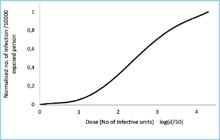
Boiling water is one of the easiest and most efficient ways to make water safe to drink. Bacteria, viruses, and parasites can be destroyed by heating water to boiling point (100°C or 212°F) for at least 1 min (or longer at higher elevations). Boiling also helps to eliminate certain chemical pollutants through evaporation (CDC, 2020). Filtration involves passing water through a physical barrier to remove contaminants. There are several types of filtration systems available for home use, including activated carbon filters, ceramic filters, and membrane filters. Depending on the particle size and filtering method, these filters can efficiently remove pollutants such as silt, germs, protozoa, and certain chemicals (United States Environmental Protection Agency, 2020). Chlorination is a typical method for disinfecting water that involves adding chlorine compounds, such as chlorine bleach or chlorine tablets, to kill or inactivate bacteria. Chlorine efficiently eliminates bacteria, viruses, and parasites found in water. However, it may not be successful in removing some chemical pollutants or taste and odor concerns (WHO, 2017). UV disinfection involves exposing water to UV light to destroy germs’ DNA and prevent them from reproducing. UV systems are commonly placed at points of usage and are efficient against bacteria, viruses, and protozoa. However, UV treatment does not eliminate chemical pollutants or sediment from water (CDC, 2020). Distillation requires boiling water to generate steam, which is subsequently cooled and condensed back into liquid form. Heavy metals, salts, and other organic molecules do not vaporise at the same temperature as water; hence, this procedure efficiently eliminates them. Distillation is very effective for extracting minerals and salts, although it may be energy-intensive and sluggish when compared to other techniques (WHO, 2017). Furthermore, the health risks posed by drinking rainwater can be assessed using QMRA and epidemiological methods. These methods have been used by several researchers (Ahmed et al., 2010; Al-Khatib et al., 2019; John et al., 2021a; 2023). QMRA and epidemiological methodologies provide separate ways for analysing the health concerns related to rainwater drinking. QMRA delivers quantitative risk estimations using mathematical models, allowing for the examination of various scenarios and solutions. Epidemiological studies, on the contrary, provide insights into real-world illness trends but are constrained by the confounding variables and biases inherent in observational research (Medema et al., 2013). Epidemiological studies look at the relationship between exposures and health outcomes within populations, whereas QMRA is a predictive modelling method used to quantify the health risks presented by microbial contaminants in water sources. Both QMRA and epidemiological approaches are critical in determining the health concerns of rainwater ingestion. While QMRA provides prediction powers and quantitative risk estimations, epidemiological studies provide important real-world evidence of illness prevalence. Combining these techniques can improve our understanding of rainwater-related health concerns and help us make evidence-based decisions about water management and public health (Medema et al., 2013). Figure 3 shows the beta-Poisson dose–response relationship in QMRA, which correlates the normalised number of infections per exposed person with the number of infective units (i.e., dosage).
Best practices for implementing and maintaining rainwater recycling systems
To preserve public health and the environment, rainwater recycling systems must be carefully planned, designed, operated, and maintained. Several studies have looked at best practices such as source water assessment, treatment technologies, system design, cross-connection control, frequent monitoring and testing, maintenance procedures, public education and awareness, and regulatory compliance (Fielding et al., 2015; Morales-Figueroa et al., 2023; Zhang; Wu; Zhao, 2023). The source water assessment is a detailed examination of the source water (rainwater) to identify possible contaminants such as microbiological diseases, chemical pollutants, and heavy metals. Consider air deposition, roof material composition, and adjacent sources of pollution. The installation of appropriate treatment technologies to eliminate or inactivate pollutants from gathered rainwater is critical. Filtration, disinfection (such as UV sterilisation and chlorination), sedimentation, and chemical treatment (such as activated carbon adsorption) should all be readily available. The appropriate treatment solutions should be chosen in accordance with the individual pollutants present and the intended water quality criteria.
Rainwater harvesting systems should be designed to reduce pollution while improving water quality. To prevent dangerous compounds from seeping into the water, storage tanks, pipelines, and fittings must be made of corrosion-resistant materials. To minimise mosquito breeding and algae growth, employ measures such as tight-fitting screens and light-blocking coverings. In addition, cross-connection control mechanisms will be implemented to prevent captured rainwater from flowing back into the potable water supply. To protect the integrity of water quality, backflow prevention devices must be installed and a physical air separation between rainwater and drinking water plumbing must be maintained. Establishing a regular monitoring and testing programme to examine the quality of harvested rainwater and confirm the efficacy of treatment techniques should be encouraged and supported. Testing for microbial contaminants, chemical pollutants, pH levels, and other parameters related to water quality standards should be done on a regular basis, as should monitoring storage tank levels and inspecting rainwater system components for signs of deterioration or malfunction. Developing thorough maintenance routines to maintain the long-term durability and performance of rainwater recycling systems. Regularly clean storage tanks, filters, and other components to avoid biofilm growth and silt accumulation. Replace worn-out or broken equipment right away to avoid contamination and system problems (Hora; Cohim; Leão, 2018; John et al., 2021a).
Another critical component is public education and awareness. It is vital to educate consumers about how to properly operate and maintain rainwater recycling systems, as well as the potential health risks associated with untreated or poorly treated water. Providing knowledge on water conservation measures, system troubleshooting, and emergency response protocols will help improve rainwater recycling systems while also ensuring public health and environmental protection (Fielding et al., 2015; Morales-Figueroa et al., 2023; Zhang et al., 2023). Regulatory compliance is complying with the rules, regulations, standards, and specifications that govern its procedures. Compliance with local regulations, ordinances, and standards governing the design, installation, and operation of rainwater harvesting systems will help to maximise the effectiveness of rainwater recycling. It is essential to secure appropriate permissions and approvals from relevant authorities and to keep updated about modifications to regulatory requirements and industry rules (Morales-Figueroa et al., 2023; Zhang; Wu; Zhao, 2023). By adhering to these best practices, stakeholders may contribute to the safe and sustainable deployment of rainwater recycling systems, preserving both public health and the environment while maximising the advantages of water conservation and reuse.
Examples and linkage with sustainable development goal 6
Australia: a model for integration and safety
Rainwater harvesting systems have been widely used in Australia as a solution to the nation’s ongoing water scarcity and severe droughts. Tight criteria with an emphasis on quality control have been developed by the National Health and Medical Research Council (NHMRC) for both potable and non-potable uses of harvested rainwater. These regulations are essential for maintaining public health and safety, especially considering research from Melbourne that showed decentralised rainwater systems might cut home water use by up to 40% in drought-stricken areas (Imran et al., 2015). But the same study also showed that untreated rainwater poses serious health concerns, mostly due to microbial contamination. If left unchecked, pathogens like Legionella and E. coli that are found in bird droppings and other environmental sources can be extremely dangerous to human health. Australia has implemented multibarrier strategies to reduce these hazards. These include UV disinfection systems, which successfully destroy germs, and first-flush diverters, which aid in removing initial impurities from catchment surfaces. This multibarrier method maximises the benefits of rainwater harvesting (RWH) while protecting public health by guaranteeing that the collected water is suitable for a variety of applications (Ahmed et al., 2014). These measures demonstrate a careful approach to water resource management, balancing the need for conservation with the need to ensure the water’s safety and quality.
Germany: integrating RWH into urban planning
In Germany, the use of RWH systems in green building initiatives has become commonplace. As a pioneer in the integration of RWH into urban infrastructure, Hamburg exemplifies this. These systems, meant for irrigation, toilet flushing, laundry, and other non-potable uses, significantly lessen the burden on municipal water resources. This not only aids in water conservation but also reduces the energy required for water treatment and transportation. According to a study by Imran et al. (2015), widespread RWH implementation in Germany has the potential to cut urban water-related energy consumption by up to 20%, demonstrating the systems’ major environmental benefits. Moreover, stormwater runoff is a significant issue in cities, and Hamburg’s RWH systems are crucial for managing it. Rainwater collection and storage systems reduce the risk of urban flooding, alleviate pressure on drainage infrastructure, and promote groundwater recharge. In addition to solving pressing issues with the water supply, this all-encompassing approach to water management strengthens the city’s resistance to the consequences of climate change (Imran et al. 2015). Hamburg’s effective integration of RWH provides other cities with a model for integrating sustainable water management practices into urban environments.
United States: legislative support and public awareness
Recognising rainwater harvesting’s potential for water conservation and sustainable urban water management, governments such as Texas and California have actively pushed RWH through a combination of legislative measures and public awareness initiatives. The Texas Rainwater Harvesting Evaluation Committee has played a pivotal role in formulating all-encompassing protocols to guarantee the secure and efficient utilisation of precipitation-fed irrigation. The design, installation, and maintenance of RWH systems are covered by these recommendations, which emphasise quality control and safety to reduce health concerns. The state’s adoption of RWH systems has expanded dramatically because of regulatory support, which has also helped to reduce demand on municipal water supplies and promote sustainable water use habits. With its frequent droughts, California has also witnessed a significant shift towards RWH. The incorporation of RWH into building codes and urban planning has been made easier by legislative initiatives like the California Rainwater Capture Act of 2012 (De Kwaadsteniet et al., 2013). By offering a substitute water source for non-potable applications like toilet flushing and irrigation, RWH systems can considerably lessen the burden on municipal water supplies during dry spells, as evidenced by a case study conducted in California. This ensures a more dependable and decentralised water supply system, which not only encourages water conservation but also improves resilience in water-scarce locations (De Kwaadsteniet et al., 2013). Campaigns for public awareness have helped businesses and residents alike learn more about the advantages of RWH, which has increased acceptance and led to the state’s adoption of these systems. These initiatives in Texas and California highlight how important public education and legislative backing are to the advancement of RWH. These states have benefited economically and environmentally from RWH by ensuring that the systems are safe and reliable, which has led to more resilient and sustainable urban water management techniques.
In conclusion, different climates and geographical areas have varying degrees of effectiveness with rainwater collection systems. In states like Tamil Nadu and Rajasthan in India, RWH has considerably reduced groundwater depletion. Rainwater collection buildings have been crucial in replenishing aquifers and increasing water supply in these areas, according to the Ministry of Jal Shakti (Government of India, 2020). However, uneven rainfall poses problems for desert areas. Rainwater collecting is practical, but the uncertainty of rainfall necessitates alternative techniques, such as integrating with other water sources and expanding storage capacity, to assure a consistent supply of water, according to a study conducted in the Australian outback (Chubaka et al., 2018b).
Exploring rainwater recycling with SDG 6
Ensuring that water and sanitation are accessible and sustainably managed for all is the goal of Sustainable Development Goal (SDG) 6 (SDG 6). To meet the goals of SDG 6 and address issues with urban water management and water scarcity, RWH offers a practical alternative. With an emphasis on evaluating health hazards and environmental effects, this research investigates the future of rainwater recycling. Microbial contamination is one of the main health issues with RWH systems. Animal droppings on catchment surfaces and ambient dust are two common ways that pathogens like E. coli, Legionella, and other bacteria can enter the system. Untreated rainwater provided serious health concerns because of these pollutants, according to a study by Ahmed et al. (2014), underscoring the need for multibarrier treatment methods. To maintain water safety for both potable and non-potable purposes, these methods often involve first-flush diverters, filtering systems, and UV or chemical disinfection (Ahmed et al., 2014; Lani et al., 2018). Chemical pollutants from air deposition and leaching from materials used in the collecting and storage systems can also be present in rainwater. De Kwaadsteniet et al. (2013) brought attention to the fact that captured rainwater contains heavy metals, herbicides, and other contaminants, making it necessary to regularly evaluate water quality and employ cutting-edge filtration devices to guarantee safety.
RWH systems are essential for controlling stormwater runoff, especially in cities with large amounts of impermeable surfaces. These systems lessen the amount of runoff by collecting and storing rainwater, which lessens the risk of urban flooding and eases the strain on drainage systems. RWH systems, according to Teston et al. (2022), greatly reduce the difficulties associated with stormwater management, enhancing both environmental sustainability and urban resilience (Hatt et al., 2006; Teston et al. (2022). RWH systems offer a substitute water source for non-potable applications including laundry, toilet flushing, and irrigation, which significantly reduces the amount of water used. This lessens the need for municipal water sources, which is particularly important in areas where there is a water shortage. RWH might cut home water use by up to 50%, according to Handia et al. (2003), encouraging sustainable water management techniques. Compared to traditional water supply systems, RWH systems use less energy and produce less carbon dioxide. Compared to surface water or groundwater extraction and treatment, pumping and treating rainwater requires a lot less energy. Kinkade-Levario (2007) and Imran et al. (2015) discovered that the widespread deployment of RWH systems in urban settings might result in a 20% reduction in energy consumption connected to urban water use, which would help lower greenhouse gas emissions (De Kwaadsteniet et al., 2013; Imran et al., 2015; Akter, 2023). RWH is a promising solution for encouraging sustainable urban water management and managing water scarcity, which is in line with SDG 6. The environmental advantages of RWH systems, such as decreased stormwater runoff, water saving, and lower energy usage, are significant, even if the health problems related to microbiological and chemical pollution must be properly addressed. The adoption of technological advancements, strict regulatory guidelines, public outreach, and the integration of RWH into green infrastructure can significantly enhance global water security and environmental sustainability in the future of rainwater recycling.
The balancing act: cistern cleaning and first-flush diverting in RWH
Due to its availability as a readily available substitute water source, RWH has great potential for a sustainable future. But maintaining two vital areas—cistern cleaning frequency and first-flush diversion—needs significant attention to guarantee its safety. The effects of these ostensibly straightforward procedures on system efficiency, maintenance expenses, and water quality spark discussion. In examining the related numbers and factors that define their optimal implementation, this essay explores the competing viewpoints around these issues.
The trade-off between water quality and maintenance load is at the heart of the discussion surrounding the frequency of cistern cleaning. The efficiency of well-designed cisterns is emphasised by proponents of less frequent cleaning (every 10–20 years) (Ghisi; Ferreira, 2007; Ward et al., 2017). They contend that a high-quality roof filter, such as a vortex or Monjolin filter, reduces animal penetration and debris, enabling the cistern to operate with little contamination for extended periods of time (Juliana et al., 2017; Morales-Figueroa et al., 2023). This method lowers maintenance expenses while lessening the negative effects of cleaning on the environment (chemicals, water use) (Juliana et al., 2017). Opponents, however, support a more frequent cleaning plan (every 1–2 years). They draw attention to the possibility of microbial development, sediment buildup, and organic matter buildup over time, especially in cisterns used for extended periods of time (Ntale; Moses, 2003; Proença; Ghisi, 2013). Water quality is given top priority in this method, particularly for cisterns that supply drinking water or water utilised for delicate purposes like irrigation of edible crops (Ntale; Moses, 2003; John et al., 2021b; John et al., 2023). The ideal cleaning frequency depends on several variables. The position of the chimney is important. Compared to well-sealed below-ground cisterns, above-ground cisterns exposed to wind and debris may need more regular cleaning (Sharma; Vairavamoorthy, 2017; John et al., 2021d). The choice is also influenced by the roof’s material. First-flush diversion measures or more frequent cleaning could be beneficial for roofs that lose substantial debris, including metal or clay tiles (Wang et al., 2015; Wijewanha et al., 2024). The surrounding environment is also important. Stricter guidelines may be required in areas with significant amounts of dust or pollution (Ntale; Moses, 2003; Valappil; Viswanathan; Hamza, 2020; John et al., 2021d). Possibly the most significant element is the planned use of water. Cleaning cisterns more frequently is necessary to maintain the highest standards of water quality when they are used for drinking water or sensitive applications (Fewtrell; Bartram, 2001; NRC, 2012).
Maximising water harvesting potential while minimising contamination is at the centre of the first-flush diversion issue. Numerous studies are shown in Table 2, along with suggested readings. A greater concentration of dust, debris, and pollutants that have collected on the roofing surface is allegedly carried by the first runoff off the roof (Cunliffe, 1998; Ghisi; Ferreira, 2007). Diverting this “first flush” enhances the quality of the collected rainwater overall by shielding the cistern from this first “dirty” water (Wang et al., 2015; John et al., 2021b; 2023). Additional research contends that, especially in regions with little rainfall, delaying the first flush lowers the total capability for collecting rainwater (Pacey; Cullis, 1986; Juliana et al., 2017). They further noted that there is no need for first-flush diversion because contemporary filtering systems are capable of effectively capturing debris and contaminants (Handia et al., 2003; United States Environmental Protection Agency, 2020). Diverting the initial flush is a decision that is based on multiple criteria. The amount of the first flush varies with roof size and rainfall intensity. Research indicates that rerouting the initial 10–20 mm of precipitation may be adequate (Cunliffe, 1998; Martinson and Thomas, 2005; Wang et al., 2015; John et al., 2021b; 2023). Rainfall patterns in a particular area also matter. The first flush may be more significant in areas with frequent, brief rainfall episodes than in areas with rare, heavy rainfall (Ghisi; Ferreira, 2007; John et al., 2021b; 2023). The quantity of debris wiped off might also be influenced by the pitch of the roof. Compared to flatter roofs, steeper roofs might require less first-flush diversion (De Kwaadsteniet et al., 2013; Sharma; Vairavamoorthy, 2017; Zanni et al., 2019). Furthermore, whether a first-flush diversion is required depends on the kind of filtration system that is installed. First-flush diversion may not be necessary with high-efficiency filters (Ntale; Moses, 2003; Teston et al., 2022).
The materials and area of the roof surface, the surrounding environment and air quality, the characteristics of the rain (such as its duration, frequency, and intensity), human activity, the original condition of the roof, and roof maintenance are other elements that affect the first-flush values in rainwater diversion systems. Varying levels of dust, pollutants, and debris can be contributed by different types of roofing materials. For instance, shingles made of asphalt could absorb more pollutants than roofs made of metal. Bigger roof sections gather more material; therefore, to get a clean flush, more water must be redirected initially. Higher roof pitches may cause pollutants and debris to be shed faster, reducing the amount of water required for a successful first flush. While vigorous, brief showers can swiftly remove more pollutants from the roof surface, light, protracted rains may not produce a strong enough flow to clean the roof surface. Rooftop contaminants are usually more concentrated in areas with higher air pollution, dust, or plant debris levels. Less debris builds up between rainstorms in areas that receive frequent rainfall, which lowers the volume needed for the initial flush. On the contrary, more material may collect in locations with little rainfall, requiring a greater first flush. A greater initial flush volume is required because trees and plants close to the roof can drop leaves, pollen, and other organic debris. Birds and other animals may leave more droppings on their visits to a roof, which means a more thorough first flush is required. Regularly maintained and cleaned roofs typically have fewer impurities, which lowers the volume needed for the initial flush. The quantity of pollutants on a roof can rise with proximity to busy highways, industrial regions, or other sources of pollution, necessitating a larger initial flush volume. Particularly if they are asphalt-based, new roofs may leak oils or other chemicals; therefore, a thorough first flush is necessary to get rid of these impurities (Yaziz et al., 1989; John et al., 2021b; 2023; John; Pu, 2023). Comprehending these variables can facilitate the development of a first-flush system that maximises the collected water quality for subsequent applications. In conclusion, careful consideration of cistern cleaning frequency and first-flush diversion is necessary to ensure the safety and effectiveness of RWH. While there are legitimate concerns on both sides of the argument, the best course of action relies on a wide range of system-specific variables. By comprehending the divergent perspectives and the variables that shape these approaches, we may establish a viable future for rainwater collection that optimises its advantages while mitigating possible health hazards and ecological consequences.
Current mitigation of the challenges of the future of rainwater recycling: assessing the efficacy of current mitigation strategies
Reusing rainwater is becoming a vital way to solve issues with public health, environmental sustainability, and water scarcity. But a lot of obstacles prevent it from being widely used and being effective. These difficulties include weak regulatory frameworks, climate unpredictability across regions, and health hazards related to chemical and microbiological contamination. This essay examines the mitigation techniques being used to address these issues and evaluates their effectiveness, considering recent findings and research.
Microbial pollutants offer a significant health risk when it comes to RWH. When rainwater is collected and stored, it can become contaminated and harbour pathogens including Salmonella, Legionella, and E. coli. Advanced filtration and disinfection techniques are essential to addressing these hazards. Effective filtering systems can dramatically lower microbial pollutants, improving public health outcomes (Ahmed et al., 2014). According to the study, UV disinfection and numerous filtering steps were highly successful in getting rid of germs. Apart from microbiological contamination, chemical pollutants like heavy metals also present noteworthy health hazards. Urban settings may be associated with elevated concentrations of heavy metals in precipitation because of atmospheric deposition and building material runoff. First-flush diverters can successfully lower the amounts of heavy metals in stored rainwater by discarding the initial runoff that contains the highest concentration of contaminants, as demonstrated by Hama Aziz et al. (2023). These diverters significantly improve the overall safety of the collected rainwater.
RWH systems perform very differently in different climates and geographical areas. High-rainfall regions, like some parts of India, have effectively installed massive rainwater collection systems to mitigate groundwater depletion. As per Government of India (2020), these systems have played a pivotal role in replenishing aquifers and enhancing the accessibility of water. However, the irregular rainfall in desert locations poses serious issues. In their study of rainwater collection in Australia’s outback, reference (Chubaka et al., 2018a) emphasised the need for adaptable techniques to guarantee a steady supply of water. These strategies include improving storage capabilities to protect against times of insufficient rainfall and combining rainwater collecting with other water sources. According to the study, in areas with fluctuating climates, such integrated approaches are crucial for preserving a sustainable water supply. RWH system safety and standardisation depend on strong regulatory frameworks. Guidelines have been released by WHO (2020), which highlight the significance of water quality standards, system design, and maintenance. These recommendations guarantee the safety and efficacy of rainwater collection techniques and serve as the basis for national policy. Innovations in technology have also been crucial in lessening the difficulties associated with rainwater recycling. Innovations like automated first-flush diverters and smart monitoring systems have greatly increased RWH’s dependability and efficiency. The advantages of smart monitoring technologies—which offer real-time data on water quality and system performance—were emphasised by Judeh et al. (2022). By allowing for prompt interventions and modifications, these technologies guarantee that the collected rainwater will always be of high quality. The use of nontoxic roofing materials, community training initiatives, and routine maintenance of collecting systems are all considered best practices in RWH. RWH systems’ long-term safety and functionality are preserved by these measures. For example, routine cistern cleaning avoids sediment and biofilm accumulation, which can harbour infections and lower water quality. First-flush systems are useful in lowering the concentration of pollutants, as shown by Helmreich and Horn (2009), increasing the general safety of rainwater that has been stored.
SDG 6 is to guarantee that water and sanitation are available and managed sustainably for all people. RWH directly supports this goal. Rainwater collection encourages water conservation and resilience against water scarcity by lowering reliance on conventional water sources. RWH can improve water security and promote sustainable urban development; this is seen by the way it has been incorporated into urban planning in places like Singapore and Melbourne (UN Water, 2021). Rainwater recycling has a bright future ahead of it as a sustainable response to the world’s water problems. Safety of the harvested rainwater depends on controlling chemical pollutants and reducing health hazards. While obstacles in dry environments require adaptable solutions, successful deployments in many places demonstrate the potential benefits. Innovations in technology and extensive regulatory frameworks augment the efficiency of rainwater collection systems. Considerable progress can be achieved towards a sustainable and water-secure future by coordinating rainwater recycling programmes with SDG6.
The future of rainwater recycling: a comprehensive perspective
In the face of growing global water issues, rainwater recycling—which includes a variety of approaches like groundwater recharge, storage systems, and roof water harvesting—is an essential tactic for guaranteeing sustainable water security. The main features of RWH, short- and long-term water security measures, changes in attitudes towards water consumption, and the fusion of natural and engineering solutions for efficient rainwater management are all covered in this part (Figure 4).

Short- and medium-term plans to address urgent water security challenges are the focus of immediate rainwater gathering measures. Harvesting rainwater from rooftops and storing it for instant use in commercial, residential, or agricultural settings is known as roofwater harvesting. In addition to lowering reliance on traditional water sources, this technique increases water availability during dry spells (Figure 4). Roof water harvesting has been implemented in areas such as Tamil Nadu, and by increasing local water sources, it has considerably lessened water scarcity Government of India (2020). To improve water security, behavioural and attitude adjustments are equally important. To effectively manage water resources, communities must be encouraged to adopt responsible water usage habits. Promoting a culture of water conservation and sustainable practices is greatly aided by education campaigns and community participation initiatives (Arvinde et al., 2018; UN Water, 2021). To manage rainwater resources sustainably, long-term water security strategies combine natural and engineering methods. Redirecting excess rainfall into aquifers or recharge basins is the goal of engineering solutions like groundwater recharge systems. By replenishing groundwater reserves, these systems improve overall water availability and drought resistance (Chubaka et al., 2018b). Agronomic and vegetative methods are examples of natural strategies that maximise rainfall infiltration and minimise surface runoff. Sustainable water management in agricultural landscapes is facilitated by techniques such as contour farming and agroforestry, which enhance soil structure, increase water retention capacity, and reduce erosion (UN Water, 2021).
RWH is one way that groundwater resources can be increased, and engineering solutions are essential to this process. Percolation tanks and check dams are two examples of techniques used to slow down runoff and promote groundwater recharge. For example, strategically placing recharge structures raises groundwater levels in arid locations, like sections of Australia, sustaining residents and ecosystems (Chubaka et al., 2018a). Utilising ecological processes, natural groundwater recharge (GWR) techniques increase the amount of water available. Reforestation and wetland restoration are examples of vegetative practices that enhance infiltration rates and decrease surface runoff to support groundwater replenishment naturally. These actions improve biodiversity and ecological resilience to climate variability, in addition to replenishing aquifers [105]. Effective rainfall management requires addressing land improvement initiatives and drainage line treatment. In agricultural landscapes, methods like terracing and contour bunding increase the ability to retain water and decrease soil erosion. By enhancing soil health and water infiltration rates, these actions support sustainable methods of managing land and water (Government of India, 2020).
Rainwater recycling’s future depends on combining a variety of tactics that prioritise long-term sustainability through engineering and natural measures, while simultaneously improving immediate water security through roof water gathering and behavioural modifications. Communities can lessen their reliance on finite water supplies, lessen the effects of climate change, and accomplish sustainable development objectives linked to environmental preservation and water security by putting these measures into practice.
FUTURE DIRECTIONS AND RECOMMENDATIONS
Identify gaps in current research and areas for future investigation
Assessing the health hazards and environmental implications of rainwater recycling is an important topic of research; however, various gaps and areas for further exploration may be discovered. While the short-term health consequences of rainwater recycling systems have been researched, there has been a dearth of long-term research into the chronic health implications of exposure to recycled rainwater. More study is needed to understand the possible effects of chronic exposure to pollutants that might build over time (John et al., 2023). Rainwater can include a variety of microbiological diseases, such as bacteria, viruses, and protozoa. Current research has mostly focused on the existence of these pathogens in rainwater, but there is a dearth of thorough investigations on the efficacy of treatment strategies for eliminating or deactivating them. A future study should look at novel treatment methods and their efficacy in removing microbial pollutants from captured rainwater. Rainwater may also include chemical pollutants such as heavy metals, pesticides, and VOCs derived from air deposition and roof materials. More study is needed to determine the origins and amounts of these pollutants in gathered rainwater, as well as to assess their potential health risks to humans and the environment (Hedhili et al., 2023; John et al., 2023).
Developing robust risk assessment models for evaluating the health risks associated with rainwater recycling systems is essential for informed decision-making and regulatory purposes. Current models often rely on conservative assumptions and limited data, highlighting the need for more sophisticated modeling approaches that consider factors such as exposure pathways, dose–response relationships, and population variability (Quon; Allaire; Jiang, 2021). The adoption of rainwater recycling systems can vary significantly depending on socioeconomic factors, cultural norms, and institutional frameworks. Future research should explore the social and economic barriers to implementing RWH technologies, as well as strategies for promoting their widespread acceptance and use, particularly in underserved communities. Comprehensive life cycle assessments (LCAs) of rainwater recycling systems can provide useful information about their overall environmental effects, such as energy usage, greenhouse gas emissions, and resource depletion. However, there is a lack of standardised procedures and data for performing LCAs on rainwater collecting, which provides an opportunity for future studies to create recommendations and best practices in this field (Li et al., 2018; Zanni et al., 2019; Vaz et al., 2023). Climate change is projected to alter precipitation patterns and exacerbate extreme weather events, thus compromising the dependability and effectiveness of rainwater recycling systems. Research is required to assess these systems’ resistance to climate change and propose adaptation methods to reduce possible risks and vulnerabilities (Szpak; Modrzynska; Piechowial, 2022). By addressing these gaps and areas for future investigation, researchers can contribute to a more comprehensive understanding of the health risks and environmental impacts associated with rainwater recycling, ultimately supporting the sustainable management of water resources and public health protection.
Recommendations for policymakers, practitioners, and researchers
Rainwater recycling technologies offer promising solutions to address water scarcity and enhance sustainability in water management practices. However, the successful adoption of these technologies requires concerted efforts from policymakers, practitioners, and researchers to ensure safety, effectiveness, and long-term environmental sustainability. This section presents recommendations aimed at facilitating the safe and sustainable adoption of rainwater recycling technologies.
Policymakers play an important role in developing clear regulatory frameworks for the installation of rainwater recycling systems. These frameworks should include severe requirements for water quality, treatment techniques, system design, and maintenance practices. Policymakers may protect public health and environmental integrity while also instilling trust in rainwater recycling systems by implementing appropriate rules. Sustained investment in R&D is required to stimulate innovation and improve the efficacy of rainwater recycling systems. Policymakers, research institutions, and industry stakeholders should fund research activities aimed at improving water treatment processes, creating effective storage options, and increasing system dependability. By encouraging innovation, stakeholders may overcome technical issues and improve the efficacy of rainwater recycling technology (Pham et al., 2020). To encourage adoption, authorities should consider providing financial incentives to people, organisations, and communities who invest in rainwater recycling infrastructure, such as grants, subsidies, or tax credits. Financial assistance can help offset early installation costs, making rainwater recycling systems more accessible and cost-effective. Policymakers can speed up the adoption of sustainable water management methods while also encouraging environmental stewardship by rewarding investment. Effective education and awareness campaigns are essential for teaching stakeholders about the advantages, disadvantages, and best practices related to rainwater recycling systems (Fielding et al., 2015). Policymakers, practitioners, and educators should work together to create outreach programmes that emphasise water conservation, pollution avoidance, and the value of sustainable water management. Communities may embrace rainwater recycling as a potential solution to water concerns if they raise knowledge and promote informed decision-making (Mulemaa et al., 2017). Stakeholders from government, academia, business, and civil society should prioritise collaboration and knowledge exchange to promote the deployment of rainwater recycling technology. By sharing best practices, lessons learned, and research findings, stakeholders may drive innovation, overcome implementation challenges, and increase the scalability of rainwater collecting efforts. Collaboration increases collective experience and makes it easier to develop comprehensive solutions to water management concerns (Abbas et al., 2021). Continuous monitoring and assessment are required to determine the performance and efficacy of rainwater recycling systems. Policymakers, practitioners, and academics should develop systematic monitoring programmes to evaluate changes in water quality, system efficiency, and environmental effects over time. By collecting data and reviewing performance measures, stakeholders may discover possibilities for optimisation, solve new difficulties, and assure the long-term viability of rainwater recycling technology (Celik et al., 2017; WHO, 2020).
Prefiltration, treatment methods, regular maintenance, and water quality monitoring are some of the steps that may be adopted to reduce the danger of microbiological contamination related to rainwater recycling. Prefiltration involves installing screens or mesh filters at the entry points of rainwater collection systems to help prevent large debris and contaminants from entering storage tanks, whereas treatment processes involve implementing appropriate treatment processes such as filtration, sedimentation, UV disinfection, chlorination, or ozonation to help reduce microbial loads and ensure the safety of harvested rainwater for potable or non-potable uses. Regular maintenance/routine inspection, cleaning, and maintenance of rainwater collection infrastructure are essential to prevent the buildup of biofilms, algae, and other contaminants that can compromise water quality, while water quality monitoring entails implementing a robust water quality monitoring programme to assess microbial contamination levels and ensure compliance with health and safety standards, which is critical for protecting public health. Rainwater recycling systems can provide a sustainable water source while reducing the possible health dangers connected with microbial infections if microbial contamination issues are appropriately addressed.
To promote the safe and long-term use of rainwater recycling technology, policymakers, practitioners, and researchers must work together. Stakeholders can maximise the potential of rainwater recycling to improve water security, protect the environment, and build resilient communities by implementing regulatory frameworks, investing in research and development, providing financial incentives, raising awareness, fostering collaboration, and prioritising monitoring and evaluation. We can make our vision of a more sustainable and water-secure future a reality by working together.
CONCLUSION
Rainwater can help minimise water scarcity. Individual rainwater collecting is one of the least difficult, sustainable green technologies that deliver a big return on a low-cost investment in areas where piped and filtered communal water is not accessible. Rainwater collecting systems also urge building owners to be responsible for their own water supply, and the process teaches them about water scarcity and the characteristics of diverse water sources (Lim; Jiang, 2013). Rainwater’s potential has yet to be fully realised because of a lack of studies, help, and financial support from the right authorities (George et al., 2015). In rural areas where other water supplies are expensive and difficult to get, rainwater is commonly used as a drinkable supply, particularly during the rainy season (John et al., 2021a). The findings of this study and other literature reveal that, while many people in underdeveloped and developing countries rely on rainfall as an alternative source of drinkable water, it is generally of poor microbiological quality (Ahmed et al., 2010; John et al., 2021b; 2023).
To fully realise its potential, though, a careful evaluation of the hazards to public health, the effects on the environment, and the incorporation of cutting-edge technologies is necessary. Although rainwater is typically regarded as pure, biological pollutants including bacteria, viruses, and parasites can pose a variety of health problems when it is collected and stored. To reduce these risks, effective management techniques are essential. These include routine maintenance of collection systems and appropriate filtering. To protect the health and safety of the communities that depend on this water source, it is also essential to educate and raise public understanding of safe rainwater use practices. Significant health risks are associated with chemical contaminants found in rainwater, such as industrial pollutants, pesticides, and heavy metals. These pollutants may come from roofing materials or from atmospheric deposition. To ensure the safety and potability of collected rainwater, sophisticated filtration systems and routine monitoring are necessary for the detection and removal of harmful contaminants. Rainwater collection systems perform differently in different climates and geographical areas. For example, high-rainfall locations, like some tropical areas, have effectively installed large-scale RWH systems, which have greatly decreased reliance on conventional water supplies. However, sustaining a steady water supply is difficult in areas with lengthy dry seasons or less dependable rainfall (Helmreich; Horn, 2009; Ahmed et al., 2014; John et al., 2021a). Success depends on adapting RWH systems to the local climate and using adaptive techniques like merging with other water sources. To guarantee public health and safety and to standardise RWH processes, extensive regulatory frameworks and norms must be established. Standards for water quality, system design, and maintenance needs should all be covered by regulations. To establish a worldwide standard for secure and efficient rainwater collection, governments and international organisations must work together to design and execute these recommendations. RWH systems are now much safer and more efficient, thanks to technological improvements. Advanced filtering technologies, intelligent monitoring systems, and automated first-flush diverters are just a few examples of innovations that improve the quality and dependability of captured rainwater. The use of nontoxic roofing materials, routine system maintenance, and community education initiatives are examples of best practices. RWH systems that are more resilient and sustainable can result from implementing these technologies and techniques. The SDG 6 is directly aided by rainwater gathering. Rainwater collection encourages water conservation and resilience against water scarcity by lowering reliance on conventional water sources (Chubaka et al., 2018a; John et al., 2021d; 2023). Additionally, it is in favour of integrated water resources management and has the potential to be extremely important in ensuring that everyone has fair access to clean, reasonably priced drinking water. RWH is dependent on two key factors: first-flush diversion systems and clean cistern maintenance. Water purity is ensured by routinely cleaning cisterns to avoid the accumulation of sediments and impurities (WHO, 2020). By efficiently eliminating the first and most contaminated part of runoff, first-flush diverters keep pollutants out of storage systems. RWH systems need to follow these procedures to be safe and effective over the long run.
Balancing the benefits of rainwater recycling with health risk reduction and environmental preservation is crucial for long-term water management. While recycling saves water, decreases resource use, and has a lower environmental effect, it also necessitates careful management to eliminate contamination issues and assure water quality. Proactive measures, such as effective treatment, thorough monitoring, and community participation, are critical for protecting public health and ecosystems while maximising the benefits of rainwater recycling. Overall, rainwater recycling contributes significantly to sustainable water management and environmental stewardship by preserving freshwater resources, reducing stormwater runoff, minimising pollution, and building resilient urban landscapes. Rainwater recycling systems’ environmental impact evaluation should consider their numerous advantages and beneficial contributions to ecosystem health, water resource sustainability, and climate resilience in both urban and rural settings. Finally, rainwater recycling has a bright future ahead of it, providing a long-term answer to the world’s water problems. Successful implementation requires addressing health hazards, controlling chemical pollutants, and overcoming local obstacles. The efficiency and safety of these systems will be guaranteed by strict adherence to best practices, strong regulatory frameworks, and technology improvements. We can get closer to a sustainable and water-secure future by coordinating rainwater collection projects with SDG 6.
ACKNOWLEDGMENTS
For the purposes of open access, the authors have applied a Creative Commons Attribution (CC BY) license to any author-accepted manuscript version arising from this submission.
REFERENCES
-
ABBAS, Sohail; MAHMOOD, Muhammad Junaid; YASEEN, Muhammad. Assessing the potential for rooftop rainwater harvesting and its physio and socioeconomic impacts, Rawal Watershed, Islamabad, Pakistan. Environment, Development and Sustainability, v. 23, n. 12, p. 17942-17963, 2021. https://doi.org/10.1007/s10668-021-01422-z
» https://doi.org/10.1007/s10668-021-01422-z -
AHMED, Warish; BRANDES, H; GYAWALI, P; SIDHU, JP; TOZE, S. Opportunistic pathogens in roof-captured rainwater samples, determined using quantitative PCR. Water Research, v. 15, p. 361-369, 2014. https://doi.org/10.1016/j.watres.2013.12.021
» https://doi.org/10.1016/j.watres.2013.12.021 -
AHMED, Warish; GARDNER, T; TOZE, S. Microbiological quality of roof-harvested rainwater and health risks: a review. Journal of Environmental Quality, v. 40, n. 1, p. 13-21, 2011. https://doi.org/10.2134/jeq2010.0345
» https://doi.org/10.2134/jeq2010.0345 -
AHMED, Warish; VIERITZ, Alison; GOONETILLEKE, Ashantha; GARDNER, Ted. Health risk from the use of roof-harvested rainwater in Southeast Queensland, Australia, as potable or non-potable water, determined using Quantitative Microbial Risk Assessment. Applied and Environmental Microbiology, v. 76, n. 22, p. 7382-7391, 2010. https://doi.org/10.1128/aem.00944-10
» https://doi.org/10.1128/aem.00944-10 - AKTER, A. Rainwater harvesting for potable water supply: opportunities and challenges. In: Alternative Water Sources for Producing Potable Water Switzerland: Springer Nature, 2023.
-
AL-KHATIB, Issam A.; ARAFEH, Ghadeer A.; AL-QUTOB, Mutaz; JODEH, Shehdeh; HASAN, A. Rasem; JODEH, Diana; VAN DER VALK, Michael. Health risk associated with some trace and some heavy metals content of harvested rainwater in Yatta Area, Palestine. Water, v. 11, n. 2, p. 238, 2019. https://doi.org/10.3390/w11020238
» https://doi.org/10.3390/w11020238 -
ALMEIDA, Alissandra Pessoa; LIBERALESSO, Tiago; SILVA, Cristina Matos; SOUSA, Vitor. Combining green roofs and rainwater harvesting systems in university buildings under different climate conditions. Science of the Total Environment, v. 887, p. 163719, 2023. https://doi.org/10.1016/j.scitotenv.2023.163719
» https://doi.org/10.1016/j.scitotenv.2023.163719 - ARVIND; KUMAR, Narender; MISHRA, Himanshu; SINGH, Manmohan; DAHIYA, Pankaj. Rainwater harvesting for sustainable development: a case study. Annals of Agri-Bio Research, v. 23, n. 1, p. 60-64, 2018.
-
AZUMA, Takashi; KATAGIRI, Miwa; SEKIZUKA, Tsuyoshi; KURODA, Makoto; WATANABE, Manabu. Inactivation of bacteria and residual antimicrobials in hospital wastewater by ozone treatment. Antibiotics, v. 11, n. 7, p. 862, 2022. https://doi.org/10.3390/antibiotics11070862
» https://doi.org/10.3390/antibiotics11070862 -
CALDERON, Rebecca; MOOD, Eric; DUFOUR, Alfred. Health effects of swimmers and nonpoint sources of contaminated water. International Journal of Environmental Health Research, v. 1, n. 1, p. 21-31, 1991. https://doi.org/10.1080/09603129109356701
» https://doi.org/10.1080/09603129109356701 -
CELIK, Ilke; TAMIMI, Lina; AL-KHATIB, Issam; APUL, Defne. Management of rainwater harvesting and its impact on the health of people in the Middle East: Case study from Yatta town, Palestine. Environmental Monitoring and Assessment, v. 189, n. 6, 271, 2017. https://doi.org/10.1007/s10661-017-5970-y
» https://doi.org/10.1007/s10661-017-5970-y - CENTERS FOR DISEASE CONTROL AND PREVENTION (CDC). Making Water Safe in an Emergency CDC, 2020.
-
CENTERS FOR DISEASE CONTROL AND PREVENTION (CDC). Drinking water: Rainwater Collection. CDC, 2021. Available at: https://www.cdc.gov/healthywater/drinking/private/rainwater-collection.html#:~:text=Rain%20can%20wash%20different%20types,been%20linked%20to%20disease%20outbreaks Accessed on: Feb 17, 2024.
» https://www.cdc.gov/healthywater/drinking/private/rainwater-collection.html#:~:text=Rain%20can%20wash%20different%20types,been%20linked%20to%20disease%20outbreaks -
CHUBAKA, Chirhakarhula Emmanuel; WHILEY, Harriet; EDWARDS, John; ROSS, Kirstin. A review of roof harvested rainwater in Australia. Journal of Environmental and Public Health, v. 21, 6471324, 2018a. https://doi.org/10.1155/2018/6471324
» https://doi.org/10.1155/2018/6471324 -
CHUBAKA, Chirhakarhula Emmanuel; WHILEY, Harriet; ROSS, Kirstin. A. Microbiological values of rainwater harvested in adelaide. Pathogens, v. 7, n. 1, p. 21, 2018b. https://doi.org/10.3390/pathogens7010021
» https://doi.org/10.3390/pathogens7010021 -
COLFORD JR., John; SCHIFF, Kenneth; GRIFFITH, John; YAU, Vince; ARNOLD, Benjamin; WRIGHT, Catherine; GRUBER, Joshua; WADE, Timothy; BURNS, Susan; HAYES, Jacqueline; MCGEE, Charles; GOLD, Mark; CAO, Yiping; NOBLE, Rachel; HAUGLAND, Richard; WEISBERG, Stephen B. Using rapid indicators for Enterococcus to assess the risk of illness after exposure to urban runoff contaminated marine water. Water Research, v. 46, n. 7, p. 2176-2186, 2012. https://doi.org/10.1016/j.watres.2012.01.033
» https://doi.org/10.1016/j.watres.2012.01.033 - CUNLIFFE, David. Guidance on the use of rainwater tanks: National Environmental Health Forum Monographs. National Environmental Health Forum, 1998. Water Series No. 3.
-
DADA, Ayokunle Christopher; GYAWALI, Pradip. Quantitative microbial risk assessment (QMRA) of occupational exposure to SARS-CoV-2 in wastewater treatment plants. Science of the Total Environment, v. 763, p. 142989, 2021. https://doi.org/10.1016/j.scitotenv.2020.142989
» https://doi.org/10.1016/j.scitotenv.2020.142989 -
DE KWAADSTENIET, M.; DOBROWSKY, Penelope Heather; VAN DEVENTER, A.; WESSAAL, K.; CLOETE, T. E. Domestic rainwater harvesting: microbial and chemical water quality and point-of-use treatment systems. Water Air Soil Pollution, v. 224, 1629, 2013. https://doi.org/10.1007/s11270-013-1629-7
» https://doi.org/10.1007/s11270-013-1629-7 -
DOBROWSKY, Penelope Heather; LOMBARD, Marlie; CLOETE, William; SAAYMAN, Michael; CLOETE, Thomas Eugene; CARSTENS, Morne.; KHAN, Sehaan; WESAAL, Khan. Efficiency of microfiltration systems for the removal of bacterial and viral contaminants from surface and rainwater. Water, Air and Soil Pollution, v. 226, n. 33, p. 1-14, 2015. https://doi.org/10.1007/s11270-015-2317-6
» https://doi.org/10.1007/s11270-015-2317-6 -
DRAYNA, Patrick; MCLLELLAN, Sandra Lynde; SIMPSON, Pippa; LI, Shu-Hwa; GORELICK, Marc. Association between rainfall and pediatric emergency department visits for acute gastrointestinal illness. Environmental Health Perspectives, v. 118, n. 10, p. 1439-1443, 2010. https://doi.org/10.1289%2Fehp.0901671
» https://doi.org/10.1289%2Fehp.0901671 -
ERTOP, Hasan; KOCIĘCKA, Joanna; ATILGAN, Atilgan; LIBERACKI, Daniel; NIEMIEC, Marcin; ROLBIECKI, Roman. The Importance of Rainwater Harvesting and Its Usage Possibilities: Antalya Example (Turkey). Water, v. 15, n. 12, p. 2194, 2023. https://doi.org/10.3390/w15122194
» https://doi.org/10.3390/w15122194 - FEWTRELL, Lorna; BARTRAM, Jamie. Water quality: guidelines, standards and health. Geneva: World Health Organization, 2001.
-
FIELDING, Kelly; GARDNER, John; LEVISTON, Zoe; PRICE, Jennifer. Comparing public perceptions of alternative water sources for potable use: The case of rainwater, stormwater, desalinated water, and recycled water. Water Resources Management, v. 29, n. 12, p. 4501-4518, 2015. https://doi.org/10.1007/s11269-015-1072-1
» https://doi.org/10.1007/s11269-015-1072-1 -
GEORGE, Jessen; AN, Wei; JOSHI, Dev; ZHANG, Dongqing; YANG, Min; SURYANARAYANAN, Saikishan. Quantitative microbial risk assessment to estimate the health risk in urban drinking water systems of Mysore, Karnataka, India. Water Quality Exposure and Health, v. 7, n. 3, p. 331-338, 2015. https://doi.org/10.1007/s12403-014-0152-4
» https://doi.org/10.1007/s12403-014-0152-4 -
GHISI, Enedir; FERREIRA, Daniel Farias. Potential for potable water savings by using rainwater and greywater in a multi-storey residential building in southern Brazil. Building and Environment, v. 42, n. 7, p. 2512-2522, 2007. https://doi.org/10.1016/j.buildenv.2006.07.019
» https://doi.org/10.1016/j.buildenv.2006.07.019 -
GLEASON, Jessie; FAGLIANO, Jerald. Effect of drinking water source on associations between gastrointestinal illness and heavy rainfall in New Jersey. PLoS One, v. 12, n. 3, e0173794, 2017. https://doi.org/10.1371/journal.pone.0173794
» https://doi.org/10.1371/journal.pone.0173794 -
GOMES, Alston; SHETTY, Akash; WILSON, Christina; SRAVANI, V. Internet of things based rainwater harvesting and distribution management system through mobile application. In: INTERNATIONAL CONFERENCE FOR ADVANCEMENT IN TECHNOLOGY, Goa, India, 2023. Annals […]. 2023. p. 1-5. https://doi.org/10.1109/ICONAT57137.2023.10080094
» https://doi.org/10.1109/ICONAT57137.2023.10080094 -
GOUGUENI, Hicham; HADDOU, Mohamed Ait; EZ-ZAHER, Latifa; BOUCHRITI, Youssef; AMIHA, Rachid; BOUTITI, Rachida. Water quality of traditional rainwater storage tanks in Southern Morocco – risk for consumer health. Ecological Engineering & Environmental Technology, v. 24, n. 8, p. 9-21, 2023. https://doi.org/10.12912/27197050/170168
» https://doi.org/10.12912/27197050/170168 - GOVERNMENT OF INDIA. Ministry of Jal Shakti. Rainwater harvesting: implementation and impact in Tamil Nadu and Rajasthan. India: Ministry of Jal Shakti, 2020.
- HAILE, Robert; WITTE, John; GOLD, Mark; CRESSEY, Ron; MCGEE, Charles; MILLIKAN, Robert; GLASSER, Alice; HARAWA, Nina; ERVIN, Carolyn; HARMON, Patricia; HARPER, Janice; DERMAND, John; ALAMILLO, James; BARRETT, Kevin; NIDES, Mitchell; WANG, Guang-yu. The health effects of swimming in ocean water contaminated by storm drain runoff. Epidemiology, v. 10, n. 4, p. 355-363, 1999.
-
HAMA AZIZ, Kosar Hikmat; MUSTAFA, Fryad; OMER, Khalid; HAMA, Sarkawt; HAMARAWF, Rebaz Fayaq; RAHMAN, Kaiwan Othamn. Heavy metal pollution in the aquatic environment: efficient and low-cost removal approaches to eliminate their toxicity: a review. RSC Advances, v. 13, n. 26, p. 17595-17610, 2023. https://doi.org/10.1039/d3ra00723e
» https://doi.org/10.1039/d3ra00723e -
HAMILTON, Kerry; AHMED, Warish; TOZE, Simon; HAAS, Charles Nathan. Human health risks for Legionella and Mycobacterium avium complex (MAC) from potable and non-potable uses of roof-harvested rainwater. Water Research, v. 119, p. 288-303, 2017. https://doi.org/10.1016/j.watres.2017.04.004
» https://doi.org/10.1016/j.watres.2017.04.004 -
HANDIA, Lubinga; TEMBO, James Madalitso; MWIINDWA, Caroline. Potential of rainwater harvesting in urban Zambia. Physics and Chemistry of the Earth, Parts A/B/C, v. 28, n. 20-27, p. 893-896, 2003. https://doi.org/10.1016/j.pce.2003.08.016
» https://doi.org/10.1016/j.pce.2003.08.016 -
HATT, Belinda; DELETIC, Ana; FLETCHER, Tim. Integrated treatment and recycling of stormwater: a review of Australian practice. Journal of Environmental Management, v. 79, n. 1, p. 102-113, 2006. https://doi.org/10.1016/j.jenvman.2005.06.003
» https://doi.org/10.1016/j.jenvman.2005.06.003 -
HEDHILI, Ahlem; HANANE, Saâd; HAMZA, Foued; CHOKRI, Mohamed Ali; ALMALIKI, Mohammed; JRIBI, Imed. Assessing the effectiveness of rainwater harvesting systems in improving wintering bird richness in Pre-Saharan Tunisia. Environmental Management, v. 72, p. 805-818, 2023. https://doi.org/10.1007/s00267-023-01807-y
» https://doi.org/10.1007/s00267-023-01807-y -
HELMREICH, Brigitte; HORN, Harald. Opportunities in rainwater harvesting. Desalination, v. 248, n. 1-3, p. 118-124, 2009. https://doi.org/10.1016/j.desal.2008.05.046
» https://doi.org/10.1016/j.desal.2008.05.046 -
HORA, Jálvaro da; COHIM, Eduardo Borges; SIPERT, Samuel; LEÃO, Adriano. Quantitative microbial risk assessment (QMRA) of campylobacter for roof-harvested rainwater domestic use. Proceedings, v. 2, n. 5, p. 185, 2018. https://doi.org/10.3390/ecws-2-04954
» https://doi.org/10.3390/ecws-2-04954 -
IGBINOSA, Isoken Henrietta; AIGHEWI, Isoken Tito. Quality assessment and public health status of harvested rainwater in a peri-urban community in Edo State of Nigeria. Environmental Monitoring and Assessment, v. 189, n. 8, p. 1-12, 2017. https://doi.org/10.1007/s10661-017-6122-0
» https://doi.org/10.1007/s10661-017-6122-0 -
IMARHIAGBE, Emmanuel Erosa; OSARENOTOR, Osayomwanbo. Health risk and quality assessment of non-roof-harvested rainwater from an oil-producing community in Nigeria. Environmental Monitoring and Assessment, v. 192, n. 3, p. 169, 2020. https://doi.org/10.1007/s10661-020-8102-z
» https://doi.org/10.1007/s10661-020-8102-z - IMRAN, Mohiuddin; AHMED, Rashid; HOSSAIN, Imran; SAKIB, Nazmus Hussain; RAHMAN, Mafizur. Energy and carbon implication of rainwater harvesting in Dhanmondi, Dhaka. In: INTERNATIONAL CONFERENCE ON CLIMATE CHANGE AND WATER SECURITY. Annals […]. 2015.
-
JOHN, Chukwuemeka Kingsley; PU, Jaan. Household reusable rainwater technology for developing and under-developed countries London: Taylor and Francis Limited, 2023. https://doi.org/10.1201/9781003392576
» https://doi.org/10.1201/9781003392576 -
JOHN, Chukwuemeka Kingsley; PU, Jaan; MORUZZI, Rodrigo; PANDEY, Manish. Health-risk assessment for roof-harvested rainwater via QMRA in Ikorodu area, Lagos, Nigeria. Journal of Water and Climate Change, v. 12, n. 6, p. 2479-2494, 2021a. https://doi.org/10.2166/wcc.2021.025
» https://doi.org/10.2166/wcc.2021.025 -
JOHN, Chukwuemeka Kingsley; PU, Jaan; MORUZZI, Rodrigo; PANDEY, Manish; AZAMATHULLA, Hazi. Reusable rainwater quality at Ikorodu area of Lagos, Nigeria: Impact of first-flush and household treatment techniques. Journal of Water, Sanitation and Hygiene for Development, v. 11, n. 5, p. 732-745, 2021b. https://doi.org/10.2166/washdev.2021.062
» https://doi.org/10.2166/washdev.2021.062 -
JOHN, Chukwuemeka Kingsley; PU, Jaan; PANDEY, Manish; HANMAIAHGARI, Preshanth Reddy. Sediment deposition within rainwater: case study comparison of four different sites in Ikorodu, Nigeria. Fluids, v. 6, n. 3, p. 124, 2021c. https://doi.org/10.3390/fluids6030124
» https://doi.org/10.3390/fluids6030124 -
JOHN, Chukwuemeka Kingsley; PU, Jaan; PANDEY, Manish; HANMAIAHGARI, Preshanth Reddy; MORUZZI, Rodrigo; ZANG, Shuyan; JAMEI, Mehdi. Deposition and microbial analyses from roof-top sediments within different environments. Topics in Catalysis, v. 67, p. 983-993, 2023. https://doi.org/10.1007/s11244-023-01856-x
» https://doi.org/10.1007/s11244-023-01856-x -
JOHN, Chukwuemeka Kingsley; PU, Jaan; PANDEY, Manish; MORUZZI, Rodrigo. Impacts of sedimentation on rainwater quality: case study at Ikorodu of Lagos, Nigeria. Water Supply, v. 21, n. 7, p. 3356-3369, 2021d. https://doi.org/10.2166/ws.2021.093
» https://doi.org/10.2166/ws.2021.093 -
JUDEH, Tariq; SHAHROUR, Isam; COMAIR, Fadi. Smart rainwater harvesting for sustainable potable water supply in arid and semi-arid areas. Sustainability, v. 14, n. 15, p. 9271, 2022. https://doi.org/10.3390/su14159271
» https://doi.org/10.3390/su14159271 -
JULIANA, Imroatul Chalimah; KUSUMA, Muhammad Syahril Badri; CAHYONO, Muhammad; KARDHANA, Hadi; MARTOKUSUMO; Widjaja. Rainwater harvesting system implementation for domestic water use: the environment and financial benefits. In: ICoSI 2014. Annals […]. Singapore: Springer, 2017. https://doi.org/10.1007/978-981-287-661-4_41
» https://doi.org/10.1007/978-981-287-661-4_41 -
KHAKHAR, Mona; PATEL, Smit; VYAS, Anjana. Managing urban stormwater for sustainable urban development: a geospatial approach. Apple Academic Press, 2022. https://doi.org/10.1201/9781003284512-2
» https://doi.org/10.1201/9781003284512-2 -
KHAYAN, Khayan; HERU HUSODO, Adi; ASTUTI, Indwiani; SUDARMADJI, Sudarmadji; SUGANDAWATY DJOHAN, Tjut. Rainwater as a Source of Drinking Water: Health Impacts and Rainwater Treatment. Journal of Environmental and Public Health, v. 2019, p. 1760950, 2019. https://doi.org/10.1155/2019/1760950
» https://doi.org/10.1155/2019/1760950 - KINKADE-LEVARIO, Heather. Design for water: rainwater harvesting, stormwater catchment, and alternate water reuse. New Society Publishers, 2007.
-
KRAAY, Alicia; MAN, Olivia; LEVY, Morgan; LEVY, Karen; IONIDES, Edward; EISENBERG, Joseph. Understanding the Impact of rainfall on diarrhea: testing the concentration-dilution hypothesis using a systematic review and meta-analysis. Environmental Health Perspectives, v. 128, n. 12, p. 126001, 2020. https://doi.org/10.1289/EHP6181
» https://doi.org/10.1289/EHP6181 -
LANI, Nor Hafizi; YUSOP, Zulkifli; SYAFIUDDIN, Achmad. A review of rainwater harvesting in malaysia: prospects and challenges. Water, v. 10, n. 4, p. 506, 2018. https://doi.org/10.3390/w10040506
» https://doi.org/10.3390/w10040506 -
LEONG, Janet Yip Cheng; CHONG, Meng Nan; POH, Phaik Eong; HERMAWAN, Andreas; TALEI, Amin. Longitudinal assessment of rainwater quality under tropical climatic conditions in enabling effective rainwater harvesting and reuse schemes. Journal of Cleaner Production, v. 143, p. 64-75, 2017. https://doi.org/10.1016/j.jclepro.2016.12.149
» https://doi.org/10.1016/j.jclepro.2016.12.149 -
LI, Yi; HUANG, Youyi; YE, Quanliang; ZHANG, Wenlong; MENG, Fangang; ZHANG, Shanxue. Multi-objective optimization integrated with life cycle assessment for rainwater harvesting systems. Journal of Hydrology, v. 558, p. 659-666, 2018. https://doi.org/10.1016/j.jhydrol.2018.02.007
» https://doi.org/10.1016/j.jhydrol.2018.02.007 -
LIM, Keah-Ying; JIANG, Sunny. Re-evaluation of health risk benchmark for sustainable water practice through risk analysis of rooftop-harvested rainwater. Water Research, v. 47, n. 20, p. 7273-7286, 2013. https://doi.org/10.1016/j.watres.2013.09.059
» https://doi.org/10.1016/j.watres.2013.09.059 -
MANKAD, Aditi; GARDNER, John. The role of personal experience in frequency of rainwater tank maintenance and policy implications. International Journal of Justice and Sustainability, v. 21, n. 3, p. 330-343, 2014. https://doi.org/10.1080/13549839.2014.959907
» https://doi.org/10.1080/13549839.2014.959907 - MARTINSON, David Brett; THOMAS, Terence. Quantifying the first-flush phenomenon. In: INTERNATIONAL RAINWATER CATCHMENT SYSTEMS CONFERENCE, 12., 2005. Annals […]. New Delhi, 2005
-
MAZURKIEWICZ, Karolina; JEZ-WALKOWIAK, Joanna; MICHALKIEWICZ, Michal. Physicochemical and microbiological quality of rainwater harvested in underground retention tanks. Science of The Total Environment, v. 814, p. 152701, 2022. https://doi.org/10.1016/j.scitotenv.2021.152701
» https://doi.org/10.1016/j.scitotenv.2021.152701 -
MEDEMA, Gertjan. Microbial risk assessment of pathogens in water. In: LAWS, E. (Ed.). Environmental toxicology New York: Springer, 2013. https://doi.org/10.1007/978-1-4614-5764-0_14
» https://doi.org/10.1007/978-1-4614-5764-0_14 - MICHAELIDES, George. Laboratory experiments on efficiency of foul flush diversion systems. In: Annual International Rainwater Cistern Systems Conference, 3., 1987. Annals […]. 1987.
-
MORALES-FIGUEROA, Cristina; CASTILLO-SUÁREZ, Luis Antonio; LINARES-HERNÁNDEZ, Ivonne; MARTÍNEZ-MIRANDA, Verónica; TEUTLI-SEQUEIRA, Alejandra. Treatment processes and analysis of rainwater quality for human use and consumption regulations, treatment systems and quality of rainwater. International Journal of Environmental Science and Technology, v. 20, n. 8, p. 9369-9392, 2023. https://doi.org/10.1007/s13762-023-04802-2
» https://doi.org/10.1007/s13762-023-04802-2 -
MULEMA, Annet Abenakyo; LEMA, Zelalem; DAMTEW, Elias; ADIE, Aberra; OGUTU, Zadoc; DUNCAN, Alan. Stakeholders’ perceptions of integrated rainwater management approaches in the Blue Nile basin of the Ethiopian highlands. Natural Resources Forum, v. 41, n. 4, p. 244-254, 2017. https://doi.org/10.1111/1477-8947.12126
» https://doi.org/10.1111/1477-8947.12126 -
NAHAR, Kamrun; NIVEN, Robert. An analysis of miscible displacement and numerical modelling of glyphosate transport in three different agricultural soils. Agronomy, v. 13, n. 10, p. 2539, 2023. https://doi.org/10.3390/agronomy13102539
» https://doi.org/10.3390/agronomy13102539 - NATIONAL RESEARCH COUNCIL (NRC). Urban stormwater management in the United States National Academies Press, 2012.
-
NDUKA, John Kanayochukwu; OMOKPARIOLA, Daniel Omeodisemi; KELLE, Henrietta Ijeoma; IDUSERI, Emily Osa; MGBEMENA, MaryAnn Nkoli. Chemometric and risk assessment of nitrogen composition of atmospheric rainwater from diverse surfaces in Rivers State, Nigeria. Environmental Monitoring and Assessment, v. 194, n. 11, p. 807, 2022. https://doi.org/10.1007/s10661-022-10459-0
» https://doi.org/10.1007/s10661-022-10459-0 -
NICOLAU, Talita; GOMES FILHO, Núbio; PADRÃO, Jorge; ZILLE, Andrea. A Comprehensive Analysis of the UVC LEDs’ Applications and Decontamination Capability. Materials, v. 15, n. 8, p. 2854, 2022. https://doi.org/10.3390/ma15082854
» https://doi.org/10.3390/ma15082854 - NTALE, Henry K.; MOSES, Nyakaana. Improving the quality of harvested rainwater by using first flush interceptors/retainers. In: INTERNATIONAL RAINWATER CATCHMENT SYSTEMS CONFERENCE, 12., 2003, Texcoco. Annals […]. 2003.
- PACEY, Arnold; CULLIS, Adrian. Rainwater harvesting: the collection of rainfall and runoff in rural areas. Microfiche Reference Library, 1986.
-
PHAM, T. T. Ha; NGUYEN, An Thinh; NGUYEN THUONG, Thuong Hien; HENS, Luc. Stakeholder Delphi-perception analysis on impacts and responses of acid rain on agricultural ecosystems in the Vietnamese upland. Environment, Development and Sustainability, v. 22, n. 5, p. 4467-4493, 2020. https://doi.org/10.1007/s10668-019-00393-6
» https://doi.org/10.1007/s10668-019-00393-6 -
PROENÇA, Lúcio Costa; GHISI, Enedir. Assessment of potable water savings in office buildings considering embodied energy. Water Resources Management, v. 27, n. 2, p. 581-599, 2013. https://doi.org/10.1007/s11269-012-0203-1
» https://doi.org/10.1007/s11269-012-0203-1 -
QUAGHEBEUR, Ward; MULHEM, Riley E.; RONSEE, Silke; HEYLEN, Sara; BLOMMAERT, Hester; POTEMANS, Sid; MENDIZABAL, Carla Valdivia; GARCIA, Jhonny Terrazas. Arsenic contamination in rainwater harvesting tanks around Lake Poopó in Oruro, Bolivia: an unrecognized health risk. Science of the Total Environment, v. 688, p. 224-230, 2019. https://doi.org/10.1016/j.scitotenv.2019.06.126
» https://doi.org/10.1016/j.scitotenv.2019.06.126 -
QUON, Hunter; ALLAIRE, Maura; JIANG, Sunny. Assessing the risk of legionella infection through showering with untreated rain cistern water in a tropical environment. Water, v. 13, n. 7, p. 889, 2021. https://doi.org/10.3390/w13070889
» https://doi.org/10.3390/w13070889 -
RAIMONDI, Anita; BECCIU, Gianfranco. Performance of green roofs for rainwater control. Water Resources Management, v. 35, p. 99-111, 2021. https://doi.org/10.1007/s11269-020-02712-3
» https://doi.org/10.1007/s11269-020-02712-3 -
RATHORE, Deepak Singh; SINGH, Paramjeet; MISRA, C. D.; CHANDEL, C. P. Singh; BUGALIA, Swati; GUPTA, Krishna Swarup. Heavy and less common metals in rainwater and the kinetics of the oxidation of hydrogen sulfide by oxygen in rainwater medium. Environmental Monitoring and Assessment, v. 195, n. 6, p. 762, 2023. https://doi.org/10.1007/s10661-023-11374-8
» https://doi.org/10.1007/s10661-023-11374-8 -
SÁ, Thomas Schatzmayr Welp; NAJJA, Mohammad K.; HAMMAD, Ahmed W. A.; VAZQUEZ, Eliane Garrido; HADDAD, Assed Naked. assessing rainwater quality treated via a green roof system. Clean Technologies and Environmental Policy, v. 24, n. 2, p. 1-20, 2022. https://doi.org/10.21203/rs.3.rs354504/
» https://doi.org/10.21203/rs.3.rs354504/ - SHARMA, Saroj K.; VAIRAVAMOORTHY, Kala. Innovations in water meter performance in urban water management. In: JAYASOORIYA (org.). Innovations in industrial engineering Singapore: Springer, 2017. p. 89-112.
-
SZPAK, Agnieszka; MODRZYNSKA, Joanna; PIECHOWIAL, Joanna. Resilience of Polish cities and their rainwater management policies. Urban Climate, v. 44, p. 101228, 2022. https://doi.org/10.1016/j.uclim.2022.101228
» https://doi.org/10.1016/j.uclim.2022.101228 -
TAKARO, Tim K.; GALWAY, Lindsay; ALLEN, Diana. Water resources in a changing climate: Gastrointestinal illness as a sentinel for water quality. In: ENVIRONMENT AND HEALTH—BRIDGING SOUTH, NORTH, EAST AND WEST: CONFERENCE OF ISEE, ISES AND ISIAQ, 2013. Annals […]. 2013. v. 1. p. 3762. https://doi.org/10.1289/isee.2013.O-1-23-03
» https://doi.org/10.1289/isee.2013.O-1-23-03 -
TENEBE, Imokhai Theophilus; EMENIKE, PraiseGod Chidozie; BABATUNDE, E. O.; NERIS, Jordan Brizi; FRED-AHMADU, Omowunmi Hannah; DEDE-BAMFO, Nathaniel; ETU, Egbe-Etu; OGAREKPE, Nkpa; EMAKHU, Joshua; BENSON, Nsikak. Assessing the state of rainwater for consumption in a community in dire need of clean water: Human and health risk using HERisk. Water Practice & Technology, v. 17, n. 10, p. 2005-2022, 2022. https://doi.org/10.2166/wpt.2022.109.
» https://doi.org/10.2166/wpt.2022.109 -
TESTON, Andreá; PICCININI SCOLARO, Taylana; KUNTZ MAYKOT, Jéssica; GHISI, Enedir. Comprehensive environmental assessment of rainwater harvesting systems: a literature review. Water, v. 14, n. 17, p. 2716, 2022. https://doi.org/10.3390/w14172716
» https://doi.org/10.3390/w14172716 - TEXAS WATER DEVELOPMENT BOARD. The Texas Manual on Rainwater Harvesting 3rd ed. Texas: Texas Water Development Board, 2005.
- UNITED NATIONS CHILDREN’S FUND (UNICEF); WORLD HEALTH ORGANIZATION (WHO). Protecting child rights in a time of crisis. Unicef Annual Report, 2021.
-
UNITED STATES ENVIRONMENTAL PROTECTION AGENCY. Water Treatment United States Environmental Protection Agency, 2020. Available at: https://www.epa.gov/ccr Accessed on: February 24, 2024.
» https://www.epa.gov/ccr - UN WATER. Progress on Water and Sanitation: 2021. UN Water.
-
VALAPPIL, Ninu Krishnan Modon; VISWANATHAN, Prasanna Mohan; HAMZA, Vijith. Chemical characteristics of rainwater in the tropical rainforest region in northwestern Borneo. Environmental Science and Pollution Research, v. 27, n. 29, p. 36994-37010, 2020. https://doi.org/10.1007/s11356-020-09542-1
» https://doi.org/10.1007/s11356-020-09542-1 -
VAZ, Igor Catão; ISTCHUK, Rodrigo Novaes; ONEDA, Tania Maria Sebben; GHISI, Enedir. Sustainable rainwater management and life cycle assessment: challenges and perspectives. Sustainability, v. 15, n. 16, p. 12133, 2023. https://doi.org/10.3390/su151612133
» https://doi.org/10.3390/su151612133 - WANG, S.; GUO, S.; HE, Q.; YAN, W.; SONG, L. Water quality characteristics of stormwater runoff and the first flush effect in urban regions. Research of Environmental Sciences, v. 28, n. 4, p. 532-539, 2015.
-
WARD, Sarah; BUTLER, David; DALY, Bebbhinn; DEEGAN, Ann Marie; ALMEIDA, Ana Carolina Maganha de; LENNOX, Iain. Alleviating health risks associated with rainwater harvesting. Journal of Environmental Engineering and Science, v. 12, n. 1, p. 4-15, 2017. https://doi.org/10.1680/jenes.16.00025
» https://doi.org/10.1680/jenes.16.00025 -
WIJEWANHA, Samitha; DHARAKA, Punsara; DEEYAMULLA, Mahendra; PRIYANTHA, Namai. Monitoring of rainwater quality in Kandy and Peradeniya, Sri Lanka. Environmental Monitoring and Assessment, v. 196, p. 218, 2024. https://doi.org/10.1007/s10661-024-12352-4
» https://doi.org/10.1007/s10661-024-12352-4 -
WORLD HEALTH ORGANIZATION (WHO). Drinking-water WHO, 2023. Available at: https://www.who.int/news-room/fact-sheets/detail/drinking-water Accessed on: Feb. 20, 2024.
» https://www.who.int/news-room/fact-sheets/detail/drinking-water - WORLD HEALTH ORGANIZATION (WHO). Guidelines for drinking-water quality: fourth edition incorporating the first addendum. Geneva: WHO, 2011.
- WORLD HEALTH ORGANIZATION (WHO). Guidelines for drinking-water quality: fourth edition incorporating the first addendum. Geneva: WHO, 2017.
- WORLD HEALTH ORGANIZATION (WHO). Guidelines for drinking-water quality: Fourth edition incorporating the first addendum. Geneva: WHO, 2020.
- WORLD HEALTH ORGANIZATION (WHO); UNITED NATIONS CHILDREN’S FUND (UNICEF). For every child, reimagine. UNICEF Annual Report, 2019.
-
WRIGHT, Jim; GUNDRY, Stephen; CONROY, Ronán. Household drinking water in developing countries: a systematic review of microbiological contamination between source and point-of-use. Tropical Medicine & International Health, v. 9, n. 1, p. 106-117, 2004. https://doi.org/10.1046/j.1365-3156.2003.01160.x
» https://doi.org/10.1046/j.1365-3156.2003.01160.x -
YAZIZ, Mohahmed Ismail; GUNTING, H.; SAPARI, Nasiman Bin; GHAZALI, Abdul. Variations in rainwater quality from roof catchments. Water Research, v. 23, n. 6, p. 761-765, 1989. https://doi.org/10.1016/0043-1354(89)90211-X
» https://doi.org/10.1016/0043-1354(89)90211-X -
YUEJUN, Zhu; SHA, Guo; MINJUN, Mei. Internet of things device for urban initial rainwater treatment 2022. Available at: https://worldwide.espacenet.com/publicationDetails/biblio?FT=D&date=20220923&DB=EPODOC&CC=CN&NR=217486512U. Accessed on: Feb. 20, 2024.
» https://worldwide.espacenet.com/publicationDetails/biblio?FT=D&date=20220923&DB=EPODOC&CC=CN&NR=217486512U -
ZANNI, Sara; CIPOLLA, Sara Simona; FUSCO, Emanuela di; LENCI, Alessandra; ALTOBELLI, Margherita; CURRADO, Antonio; MAGLIONICO, Marco; BONOLI, Alessandra. Modelling for sustainability: Life cycle assessment application to evaluate environmental performance of water recycling solutions at the dwelling level. Sustainable Production and Consumption, v. 17, p. 47-61, 2019. https://doi.org/10.1016/j.spc.2018.09.002
» https://doi.org/10.1016/j.spc.2018.09.002 -
ZHANG, Baoqing; WU, Pute; ZHAO, Xining. Integrating water deficit quantification, rainwater regulation, and precision irrigation for drought resistance. Science Bulletin, v. 68, n. 1, p. 48-52, 2023. https://doi.org/10.1016/j.scib.2022.12.028
» https://doi.org/10.1016/j.scib.2022.12.028 -
ZHANG, Ziyan; DOBSON, Barnaby; MOUSTAKIS, Yiannis; MEILI, Naika; MIJIC, Ana; BUTLER, Adrian; ATHANASIOS, Paschalis. Assessing the co-benefits of urban greening coupled with rainwater harvesting management under current and future climates across USA cities. Environmental Research Letters, v. 18, n. 3, p. 034036, 2023. https://doi.org/10.1088/1748-9326/acbc90
» https://doi.org/10.1088/1748-9326/acbc90 -
ZINI, Luciano Barros; GUTTERRES, Mariliz. Chemical contaminants in Brazilian drinking water: a systematic review. Journal of Water and Health, v. 19, n. 3, p. 351-369, 2021. https://doi.org/10.2166/wh.2021.264
» https://doi.org/10.2166/wh.2021.264

 Source: elaborated by the authors.
 TC: total coliform; EC: E. coli; 1: rain event 1; 2: rain event 2.Source: elaborated by the authors.
 Source:
  Source: