 How Artificial Intelligence Can Transform Women's Healthcare Across All Life Stages
Abstract
Artificial intelligence (AI) has been driving significant transformations in healthcare by enhancing diagnostics, personalizing treatments, and optimizing clinical workflows. In women's health, it offers innovative approaches for prevention, early detection, and management of various conditions throughout life — from adolescence to old age.
Over the past decade, advances in machine learning algorithms, neural networks, and natural language processing have enabled the analysis of large volumes of clinical data with previously unimaginable precision and speed. However, the integration of AI into women's healthcare remains underutilized, representing a valuable opportunity to reduce social inequalities that influence adverse health outcomes.
However, the use of AI in women's healthcare raises important ethical concerns, particularly the need to protect patients’ sensitive data, avoid algorithmic biases that may perpetuate stigma or inequality, and ensure safe, equitable, and responsible implementation. Ethical governance — with national and international guidelines and regulations — is essential to ensure that AI benefits all women, including vulnerable and underrepresented populations, without exacerbating existing disparities.
This manuscript aims to synthesize the main applications of AI in women's health across different life stages, identifying advances, opportunities, and challenges in this context. Given the complexity and multidisciplinary nature of the topic, we conducted a scoping review – an appropriate methodology for exploring emerging and still underdeveloped fields. In addition to scientific databases, we included a complementary search in digital health app libraries to identify technological solutions already implemented or under development for women's health.
Keywords
Artificial intelligence; women's healthcare; digital health; eHealth; cardiovascular disease
Introduction
Cardiovascular diseases (CVD) affect women more than all forms of cancer combined, accounting for one in three female deaths each year.1 They are also responsible for over 30% of maternal mortality.2 In Brazil, the prevalence of CVD in women up to 45 years of age exceeds that of men in the same age group.3
AI plays an increasingly important role in modern medicine, with applications ranging from imaging diagnostics to clinical decision support and healthcare system management. Its ability to analyze large volumes of data enhances diagnostic accuracy, therapeutic personalization, and care efficiency, generating impacts across various specialties, including primary and preventive care.
In women's health, AI can help reduce bottlenecks related to mortality and disease burden. Women are more vulnerable to CVD due to biological factors, distinct clinical manifestations, and the lack of gender-specific risk scores.4,5 Additionally, there is widespread lack of awareness about cardiovascular risk (CVR) in women, perpetuating the mistaken association of CVD as a male-only condition.6,7 This scenario is further worsened by the underrepresentation of women in clinical research and in the datasets used to train algorithms. This is especially true regarding the scarcity of clinical trials covering all four trimesters of pregnancy. Therefore, the adoption of AI-based technologies may offer an opportunity to mitigate historical disparities by promoting more inclusive, gender-sensitive, and patient-centered approaches.
It is important to note that maternal health remains a critical global health challenge, marked by disparities in access and quality of care. These inequalities significantly contribute to high rates of maternal mortality and morbidity.8 AI emerges as a promising tool in addressing these barriers by enhancing diagnostic accuracy, optimizing clinical monitoring, and expanding access to care – especially in remote or resource-limited areas.8 Improving cardiovascular care for women is one of the greatest global health challenges, requiring attention to biological, hormonal, and social factors.
In recent years, the sector of digital technologies focused on women's health (Femtech) has been growing, with applications such as menstrual tracking, fertility support, hormone-monitoring wearables, and mental health solutions – many of which already integrate AI to personalize care. However, challenges remain regarding scientific validation, data security, equitable access, and algorithmic bias. Despite the increasing scientific output on AI in healthcare, there is a lack of critical reviews specifically addressing AI applications in women's health. This manuscript aims to fill that gap by reviewing advances, emerging applications, and ethical considerations in the use of AI in women's healthcare.
We opted for a scoping review due to the exploratory and multidisciplinary nature of the topic. This approach allows for mapping the existing literature, integrating evidence from different sources, describing emerging trends, and contextualizing technological developments in women's healthcare. Although it does not include a critical appraisal of study quality, as in systematic reviews, articles were selected based on thematic relevance, recency, and potential clinical or technological impact, in alignment with the objectives of the review. The search was conducted in the PubMed, Scopus, Web of Science, LILACS databases, and health app libraries, including studies published between January 1, 2018, and June 30, 2025, in English, Portuguese, or Spanish, that addressed the use of AI applied to women's cardiovascular health. Original articles, reviews, clinical trials, observational studies, and scoping reviews were considered, while editorials, letters to the editor, abstracts without full text, animal studies or models not applied to humans, and publications not directly related to the proposed topic or not focused on women were excluded.
Currently, AI-based systems used in medical practice rely on software capable of generating predictive outputs, such as the automatic identification of specific features in imaging exams or the prediction of clinical outcomes based on patient data. However, fully understanding the processes by which these predictions are generated remains a challenge, limiting large-scale application in clinical practice.9
AI offers innovative solutions to address this asymmetry through techniques such as data augmentation and transfer learning, enabling better female representation in medical research. Moreover, it can detect patterns in predominantly male datasets, facilitate the recruitment of women, and generate insights from smaller sample sizes. In doing so, it promotes greater equity in research, advances personalized medicine, and supports improved health outcomes for women.10
Amid growing pressure on healthcare systems, AI emerges as a powerful tool to enhance quality and equity in access to prevention, diagnosis, and treatment of CVD,11 while also generating economic benefits across the sector.12 Investments in the field have already surpassed US$30 billion, with global market projections reaching US$190 billion by the end of the decade. Its ability to expand access in vulnerable communities is essential to reaching women historically excluded from care.13
According to the McKinsey Health Institute, investing in women's health could add US$13 billion annually to the Brazilian economy. The report suggests that expanding research and development focused on women, strengthening gender-based data analysis, and improving access to gender-specific care are key to achieving a more equitable approach to health.14
The integration of AI has the potential to transform care across all stages of a woman's life, with a focus on prevention, personalization, and patient-centered approaches. In the context of CVD, AI emerges as an essential tool for saving lives and improving the quality of life for millions of women. Its applications range from supporting lifestyle changes and self-care to offering new therapeutic options and AI-based clinical tools for education and health self-management.15
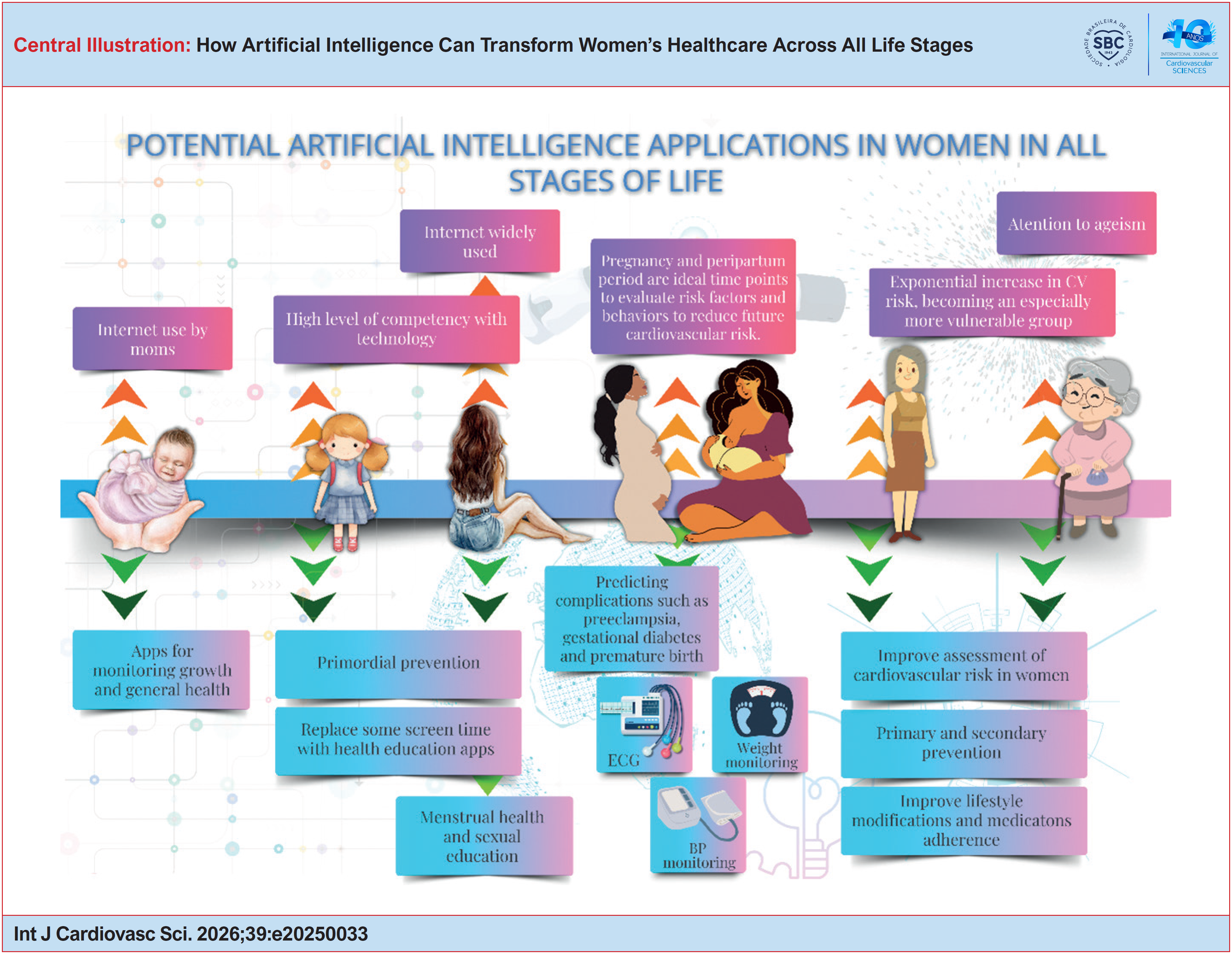
Below, we describe the application of AI in caring for the various phases of women's health (Central Illustration).
Childhood and adolescence
Compared to other medical fields, research on AI in pediatric care remains underrepresented. Existing studies show promising results, indicating potential for earlier, faster, cost-effective, and less invasive detection.16
Algorithms can predict risk factors such as future obesity, hypertension, dyslipidemia, and diabetes based on clinical history and physical examination. AI can also be used as an educational tool for primordial prevention, supporting the monitoring of children with neonatal complications.
Machine learning (ML) methods may be employed to track children affected by pre-, peri-, and postnatal complications – such as preeclampsia, maternal substance abuse during pregnancy, premature birth, very low birth weight, neonatal asphyxia, and cerebral hemorrhage – which place them at high risk for developmental delays.16
New generations make extensive use of the internet and demonstrate a high level of technological proficiency. Existing literature has already shown that adolescents search for health information online. Given the growing internet use among young people, it is important to develop eHealth literacy for this group.17
During adolescence, AI can play a crucial role in monitoring menstrual health and puberty, helping girls better understand their bodies and menstrual cycles. It can also significantly support the tracking of female-specific risk factors during this reproductive phase, including polycystic ovary syndrome and early menarche. Another important application lies in sexual and reproductive health education, supporting strategies for the prevention of sexually transmitted infections (STIs) and teenage pregnancies.18
Although the highest burden of diseases affecting children and adolescents is concentrated in low- and middle-income countries (LMICs), most AI and ML applications in pediatrics have been developed in a limited number of high-income countries (HICs). Governance issues are critical, requiring the implementation of national and international guidelines and regulatory frameworks to ensure the safe, ethical, and effective use of these technologies in pediatric care. This includes the protection of sensitive data and the mitigation of algorithmic biases that may perpetuate inequalities and stigmas. To prevent AI and ML systems from exacerbating disparities in pediatric care, research and development initiatives in LMICs must consider local needs and the specific challenges of child and adolescent health. Among these challenges, addressing issues such as teenage pregnancy is particularly important to ensure that the solutions developed are applicable and effective in these contexts.18
The active participation of children, adolescents, and their caregivers is essential in this process. Integrating pediatric health expertise into interdisciplinary teams working with AI in healthcare is crucial to ensure that these technologies truly meet the needs of the populations they are intended to benefit. This approach should be adopted as a standard in both HICs and LMICs. Furthermore, strategies such as ethical data sharing, collaborative research partnerships, and technological development beyond the borders of HICs are indispensable for enabling girls and adolescents to benefit from AI-based primordial and primary prevention programs. Such measures are fundamental to reducing inequalities in child and adolescent health on a global scale.18
The use of AI to predict future risks to women's health from childhood – by integrating genetic, environmental, and behavioral data, along with wearables for detecting hormonal imbalances – provides personalized insights into development and represents future opportunities for AI applications in childhood and adolescence. UNICEF's guidance on AI and children emphasizes the importance of partnering with young people to co-design innovations.19
Reproductive age
Target 3.7 of the Sustainable Development Goals aims to ensure universal access to sexual and reproductive health services by 2030, including family planning, information, education, and the integration of these actions into national strategies. AI enhances the prediction and selection of sperm cells, in vitro fertilization models, gestational screening, and infertility management.20 Algorithms improve the accuracy of menstrual calendars and personalize fertility treatments – from gamete selection to embryo choice – boosting success rates.21 Additionally, AI can help reduce unsafe abortions and support the prevention and treatment of STIs, which is especially relevant in developing countries that need to establish ethical guidelines and strategies for the incorporation of these technologies, ensuring equitable access for healthcare professionals and women from diverse socioeconomic backgrounds.20
In adulthood, AI supports menstrual cycle management, fertility, family planning, early detection of gynecological cancers, and monitoring of chronic diseases. Chatbots provide assistance to victims of abuse and domestic violence.22 Implementation faces challenges such as limited access in rural areas and the need for professional training.22
Pregnancy
CVD are the leading cause of death during pregnancy and the postpartum period, targeted cardiovascular screening in the obstetric population is imperative.23 AI facilitates early pregnancy detection, genetic screening, and continuous monitoring of maternal health, providing real-time alerts for clinical changes. It also enables early identification of fetal abnormalities through advanced ultrasound analysis, supporting informed decision-making during prenatal care.
The integration of AI has the potential to revolutionize clinical practice in maternal-fetal health by enhancing diagnostic accuracy, enabling robust predictive modeling, and supporting personalized interventions.24 It is possible to predict risks such as preeclampsia, gestational diabetes, and preterm birth. Wearables assist in continuous maternal and fetal monitoring, while electrocardiogram-based algorithms allow for early detection of peripartum cardiomyopathies.
Despite challenges and limitations, AI significantly contributes to improving prenatal care, reducing risks for both mother and fetus, and enhancing maternal and fetal outcomes.8,23-26
Menopausal transition
Menopause significantly increases CVR27 and represents approximately one-third of a woman's life. Vasomotor symptoms – such as hot flashes and night sweats – can greatly impact quality of life and are correlated with CVR.28 This phase also affects mental health, contributing to anxiety, depression, and cognitive changes, including memory impairment.25 AI-powered mental health applications can offer personalized interventions to help women navigate the emotional challenges of this stage, promoting overall well-being.29
AI models have proven valuable in risk stratification and the development of personalized preventive strategies.29 Virtual assistants powered by AI can provide relevant information about menopausal symptoms, helping women make more informed decisions regarding therapeutic options and lifestyle changes — an essential component of any care plan.8,29,30
The use of ML has shown great potential in the field of cognitive health in recent years. By identifying patterns and trends in large volumes of data, these models can handle multiple complex variables and generate reliable predictions. In a recent study involving more than 1,200 nurses undergoing the menopausal transition (MT), researchers developed and validated an ML model capable of identifying women with severe subjective cognitive decline, as well as mapping associated factors. These findings offer new guidance for interventions aimed at preserving cognitive health during MT.31
On the provider side, healthcare systems can also leverage AI to personalize the need and frequency of screenings (rather than relying on traditional general recommendations) and send notifications and reminders through mobile technologies.25
A large and growing body of evidence supports the use of AI across all modalities of cardiac imaging, contributing both to the acquisition and interpretation of imaging data and to the application of risk prediction algorithms. This enables earlier diagnoses — a particularly relevant and desirable factor in the context of rising CVR.24
Apps such as MenoBox, Health&Her, Caria, Evia, Balance, Olivia, and Ressigniflix offer personalized support for symptom management and complication prevention.
Menopause and postmenopause in advanced age
AI has the potential to revolutionize menopause management by providing personalized, efficient, and evidence-based solutions for both patients and healthcare professionals. Its use can enhance the quality of care, optimize treatment outcomes, and empower women to navigate the MT, fostering a deeper understanding of the physical, psychological, and cognitive changes associated with this stage of life. Through advanced algorithms, AI can identify women at higher risk of menopause-related complications – such as osteoporosis, CVD, and cognitive decline – offering personalized risk assessments and targeted preventive strategies. This approach enables early interventions and helps minimize the risks inherent to reproductive aging.32
The incidence of depressive syndrome among menopausal women ranges from 5.9% to 23.8%, with the likelihood of experiencing depressed mood being two to three times higher during perimenopause compared to premenopause. The use of ML has played a key role in predicting depression among menopausal women, enabling earlier diagnosis and facilitating timely interventions.32
Although older women often face barriers in adopting digital technologies, AI can strengthen secondary prevention by personalizing screenings for osteoporosis and CVD. Predictive algorithms can recommend appropriate tests and optimize therapies, while biometric monitoring technologies (BioMeTs) support cardiac rehabilitation and medication adherence.13,21,24
Home-based cardiac rehabilitation, although not a new concept, has already been shown to improve participation rates among women and increase physical activity levels. Today, digital technologies go beyond simple monitoring, enabling direct tracking and encouragement of rehabilitation activities performed at home.21
Several BioMeTs and smartphone applications are commercially available for monitoring physical activity. These tools can be particularly useful for women with qualified indications for cardiac rehabilitation, although many of these devices lack validation for use in patients with heart disease.21
However, the World Health Organization (WHO) warns of the risk of ageism in the use of AI in healthcare. The organization's report highlights that new technologies may exacerbate or introduce new forms of ageism and outlines legal, non-legal, and technical measures that can be used to minimize these risks and maximize the benefits for older adults as AI adoption expands.33
Challenges include the need to insert data from older women in model training datasets; overcoming technological barriers faced by elderly women; and the limitations of many algorithms that function as "black boxes," making it difficult for healthcare professionals to understand their decision-making processes and trust their outputs.
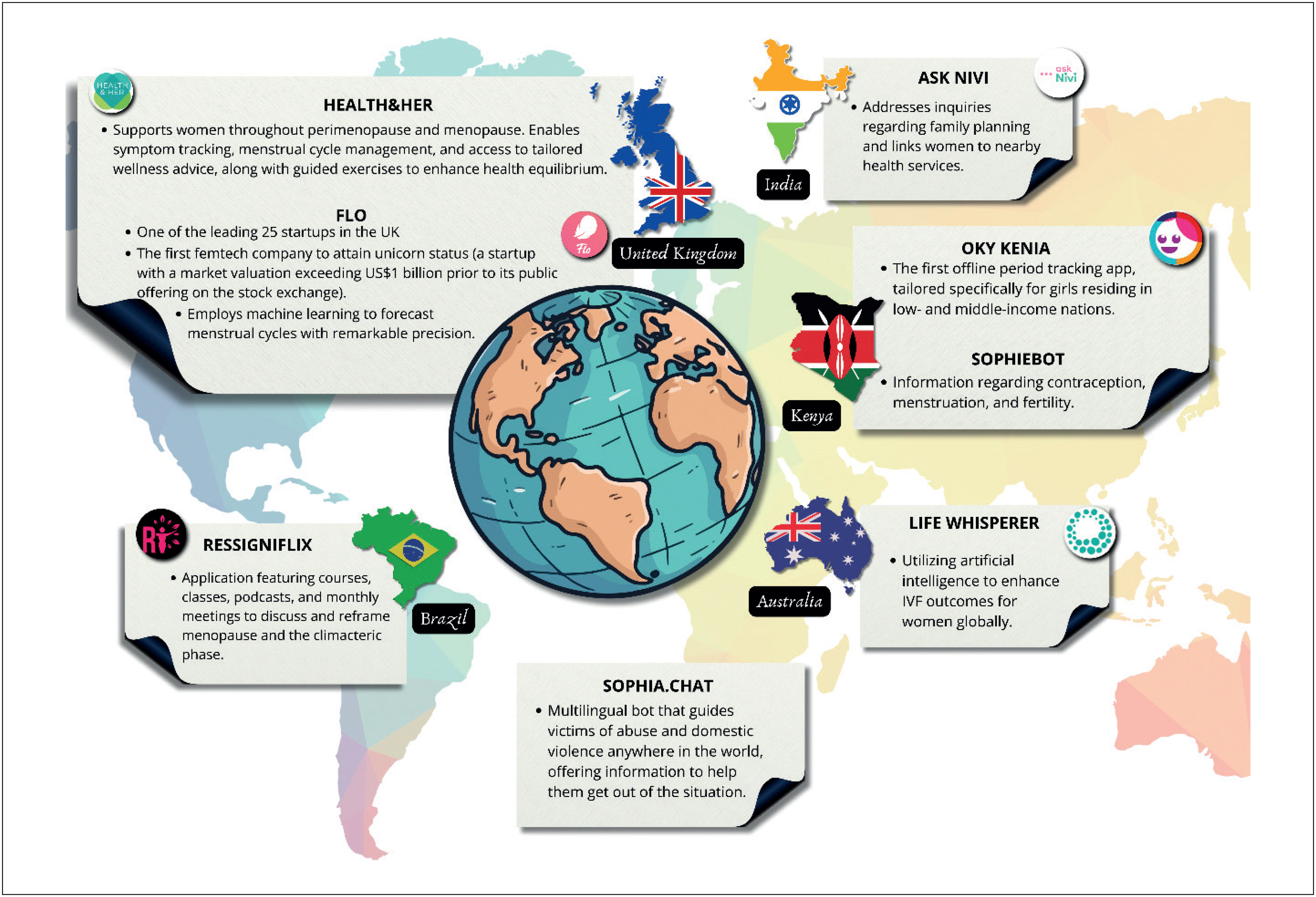
Figure 1 presents several successful initiatives involving the use of AI across different stages of women's lives.19,22,34,35
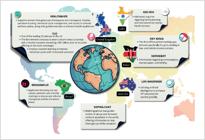
Successful artificial intelligence initiatives across the different stages of women's lives. Childhood and adolescence: apps related to menstrual cycle tracking. Reproductive age: information on sexual and reproductive health, family planning, and improved In vitro fertilization outcomes. Menopausal transition: personalized support for women during menopause, assisting in decision-making around treatments and self-care.
AI applications in imaging diagnostics
Among the major advancements, AI has been widely used in the early detection and diagnosis of gynecological conditions such as cervical and ovarian cancer, through enhanced analysis of medical imaging, including colposcopy and ultrasound. Additionally, ML-based predictive models have shown effectiveness in risk stratification for gynecological diseases, enabling more personalized therapeutic approaches.36
Studies like Mammography Screening with Artificial Intelligence (MASAI) demonstrate that AI has the potential to improve early detection of clinically relevant breast cancer without unduly increasing the harm of false positives or the overdiagnosis of low-grade in situ cancers. It also helps reduce radiologists’ workload without compromising diagnostic accuracy.37
In the field of urogynecology, AI has been applied to the automated analysis of urodynamic tests and to predicting the progression of conditions such as urinary incontinence and pelvic organ prolapse, contributing to a more precise and individualized approach to managing these disorders. It is also used to optimize treatments for hormonal disorders and to personalize reproductive care, including advancements in in vitro fertilization and infertility diagnosis.38
Regarding the use of AI in cardiac magnetic resonance imaging analysis, there has been a significant improvement in detecting myocardial inflammation and scarring.38,39
Femtechs in Brazil
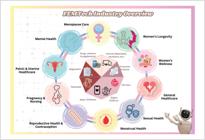
Femtechs are gaining prominence in Brazil, developing products and services that promote women's well-being, covering areas such as menstrual cycle, mental health, and sexual health.40-42
According to the Inside Healthtech Report, published by Hub Distrito, there are currently around 23 Femtechs in the country, highlighting the growth of the market and the increasing interest in technological solutions for women's health.
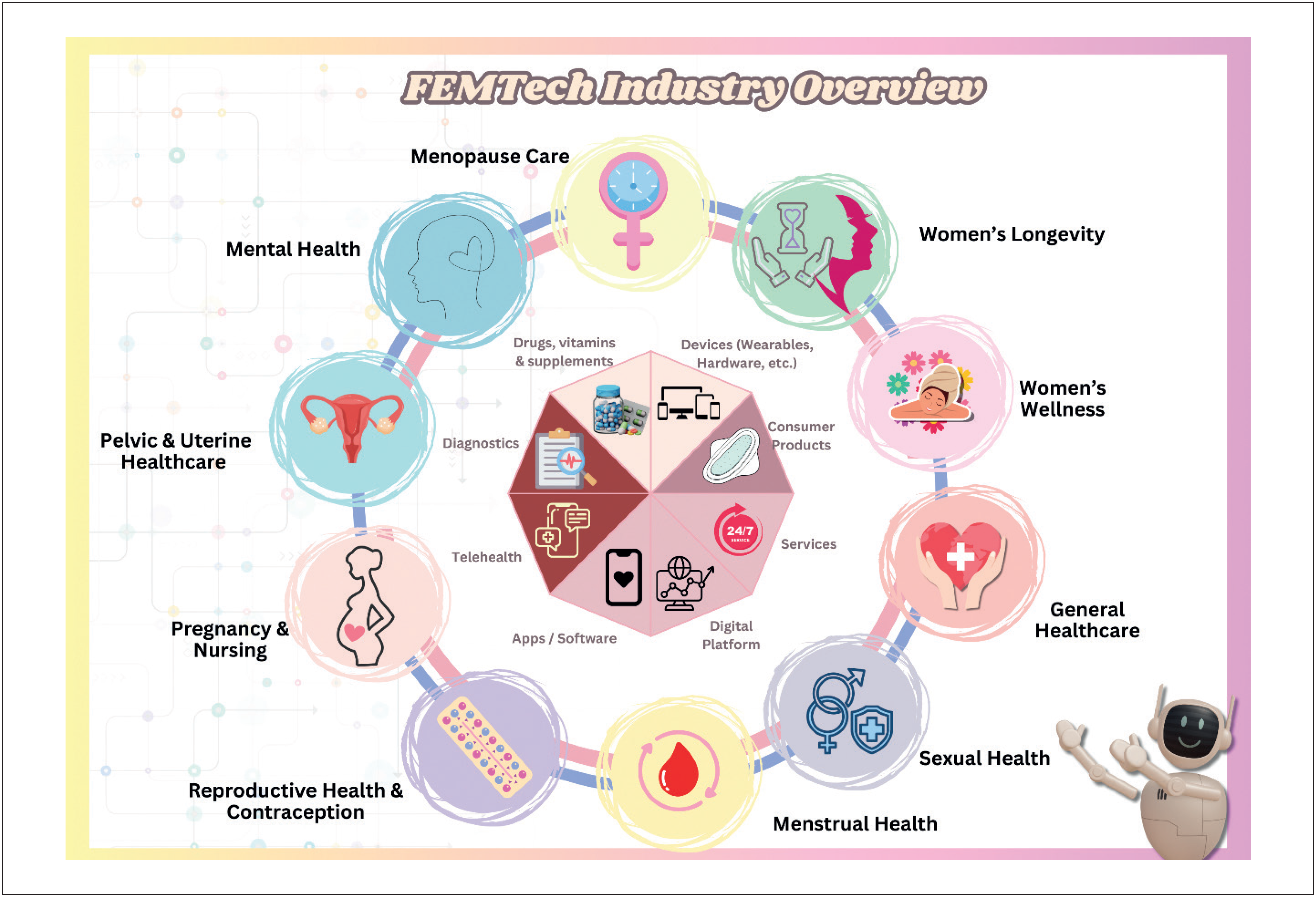
Figure 2 presents various Femtech initiatives across the different stages of women's lives.
Ethical issues
Data security and privacy are central concerns in the use of AI in healthcare. Compliance with the General Data Protection Law requires robust measures, including secure infrastructure, team training, informed consent, and transparency regarding algorithmic biases.
Algorithmic bias affects women's healthcare, particularly in the detection and prediction of CVD. The article by Mihan et al.43 presents several case studies illustrating these risks. A study conducted by Vanderbilt University Medical Center evaluated ML models for CVR prediction in over 100,000 patients and found poorer performance in women, with lower true positive rates and positive predictive values compared to men.44 In other words, AI was less effective in correctly identifying women at risk for CVD, which may lead to delayed or underestimated diagnoses in female patients. Another study reviewed algorithms trained to predict heart failure using electrocardiograms. Researchers observed that these algorithms performed slightly worse in women than in men, highlighting a gender bias in recognizing disease-related patterns.
These real-world examples demonstrate that AI algorithms trained on datasets that do not adequately represent women or historically marginalized groups can exacerbate health disparities, leading to inaccurate diagnoses, treatment delays, and poorer clinical outcomes.
Therefore, the literature shows that algorithmic bias is not merely a theoretical concern, but a practical and current challenge in promoting equity in access to and quality of women's healthcare.
Ensuring patient rights and equitable treatment is essential for the ethical development and responsible application of AI in healthcare.45
Future perspectives
The evolution of AI in medicine points toward the development of increasingly integrated and personalized systems. Ongoing research is focused on creating more accurate and reliable models by leveraging larger datasets and advanced algorithms to enhance diagnostic and therapeutic capabilities.
The integration of AI with genomic data is emerging as a milestone for personalized medicine, enabling more precise risk assessments, early detection of genetic disorders, and the creation of treatment plans tailored to individual genetic profiles.44
The fusion of AI with wearables and telemedicine can improve treatment adherence and enable continuous monitoring of women's health.
Explainable AI models tend to increase technology acceptance among both healthcare professionals and patients, including those in remote areas.
This scoping review mapped evidence on the use of AI in women's health across the life cycle, identifying trends and gaps — particularly in the integration of specific data and the evaluation of impact on clinical outcomes. These gaps represent opportunities for future research with more robust designs, such as clinical trials and systematic reviews, aimed at expanding the safe and effective application of AI.
Conclusion
AI has a revolutionary impact on women's health throughout the life course, enabling early diagnoses, personalized treatments, and improved access to care. However, challenges remain, including data quality and representativeness, equitable access, and algorithmic bias, which can perpetuate existing inequalities.
Data privacy and security require robust governance and transparency. To expand the benefits of AI — especially in developing countries — it is essential to invest in training, digital infrastructure, and public policies that promote inclusion and equitable access. Future research should focus on developing algorithms tailored to local realities, taking into account cultural, socioeconomic, and epidemiological diversity, and exploring models capable of operating with limited or variable-quality data.
Finally, building multidisciplinary partnerships involving governments, the private sector, academia, and local communities will be crucial to overcoming technical, ethical, and social barriers. This will ensure that AI contributes to reducing inequalities and promotes more fair, accessible, and effective healthcare for all women.
-
Sources of funding
There were no external funding sources for this study.
-
Study association
This study is not associated with any thesis or dissertation work.
-
Ethics approval and consent to participate
This article does not contain any studies with human participants or animals performed by any of the authors.
-
Use of Artificial Intelligence
The authors did not use any artificial intelligence tools in the development of this work.
Data Availability Statement
The underlying content of the research text is contained within the manuscript.
References
-
1 World Heart Federation. Women & CVD [Internet]. Geneva: World Heart Federation; 2024 [cited 2025 Dec 2]. Available from: https://world-heart-federation.org/what-we-do/women-cvd
» https://world-heart-federation.org/what-we-do/women-cvd -
2 Kotit S, Yacoub M. Cardiovascular Adverse Events in Pregnancy: A Global Perspective. Glob Cardiol Sci Pract. 2021;2021(1):e202105. doi: 10.21542/gcsp.2021.5.
» https://doi.org/10.21542/gcsp.2021.5 -
3 Oliveira GMM, Brant LCC, Polanczyk CA, Malta DC, Biolo A, Nascimento BR, et al. Cardiovascular Statistics - Brazil 2023. Arq Bras Cardiol. 2024;121(2):e20240079. doi: 10.36660/abc.20240079.
» https://doi.org/10.36660/abc.20240079 -
4 Oliveira GMM, Almeida MCC, Rassi DDC, Bragança ÉOV, Moura LZ, Arrais M, et al. Position Statement on Ischemic Heart Disease - Women-Centered Health Care - 2023. Arq Bras Cardiol. 2023;120(7):e20230303. doi: 10.36660/abc.20230303.
» https://doi.org/10.36660/abc.20230303 -
5 Garcia M, Mulvagh SL, Merz CN, Buring JE, Manson JE. Cardiovascular Disease in Women: Clinical Perspectives. Circ Res. 2016;118(8):1273-93. doi: 10.1161/CIRCRESAHA.116.307547.
» https://doi.org/10.1161/CIRCRESAHA.116.307547 -
6 Merz CNB, Andersen H, Sprague E, Burns A, Keida M, Walsh MN, et al. Knowledge, Attitudes, and Beliefs Regarding Cardiovascular Disease in Women: The Women's Heart Alliance. J Am Coll Cardiol. 2017;70(2):123-32. doi: 10.1016/j.jacc.2017.05.024.
» https://doi.org/10.1016/j.jacc.2017.05.024 -
7 Cushman M, Shay CM, Howard VJ, Jiménez MC, Lewey J, McSweeney JC, et al. Ten-Year Differences in Women's Awareness Related to Coronary Heart Disease: Results of the 2019 American Heart Association National Survey: A Special Report from the American Heart Association. Circulation. 2021;143(7):e239-e248. doi: 10.1161/CIR.0000000000000907.
» https://doi.org/10.1161/CIR.0000000000000907 -
8 Mapari SA, Shrivastava D, Dave A, Bedi GN, Gupta A, Sachani P, et al. Revolutionizing Maternal Health: The Role of Artificial Intelligence in Enhancing Care and Accessibility. Cureus. 2024;16(9):e69555. doi: 10.7759/cureus.69555.
» https://doi.org/10.7759/cureus.69555 -
9 Kong AYH, Liu N, Tan HS, Sia ATH, Sng BL. Artificial Intelligence in Obstetric Anaesthesiology - The Future of Patient Care? Int J Obstet Anesth. 2025;61:104288. doi: 10.1016/j.ijoa.2024.104288.
» https://doi.org/10.1016/j.ijoa.2024.104288 -
10 Rowlison T. US National Science Foundation. Harnessing AI to Bridge Gaps in Women's Health Care [Internet]. Alexandria: National Science Foundation; 2024 [cited 2025 Dec 2]. Available from: https://new.nsf.gov/science-matters/harnessing-ai-bridge-gaps-womens-health-care
» https://new.nsf.gov/science-matters/harnessing-ai-bridge-gaps-womens-health-care -
11 Khera R, Oikonomou EK, Nadkarni GN, Morley JR, Wiens J, Butte AJ, et al. Transforming Cardiovascular Care with Artificial Intelligence: From Discovery to Practice: JACC State-of-the-Art Review. J Am Coll Cardiol. 2024;84(1):97-114. doi: 10.1016/j.jacc.2024.05.003.
» https://doi.org/10.1016/j.jacc.2024.05.003 -
12 Kleipaß U. Future of Health 6 – The AI (r)Evolution in Health: Artificial Intelligence and its Impact on Healthcare – Revolution or Evolution? [Internet]. Munich: Roland Berger; 2023 [cited 2025 Dec 2]. Available from: https://www.rolandberger.com/en/Insights/Publications/Future-of-health-6-The-AI-(r)evolution-in-health.html
» https://www.rolandberger.com/en/Insights/Publications/Future-of-health-6-The-AI-(r)evolution-in-health.html -
13 Azizi Z, Adedinsewo D, Rodriguez F, Lewey J, Merchant RM, Brewer LC. Leveraging Digital Health to Improve the Cardiovascular Health of Women. Curr Cardiovasc Risk Rep. 2023;17(11):205-14. doi: 10.1007/s12170-023-00728-z.
» https://doi.org/10.1007/s12170-023-00728-z -
14 Francis T, Frank M. Exame: Investir na Saúde da Mulher pode Adicionar US$ 13 Bilhões à Economia Brasileira por Ano [Internet]. São Paulo: Exame; 2024 [cited 2025 Dec 2]. Available from: https://exame.com/bussola/investir-na-saude-da-mulher-pode-adicionar-us-13-bilhoes-a-economia-brasileira-por-ano
» https://exame.com/bussola/investir-na-saude-da-mulher-pode-adicionar-us-13-bilhoes-a-economia-brasileira-por-ano -
15 El Sherbini A, Rosenson RS, Al Rifai M, Virk HUH, Wang Z, Virani S, et al. Artificial Intelligence in Preventive Cardiology. Prog Cardiovasc Dis. 2024;84:76-89. doi: 10.1016/j.pcad.2024.03.002.
» https://doi.org/10.1016/j.pcad.2024.03.002 -
16 Pokorny FB, Bartl-Pokorny KD, Qian K. Artificial Intelligence for Child Health and Wellbeing [Internet]. Lausanne: Frontiers; 2023 [cited 2025 Dec 2]. Available from: https://www.frontiersin.org/research-topics/53028/artificial-intelligence-for-child-health-and-wellbeing
» https://www.frontiersin.org/research-topics/53028/artificial-intelligence-for-child-health-and-wellbeing -
17 Park E, Kwon M. Health-Related Internet Use by Children and Adolescents: Systematic Review. J Med Internet Res. 2018;20(4):e120. doi: 10.2196/jmir.7731.
» https://doi.org/10.2196/jmir.7731 -
18 Muralidharan V, Schamroth J, Youssef A, Celi LA, Daneshjou R. Applied Artificial Intelligence for Global Child Health: Addressing Biases and Barriers. PLOS Digit Health. 2024;3(8):e0000583. doi: 10.1371/journal.pdig.0000583.
» https://doi.org/10.1371/journal.pdig.0000583 -
19 United Nations Children's Fund. UNICEF for Every Child. UNICEF Launches Oky Kenya, the First Period Tracker App Specifically Designed for Girls in Kenya {Internet]. New York: UNICEF; 2023 [cited 2025 Dec 2]. Available from: https://www.unicef.org/kenya/press-releases/unicef-launches-oky-kenya-first-period-tracker-app-specifically-designed-girls-kenya
» https://www.unicef.org/kenya/press-releases/unicef-launches-oky-kenya-first-period-tracker-app-specifically-designed-girls-kenya -
20 Gbagbo FY, Ameyaw EK, Yaya S. Artificial Intelligence and Sexual Reproductive Health and Rights: A Technological Leap Towards Achieving Sustainable Development Goal Target 3.7. Reprod Health. 2024;21(1):196. doi: 10.1186/s12978-024-01924-9.
» https://doi.org/10.1186/s12978-024-01924-9 -
21 World Health Organization. The Role of Artificial Intelligence in Sexual and Reproductive Health and Rights: Technical Brief. Geneva: WHO; 2023 [cited 2025 Dec 2]. Available from: https://iris.who.int/bitstream/handle/10665/376294/9789240090705-eng.pdf
» https://iris.who.int/bitstream/handle/10665/376294/9789240090705-eng.pdf -
22 Spring ACT. Sophia: The Chatbot [Internet]. Bern: Spring ACT; 2025 [cited 2025 Dec 2]. Available from: https://springact.org/sophia-chatbot
» https://springact.org/sophia-chatbot -
23 Yaseen I, Rather RA. A Theoretical Exploration of Artificial Intelligence's Impact on Feto-Maternal Health from Conception to Delivery. Int J Womens Health. 2024;16:903-15. doi: 10.2147/IJWH.S454127.
» https://doi.org/10.2147/IJWH.S454127 -
24 Adedinsewo DA, Pollak AW, Phillips SD, Smith TL, Svatikova A, Hayes SN, et al. Cardiovascular Disease Screening in Women: Leveraging Artificial Intelligence and Digital Tools. Circ Res. 2022;130(4):673-90. doi: 10.1161/CIRCRESAHA.121.319876.
» https://doi.org/10.1161/CIRCRESAHA.121.319876 -
25 Davis MB, Arany Z, McNamara DM, Goland S, Elkayam U. Peripartum Cardiomyopathy: JACC State-of-the-Art Review. J Am Coll Cardiol. 2020;75(2):207-21. doi: 10.1016/j.jacc.2019.11.014.
» https://doi.org/10.1016/j.jacc.2019.11.014 -
26 Adedinsewo DA, Johnson PW, Douglass EJ, Attia IZ, Phillips SD, Goswami RM, et al. Detecting Cardiomyopathies in Pregnancy and the Postpartum Period with an Electrocardiogram-Based Deep Learning Model. Eur Heart J Digit Health. 2021;2(4):586-96. doi: 10.1093/ehjdh/ztab078.
» https://doi.org/10.1093/ehjdh/ztab078 -
27 Oliveira GMM, Almeida MCC, Arcelus CMA, Neto Espíndola L, Rivera MAM, Silva-Filho ALD, et al. Brazilian Guideline on Menopausal Cardiovascular Health - 2024. Arq Bras Cardiol. 2024;121(7):e20240478. doi: 10.36660/abc.20240478.
» https://doi.org/10.36660/abc.20240478 -
28 Thurston RC, Vlachos HEA, Derby CA, Jackson EA, Brooks MM, Matthews KA, et al. Menopausal Vasomotor Symptoms and Risk of Incident Cardiovascular Disease Events in SWAN. J Am Heart Assoc. 2021;10(3):e017416. doi: 10.1161/JAHA.120.017416.
» https://doi.org/10.1161/JAHA.120.017416 -
29 Garg R, Munshi A. Revolutionizing Menopause Management: Harnessing the Potential of Artificial Intelligence. J Midlife Health. 2024;15(2):53-4. doi: 10.4103/jmh.jmh_104_24.
» https://doi.org/10.4103/jmh.jmh_104_24 -
30 Manson JE, Ames JM, Shapiro M, Gass ML, Shifren JL, Stuenkel CA, et al. Algorithm and Mobile App for Menopausal Symptom Management and Hormonal/Non-Hormonal Therapy Decision Making: A Clinical Decision-Support Tool from The North American Menopause Society. Menopause. 2015;22(3):247-53. doi: 10.1097/GME.0000000000000373.
» https://doi.org/10.1097/GME.0000000000000373 -
31 Zhao X, Shen X, Jia F, He X, Zhao D, Li P. Using Machine Learning Models to Identify Severe Subjective Cognitive Decline and Related Factors in Nurses during the Menopause Transition: A Pilot Study. Menopause. 2025;32(4):295-305. doi: 10.1097/GME.0000000000002500.
» https://doi.org/10.1097/GME.0000000000002500 -
32 Ali MM, Algashamy HAA, Alzidi E, Ahmed K, Bui FM, Patel SK, et al. Development and Performance Analysis of Machine Learning Methods for Predicting Depression among Menopausal Women. Healthcare Anal. 2023;3:100202. doi: 10.1016/J.HEALTH.2023.100202.
» https://doi.org/10.1016/J.HEALTH.2023.100202 -
33 World Health Organization. Ageism in Artificial Intelligence for Health: WHO Policy Brief [Internet]. Geneva: World Health Organization; 2022 [cited 2025 Dec 2]. Available from: https://iris.who.int/bitstream/handle/10665/351503/9789240040793-eng.pdf
» https://iris.who.int/bitstream/handle/10665/351503/9789240040793-eng.pdf -
34 SophieBot. Artificial Intelligence to Answer Your Questions on Sexual and Reproductive Health. Nairobi: SophieBot; 2025 [cited 2025 Dec 2]. Available from: https://www.sophiebot.ai
» https://www.sophiebot.ai -
35 AskNivi. askNivi – Chatbot for Sexual and Reproductive Health [Internet]. Delhi: askNivi; 2025 [cited 2025 Dec 2]. Available from: https://www.asknivi.in
» https://www.asknivi.in -
36 Brandão M, Mendes F, Martins M, Cardoso P, Macedo G, Mascarenhas T, et al. Revolutionizing Women's Health: A Comprehensive Review of Artificial Intelligence Advancements in Gynecology. J Clin Med. 2024;13(4):1061. doi: 10.3390/jcm13041061.
» https://doi.org/10.3390/jcm13041061 -
37 Hernström V, Josefsson V, Sartor H, Schmidt D, Larsson AM, Hofvind S, et al. Screening Performance and Characteristics of Breast Cancer Detected in the Mammography Screening with Artificial Intelligence Trial (MASAI): A Randomised, Controlled, Parallel-Group, Non-Inferiority, Single-Blinded, Screening Accuracy Study. Lancet Digit Health. 2025;7(3):e175-e183. doi: 10.1016/S2589-7500(24)00267-X.
» https://doi.org/10.1016/S2589-7500(24)00267-X -
38 Araújo-Filho JAB, Pinto IMF, Nomura CH. Artificial Intelligence and Diagnostic Imaging — Has the Future Come? Rev Soc Cardiol Estado de São Paulo. 2019;29(4):346-9. doi: 10.29381/0103-8559/20192904346-9.
» https://doi.org/10.29381/0103-8559/20192904346-9 -
39 Voltolini E, Dossena C, Teofilo RNF, Silva EF, Brandolim MJ, Gonçalves GHP, et al. O Uso da Inteligência Artificial (IA) como Mecanismo Analisador de Imagens de Ressonância Magnética Cardíaca para Detectar Inflamações e Cicatrizes no Músculo Cardíaco: Uma Revisão Sistemática. Braz J Implantol Health Sci. 2024;6(10):664-76. doi: 10.36557/2674-8169.2024v6n10p664-676.
» https://doi.org/10.36557/2674-8169.2024v6n10p664-676 -
40 Corsini C. Futuro da Saúde. Femtechs Conquistam Espaço e Prometem ser um Mercado Promissor [Internet]. São Paulo: Futuro Saúde; 2021 [cited 2025 Dec 2]. Available from: https://futurodasaude.com.br/femtechs-conquistam-espaco-e-prometem-ser-um-mercado-promissor
» https://futurodasaude.com.br/femtechs-conquistam-espaco-e-prometem-ser-um-mercado-promissor -
41 Espíndola LN, Grisolia AMM, Oliveira GMM. Digital Health - A Tool of Empowerment and Gender Equality? Arq Bras Cardiol. 2025;121(12):e20240739. doi: 10.36660/abc.20240739.
» https://doi.org/10.36660/abc.20240739 -
42 Tommaso SF, Oliveira SP, Plonski GA. The Power of Female Entrepreneurship: Scaling Solutions for Women's Health and Well-Being Through Femtechs. RISUS J Innov Sustain. 2023;14(3):64-83. doi: 10.23925/2179-3565.2023v14i3p64-83.
» https://doi.org/10.23925/2179-3565.2023v14i3p64-83 -
43 Mihan A, Pandey A, Van Spall HGC. Artificial Intelligence Bias in the Prediction and Detection of Cardiovascular Disease. NPJ Cardiovasc Health. 2024;1(31):1-8. doi: 10.1038/s44325-024-00031-9.
» https://doi.org/10.1038/s44325-024-00031-9 -
44 Li F, Wu P, Ong HH, Peterson JF, Wei WQ, Zhao J. Evaluating and Mitigating Bias in Machine Learning Models for Cardiovascular Disease Prediction. J Biomed Inform. 2023;138:104294. doi: 10.1016/j.jbi.2023.104294.
» https://doi.org/10.1016/j.jbi.2023.104294 -
45 Patel DJ, Chaudhari K, Acharya N, Shrivastava D, Muneeba S. Artificial Intelligence in Obstetrics and Gynecology: Transforming Care and Outcomes. Cureus. 2024;16(7):e64725. doi: 10.7759/cureus.64725.
» https://doi.org/10.7759/cureus.64725
Edited by
-
Editor responsible for the review:
Erito Marques