
 WOMEN IN PHYSICAL CULTURE CIRCLES: BODIES, NARRATIVES, AND DECOLONIAL PRACTICES
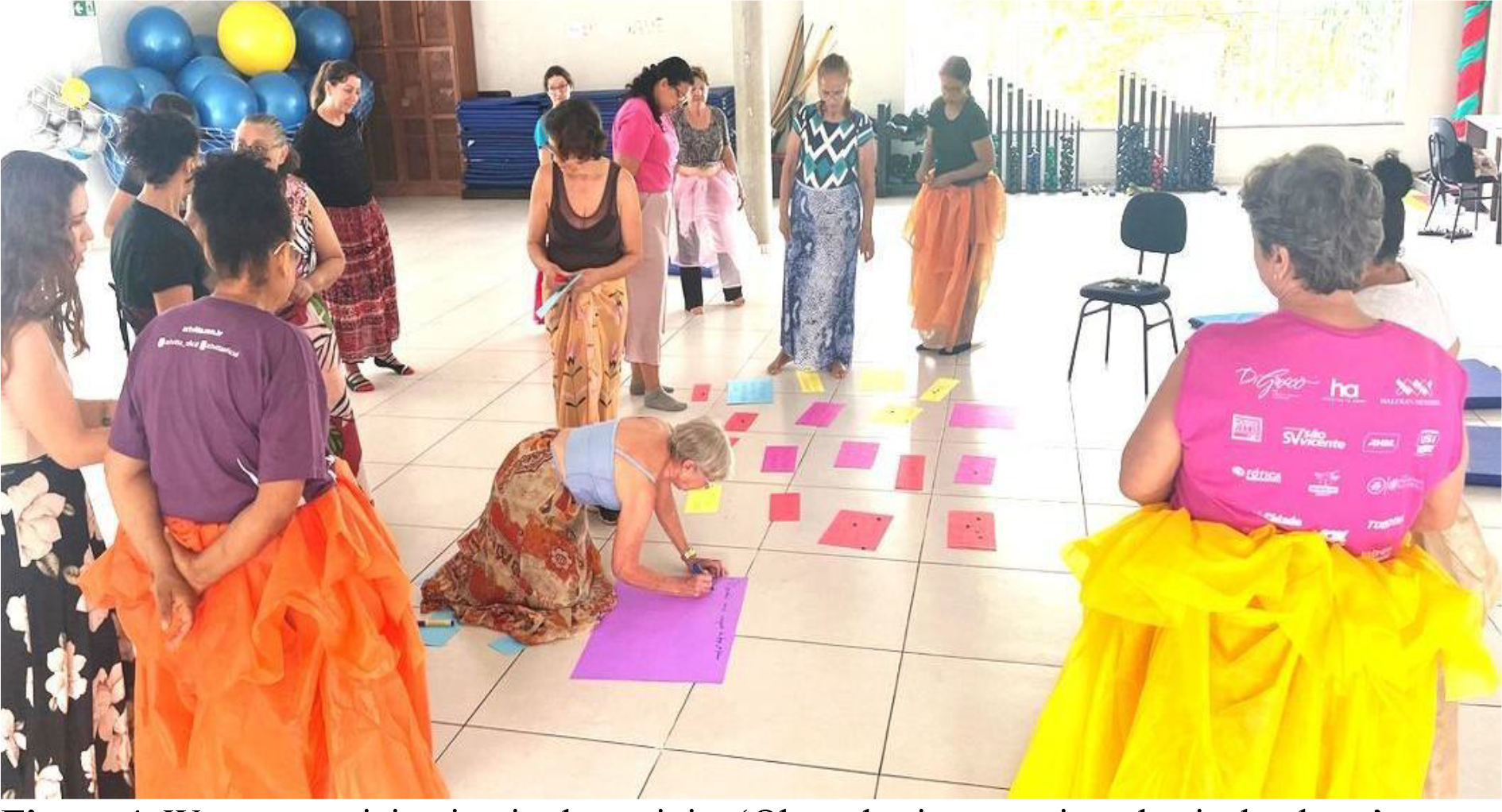
This study presents the physical culture circle developed with women in a local context, aiming to understand how their experiences are shaped by race/ethnicity, gender, and social class, as well as the difficulties they encounter in accessing physical culture. The research problem guiding this study consists in understanding how the physical culture circle can promote decolonial practices that contribute to the empowerment of these women. The project was carried out between March and October 2024 at a sports center in Maringá, Paraná, and involved the active participation of 14 women. Four stages guided the theoretical-methodological process: a) empirical and contextual reading; b) thematization/sensitization; c) experimentation/problematization; d) creative dialogical action. Data were recorded through field notes, photographs, and videos, and analyzed based on four axes: a) Who are these women?; b) Women and spirituality; c) What brings women closer to or distances them from physical culture?; d) What do they expect from public authorities? The project highlighted the diversity of ‘being a woman’ and the structural constraints that hinder access to physical culture, while also revealing the participants’ engagement in self-care and advocacy for qualified public policies. The physical culture circle proved to be powerful in fostering autonomy, critical awareness, and empowerment, while also offering resources for its situated replication in other contexts with a view to confronting coloniality.
Keywords:
Physical Culture Circle; Bodies; Women; Decoloniality.
 Thumbnail
 Thumbnail
 Thumbnail
 Thumbnail
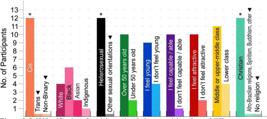 Thumbnail
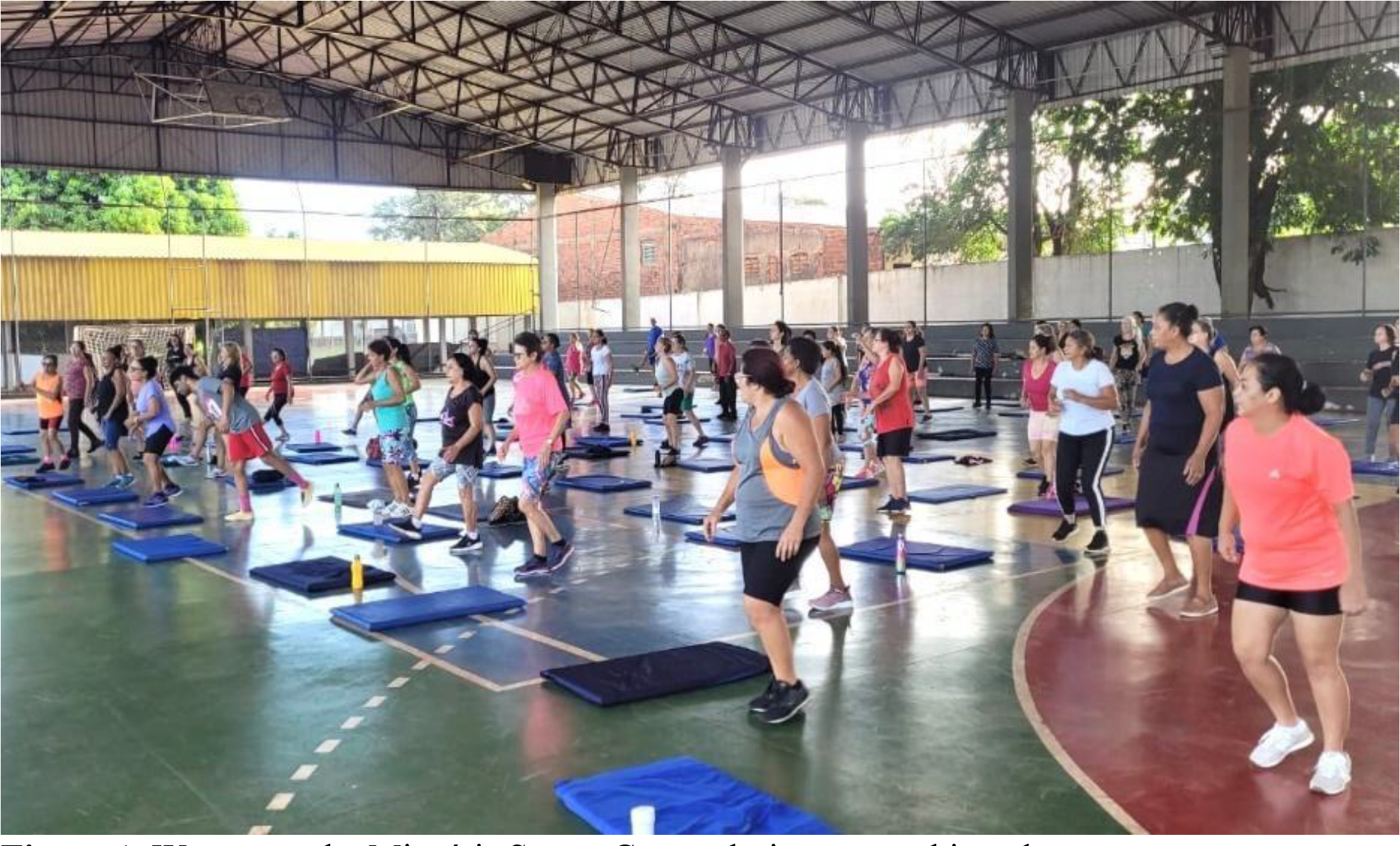 Source: the authors.
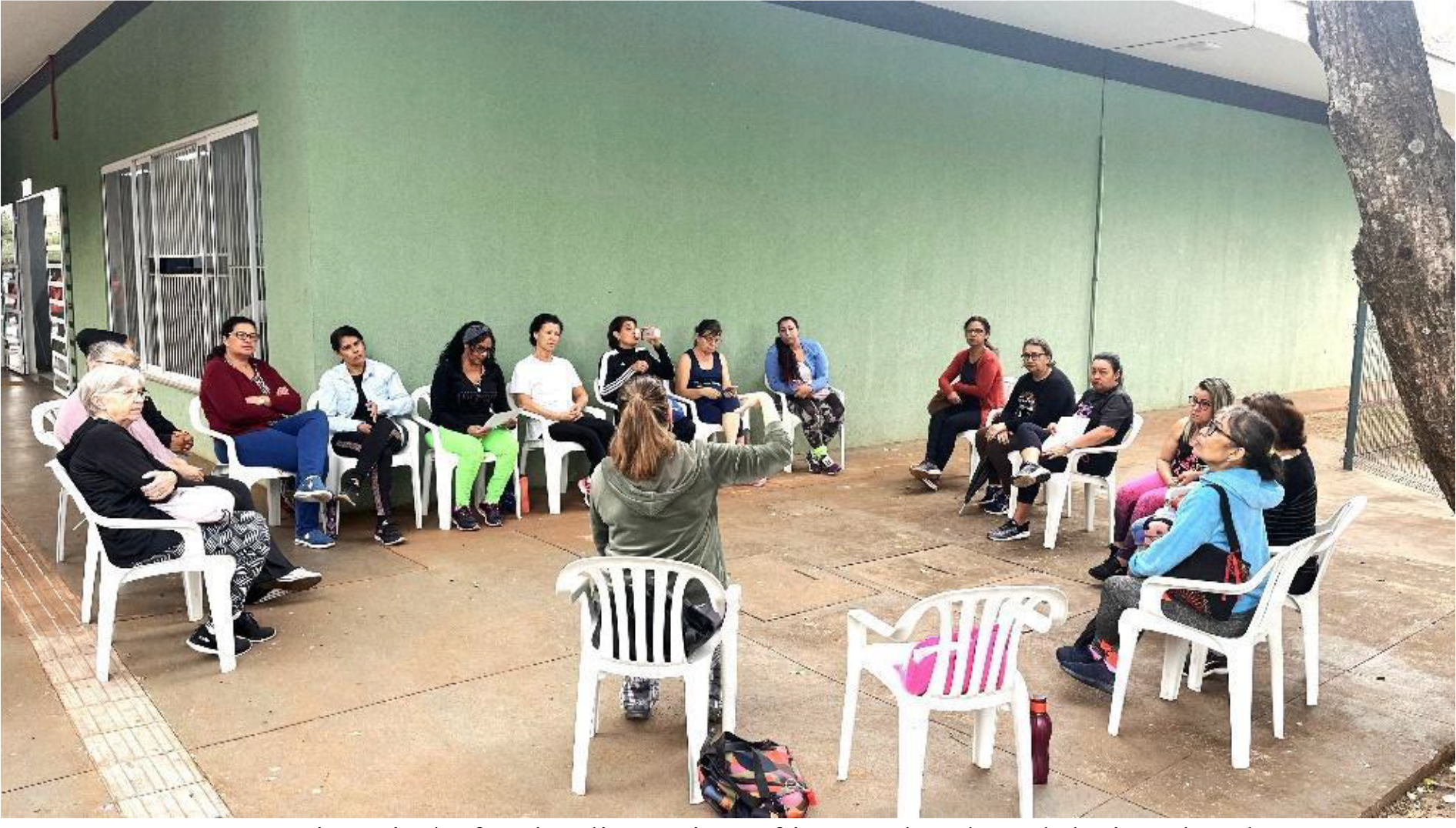 Source: the authors.
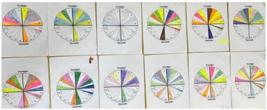
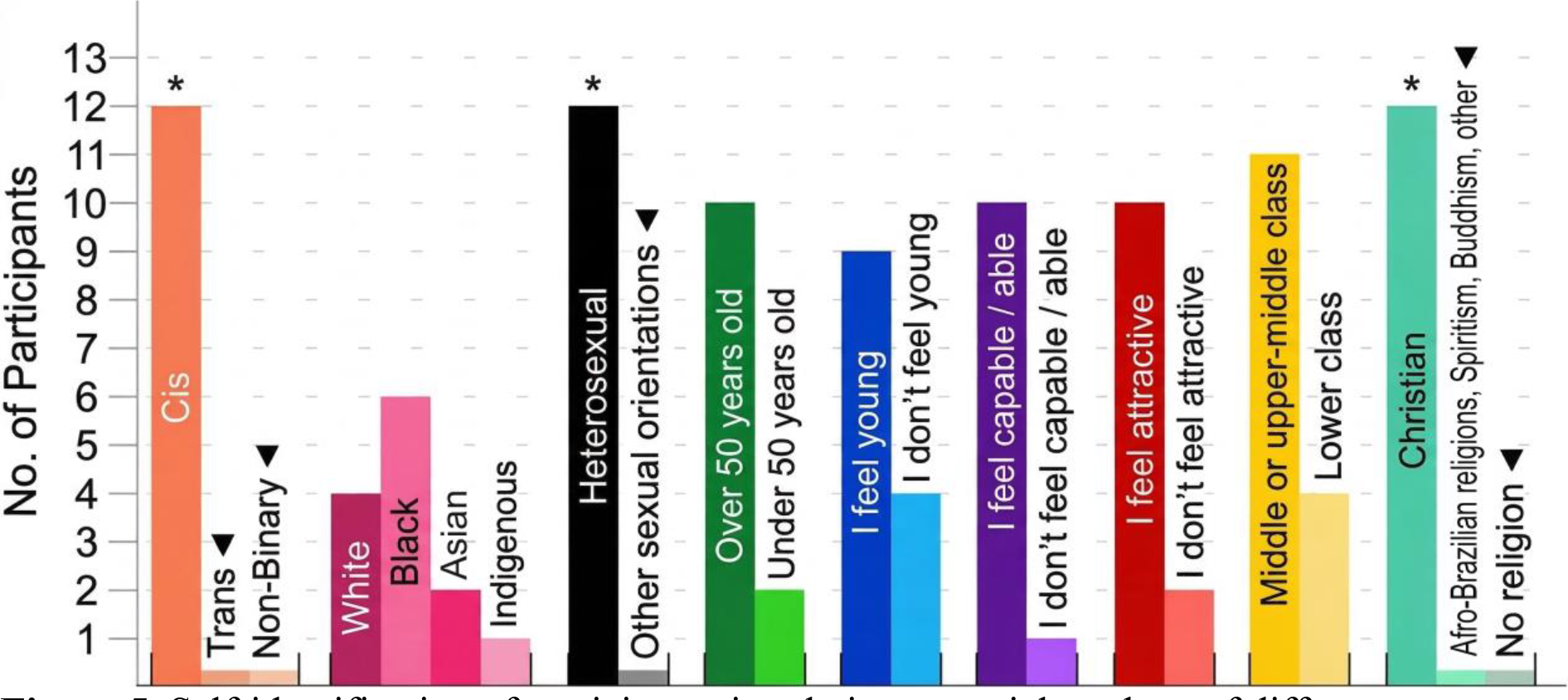
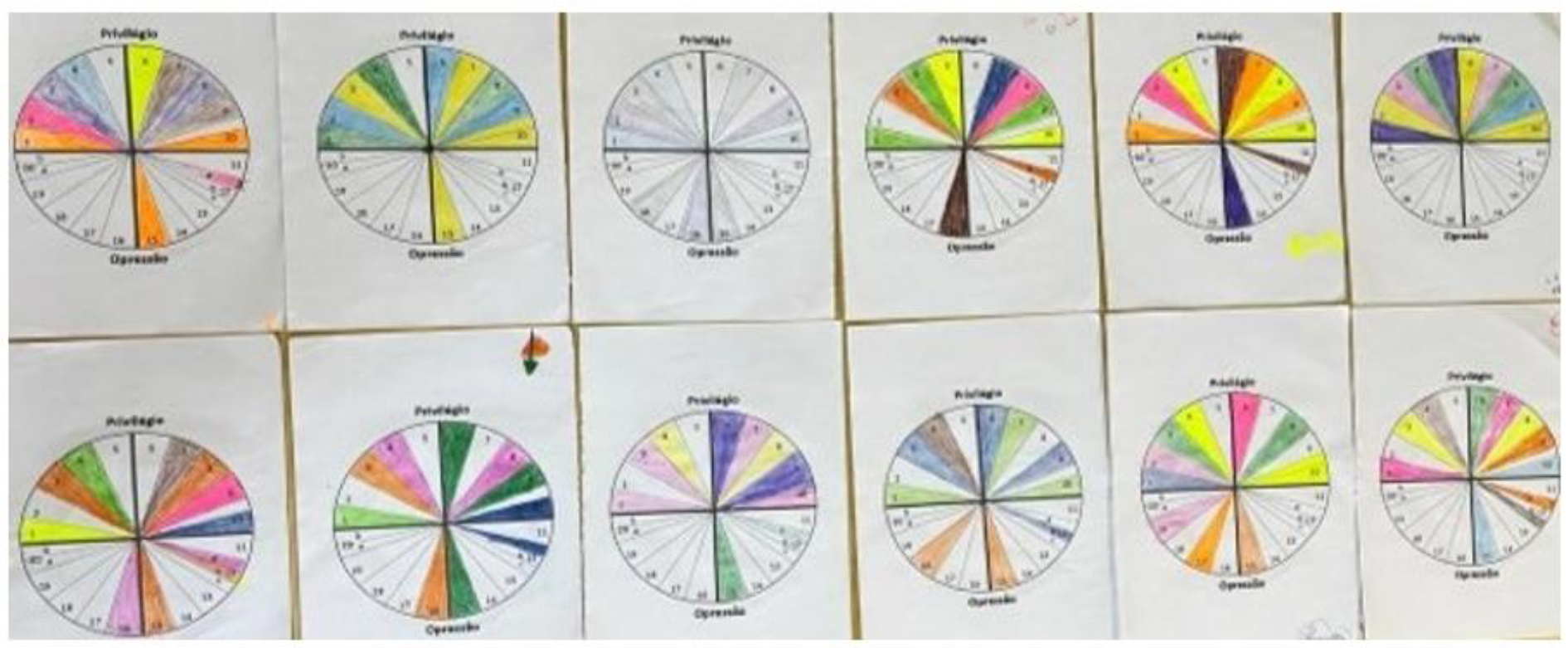 Legend: 1 I identify as a woman; 2 I identify as white; 3 I feel romantic, sexual, and affective attraction to men; 4 I identify with the sex assigned at birth; 5 I am under 50 years old; 6 I feel young; 7 I feel capable/able to do things; 8 I feel attractive; 9 I am middle or upper-middle class; 10 I identify with/am aligned with the Christian religion (e.g., Catholic; Protestant; Adventist; Pentecostal). The questions associated with situations of oppression were: 11 I do not identify as a woman; 12 (a) I identify as black (black or brown); 12 (b) I identify as Asian; 12 (c) I identify as Indigenous; 13 I feel romantic and affective attraction to people other than men; 14 I do not identify with the sex assigned at birth; 15 I am over 50 years old; 16 I do not feel young; 17 I do not feel capable/able to do things; 18 I do not feel attractive; 19 I am from a poor/working class background; 20 (a) I identify with/am drawn to Afro-Brazilian religions (e.g., Candomblé, Umbanda), Spiritism, Buddhism, or another; 20 (b) I have no religion.Source: the authors.
 Source: the authors.
 Source: the authors.