Effect of Austenitizing Temperature on the Retained Austenite and Carbide Fractions in SAE 52100 Steel after Quenching
Abstract
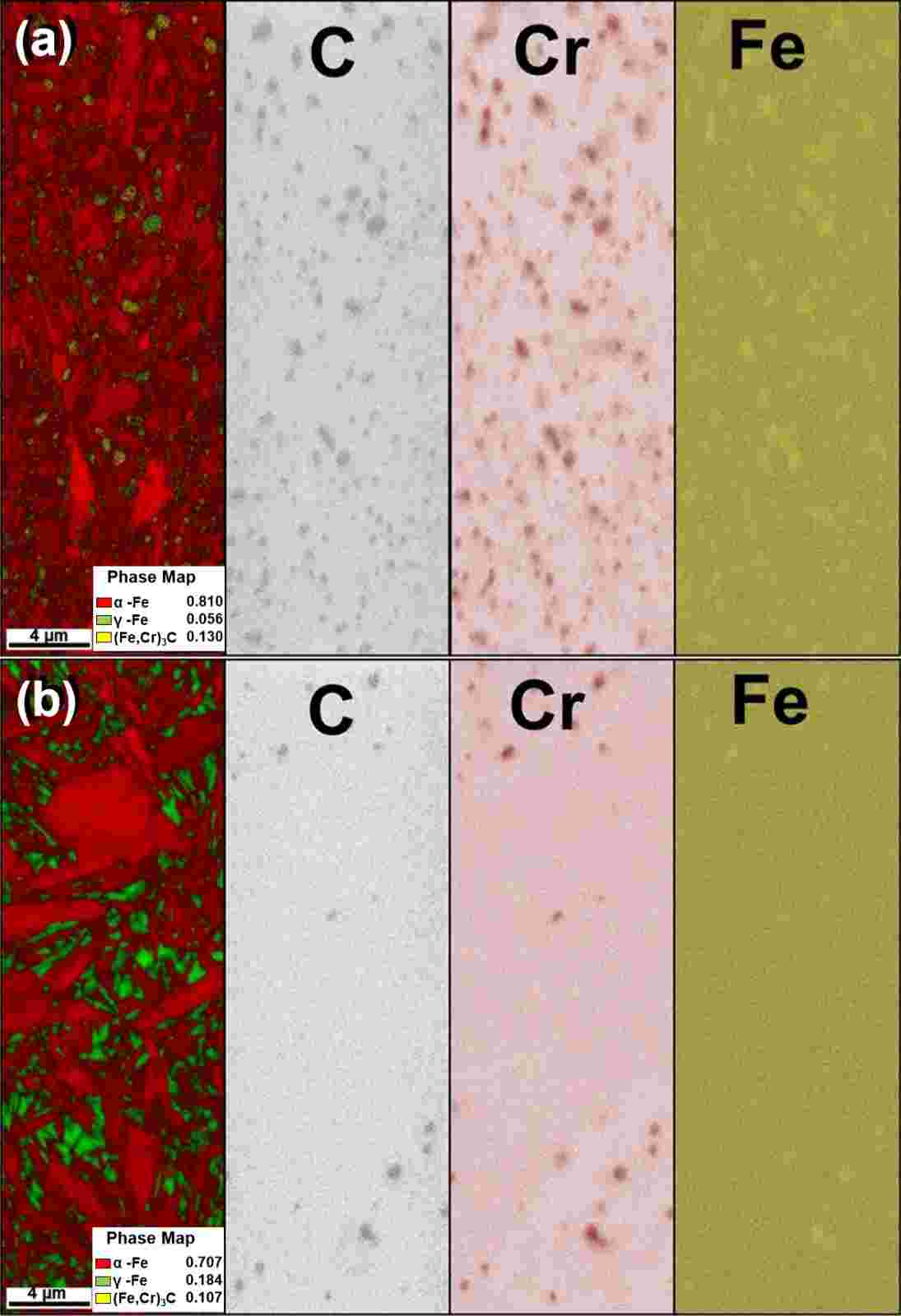
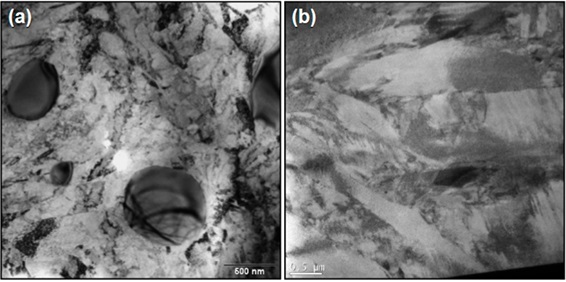
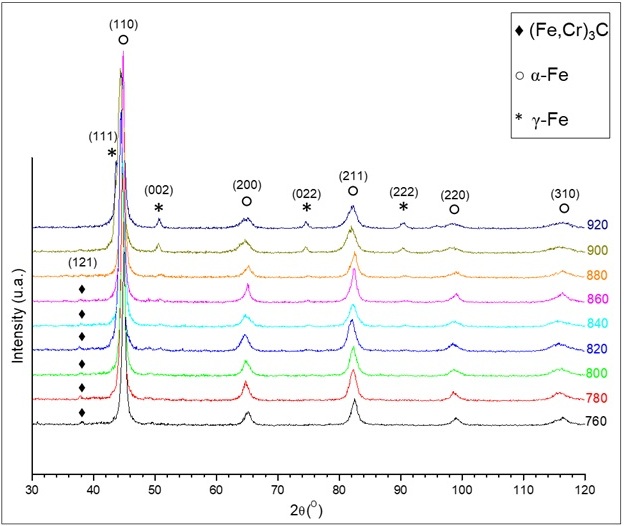
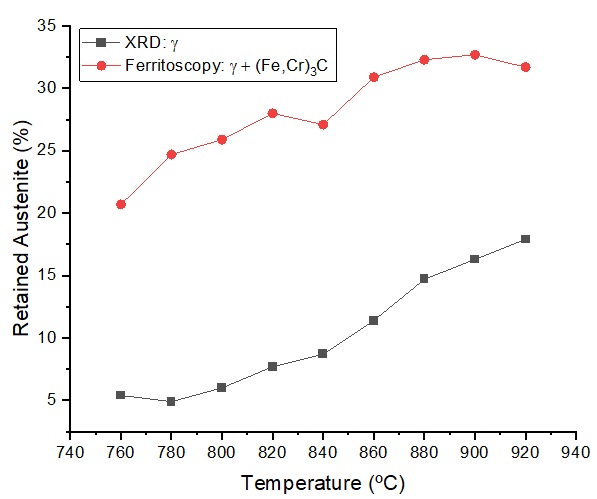
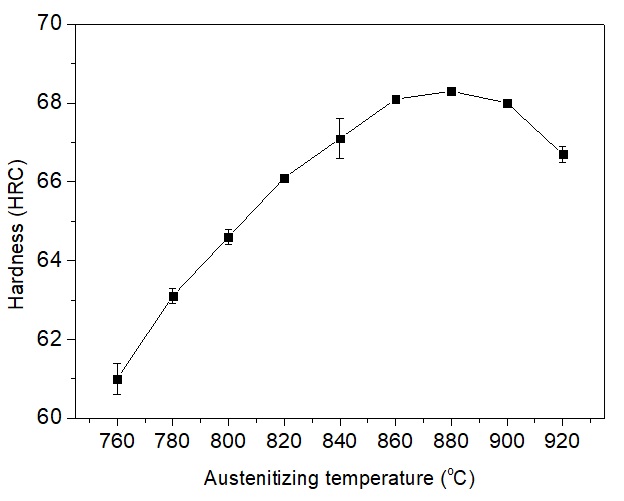
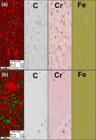
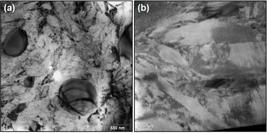
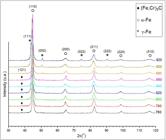
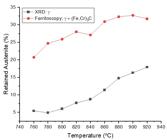
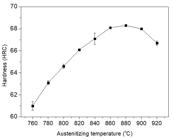
This study investigates the influence of austenitizing temperature on the retained austenite content and hardness of SAE 52100 steel. Nine samples were subjected to different austenitizing temperatures (760–920°C) followed by oil quenching. Microstructural and mechanical characterization techniques, including X-ray diffraction (XRD), ferritoscopy, electron backscatter diffraction (EBSD), transmission electron microscopy (TEM), and hardness test Rockwell were employed. The results indicate that the retained austenite content increases with higher austenitizing temperatures, and TEM and EBSD analyses revealed a reduction in carbide content at higher temperatures, along with an increase in martensite formation. Since ferritoscopy measures magnetic (martensite) versus non-magnetic (retained austenite + carbides) phases, the detected martensite fraction increased as the retained austenite decreased. Hardness measurements showed a direct correlation with austenitizing temperature, with the highest Rockwell hardness observed at 880 °C.
Keywords:
Austenitizing temperature; Retained austenite; Carbides; Hardness; SAE 52100 steel
 Thumbnail
 Thumbnail
 Thumbnail
 Thumbnail
 Thumbnail