Temporal genetic monitoring of juvenile Atlantic goliath grouper Epinephelus itajara (Perciformes: Epinephelidae) on the Brazilian central coast
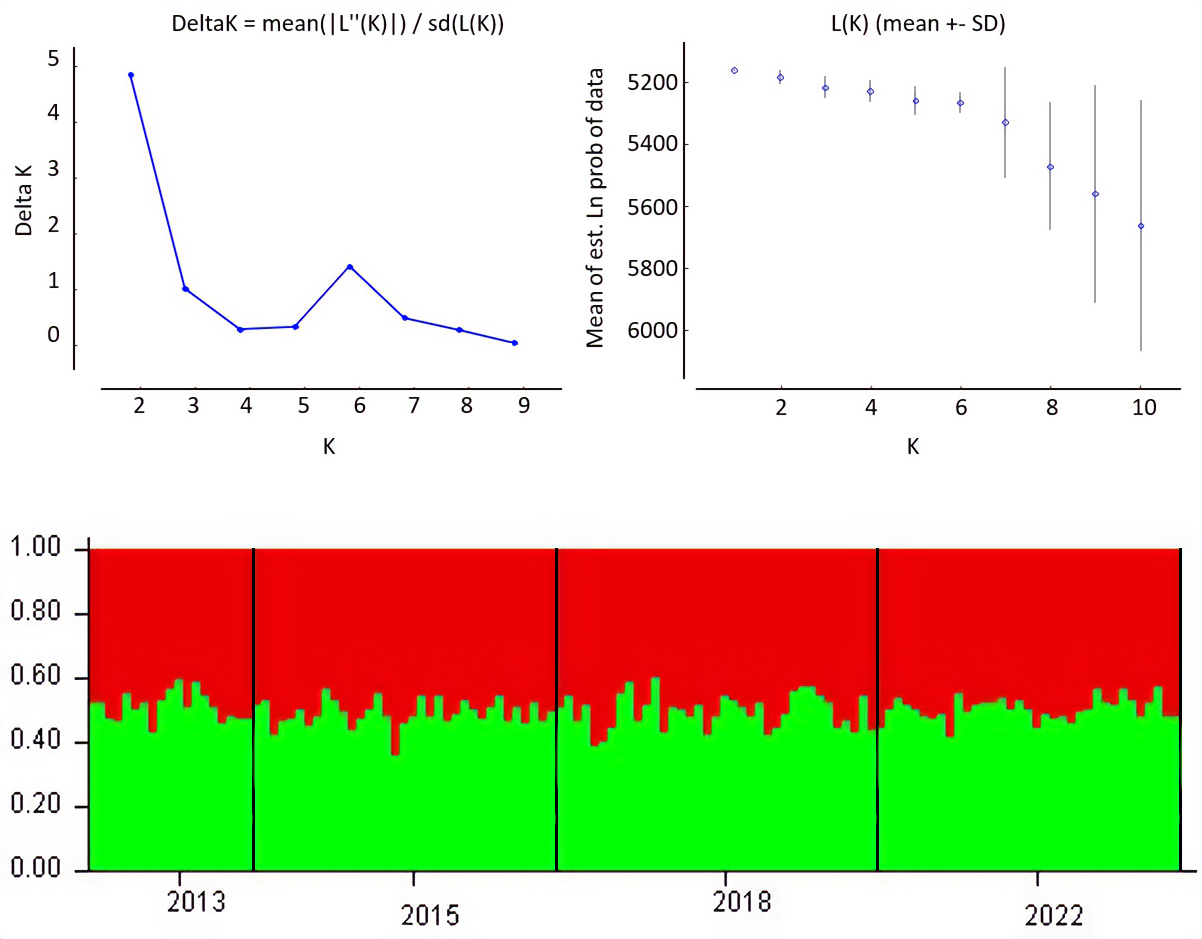
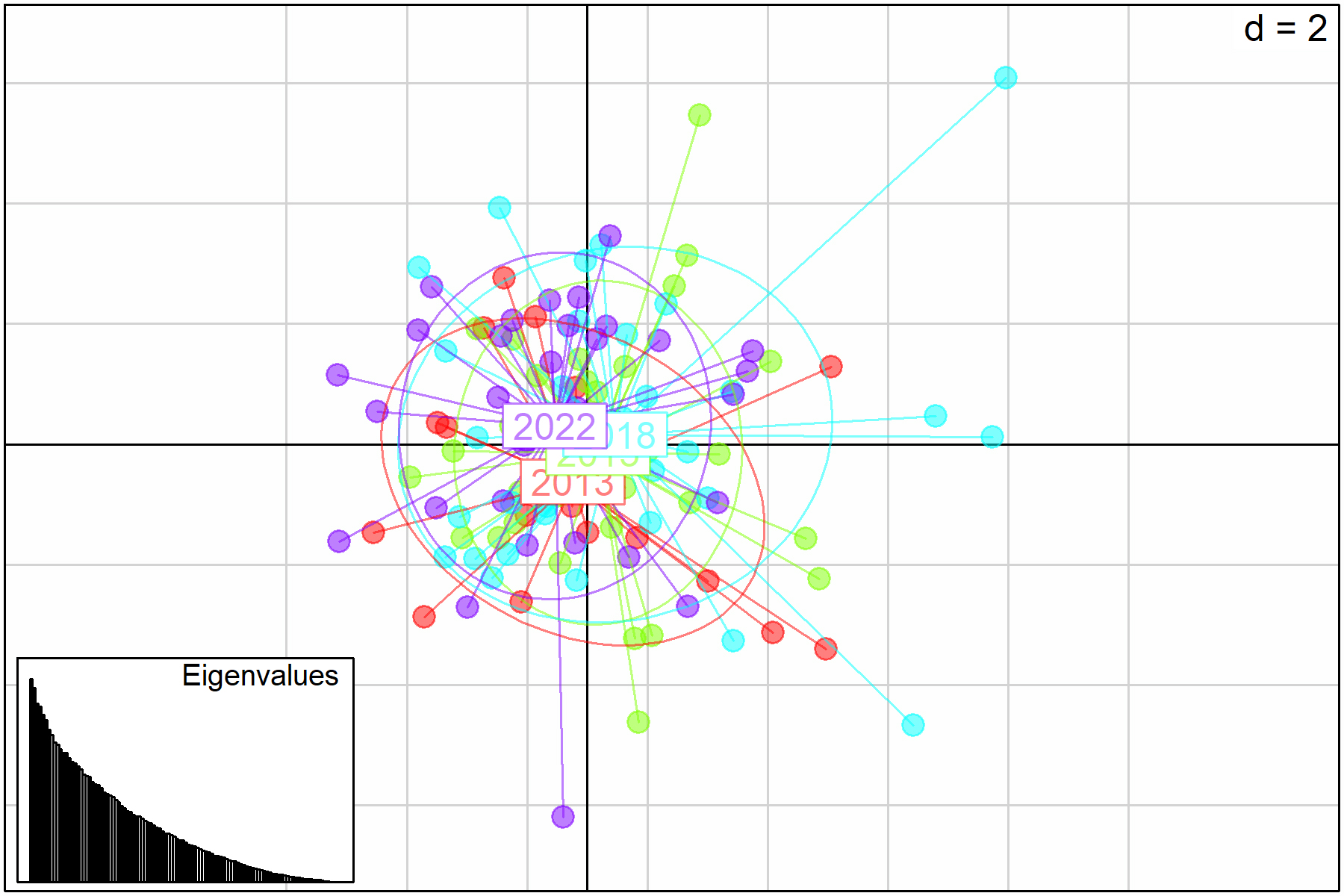
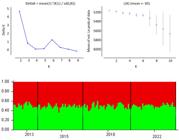
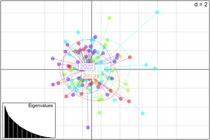
The Atlantic goliath grouper, Epinephelus itajara, is Critically Endangered in Brazil and relies on mangrove habitats as nurseries. It is extremely vulnerable to overfishing; however, long-term genetic assessments remain scarce, leaving a gap in our understanding of population dynamics. We assessed the genetic variation of 126 juveniles collected in 2013, 2015, 2018, and 2022 using 18 microsatellite loci. Thirteen loci were polymorphic, with allele numbers ranging from 3 to 17. The average observed (Ho) and expected (He) heterozygosity were 0.706 (0.556–0.897) and 0.710 (0.524–0.890), respectively. There were no significant differences in He, FIS, and FST. The effective population size (Ne) was estimated at 413.3 (95% CI: 260.8–897.1), suggesting potential risks to the species’ long-term viability. AMOVA indicated that 99.64 % of total genetic variation corresponded to differences within individuals, while the Bayesian clustering analysis indicated that all individuals had mixed ancestries. The relatedness analysis identified a notable number of sibling relationships, suggesting a reduced spawning stock. Our results suggest that due to the species’ long-life span, shifts in the population structure and genetic diversity are unlikely to be reflected within this sampling period. This highlights the importance of continuous monitoring and maintaining the fishing ban to protect the species.
Keywords:
Fish population genetics; Genetic diversity; Microsatellite loci; Relatedness
 Thumbnail
 Thumbnail
 Thumbnail
 Thumbnail