
 Learning, entrepreneurship, and culture: Current scenario and future paths
Purpose: To connect the theoretical field of Entrepreneurial Learning (EL) with the theory of Cultural Learning (CL), providing conceptual resources for studies examining how entrepreneurs learn in social and cultural contexts that differ from their ethnic and cultural origins.
Originality/value: The main contribution of this study is the introduction of the cultural dimension to the EL literature. By treating culture as a structural element of entrepreneurial learning, the article broadens the scope of theoretical analysis and proposes new avenues for investigation in diverse contexts.
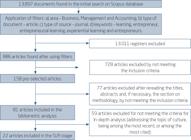
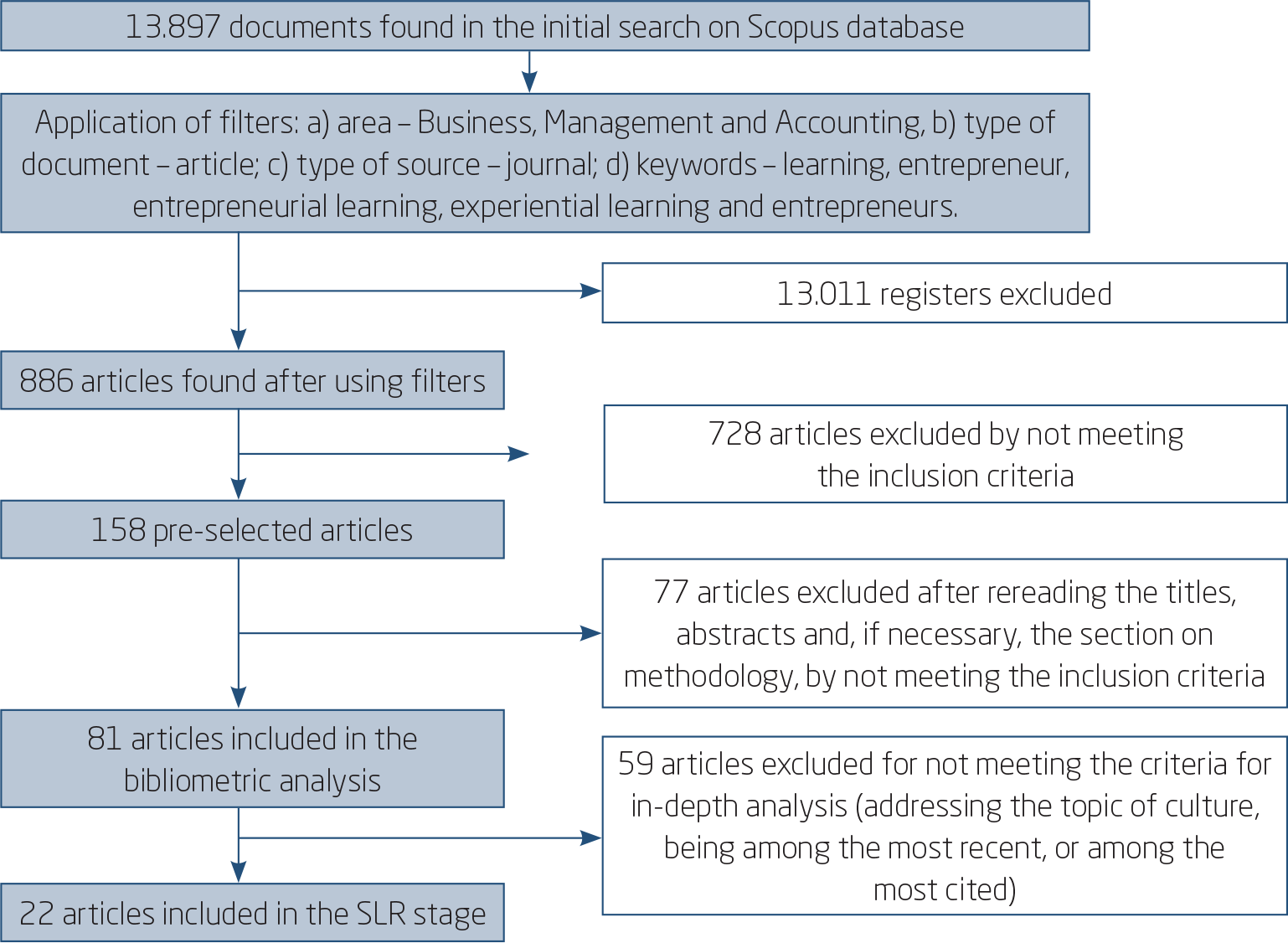
Design/methodology/approach: The research integrates a theoretical discussion with a systematic literature review (SLR) and bibliometric analysis, using the Scopus database. We identified 81 articles for the bibliometric analysis, of which 22 were selected for an in-depth SLR. The selection criteria included thematic relevance, individual-level analysis, and cultural reference. Extracted information was organized and ranked to support subsequent synthesis and interpretation.
Results: EL and CL share core characteristics, including being experiential processes mediated by language, dependent on cognitive skills, and influenced by social interactions. Four theoretical propositions were presented to support this relationship. The analysis also revealed a geographic concentration of scientific outputs in European and North American countries, underscoring the need for further empirical research in underrepresented contexts, such as Brazil.
Contribution/implication: This study advances the conceptual development of EL and suggests promising directions for future research on cultural diversity and on immigrant or ethnic entrepreneurs.
Keywords:
learning; entrepreneurship; culture; social interaction; sociocultural environment
 Thumbnail
 Thumbnail
 Thumbnail
 Thumbnail
 Thumbnail
 Thumbnail
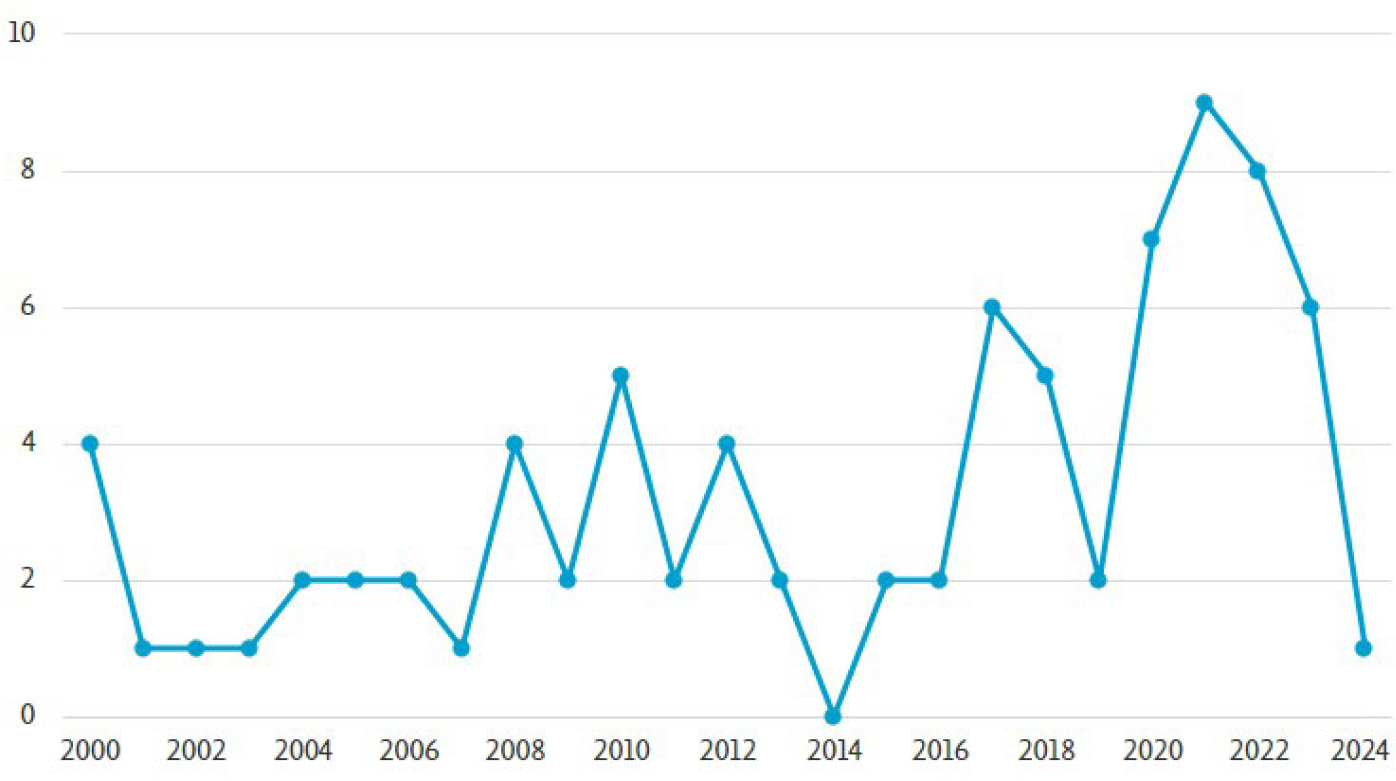 Source: Scopus.
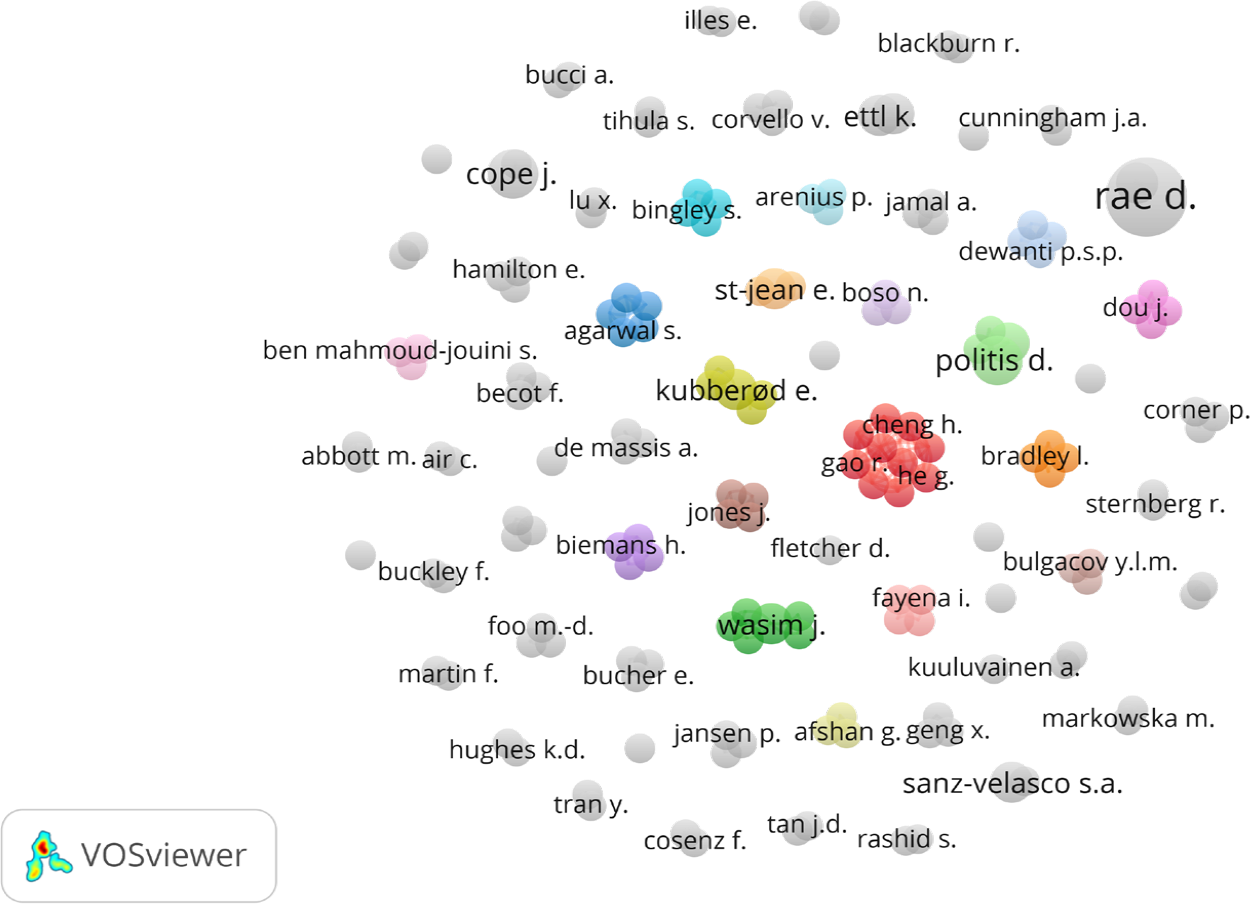 Source: Created by the authors based on data from VOSviewer.
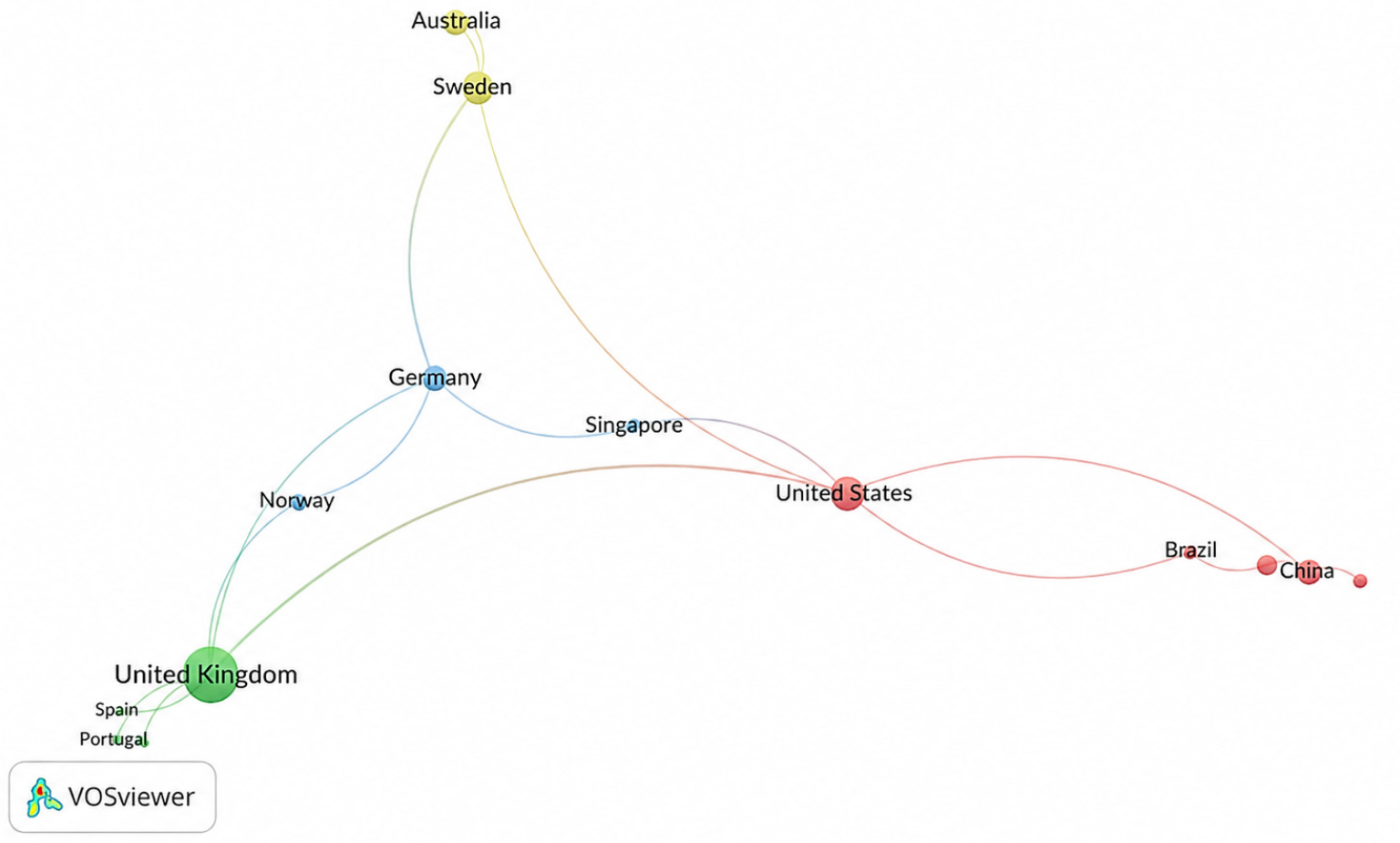 Source: Created by the authors based on data from VOSviewer.
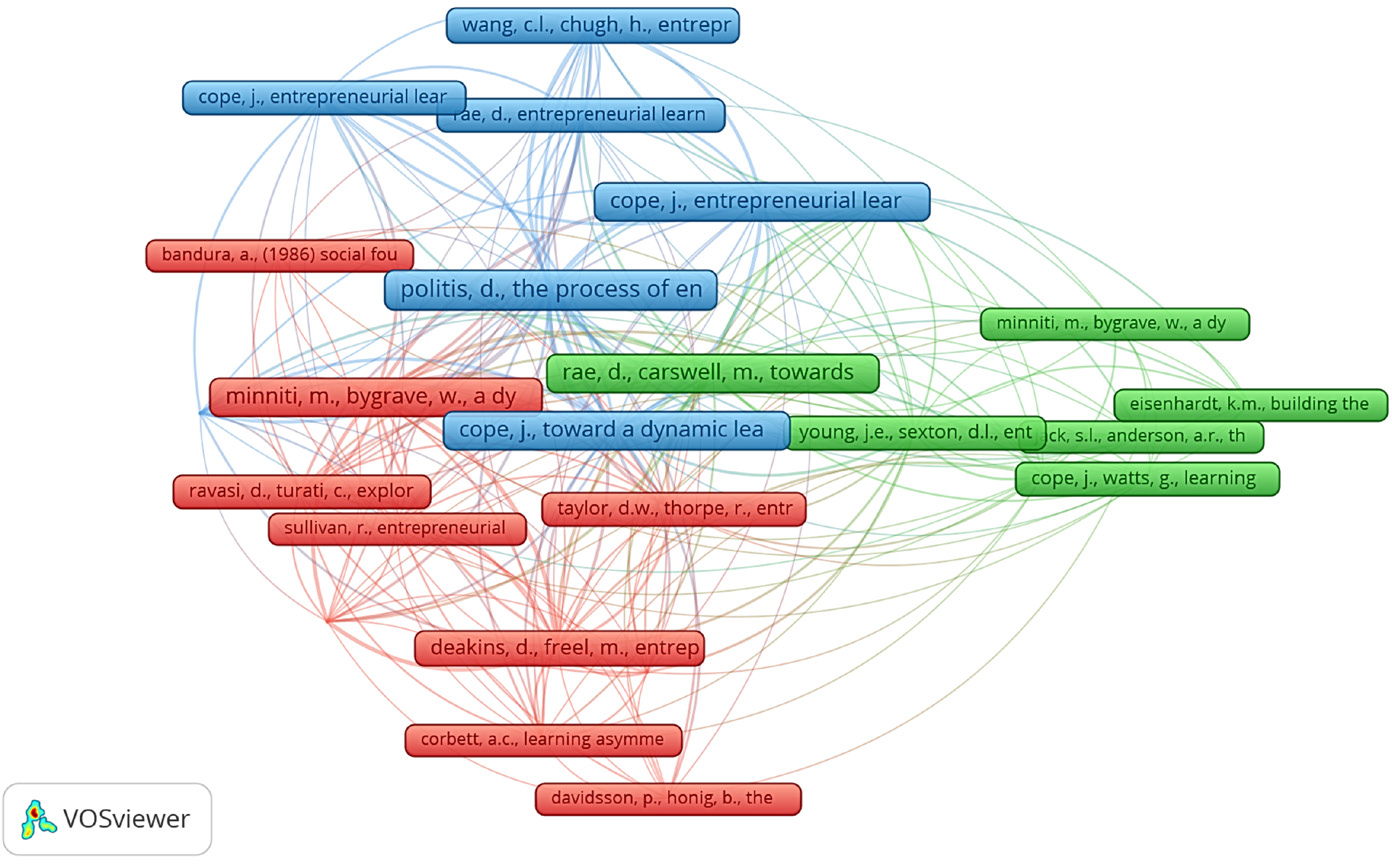
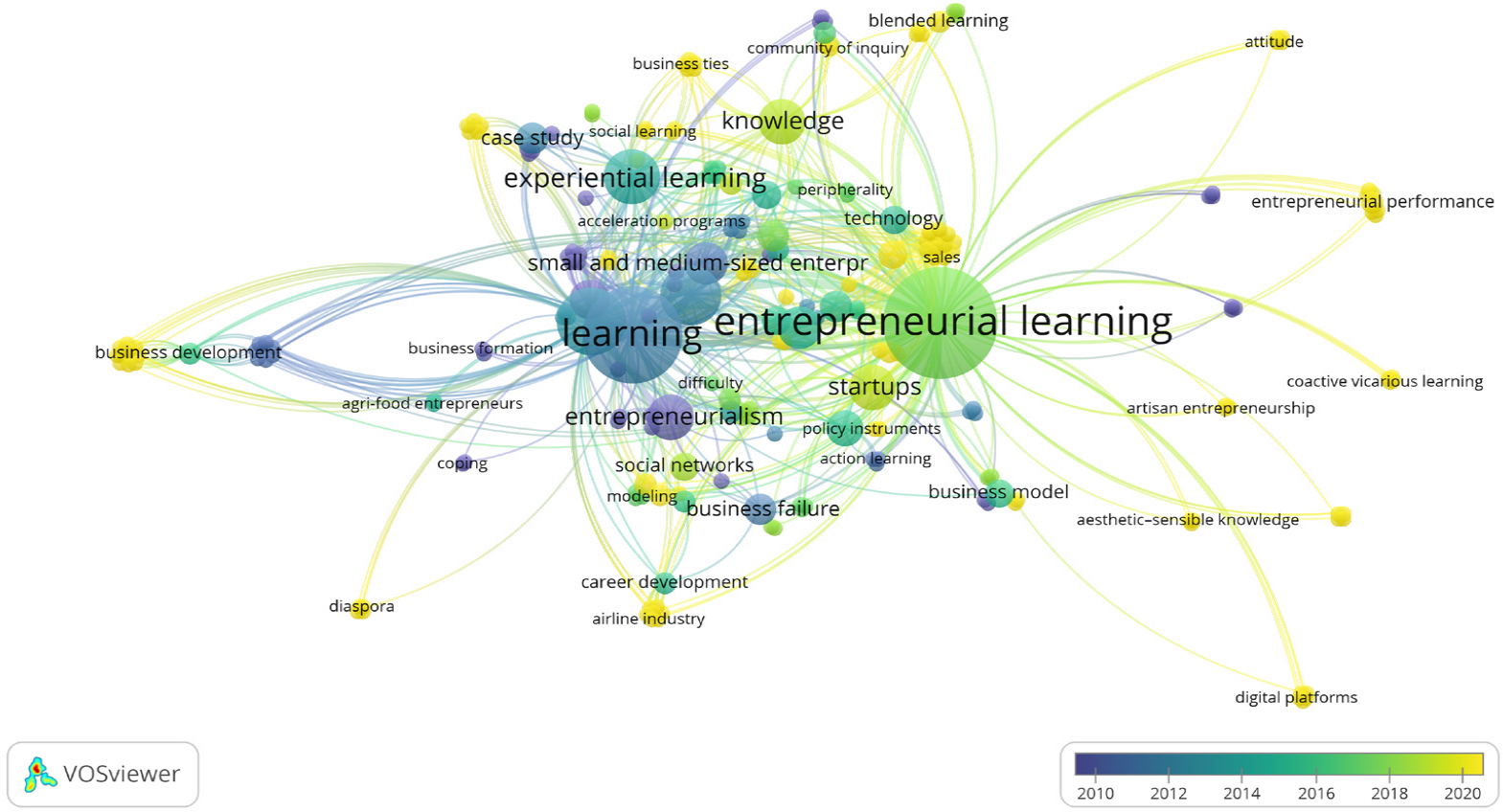 Source: Created by the authors based on data from VOSviewer.