 Variations in the profile of entrants into the Brazilian diplomatic career
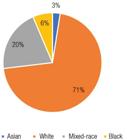
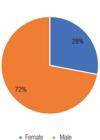
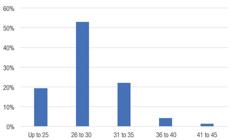
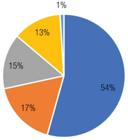
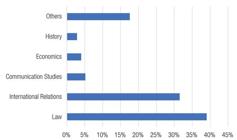
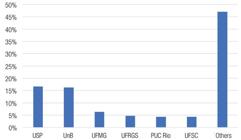
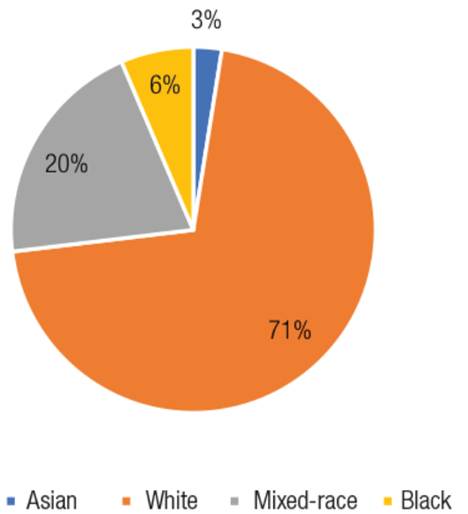
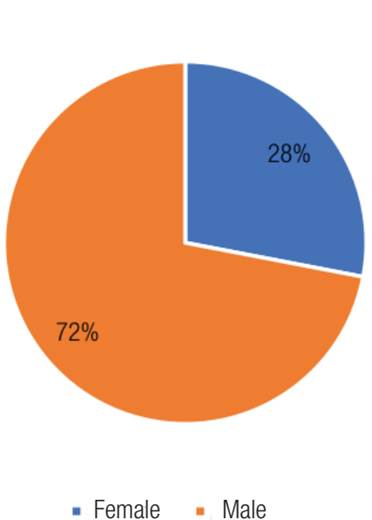
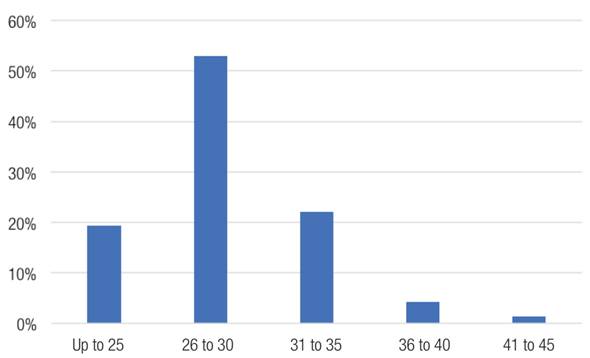
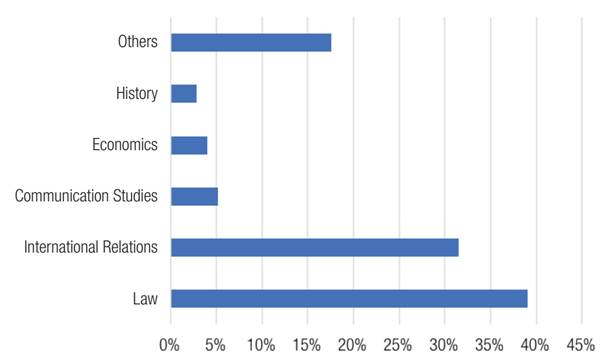
The profile of diplomats entering the Ministry of Foreign Affairs (Itamaraty) has been investigated by previous scholarship, such as Cheibub (1989) and Lima and Oliveira (2018). However, the beginning of this century saw significant changes in the selection process and the establishment of racial quotas for Black and Mixed-race (pardos) candidates in public examinations. Thus, this study aims to analyze whether there have been transformations in the profile of new diplomats. Data regarding those who entered the career between 2011 and 2024 were requested from the Ministry of Foreign Affairs (MRE). Results show a sharp increase in Black entrants: while previous data did not reach 3%, among recent cohorts, more than 26% identified as Black or Mixed-race. Rio de Janeiro remains the city with the highest number of births, but a notable finding is the high number of diplomats from Belo Horizonte—four times higher than in Northeastern capitals of similar size. Regionally, only 1% of entrants were born in the North. Regarding education, the most frequent degree-university combination is International Relations at the University of Brasília (UnB), which produced fewer entrants only than the University of São Paulo (USP). International Relations is the major of 31% of the entrants analyzed; having expanded across the country only in the last 30 years, it appears to challenge the historical dominance of Law cited in the literature. The average age has risen to 29, and female participation remains on an upward trend, accounting for 28% of new entrants.
Keywords:
diplomats; Ministry of Foreign Affairs; bureaucrats; profile; racial quotas
 Thumbnail
 Thumbnail
 Thumbnail
 Thumbnail
 Thumbnail
 Thumbnail
 Source: Brazilian Ministry of Foreign Affairs (
 Source: Brazilian Ministry of Foreign Affairs (
 Source: Brazilian Ministry of Foreign Affairs (
 Source: Brazilian Ministry of Foreign Affairs (MRE, 2025).
 Source: Brazilian Ministry of Foreign Affairs (
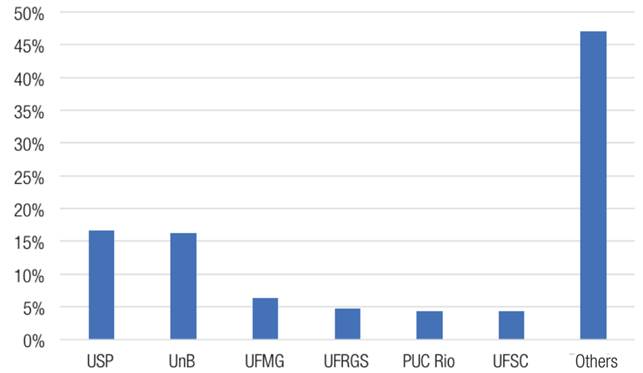 Source: Brazilian Ministry of Foreign Affairs (