 Neutral atoms quantum computing: using the Bloqade framework to solve Independent Set Problems
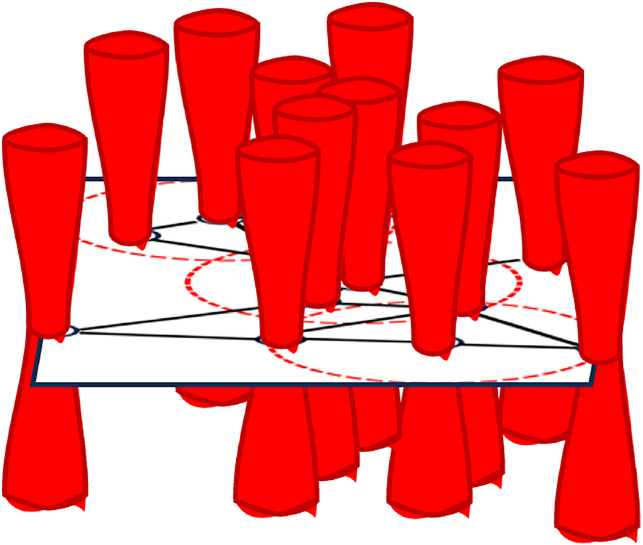
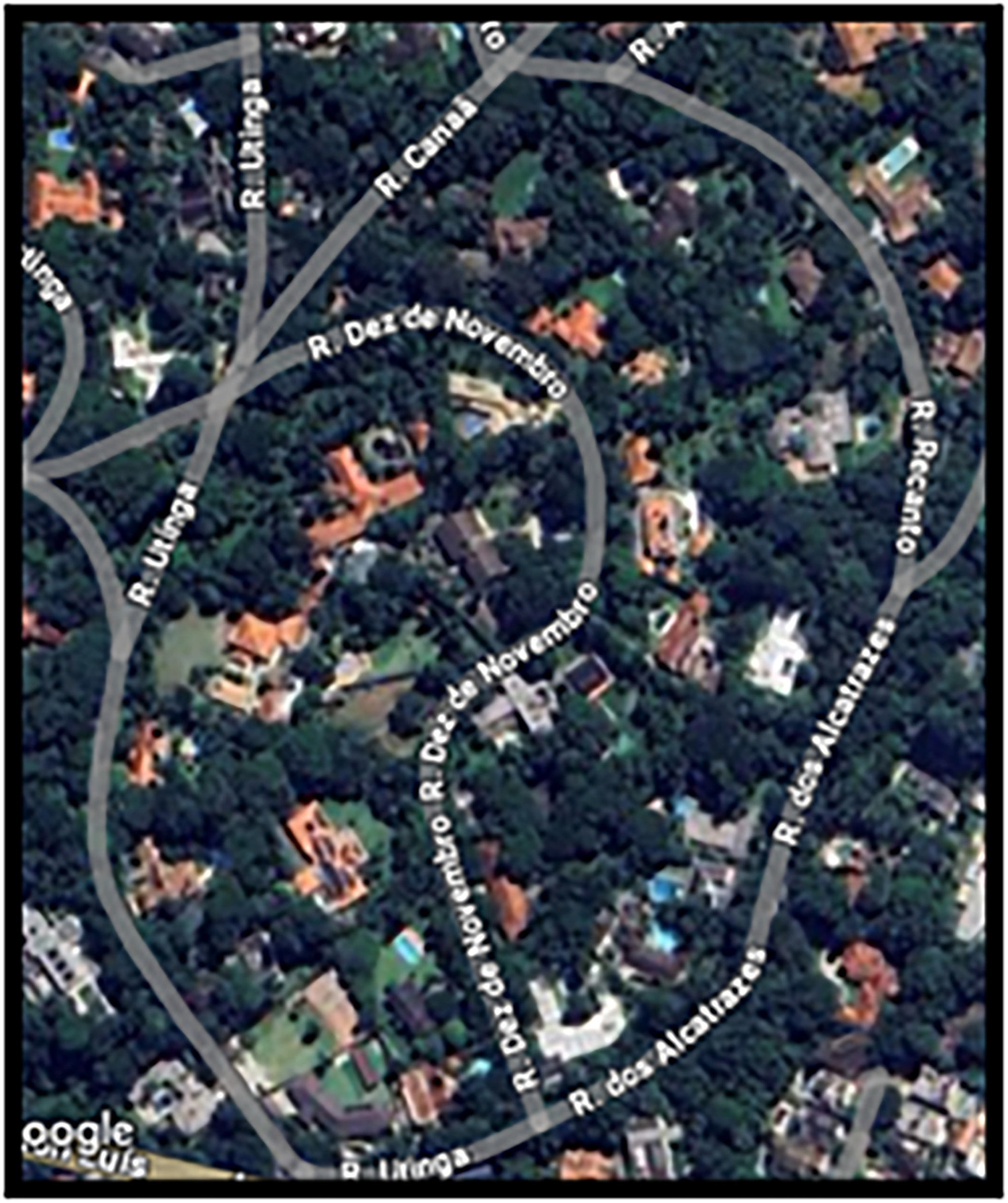
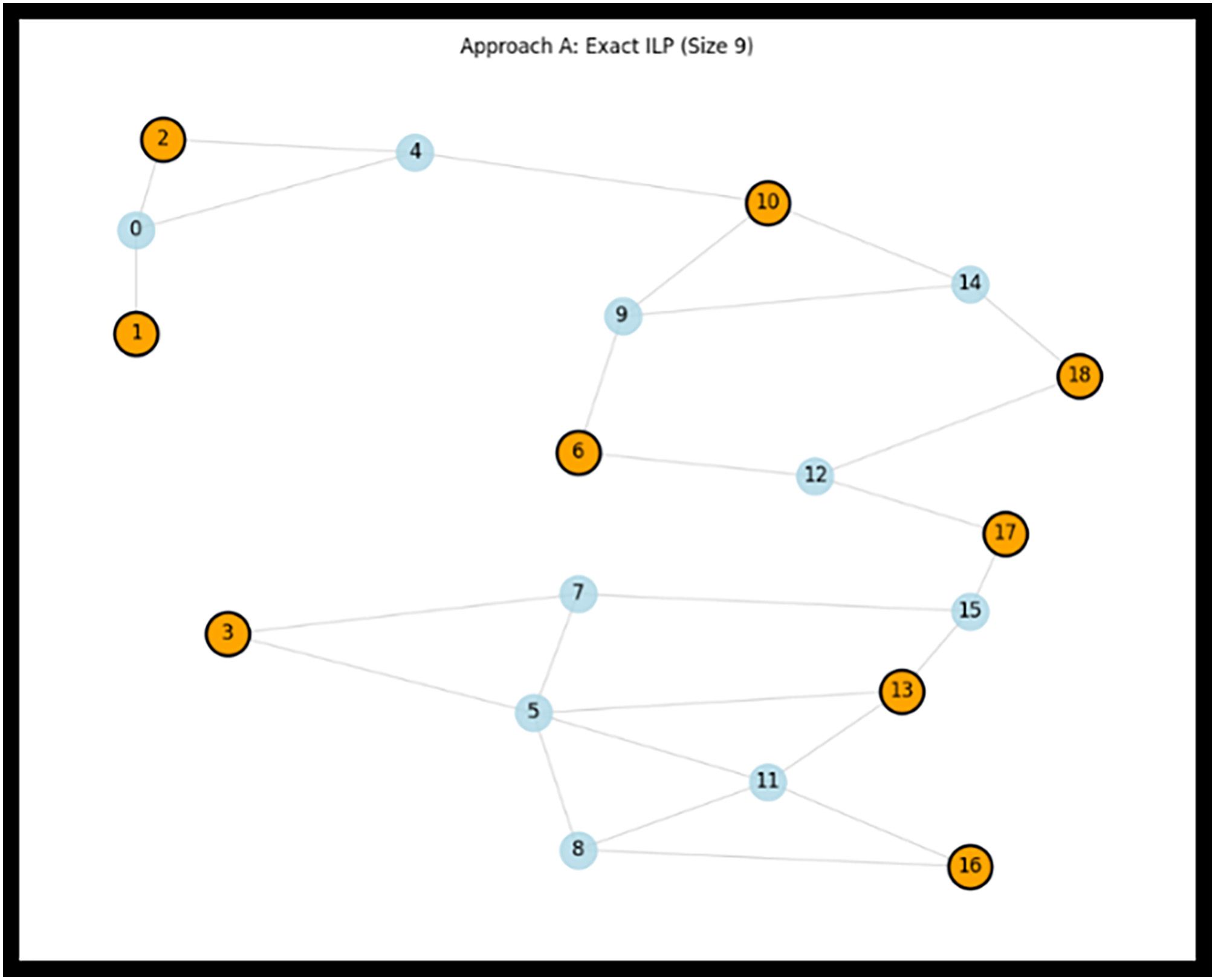
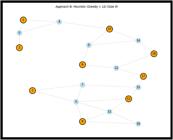
The use of neutral atoms in quantum computing is an emerging technology. Unlike other platforms, this system offers a distinct approach that leverages the precise manipulation of individual atoms in optical lattices. These lattices are created using laser beams that hold atoms in defined positions arranged in two or three-dimensional grids. This organization efficiently maximizes the number of qubits, while respecting the spacing conditions required between atoms. Furthermore, this mechanism leverages high-energy atomic states for performing quantum operations with higher fidelity and efficiency. Identifying which problems are best suited for each quantum technology remains an ongoing challenge in the field. This work presents a solution approach to the Maximum Independent Set (MIS) problem, using a case study on the placement of solar panels in a region of the state of São Paulo. We introduce the MIS concept, the computational framework provided by QuEra (a leading company in the neutral atom market), Bloqade, and the necessary steps for solving the proposed problem. Therefore, this paper presents a case study that demonstrates the application of this technology in a real-world context.
Keywords:
Quantum Computing; Neutral Atoms; Bloqade; Maximum Independent Set
 Thumbnail
 Thumbnail
 Thumbnail
 Thumbnail
 Thumbnail
 Thumbnail
 Thumbnail
 Thumbnail
 Thumbnail
 Thumbnail
 Thumbnail
 Thumbnail
 Thumbnail
 Thumbnail