 Decision-making framework in urban watershed restoration projects
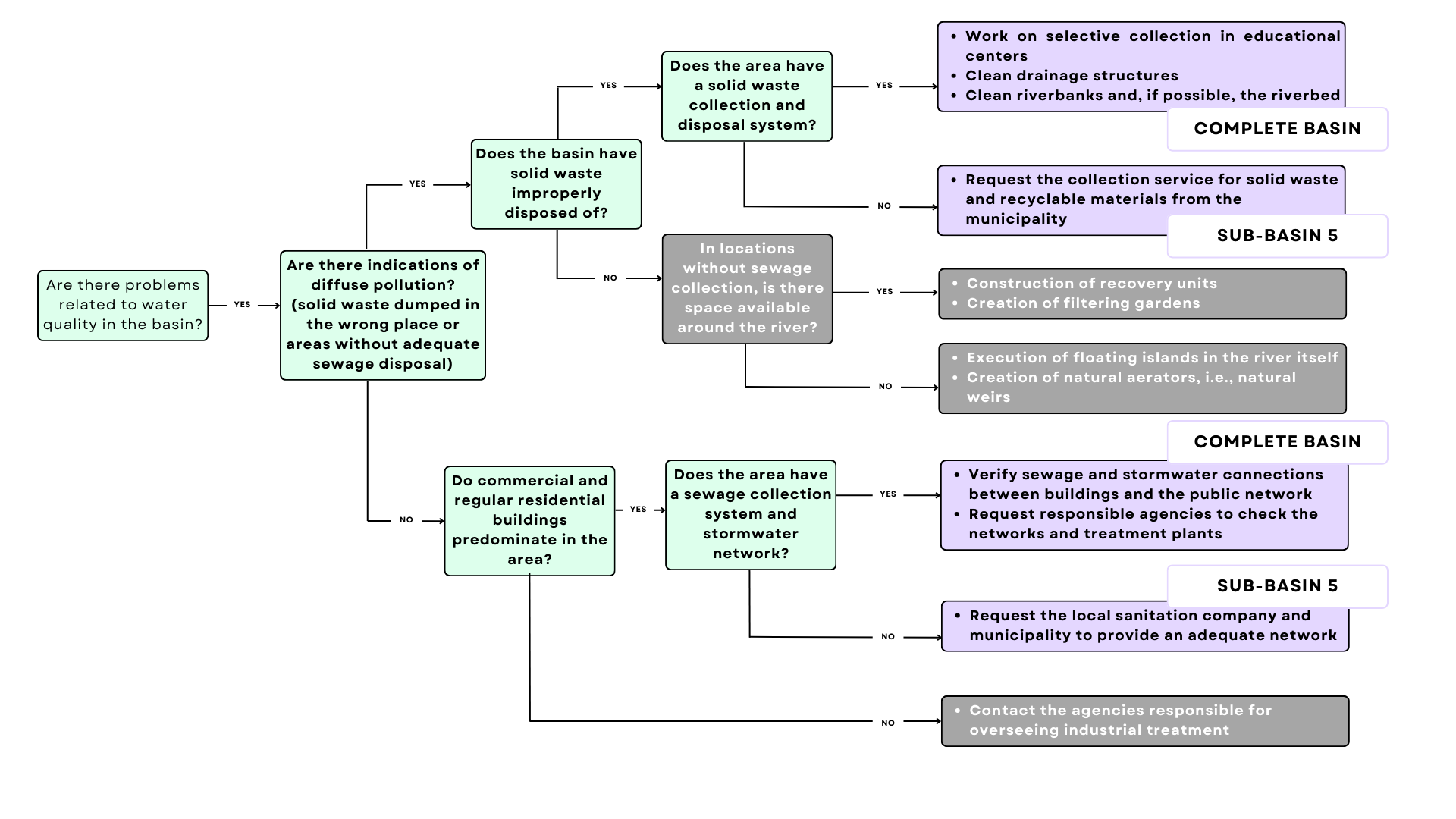
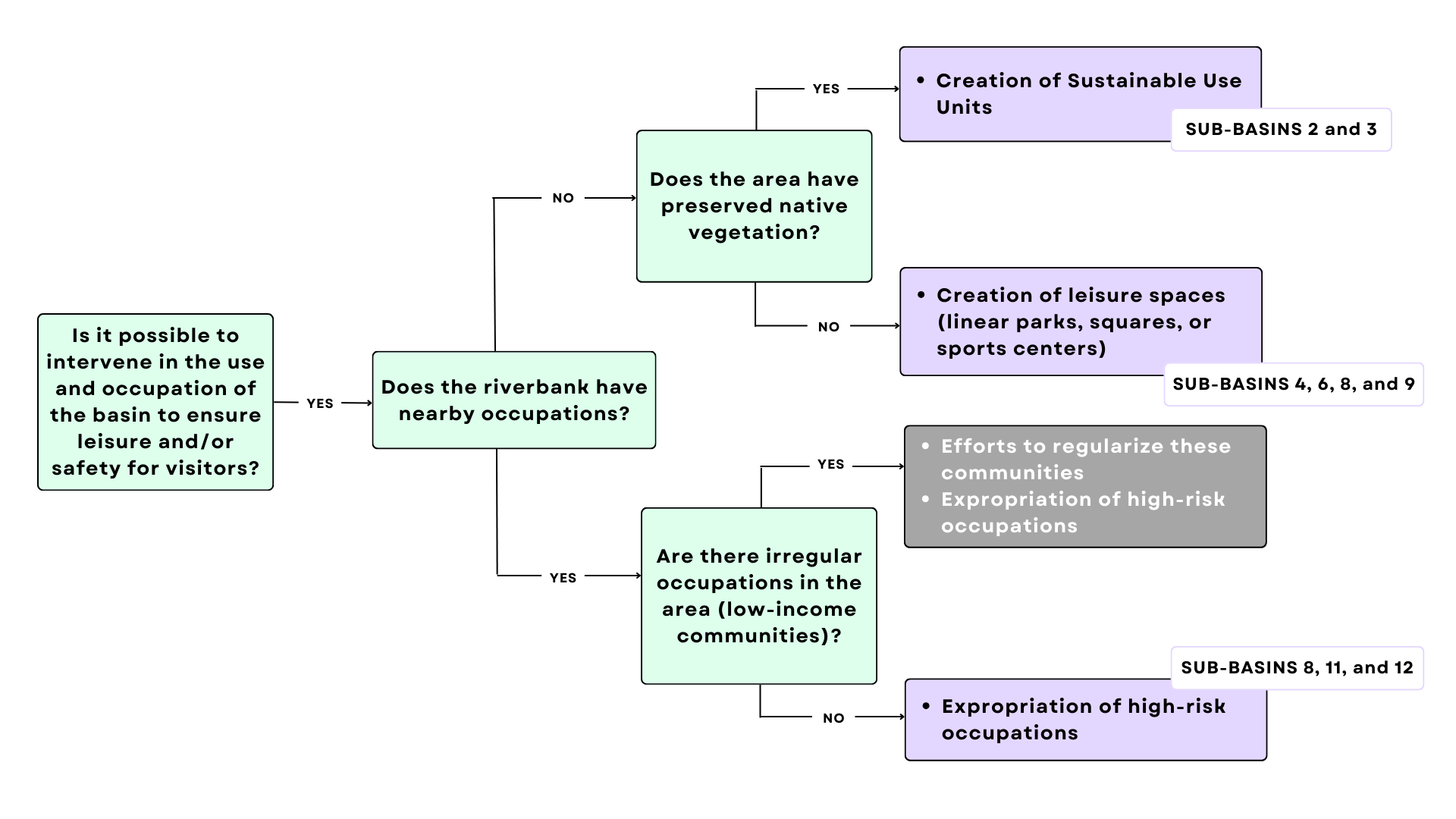
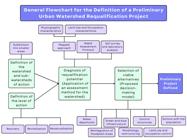
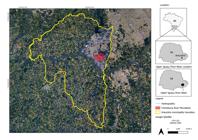
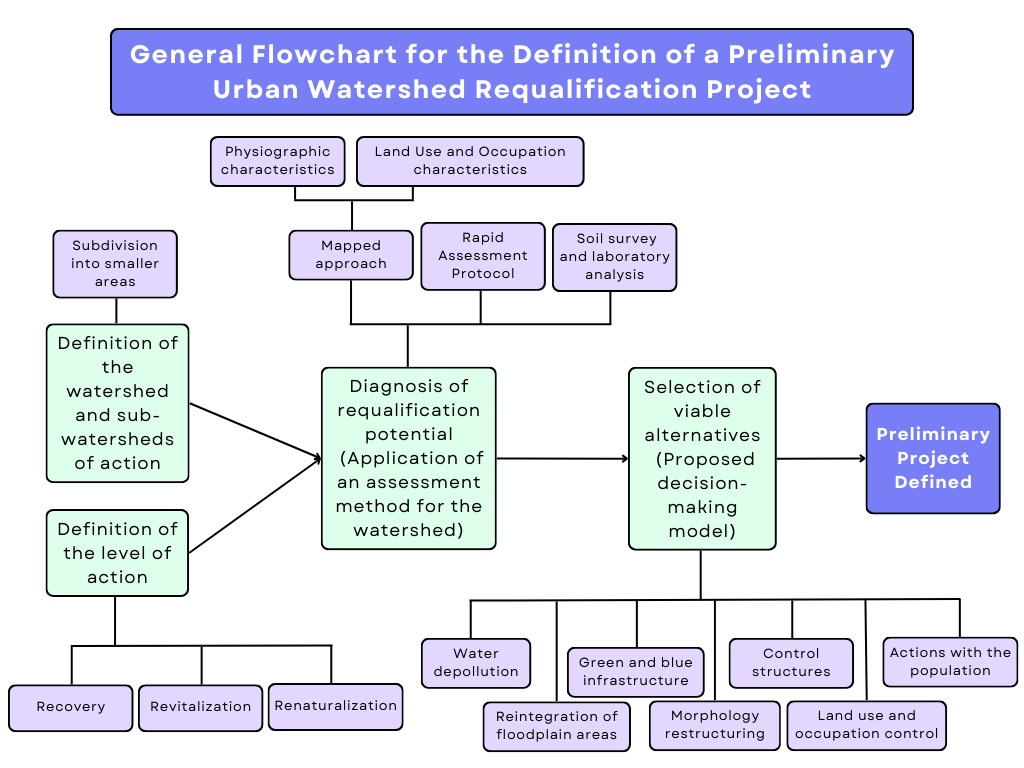
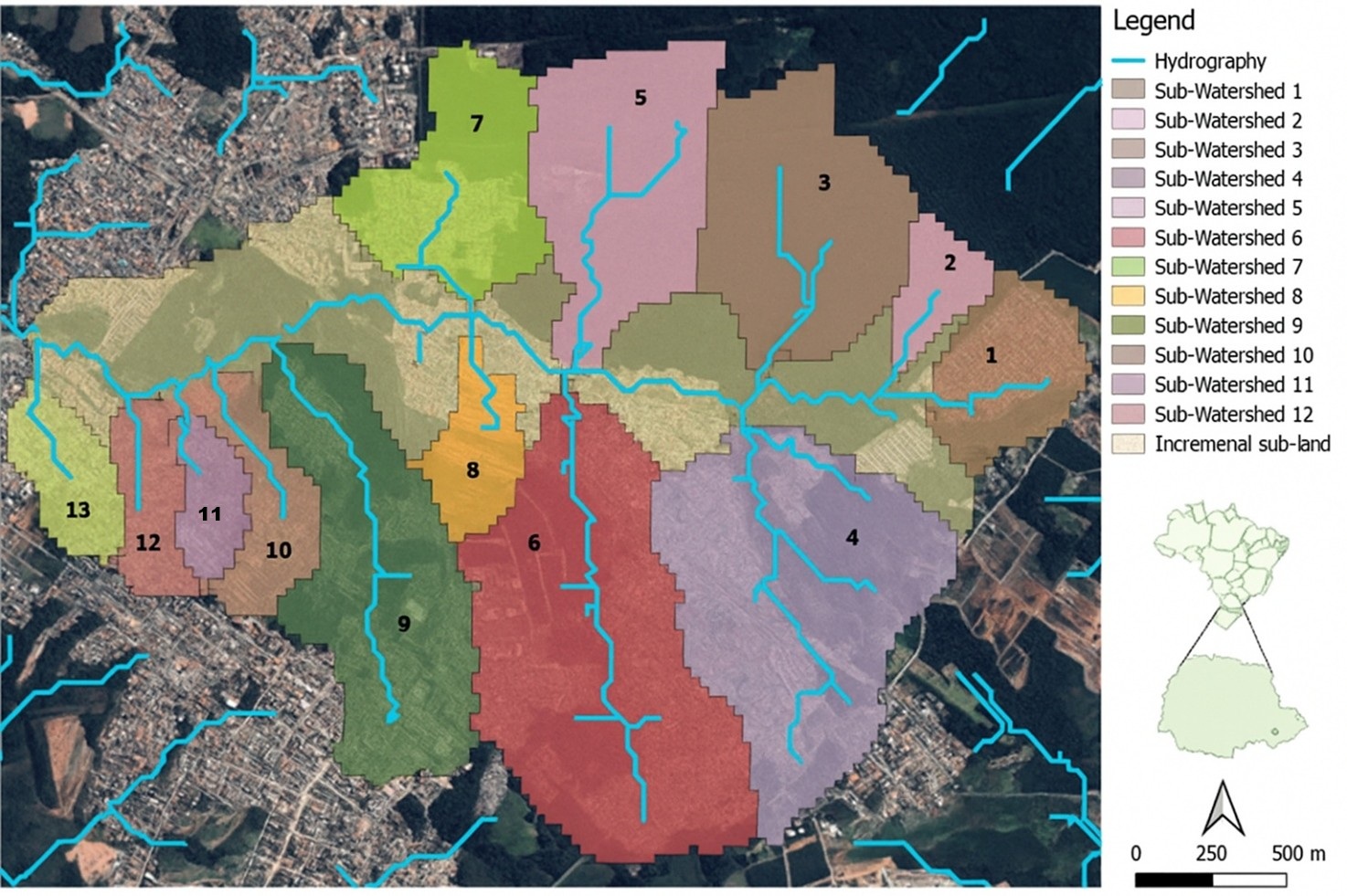
Urban river restoration involves complex decision-making processes due to factors such as the degree of ecosystem degradation, urban spatial organization, deficiencies or problems in sanitary infrastructure, as well as social and economic issues, which often hinder planning actions across different societal sectors. Therefore, this study aimed to propose a simplified decision-support approach for the development of preliminary urban river restoration projects, based on the combined use of an initial watershed diagnosis and a structured analysis flowchart. The flowchart links the problems identified in the watershed to intervention alternatives, organized into seven action scenarios through predefined input parameters. The case study was applied to the Chimbituva River Basin, located in the municipality of Araucária (Paraná State), within the Curitiba Metropolitan Region, and enabled the identification of priority areas and the definition of a set of actions aimed at improving water quality, guiding land use and occupation, implementing green and blue infrastructure, reintegrating floodplains, and promoting local community involvement. The results indicate that the proposed approach helps organize and make the decision-making process more accessible and can be applied to the formulation of initial urban river requalification proposals, offering a structured set of measures to support analyses based on essential information.
Keywords:
Urban river restoration; Urban basin management; Decision support model
 Thumbnail
 Thumbnail
 Thumbnail
 Thumbnail
 Thumbnail
 Source:
  Source: Author’s elaboration based on data from
  Source: Author’s elaboration based on data from