 Operation rules for the Colônia River reservoir under extreme drought: Dynamic Programming and Artificial Neural Networks
ABSTRACT
This study developed an optimized operating rule for the Colônia River reservoir (BA) via a hybrid DP-ANN approach, aiming to mitigate regional water vulnerability. DP was applied to a 20-year historical series (2000-2020) to minimize supply deficits and ecological flow violations, with its operating policy emulated by an MLP neural network to ensure practical applicability. The model's effectiveness was validated in AcquaNet software, using the 2015-2016 extreme drought as a stress scenario across eight distinct water availability and initial storage configurations. Results demonstrate that the ANN Rule outperformed manual management, increasing ecological compliance from 58.3% to 95.8% in the most critical scenario, without compromising urban supply reliability. Achieving regional water resilience requires management that combines operational optimization, ecological integrity, and diversification of water sources.
Keywords:
Water security; Reservoir operation; Optimization; Artificial intelligence; Drought management
RESUMO
Este estudo desenvolveu uma regra de operação otimizada para o reservatório do Rio Colônia (BA) via abordagem híbrida DP-ANN, visando mitigar a vulnerabilidade hídrica regional. A DP foi aplicada sobre uma série histórica de 20 anos (2000-2020) para minimizar déficits de abastecimento e violações de fluxo ecológico, tendo sua política operativa emulada por uma rede MLP para garantir aplicabilidade prática. A eficácia do modelo foi validada no software AcquaNet, utilizando a seca extrema de 2015-2016 como cenário de estresse em oito configurações distintas de disponibilidade hídrica e armazenamento inicial. Os resultados demonstram que a Regra ANN superou a gestão manual, elevando a conformidade ecológica de 58,3% para 95,8% no cenário mais crítico, sem comprometer a confiabilidade do abastecimento urbano. A resiliência hídrica regional exige uma gestão que combine otimização operacional, integridade ecológica e a diversificação de mananciais.
Palavras-chave:
Segurança hídrica; Operação de reservatórios; Otimização; Inteligência artificial; Gestão de secas
INTRODUCTION
In the early 1990s, the Intergovernmental Panel on Climate Change (IPCC) released its first assessment reports on climate studies. Although there was still limited consensus about the existence and magnitude of such changes, the IPCC warned about the emergence of hydrological extremes - both floods and low-flow events - around the world. It suggested that the increasing variability of floods and droughts would require a reassessment of engineering design premises, operating rules, system optimization, and contingency planning for water management systems (Intergovernmental Panel on Climate Change, 1992).
Nearly thirty years later, the most recent IPCC report confirmed the initial concerns, showing declines in river discharges in several regions of the world, including the northeastern part of South America. The recommendations remain largely the same: adopting adaptation measures to enhance water security in regions affected by climate change. However, the report emphasizes that even with such measures, climate risks cannot be avoided - only minimized (Intergovernmental Panel on Climate Change, 2023).
Following the IPCC’s guidance, Brazil’s National Water Resources Plan (PNRH) highlights the importance of water management under a climate change perspective. It recommends assessing the impacts of climate change on water resources to define adaptive strategies that promote long-term resilience (Brasil, 2022). In alignment with this national framework, Federal Law No. 14,904/2024 was enacted, establishing guidelines for the development of climate adaptation plans, including the promotion of research aimed at reducing the vulnerability of natural, human, productive, and infrastructure systems, as well as fostering new technologies for climate adaptation (Brasil, 2024).
One of the most challenging regions for climate change mitigation is Brazil’s Northeast, characterized by low rainfall over most of its territory, except for the coastal zone (Sousa et al., 2023; Silva et al., 2025). Even along the Bahian coast, rainfall trends indicate a progressive decline, which may affect the region’s water availability (Alves et al., 2022; Rocha et al., 2024). Recent studies in Bahia show that water use efficiency is already exhibiting variability associated with climate change - particularly in the state’s western region - compromising agricultural productivity and increasing pressure on local water systems (Santiago et al., 2022).
To evaluate such availability, the Water Security Index (WSI) has been proposed as an integrative indicator. For example, Bahia is classified as having high vulnerability of water sources but high efficiency in water production, whereas the city of Itabuna shows low source vulnerability but low production efficiency. This contrast reveals that water security depends not only on the availability of natural water sources but also on the operational efficiency of water management systems.
In this context, the construction of reservoirs has become one of the main strategies for regulating water supply, aiming to store water for use during dry periods. These structures are typically accompanied by operational planning designed to maximize efficiency, often serving multiple purposes (Azad et al., 2022). Mello Júnior & Matos (1999) employed Dynamic Programming (DP) to establish an optimal operational policy for the problem of water uses in a reservoir. Artificial Neural Networks (ANN) incorporated into reservoir and water supply system models and operating policies have produced improved results when compared to standard operating rules (Carneiro & Farias, 2013; Silva et al., 2024). Morais & Maia (2021) concluded that reservoir operating rules incorporating seasonal climate forecasts produced satisfactory results during dry periods. Defining reservoir operating rules is thus essential to ensure the equitable and sustainable allocation of water resources (Al-Nouti et al., 2024; Giuliani et al., 2021; Mahmoud et al., 2024). Recent studies underscore that the impacts of climate change on regulated basins are not solely determined by precipitation shifts, but also by reservoir operational strategies. Optimized operating policies have been shown to significantly mitigate drought frequency and severity, sometimes offsetting the negative hydroclimatic signals through proactive storage management (He et al., 2025; Lee et al., 2024).
Several mathematical and evolutionary algorithms have been used to derive such operating rules, including Linear Programming (LP), Dynamic Programming (DP), Ant Colony Optimization (ACO), Artificial Neural Networks (ANN), Genetic Algorithms (GA), and Particle Swarm Optimization (PSO), each with its own advantages and limitations (Moeini & Hadiyan, 2022; Trivedi & Shrivastava, 2023). The combination of DP and ANN has shown promising results in recent studies (Lai et al., 2022). While architectures like Long Short-Term Memory (LSTM) and Transformers have advanced hydrological forecasting (Liu et al., 2025), the combination of DP and ANN remains a robust framework for policy approximation. This hybridization addresses the "curse of dimensionality" in DP, translating computationally expensive results into operationally feasible rules that preserve the optimization logic (Giuliani et al., 2021; Lai et al., 2022).
Within this framework, this study proposes an integrated DP-ANN workflow, validated within the AcquaNet simulation environment, to derive operational rules for the Colônia River system. Despite recent advances in reservoir operation modeling, studies combining DP-ANN to derive operating rules under extreme drought conditions remain scarce in the literature. By addressing the gap between theoretical optimization and practical decision-support tools in the Brazilian Northeast, this research provides a transferable methodology for other semi-arid regions facing similar data scarcity and climate vulnerability. Tercini & Mello Júnior (2024), using Acquanet, concluded that the operating rule of the reservoirs within the Cantareira Water Supply System is directly affected by the impacts of climate change.
Therefore, the general objective of this study is to establish an operating rule for the Colônia River reservoir that enhances the water security of the Itabuna microregion. To achieve this, the research encompasses the hydrological characterization of the basin, the development of an optimized operation policy using DP and ANN, and the comparative simulation of the proposed rule’s performance against the current operational policy during the critical 2015-2016 drought. The AcquaNet simulations addressed the question: If the reservoir had been built in 2015, would it have prevented or mitigated the drought’s effects on Itabuna?
MATERIALS AND METHODS
Study area
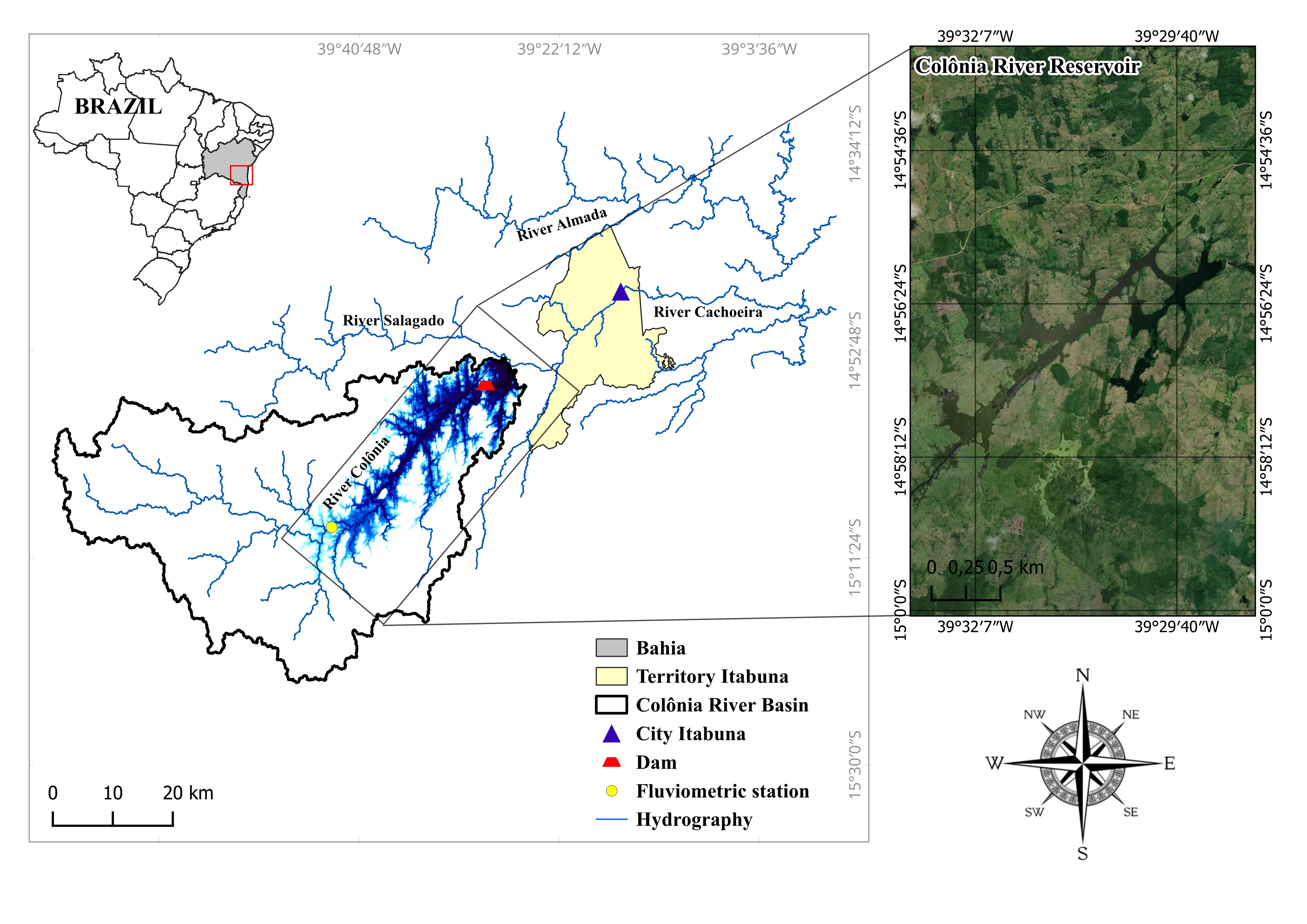
The Colônia River Basin (CRB) is located between the southern and southwestern regions of Bahia State, Brazil (Figure 1), covering an area of approximately 2,359 km2 and encompassing the municipalities of Itapetinga, Itororó, Firmino Alves, Itaju do Colônia, Itapé, and Jussari. According to the Köppen climate classification, the basin exhibits a transition between Af’ (tropical rainforest climate with no dry season) in the east and As (tropical climate with a dry summer) in the west (Souza et al., 2009; Silva et al., 2011; Superintendência de Estudos Econômicos e Sociais da Bahia, 2023).
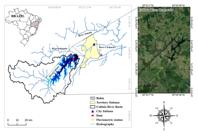
The Colônia River Dam, located in the municipality of Itapé (BA) and inaugurated in 2019, was designed for dual purposes: public water supply for Itabuna and partial flood control. The structure, operated by the Bahia Water and Sanitation Company (CERB), has a height of 21.4 m, a normal operating level at elevation 119.0 m, and a useful storage capacity of 62.67 hm3, with an inundated area of 15,85 km2. The dead storage is 6.09 hm3, and the regulated discharge is 3.203 m3/s (90% reliability) and 2.610 m3/s (95% reliability) (Bahia, 2018, 2025).
The reservoir supplies part of Itabuna's demand with 0.3 m3/s, while the Almada River complements it with 0.4 m3/s. The district of Mutuns, however, is supplied only by the Almada River with 0.01 m3/s (Tables 1 and 2).
Data and hydrometeorological inputs
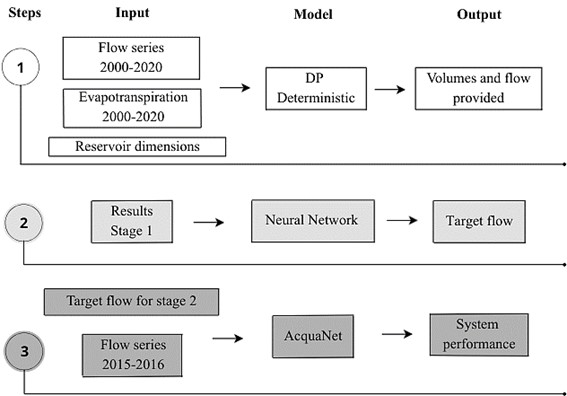
The methodological framework (Figure 2) follows a sequential structure integrating data preparation, optimization, and policy generalization. Initially, hydrological and climatic data from a 20-year period (2000-2020) were compiled alongside reservoir physical characteristics (elevation-area-volume relationship). These inputs supported the DP model to determine the optimal release policy. The resulting state-decision database was then used to train an ANN to emulate and generalize the DP policy. Finally, the DP-ANN Rule was evaluated through forward simulations in AcquaNet, focusing on the 2015-2016 drought as a stress-test period to assess operational robustness across multiple scenarios.

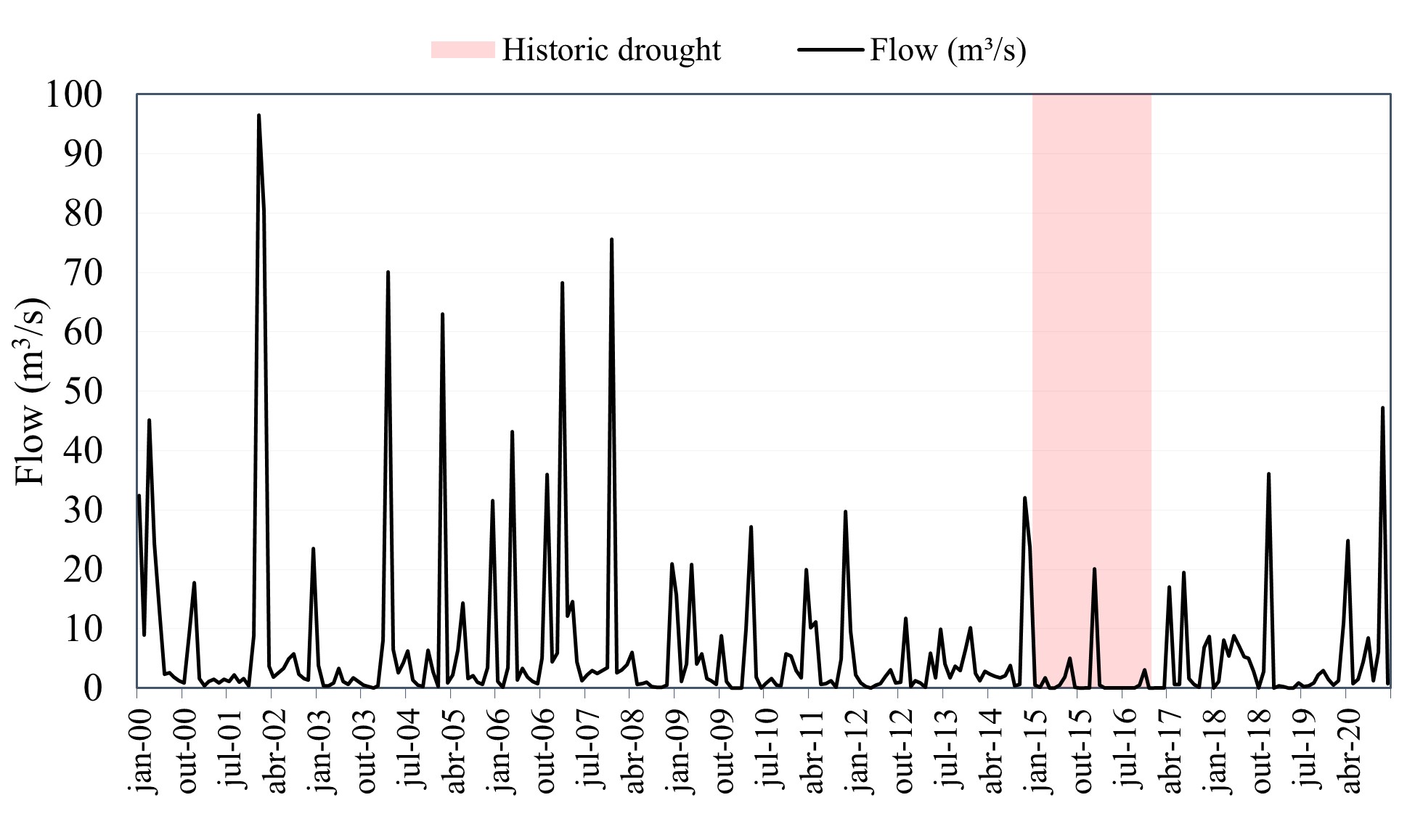
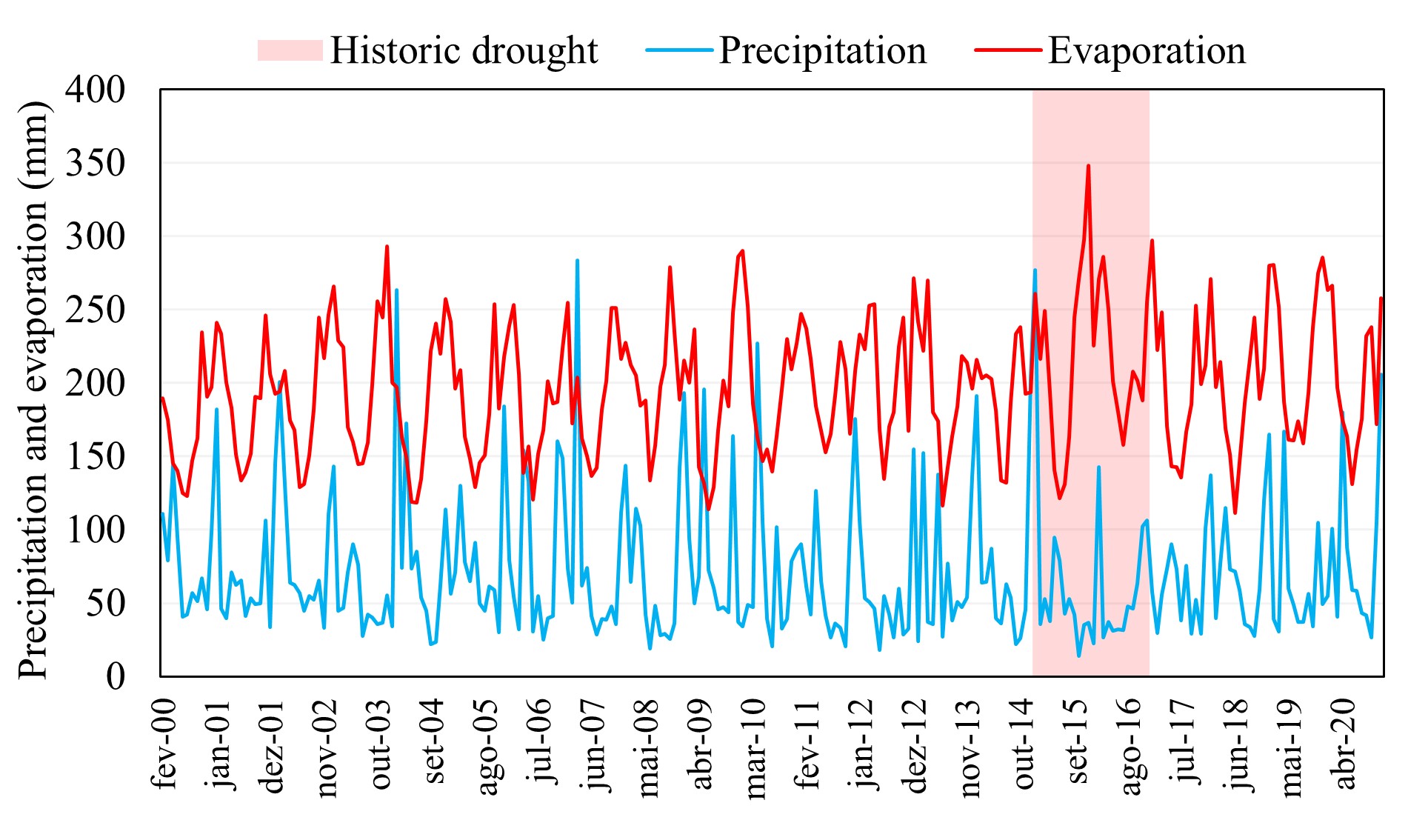
During 2015-2016, a severe drought affected the region, marking a milestone in Itabuna’s water history. Data from the fluviometric station 53130000 (Itaju do Colônia), operated by INEMA (Institute of Environment and Water Resources), indicate that the Colônia River recorded zero flow in 11 of the 24 months within this period, with a single flow peak observed in January 2016 (Figure 3). A similar, though less severe, condition occurred in the Almada River, which exhibited five months of zero discharge (Figure 4). Based on ERA5-Land reanalysis data (European Union, 2026), the mean monthly evaporation over the water surface (218.5 mm) was approximately four times greater than the mean precipitation (52.9 mm) during the same period (Figure 5), indicating a pronounced hydrological deficit.
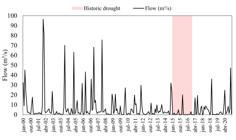
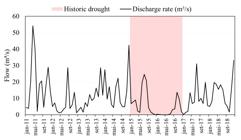
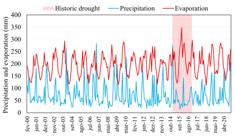
Daily flow data were aggregated to monthly steps to match the DP scale. The historical series from 2000 to 2020 was utilized for the optimization process, and no missing data were identified during this 20-year period. Regarding the 2015-2016 focus period, gap-filling techniques were unnecessary as the zero-flow records in 11 of the 24 months were hydrologically consistent with the extreme drought observed in the region.
The 2015-2016 drought represents one of the most severe hydrological crises in the history of Itabuna. Triggered by a prolonged dry period, the event led to a near-collapse of the city’s water supply system, which at the time depended directly on withdrawals from the Almada and Cachoeira rivers. The crisis reduced water abstraction from the Almada River - one of the city’s main sources - by up to 97%, forcing the municipal government to declare a state of emergency in December 2015, later extended in June 2016 due to the persistence of drought conditions (Brasil, 2026; Itabuna, 2015).
This crisis exposed the region’s high vulnerability to extreme climatic events, subjecting the population to strict rationing and emergency measures such as water distribution by tanker trucks and the installation of community storage tanks. This collapse motivated the construction of the Colônia River Dam, inaugurated in 2019, to increase local water security. Thus, the 2015-2016 drought not only validated the importance of the reservoir but also serves as the critical reference scenario for the operational rule simulations developed in this study (Mattos et al., 2017).
After characterizing the basin and the historical drought that motivated this research, the methodological framework was divided into three main stages: (1) derivation of optimal operation policies through DP; (2) emulation of these policies using ANN; and (3) comparative simulation of operational scenarios in the AcquaNet decision-support system.
Definition of operating rules
Following the approach of Billerbeck (2018) for the Cantareira System, the definition of the reservoir’s operating rules was conducted through a hybrid framework combining DP and ANN. DP was used to determine the optimal operation policy for a fixed planning horizon, while the ANN emulated and generalized this policy to allow extensive simulations and sensitivity analyses. This integration leverages the precision of DP in defining optimal decisions and the computational efficiency of ANN in rapidly reproducing them (Lai et al., 2022; Yadav et al., 2023).
Dynamic Programming (DP)
The DP formulation is deterministic, utilizing the full 20-year historical sequence (2000-2020) as a fixed boundary condition to generate a robust state-decision space. While the optimization considered this long-term variability to derive the generalized policy, the 2015-2016 period was specifically used as a critical stress-test to evaluate the optimal trajectory under extreme scarcity
The system state is defined by the reservoir storage at month t (). The decision variable is the controlled release . System constraints include: (i) storage bounds limited by dead storage (6.09 hm3) and maximum capacity (62.67 hm3); (ii) non-negativity of releases; (iii) satisfaction of ecological flow requirements when physically possible; and (iv) spill occurrence when storage exceeds the maximum capacity.
The formulation is based on Bellman’s recursion (Equation 1), which minimizes the expected cumulative cost for each state (storage volume) and decision (release):
is the optimal value function, representing the minimum expected cumulative cost from stage to the end of the planning horizon, given that the system is in storage state . The term denotes the immediate operating cost at stage , and is the future cost associated with the next state.
The state transition is obtained from the reservoir water balance (Equation 2):
represents the natural inflow, the number of seconds in a month. The evaporated volume was calculated by where is the monthly evaporation depth (mm) obtained from the ERA5-Land reanalysis dataset via spatial averaging over the reservoir area. The surface area (km2) is dynamically updated at each stage using the reservoir's elevation-area-volume (EAV) relationship, ensuring that evaporative losses reflect the varying lake geometry throughout the 2015-2016 drought.
The immediate cost function penalizes supply deficits and operational risks, defined as:
corresponds ecological demand or ecological flow (0.146 m3/s); represents demand from the municipal headquarters (0.3 m3/s); indicates alert volume (36.58 hm3); represents the ecological flow deficit; corresponds to the urban supply deficit; indicates a penalty for storage falling below the alert threshold.
Following Billerbeck (2018) - where very discrepant values were adopted for the weights in order to force the system to follow a certain guideline - the penalty weights were empirically calibrated to reflect operational priorities: , e prioritizing ecological flow, secondarily, human supply and lastly reservoir preservation. Quadratic penalties were adopted because they increasingly penalize large deficits while allowing small operational deviations, a standard approach in reservoir optimization to avoid abrupt policy switching. These values dictate the model's trade-offs: higher or values would force the algorithm to prioritize immediate demands at the expense of future storage, potentially increasing system vulnerability during prolonged droughts. Conversely, increasing would result in a more conservative policy, retaining water earlier to prevent the reservoir from reaching critical levels, even if it implies minor initial deficits. Thus, the chosen weights represent a management scenario that balances mandatory environmental constraints with long-term water security.
The storage space was discretized from 0 to 62.67 hm3 (), and discharge decisions ranged from 0 to 10 m3/s (). he simulation horizon covered 24 months (2015-2016), with the initial condition set at 9.7% of total storage (dead volume).
Emulation of optimal policy by ANN
While DP identifies the theoretical optimum, its discrete nature and computational cost hinder direct application in reservoir daily management. Artificial Neural Networks (ANNs) excel in emulating these optimal policies, transforming complex lookup tables into continuous, functional rules that are easily integrated into decision-support systems like AcquaNet. Thus, the ANN serves as a policy approximator, maintaining the DP's optimization logic with near-instantaneous execution.
The training dataset was constructed from the DP state-space results, rather than the limited 24-month historical series. By using the discretized combinations of storage , inflow (), and seasonality (month), a robust database was generated, ensuring the MLP (Multilayer Perceptron) network learned the operational logic across the entire feasible domain. The data were split into 80% for training and 20% for validation to ensure generalization. Xu et al. (2026) employed similar proportions in the hydrological modeling process.
The network's architecture was determined through a grid search of three candidate configurations: (32,16), (64,32), and (100,50) neurons in two hidden layers. All models utilized the ReLU activation function and the Adam optimizer, with an early stopping criterion to prevent overfitting. As requested by the operational framework, the specific performance of each architecture and the selection of the final model (based on the highest R2 and lowest Root Mean Squared Error - RMSE) are detailed in the Results and Discussion section.
The training dataset comprised thousands of state-decision pairs derived from the DP discretization grid, covering the full range of reservoir storage (0 to 62.67 hm3). All input variables were normalized using min-max scaling to the [0,1] interval. Training was performed using the Multilayer Perceptron (MLP) architecture with a batch size of 32, a learning rate of 0.001, and Mean Squared Error (MSE) as the loss function. To ensure reproducibility, a fixed random seed was applied. The process included a maximum of 500 epochs, with early stopping triggered if validation loss failed to improve for 20 consecutive epochs. Because the ANN emulates a deterministic DP-generated dataset rather than noisy observations, overfitting risk—primarily associated with architectural over-parameterization—was strictly controlled through this early stopping mechanism and cross-validation..
Comparative simulation of scenarios in AcquaNet
The final step involved simulating and comparing the performance of different operating rules using the AcquaNet decision-support system during the historical drought (2015-2016). Two operational rules were modeled: the DP-ANN Rule (optimized policy based on neural network outputs) and the Manual Rule (current practice focused on maintaining urban water supply, regardless of reservoir level, with ecological flow as a primary constraint).
The Manual Rule was derived from the reservoir’s official operation manual (Table 3).
In this rule, the priority demand for human supply is met for as long as possible. The “flow restrictions” mentioned in the manual for the “Alert” and “Emergency” levels were interpreted as reductions in downstream releases (target flows Q90/Q95), preserving Itabuna’s supply. Cutting urban water supply occurs only as a last resort, consistent with the “Critical” level guideline.
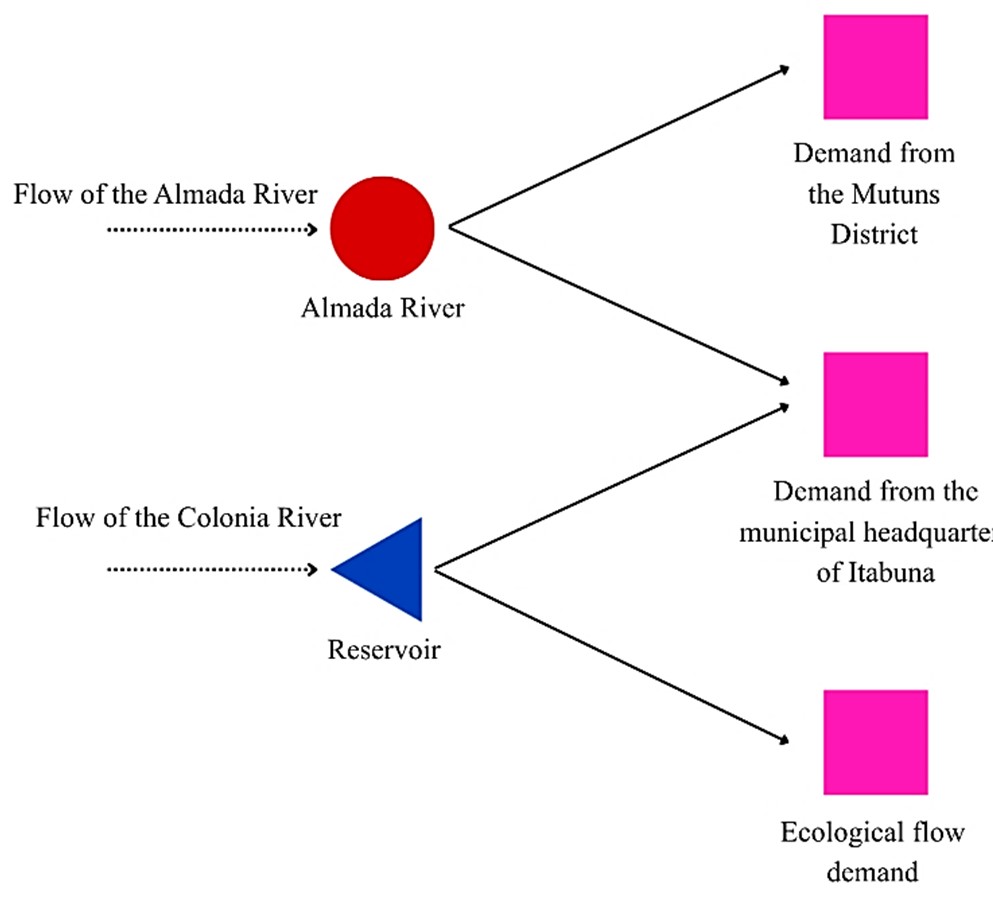
With the operating rules defined and the reservoir characteristics and demands specified, the Itabuna water supply system was modeled in AcquaNet (Figure 6).
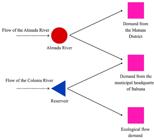
The comparative analysis of performance between scenarios considered key indicators: water security metrics, number of months with supply deficits, minimum storage reached, and frequency of ecological flow violations.
Eight scenarios were simulated, considering combinations of the Colônia River flow peak, the Almada River contribution, and two initial reservoir levels (dead storage and full storage), as shown in Table 4. The scenarios were designed to represent plausible operational stress conditions observed during the 2015-2016 drought, including loss of interbasin support (absence of the Almada River), suppression of the single observed inflow peak, and contrasting initial storage conditions. These combinations test the system’s sensitivity to both hydrological variability and infrastructure dependence.
This experimental design achieved rigorous factor separation through controlled variable methodology. By comparing S1, S2, S3 and S4 with S5, S6, S7 and S8, the effect of the initial storage condition on coping with the water crisis is captured. Comparing the pairs (S1, S2) and (S5, S6) versus (S3, S4) and (S7, S8) elucidates the role of the Almada River in water supply. Finally, analyzing S1 vs. S2, S3 vs. S4, S5 vs. S6, and S7 vs. S8 seeks to isolate the effect of peak inflow (20 m3/s jan/2016) on reservoir storage volume. These analyses allowed evaluating the robustness of the proposed DP-ANN Rule compared with Manual Rule under extreme drought conditions. In AcquaNet, the Manual Rule was implemented as a level-based release policy using priority-based nodes, where urban demand satisfaction is prioritized over storage preservation. Progressive restrictions were programmed as conditional rules: if storage falls below the Alert threshold (), downstream releases are reduced by 20% to conserve volume. If storage reaches the Critical level, the system is forced to serve human consumption only, effectively overriding ecological flow constraints. This setup accurately reflects the reservoir’s official operating manual while allowing a direct comparison with the optimized DP-ANN Rule under the same physical constraints.
Brief environmental study of the Colônia river basin
Finally, a brief reflection was conducted on the environmental degradation of the water bodies supplying Itabuna, based on a literature review. The aim was to discuss whether the solution to the 2015-2016 water crisis relied solely on the dam’s construction or also required comprehensive environmental planning to prevent further degradation of the Colônia and Almada rivers.
RESULTS AND DISCUSSION
Performance of the ANN operating rule
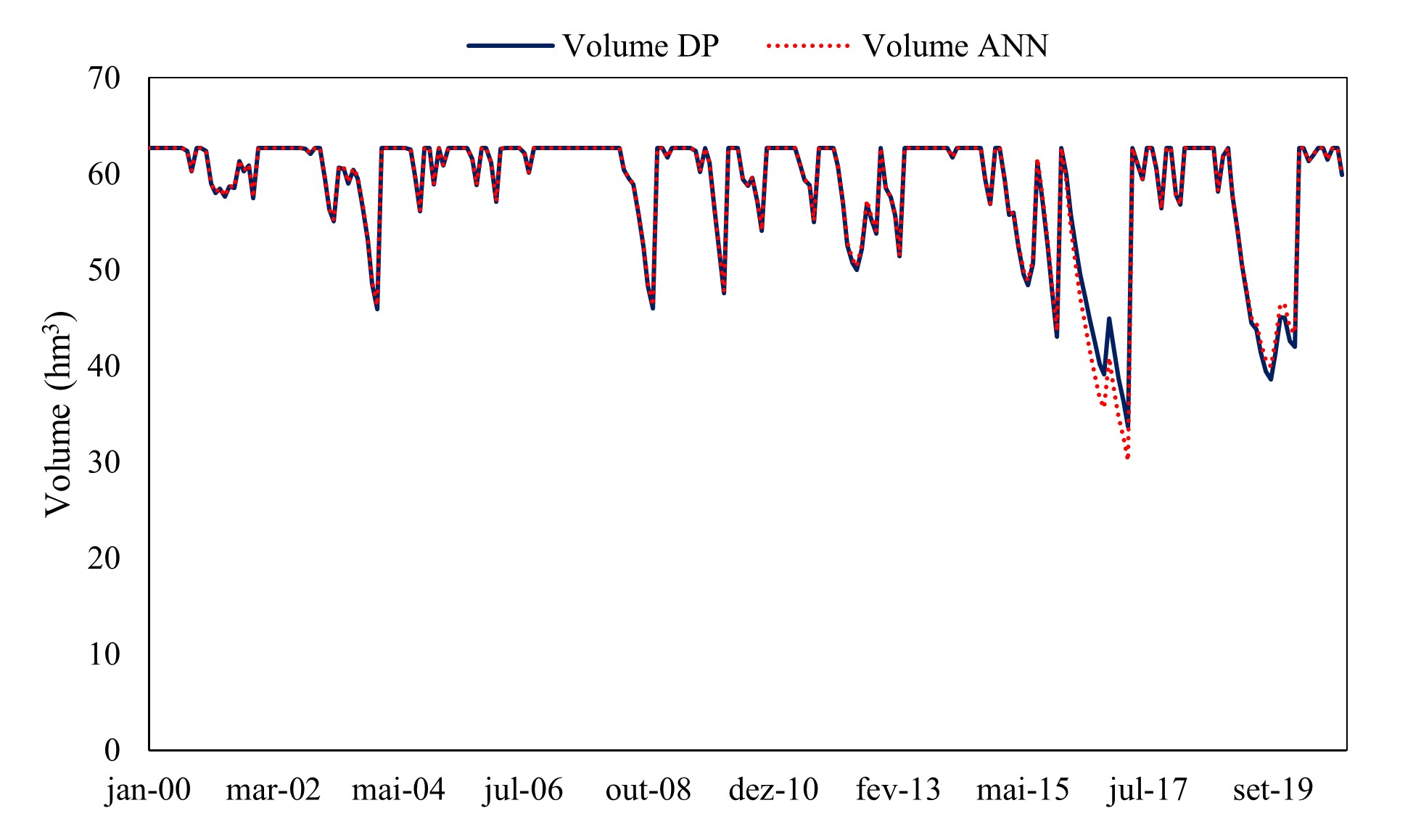
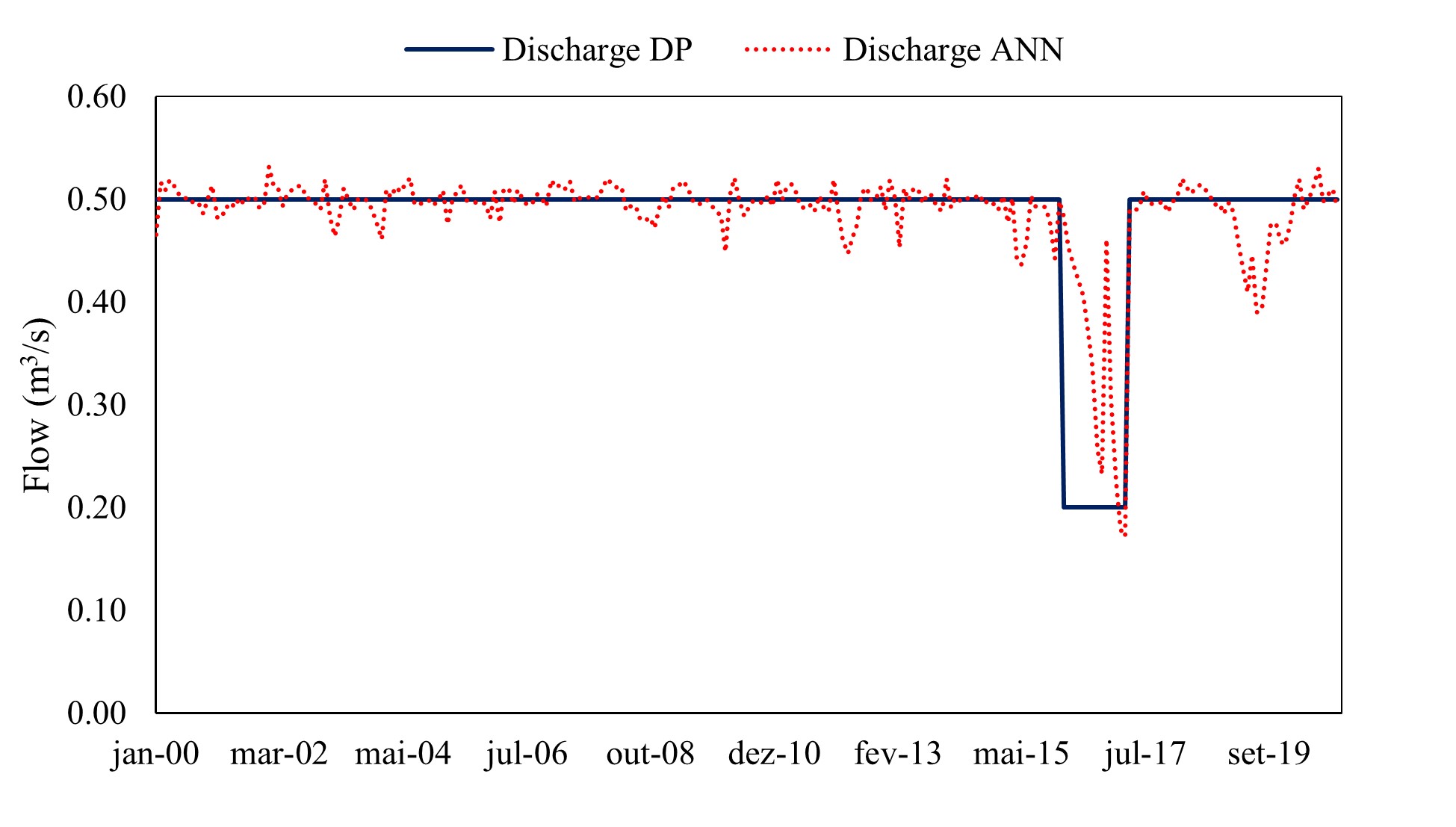
The hybrid methodology based on DP and ANN produced a consistent and stable set of operating rules for the Colônia River reservoir. Figures 7 and 8 show the comparison between the variation obtained from DP and those emulated by the ANN, both in terms of stored volume and released flow.
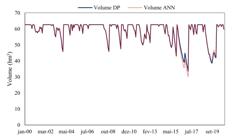
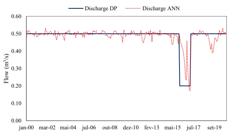
As shown in Figure 6, the ANN effectively emulated the storage trajectory, reflecting the DP's long-term strategic logic. However, the release results (Figure 8) reveal that the ANN act as a continuous approximator of the DP’s discrete decision space. While the DP policy is characterized by sharp transitions (sudden shifts in release for example, from 0.5 to 0.2 m3/s in early 2016, triggered by reaching specific state-space thresholds) the ANN produces a smoothed response.
This behavior occurs because the MLP training minimizes the Mean Squared Error (MSE) across the entire state-decision surface, leading the network to prioritize the central tendency of the optimal rules. Consequently, the ANN tends to represent average release behaviors more accurately than the abrupt operational "shocks" imposed by the DP's discrete grid. This "smoothing effect" is a well-known characteristic of neural emulators in water resources and, from an operational standpoint, can be considered beneficial. It results in a more stable and less "nervous" operating rule, which is often more feasible to implement in real-world dam operations where sudden, large-scale changes in discharge are technically undesirable.
The statistical performance of the model was also satisfactory, with RMSE = 0.05, NSE = 0.90, and R2 = 0.90. According to Moriasi et al. (2007), NSE values above 0.75 are classified as “very good,” confirming the reliability of the ANN as an operational substitute for DP. These results fall within the range reported by Billerbeck (2018) and Dalcin et al. (2021), who applied similar hybrid approaches to the Cantareira and Luiz Gonzaga reservoirs, respectively.
Therefore, the ANN demonstrated a strong ability to generalize the optimal policy generated by DP, allowing for its operational application in extensive simulations with significant reductions in computational time. This approach is particularly advantageous for urban water supply systems, where operation decisions must often be made within reduced temporal horizons (Adeloye & Dau, 2019; Bravo et al., 2008).
Comparison between DP-ANN and manual rule
The operating rule derived from the hybrid approach was compared with the manual rule currently described in the operational plan of the Colônia River Dam (Bahia, 2018). Table 5 presents the comparison between released discharges and service priorities for each operational range of the reservoir.
In the optimal and alert ranges, both rules maintain the same hierarchy of priorities, where lower numerical values indicate higher priority, differing only in the magnitude of releases. From the emergency range onward, however, the DP-ANN-derived rule adopts a more conservative behavior, significantly reducing discharges. This reduction aims to preserve the reservoir’s useful storage, prioritizing the maintenance of the minimum ecological flow and the safety volume over the immediate satisfaction of urban demands.
This storage-oriented behavior aligns with the goal of maximizing the system’s resilience during prolonged droughts - a pattern also reported in other reservoir optimization studies (Morais & Maia, 2021; Lai et al., 2022). Operationally, this indicates that the model recognizes total depletion risk as more critical than the temporary loss of part of the urban water supply.
The interpretation of results shows that the DP-ANN rule identified the need for a progressive reduction in releases once the storage reached 36.58 hm3, corresponding to the upper limit of the alert range. From the emergency level downward, releases are drastically limited (0.152 m3/s), effectively suspending direct urban supply through the reservoir to ensure the minimum ecological discharge (0.146 m3/s) and preserve the safety volume.
This behavior reflects the hybrid model’s ability to balance multiple objectives - ecological preservation, storage safety, and human water supply - under severe constraints. The ANN learned from the optimal DP policy that immediate overexploitation of the reservoir leads to higher long-term costs, expressed as cumulative deficits and operational risks. Consequently, the derived policy prioritizes long-term stability over short-term satisfaction, a strategy similar to those observed in operational models for the Cantareira System (Billerbeck, 2018) and the Luiz Gonzaga Reservoir (Dalcin et al., 2021).
In summary, the DP-ANN rule represents a more resilient operational profile, acknowledging the regional water system’s vulnerability to severe drought events and promoting a preventive operation mode capable of reducing the risk of complete collapse during future scarcity periods.
Simulation with AcquaNet
The following results were obtained from the simulations performed in the AcquaNet decision-support system. The initial simulations correspond to the most favorable scenario, characterized by the contribution of the Almada River and the occurrence of the peak inflow observed in early 2016. Reservoir storage variation and deficits in meeting urban and ecological demands were analyzed.
To provide a systematic comparison of the simulated scenarios, four performance indicators were calculated: reliability (percentage of months without urban supply deficits), eco-compliance (percentage of months meeting ecological flow requirements), total deficit volume, and minimum storage reached. Table 5 summarizes these outcomes, highlighting the distinct operational trade-offs between the Manual Rule and the optimized DP-ANN Rule under different hydrological stress conditions.
The results in Table 6 demonstrate that the DP-ANN Rule consistently prioritizes environmental integrity and volumetric safety over immediate urban supply. In critical scenarios (such as Scenarios 2 and 4), the DP-ANN Rule significantly improved ecological compliance - reaching up to 100% in Scenario 2 - and maintained higher minimum storage levels compared to the Manual Rule. While this strategy resulted in slightly lower urban reliability in some cases (Scenarios 3 and 4), it prevented the premature depletion of the reservoir. This behavior reflects the established hierarchy in the DP objective function (), characterizing a risk-averse policy that enhances long-term system resilience at the expense of minor short-term operational restrictions.
The Mutuns district did not present any deficits in any scenario, probably due to its low demand (0.01 m3/s) and the constant contribution from the Almada River. The same cannot be said for the other demands, as illustrated in Figures 9 to 12.
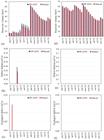
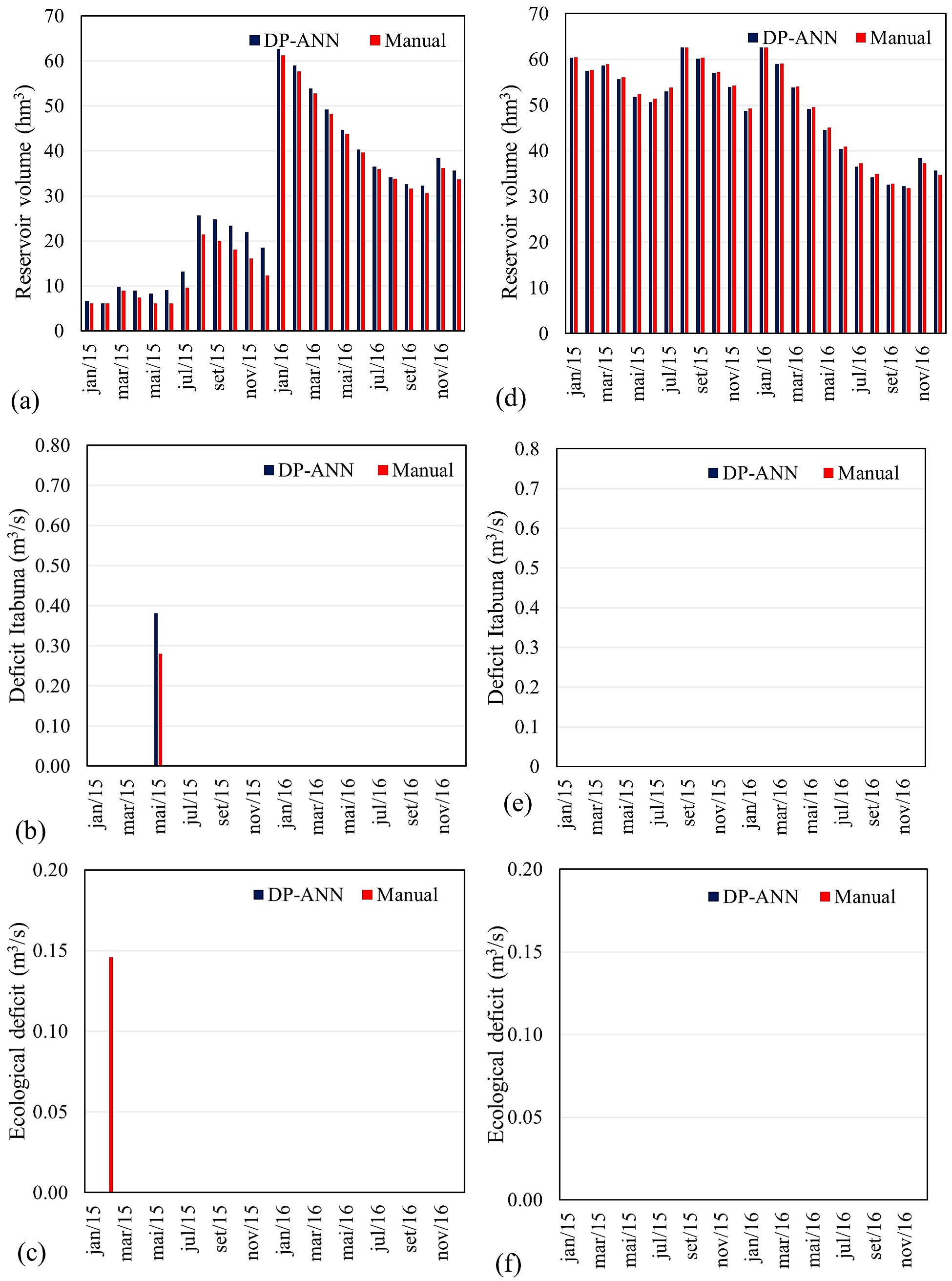
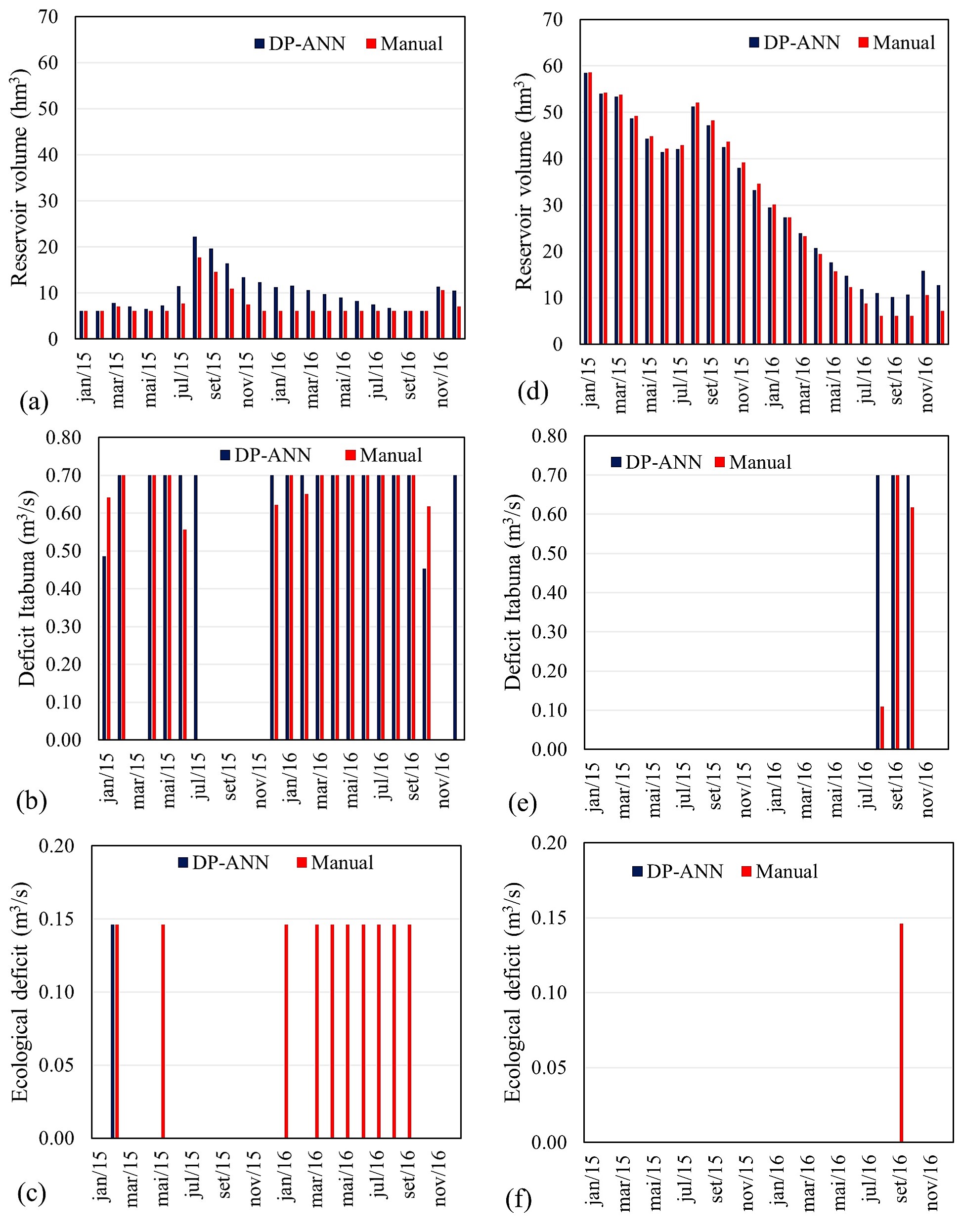
Results for the S1 and S5 simulation scenarios - Almada River and Colônia River Reservoir - figures (a), (b) and (c) represent the dam starting at dead volume (S1), while figures (d), (e) and (f) represent the dam starting at full capacity (S5).
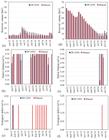
Results for the S4 and S8 simulation scenario – Colônia River Reservoir, excluding the 20 m3/s peak discharge observed at the dam in January 2016.- figures (a), (b) and (c) represent the dam starting at dead volume (S4), while figures (d), (e) and (f) represent the dam starting at full capacity (S8).
The first sequence of simulations (Figure 9) shows that the DP-ANN rule exhibited greater resilience, prioritizing the preservation of useful storage and the maintenance of ecological flow over full satisfaction of urban demand. While the Manual Rule showed ecological flow deficits early in 2015, the DP-ANN rule eliminated these failures entirely, reflecting the weight hierarchy established in the Dynamic Programming objective function.
As seen in Figure 9b, due to the priority given to ecological flow and water storage, the urban deficit in Itabuna was higher under the DP-ANN rule (0.382 m3/s) than under the Manual Rule (0.280 m3/s), both occurring in the same month. It is important to note that even with the reservoir operating under Emergency and Critical levels throughout 2015 (Figure 9a), only one deficit month occurred for both operational rules - despite the DP-ANN rule imposing stricter release limits. This result clearly indicates Itabuna’s dependence on the Almada River, which sustained urban supply during that period.
In the scenario starting at full capacity, no significant deficits were observed for any demand (Figures 99f), and storage remained high throughout the simulation horizon. In summary, under the “with Almada River and with peak flow” condition (S1,S5), the DP-ANN rule demonstrated a more conservative and efficient operation, preserving volumetric safety and eliminating ecological deficits - a type of flow often neglected in reservoir operation schemes, thus underestimating total water demand (Dash et al., 2023).
The “with Almada River and without peak flow” scenario (Figure 10) was designed to assess the effects of the absence of the extreme recharge event observed in January 2016. This condition represents a prolonged drought regime, where the reservoir depends solely on the regular contributions from the Almada River to sustain urban and ecological demands.
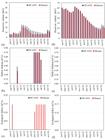
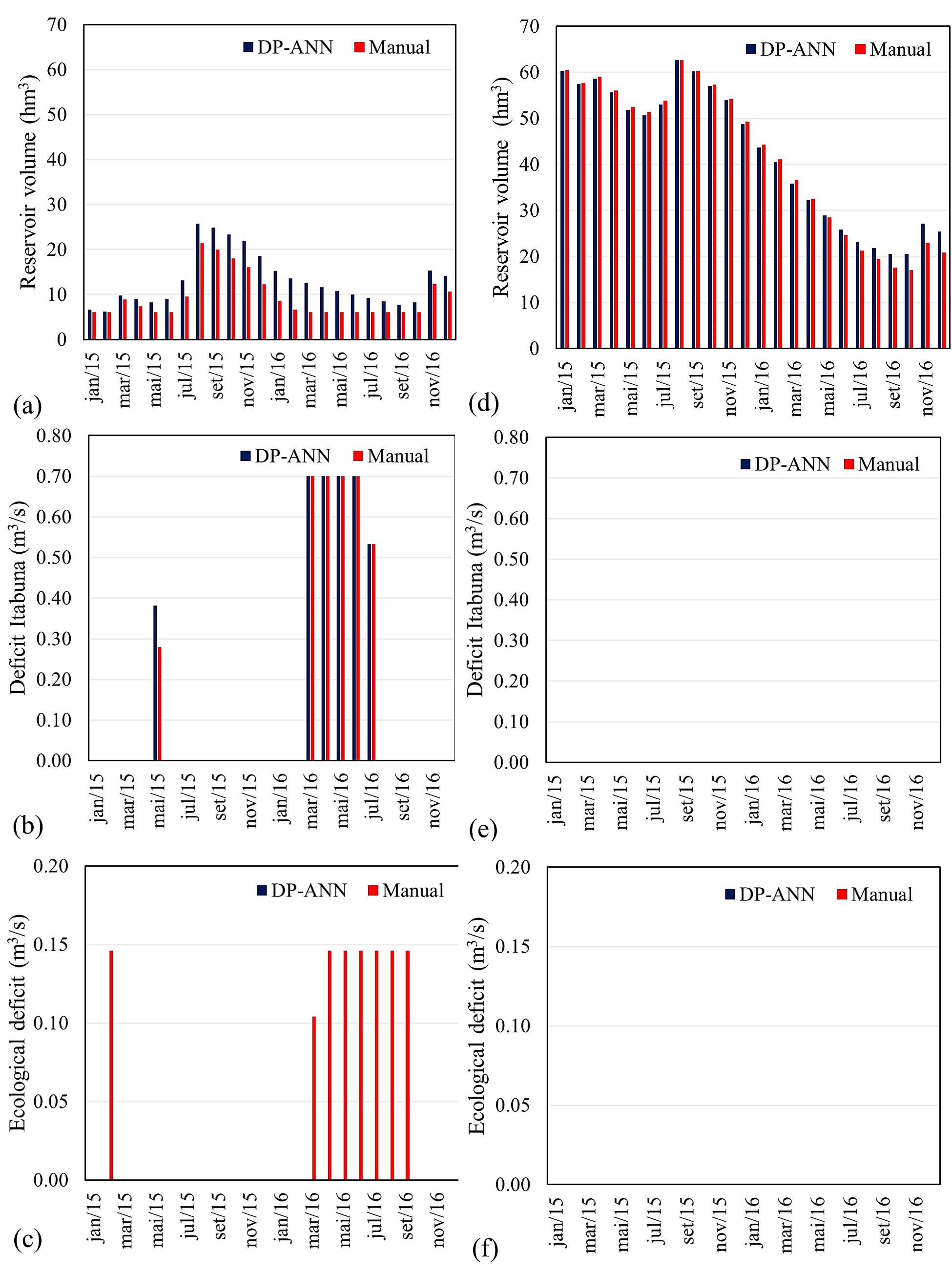
Results for the S2 and S6 simulation scenario - Almada River and excluding the 20 m3/s peak discharge in January 2016 at the Colônia River Reservoir - figures (a), (b) and (c) represent the dam starting at dead volume (S2), while figures (d), (e) and (f) represent the dam starting at full volume (S6).
As shown in Figure 10, both operational rules resulted in six months of deficits (Figure 10b) in municipal supply between March and July 2016. However, the Manual Rule presented recurrent failures in maintaining the ecological flow, with interruptions from February 2015 to September 2016 (Figure 10c). In contrast, the ANN rule successfully maintained the ecological discharge throughout the period, even under critical storage conditions.
The neural policy reduced releases, partially sacrificing urban supply (maximum deficits of 0.7 m3/s) but ensuring the integrity of the environmental regime. Furthermore, while the reservoir storage under the Manual Rule remained near the lower limit (~6.0 hm3) for most of the simulation, the ANN model promoted a slight recovery, reaching 14.0 hm3 by the end of the period (Figure 10a). This behavior demonstrates greater volumetric stability and lower susceptibility to operational collapse.
When the simulation started with the reservoir full, no deficits occurred for either rule; however, the ANN demonstrated more efficient operation, maintaining higher volumes (~25 hm3) and moderate releases (Figure 10d). Overall, the absence of the recharge peak exposed the Manual Rule’s limitation in balancing multiple uses, while the ANN rule proved more resilient, ensuring both water security and ecological preservation.
The “without Almada River and with peak flow” scenario (Figure 11) assessed reservoir behavior when the system loses its main complementary source. This condition represents dependence solely on the Colônia River storage and exceptional rainfall events, such as the one in January 2016.
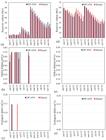
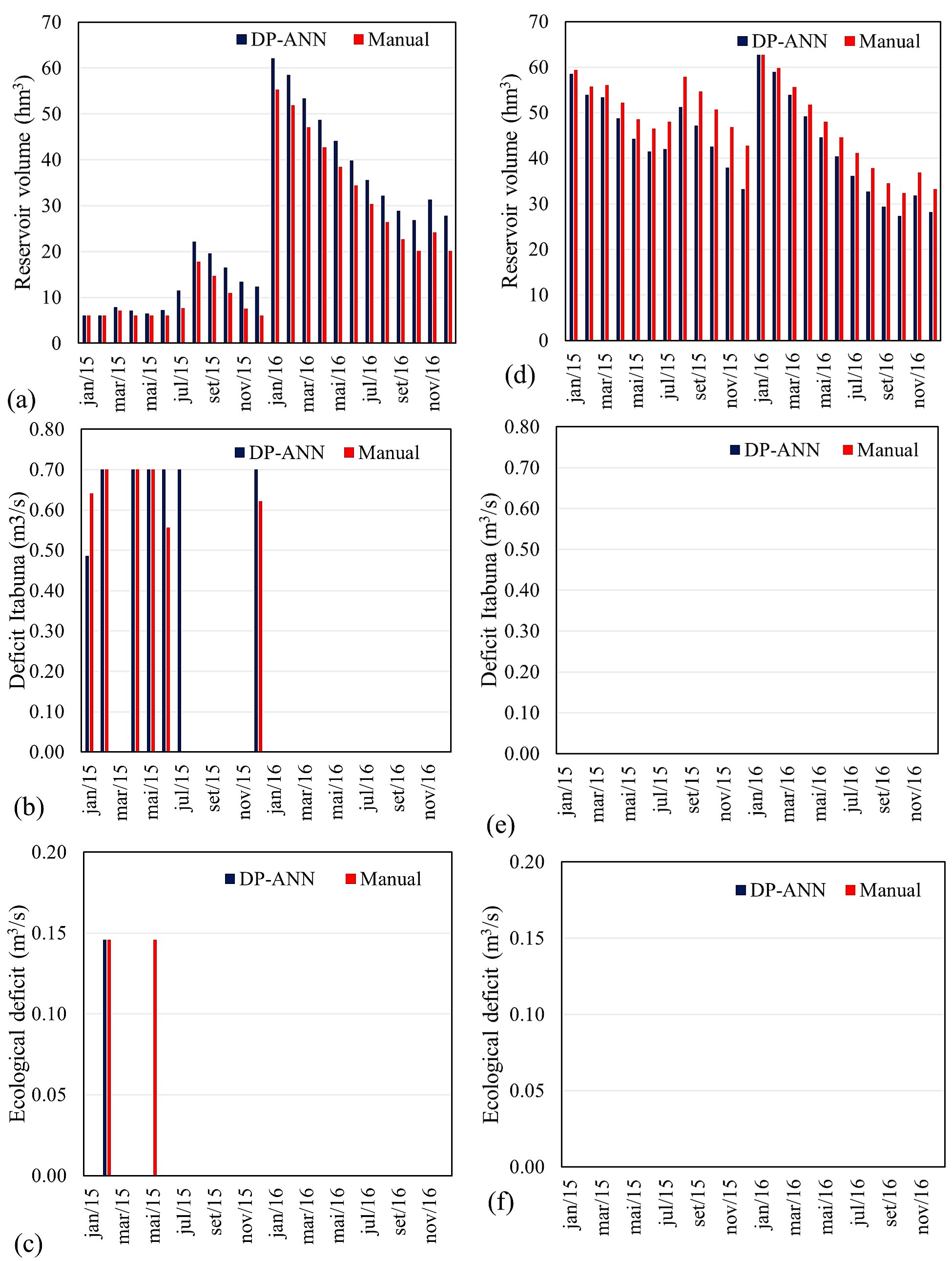
Results for the S3 and S7 simulation scenario - Without the Almada River - figures (a), (b) and (c) represent the dam starting at dead volume (S3), while figures (d), (e) and (f) represent the dam starting at full capacity (S7).
The absence of the Almada River intensified municipal supply deficits, particularly during the first simulation year (Figure 11b). Under the ANN rule, monthly failures occurred between January and July 2015, ranging from 0.48 to 0.70 m3/s. Despite the severity of these deficits, the model maintained the ecological discharge almost uninterrupted, except for a single month (February 2015).
The Manual Rule exhibited a less conservative pattern, maintaining higher releases and resulting in failures in both urban and ecological supply. Although urban deficits were similar in magnitude (up to 0.70 m3/s), ecological failures were more frequent, compromising downstream environmental maintenance.
The peak inflow in January 2016 was crucial for system recovery: the reservoir volume under the ANN rule increased from 12.3 to 62.1 hm3 in a single month, highlighting the reservoir’s strong dependence on extreme recharge events. After this period, both rules stabilized without further deficits.
When the simulation started at full capacity, no deficits were observed for either rule, reinforcing that critical behavior is associated with the combination of low initial storage and absence of the Almada River. In comparative terms, the ANN rule performed more resiliently, preserving storage and ecological flow under severe conditions, whereas the Manual Rule showed lower efficiency in managing useful storage.
The “without Almada River and without peak flow” condition (Figure 12) represents the most critical and vulnerable case analyzed, simulating a prolonged drought with no significant recharge. Under this configuration, the system operated under extreme constraints, leading to operational collapse of Itabuna’s water supply, even when the reservoir started at full capacity.
When the simulation began at dead storage, a progressive depletion trajectory was observed, with reservoir volume remaining near 6 hm3 for most of the period. Under the DP-ANN rule, urban deficits occurred in 16 of the 24 months, ranging from 0.45 to 0.70 m3/s. Nevertheless, the model preserved ecological discharge for most of the time, indicating that the control policy prioritized environmental integrity and safety volume over immediate urban supply.
The Manual Rule performed worse, maintaining higher releases and failing in both human and ecological supply. In both cases, the reservoir proved unable to sustain the system without the Almada River or the recharge associated with summer rainfall.
When the reservoir started full, a continuous decline in useful storage was observed, reaching 12.7 hm3 under the DP-ANN rule and 6.0 hm3 under the Manual Rule. In both cases, the system collapsed by the second half of 2016, with successive urban supply deficits.
Although the DP-ANN Rule improved ecological flow compliance and reduced the risk of storage depletion, this performance was achieved at the expense of higher short-term urban deficits in some scenarios. This trade-off reflects the structure of the objective function, which assigns greater penalties to ecological violations and critical storage levels than to temporary supply shortages. Thus, the model does not maximize supply reliability alone, but rather system survival under extreme drought.
The simulation results demonstrated that although the DP-ANN methodology significantly enhances the operational resilience of the system, its effectiveness remains constrained by the environmental and structural conditions of the basin. In other words, an optimized reservoir cannot ensure water security if the watershed that sustains it is environmentally degraded. Therefore, the technical analysis presented thus far must be understood within a broader water management context, where operational efficiency depends on environmental governance, ecological integrity, and diversification of water sources.
Environmental degradation and water management challenges in the Ilhéus-Itabuna microregion
The Ilhéus-Itabuna microregion presents a structural contradiction between potential water abundance and practical supply scarcity. This tension was first identified by Silva et al. (2015), who argued that the natural water production in the Cachoeira and Almada basins was sufficient to meet local demands, making the construction of a new dam unnecessary at the time. However, only one month after their publication, the city of Itabuna declared a state of emergency, demonstrating that, although their conclusion was based on long-term water balance data, it underestimated the system’s vulnerability to prolonged and intense droughts. Still, one of their findings remains relevant a decade later: the basins are undergoing environmental degradation that compromises both water quantity and quality.
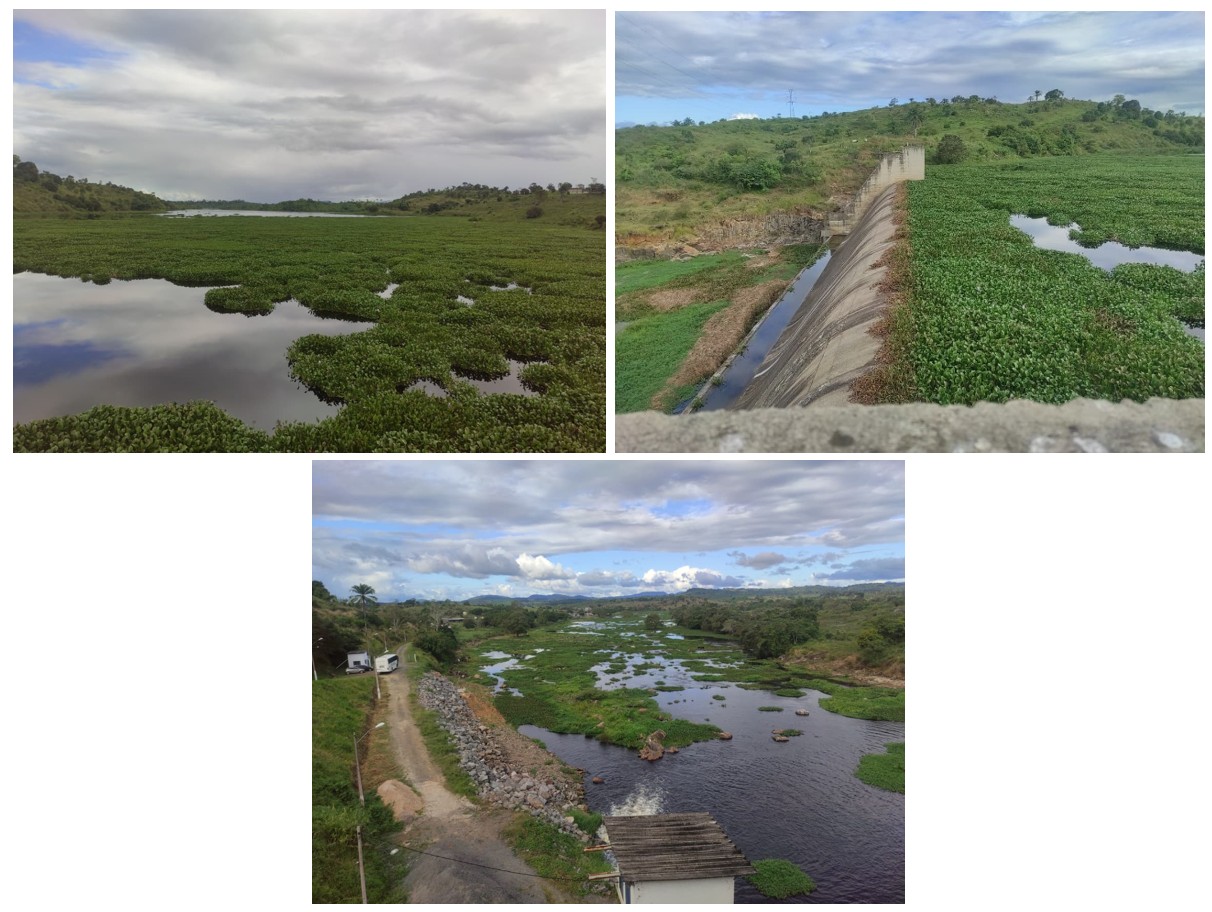
Recent studies confirm that the discharge of untreated domestic and industrial effluents, combined with the replacement of forest cover by pasture and agriculture, has impaired the hydrological production and regulation capacity of the basin (Santos & Souza 2024; Santos & Campos, 2024). In Itabuna, untreated sewage is a major factor limiting water intake (Silva et al., 2023), while remote sensing monitoring reveals extensive eutrophic areas with proliferation of macrophytes such as Eichhornia crassipes (commonly known as “water hyacinth”) along the Cachoeira River and its tributaries (Pinheiro & Coelho, 2025). This condition is consistent with observations by Santos et al. (2025) in the Almada River, where solid waste, organic matter, and aquatic vegetation were associated with reduced dissolved oxygen and domestic sewage discharges. Indeed, macrophyte proliferation is now visible in the Colônia Reservoir itself (Figure 13), serving as a direct indicator of ongoing eutrophication.
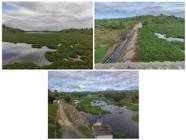
The construction of dams such as Colônia has been treated as a structural solution to water scarcity, yet the lack of watershed management has turned many reservoirs into low-quality water bodies, often subject to advanced eutrophication. According to Barbosa et al. (2023) and Gadelha et al. (2023), eutrophication - resulting from excess nitrogen and phosphorus from sewage, livestock, and improper land use - leads to severe water quality degradation, reducing its suitability for human, agricultural, and industrial use. Similar situations have been reported in other coastal basins of southern Bahia (Jesus et al., 2025), where trophic state indices classified as “hypereutrophic” threaten aquatic ecosystems and water potability.
Pompêo & Moschini-Carlos (2022) emphasize that in degraded reservoirs, the main causes of deterioration lie outside the water body itself, in the anthropogenic pressures on its surroundings - a fact also observed in Itapé and Itabuna, where the absence of sewage collection and treatment systems intensifies nutrient loading (Jesus et al., 2025). Together with the absence of a watershed plan for the Eastern River Basin Committee (which includes the study area), these factors create an institutional vulnerability scenario that jeopardizes both operational efficiency and the long-term sustainability of the Colônia Dam.
Given this context, it becomes evident that regional water security depends less on new infrastructure and more on environmental governance, institutional integration, and source diversification. The literature reinforces that water scarcity is largely a product of governance failures and imbalance between infrastructure and management (Francisco et al., 2022), demanding instruments that reconcile physical control of water supply with ecological sustainability (Santos & Gallardo, 2024; Padovesi-Fonseca & Faria, 2022). However, the implementation of integrated water resources management in Brazil still faces institutional limitations and socio-political asymmetries that hinder effective participation of local stakeholders (Rickard & Ludwig, 2024).
In contrast, international experiences demonstrate that integrated models combining remote sensing, artificial intelligence, and hydrological simulation have proven effective in optimizing resource allocation and reducing environmental impacts (Otamendi et al., 2024). Thus, in the context of the Colônia River basin, strengthening governance and adopting intelligent decision-support tools must go hand in hand with forest restoration, wastewater treatment, and diversification of water sources - the only way to transform existing infrastructure into a truly resilient and sustainable system (Medeiros & de Lucena, 2023).
CONCLUSION
The results of this study demonstrate that the hybrid Dynamic Programming and Artificial Neural Network (DP-ANN) approach effectively developed operating rules that balance multiple objectives - urban water supply, ecological flow maintenance, and storage safety - under severe drought conditions in the Colônia Reservoir. The high fidelity of the ANN emulation (NSE = 0.90) validates the integration of deterministic optimization and machine learning as a powerful policy-approximation tool.
Beyond the local context, this study proposes a transferable workflow (DP Policy Approximation Scenario Evaluation) applicable to other river basins, especially in data-scarce regions where synthetic datasets derived from optimization can compensate for short historical records. However, some limitations must be acknowledged: the use of deterministic inflow sequences, the focus on a specific drought horizon (2015-2016), the sensitivity of results to penalty weight calibration, and the fact that ANN generalization is constrained to the training domain generated by the DP.
Comparisons between the DP-ANN and the Manual Rule reveal that the optimized approach is more conservative and resilient, although no operational policy alone can ensure water security if watershed integrity is compromised. Environmental degradation reduces hydrological regulation capacity, making source diversification and basin restoration strategic necessities.
In the most critical scenario (S4), the DP-ANN rule increased ecological compliance from 58.3% to 95.8% without significant loss in water supply performance. Moreover, in all eight tested scenarios, the DP-ANN rule achieved ecological compliance rates above 95%, whereas in the most critical scenario (S4) the manual rule reached only 58%. The Cachoeira River is essential for maintaining the biodiversity of the main Atlantic Forest ecological corridor in Brazil.
The optimized rule achieved water supply reliability levels close to those obtained with the manual rule in all simulations; however, the DP-ANN approach resulted in higher stored volumes in seven scenarios.
Among the four scenarios simulated considering the reservoir full before the onset of the extreme drought, a supply deficit was observed only in scenario S8, which did not account for the water contribution from the Almada River nor the inflow peak of 20 m3 s−1 recorded in January 2016 in the stored volume composition. The Almada River basin therefore remains a key component of the water supply system for the city of Itabuna, Bahia.
The Colônia River reservoir constitutes a fundamental infrastructure for ensuring regional water security and maintaining the ecohydrological balance of the system. The results suggest that the impacts of the severe 2016 water crisis would have been avoided in seven of the tested scenarios and mitigated even under the most extreme conditions.
The use of optimized operational rules for reservoir management contributes to reducing the vulnerability and risk exposure of environmental, social, economic, and infrastructure systems to the current and projected adverse effects of climate change. The adoption of the DP-ANN approach may significantly enhance the resilience of this infrastructure to extreme climate events, while also aligning with the provisions of Brazil’s Climate Adaptation Law No. 14,904 (Brasil, 2024).
Future research should incorporate stochastic inflow ensembles, multi-objective formulations, and robustness analyses. Comparing the DP-ANN framework with alternative methods - such as reinforcement learning or decision trees - could further clarify operational trade-offs, providing deeper support for climate adaptation in complex water systems.
DATA AVAILABILITY STATEMENT
The hydrological and climatic datasets supporting this study were obtained from INEMA and the Copernicus Climate Data Store (ERA5-Land). The Dynamic Programming (DP) algorithms, Artificial Neural Network (ANN) training scripts, and AcquaNet configuration files developed for this research are available from the corresponding author upon reasonable request.
ACKNOWLEDGEMENTS
The authors would like to thank the State University of Santa Cruz (UESC) and the Institutional Scientific Initiation Program (ICB/UESC) for the financial and academic support that made this study possible. The authors also acknowledge the Bahia Water and Sanitation Company (CERB) and Municipal Water and Sanitation Company (EMASA) for providing the operational data used in this research.
REFERENCES
-
Adeloye, A. J., & Dau, Q. V. (2019). Hedging as an adaptive measure for climate change-induced water shortage at the Pong Reservoir in the Indus Basin, Beas River, India. The Science of the Total Environment, 687, 554-566. https://doi.org/10.1016/j.scitotenv.2019.06.021
» https://doi.org/10.1016/j.scitotenv.2019.06.021 -
Al-Nouti, A. F., Fu, M., & Bokde, N. D. (2024). Reservoir operation-based machine learning models: comprehensive review for limitations, research gap, and possible future research direction. Knowledge-Based Engineering and Sciences, 5(2), 75-139. https://doi.org/10.51526/kbes.2024.5.2.75-139
» https://doi.org/10.51526/kbes.2024.5.2.75-139 -
Alves, J. E., Gonçalves, T. S., & Nascimento, S. A. M. (2022). Precipitação na bacia hidrográfica do rio Cachoeira, Nordeste do Brasil: tendências e variabilidade (1970–2020). Boletim do Museu Paraense Emílio Goeldi. Ciências Naturais, 17(2), 527-542. https://doi.org/10.46357/bcnaturais.v17i2.841
» https://doi.org/10.46357/bcnaturais.v17i2.841 -
Azad, A. S., Sokkalingam, R., Daud, H., Adhikary, S. K., Khurshid, H., Mazlan, S. N. A., & Rabbani, M. B. A. (2022). Water level prediction through hybrid SARIMA and ANN models based on time series analysis: Red Hills Reservoir case study. Sustainability, 14(3), 1843. https://doi.org/10.3390/su14031843
» https://doi.org/10.3390/su14031843 - Bahia. Secretaria de Infraestrutura Hídrica e Saneamento – SIHS. Empresa Baiana de Águas e Saneamento – EMBASA. (2018). Manual de operação e segurança da Barragem do Rio Colônia. Salvador: EMBASA.
-
Bahia. Secretaria de Infraestrutura Hídrica e Saneamento – SIHS. Portal da Água. (2025). Plataforma de apoio à gestão integrada da infraestrutura hídrica e saneamento da Bahia. Salvador. Retrieved in 2025, February 13, from https://portaldaagua.sihs.ba.gov.br/portal/apps/sites/#/portalagua
» https://portaldaagua.sihs.ba.gov.br/portal/apps/sites/#/portalagua -
Barbosa, L. G., Carneiro, K. A. A., Moro, L., Santos, J. P. O., & Macedo, R. S. (2023). Seasonal precipitation and anthropogenic pressure affect the water quality of reservoirs in the highland humid forest enclaves. Acta Limnologica Brasiliensia, 35, e35. https://doi.org/10.1590/s2179-975x3723
» https://doi.org/10.1590/s2179-975x3723 - Billerbeck, C. (2018). Regras operativas e análise de desempenho de sistemas de reservatórios obtidas por modelos de programação dinâmica, redes neurais e simulação em rede de fluxo (Dissertação de mestrado). Universidade de São Paulo, São Paulo.
- Brasil. Ministério do Desenvolvimento Regional – MDR. (2022). Plano Nacional de Recursos Hídricos 2022–2040: plano de ação – estratégia para a implementação Brasília: MDR.
- Brasil. (2024, 27 de junho). Lei nº 14.904, de 27 de junho de 2024. Estabelece diretrizes para a elaboração de planos de adaptação à mudança do clima; altera a Lei nº 12.114, de 9 de dezembro de 2009; e dá outras providências. Diário Oficial [da] República Federativa do Brasil, Brasília.
-
Brasil. Agência Nacional de Águas – ANA. (2026). Monitor de Secas do Brasil: mapa do monitor. Brasília: ANA. Retrieved in 2026, March 12, from https://monitordesecas.ana.gov.br/mapa
» https://monitordesecas.ana.gov.br/mapa -
Bravo, J. M., Collischonn, W., Tucci, C. E. M., & Pillar, J. V. (2008). Otimização de regras de operação de reservatórios com incorporação da previsão de vazão. Revista Brasileira de Recursos Hídricos, 13(1), 181-196. https://doi.org/10.21168/rbrh.v13n1.p181-196
» https://doi.org/10.21168/rbrh.v13n1.p181-196 -
Carneiro, T. C., & Farias, C. A. S. (2013). Otimização estocástica implícita e redes neurais artificiais para auxílio na operação mensal dos reservatórios Coremas – Mãe d’Água. Revista Brasileira de Recursos Hídricos, 18(4), 115-124. https://doi.org/10.21168/rbrh.v18n4.p115-124
» https://doi.org/10.21168/rbrh.v18n4.p115-124 -
Dalcin, A. P., Pedrollo, O. C., Finck, J. S., & Marques, G. F. (2021). Deriving reservoir operational behavior with artificial neural networks: the case of Luiz Gonzaga Dam, Brazil. Revista de Gestão de Água da América Latina, 18, e4. https://doi.org/10.21168/rega.v18e4
» https://doi.org/10.21168/rega.v18e4 -
Dash, S. S., Sahoo, B., & Raghuwanshi, N. S. (2023). An integrated reservoir operation framework for enhanced water resources planning. Scientific Reports, 13(1), 21720. https://doi.org/10.1038/s41598-023-49107-z
» https://doi.org/10.1038/s41598-023-49107-z -
European Union. (2026). Copernicus. Retrieved in 2026, March 12, from https://eu-space.europa.eu/
» https://eu-space.europa.eu/ -
Francisco, W. R., da Silva, S. M. O., Souza Filho, F. A., Carvalho, T. M. N., & Lopes, T. M. X. M. (2022). Diversification of urban water supply: an assessment of social costs and water production costs. Water Policy, 24(6), 980-997. https://doi.org/10.2166/wp.2022.012
» https://doi.org/10.2166/wp.2022.012 - Gadelha, J. E. F. S., Ferreira, K. F., Marcionílio, S. M. L. O., & Castro, R. M. (2023). Consequências da eutrofização em corpos hídricos. Revista Multidisciplinar do Nordeste Mineiro, 3(1), 1-13.
-
Giuliani, M., Lamontagne, J. R., Reed, P. M., & Castelletti, A. (2021). A state-of-the-art review of optimal reservoir control for managing conflicting demands in a changing world. Water Resources Research, 57(12), e2021WR029927. https://doi.org/10.1029/2021WR029927
» https://doi.org/10.1029/2021WR029927 -
He, S., Sun, S., Liu, Y., Chen, K., Zhu, L., & Gong, Y. (2025). Projections of future hydrologic drought in a reservoir-regulated region: the role of climate change and reservoir operation. EGUsphere, https://doi.org/10.5194/egusphere-2025-5548
» https://doi.org/10.5194/egusphere-2025-5548 - Intergovernmental Panel on Climate Change – IPCC. (1992). Climate change: the IPCC 1990 and 1992 assessments. Geneva: World Meteorological Organization/United Nations Environment Programme.
-
Intergovernmental Panel on Climate Change – IPCC. (2023). Climate change 2023: synthesis report. Geneva: IPCC. https://doi.org/10.59327/IPCC/AR6-9789291691647
» https://doi.org/10.59327/IPCC/AR6-9789291691647 - Itabuna. Prefeitura Municipal. (2015). Decreto nº 11.443, de 2 de dezembro de 2015. Diário Oficial do Município, Itabuna.
-
Jesus, U. M. A., Silva, J. B. L., Gonçalves Silva, A., Chácara Pires, L., Schneider Del Pupo, A., Simeão Campos, L., & Oliveira, B. R. M. (2025). Determinação do Índice do Estado Trófico do rio Itanhém entre os municípios de Teixeira de Freitas e Alcobaça, Bahia. Revista Brasileira de Geografia Física, 18(1), 756-770. https://doi.org/10.26848/rbgf.v18.1.p756-770
» https://doi.org/10.26848/rbgf.v18.1.p756-770 -
Lai, V., Huang, Y. F., Koo, C. H., Ahmed, A. N., & El-Shafie, A. (2022). A review of reservoir operation optimisations: from traditional models to metaheuristic algorithms. Archives of Computational Methods in Engineering, 29(5), 3435-3457. https://doi.org/10.1007/s11831-021-09701-8
» https://doi.org/10.1007/s11831-021-09701-8 -
Lee, Y., Peñuela, A., Pianosi, F., & Angel Rico-Ramirez, M. (2024). Value of seasonal flow forecasts for enhancing reservoir operation and drought management in South Korea. EGUsphere, https://doi.org/10.5194/egusphere-2024-1985
» https://doi.org/10.5194/egusphere-2024-1985 -
Liu, J., Shen, C., O’Donncha, F., Song, Y., Zhi, W., Beck, H. E., Bindas, T., Kraabel, N., & Lawson, K. (2025). From RNNs to Transformers: benchmarking deep learning architectures for hydrologic prediction. Hydrology and Earth System Sciences, 29(23), 6811-6828. https://doi.org/10.5194/hess-29-6811-2025
» https://doi.org/10.5194/hess-29-6811-2025 -
Mahmoud, A., Hu, T., Jing, P., Liu, Y., Li, X., & Wang, X. (2024). Enhancing interpretability of AI models in reservoir operation simulation: exploring and mitigating principal inconsistencies through theory-guided multi-objective artificial neural networks. Journal of Hydrology (Amsterdam), 639, 131618. https://doi.org/10.1016/j.jhydrol.2024.131618
» https://doi.org/10.1016/j.jhydrol.2024.131618 - Mattos, J. B., Silva, K. B., & Silva, R. J. (2017). O efeito de fenômenos naturais associados a uma ineficaz gestão hídrica em uma média cidade no Nordeste do Brasil. In Anais do XXII Simpósio Brasileiro de Recursos Hídricos (pp. 1-8). Porto Alegre: ABRH.
-
Medeiros, K. T. B., & de Lucena, M. M. A. (2023). Gestão dos recursos hídricos: uma revisão sob a perspectiva dos Objetivos do Desenvolvimento Sustentável. Revista Gestão & Sustentabilidade Ambiental, 12(1), e12549. https://doi.org/10.59306/rgsa.v12e12023e12549
» https://doi.org/10.59306/rgsa.v12e12023e12549 -
Mello Júnior, A. V., & Matos, L. N. (1999). Otimização da operação de reservatório pela programação dinâmica em um processo de decisão markoviano. Revista Brasileira de Recursos Hídricos, 4(3), 5-15. https://doi.org/10.21168/rbrh.v4n3.p5-15
» https://doi.org/10.21168/rbrh.v4n3.p5-15 -
Moeini, R., & Hadiyan, P. P. (2022). Hybrid methods for reservoir operation rule curve determination considering uncertain future conditions. Sustainable Computing : Informatics and Systems, 35, 100727. https://doi.org/10.1016/j.suscom.2022.100727
» https://doi.org/10.1016/j.suscom.2022.100727 - Morais, A. A. C., & Maia, A. G. (2021). Development of reservoir operation rules using seasonal climate forecasts. Revista Brasileira de Recursos Hídricos, 26, e27. https://doi.org/10.1590/2318-0331.262120210012.
-
Moriasi, D. N., Arnold, J. G., Liew, M. W. V., Bingner, R. L., Harmel, R. D., & Veith, T. L. (2007). Model evaluation guidelines for systematic quantification of accuracy in watershed simulations. Transactions of the ASABE, 50(3), 885-900. https://doi.org/10.13031/2013.23153
» https://doi.org/10.13031/2013.23153 -
Otamendi, U., Maiza, M., Olaizola, I. G., Sierra, B., Florez, M., & Quartulli, M. (2024). Integrated water resource management in the Segura Hydrographic Basin: an artificial intelligence approach. Journal of Environmental Management, 370, 122526. https://doi.org/10.1016/j.jenvman.2024.122526
» https://doi.org/10.1016/j.jenvman.2024.122526 -
Padovesi-Fonseca, C., & Faria, R. S. (2022). Desafios da gestão integrada de recursos hídricos no Brasil e Europa. Revista Mineira de Recursos Hídricos, 3(1), e022003. https://doi.org/10.59824/rmrh.v3i.221
» https://doi.org/10.59824/rmrh.v3i.221 -
Pinheiro, J. G. M., & Coelho, A. L. N. (2025). Utilização do sensoriamento remoto para identificação de macrófitas aquáticas no rio Cachoeira – Bahia. Revista Ciência Geográfica, 29(2), https://doi.org/10.18817/26755122.29.2.2025.4221
» https://doi.org/10.18817/26755122.29.2.2025.4221 -
Pompêo, M., & Moschini-Carlos, V. (2022). Avaliação da degradação da qualidade da água do reservatório Carlos Botelho em Itirapina, São Paulo, Brasil, por meio de imagens do satélite Sentinel 2. Engenharia Sanitária e Ambiental, 27(2), 279-290. https://doi.org/10.1590/s1413-415220210002
» https://doi.org/10.1590/s1413-415220210002 -
Rickard, T., & Ludwig, D. (2024). Dam the river: ontological exclusion in global and Brazilian integrated water resources management. Environmental Science & Policy, 156, 103755. https://doi.org/10.1016/j.envsci.2024.103755
» https://doi.org/10.1016/j.envsci.2024.103755 -
Rocha, N. N. C. S. G., Assis, J. M. O., & Fontes, A. S. (2024). Índice de anomalia de chuva e ocorrência de desastres relacionados à precipitação na bacia hidrográfica do rio Cachoeira, Bahia. Revista de Gestão de Água da América Latina, 21(1), e16. https://doi.org/10.21168/rega.v21e16
» https://doi.org/10.21168/rega.v21e16 -
Santiago, D. B., Barbosa, H. A., Correia Filho, W. L. F., Oliveira-Júnior, J. F., Paredes-Trejo, F., & de Oliveira Buriti, C. (2022). Variability of water use efficiency associated with climate change in the extreme west of Bahia. Sustainability, 14(23), 16004. https://doi.org/10.3390/su142316004
» https://doi.org/10.3390/su142316004 - Santos, K. C., & Campos, D. O. (2024). Capacidade de produção de água da bacia hidrográfica do rio Salgado, sul da Bahia. Ciência Geográfica, 28(2), 362-370.
-
Santos, R. R., & Souza, A. L. R. (2024). O papel do Consórcio Nordeste para enfrentamento das mudanças climáticas no Brasil: um estudo exploratório no contexto dos ODS. Revista de Gestão e Secretariado, 15(2), e3517. https://doi.org/10.7769/gesec.v15i2.3517
» https://doi.org/10.7769/gesec.v15i2.3517 -
Santos, S. M., & Gallardo, A. L. C. F. (2024). AAE no planejamento e gestão dos recursos hídricos: uma visão geral da literatura científica internacional. Revista de Gestão de Água da América Latina, 21(1), e8. https://doi.org/10.21168/rega.v21e8
» https://doi.org/10.21168/rega.v21e8 -
Santos, J. F., Nascimento, J. R., & Simões, N. R. (2025). Effects of urban pollution on zooplankton diversity along the Almada River (Bahia, Brazil). Acta Limnologica Brasiliensia, 37, e103. https://doi.org/10.1590/s2179-975x3224
» https://doi.org/10.1590/s2179-975x3224 -
Silva, A. C., Silva, F. G. B., Valério, V. E. M., Silva, A. T. Y. L., Marques, S. M., & Reis, J. A. T. (2024). Application of data prediction models in a real water supply network: comparison between ARIMA and artificial neural networks. Revista Brasileira de Recursos Hídricos, 29, e12. https://doi.org/10.1590/2318-0331.292420230057
» https://doi.org/10.1590/2318-0331.292420230057 -
Silva, A. D. G., Lopes, R. F., Fernandes, I. W. L., Pereira, G. V. A., Silva, C. L. C., Reis, J. S., & Lucena, R. L. (2025). Mudanças climáticas e variabilidade termopluviométrica na região Nordeste do Brasil. Revista Brasileira de Climatologia, 36(21), 533-559. https://doi.org/10.55761/abclima.v36i21.18695
» https://doi.org/10.55761/abclima.v36i21.18695 -
Silva, E., Puentes, A., & Gonçalves, M. (2023). Relação entre vazão e consumo humano de água na bacia hidrográfica do rio Cachoeira-BA. Cadernos de Geociências, 18(esp), e231805. Retrieved in 2025, February 13, from https://periodicos.ufba.br/index.php/cadgeoc/article/view/55940
» https://periodicos.ufba.br/index.php/cadgeoc/article/view/55940 - Silva, K. B., Rego, N. A. C., Mattos, J. B., & Barbosa, J. W. (2015). Água como vetor de (re)organização socioeconômica no sul da Bahia. In Anais do XXI Simpósio Brasileiro de Recursos Hídricos (pp. 1-8). Porto Alegre: ABRH.
-
Silva, V., Moreau, M., Moreau, A., & Calasans, N. (2011). Uso da terra e perda de solo na bacia hidrográfica do rio Colônia, Bahia. Revista Brasileira de Engenharia Agrícola e Ambiental, 15(3), 310-315. https://doi.org/10.1590/S1415-43662011000300013
» https://doi.org/10.1590/S1415-43662011000300013 -
Sousa, L. F., Ferraz, L. L., Santos, C. A. S., Rocha, F. A., & Jesus, R. M. (2023). Assessment of hydrological trends and changes in hydroclimatic and land use parameters in a river basin in northeast Brazil. Journal of South American Earth Sciences, 128, 104464. https://doi.org/10.1016/j.jsames.2023.104464
» https://doi.org/10.1016/j.jsames.2023.104464 - Souza, C., Silva, K., Moreau, A., Fontes, E., Moreau, M., & Góes, L. (2009). Zoneamento agroecológico da bacia hidrográfica do rio Colônia – Bahia. Revista de Ciências Ambientais, 3(2), 49-66.
- Superintendência de Estudos Econômicos e Sociais da Bahia – SEI. (2023). Balanço hídrico climatológico do estado da Bahia (1990-2020) (Série Estudos e Pesquisas, No. 108). Salvador: SEI.
-
Tercini, J. R. B., & Mello Júnior, A. V. (2024). Impact of hydroclimatic changes on the operation of water resources systems: a case study of the Cantareira Water Production System. Revista Brasileira de Recursos Hídricos, 29, 1. https://doi.org/10.1590/2318-0331.292420230132
» https://doi.org/10.1590/2318-0331.292420230132 -
Trivedi, M., & Shrivastava, R. K. (2023). Reservoir operation management using a new hybrid algorithm of invasive weed optimization and cuckoo search algorithm. Aqua, 72(8), 1607-1628. https://doi.org/10.2166/aqua.2023.106
» https://doi.org/10.2166/aqua.2023.106 -
Xu, D., Sun, R., Duan, Q., Liang, Z., & Ma, Y. (2026). Integrated multi-dimensional framework for water conservation capacity evaluation and attribution in the Yellow River water conservation area. Journal of Hydrology, 668, 134979. https://doi.org/10.1016/j.jhydrol.2026.134979
» https://doi.org/10.1016/j.jhydrol.2026.134979 -
Yadav, A., Minocha, V. K., & Kumar, R. (2023). Optimizing reservoir operation with artificial intelligence: A state-of-the-art review. International Journal of Engineering Technology and Management Sciences, 7(5), 368-379. https://doi.org/10.46647/ijetms.2023.v07i05.043
» https://doi.org/10.46647/ijetms.2023.v07i05.043
Edited by
-
Editor-in-Chief:
Adilson Pinheiro
-
Associated Editor:
Fernando Mainardi Fan