 Risks that cause illness, voices that warn: leadership strategies in supporting healthcare workers
ABSTRACT
Objective: to identify the obstacles in the work process and the strategies used by leaders in supporting healthcare workers involved in incidents related to psychosocial risks.
Method: an exploratory, descriptive, and qualitative study conducted between January 2023 and September 2024, with ten leaders at a university hospital in southern Brazil. Data were collected from records of the occupational health and psychology services, the human resources department, the institution's strategic operational management software, as well as from semi-structured interviews, which were subjected to Thematic Content Analysis.
Results: twenty-three psychosocial incidents with repercussions for workers were identified. Two categories emerged from the interviews: Worker support; focusing on the challenges and strategies for its effective implementation, and Participatory management, aimed at building environments that promote worker’s involvement and shared responsibility.
Final considerations: the main factors that interfere with the effective support to healthcare workers following incidents involving psychosocial risks. The strategies adopted by leadership, although present, require improvement and greater systematization to ensure adequate psychosocial support, favoring the promotion of the team’s health and safety.
Descriptors:
Unified health system; Occupational health; Working conditions; Leadership; Health personnel
RESUMO
Objetivo: identificar os dificultadores do processo de trabalho e as estratégias utilizadas pelas lideranças no suporte aos trabalhadores da saúde envolvidos em incidentes com riscos psicossociais.
Método: estudo exploratório, descritivo e qualitativo, realizado entre janeiro de 2023 e setembro de 2024, com dez lideranças em um hospital universitário no Sul do Brasil. Os dados foram coletados através dos registros dos serviços médico-ocupacional e de Psicologia, da área de recursos humanos, bem como no software de gestão estratégica e operacional da instituição, além de entrevistas semiestruturadas, submetidas à Análise de Conteúdo Temática.
Resultados: foram identificados 23 incidentes psicossociais com repercussões para os trabalhadores. A partir das entrevistas emergiram duas categorias: Acolhimento do trabalhador, com foco nos desafios e estratégias para sua efetivação e Gestão participativa, voltada à construção de ambientes que promovam o envolvimento e a corresponsabilidade dos trabalhadores.
Considerações finais: os principais fatores que interferem no processo de trabalho limitam o apoio efetivo aos trabalhadores da saúde após incidentes envolvendo riscos psicossociais. As estratégias adotadas pelas lideranças, embora existentes, requerem aprimoramento e maior sistematização para assegurar um suporte psicossocial adequado, favorecendo a promoção da saúde e da segurança da equipe.
Descritores:
Sistema único de saúde; Saúde ocupacional; Ambiente de trabalho; Liderança; Trabalhadores da saúde
RESUMEN
Objetivo: identificar los obstáculos en el proceso laboral y las estrategias utilizadas por los líderes para apoyar al personal sanitario involucrado en incidentes con riesgos psicosociales.
Método: se realizó un estudio exploratorio, descriptivo y cualitativo entre enero de 2023 y septiembre de 2024 con diez líderes de un hospital universitario en el sur de Brasil. Los datos se recopilaron a través de registros de los servicios de medicina y psicología del trabajo, el área de recursos humanos y el software de gestión estratégica y operativa de la institución, además de entrevistas semiestructuradas, las cuales se sometieron a un Análisis de Contenido Temático.
Resultados: se identificaron veintitrés incidentes psicosociales con repercusiones para los trabajadores. De las entrevistas surgieron las siguientes categorías: Acogida del Empleado, centrada en los retos y las estrategias para su implementación, y Gestión Participativa, orientada a la creación de entornos que promuevan la participación y la corresponsabilidad del personal.
Consideraciones finales: los principales factores que interfieren con el apoyo efectivo a los trabajadores de la salud tras incidentes que implican riesgos psicosociales. Las estrategias adoptadas por la dirección, si bien existen, requieren mejoras, y una mayor sistematización para garantizar un apoyo psicosocial adecuado, favoreciendo la promoción de la salud y la seguridad del equipo.
Descriptores:
Sistema único de salud; Salud laboral; Condiciones de trabajo; Liderazgo; Personal de salud
INTRODUCTION
The Health Reform movement in Brazil, which began in the 1970s, culminated in the recognition of health as a social right in the 1988 Brazilian Constitution and the creation of the Unified Health System (SUS) in 1990, which celebrated its 35th anniversary in 20251,2. The objectives of the SUS include, among others, the identification of the determinants and conditioning factors of health, especially those related to food, housing, work, income, education, transportation and leisure, revealing the social and economic organization of the country3,4. This can have repercussions for workers, as they assume a leading role in the field of health when they are on the front line in the workplace.
Worker health in the SUS was conceived based on the coordination between individual actions of care and recovery from illnesses, with collective actions of promotion, prevention, surveillance of work environments, processes and activities, and intervention on the determinants of workers' health, as well as planning and evaluation actions coordinated with health practices, integrating technical knowledge with workers’ knowledge5. Aligned with the National Policy on Workers' Health (PNSTT), the National Policy for Humanization of Care and Management in the SUS (PNH) - HumanizaSUS - was created. Given Brazil's continental dimensions and socioeconomic inequalities, there is a need to expand the process of co-responsibility among workers, leaders and users of health services in health management and care. Furthermore, centralized and vertical management models end up dispossessing the workers of their own work process, highlighting the unpreparedness of leaders and other workers to deal with the subjective dimension that every health practice presupposes, as demonstrated in evaluations of the SUS3,6.
Regulatory Standard No. 1 (NR-1), updated by Ministry of Labor and Employment Ordinance No. 344, of March 21, 2024, provides guidelines on the need for companies to identify and manage psychosocial risks as part of occupational risks in the workplace. NR-1 stipulates that all companies must adopt preventive measures and offer adequate support for the mental health of their workers, covering all work activities in Brazilian territory(7).
Psychosocial risks refer to the way work is designed, organized and managed, both in the economic and social context8) and can cause the worker to become ill, either physically or mentally. Psychosocial repercussions can compromise the well-being of workers; therefore, care built from the bond can mitigate the psychological suffering experienced in traumatic situations by those who experience them9.
Among the risks to be contemplated, NR-1 considers: pressure for results, excessive workload, hostile environment, lack of leadership support, imbalance between professional and personal life, lack of recognition and/or appreciation; lack of psychological support, constant organizational changes and ambiguities in the delegation and assignment of tasks in the workplace. To prevent these risks, companies must map weaknesses, develop action plans and continuously monitor the well-being of workers7) promoting a healthier and safer environment.
In this scenario, the leader emerges as a fundamental element, playing a strategic role in identifying, preventing, and mitigating psychosocial risks through effective support and the construction of a resilient and welcoming work environment10). Structured and early support for well-being helps workers better cope with adversity, and it is up to leaders to foster a healthy environment that promotes first-rate care and reduces psychosocial risks10,11. Promoting collective actions based on shared learning, joint decision-making, and collaborative initiatives between leaders and workers enables more satisfactory organizational results, promoting trust relationships12,13.
Thus, the research question that motivated this article was: What are the obstacles in the work process and how do leaders act in building strategies that involve workers in the discussion of cross-cutting themes, aiming at reducing psychosocial risks in health care? Therefore, the study sought to identify the obstacles in the work process and the strategies used by leaders to support health workers involved in incidents with psychosocial risks.
METHOD
This is an exploratory, descriptive study with a qualitative approach. The study report followed the guidelines of the Consolidated Criteria for Reporting Qualitative Research (COREQ).
The study was conducted at a large, high-complexity university hospital located in southern Brazil, primarily serving patients of the Brazilian Unified Health System (SUS). Since 2005, the institution has promoted actions aligned with the principles and practices proposed by the National Humanization Policy (PNH). The hospital prioritized mechanisms such as welcoming patients in its daily care routine, aiming to offer qualified and humanized care to all users. Within the institution, the PNH was implemented through strategies such as the creation of contact and support networks, contributing to improved care and enhanced relationships within the hospital environment.
In the documentary phase, data were collected regarding notifications made by occupational, medical, and psychological services in the human resources area, as well as in the institution's strategic and operational management software, for the December 2021- December 2023 period. Access was made by the main investigator, and all incidents characterized by the presence of vulnerabilities with probable psychosocial repercussions on workers, and therefore with the potential to cause illness, whether from a physical and/or psychological point of view, were eligible.
Eligible incidents relate to: i) the existence of a risk of self-harm and/or harm to others on the part of the worker (intention to cause harm to oneself and/or another person); ii) a real or potential risk of damage to the image of the professional(s) involved, team, unit, service or institution; iii) a situation of occupational violence, understood as physical and psychological violence - the latter represented by manifestations of verbal aggression, moral harassment, sexual harassment, discrimination and threats; iv) a situation of domestic violence; v) a condition that can be characterized as suppression or deviation from the intended use of psychoactive substances; vi) a condition that can be characterized as misuse of psychoactive substances; vii) the existence of comorbidities presented by the health professional involved, which require chronic care provided by the institution or beyond.
The sample consisted of 10 Leaders who perform care and administrative activities, as well as professionals from support areas of human resources and occupational services. The participants' areas of activity were: Laundry Processing Service (1), Social Service (1), Nursing Services (2), Administrative and Occupational Services (4), and Personnel Development Service (2). Intentional and by convenience sampling was used in an attempt to include representative leaders from different professional categories.
The invitation to the leaders was made in person by the corresponding researcher, with the aim of discussing in depth the theme of psychosocial support for workers. The approach took place during a workshop that discussed support for workers in the face of safety incidents. One participant declined the invitation for personal reasons. The following guiding questions were used: How do you identify the impact of incidents on workers in the institution/area where you work? What do you identify in the work process that hinders the approach between leaders and workers? What strategies do you use to deal with daily adversities? What institutional investments do you identify that still need to be considered to promote the support of workers?
During the workshop, institutional data on psychosocial incidents involving workers, identified through records in the computerized strategic and operational management system, were presented. Records from leadership support areas were also exposed to contribute to the discussion process.
Data was collected between January 2023 and September 2024, during work shifts, lasting 60 minutes, and was recorded in audio and video, and subsequently transcribed. Leaders who were on vacation or leave for any reason were excluded. Field notes were also prepared.
The similarity in the content of the interviews was observed between two participants linked to the same service. This repetition reflects the convergence of the participants' lived experiences and contributes to the consistency and depth of the analysis. Data collection was concluded based on the saturation criterion, when the absence of new elements relevant to further exploring the topic was noted. The analysis conducted concurrently with data collection allowed us to identify the point at which the data became sufficient to answer the study's objectives.
The interview script was developed based on the researchers' experience and the literature14. The interview was conducted by the corresponding researcher, a nurse and doctoral student with experience in this method, under the supervision of her co-supervisor. Periodically, meetings were held with the research team, with whom she already had a prior working relationship. The participants were aware that the study was part of the corresponding researcher's doctoral thesis.
The information obtained from the interviews was organized and interpreted based on Thematic Content Analysis15. In the pre-analysis stage, a floating reading of the data was carried out, in a first contact with the text, in order to capture the generic content manifested by the participants; next, the material was explored, with the text broken down into recording and coding units, which were subsequently grouped and regrouped into categories. The results obtained were interpreted through inferences and analyses of the meanings of the records, refining the initial categorization. This allowed for an understanding of the meanings attributed by the participants, thus fulfilling the study's objective.
This research complies with Resolution No. 466/2012 of the National Health Council. It is a project linked to an investigation previously approved by the Research Ethics Committee (CEP) of the institution where the study was conducted, under Protocol No. 5.799.458, Certificate of Presentation of Ethical Appraisal (CAAE) No. 64912122.20000.532. For the use of the hospital's databases, a Commitment Form for the Use of Institutional Data was completed, and the Informed Consent Form (TCLE) was applied to the respondents. The participation of the leaders in the study was voluntary, and non-interference with their employment and work relationships was guaranteed. In order to maintain the anonymity of the participants, the leaders' statements were assigned alphanumerically, according to the sequence of the interviews, coded by Key Leader (CL) and Key Worker (CT), followed by the order in which they occurred.
RESULTS
Based on the recorded incidents, seven instances of physical, psychological and moral violence were identified. These were reported by leadership as stemming from the complexity of care, managerial factors, and the fragility of the relationships between leadership and workers. Furthermore, generational factors, as well as personal and social issues, were also mentioned as intervening aspects in the work process. These factors can trigger situations of physical and moral violence in the workplace, both among workers themselves and between them and their leaders, demanding institutional action at the local and systemic levels.
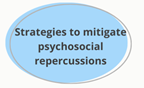
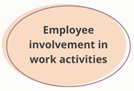
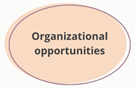
Based on semi-structured interviews with the care and administrative key leaderships (LC) and key workers (CTs) in leadership support areas, the following categories emerged (Figure 1): “Employee Welcoming,” with the subcategories: i) Daily Challenges; ii) Strategies to Mitigate Psychosocial Repercussions and “Participative Management,” with the subcategories: iii) Employee Involvement in Work Activities; iv) Organizational Opportunities.
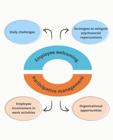
Categories and subcategories that emerged from the participants' perception. Porto Alegre, RS, Brazil, 2024
Chart 1 presents the thematic categories and subcategories identified through qualitative analysis. The following excerpts, taken from the participants' statements, illustrate each of the categories and subcategories, deepening the understanding of the perception of challenges and strategies related to incidents in the workplace, as well as the support offered by leadership.
DISCUSSION
Social vulnerabilities, correlated to the socio-political and cultural context, when manifested in the workplace, generate tensions and dilemmas that affect the individuals, the collective represented by work teams and patients, requiring a careful look and institutional practices, with mediational and managerial requirements promoted by skilled leaders. Relational integrity in work practice can stimulate courage, moral and ethical values, self-awareness and emotional intelligence, reflecting beneficially in the work context10.
Budgetary constraints resulting from cuts in health, changes in social policies, high workload, lack of occupational preparation, hostility in professional practice environments, generational conflicts, lack of organizational leadership and the increased complexity of work processes negatively interfere with the work capacity of health workers16, especially due to the centrality that work occupies in the worker's life,17) which can trigger moral suffering, with individual psychosocial repercussions that are reflected in the collective.
Organizational structure, work environment, political agenda, and hospital culture strongly impact the ability of professionals to act in accordance with their perceptions, ideas, and convictions, regardless of individual job skills and sociability. These same factors are often at the root of ethical and moral dilemmas experienced at work, especially when they prevent professionals from acting according to their own convictions and values18. However, it is the worker - the last link in this interconnected chain - who bears the brunt of these adversities.
In the context of the statements made by the interviewed leaders regarding incidents involving workers under their management, which generate situations with psychosocial repercussions on the work, NR-1 highlights the importance of promoting a healthier work environment, reinforcing the need to pay attention to psychosocial repercussions, especially those affecting mental health, as well as how these issues are integrated into the organizational dynamics7. Moreover, strategies based on reflections and actions that focus on the organization of work processes, the involvement of management responsible for work environments, and the training of workers are valuable and relevant3. To manage such adversities, in addition to structuring actions at different management levels, it is necessary to plan local interventions, structured systemically, as is done proactively in institutional practices related to patient safety.
Mapping work environments and the factors that trigger tensions is a necessary strategy to give visibility to actions aimed at the personal and professional development of the individuals involved. This is justified because individual and collective actions need to be articulated, in light of the PNSTT, in the prevention, promotion and surveillance of work environments, considering the factors that determine the health or illness of workers, especially those of a psychosocial nature5. Thus, strategies must be proactive, assertive and structured based on the identified risks, even if reactive measures are necessary. Giving voice to workers and involving them in the micropolitics of work is also an effective way to ensure the principles of NR-1.
The lack of agile communication with leadership, inadequate work management and sizing, generational conflicts, hostility in the workplace, exposure to assault and violence, as well as negative feelings out of the work environment resulting from it, and the absence of collaborative practices are some of the organizational factors capable of interfering with work development 19-21, leading to psychosocial risks, with repercussions on leadership management due to the institutional delegation assigned to them. Given the challenges identified, the need for individual and systemic preparation of leaders to support workers and given the weaknesses present in healthcare institutions, leaders reflected on the strategies used to deal with the adversities that affect work teams.
Early attention to workers' demands builds better leader-led relationships. This organizational strategy can allow people to move from a complaining stance to co-responsibility, demonstrating genuine support and a search for joint solutions for the well-being and appreciation of workers. Investing in collaborative actions, through the exchange of experiences, can promote organizational learning, with positive effects on the work environment11. This care for workers highlights what is sometimes presented only in a prescriptive way in institutional policies and plans. Furthermore, it (de)individualizes the adversity perceived by the affected workers and, by allowing the processing of the lived experience, contributes to strengthening Humanizing work by enhancing collective actions as forms of support and solidarity among peers.
The Brazilian Unified Health System (SUS) has as its management strategy the National Policy for Permanent Education in Health (PNEPS), aimed at the training and development of workers, in which learning and teaching are processes incorporated into the organization's practices and work in permanent education. This strategy seeks to empower health workers focusing on the health needs of populations and management, aiming at the transformation of practices and the organization of work itself, in order to problematize labor processes, developing leaders, workers and users22.
Health education, within a problematizing, meaningful and emancipatory perspective, applied to the care process, requires workers to constantly critically read the reality presented in their daily work. This practice takes place in interaction with workers, users of health services, patients and their families. This attitude, based on inquiry and open dialogue about reality, even if incipient, develops opportunely through the search for answers that improve and contribute to the practice of health care23.
Strategies aimed at building horizontal knowledge, which strengthen collective actions adopted from constituted communities of practice - social groups articulated around shared tasks and work objects, in which everyone teaches and learns - have proven to be powerful devices in the context of learning processes, situated cognition, and group practices in the workplace24. Communities of practice are formed by members who share the same object, even if they belong to different levels of the organization and have different perspectives. In the system formed by these communities, there is a multiplicity of voices, represented by the different workers and teams that interact with each other14. In this context, the construction of a shared object allows for a focus on the collective. However, this approach presupposes a non-hierarchical management model that allows for engagement and support in the workplace 11,25) - a co-constructed model based on needs, which emerges from practice and results in improved attention, management, assistance, and the satisfaction of those involved.
Humanization, as an inseparable pillar between healthcare and the management processes of care work, requires careful attention from leadership in order to involve workers in decisions, allowing the creation of respectful relationships that favor the establishment of bonds and trust. Collegial management should seek commitment to change, suppressing overly hierarchical levels of management and avoiding the construction of fragmented programs, valuing the potential for mobilization and destabilization of traditional structures. The articulation and commitment to the different levels of education, training and management result in greater alignment of strategic levels, to achieve the comprehensiveness of healthcare, considering that the National Policy for the Promotion of Health (PNEPS) is responsible for the aggregation between education and health22. It is essential to develop new management strategies, building proposals and practices that coordinate health needs with new models of financing, management and care, in a processual perspective that considers the complexity of health and integrates workers into the humanization of care26.
Constant technological advances in healthcare require the continuous development of applied skills, attitudes, and knowledge. The training of workers needs to keep pace with these transformations, problematizing the reality of healthcare production. Care for the patient and the caregiver involves the challenge of intersubjective encounters that go beyond the techno-assistance procedure, allowing the creation of bonds and the choice of paths that promote life in a relationship of reciprocity23). Collaborative and relational practices that provide resources and information increase the effectiveness of the work and the achievement of objectives, through the ability to mobilize people and resources13.
The relationship built between leaders, workers, and the collective is not purely technical; to make sense and promote intersubjective interaction, it needs to be based on respect and appreciation, as a way to empower individuals and bring legitimacy. Furthermore, the practice of maintaining distance from patients' feelings, due to the required therapeutic relationship, also weakens the building of bonds - which is equivalent in peer relationships and also between workers and leaders. This distancing in professional relationships can contribute to a greater need for support for workers, especially in the context of incidents with psychosocial repercussions.
The trust followers have in their leader increases the likelihood that they will engage in suggestions and express their opinions. This relationship of trust is fostered by the leader when they invest in development, involve workers, and share decisions, promoting the flow of information among followers. Leaders who encourage collaborative work and support their workers in decision-making enable the building of trusting relationships, resulting in greater involvement in the work and improved quality or joint initiatives between leaders and workers 12. The pursuit of challenging fixed ideas and rigid models of leadership practice brings propositions that can create opportunities for change.
In this sense, the ability to make social connections, adding institutional knowledge, improves interpersonal relationships in the work environment, these being fundamental elements to achieve a healthy environment with positive repercussions for patients9,13. This enables continuous action and interaction between management, education and care - especially because organizations face significant challenges in a volatile, uncertain, complex and ambiguous social context, which demonstrates the need for skills that go beyond the individual level27. The transformation of institutional work relationships, strengthening the idea of networked care, and advocating the integration of co-management into the pillars of the PNH, allowing technical and relational development among teams, favoring comprehensive and effective care, as advocated by the SUS, proving to be a viable path28.
Analyzing praxis allows for the emancipation of individuals, going beyond institutional boundaries and building new learning pathways. Simultaneously, it contributes to improving the role of each worker within the health team, strengthening the sense of belonging and individuality. Health education, from a critical, meaningful, and emancipatory perspective, applied to care, demands from workers a constant, meticulous reading of the concrete reality that manifests itself in the daily activities and in collective interaction23. It is from the analysis of praxis that the meaning of work emerges. The operational action triggered to protect, promote, treat, or recover, regardless of whether it is care for the patient or the worker, gains meaning when the operational and relational dimensions allow for intersubjectivity and the construction of bonding relationships, whether between worker and patient or between worker and leadership/manager.
Since work processes have a collaborative nature and a strong social and dialogical aspect24, it is worth considering that collective work, with the sharing of responsibilities and the valuing of knowledge, proves to be a desirable skill for integrative leadership, both at the micro and macrostructural levels. This is a learning opportunity for teams to expand their actions, including clinical and collective care. Furthermore, encouraging workers' self-leadership is a promising way to increase connection at work, with a greater propensity to develop active commitment and involvement29.
The discussions with the leaders highlighted the need to develop strategies that promote the appreciation of workers. Such approaches should include investments in worker well-being, in accordance with the guidelines established by NR-1 (Brazilian Regulatory Standard 1). Space for dialogue and the sharing of knowledge, considering the social context and lived experience, fosters the construction of a systemic and critical understanding of reality.
Psychosocial risks affecting the mental health of workers - such as violence in the healthcare field - when placed alongside other equally challenging problems, broaden the understanding of the multimodality of preventive approaches, including a better understanding of the triggers of violence and its impact on workers and health systems. Questioning workers about the reasons why violence is perpetrated, whether prior warning signs were not identified, or whether it was not possible to avoid the situation, does not prevent its occurrence and assigns to the victim the need to justify a weakness. Individual factors are a small part of a broader systemic problem that cannot be solved through micromanagement. The complexity of violence in the healthcare field requires management through a coordinated and multifaceted approach, involving not only individual workers but also leadership supported by public policies. Uncertainty and complexity cannot be completely managed and must be embraced as part of the process. Understanding the factors that underpin violence in healthcare can help to create management strategies30.
Thus, it is necessary to consider whether the current management model and the manager at the head of the SUS allow for the expansion and transformation of harmonious and humanizing relationships between management, education and care, in order to legitimize its workers. The importance of this national discussion aligns with the global initiative of the United Nations (UN) 2030 Agenda with the Sustainable Development Goals (SDGs), in order to promote sustained, inclusive and sustainable economic growth, full and productive employment and decent work for all31. The eighth SDG included guaranteeing safe and protected work environments, as well as improving the protection of labor rights.
Challenging issues arising from the complexity of work processes intersecting with the social context demand a proactive approach in health management. These multiple conditioning factors require reflection on managerial actions, in order to avoid worker suffering - even if legitimate - and maximize collective benefits. Involving senior management in prioritizing issues related to violence in healthcare settings, supporting decision-making as a legitimate and fair process, and identifying responsibilities constitute an operational and strategic approach21. Besides, the creation of regulations that meet precepts structured through organizational ethics, aligned with clinical and professional ethics, constitutes a valuable strategy for defining limits and expected behaviors within the work environment.
Investing in humanization presupposes dialogue with diversity, as a way to enhance and build collaborative solutions to problems arising from the unstable, complex, and controversial social context27. This context demands collectively constructed solutions, instead of falling into the trap of acting in organizational silos identified as "boxes," which justifies a reductionist and unsustainable, therefore non-humanizing, action. Collective construction connects and legitimizes subjects, bringing compatibility between differences, making them accountable and valuing them. These actions, which spread and promote change and are not limited to institutional norms, gain strength through collective involvement and are defined as a contagious effect.
These changes are triggered by the power of encounters at the micro level, sustained at the macro level, by the solidarity networks that are formed and by the key role of the subjects. The contagion effect dissipates feelings of exclusion, illness and suffering, maximizing movements of inclusion, autonomy and strengthening of collective networks. In the PNH, the SUS is understood as a method of institutional support, capable of expanding without losing intensity32.
Investing in the structuring of a participatory management model on issues that cut across the work promotes greater integration between leaders and workers, consisting of a proactive approach in mapping psychosocial risks that affect the worker. Furthermore, reflection on the organizational structure to address issues related to worker safety is a point that has been little explored in the literature, which meets the demands required by NR-1 (Brazilian Regulatory Standard 1). These reflections represent an advance in knowledge about participatory management and worker safety.
Conducting the study without understanding the workers' perceptions on the subject is a limitation; however, it does not invalidate the reflections brought by the leaders. Conducting the study in only one hospital can be considered a limitation of the method; however, due to the size, the number of SUS (Brazilian Unified Health System) workers and leaders involved, and the complexity of the institution, the results identified can guide the implementation of similar strategies in other institutions.
FINAL CONSIDERATIONS
Key factors such as the complexity of the work, social and economic changes, professional training, new technologies, generational shifts, lack of leadership preparedness, and a fragmented view of work and the worker hinder support for workers involved in incidents with psychosocial repercussions. As an alternative to address this problem, leaders identified the need to build a purpose that considers the collective and seeks to structure support for workers.
The coordination between health promotion and disease prevention, through collective strategies and with the worker as the protagonist in health, management, and education actions, as well as reflection on the role of managers in the SUS (Brazilian Unified Health System), is a contribution of the present study to the reduction of psychosocial risks. Strategies aligned with the National Humanization Policy (PNH) strengthen the organizational environment by promoting health, education, and co-management, involving collective practices that favor the construction and legitimization of workers.
Acknowledgments
This study was conducted with the support of the National Council for Scientific and Technological Development (CNPq) - MCTIC/CNPq 10/2023, protocol No 404041/2023-0, Coordination for the Improvement of Higher Education Personnel - Brazil (CAPES) Financial Code 001 and FIPE - Research Funding and Incentive Program (Project No. 2022-0392), registered under ROR https://ror.org/010we4y38.
REFERENCES
-
1. Presidência da República (BR) . Constituição da República Federativa do Brasil de 1988 [Internet]. 1988 [cited 2025 May 04]. Available from: https://www.planalto.gov.br/ccivil_03/constituicao/constituicao.htm
» https://www.planalto.gov.br/ccivil_03/constituicao/constituicao.htm -
2. Castanheira ERL, Duarte LS, Viana MMO, Nunes LO, Zarili TFT, Mendonça CS, et al. Primary health care organization in municipalities of São Paulo, Brazil: a model of care aligned with the Brazilian Unified National Health System’s guidelines. Cad Saúde Pública. 2024;40(2):e00099723. https://doi.org/10.1590/0102-311XPT099723
» https://doi.org/10.1590/0102-311XPT099723 -
3. Barroso BIL, Souza MBCA, Bregalda MM, Lancman S, Costa VBB. Worker health in COVID-19 times: reflections on health, safety, and occupational therapy. Cad Bras Ter Ocup. 2020;28(3):1093-102. https://doi.org/10.4322/2526-8910.ctoARF2091
» https://doi.org/10.4322/2526-8910.ctoARF2091 -
4. Silva RF, Siqueira AM, Silveira LTC, Oliveira AB. Disaster risk reduction, the Sustainable Goals agenda and the principles of the SUS, in the context of the COVID-19 pandemic. Ciênc Saúde Colet. 2023;28(06):1777-88. https://doi.org/10.1590/1413-81232023286.11272022EN
» https://doi.org/10.1590/1413-81232023286.11272022EN -
5. Ministério da Saúde (BR). Portaria Nº 1.823, de 23 de agosto de 2012. Institui a Política Nacional de Saúde do Trabalhador e da Trabalhadora [Internet]. 2012 [cited 2025 May 04]. Available from: https://bvsms.saude.gov.br/bvs/saudelegis/gm/2012/prt1823_23_08_2012.html
» https://bvsms.saude.gov.br/bvs/saudelegis/gm/2012/prt1823_23_08_2012.html -
6. Ministério da Saúde (BR). HumanizaSUS: Documento base para gestores e trabalhadores do SUS [Internet]. 4. ed. Brasília: Editora do Ministério da Saúde; 2010[cited 2025 May 04]. Available from: https://bvsms.saude.gov.br/bvs/publicacoes/humanizasus_documento_gestores_trabalhadores_sus.pdf
» https://bvsms.saude.gov.br/bvs/publicacoes/humanizasus_documento_gestores_trabalhadores_sus.pdf -
7. Ministério do Trabalho e Emprego (BR) . Portaria 1.419, de 27 de agosto de 2024. Aprova a nova redação do capítulo “1.5 Gerenciamento de riscos ocupacionais” e altera o “Anexo I - Termos e definições” da Norma Regulamentadora nº 1 (NR-1) - Disposições Gerais e Gerenciamento de Riscos Ocupacionais [Internet]. Diário Oficial da União. 2024 [cited 2025 May 04]. Available from: https://www.gov.br/trabalho-e-emprego/pt-br/assuntos/inspecao-do-trabalho/seguranca-e-saude-no-trabalho/sst-portarias/2024/portaria-mte-no-1-419-nr-01-gro-nova-redacao.pdf/view
» https://www.gov.br/trabalho-e-emprego/pt-br/assuntos/inspecao-do-trabalho/seguranca-e-saude-no-trabalho/sst-portarias/2024/portaria-mte-no-1-419-nr-01-gro-nova-redacao.pdf/view -
8. Boufleuer E, Ampos LF, Quadros DV, Vecchia LPD, Tavares JP, Magnago TSBS, et al. “We try to save lives and our own lives”: nursing work in the COVID-19 pandemic. Rev Gaúcha Enferm. 2023;44:e20220303. https://doi.org/10.1590/1983-1447.2023.20220303.en
» https://doi.org/10.1590/1983-1447.2023.20220303.en -
9. Istrate MI, Forray AI, Ungureanu MI, Mira JJ, Constantinescu SA, Cherecheș RM. Assessing safety culture and second victim experience following adverse events among Romanian nurses: a cross-sectional study. BMC Nurs. 2025;24(1):102. https://doi.org/10.1186/s12912-025-02745-2
» https://doi.org/10.1186/s12912-025-02745-2 -
10. Algeri EDBO, Silveira RS, Barlem JGT, Costa MCMDR, Stigger DAS, Dan CS. Authentic leadership in nurses' professional practice: an integrative review. Rev Bras Enferm. 2022;75(1):e20210972. https://doi.org/10.1590/0034-7167-2021-0972
» https://doi.org/10.1590/0034-7167-2021-0972 -
11. Vanderloo MJ, Evans E, Smith A, Call M, Locke A, Wright H, et al. Exploration of nurses’ experiences related to moral injury: a reflexive thematic analysis of nurse interviews. J Adv Nurs. 2025;0:1-12. https://doi.org/10.1111/jan.16856
» https://doi.org/10.1111/jan.16856 -
12. Tate K, Penconek T, Dias BM, Cummings GG, Bernardes A. Authentic leadership, organizational culture and the effects of hospital quality management practices on quality of care and patient satisfaction. J Adv Nurs . 2023;79(8):3102-114. https://doi.org/10.1111/jan.15663
» https://doi.org/10.1111/jan.15663 -
13. Kok E, Weggelaar AM, Reede C, Schoonhoven L, Lalleman P. Beyond transformational leadership in nursing: a qualitative study on rebel nurse leadership-as-practice. Nurs Inq. 2023;30(2):e12525. https://doi.org/10.1111/nin.12525
» https://doi.org/10.1111/nin.12525 -
14. Engeström Y. Expansive Learning at Work: toward an activity theoretical reconceptualization. J. Educ. Work. 2001;14(1):133-56. https://doi.org/10.1080/13639080020028747
» https://doi.org/10.1080/13639080020028747 - 15. Bardin L. Análise de conteúdo. São Paulo: Edições 70; 2016.
-
16. Shomalinasab E, Bagheri Z, Jahangirimehr A, Bahramnezhad F. The Nurses' Second Victim Syndrome and Moral Distress. Nurs Ethics. 2023;30(6):822-31. https://doi.org/10.1177/09697330221142079
» https://doi.org/10.1177/09697330221142079 -
17. Cunha FM, Mendes Á. Revisão narrativa sobre a questão do trabalho no Sistema Único de Saúde. J Manag Prim Health Care. 2021;13:e018. https://doi.org/10.14295/jmphc.v13.1164
» https://doi.org/10.14295/jmphc.v13.1164 -
18. Doná VCL. Dilema ético na atuação profissional: ambiente educacional em foco. FESA[internet]. 2021;1(7):157-66. https://doi.org/10.29327/232022.1.7-13
» https://doi.org/10.29327/232022.1.7-13 -
19. Carnevale FA, Giannini A, Bonaldi A, Bravi E, Cecchi C, Pettenazzo A, et al. Life-sustaining treatment decisions in pediatric intensive care: an Italian survey on ethical concerns. Ital J Pediatr. 2021;47:153. https://doi.org/10.1186/s13052-021-01054-z
» https://doi.org/10.1186/s13052-021-01054-z -
20. Lamoureux S, Mitchell AE, Forster EM. Moral distress among acute mental health nurses: a systematic review. Nurs Ethics . 2024;31(7):1178-95. https://doi.org/10.1177/09697330241238337
» https://doi.org/10.1177/09697330241238337 -
21. Dubois S, Carnevale FA. La gestion des soins infirmiers, l’éthique et la détresse morale des infirmières: comment agir? Hiver [Internet]. 2024 [cited 2025 Mar 07];21(1):27-33. Available from: https://www.oiiq.org/documents/20147/26407449/PI-vol21-no-hiver-2024-l%C3%A9ger.pdf
» https://www.oiiq.org/documents/20147/26407449/PI-vol21-no-hiver-2024-l%C3%A9ger.pdf -
22. Ministério do Planejamento, Orçamento e Gestão (BR). Portaria nº 198, de 19 de julho de 2004. Estabelece os procedimentos e a periodicidade para registro de informações relacionadas com o desempenho das ações do Plano Plurianual, no Sistema de Informações Gerenciais e de Planejamento - SIGPlan [Internet]. 2005[cited 2025 May 07]. Available from: https://bibliotecadigital.economia.gov.br/bitstream/123456789/540/1/PPA_2004_2007_Portaria198_2005_RegistroInfoSIGPlan.pdf
» https://bibliotecadigital.economia.gov.br/bitstream/123456789/540/1/PPA_2004_2007_Portaria198_2005_RegistroInfoSIGPlan.pdf -
23. Quadros DV, Magalhães AMM, Lopes EFS, Lima JS, Boufleuer E, Pai DD. Preventing falls during hospitalization: educational opportunities from the perspective of Nursing staff. Rev Enferm. UFSM. 2024;14:e3. https://doi.org/10.5902/2179769284145
» https://doi.org/10.5902/2179769284145 - 24. Lave J, Wenger E. Situated learning: legitimate peripheral participation. Cambridge: Cambridge University Press; 1991.
-
25. Varpio L, Teunissen P. Leadership in interprofessional healthcare teams: empowering knotworking with followership. Med Teach. 2021;43(1):32-7. https://doi.org/10.1080/0142159X.2020.1791318
» https://doi.org/10.1080/0142159X.2020.1791318 -
26. Campos GWS. Healthcare reform and the Unified Health System (SUS). Ciênc Saúde Colet . 2022;27(7):2516. https://doi.org/10.1590/1413-81232027277.07692022
» https://doi.org/10.1590/1413-81232027277.07692022 -
27. Willocks KE. Making leadership as practice development visible: learning from activity theory. Manag Learn. 2022;54(5):705-26. https://doi.org/10.1177/13505076221105870
» https://doi.org/10.1177/13505076221105870 -
28. Paiva CBN, Barros SMM. Social representations of humanization in hospital pediatrics among health professionals. Psicol Estud. 2023;28:e54532. https://doi.org/10.4025/psicolestud.v28i0.54532
» https://doi.org/10.4025/psicolestud.v28i0.54532 -
29. Knotts KG, Houghton JD. You can't make me! the role of self-leadership in enhancing organizational commitment and work engagement. Leadersh Organ Dev J. 2021;42(5):748-62. https://doi.org/10.1108/LODJ-10-2020-0436
» https://doi.org/10.1108/LODJ-10-2020-0436 -
30. Jacob A, McCann D, Buykx P, Thomas B, Spelten E, Schultz R, et al. The “disease” of violence against health-care workers is a wicked problem: managing and preventing violence in health-care. J Aggress Confl Peace Res. 2022;14(2):159-70. https://doi.org/10.1108/JACPR-08-2021-0629
» https://doi.org/10.1108/JACPR-08-2021-0629 -
31. United Nations (UN). Department of Economic and Social Affairs. The 17 goals [Internet]. New York, NY: UN; 2015 [cited 2025 Jun 11]. Available from: https://sdgs.un.org/goals
» https://sdgs.un.org/goals -
32. Magnago C, França T, Belisário SA. Theoretical-methodological framework, functions, and effects of institutional support in health within the Brazilian National Health System (SUS). Saude Soc. 2024;33(2). https://doi.org/10.1590/S0104-12902024230442pt
» https://doi.org/10.1590/S0104-12902024230442pt
Access to the dataset may be granted upon reasonable request to the corresponding author due to privacy or ethical restrictions.