 Chloride and chemical acid resistance analysis of concrete blends with cassava starch and xanthan gum: innovations in sustainability
ABSTRACT
Concrete durability is a fundamental criterion influencing the long-term performance of civil engineering infrastructure. Conventional durability enhancement strategies typically rely on synthetic chemical admixtures, which often entail environmental and ecological drawbacks. This study investigates the efficacy of bio-based admixtures—specifically a cross-linked formulation of cassava starch and xanthan gum—as sustainable modifiers to improve concrete durability. The admixtures were incorporated into concrete at three dosages (0.5%, 1%, and 1.5% by weight of cement), and specimens were exposed to 5% concentrations of H2SO4, NaOH, and NaCl solutions under controlled conditions for up to 90 days. Durability performance was assessed through compressive strength retention, mass variation, and permeability, with the latter evaluated using the Rapid Chloride Permeability Test (RCPT) in accordance with ASTM C1202. The 1.5% admixture blend demonstrated the most favorable performance, showing minimal strength degradation, reduced mass loss, and significantly decreased chloride ion penetrability. Microstructural analysis suggested improved pore refinement and enhanced interfacial transition zones, contributing to the material’s resistance against chemical ingress. The results validate the potential of these natural admixtures to function as sustainable substitutes for conventional additives, delivering superior resistance to chemical attack while reducing ecological impact. This research advocates for the integration of bio-derived polymers in concrete technology to advance green infrastructure without compromising structural integrity.
Keywords:
Concrete durability; Cassava starch; Xanthan gum; Rapid chloride penetration test; Chemical resistance
1. INTRODUCTION
The durability of concrete is a crucial aspect of ensuring the long-term performance, functionality, and sustainability of infrastructure and buildings. It refers to the material’s capacity to resist deterioration due to environmental, chemical, and mechanical influences throughout its intended lifespan. A durable concrete structure minimizes maintenance needs, extends service life, and reduces the frequency of repairs and replacements, making it an essential component of sustainable construction. Concrete structures in marine environments, for example, are particularly vulnerable to chloride-induced erosion, which compromises structural integrity over time [1]. Therefore, enhancing concrete durability has been the focus of extensive research in recent decades. Key parameters that govern concrete durability include its permeability, resistance to aggressive chemicals, freeze-thaw resilience, and mechanical load endurance. Reducing permeability is especially vital, as it limits the ingress of harmful agents such as water, chlorides, sulfates, and carbon dioxide, which are responsible for corrosion of reinforcement and matrix degradation. Modification of concrete mixes with supplementary materials like silica fume has been shown to significantly reduce permeability, resulting in improved durability under chloride and sulfate attack [2, 3]. The importance of tailoring mix designs and incorporating mineral and chemical admixtures to create dense, less permeable, and more chemically stable microstructures has also been emphasized [4].
Concrete’s chemical resistance plays a critical role in its long-term performance, particularly in environments with exposure to acids, chlorides, or sulfates. The inclusion of supplementary cementitious materials (SCMs) such as fly ash, slag, and silica fume enhances the matrix by filling pores and promoting secondary hydration, leading to a denser microstructure [2, 5]. These materials not only improve resistance to chemical attack but also contribute to environmental sustainability by reducing cement content. Mechanical performance, including the ability to bear structural loads without cracking or spalling, is another determinant of concrete durability. The interaction between mechanical stresses and environmental factors often accelerates deterioration. Proper reinforcement detailing, curing, and the selection of high-performance materials are therefore essential. Attention to the development of the microstructure is necessary to improve resistance to harsh exposure conditions, including freeze-thaw cycles and chemical ingress [5]. Sustainable practices in concrete construction have become a requirement in modern engineering. Since cement production is a major contributor to global CO2 emissions, using SCMs and other low-carbon alternatives offers both environmental and performance benefits [2].
Natural admixtures have also shown promise as durable and eco-friendly alternatives. The use of rice husk ash (RHA), an agricultural by-product, has been found to improve durability indicators such as chloride resistance, carbonation resistance, and water permeability [6]. Similarly, the incorporation of natural fibers like flax, hemp, and bamboo has enhanced crack resistance and load distribution in concrete [7]. Blends of agricultural waste materials have been reported to enhance long-term performance and reduce chloride ion penetration [8]. The application of sugar beet fibers and tragacanth gum improved compressive strength and reduced air voids in concrete exposed to HCl, indicating improved chemical resistance [9]. Among bio-based materials, starches and natural gums have demonstrated the ability to influence hydration and bonding properties. The use of cassava and maize starch resulted in greater resistance to acid and chloride attacks [10]. A starch-based chemical additive was also shown to effectively control the rate of hydration, which is particularly useful in mass concrete to prevent thermal cracking [11]. Natural gums such as guar and Arabic gum have been employed to improve corrosion resistance of steel reinforcement in concrete. Guar gum, at an optimal dosage, showed strong interaction with steel surfaces and significantly reduced corrosion rates [12]. The combined use of Arabic and guar gums further enhanced corrosion protection in simulated environments [13]. A comparative evaluation of cassava starch, xanthan gum, and RHA revealed improvements in resistance to acid, chloride, and sulfate attacks [14]. Further studies on crosslinked cassava starch and xanthan gum confirmed enhancements in bonding with reinforcement and load-bearing capacity [15]. Microstructural analyses revealed a denser and more cohesive matrix, with a 16.6% increase in compressive strength, supporting the potential of these bio-admixtures in practical applications [16].
2. MATERIALS AND METHODS
2.1. Starch and gum
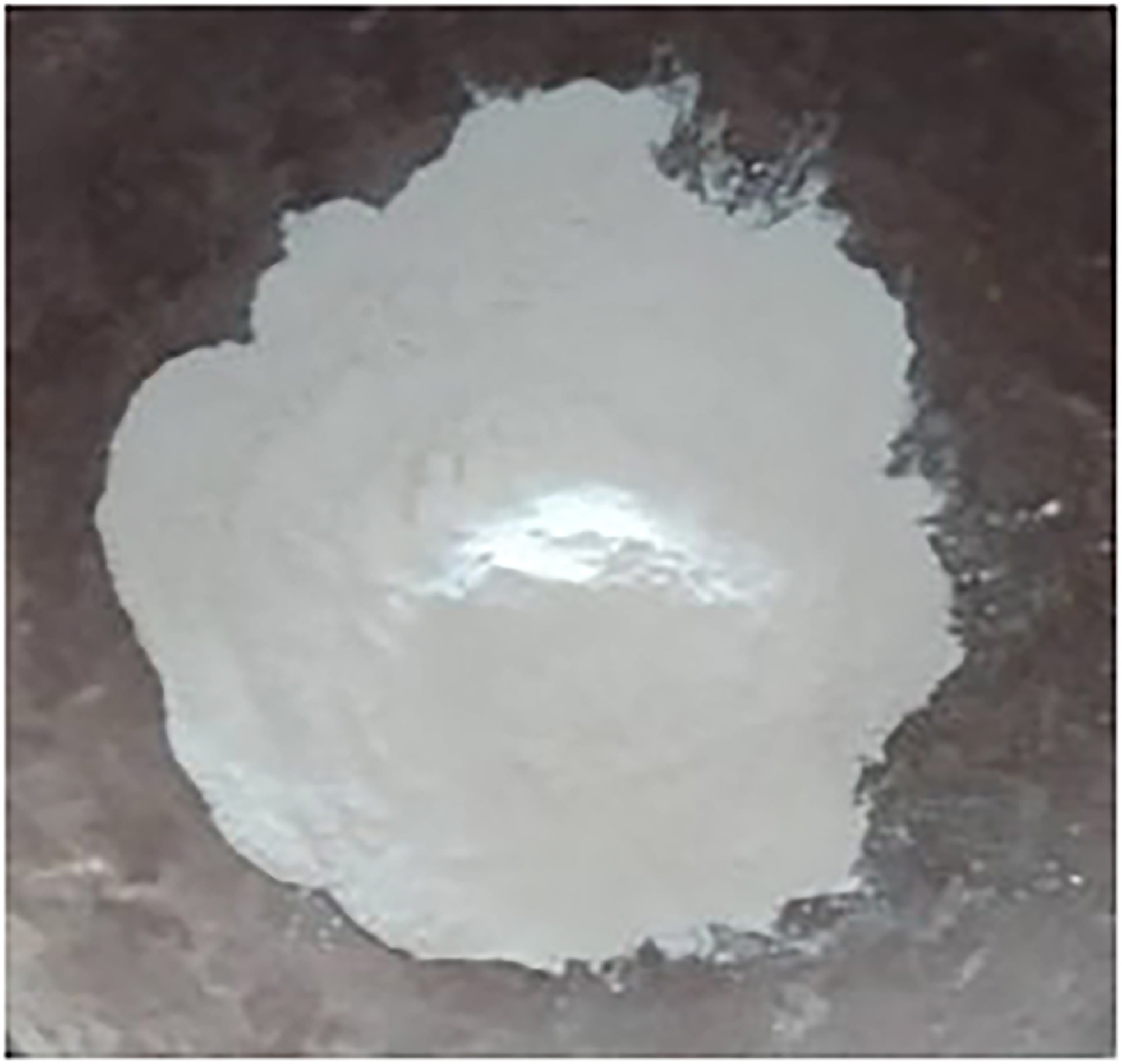
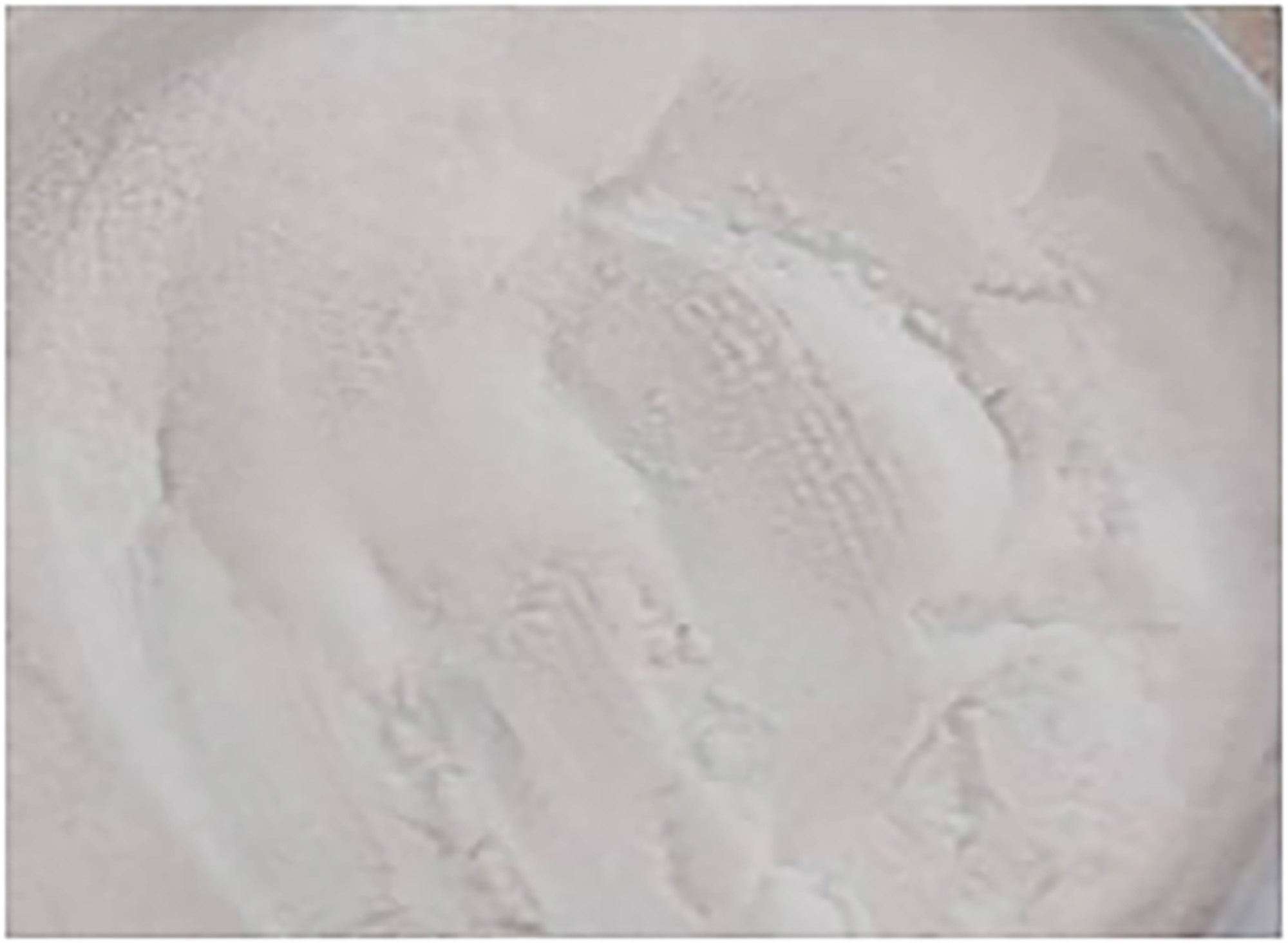
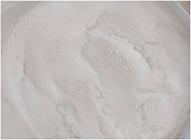
Starch, a complex carbohydrate and polysaccharide, consists of glucose molecules linked in a long polymer chain. Major sources include food crops like rice, wheat, corn, and potatoes. This research focuses on starch extracted from cassava roots (Manihot esculenta), widely cultivated in India.The image of cassava starch is shown fin Figure 1. Xanthan gum, like starch, is a carbohydrate and a polysaccharide. It is produced through the fermentation of sucrose by Xanthomonas campestris, followed by purification. For this research, 99% pure xanthan gum from Nature’s Velvet was used. The image of the xanthan gum is shown in Figure 2. The physical properties of the starch and gum are mentioned in Table 1
Amylose and amylopectin, which are polysaccharides comprised of D-glucose units connected by α(1→4) and α(1→6) glycosidic linkages, make up the majority of cassava starch chemically. These molecules’ hydroxyl groups enable hydrogen bonding with cement hydration products, which may have an impact on the development of setting and strength. Acetyl and pyruvate groups are found in the side chains of xanthan gum, an anionic polymer made up of glucose, mannose, and glucuronic acid units. Carboxyl (–COOH) and hydroxyl (–OH) are two functional groups that help cement interact with calcium ions to promote gel formation and better matrix densification. The high viscosity and water-retention capacity of xanthan gum are attributed to its usual molecular weight, which falls between 2 × 10⁶ and 5 × 10⁶ Da.
2.2. Concrete mix
The mix design of concrete was developed to achieve the desired strength and durability by optimizing the proportions of cement, fine aggregate, coarse aggregate, and water. The design followed the standard guidelines of IS 10262:2009 [17]. The M25 grade of concrete was designed with a mix ratio of 1:1.73:2.62 (cement: fine aggregate: coarse aggregate) by weight, following IS 10262 guidelines. The grade of cement used was PPC conforming to Indian Standard (IS) code 1489 (Part 1):1991 [18]. The physical properties of the PPC are determined as per the IS codes 4031 (Part 2 to 6):1988 [19,20,21,22,23]. Manufactured sand (M sand) sourced from a crusher plant conforming to IS code 383:2016 [24] was employed in the study. The physical characteristic of the M sand is determined as per the IS codes 2386 (Part 1,3 and 4):1963 [25,26,27] and IS 2720-3-1 [28]. Coarse aggregate conforming to IS code 383:2016 is used for the research. The physical properties of the coarse aggregate are determined as per the IS codes 2386 (part 1, part 3 and part 4:1963). The mix was finalised through a trial-and-error approach to ensure optimal workability and durability. The designed concrete achieved a compressive strength of 31 MPa at 28 days, exceeding the target strength of 25 MPa range mentioned by IS 456:2000 [29]. Water-cement ratio, curing methods, and consistency tests were also optimised during the process.
2.3. Concrete mix with starch and gum
In this study, three different dosages of bio-admixture—namely 0.5%, 1.0%, and 1.5% by weight of cement—were incorporated into the concrete mix to evaluate their influence on concrete performance. The dosage levels were carefully selected based on preliminary experimental trials and supported by existing literature on natural polymer-based admixtures. Dosages below 0.5% showed minimal improvement in concrete properties, while those exceeding 1.5% resulted in diminishing returns and potential drawbacks such as prolonged setting times, reduced early-age strength, and compromised workability. Therefore, the chosen dosage range effectively balances performance enhancement with practical considerations. A total of 34 different mix combinations were developed by systematically varying the proportions of cassava starch and xanthan gum within these dosage levels. This allowed a comprehensive assessment of their synergistic effects on mechanical strength and durability. The primary aim was to identify an optimal mix that balances technical performance and cost-effectiveness for sustainable concrete applications.From the 34 mixes, specimens demonstrating the highest compressive strength at 28 days for each dosage were selected for further durability testing. These specimens were compared with the control mix (CM) specimen to evaluate relative improvements. Detailed information regarding the specimen preparation and mix combinations is provided in Table 2.
2.4. Chemical used
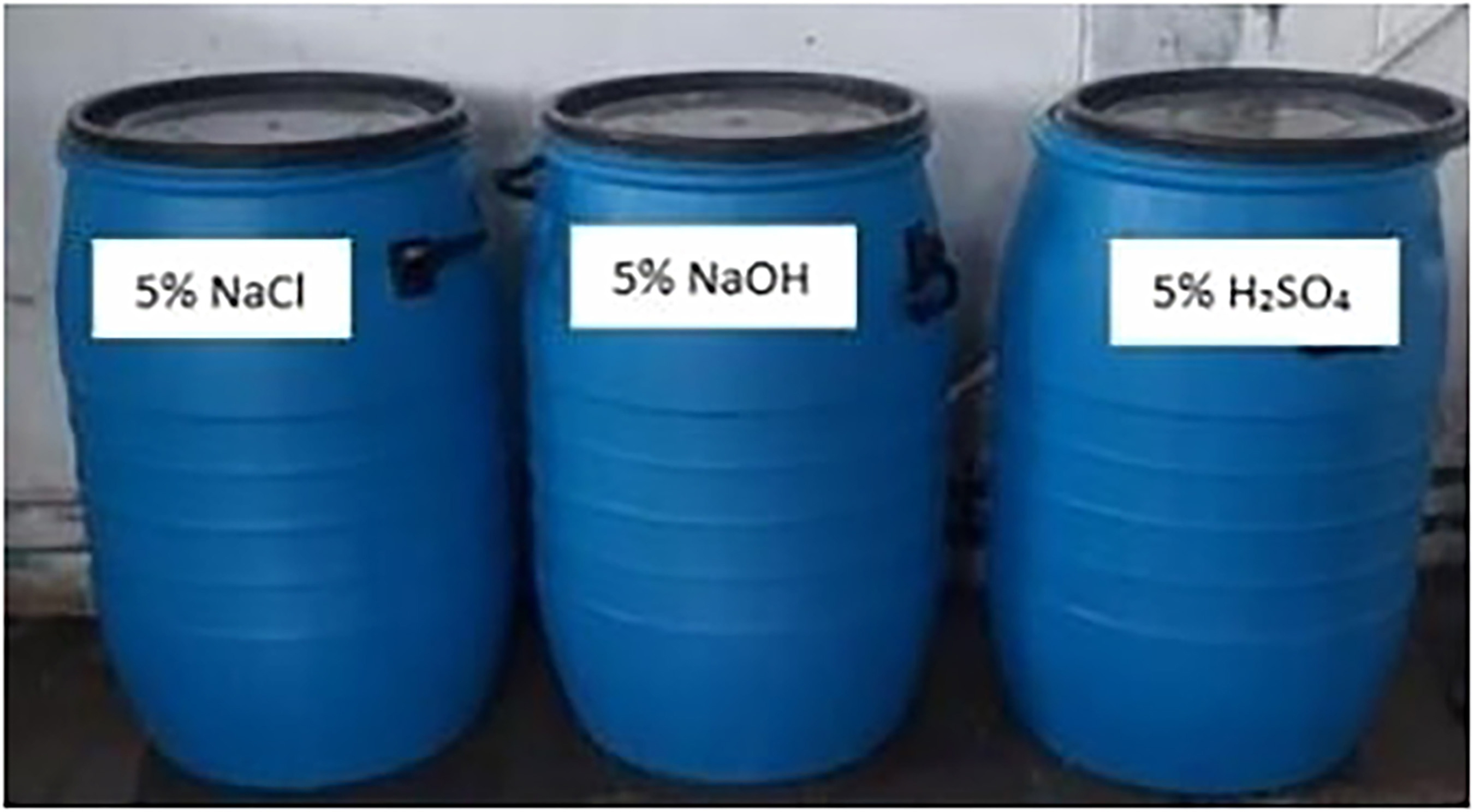
In this study, the chemical reagents used were analytical-grade sodium hydroxide (NaOH) pellets with a minimum purity of 98%, reagent-grade sulfuric acid (H2SO4) with 98% purity, and laboratory reagent-grade sodium chloride (NaCl) with a purity exceeding 99%, all procured from Mercury Scientific, Salem. A 5% (w/w) NaOH solution was prepared by accurately weighing the required amount of NaOH pellets and dissolving them in distilled, deionized water at room temperature under continuous stirring to ensure complete dissolution. The resulting solution corresponds approximately to a molarity of 1.25 M and has a highly alkaline pH typically above 13, suitable for the intended chemical exposure tests. This NaOH solution was freshly prepared prior to each experiment to avoid carbonation or concentration changes due to CO2 absorption from the atmosphere.
Similarly, concentrated sulfuric acid (98%) was diluted to a 5% (w/w) solution by slow addition of acid into distilled water under controlled laboratory conditions, maintaining temperature below 25°C to prevent excessive heat generation. The diluted sulfuric acid solution approximates a molarity of 0.5 M and exhibits a strongly acidic pH close to 1, appropriate for simulating acidic exposure environments. The sodium chloride reagent, with a purity exceeding 99%, was used as received, and a 5% (w/w) NaCl solution was prepared by dissolving the salt in distilled water, producing a solution with ionic strength relevant to simulate chloride ingress conditions in concrete durability testing.
All solutions were stored in high-density polyethylene (HDPE) bottles with airtight caps to prevent contamination and evaporation, and were kept in a cool, dry place away from direct sunlight to maintain chemical stability. The pH of prepared solutions was periodically monitored using a calibrated digital pH meter to ensure consistent concentration and reactivity during the experimental period. Strict adherence to standard laboratory safety protocols, including the use of personal protective equipment (PPE) and proper chemical handling procedures, was maintained throughout the preparation and testing phases to ensure reproducibility, safety, and reliability of the experimental results.
3. METHODOLOGY
3.1. Cross – linking of bio-admixtures
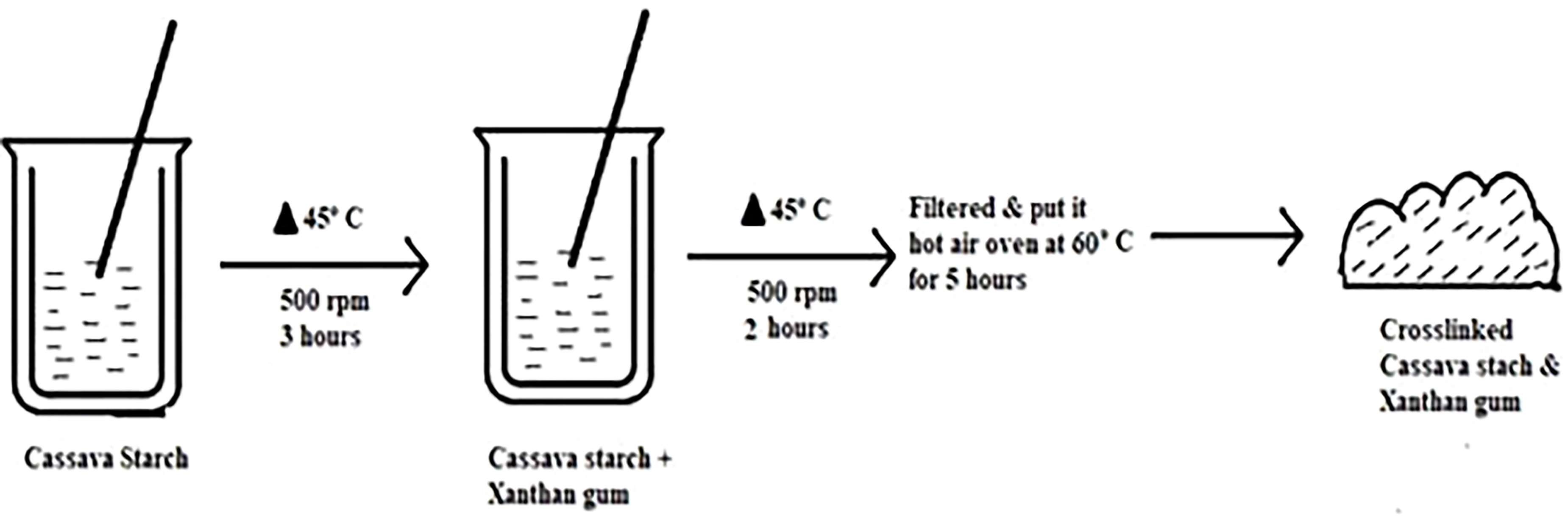
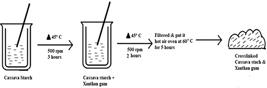
Cassava starch was dissolved in water under continuous stirring at 500 rpm for 3 hours at a temperature of 45°C. A pre-measured quantity of xanthan gum was then added precisely to the starch solution and the mixture was stirred for an additional 2 hours. The resulting suspension was subsequently filtered and dried in a hot-air oven at 60°C for 5 hours. The goal of cross-linking xanthan gum and cassava starch is to improve the biopolymers’ chemical stability and durability in the extremely alkaline cementitious environment. According to previous findings, cross-linking makes starch-based polymers more suited for extended exposure in concrete matrices by increasing their temperature resilience and decreasing their solubility [30]. A similar strategy has been shown to improve bonding with hydration products, decrease shrinkage, and increase compressive strength retention under harsh conditions [15]. Additionally, chemically modified starch was reported to provide better control over pore refinement and hydration kinetics [11]. These results validate our strategy of cross-linking gum and starch to create a more stable and cohesive bio-admixture for improved concrete performance. The process is illustrated in Figure 3.
3.2. Durability setup for RCPT and chemical attacks
The details of the number of specimens tested are mentioned in Table 3.
3.2.1. Rapid chloride permeability test
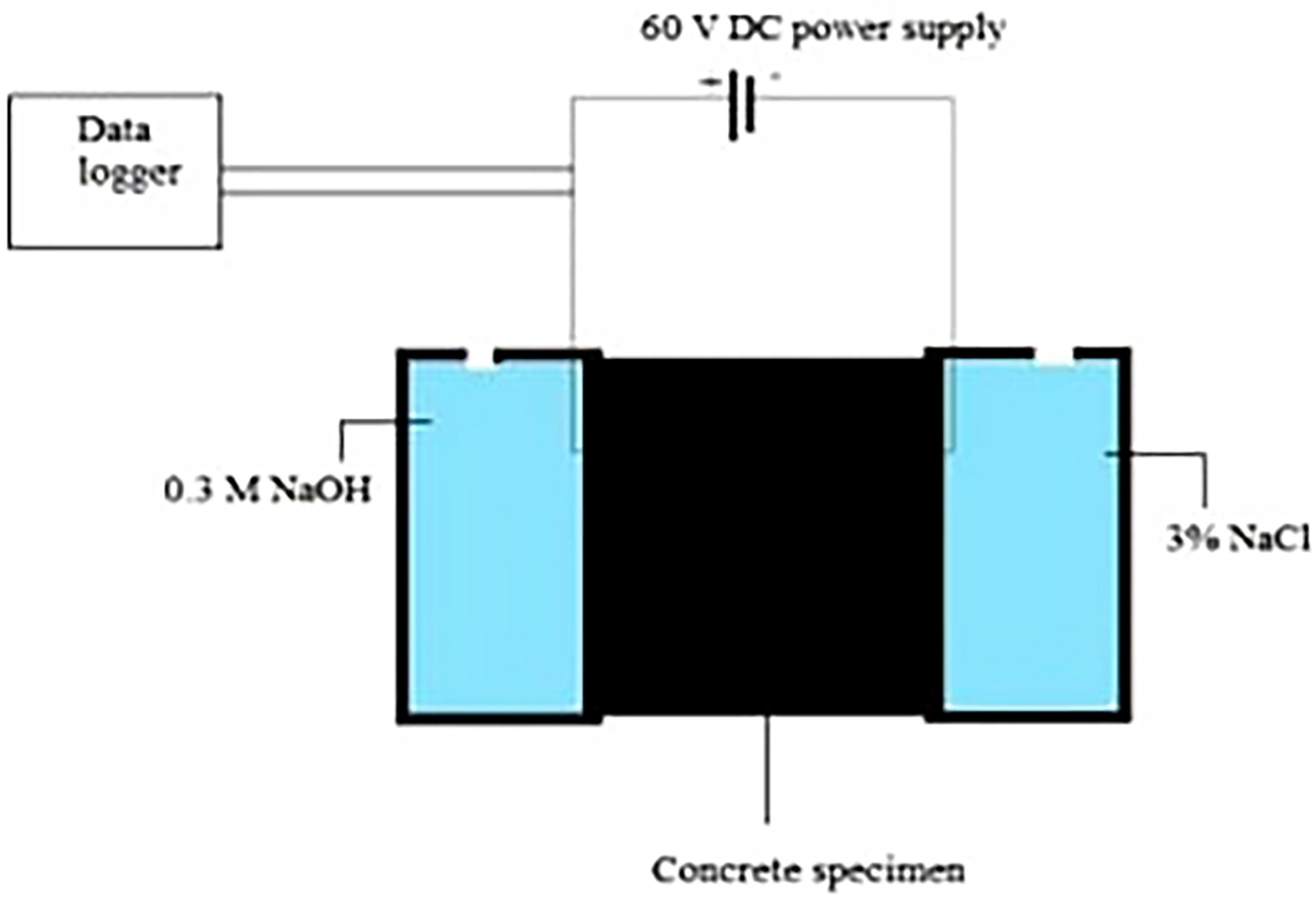
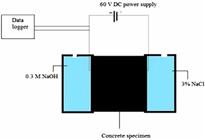
The test is designed to assess the resistance of concrete samples to chloride ion penetration. Excessive chloride ion infiltration into the concrete can result in the corrosion of the embedded reinforcement bars. This corrosion significantly compromises the structural integrity and serviceability of the concrete, potentially leading to premature deterioration of the structure. The test is conducted as per the standards mentioned in ASTM C1202. Figure 4 shows the test setup for the RCPT experiment
3.2.2. Durability test – chemical attack
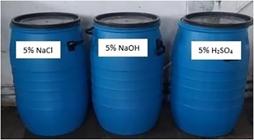
The resistance of the concrete specimens to chemical is studied by exposing the concrete cubes of size 150 mm × 150 mm × 150 mm with 5% H2SO4, 5% NaOH and 5% NaCl media. The concrete cubes after 28 days of water curing are taken out and put into the chemicals. The initial weight of the concrete samples is recorded prior to their exposure to the chemicals. Changes in both weight and physical appearance of the cubes are systematically monitored at 3, 7, 14, 28, 56, and 90 days of exposure. Three cubes for each day of testing was put in the three different chemicals. Concurrently, the compressive strength of the cubes is evaluated at these same intervals. The observed variations in weight and strength are then analyzed to assess the durability of the concrete samples under chemical exposure. Figure 5 shows the test setup of the durability test.
4. RESULTS AND DISCUSSION
4.1. Rapid chloride permeability test
The results of the study are analyzed based on the total charge passed through the pore solution within the concrete specimens. All specimens, including CM, 0.5SX, 1SX, and 1.5SX, fall under the category of concrete with low permeability. When compared to the CM specimens, the concrete incorporating natural admixtures demonstrates a lower percentage of chloride ion penetration. This indicates that the use of natural admixtures effectively reduces pore volume, while the hydration products formed through their reaction enhance the strength and density of the concrete matrix, thereby limiting chloride ion diffusion. The modified concrete exhibits improved durability against chloride ion penetration, which subsequently reduces the rate of reinforcement corrosion. Notably, the 1.5SX specimen shows the lowest charge passed, indicating a more refined pore structure and superior concrete quality, which further enhances its resistance to chloride ingress. The test is performed on 8 specimens of each mix ID and the result is taken as the average of the 8 results. Table 4 shows the total quantity of charge passed through the concrete and the level of chloride ion penetration.
4.2. Durability of the concrete against acid medium
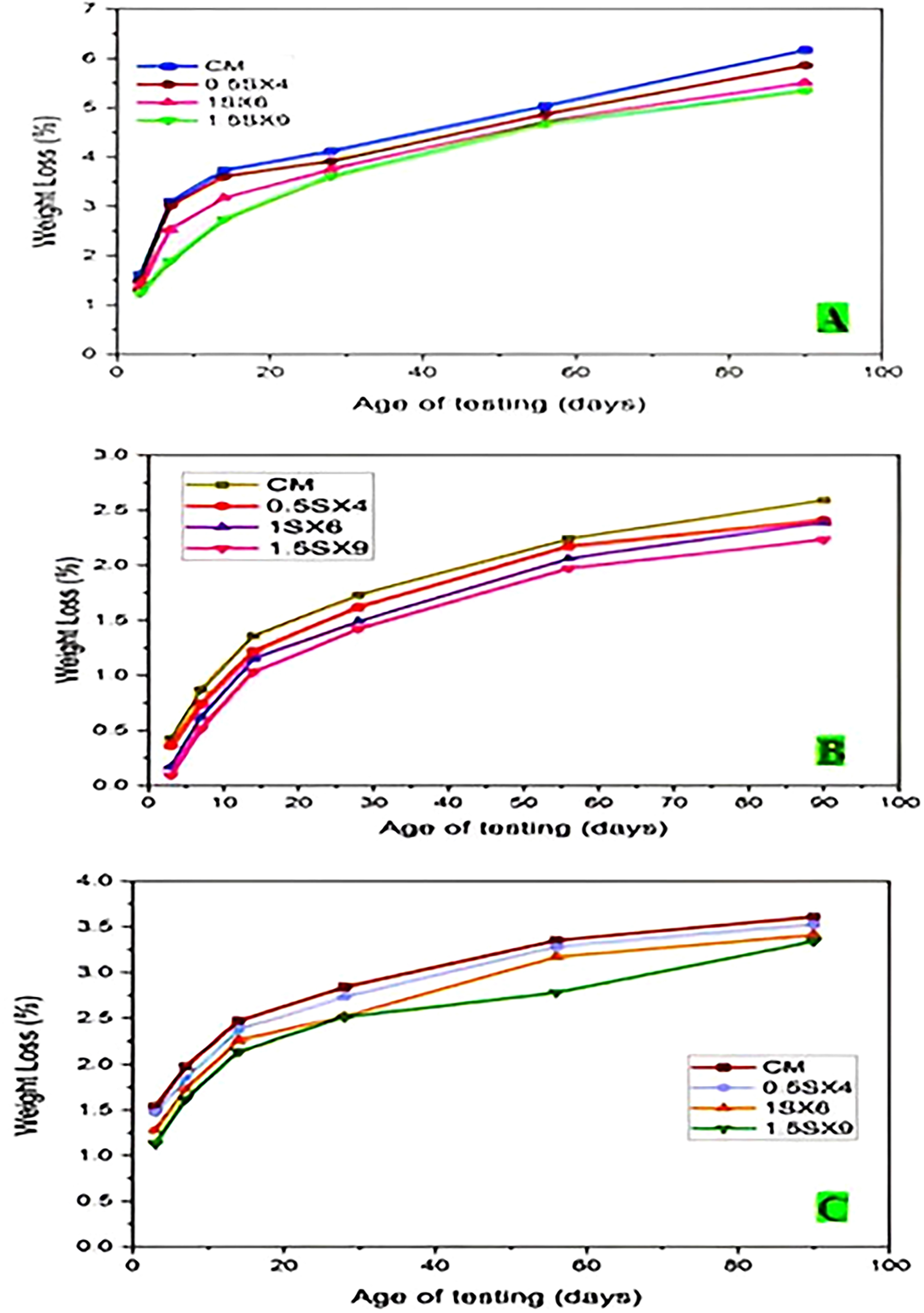
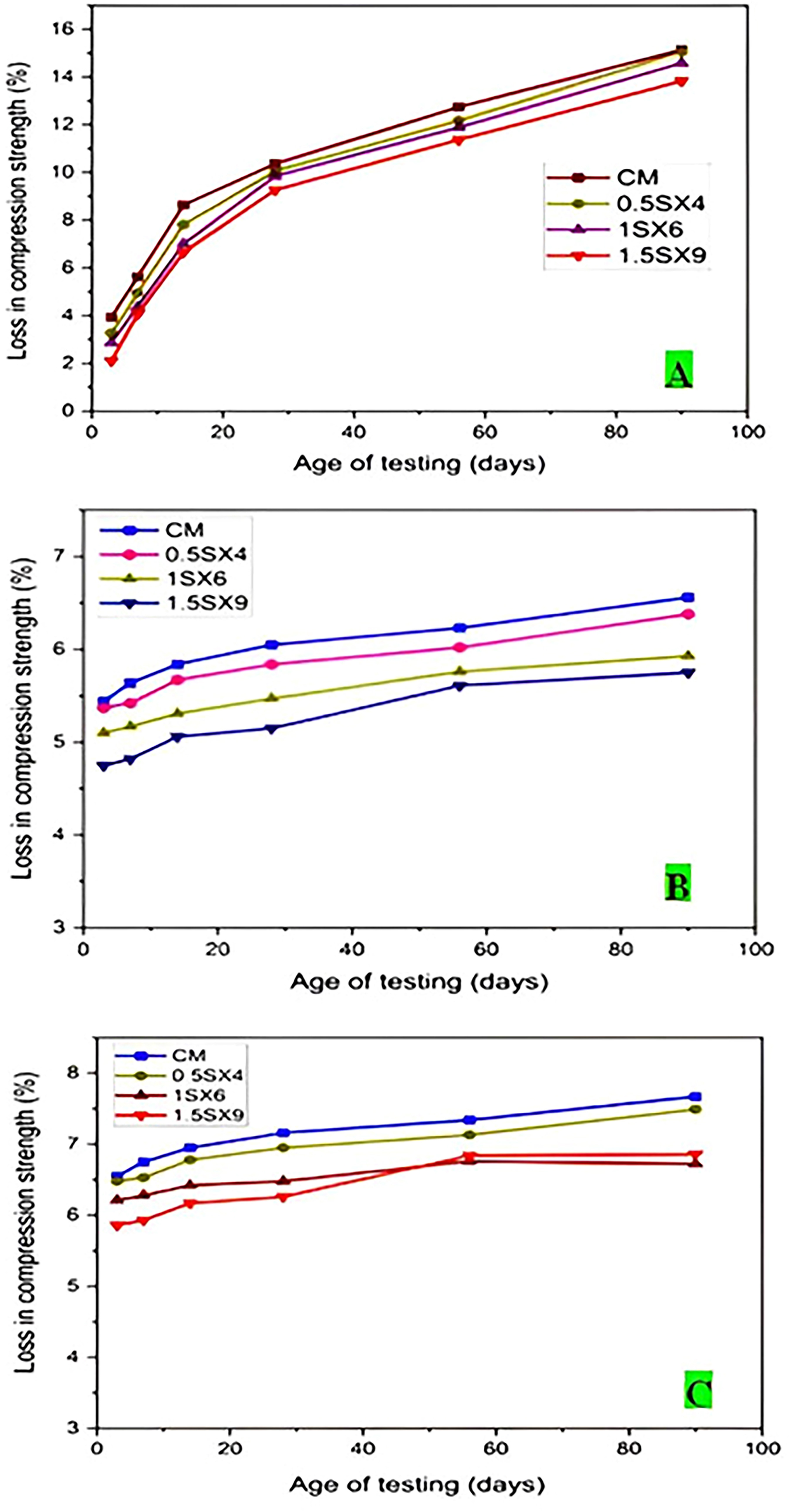
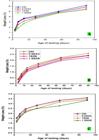
The results mentioned in the Table 4 show that the CM specimen experiences the greatest weight loss, while the 1.5SX specimen shows the least weight loss throughout the acid exposure. By day 90, the weight loss in the 1.5SX, 1SX, and 0.5SX specimens decreased by 0.83%, 0.66%, and 0.31%, respectively, compared to the CM specimen, indicating less degradation. This weight loss reflects the deterioration of the concrete, with higher- porosity concrete being more susceptible to damage from H2SO4. The reduction in weight loss with the bio admixtures suggests that these admixtures help reduce the concrete’s porosity, improving its resistance to acid attack. The smaller decrease in compressive strength for the bio-admixture specimens also indicates better load-bearing performance. After 90 days of acid exposure, the 1.5SX, 1SX, and 0.5SX specimens showed increased load-carrying capacities by 1.32%, 0.57%, and 0.09%, respectively, compared to the CM specimen, showing better durability. Sulfuric acid reacts with calcium hydroxide in the concrete to form gypsum, which is soluble in water, causing material loss. The acid also reacts with tricalcium aluminates to produce ettringite, which causes expansion within the concrete. This expansion leads to spalling, reducing the concrete’s compressive strength. The plot representing the percentage loss in the weight with respect to the age of testing is shown in Figure 6A and Figure 7A represents the loss in compression strength with respect to the age of testing.
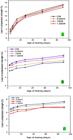
Loss of compression strength vs. age of testing when exposed to 5% of A) H2SO4 B) NaOH C) NaCl.
4.3. Durability of the concrete against alkaline medium
At the 90th day, the percentage loss in weight of the concrete cubes varied from 0.09% to 2.56% for different bio-admixture concrete combinations. Similarly, the loss in compressive strength ranged from 4.75% to 6.56%. The highly alkaline sodium hydroxide interacts with the hydration products in the concrete, leaching out calcium hydroxide (Ca(OH)2). This leaching process results in a reduction in the mass of the concrete and increases the porosity of the concrete matrix. The increased porosity weakens the concrete structure, leading to a diminished load-carrying capacity. This mechanism contributes to the observed decrease in compressive strength when the concrete is exposed to an alkaline medium over a prolonged period. The plot representing the percentage loss in the weight with respect to the age of testing is shown in Figure 6B. Figure 7B represents the loss in compression strength with respect to the age of testing.
4.4. Durability of the concrete against chloride medium
The 1.5SX specimen demonstrates superior durability performance in terms of both weight loss and compressive strength retention when compared to other mix proportions. At 90 days, the weight loss of the 1.5SX specimen is 3.34%, which is 0.3% lower than that of the control mix (CM) specimen. In contrast, the 1SX and 0.5SX specimens show weight losses that are 0.67% and 0.32% higher than the CM specimen, respectively. The minimal reduction in compressive strength observed in the 1.5SX specimen further indicates an enhanced load-bearing capacity under chloride exposure. Specifically, the compressive strength loss for the 1.5SX, 1SX, and 0.5SX specimens are 0.81%, 1.63%, and 0.18% higher than the CM specimen, respectively.
The improved performance of the 1.5SX mix can be attributed to the denser concrete matrix achieved through the incorporation of 1.5% bio-admixture (cassava starch and xanthan gum). These biopolymers are believed to contribute to chloride resistance through a combination of physical and chemical mechanisms.
Physically, the admixtures form a viscous gel-like network within the cementitious matrix, which reduces pore connectivity and limits the penetration pathways available to chloride ions. Chemically, functional groups such as hydroxyl and carboxyl present in these polymers interact with calcium ions, promoting the formation of additional calcium silicate hydrate (C-S-H) gel or stabilizing existing hydration products. This results in a densified microstructure that acts as a barrier to chloride diffusion, thereby reducing chemical interactions with NaCl and minimizing degradation. These mechanisms are consistent with findings from previous studies involving rice husk ash (RHA), where silica-rich phases enhanced chloride binding and improved overall durability by immobilizing chloride ions and refining the pore structure [31]. The synergistic effects of physical blockage and chemical binding induced by cassava starch and xanthan gum help mitigate strength loss and weight reduction under chloride attack. The trends in weight loss over time are depicted in Figure 6C, while Figure 7C illustrates the corresponding compressive strength loss with respect to the age of testing, further confirming the enhanced durability of the 1.5SX mix.
5. CONCLUSION
-
The 1.5SX concrete specimen showed the lowest permeability in the RCPT test, indicating enhanced resistance to chloride ion penetration, which reduces reinforcement corrosion and improves durability.
-
The 1.5SX concrete exhibited a 1.32% higher load-carrying capacity than the CM concrete specimen, indicating improved strength due to the composite admixture.
-
Concrete with composite admixtures, especially the 1.5SX specimen, demonstrated minimal loss in weight and compressive strength when exposed to both acidic and alkaline environments, reducing deterioration from H2SO4 and alkaline solutions.
-
The addition of cassava starch and xanthan gum in the composite admixture effectively reduced weight loss and compressive strength loss, enhancing the concrete’s durability.
-
The 1.5SX concrete had the least deterioration, with only 0.3% less weight loss and the lowest compressive strength loss (6.86%) after 90 days, proving it to be the most durable among all specimens tested.
6. ACKNOWLEDGMENTS
The Principal, Mahendra Engineering College. Department of Civil Engineering, Mahendra Engineering College, Namakkal, Tamil Nadu, India.
DATA AVAILABILITY
The data that supports the findings of the study are available from the corresponding author upon reasonable request.
7. BIBLIOGRAPHY
-
[1] GUAN, X., JI, H., QIU, J., et al, “Chloride ion permeability of concrete containing recycled composite powder from building demolition waste”, Construction & Building Materials, v. 424, pp. 135934, 2024. doi: http://doi.org/10.1016/j.conbuildmat.2024.135934.
» https://doi.org/10.1016/j.conbuildmat.2024.135934 - [2] NGUYEN, T.Q., VAN BREUGEL, P.C.A., “The role of supplementary cementitious materials in enhancing concrete durability: a review”, Cement and Concrete Research, v. 72, n. 4, pp. 53–66, 2015.
- [3] NGUYEN, T.Q., VAN BREUGEL, P.C.A., “Use of silica fume to enhance the durability of concrete: a case study”, Materials and Structures, v. 49, n. 11, pp. 4537–4547, 2016.
- [4] ROY, D.M., SINGH, V.P., “Strategies for enhancing the durability of concrete: a review”, Construction & Building Materials, v. 39, pp. 406–420, 2013.
- [5] MONTEIRO, G., HELENE, M., “Durability of concrete in aggressive environments: a review of the in-fluence of cementitious materials and admixtures”, Cement and Concrete Composites, v. 33, n. 4, pp. 553–562, 2011.
- [6] SILVA, P.T.M.. BRITO, C.S.A., SANCHES, J.G.S., “Impact of rice husk ash on the durability of concrete”, Journal of Cleaner Production, v. 119, n. 4, pp. 88–96, 2016.
- [7] SOUZA, E.L.H., BARRAGAN, J.A.R., PEREIRA, A.M.C., “Influence of natural admixtures on the durability of concrete in harsh environments”, Construction & Building Materials, v. 121, n. 2, pp. 617–625, 2016.
-
[8] BANU, S.S., KARTHIKEYAN, J., JAYABALAN, P., “Effect of agro-waste on strength and durability proper-ties of concrete”, Construction & Building Materials, v. 258, pp. 120322, 2020. doi: http://doi.org/10.1016/j.conbuildmat.2020.120322.
» https://doi.org/10.1016/j.conbuildmat.2020.120322 -
[9] FATHI, H., FATHI, A., “Sugar beet fiber and Tragacanth gum effects on concrete”, Journal of Cleaner Production, v. 112, pp. 808–815, 2016. doi: http://doi.org/10.1016/j.jclepro.2015.06.072.
» https://doi.org/10.1016/j.jclepro.2015.06.072 -
[10] AKINDAHUNSI, A.A., “Investigation into the use of extracted starch from cassava and maize as admixture on the creep of concrete”, Construction & Building Materials, v. 214, pp. 659–667, 2019. doi: http://doi.org/10.1016/j.conbuildmat.2019.04.110.
» https://doi.org/10.1016/j.conbuildmat.2019.04.110 -
[11] ZHANG, H., WANG, W., LI, Q., et al, “A starch-based admixture for reduction of hydration heat in cement composites”, Construction & Building Materials, v. 173, pp. 317–322, 2018. doi: http://doi.org/10.1016/j.conbuildmat.2018.03.199.
» https://doi.org/10.1016/j.conbuildmat.2018.03.199 -
[12] VENKATESH, G., KAMAL, C., VENNILA, P., et al, “Sustainable corrosion inhibitor for steel embedded in concrete by guar gum: electrochemical and theoretical analyses”, Applied Surface Science Advances, v. 12, pp. 100328, 2022. doi: http://doi.org/10.1016/j.apsadv.2022.100328.
» https://doi.org/10.1016/j.apsadv.2022.100328 -
[13] HEJAZIAN, S., AHMADYARI-SHARAMIN, M., “Synergistic effect of Arabic and guar gums on corrosion behavior of steel reinforced concrete in a simulator environment”, Case Studies in Construction Materials, v. 16, e01024, 2022. doi: http://doi.org/10.1016/j.cscm.2022.e01024.
» https://doi.org/10.1016/j.cscm.2022.e01024 - [14] ROCHA, L.M., SANCHEZ, L.F., HELENE, M., “Influence of natural admixtures on the durability of concrete: a comparative study”, Construction & Building Materials, v. 98, pp. 820–828, 2015.
-
[15] SELVAKUMAR, P., KUMARASAMY, V., “A novel approach to improve the adhesiveness of concrete with bio-admixture: a study in concrete”, Matéria, v. 29, n. 4, e20240510, 2024. doi: http://doi.org/10.1590/1517-7076-rmat-2024-0510.
» https://doi.org/10.1590/1517-7076-rmat-2024-0510 -
[16] SELVAKUMAR, P., KUMARASAMY, V., “Investigation on microstructural and compressive strength characteristics of a novel bio-admixture comprising cassava starch-xanthan gum with cement mortar for building application”, Matéria, v. 29, n. 1, e20230331, 2024. doi: http://doi.org/10.1590/1517-7076-rmat-2023-0331.
» https://doi.org/10.1590/1517-7076-rmat-2023-0331 - [17] BUREAU OF INDIAN STANDARDS, IS 10262 Guidelines for concrete mix design proportioning, New Delhi, BIS, 2009.
- [18] BUREAU OF INDIAN STANDARDS, IS 1489-1 Specification for Portland pozzolana cement, part 2: calcined clay based, New Delhi, BIS, 1991.
- [19] BUREAU OF INDIAN STANDARDS, IS 4031-1 Methods of physical tests for hydraulic cement, part 1: determination of fineness by dry sieving, New Delhi, BIS, 1996.
- [20] BUREAU OF INDIAN STANDARDS, IS 4031-2 Methods of physical tests for hydraulic cement, part 2: determination of fineness by specific surface by Blaine air permeability method, New Delhi, BIS, 1999.
- [21] BUREAU OF INDIAN STANDARDS, IS 4031-3 Methods of physical tests for hydraulic cement, part 3: determination of soundness, New Delhi, BIS, 1988.
- [22] BUREAU OF INDIAN STANDARDS, IS 4031-4 Methods of physical tests for hydraulic cement, part 4: determination of consistency of standard cement paste, New Delhi, BIS, 1988.
- [23] BUREAU OF INDIAN STANDARDS, IS 4031-6 Methods of physical tests for hydraulic cement, part 6: determination of compressive strength of hydraulic cement (other than masonry cement), New Delhi, BIS, 1988.
- [24] BUREAU OF INDIAN STANDARDS, IS 383 Coarse and fine aggregate for concrete – specification, New Delhi, BIS, 2016.
- [25] BUREAU OF INDIAN STANDARDS, IS 2386-1 Methods of test for aggregates for concrete, part 1: particle size and shape, New Delhi, BIS, 1963.
- [26] BUREAU OF INDIAN STANDARDS, IS 2386-3 Methods of test for aggregates for concrete, part 3: specific gravity, density, voids, absorption and bulking, New Delhi, BIS, 1963.
- [27] BUREAU OF INDIAN STANDARDS, IS 2386-4 Methods of test for aggregates for concrete, part 4: mechanical properties, New Delhi, BIS, 1963.
- [28] BUREAU OF INDIAN STANDARDS, IS 2720-3-1 Methods of test for soils, part 3: determination of specific gravity, section 1: fine grained soils, New Delhi, BIS, 1980.
- [29] BUREAU OF INDIAN STANDARDS, IS 456:2000 Plain and reinforced concrete: code of practice, New Delhi, BIS, 2000.
-
[30] SANDRINE, U.B., ISABELLE, V., HOANG, M.T., et al, “Influence of chemical modification on hemp–starch concrete”, Construction & Building Materials, v. 81, pp. 208–215, 2015. doi: http://doi.org/10.1016/j.conbuildmat.2015.02.045.
» https://doi.org/10.1016/j.conbuildmat.2015.02.045 -
[31] PRASITTISOPIN, L., RATTANASAK, U., TANGCHIRAPAT, W., “Effect of rice husk ash on chloride binding capacity and microstructure of blended cement paste”, Construction & Building Materials, v. 167, pp. 302–309, 2018. doi: http://doi.org/10.1016/j.conbuildmat.2018.01.177.
» https://doi.org/10.1016/j.conbuildmat.2018.01.177