 Experimental, theoretical, and biological investigations on radiation shielding parameters of boron-doped cerrobend alloys
ABSTRACT
This experimental and theoretical study investigated the efficiency of radiation absorption by Cerrobend alloy with varying concentrations of B4C compound. Four blocks were prepared containing 0%, 5%, 10%, and 15% B4C, respectively. The study examined radiation attenuation characteristics, including the mass attenuation coefficient, linear attenuation coefficient, half-value layer thickness, and mean free path, as well as radiobiological consequences for each block, using photon energies of 6 and 15 MeV. It has been observed that the rise in the quantity of B4C leads to a decrease in the material’s ability to absorb photons. The highest mass attenuation coefficient at 6 MeV energy was S1 with 0.0432 cm2/g. The half-value layer of samples S2 and S3 exhibited a larger magnitude compared to samples S1. The tenth-value layer findings obtained with photons with 15 MeV energy were S0 < S1 < S2 < S3. In the experiments with photons with 6 MeV energy, the mean free path value of sample S1 was relatively lower than other samples. The experimental results were consistent with the data obtained from GAMOS and XCOM. Experiments and theoretical studies have shown that the Cerrobend alloy’s photon absorption properties are very similar to those of pure Cerrobend when it is doped with 5 wt% B4C.
Keywords:
Boron; Cerrobend; GAMOS; Radiation Shielding; XCOM
1. INTRODUCTION
As ionizing radiation is more commonly used in medical procedures, different human organs and tissues will come into contact with X- and gamma-rays, particularly in radiotherapy. This exposure can lead to deterministic and stochastic radiation-induced consequences [1]. To prevent deterministic and stochastic impacts from radiation, one can utilize techniques such as time, distance, and shielding [2]. Therefore, it is essential to minimize radiation exposure by utilizing shielding materials of appropriate thickness and the materials [3]. The basis of the design of shielding materials is based on photon matter interactions [4].
Materials with high density and high atomic numbers are preferred for radiation shielding. The development of innovative materials that can withstand the potentially severe circumstances associated with radiation exposure is a continuous area of research for researchers. The objective of these materials is to offer long-term radiation shielding, be cost-effective, environmentally benign, and non-toxic [5]. In this context, there are scientific researches in the literature on many different materials such as glass, concrete, polymers, alloys and ceramics in order to provide protection against X- and gamma rays [6,7,8].
B4C reinforcement particles have been used in recent years to improve the mechanical and wear properties of composites by providing exceptionally high hardness, improved strength, chemical stability and higher thermal stability [9]. Moreover, boron compounds are exceptional materials for neutron shielding due to their ability to efficiently capture incoming neutrons, thereby preventing nuclear reactions and radiation leakage in nuclear applications [10]. Due to these properties, boron compounds are preferred for radiation shielding in many different materials. For instance, ISSA et al. investigated the role of increasing WO3 in the network of boroditellurite glasses and reported that this increase strengthens boroditellurite glasses by increasing the density, hardness, and mechanical properties of the network, as well as increasing the radiation shielding property [11]. Radiation exposure at different doses does not show any significant structural effects on borosilicate glasses [12]. Additionally, high-density alloys such as Cerrobend are effective in shielding against X-rays and gamma rays as a result of their high atomic number, which scatters and absorbs these forms of ionizing radiation, thereby reducing their penetration [13]. Comprehensive radiation shielding is achieved through this dual strategy. This combination is a valuable choice in a variety of industries where radiation shielding is a significant concern, as it provides comprehensive protection against a wide range of ionizing radiation.
Several parameters are used to assess the gamma and X-ray absorption characteristics of shielding materials, including the mean free path (MFP), half value layer (HVL), and tenth value layer (TVL). The absorption potential of a substance can be inferred from the total mass attenuation coefficient (MAC), which establishes the likelihood of interaction [14, 15]. Mean free path (MFP) is defined as the average distance between two consecutive interactions of photon with material [16]. Half value layer (HVL) and tenth value layer (TVL) are relevant parameters defined as the material thickness that reduces the incident radiation intensity by 50% and 10% respectively [17]. MAC and other radiation absorption parameters of different materials have been determined in various studies [18,19,20,21,22]. Some radiation shielding parameters, like MAC, HVL, TVL, and MFP, were examined in this study. They were found in four different types of Cerrobend alloys that had different amounts of B4C. The total mass attenuation coefficient and MFP values of Cerrobend alloys frequently used in radiotherapy were calculated using 6 MeV and 15 MeV energies and dose values measured in the linear accelerator. Then, the experimental system was simulated using the code created with the GAMOS program for theoretical calculations. GAMOS is based on GEANT4 and is widely used for simulation studies in medical physics [23, 24]. The values of MAC, HVL, TVL, and MFP were determined using the data acquired from the GAMOS program. The HVL, TVL, and MFP values were computed for all alloys by extracting the MAC values from the XCOM (X-Ray Cross Section Database) database. A comparison was made between experimentally and theoretically derived radiation absorption values.
Two main mechanisms, so-called direct and indirect pathways, are involved in the degradation of DNA induced by ionizing radiations [25]. In instances where ionizing radiation is unable to facilitate the repair of induced damage, cells may undergo either mutagenesis or apoptosis. Radiation shielding endeavors to mitigate the occurrence of mutation or apoptosis by impeding the exposure of healthy cells to radiation. Hence, this work aimed to investigate the impact of shielding fibroblast cells with a Cerrobend alloy having varying concentrations of B4C on their post-irradiation survival rates. An endeavor was undertaken to establish a correlation between the ratios of B4C and the rates of cell survival.
The aim of this research is to make experimental, theoretical and radiobiological comparative analysis of radiation shielding parameters of Cerrobend alloys doped with different amounts of B4C. The current research is of significant importance in the context of designing a radiation shield that can be used in various radiotherapy applications, such as spatially fractionated GRID radiation therapy, to deliver the optimum dose to the tumor volume while ensuring that healthy tissue is exposed to the lowest possible dose of radiation [26]. The findings of the present study can contribute to the investigation of a novel radiation shielding material, the selection of a suitable shielding material, and the determination of the optimal thickness of the shielding blocks. Cerrobend alloys are widely utilized in various domains, with a particular emphasis on their employment in radiation therapy. When cells are exposed to ionizing radiation and are unable to repair the resulting damage, they may undergo either mutation or apoptosis. Radiation shielding is designed to mitigate the occurrence of mutation or apoptosis by effectively limiting the exposure of healthy cells to radiation.
Consequently, this research aimed to investigate the impact of shielding fibroblast cells with varying concentrations of B4C within a Cerrobend alloy on their post-irradiation survival rates. An endeavor was undertaken to establish a correlation between the ratios of B4C and the rates of cell survival [27,28,29]. They are often used as custom blocks to create a custom open size that can conform to the shape of the tumor to minimize doses outside the patient’s treatment area. The main advantages of Cerrobend alloys are (1) high density; (2) low melting temperature, but solid at room temperature; (3) easy molding and reuse; (4) ease of shaping; (5) low cost; and (6) consisting of elements with high atomic numbers (Cd, In, Sn, Sb, Bi, and Pb) [3]. In addition, B4C is used in radiation shielding due to its mechanical, chemical and thermal properties [30, 31]. B4C alloys are suitable choices for radiation shielding applications that limit medical center worker exposure to gamma radiation [32]. It has been documented in the literature that B4C exhibits the capability to attenuate gamma rays, in addition to its neutron absorption properties [21, 33,34,35,36].
In our literature search, we did not come across a study investigating the radiation absorption properties of the cerrobend alloy, which is widely used in clinical practice, and a compound with high neutron absorption capacity and mechanical strength such as B4C. In addition, although there are many experimental and theoretical studies on the radiation absorption properties of shielding materials, the examination of the biological effects of radiation under in vitro conditions is of great importance in medicine. In this context, we believe that including radiobiological data as well as radiation absorption parameters in this study will make an important contribution to the literature.
2. MATERIALS AND METHODS
2.1. Design of experimental groups
In this study, Cerrobend alloy (Radon Medical Equipment Import Export Sales and Trading Ltd. Co., Turkey) with a density of 9.47 g/cm3 and micron powder B4C (Nanografi Nano Teknoloji A.Ş., Turkey) with 99.95% purity were used. To prepare Cerrobend-B4C alloys with different boron carbide loadings (5, 10, and 15 wt% B4C), B4C powder was combined with the molten Cerrobend alloy at 98–100°C by homogeneous mixing (VELP Scientifica Srl., Italy) and poured into pre-prepared molds. After the blended mixture was cooled to room temperature, it was removed from the molds and became ready for dosimetric and radiobiological measurements. These processes were repeated for each shielding material. The elemental composition, density and sample code of the investigated alloys are listed in Table 1.
2.2. Radiation shielding tests
Radiation shielding tests are conducted on experimental measurements (LINAC system), theoretical calculations (XCOM [37]) and Monte Carlo (MC) simulations (GAMOS [24, 38]).
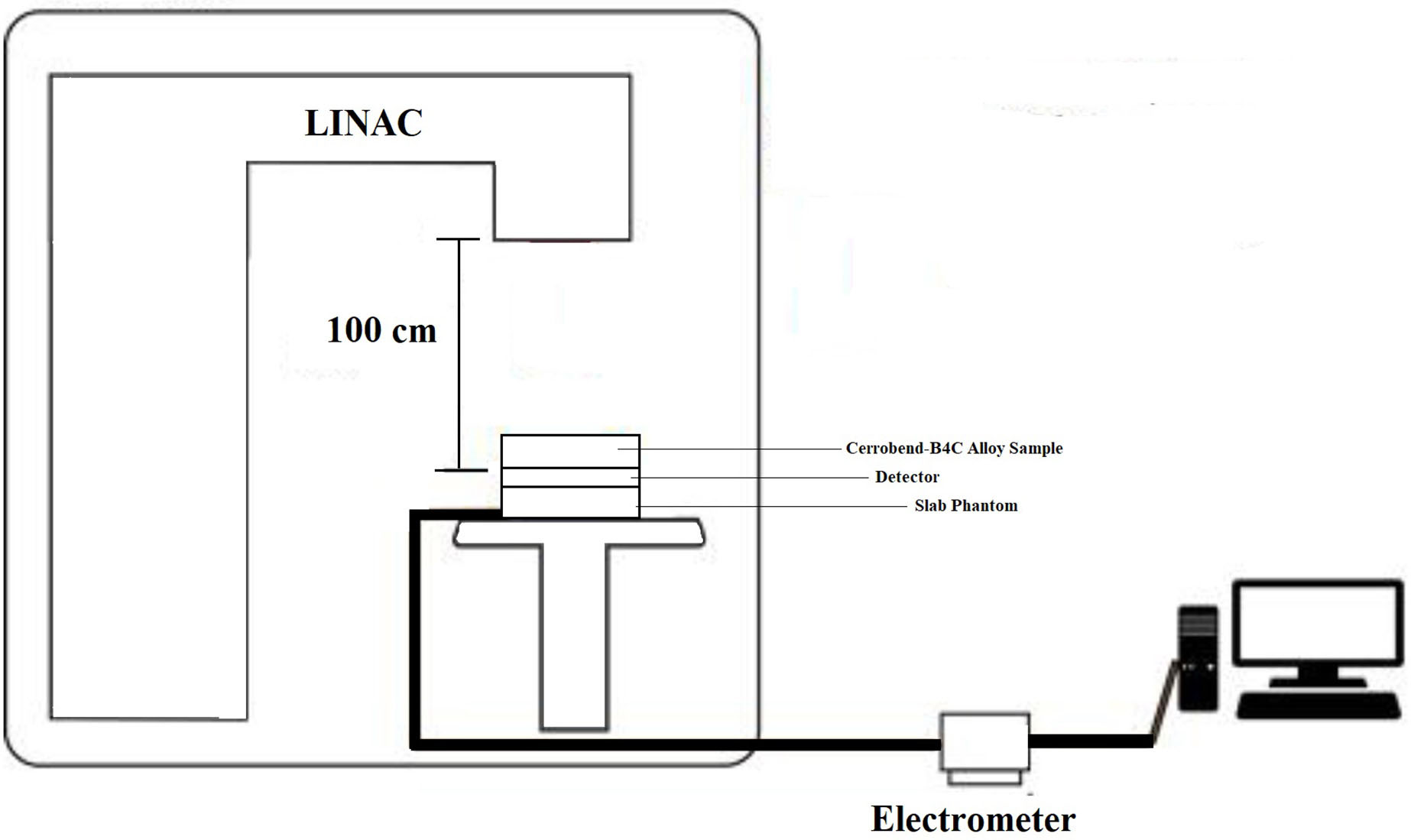
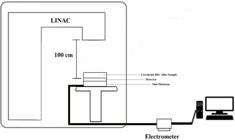
Experimental measurements were made on the Varian Clinac IX® (Varian Medical System, USA) linear accelerator. During the measurement, 6 and 15 MeV photons were used. The experimental setup was created with solid water phantoms. Five slab phantoms, each 1 cm thick, were placed on the patient’s table to counteract the effect of backscatter radiation. After setup with solid phantoms, radiation doses were measured with the SN600c cylindrical ion chamber (Sun Nuclear Corporation SNC, USA). In the case of all Cerrobend-B4C blocks, the distance from the source to the skin (SSD) was established at 100 cm, while the field size was adjusted to 10 × 10 cm2 (Figure 1). For all irradiations, the Monitor Unit (MU) was established at a value of 1000 (1 MU = 1 cGy), while the dose rate was set at 600 MU/min.
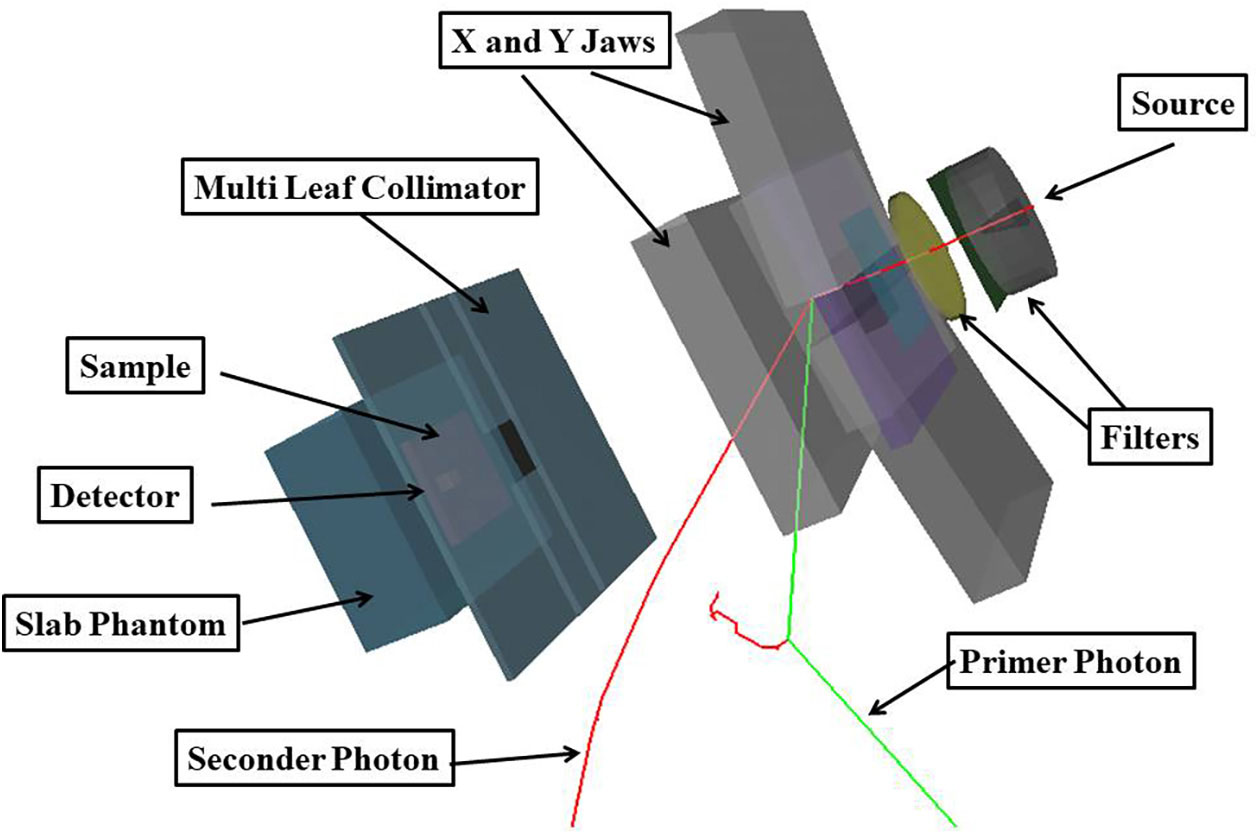
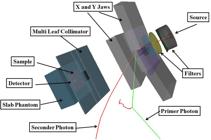
The theoretical computations in this work were conducted using the GAMOS v.6.2.0 software program. For GAMOS simulation, geometry and input files must be defined. In this study, bunker, gantry, parallel plate ion chamber and bolus were designed in the geometry file. A gantry geometry was created in the center of the linac bunker, which consists of air in the volume of 200 × 200 × 200 cm3. The gantry includes primary collimators, a beryllium window, scattering foil, an ion chamber, a jaw and an electron applicator with a 10 × 10 cm2 area opening. In the simulation geometry, B4C dopped Cerrobend alloys produced from different thicknesses were defined. A cylindrical ion chamber was designed for the measurement of the electron dose, and the SSD was defined as 100 cm in the geometry file (Figure 2).
The input file contained definitions for physics, generator, and the dose collection parameters. The simulation used the electromagnetic physics package. The simulations were conducted at energies of 6 MeV and 15 MeV. The scoring criteria involved tallying the quantity of dose that reached the detector through “dose deposit.” Variance reduction approaches were not utilized despite incorporating all physical processes in the score. A 107 particles history was used to enhance the accuracy of the Monte Carlo simulations and minimize statistical error.
The considered radiation shielding parameters could be listed as LAC, MAC, HVL, TVL and MFP. The formulas of the considered parameters are given below [39].
where I0, I, ×, and ρ represent the incident radiation density, transmitted radiation density, shielding material thickness, and shielding material density, respectively.
2.3. Radiobiological experiment
CCD-1135Sk An1 human skin fibroblast cell lines used for radiobiological measurements were purchased commercially. The ready-to-use medium was prepared by adding 10% Fetal Bovine Serum (FBS, Pan Biotech P30-3306) into DMEM/F12 (Pan Biotech P04-41250). The prepared medium was sterilized by passing through a 0.20 µm filter before application. Cells were incubated under sterile conditions in an incubator at 5% CO2 and 37°C and proliferated.
The medium was emptied when the cells in 25 cm2 flasks, which were routinely monitored daily under an inverted microscope, reached 80% confluency. 3 ml of Trypsin-EDTA solution was added to the flask and incubated at 37°C for 5–10 minutes. The suspended cells, losing their connection with the flask and each other, were transferred to 15 ml falcon tubes by adding 6 ml of medium. These falcons were centrifuged at 125 g for 6 minutes. Centrifuged cells were subcultured by dividing 1:6. The medium was changed every three days.
The 3-(4,5-dimethylthiazole-2-yl)-2,5-diphenyl tetrazolium bromide (MTT) test was used to investigate the effect of the shielding material on cell proliferation and growth. Cell growth and viability are analyzed by spectrophotometric measurement without the use of radioactive isotopes, which was made first by MOSMANN [40]. Cells were seeded at 1 × 10⁶ cells/well in 96-well microplates. Microplates in the respective groups were irradiated with 6 MeV and 15 MeV photons at 1000 MU in a Varian Clinac IX® (Varian Medical System, USA) linear accelerator. A different microplate was prepared for each block, and these microplates were protected with blocks. During irradiation, the SSD value was 100 cm, and the dose rate was 600 MU/min. After irradiation, the cells were washed with PBS and left for 1 minute, after which the PBS was removed. Then, 100 μl of fresh culture medium and 10 μl of MTT stock solution were added to each well. It was wrapped in aluminum foil and kept in an incubator at 37°C for 4 hours. After the solution was removed after incubation, the culture medium containing MTT was removed by pipetting. 100 μl of DMSO was added to the cells and incubated at room temperature for 10 minutes. The absorbance value of 570 nm was measured in a microplate reader spectrophotometer. The entire experimental protocol was repeated three times.
3. RESULTS
3.1. LAC and MAC
LAC values exhibit significantly high values in low-energy regions of photon energy, where the photoelectric effect predominates. Within the central region of the gamma energies under investigation, the LAC values exhibited a negligible difference, owing to the Compton scattering section’s predominance [32]. An increase in LAC is once more observed in the maximal values of incoming photons when double production is predominant. This trend has been the subject of numerous studies concerning the application of prepared materials for shielding [41,42,43]. The linear attenuation coefficients for the samples exposed to photons with an energy of 6 MeV and a field size of 10 × 10 cm2 were 0.3902, 0.3629, 0.3060 and 0.2643 cm–1 for S0, S1, S2, and S3, respectively. The linear attenuation coefficient values obtained from X-ray measurements with an energy of 15 MeV were 0.4934, 0.418, 0.3601 and 0.3137 cm–1 for blocks of equal field size (Table 2).
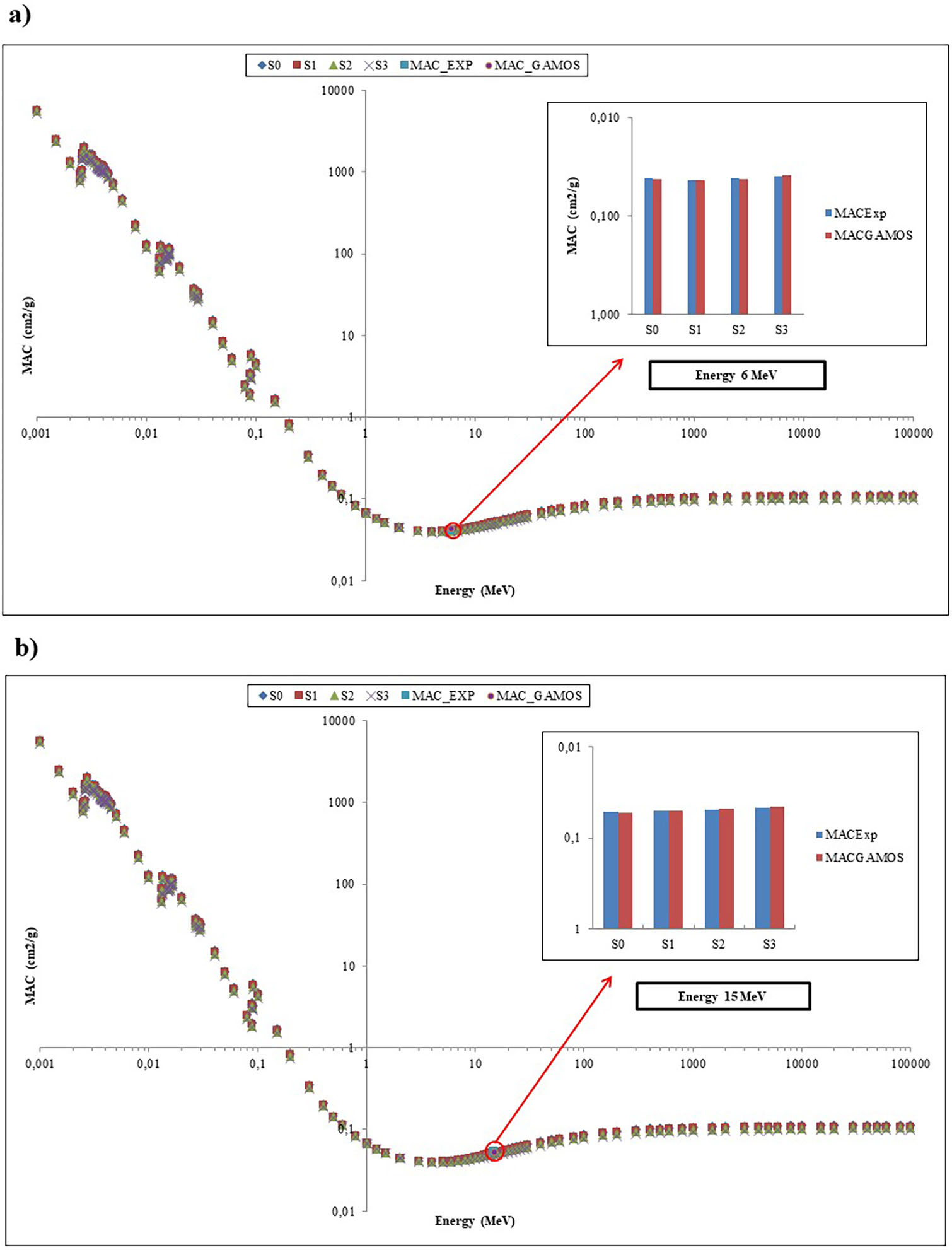
The mass attenuation coefficients for the samples exposed to photons with an energy of 6 MeV and a field size of 10 × 10 cm2 changed between 0.0412 and 0.0391 cm2/g. The mass attenuation coefficient values obtained from X-ray measurements with an energy of 15 MeV were recorded as 0.0521, 0.0498, 0.0486 and 0.0464 cm2/g for blocks of equal field size. Figure 3 presents the experimentally acquired MAC findings from the GAMOS simulation and the XCOM database.
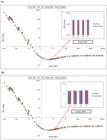
Mass attenuation coefficients of B4C doped cerrobend alloys irradiated at varying photon energies (a) 6 and (b) 15 MeV were determined from experiments, GAMOS simulations, and the XCOM database.
The mass attenuation coefficients depend on the incident energy and the element concentration in the alloys. On the other hand, when low-energy X and gamma rays interact with matter, it causes a photoelectric effect that leads to the emission of photoelectrons. Also, the cross-section of Compton scattering is important for energies ranging from 100 keV to 10 MeV, and the pair production process becomes important for energies above 2 MeV, which plays an important role in the mass attenuation coefficient value [44]. The MAC value decreases with increasing gamma-ray energy, which ranges from 13.8 keV to 15 MeV, due to the different densities and chemical compositions of the B4C-doped Inconel 718 samples [45]. The mass absorption coefficients of different alloys tend to decrease depending on the material usage, the B4C ratio and the energy of the photons. Such changes in the mix design can result in a reduction in the density values of the alloy [46]. When the gamma radiation shielding efficiency of polyethylene discs with different ratios of WC and B4C doped compared to lead discs, the discs with 20% and 10% B4C doped were 4.32% and 2.03% more efficient than the equivalent lead disc, respectively [47]. Although the shielding ability decreases as the B4C ratio increases, it is an important advantage that B4C is a light and non-toxic material.
3.2. HVL and TVL
The experimental observations conducted using photons with an energy of 6 MeV revealed a range of HVL values between 1.7766 cm and 2.6224 cm. The HVL measurement for the S1 block was 1.6570 cm. However, it was noted that this value exhibited an increase to 2.2649 cm and 2.6224 cm for the S2 and S3 blocks, respectively, as the B4C ratio was elevated. HVL values obtained using GAMOS simulation and the XCOM database were compatible with experimental results. The investigations conducted with 15 MeV photons yielded varying values for HVL, ranging from 1.4049 cm to 2.2098 cm. The HVL of samples S2 and S3 exhibited a greater magnitude in comparison to samples S0 and S1. The experimental results were consistent with the data obtained from GAMOS and XCOM. In experiments performed with 6 MeV energy photons, the HVL value of sample S1 was lower than S0, S2, and S3 (Table 3).
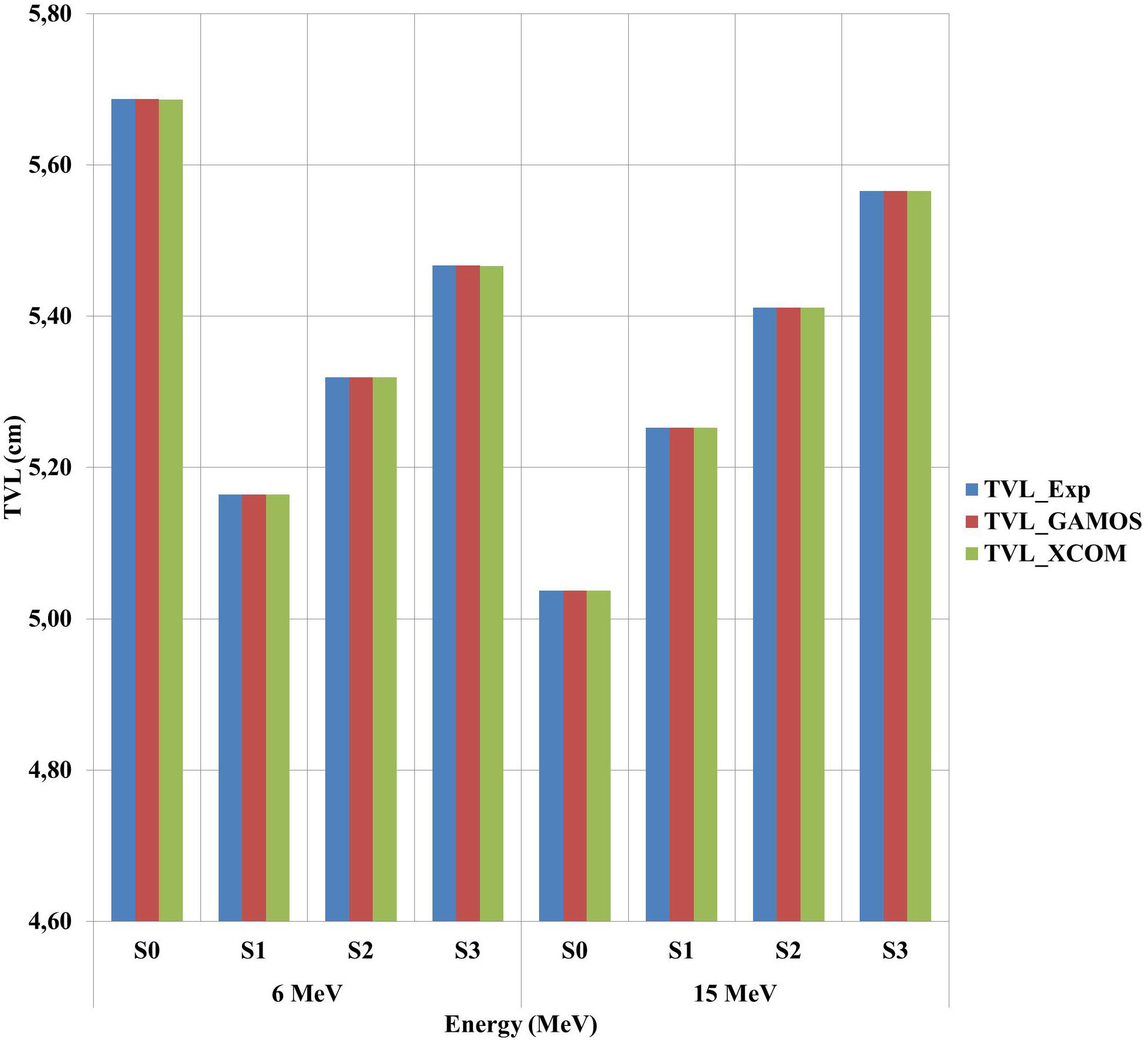
TVL findings obtained with 15 MeV energy photons were S0 < S1 < S2 < S3. Similarly, GAMOS and XCOM results were in agreement with experimental findings (Figure 4).
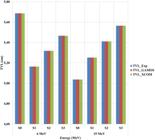
The study found that the HVL and TVL for photons with an energy of 6 MeV were greater than those for photons with an energy of 15 MeV. The HVL and TVL values stabilize and remain relatively steady after reaching 1 GeV. The observed phenomenon, such as the alteration in the MAC value and the variations in HVL and TVL, can be attributed to the prevalence of distinct photon interaction mechanisms across various energy ranges [3].
In the literature, the gamma radiation absorption ability of B4C-doped AISI 316 stainless steel decreases with increasing B4C content [48]. The HVL value increased with the increase of B4C content in Inconel 718 superalloy matrix composites with B4C doped at different rates. The HVL values for these composites ranged from 0.018 cm to 0.9 cm in the low-energy region and between 0.9 cm and 3.6 cm in the high-energy region [45]. In addition, in a study aiming to increase the radiation shielding ability of concrete, the radiation absorption properties of concrete with different ratios of WC and B4C were investigated theoretically and experimentally. The results of the study showed that the modified compositions have more advantages compared to pristine concrete. They also revealed that the shielding parameters were highly dependent on the atomic composition of the prepared concrete and the density of the additives. So, it has been shown that adding the right amount of WC and B4C to concrete can be a different option that can be used for radiation protection in different ways [49].
3.3. The mean free path (MFP)
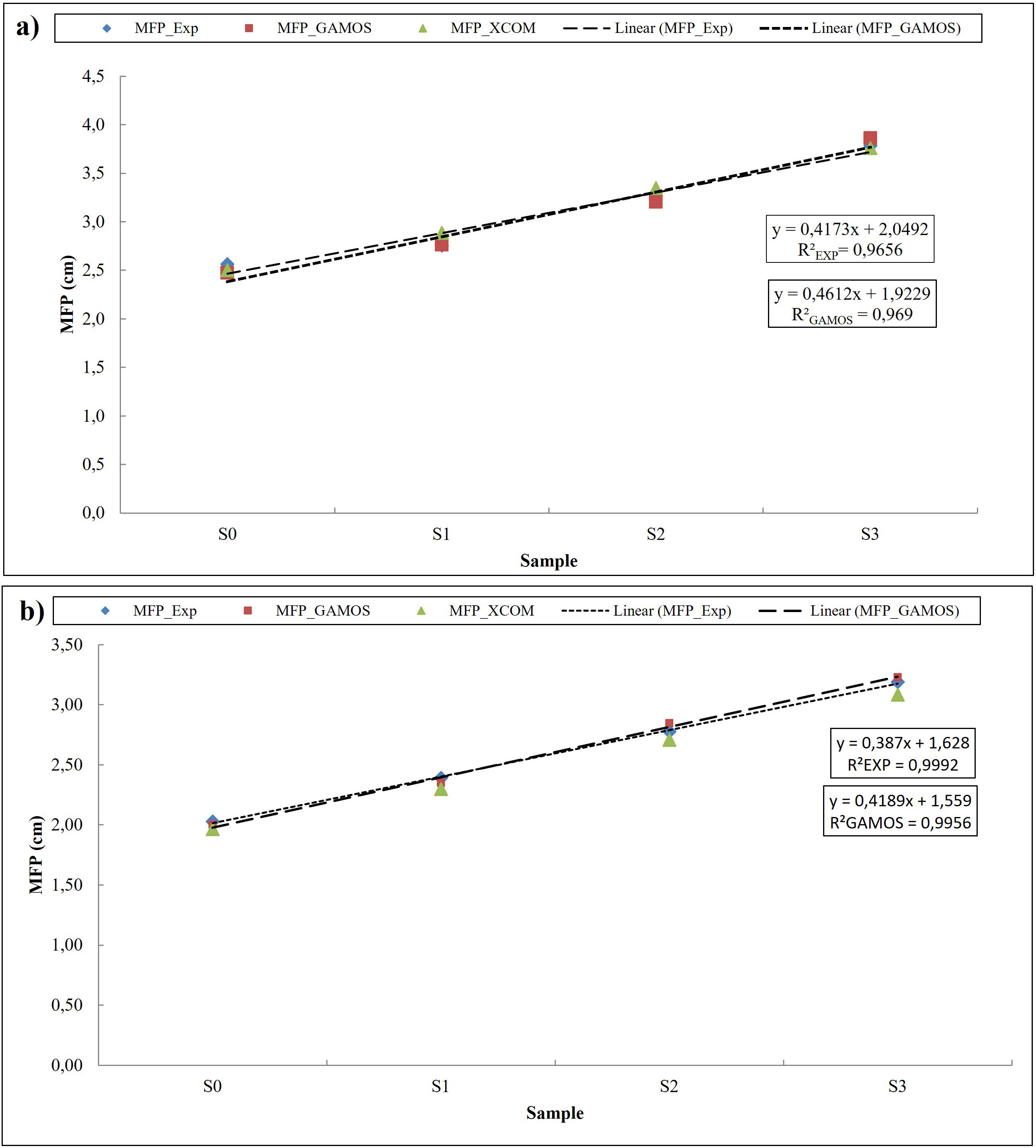
MFP values were calculated for each block with the dosimetric measurement results made with photons at 6 MeV and 15 MeV energies. In experiments conducted with photons with 6 MeV energy, it was observed that as the B4C ratio by weight increased, the MFP value also increased. On the other hand, in experiments conducted with photons with 15 MeV energy, it was observed that the MFP value for all samples was lower than that of 6 MeV. The R2 values of the experimental and theoretical MFP results were 0.96 and 0.99 for 6 and 15 MeV, respectively (Figure 5).
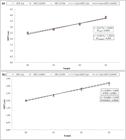
Experimental and theoretical mean free path values and determination. Coefficients (R2) of all blocks at (a) 6 MeV photon and (b) 15 MeV photon energies.
MFP values obtained as a result of dosimetric measurements made with 15 MeV photons are similar to those obtained with 6 MeV photons. It has been shown that the MFP values belong to concretes with a density of 1.81 and 2.27 g/cm3, respectively [50]. It can be easily deduced that the MFP parameter depends on the concrete density, and the shielding performance is proportional to the density of the material. In the study conducted by YORULMAZ et al. [51], it is observed that the MFP values of the samples with lower densities are higher due to the changes in the chemical composition of Gd2O3 doped borate glasses. In a study investigating the radiation absorption properties of SiC and B4C-embedded EVA copolymers, the MFP values measured for polymer composites were lower than those of pure EVA polymer. Polymer composites with different compositions, such as SiC (30%), Si (15%) + B4C (15%), or SiC (15%) + B4C (15%), were found to block 90–91% of photons at around 80 keV [52].
3.4. Radiobiological results
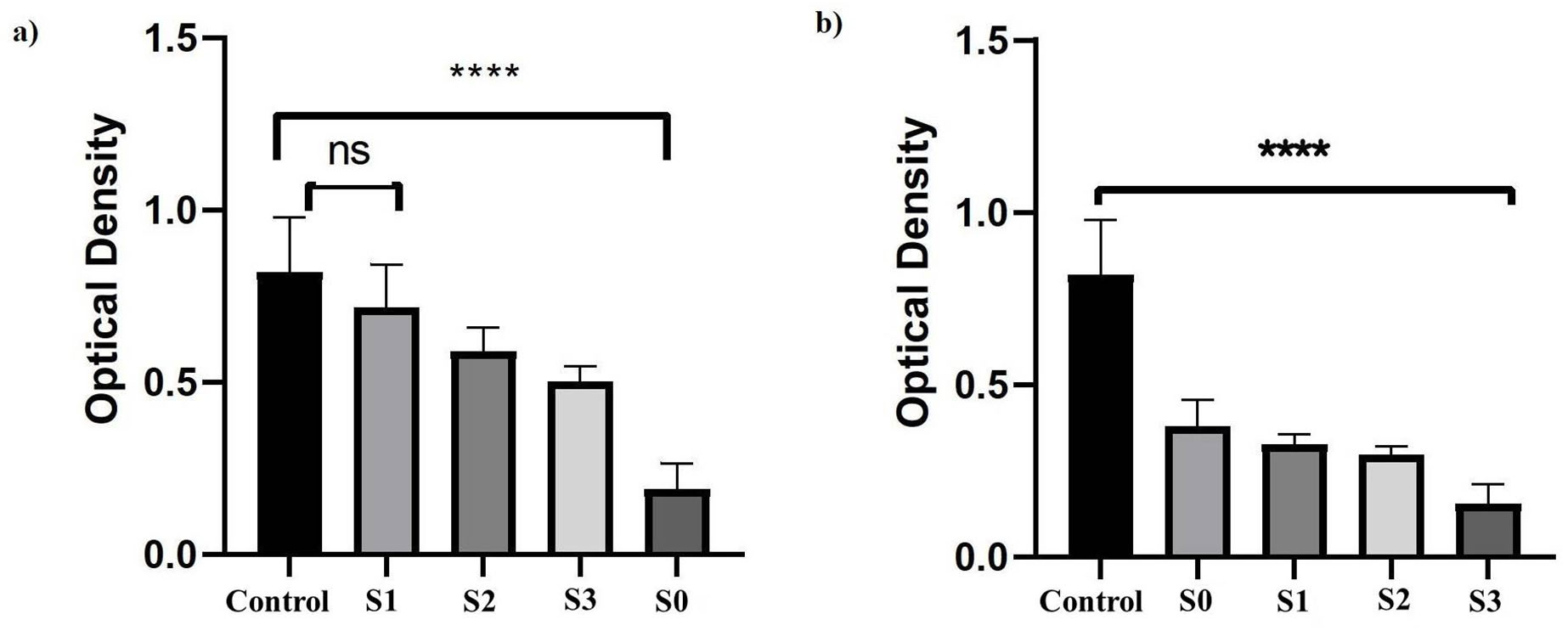
The fibroblast cells in the control group were not subjected to radiation exposure. Therefore, the group with the highest survival rate was the control group. The study determined that the survival rate of fibroblast cells following exposure to 6 MeV energy photons was 0.232 for S0. The observed viability of irradiated cells following closure with the S1 block exhibited a greater rate of survival in comparison to closures performed with the S2 and S3 blocks. The percentage of fibroblast cells that remained viable following exposure to 15 MeV energy photons was 0.1901 for S3. The study observed that the survival rate of fibroblast cells, when protected by S0, was 0.4637, which was comparatively higher than the survival rates observed for S1 and S2 (Figure 6).
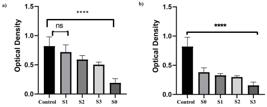
Cell survival depends on many variables, such as radiation energy, dose amount, and dose rate [53]. Survival rates for cells exposed to radiation are inversely proportional to increasing dose amount and energy. Radiation exposure can cause genotoxic damage as well as cytotoxic effects on cells. Chromosomal damage occurs with increasing X-ray energy [54].
3.5. Limitations
This study had some limitations. The cylindrical ion chamber’s effect parameters are one of them. Temperature, pressure, humidity, polarity, and recombination comprise these effect parameters. In order to accurately assess the measured signal, the effect parameters must be corrected if the ion chamber is operated under conditions that differ from the reference conditions. In order to reduce measurement errors, the contributions of these parameters were corrected prior to each measurement during this investigation. After these corrections, it is known that the cylindrical ion chamber makes measurements with errors less than 0.4% [55]. Another limitation is that while GAMOS is fairly accurate in predicting radiation interactions with matter, it does not take into account chemical changes that may occur in matter as a result of radiation exposure. This could potentially result in a little variance between the simulation and the experimental results. Although there were several limitations, the variation in radiation shielding characteristics observed in this study was less than 2%.
4. CONCLUSIONS
It was the purpose of this research to simulate and analyze the radiation absorption properties of Cerrobend alloys containing varying quantities of B4C. The data obtained through simulation and experimentation on the B4C-doped cerrobend alloys under investigation yielded the following conclusions:
-
The minimum LAC value recorded using 6 MeV photons was 0.2643 cm–1 for sample S3. Similarly, the lowest value obtained with 15 MeV photons was 0.3137 cm–1, also for sample S3.
-
The MAC values for S0, S1, S2, and S3 blocks were 0.0521, 0.0498, 0.0486, and 0.0464 cm2/g, respectively, as obtained from 15 MeV energy X-ray measurements.
-
As the gamma energy increases, HVL and TVL both increase. Similar outcomes were achieved with both the experiment, XCOM and GAMOS data.
-
It was noted that the MFP values increased in proportion to the quantity of B4C. The MFP value varied between 2.563 cm and 3.783 cm in the measurements conducted with 6 MeV photons, and between 2.027 cm and 3.188 cm in the measurements conducted with 15 MeV photons.
-
After exposure to both 6 MeV and 15 MeV energy photons, the survival rate of fibroblast cells protected with 5 wt% B4C-doped Cerrobend alloy was higher than that of cells protected with 10 wt% and 15 wt% B4C-doped Cerrobend alloys.
-
The study findings demonstrated that the radiation absorption characteristics exhibited variations in accordance with changes in both the density and chemical composition of the samples.
-
The material’s ability to absorb photons decreased as the quantity of B4C increased.
-
Experimental and theoretical studies have shown that the photon absorption properties of Cerrobend alloy with 5 wt% B4C addition exhibit close performance to pure Cerrobend.
-
The findings show that the Monte Carlo approach is applicable in the presence of experimental limitations.
5. ACKNOWLEDGMENTS
This research has been supported by Kutahya Dumlupınar University Scientific Research Projects Coordination Office under grant number #2021-29. The authors declare that they have no known competing financial interests or personal relationships that could have appeared to influence the work reported in this paper.
6. BIBLIOGRAPHY
-
[1] MOHAN, S., CHOPRA, V., “Biological effects of radiation”, In: Dhoble, S.J. (ed), Radiation dosimetry phosphors: synthesis, mechanisms, properties and analysis, Cambridge, Elsevier, pp. 485–508, 2022. doi: http://doi.org/10.1016/B978-0-323-85471-9.00006-3.
» https://doi.org/10.1016/B978-0-323-85471-9.00006-3 -
[2] KIM, J.H., “Three principles for radiation safety: time, distance, and shielding”, The Korean Journal of Pain, v. 31, n. 3, pp. 145–146, 2018. doi: http://doi.org/10.3344/kjp.2018.31.3.145. PubMed PMID: 30013728.
» https://doi.org/10.3344/kjp.2018.31.3.145 -
[3] TELLILI, B., ELMAHROUG, Y., SOUGA, C., “Investigation on radiation shielding parameters of cerrobend alloys”, Nuclear Engineering and Technology, v. 49, n. 8, pp. 1758–1771, 2017. doi: http://doi.org/10.1016/j.net.2017.08.020.
» https://doi.org/10.1016/j.net.2017.08.020 - [4] CHANG, Q., GUO, S., ZHANG, X., “Radiation shielding polymer composites: ray-interaction mechanism, structural design, manufacture and biomedical applications”, Materials and Design, v. 233, n. 2023, pp. 112253, 2023.
-
[5] ACIKGOZ, A., IZGUDEN, I., TASGIN, Y., et al, “Influence of praseodymium oxide on the structural, mechanical and photon, charged particles, and neutron shielding properties of alumina borate glass”, Ceramics International, vol. 50, n. 19, pp. 34573–34584, 2024. doi: http://doi.org/10.1016/j.ceramint.2024.06.265.
» https://doi.org/10.1016/j.ceramint.2024.06.265 -
[6] KATUBI, K.M., ALSULAMI, R.A., ALBARQI, M.M., et al, “Radiation shielding efficiency of lead-tungsten-boron glasses with Sb, Al, and Bi against gamma, neutron and charge particles”, Applied Radiation and Isotopes, v. 204, n. 2, pp. 111139, 2024. doi: http://doi.org/10.1016/j.apradiso.2023.111139. PubMed PMID: 38104471.
» https://doi.org/10.1016/j.apradiso.2023.111139 -
[7] ARDIANSYAH, A., TAHIR, D., HERYANTO, H., et al, “Science mapping for concrete composites as radiation shielding: A review”, Radiation Physics and Chemistry, v. 207, pp. 110835, 2023. doi: http://doi.org/10.1016/j.radphyschem.2023.110835.
» https://doi.org/10.1016/j.radphyschem.2023.110835 -
[8] ALZAHRANI, J.S., ALROWAILI, Z.A., MUTUWONG, C., et al, “Radiation shielding competence of chalcogenide alloys with high Te content”, Applied Radiation and Isotopes, v. 196, pp. 110759, 2023. doi: http://doi.org/10.1016/j.apradiso.2023.110759. PubMed PMID: 36905714.
» https://doi.org/10.1016/j.apradiso.2023.110759 -
[9] VENKATA RAMANA MURTY NAIDU, S.C.K., VELLINGIRI, S., CHINNASAMY, S.M., et al, “Optimization of tribological behavior of Aluminium (A356) composites using TGRA technique”, Matéria (Rio de Janeiro), v. 29, n. 3, pp. e20240129, 2024. doi: http://doi.org/10.1590/1517-7076-rmat-2024-0129.
» https://doi.org/10.1590/1517-7076-rmat-2024-0129 -
[10] SOLAK, B.B., AKTAS, B., YILMAZ, D., et al, “Exploring the radiation shielding properties of B2O3-PbO-TeO2-CeO2-WO3 glasses: A comprehensive study on structural, mechanical, gamma, and neutron attenuation characteristics”, Materials Chemistry and Physics, v. 312, pp. 128672, Jan. 2024. doi: http://doi.org/10.1016/j.matchemphys.2023.128672.
» https://doi.org/10.1016/j.matchemphys.2023.128672 -
[11] ISSA, S.A.M., RASHAD, M., TAHA, A., et al, “Experimental investigations on elastic and radiation shielding parameters of WO3-B2O3-TeO2 glasses”, Journal of Non-Crystalline Solids, v. 544, pp. 120207, Sep. 2020. doi: http://doi.org/10.1016/j.jnoncrysol.2020.120207.
» https://doi.org/10.1016/j.jnoncrysol.2020.120207 -
[12] RASHAD, M., SAUDI, H.A., HESHAM, M.H., et al, “Control optical characterizations of Ta+5-doped B2O3-Si2O-CaO-BaO glasses by irradiation dose”, Optical Materials, v. 112, pp. 110613, Feb. 2021. doi: http://doi.org/10.1016/j.optmat.2020.110613.
» https://doi.org/10.1016/j.optmat.2020.110613 -
[13] YILMAZ, D., AKTAŞ, B., ÇALIK, A., et al, “Boronizing effect on the radiation shielding properties of Hardox 450 and Hardox HiTuf steels”, Radiation Physics and Chemistry, v. 161, pp. 55–59, Aug. 2019. doi: http://doi.org/10.1016/j.radphyschem.2019.04.019.
» https://doi.org/10.1016/j.radphyschem.2019.04.019 -
[14] HUBBELL, J.H., “Photon mass attenuation and energy-absorption coefficients”, The International Journal of Applied Radiation and Isotopes, v. 33, n. 11, pp. 1269–1290, 1982. doi: http://doi.org/10.1016/0020-708X(82)90248-4.
» https://doi.org/10.1016/0020-708X(82)90248-4 -
[15] HUBBELL, J.H., “Review of photon interaction cross section data in the medical and biological context”, Physics in Medicine and Biology, v. 44, n. 1, pp. R1–R22, 1999. doi: http://doi.org/10.1088/0031-9155/44/1/001. PubMed PMID: 10071870.
» https://doi.org/10.1088/0031-9155/44/1/001 -
[16] TSOULFANIDIS, N., Measurement and Detection of Radiation, Boca Raton, CRC Press, 2010. doi: http://doi.org/10.1201/9781439894651.
» https://doi.org/10.1201/9781439894651 -
[17] BAGHERI, R., KHORRAMI MOGHADDAM, A., YOUSEFNIA, H., “Gamma ray shielding study of barium-bismuth-borosilicate glasses as transparent shielding materials using MCNP-4C code, XCOM program, and available experimental data”, Nuclear Engineering and Technology, v. 49, n. 1, pp. 216–223, Feb. 2017. doi: http://doi.org/10.1016/j.net.2016.08.013.
» https://doi.org/10.1016/j.net.2016.08.013 -
[18] ŞAHİN, M.C., MANISA, K., “Evaluation of X-ray shielding ability of tungsten rubber: a GAMOS Monte Carlo Study”, Süleyman Demirel Üniversitesi Fen Edebiyat Fakültesi Fen Dergisi, v. 18, n. 1, pp. 1–9, 2023. doi: http://doi.org/10.29233/sdufeffd.1241050.
» https://doi.org/10.29233/sdufeffd.1241050 -
[19] LIMKITJAROENPORN, P., KAEWKHAO, J., ASAVAVISITHCHAI, S., “Determination of mass attenuation coefficients and effective atomic numbers for Inconel 738 alloy for different energies obtained from Compton scattering”, Annals of Nuclear Energy, v. 53, pp. 64–68, Mar. 2013. doi: http://doi.org/10.1016/j.anucene.2012.08.020.
» https://doi.org/10.1016/j.anucene.2012.08.020 -
[20] İÇELLİ, O., YALÇIN, Z., OKUTAN, M., et al, “The determination of the total mass attenuation coefficients and the effective atomic numbers for concentrated colemanite and Emet colemanite clay”, Annals of Nuclear Energy, v. 38, n. 9, pp. 2079–2085, Sep. 2011. doi: http://doi.org/10.1016/j.anucene.2011.06.003.
» https://doi.org/10.1016/j.anucene.2011.06.003 -
[21] İÇELLİ, O., ERZENEOĞLU, S., BONCUKÇUOĞLU, C., “Measurement of X-ray transmission factors of some boron compounds”, Radiation Measurements, v. 37, n. 6, pp. 613–616, Dec. 2003. doi: http://doi.org/10.1016/S1350-4487(03)00049-0.
» https://doi.org/10.1016/S1350-4487(03)00049-0 -
[22] GOWDA, S., KRISHNAVENI, S., YASHODA, T., et al, “Photon mass attenuation coefficients, effective atomic numbers and electron densities of some thermoluminescent dosimetric compounds”, Pramana, v. 63, n. 3, pp. 529–541, Sep. 2004. doi: http://doi.org/10.1007/BF02704481.
» https://doi.org/10.1007/BF02704481 -
[23] ŞAHİN, M.C., MANISA, K., BİRCAN, H., “Validation of a proposed equation for determining the half-thickness value of gamma and X-Ray radiation”, Süleyman Demirel Üniversitesi Fen Edebiyat Fakültesi Fen Dergisi, v. 18, n. 1, pp. 10–17, 2023. doi: http://doi.org/10.29233/sdufeffd.1244542.
» https://doi.org/10.29233/sdufeffd.1244542 -
[24] ARCE, P., IGNACIO LAGARES, J., HARKNESS, L., et al, “Gamos: a framework to do Geant4 simulations in different physics fields with an user-friendly interface”, Nuclear Instruments & Methods in Physics Research. Section A, Accelerators, Spectrometers, Detectors and Associated Equipment, v. 735, pp. 304–313, Jan. 2014. doi: http://doi.org/10.1016/j.nima.2013.09.036.
» https://doi.org/10.1016/j.nima.2013.09.036 -
[25] RAVANAT, J.-L., DOUKI, T., “UV and ionizing radiations induced DNA damage, differences and similarities”, Radiation Physics and Chemistry, v. 128, pp. 92–102, Nov. 2016. doi: http://doi.org/10.1016/j.radphyschem.2016.07.007.
» https://doi.org/10.1016/j.radphyschem.2016.07.007 - [26] SAHIN, M.C., EKEN, S., “Current overview of the biological effects of GRID, Microbeam, and FLASH Radiotherapy”, In: Rezaei, N. (ed), Interdisciplinary Cancer Research, Cham, Springer, pp. 1–19, 2024.
-
[27] NEUNER, G., MOHIUDDIN, M.M., VANDER WALDE, N., et al, “High-Dose Spatially Fractionated GRID Radiation Therapy (SFGRT): a comparison of treatment outcomes with Cerrobend vs. MLC SFGRT”, International Journal of Radiation Oncology, Biology, Physics, v. 82, n. 5, pp. 1642–1649, Apr. 2012. doi: http://doi.org/10.1016/j.ijrobp.2011.01.065. PubMed PMID: 21531514.
» https://doi.org/10.1016/j.ijrobp.2011.01.065 -
[28] MA, L., CHANG, W., LAU-CHIN, M., et al, “Using static MLC fields to replace partial transmission cerrobend blocks in treatment planning of rectal carcinoma cases”, Medical Dosimetry, v. 23, n. 4, pp. 264–266, 1998. doi: http://doi.org/10.1016/S0958-3947(98)00034-X. PubMed PMID: 9863723.
» https://doi.org/10.1016/S0958-3947(98)00034-X -
[29] BORCHARDT, I.M., PATTERSON, J.R., BEDDOE, A.H., et al, “An investigation of photonuclear reactions in Cerrobend eutectic material with an 18 MV linac”, Physics in Medicine and Biology, v. 36, n. 5, pp. 649–653, May. 1991. doi: http://doi.org/10.1088/0031-9155/36/5/008. PubMed PMID: 2068230.
» https://doi.org/10.1088/0031-9155/36/5/008 -
[30] SURI, A.K., SUBRAMANIAN, C., SONBER, J.K., et al, “Synthesis and consolidation of boron carbide: a review”, International Materials Reviews, v. 55, n. 1, pp. 4–40, Jan. 2010. doi: http://doi.org/10.1179/095066009X12506721665211.
» https://doi.org/10.1179/095066009X12506721665211 -
[31] YIN, J., HUANG, Z., LIU, X., et al, “Microstructure, mechanical and thermal properties of in situ toughened boron carbide-based ceramic composites co-doped with tungsten carbide and pyrolytic carbon”, Journal of the European Ceramic Society, v. 33, n. 10, pp. 1647–1654, Sep. 2013. doi: http://doi.org/10.1016/j.jeurceramsoc.2013.01.009.
» https://doi.org/10.1016/j.jeurceramsoc.2013.01.009 -
[32] EL-AGAWANY, F.I., EKINCI, N., MAHMOUD, K.A., et al, “Gamma-ray shielding capacity of different B4C-, Re-, and Ni-based superalloys”, The European Physical Journal Plus, v. 136, n. 5, pp. 527, May. 2021. doi: http://doi.org/10.1140/epjp/s13360-021-01498-6.
» https://doi.org/10.1140/epjp/s13360-021-01498-6 -
[33] ABDEL-RAHMAN, M.A., BADAWI, E.A., ABDEL-HADY, Y.L., et al, “Effect of sample thickness on the measured mass attenuation coefficients of some compounds and elements for 59.54, 661.6 and 1332.5 keV γ-rays”, Nuclear Instruments & Methods in Physics Research. Section A, Accelerators, Spectrometers, Detectors and Associated Equipment, v. 447, n. 3, pp. 432–436, Jun. 2000. doi: http://doi.org/10.1016/S0168-9002(99)01257-7.
» https://doi.org/10.1016/S0168-9002(99)01257-7 -
[34] CHITRALEKHA, KERUR, B.R., LAGARE, M.T., et al, “Mass attenuation coefficients of saccharides for low-energy X-rays”, Radiation Physics and Chemistry, v. 72, n. 1, pp. 1–5, Jan. 2005. doi: http://doi.org/10.1016/j.radphyschem.2004.03.007.
» https://doi.org/10.1016/j.radphyschem.2004.03.007 -
[35] SINGH, K., SINGH, H., SHARMA, V., et al, “Gamma-ray attenuation coefficients in bismuth borate glasses”, Nuclear Instruments & Methods in Physics Research. Section B, Beam Interactions with Materials and Atoms, v. 194, n. 1, pp. 1–6, Jul. 2002. doi: http://doi.org/10.1016/S0168-583X(02)00498-6.
» https://doi.org/10.1016/S0168-583X(02)00498-6 -
[36] KHARITA, M.H., YOUSEF, S., ALNASSAR, M., “Review on the addition of boron compounds to radiation shielding concrete”, Progress in Nuclear Energy, v. 53, n. 2, pp. 207–211, Mar. 2011. doi: http://doi.org/10.1016/j.pnucene.2010.09.012.
» https://doi.org/10.1016/j.pnucene.2010.09.012 - [37] BERGER, M.J., HUBBELL, J.H., XCOM: Photon cross sections on a personal computer, Washington, Center for Radiation Research, 1987.
-
[38] ARCE, P., BANERJEE, S., BOCCALI, T., et al, “Simulation framework and XML detector description for the CMS experiment”, Nuclear Instruments & Methods in Physics Research. Section A, Accelerators, Spectrometers, Detectors and Associated Equipment, v. 502, n. 2–3, pp. 687–688, Apr. 2003. doi: http://doi.org/10.1016/S0168-9002(03)00544-8.
» https://doi.org/10.1016/S0168-9002(03)00544-8 -
[39] SAYYED, M.I., MAHMOUD, K.A., MOHAMMED, F.Q., et al, “A comprehensive evaluation of Mg-Ni based alloys radiation shielding features for nuclear protection applications”, Nuclear Engineering and Technology, v. 56, n. 5, pp. 1830–1835, May. 2024. doi: http://doi.org/10.1016/j.net.2023.12.040.
» https://doi.org/10.1016/j.net.2023.12.040 -
[40] MOSMANN, T., ““Rapid colorimetric assay for cellular growth and survival: application to proliferation and cytotoxicity assays”, Journal of Immunological Methods, v. 65, n. 1–2, pp. 55–63, 1983. doi: http://doi.org/10.1016/0022-1759(83)90303-4. PubMed PMID: 6606682.
» https://doi.org/10.1016/0022-1759(83)90303-4 -
[41] RAMMAH, Y.S., EL-AGAWNY, F.I., MAHMOUD, K.A., et al, “Role of ZnO on TeO2.Li2O.ZnO glasses for optical and nuclear radiation shielding applications utilizing MCNP5 simulations and WINXCOM program”, Journal of Non-Crystalline Solids, v. 544, pp. 120162, Sep. 2020. doi: http://doi.org/10.1016/j.jnoncrysol.2020.120162.
» https://doi.org/10.1016/j.jnoncrysol.2020.120162 -
[42] KILIC, G., ILIK, E., MAHMOUD, K.A., et al, “Novel zinc vanadyl boro-phosphate glasses: ZnO-V2O5-P2O5-B2O3: physical, thermal, and nuclear radiation shielding properties”, Ceramics International, v. 46, n. 11, pp. 19318–19327, 2020. doi: http://doi.org/10.1016/j.ceramint.2020.04.272.
» https://doi.org/10.1016/j.ceramint.2020.04.272 -
[43] EL-AGAWNY, F.I., TASHLYKOV, O.L., MAHMOUD, K.A., et al, “The radiation-shielding properties of ternary SiO2-SnO-SnF2 glasses: Simulation and theoretical study”, Ceramics International, v. 46, n. 15, pp. 23369–23378, Oct. 2020. doi: http://doi.org/10.1016/j.ceramint.2020.04.042.
» https://doi.org/10.1016/j.ceramint.2020.04.042 -
[44] BUYUK, B., TUGRUL, A.B., AKTOP, S., et al, “Investigation on the effects of boron carbide particle size on radiation shielding properties of boron carbide-titanium diboride composites”, Acta Physica Polonica A, v. 123, n. 2, pp. 177–179, 2013. doi: http://doi.org/10.12693/APhysPolA.123.177.
» https://doi.org/10.12693/APhysPolA.123.177 -
[45] GÖKMEN, U., “Gamma and neutron shielding properties of B4C particle reinforced Inconel 718 composites”, Nuclear Engineering and Technology, v. 54, n. 3, pp. 1049–1061, Mar. 2022. doi: http://doi.org/10.1016/j.net.2021.09.028.
» https://doi.org/10.1016/j.net.2021.09.028 -
[46] LEE, M.K., LEE, J.K., KIM, J.W., et al, “Properties of B4C-PbO-Al(OH)3-epoxy nanocomposite prepared by ultrasonic dispersion approach for high temperature neutron shields”, Journal of Nuclear Materials, v. 445, n. 1–3, pp. 63–71, Feb. 2014. doi: http://doi.org/10.1016/j.jnucmat.2013.10.051.
» https://doi.org/10.1016/j.jnucmat.2013.10.051 -
[47] EROL, A., POCAN, I., YANBAY, E., et al, “Radiation shielding of polymer composite materials with wolfram carbide and boron carbide”, Radiation Protection and Environment, v. 39, n. 1, pp. 3, Jan. 2016. doi: http://doi.org/10.4103/0972-0464.185147.
» https://doi.org/10.4103/0972-0464.185147 -
[48] GUNOGLU, K., VAROL ÖZKAVAK, H., AKKURT, İ., “Evaluation of gamma ray attenuation properties of boron carbide (B4C) doped AISI 316 stainless steel: Experimental, XCOM and Phy-X/PSD database software”, Materials Today. Communications, v. 29, n. 2, pp. 102793, Sep. 2021. doi: http://doi.org/10.1016/j.mtcomm.2021.102793.
» https://doi.org/10.1016/j.mtcomm.2021.102793 -
[49] SONI, B.K., MAKWANA, R., MUKHERJEE, S., et al, “Novel concrete compositions for γ-rays and neutron shielding using WC and B4C”, Results in Materials, v. 10, pp. 100177, Jun. 2021. doi: http://doi.org/10.1016/j.rinma.2021.100177.
» https://doi.org/10.1016/j.rinma.2021.100177 -
[50] AGAR, O., “Study on gamma ray shielding performance of concretes doped with natural sepiolite mineral”, Radiochimica Acta, v. 106, n. 12, pp. 1009–1016, Aug. 2018. doi: http://doi.org/10.1515/ract-2018-2981.
» https://doi.org/10.1515/ract-2018-2981 -
[51] YORULMAZ, N., YASAR, M.M., ACIKGOZ, A., et al, “Influence of Gd2O3 on structural, optical, radiation shielding, and mechanical properties of borate glasses”, Optical Materials, v. 149, pp. 115032, Mar. 2024. doi: http://doi.org/10.1016/j.optmat.2024.115032.
» https://doi.org/10.1016/j.optmat.2024.115032 -
[52] ALMURAYSHID, M., ALSSALIM, Y., AKSOUH, F., et al, “Development of new lead-free composite materials as potential radiation shields”, Materials (Basel), v. 14, n. 17, pp. 4957, Aug. 2021. doi: http://doi.org/10.3390/ma14174957. PubMed PMID: 34501047.
» https://doi.org/10.3390/ma14174957 -
[53] BEN KACEM, M., BENADJAOUD, M.A., DOS SANTOS, M., et al, “Variation of 4 MV X-ray dose rate strongly impacts biological response both in vitro and in vivo”, Scientific Reports, v. 10, n. 1, pp. 7021, Apr. 2020. doi: http://doi.org/10.1038/s41598-020-64067-4. PubMed PMID: 32341396.
» https://doi.org/10.1038/s41598-020-64067-4 -
[54] SŁONINA, D., SPEKL, K., PANTELEEVA, A., et al, “Induction of micronuclei in human fibroblasts and keratinocytes by 25 kV x-rays”, Radiation and Environmental Biophysics, v. 42, n. 1, pp. 55–61, Apr. 2003. doi: http://doi.org/10.1007/s00411-003-0177-8. PubMed PMID: 12720002.
» https://doi.org/10.1007/s00411-003-0177-8 - [55] YENER, H., CANBOLAT, A., BİLEN, E., et al, “Yüksek enerjili elektron demetleri ölçümlerinde iki farkli iyon odasinin karşilaştirilması”, Muş Alparslan Üniversitesi Fen Bilimleri Dergisi, v. 2, n. 1, pp. 207–213, 2014.