 Euterpe oleracea fruit processing residues as a source of nanocellulose
ABSTRACT
The species Euterpe oleracea, commonly known as açaí, produces a fruit whose pulp is extracted and sold throughout Brazil. Its production generates a large volume of waste rich in chemical compounds that can be used as raw material in various industrial segments. In this sense, the extraction of plant nanocellulose has emerged as a suitable alternative to meet current environmental demands for sustainable development. Therefore, the objective of this study was to perform chemical characterization and obtain cellulose nanocrystals (CNC) from the waste generated in the açaí production chain. For the production of nanocellulose, the waste was pretreated with NaClO2 or H2O2, followed by hydrolysis with sulfuric acid (H2SO4). The quantities found for the chemical components in the waste were: 1.5% inorganic compounds, 11.11% total extractives, 25.58% Klason lignin, 62.01% holocellulose, 28.31% alpha-cellulose, and 33.40% hemicelluloses. The pretreatments delignified the material, and acid hydrolysis extracted CNC. The CNC yields from pretreatments with H2O2 and NaClO2, followed by acid hydrolysis, were 58.76% and 0.5%, respectively. The crystallinity index reached 55.31% for the treatment with H2O2. Both pretreatments were effective in delignification and in obtaining nanocellulose, but the hydrolysis conditions in the treatment with NaClO2 should be modified to increase the yield.
Keywords:
Nanocellulose; Acid hydrolysis; Bioeconomy; Açaí
1. INTRODUCTION
A large portion of the natural resources extracted from nature is, in theory, partially utilized, and much of this amount is wasted during the processing stages, generating large volumes of waste that are discarded into the environment. Even though organic, these wastes cause environmental pollution. This process creates a double imbalance: on one side, the depletion of natural resources, and on the other, the increase in waste generated due to increased consumption [1].
Euterpe oleracea, popularly known as açaí, produces a fruit from which the pulp is extracted through a battery system for national commercialization and export. Most of the açaí pulp production is concentrated in the North of Brazil, accounting for approximately 92.1% of the national total. The state of Pará is the largest producer and exporter of the fruit in the world [2].
According to IBGE [3] approximately 220,000 tons of açaí were produced in 2020 alone and, considering that 80% of the fruit consists of fibers and seeds, approximately 176,000 tons of waste were discarded. Most of this waste is not properly disposed of and is dumped into canals, rivers, or open-air landfills. It is necessary and essential to develop alternative approaches for the use of this material, since there is no adequate recycling process to handle the volume of waste generated daily.
Only a small amount of the waste generated in the açaí processing chain is utilized in the form of agricultural substrates, raw materials for handicrafts, and as domestic fertilizer. This waste consists of seeds, tegument, and lignocellulosic fibers, which are rich in phytochemical compounds with antioxidant and antimicrobial properties [4].
Considering the search for sustainable and biodegradable materials as a solution to the problems caused by the use of petroleum-based materials, the lignocellulosic fibers present in the waste generated in the açaí production chain can serve as a source of bioproducts, such as vegetal nanocellulose (NC). Cellulose is a widely recognized engineering material in the industry due to its abundance, biodegradability, and renewable nature, and it is currently employed in the form of NC as a platform for developing functional materials [5].
NC can be extracted in the form of cellulose nanocrystals (CNC) or cellulose nanofibrils (CNF), and its intrinsic characteristics can optimize chemical, physical, mechanical, optical, and thermal properties when applied in films, coatings, bioactive packaging, hydrogels, aerogels, wastewater treatment, automotive industry products, and other engineering applications [6,7,8,9].
Banana plant waste [10], sugarcane bagasse [11], rice husks [12], and nut shells [13], empty fruit bunches of palm oil [14], among other biomasses, have also been used as a source of lignocellulosic fibers for NC extraction. This approach adds value to the waste generated in their respective production chains and offers new alternatives to mitigate environmental liabilities.
CNCs are often extracted from lignocellulosic biomass using a two-step method: 1) purification of lignocellulosic biomass, which consists of removing non-cellulosic chemical constituents such as hemicelluloses, lignin, pectins, and low molecular weight substances to expose the cellulose fibers, and 2) acid hydrolysis using mineral acids such as H2SO4 [15], HCl [16], HBr [17], H3PO4 [18], and binary mixtures such as H2SO4/HNO [19], H2SO4/HCOOH [20] under controlled time and temperature conditions. CNCs hydrolyzed with H2SO4 showed high electrostatic stability, while those hydrolyzed with HCl, HBr, or H3PO4 showed higher thermal degradation temperatures [21].
CNCs have gained prominence as sustainable materials because they are obtained from renewable sources such as lignocellulosic biomass. In addition, this type of material has broad potential for use in the pulp and paper, food, pharmaceutical, cosmetic, biomedical, automotive, and other industries. This type of nanomaterial can improve the mechanical properties and oxygen and water vapor barrier properties of biodegradable films [22], substrates for the development of dressings, face masks, hydrogel manufacturing, scaffolds for tissue engineering and biosensors, drug delivery systems [23], can improve the flexural modulus and lead to lighter part designs for automotive applications, such as door panels, headliners, and underbody shields [24].
Several studies have proposed new methods for extracting CNC from lignocellulosic biomass, including extraction by strong acid hydrolysis with sulfuric and hydrochloric acids [16], hydrolysis with nitric acid [17], acid pretreatment followed by high-pressure homogenization [25], among other approaches. Although several residual biomasses have been studied as a source of cellulose for CN extraction, there are still few studies using Euterpe oleracea residue.
Thus, there are still gaps in knowledge that need to be filled in order to consolidate the potential of Euterpe oleracea waste as an alternative source for CNC extraction. In view of this, the present research aimed to perform the chemical characterization of the waste generated in the açaí production chain and to obtain cellulose nanocrystals by the acid hydrolysis and ultrasonic processing method.
2. MATERALS AND METHODS
Merchants from Castanhal, Pará, Brazil, kindly provided the (açaí) Euterpe oleracea, (seeds and fibers). The açaí residue was mainly composed of the mesocarp of the açaí fruit. It was dried in an oven at 50 °C for 24 hours and ground in a Willey mill. The particle size classification was carried out using sieves attached to a magnetic shaker, employing a 40/60 mesh to determine the total extractives content [26], Klason lignin [27], hemicelluloses, calculated by the difference between holocellulose [28] and alpha-cellulose [29], and ash [30].
2.1. Sodium chlorite pretreatment
The sodium chlorite pretreatment was carried out as previously described [21], with some modifications. Thirty grams of açaí residue, free of extractives, were added to an Erlenmeyer flask containing 10 g of sodium chlorite, 5 g of sodium acetate, 2.5 mL of glacial acetic acid, and 200 mL of distilled water. Subsequently, the mixture was subjected to a water bath reaction at 70 °C, with manual stirring every 10 minutes, for 2 hours. After the reaction time, the sample was washed with distilled water until the aqueous medium reached neutral pH. This procedure was repeated, totaling 4 hours of reaction. Due to the characteristics of the açaí residue, an additional delignification step was required for the complete removal of lignin. This additional step consisted of applying a 2.5% sodium chlorite solution, with the pH adjusted to 4.5 by the addition of 55 drops of acetic acid, at 100 °C, for 1 hour. The resulting material, free of non-cellulosic chemical components, was then washed with distilled water and dried in an oven at 70 °C for 8 hours.
2.2. Hydrogen peroxide pretreatment
A mixture of 240 g of açaí residue and 2000 mL of distilled water was heated at 90 °C under magnetic stirring for 1 hour for the hydrogen peroxide pretreatment. Subsequently, the açaí residue was carefully washed with hot distilled water to remove impurities and then dried in an oven at 60 °C. The dried açaí residue was added to an Erlenmeyer flask containing a solution of 4% (w/v) sodium hydroxide and 27% (v/v) hydrogen peroxide, at a ratio of 1:40 (w/v), and subjected to a water bath reaction at 60 °C with mechanical stirring for 3 hours. The material was then washed with distilled water and dried in an oven at 60 °C for 24 hours. This procedure was repeated to achieve higher whiteness of the material.
2.3. Nanocellulose extraction from açaí elimination
The açaí residue fibers purified with sodium chlorite or hydrogen peroxide were subjected to the acid hydrolysis process to obtain nanocellulose. The previously treated açaí residue was subjected to acid hydrolysis by mixing it with a solution of sulfuric acid in a ratio of 1:10 (w/v), under mechanical agitation and heating in a water bath at 45 ° [31]. The reaction was then halted by adding cold distilled water, equivalent to five times the initial volume of the reaction. The diluted solution was centrifuged three times for 10 minutes at 10,000 rpm, replacing the supernatant with distilled water after each centrifugation cycle to remove excess unreacted sulfuric acid. Subsequently, the samples were dialyzed against distilled water until the medium was neutralized, as monitored with a pH meter. An additional dispersion step was conducted using an ultrasonic probe processor (SONICS Vibra Cell, model VCX 750), applying continuous sonication for 20 minutes at an amplitude of 30%, while keeping the sample in an ice bath during sonication. Table 1 presents the hydrolysis parameters used in each treatment, determined from experiments not included in this study.
Hydrolysis parameters with sulfuric acid for extracting nanocellulose from Euterpe oleracea residue treated with sodium chlorite or hydrogen peroxide.
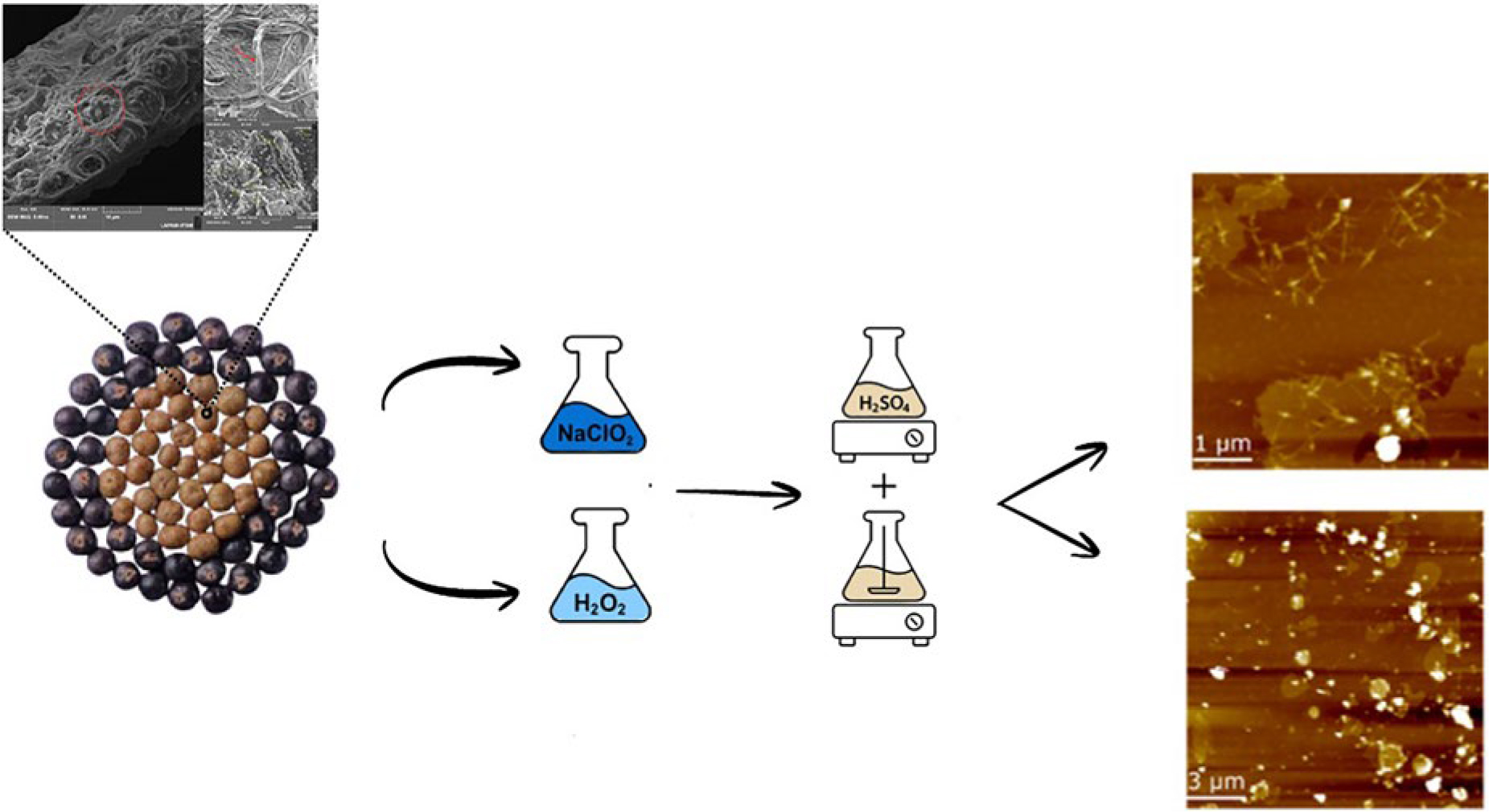
The nanocellulose samples extracted from açaí residue treated with sodium chlorite were designated as ENaClO2, while the samples derived from residue treated with hydrogen peroxide were named EH2O2 (Figure 1).
Schematic representation of the pre-treatment and extraction of nanocellulose from Euterpe oleracea residue by the acid hydrolysis method.
2.4. Scanning electron microscopy (SEM) of the açaí residue
Samples of the açaí residue in natura were carefully fixed with carbon tape and covered with a thin layer of gold. Representative micrographs of the samples were taken using a Tescan scanning electron microscope (model VEGA3) with an acceleration voltage of 10 kV to study the morphology of the material.
2.5. Characterization of cellulose nanocrystals extracted from açaí residue
The yield of nanocellulose from the açaí residue after pre-treatment with NaClO2 or hydrogen peroxide was determined by the ratio between the dry mass of the nanocellulose after lyophilization and the dry mass of the residue before sulfuric acid hydrolysis, as shown in Equation 1:
Where:
R% = Nanocellulose yield
PF = Nanocellulose dry mass
PI = Dry mass of pre-treated açaí residue
2.6. Fourier transform infrared spectroscopy (FT-IR)
Fourier Transform Infrared Spectroscopy (FT-IR) was performed using a Shimadzu Prestige IR device by the direct transmittance method, employing the KBr pellet technique. The spectra were recorded in the range of 4500 cm−1 to 500 cm−1, with 45 scans and a resolution of 2.0 cm−1.
2.7. X-ray diffraction (XRD)
The diffractograms were obtained by X-ray diffraction using a Rigaku Miniflex 300 device, with Kα radiation (λ = 1.54051 Å), a voltage of 30 kV, and a current of 10 mA. The analyses were conducted with a scanning speed of 0.5 s, a step of 0.03°, and an angular range of 5° to 100°.
The crystallinity indices (IC) were determined from the deconvolution of the peaks observed in the diffractograms. A Gaussian distribution function was used to represent the amorphous (2θ ~ 12°–18°) and crystalline (2θ ~ 20°–24°) peaks. Deconvolution was performed using Magic Plot (3.0.1) software, based on the peak positions [32]. The areas corresponding to the crystalline and amorphous peaks were estimated after baseline correction using OriginLab software. The IC was calculated according to Equation 2.
Where:
IC% = crystallinity index
Ac = sum of the areas under the crystalline curves
At = total area below the XRD standard
2.8. Atomic force microscopy (AFM)
The lyophilized nanocellulose was dispersed in 100 mL of distilled water using an ultrasonic probe processor (SONICS Vibra Cell, model VCX 750), applying continuous sonication for 10 minutes at 30% amplitude and keeping the sample in an ice bath during sonication. The solutions were then poured onto mica pieces and analyzed by atomic force microscopy using a Park NX10 microscope (Park Systems, Suwon – Korea) equipped with SmartScan software version 1.0. RTM13c2020-1, operating under environmental conditions of 21 ± 5 ºC and relative humidity of 55 ± 10%. The images were processed offline using XEI software version 4.3.4 Build22.RTM1.
2.9. Thermogravimetric analysis (TGA)
TGA analysis of the raw açaí residue and the nanocellulose produced from açaí residue treated with NaClO2 and H2O2 was performed using a TGA-100 instrument from Navas Instrument. A 50 mg sample of dried powder was subjected to heating from room temperature up to 1000 °C, at a heating rate of 10 °C/min and a nitrogen gas flow of 1 L/min, as previously reported [15].
3. RESULTS
The chemical characterization of the açaí residue resulted in 1.5% ash, 11.11% total extractives, 25.58% lignin, 62.01% holocellulose (cellose and hemicelluloses), and 28.61% alpha-cellulose.
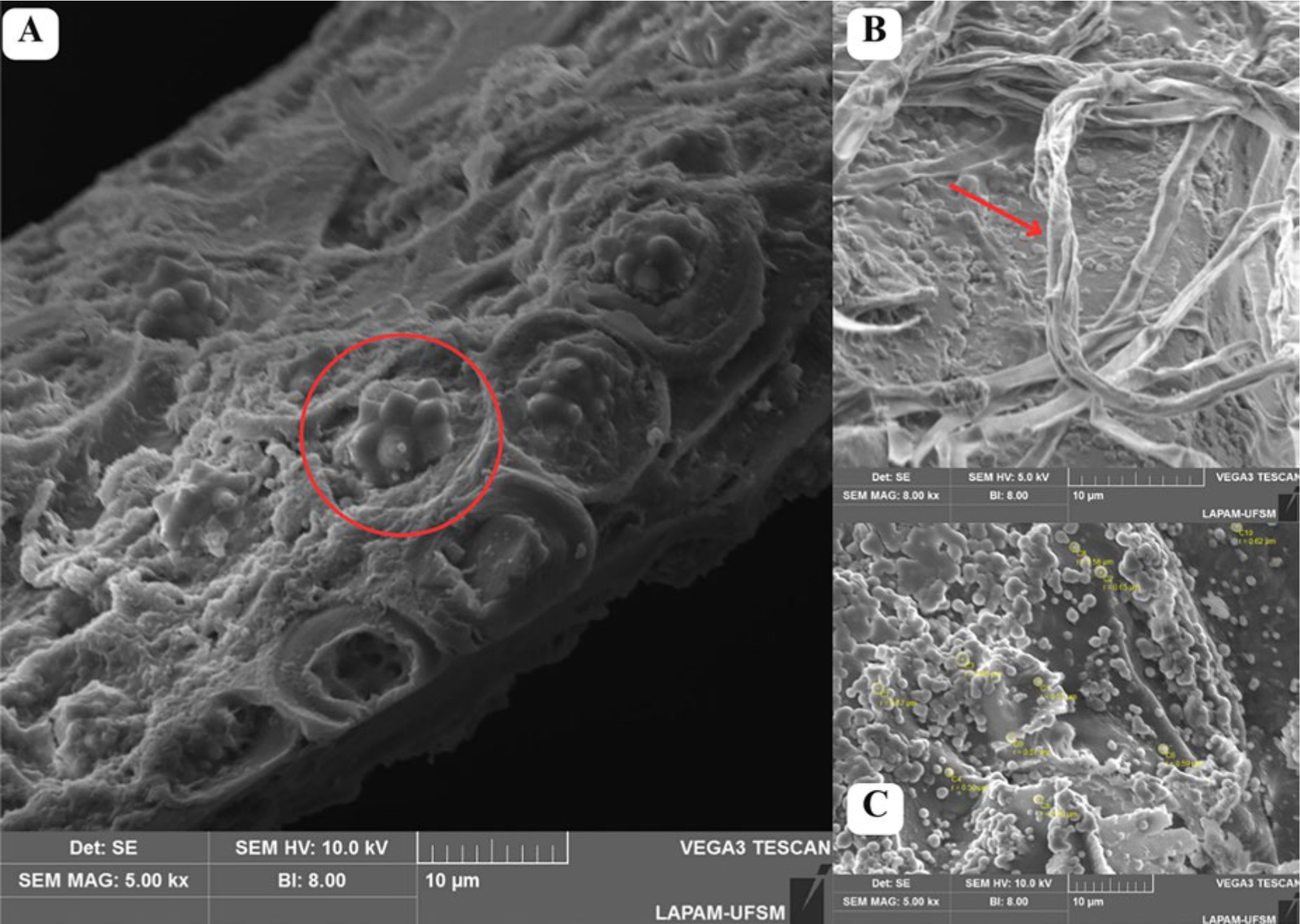
The surface morphological structure of the raw açaí residue was studied using scanning electron microscopy (SEM), and the micrographs are presented in Figure 2.
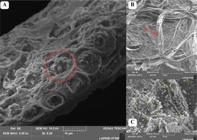
Scanning electron microscopy of (A) fibers from the in natura residue of Euterpe oleracea; (B) tegument and fibers; and (C) tegument coated with waxy substances.
The NaClO2 pretreatment resulted in low nanocellulose yield (0.5%) compared to the yield obtained with H2O2 pretreatment (58.76%). In relation to these results, it can be observed that the low yield of nanocellulose may be related to the second stage of treatment with NaClO2, which caused excessive degradation of the cellulose fibers.
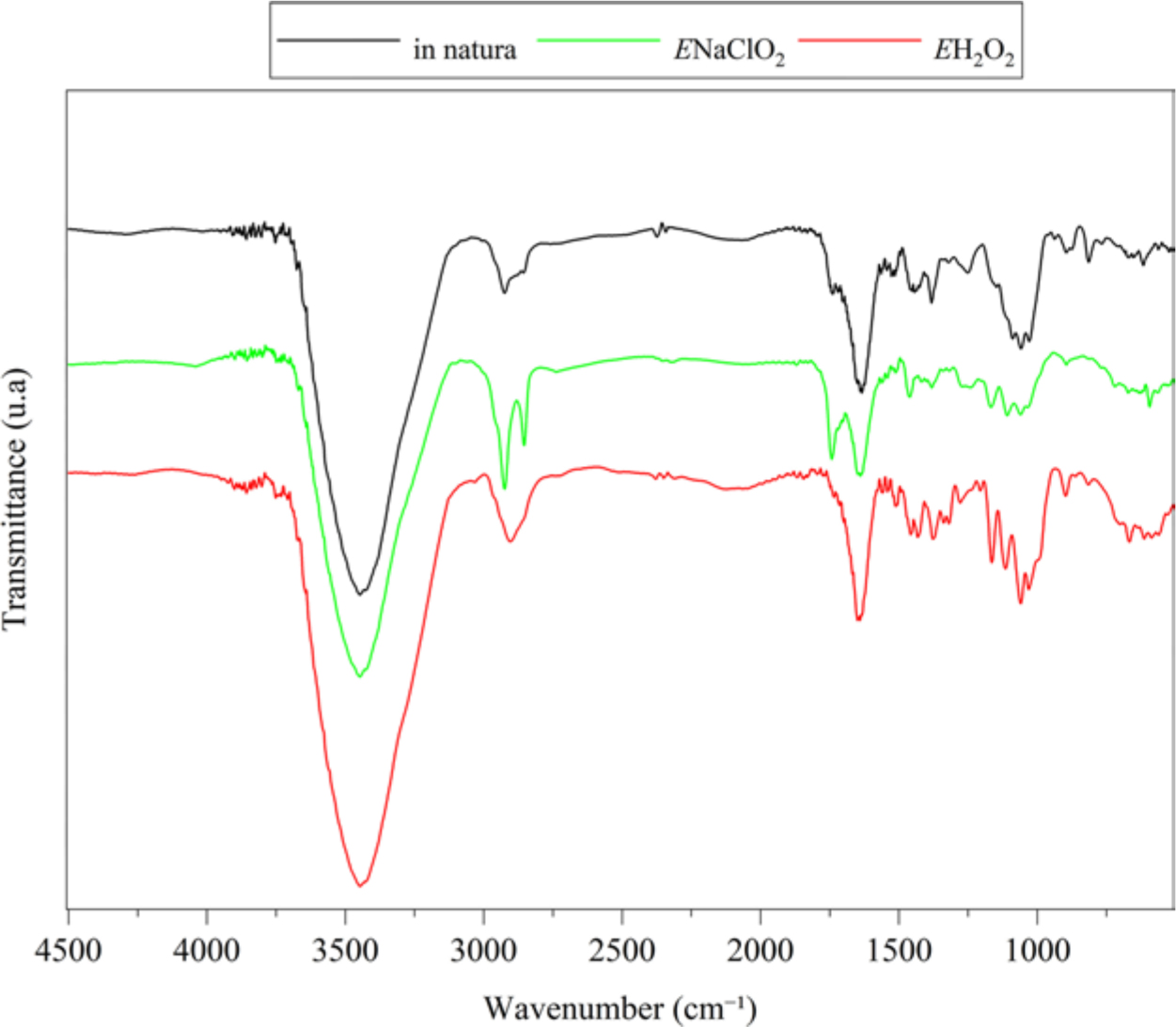
Figure 3 shows the FTIR spectra of the natural açaí residue and the nanocellulose extracted from the açaí residue previously treated with hydrogen peroxide (EH2O2) or sodium chlorite (ENaClO2). The characteristic peaks of hemicelluloses and lignin in the natural açaí residue, EH2O2, and ENaClO2 indicate the partial removal of lignin and hemicelluloses after pretreatment.
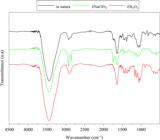
FTIR spectra of natural Euterpe oleracea residue and nanocellulose extracted from açaí residue pre-treated with hydrogen peroxide (EH2O2) or sodium chlorite (ENaClO2).
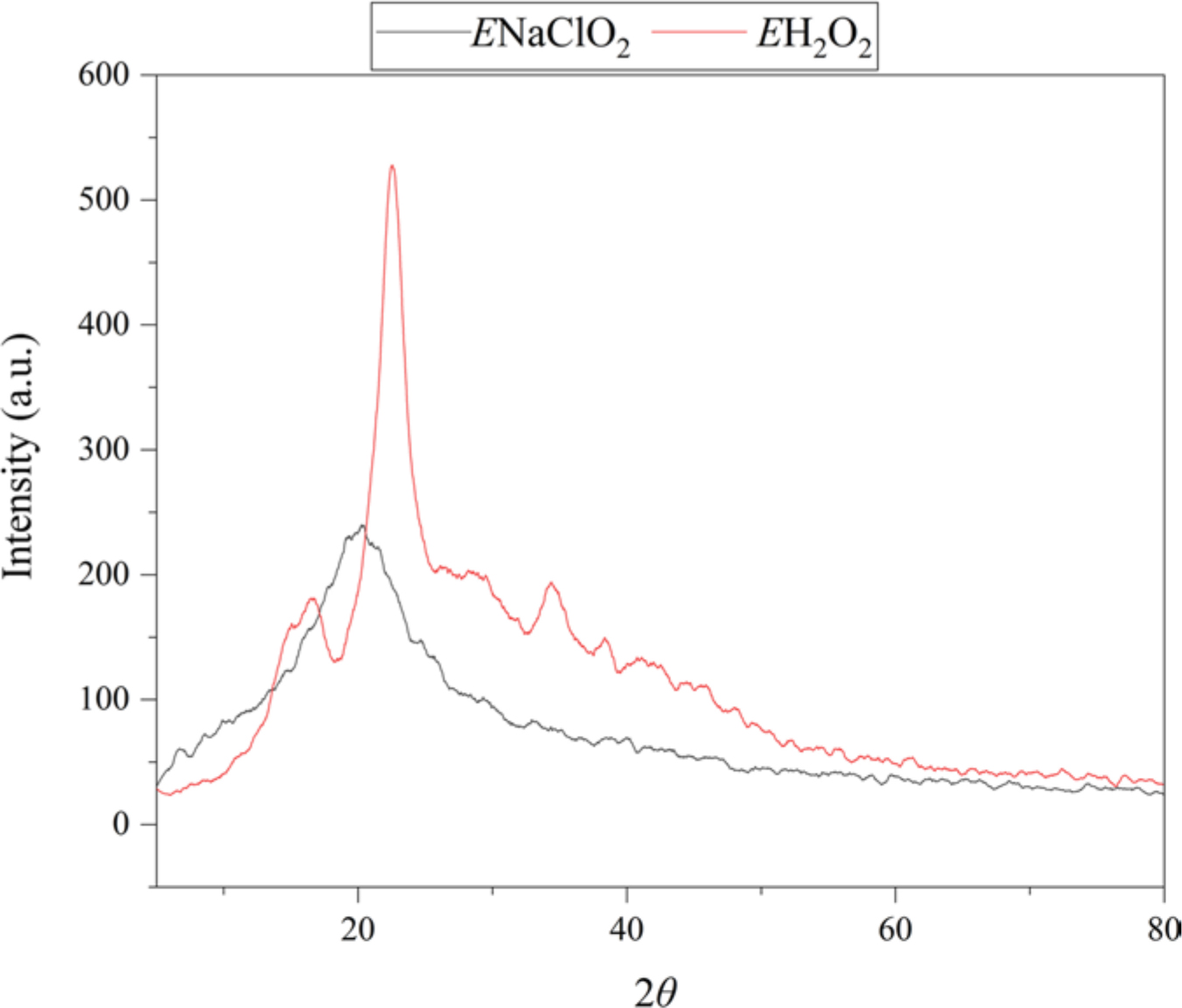
In the treatment with NaClO2, it was not possible to calculate the crystallinity index, which shows that the material underwent degradation during hydrolysis, resulting in a predominantly amorphous structure. On the other hand, the treatment with H2O2 presented a crystallinity index of 55.31%, a value that indicates the presence of crystalline regions characteristic of cellulose nanocrystals (CNC). Figure 4 shows the XRD patterns of the amorphous material obtained with NaClO2 and the CNC produced with H2O2.

X-ray diffraction pattern of nanocellulose samples extracted from Euterpe oleracea residue pre-treated with hydrogen peroxide (EH2O2) or sodium chlorite (ENaClO2).
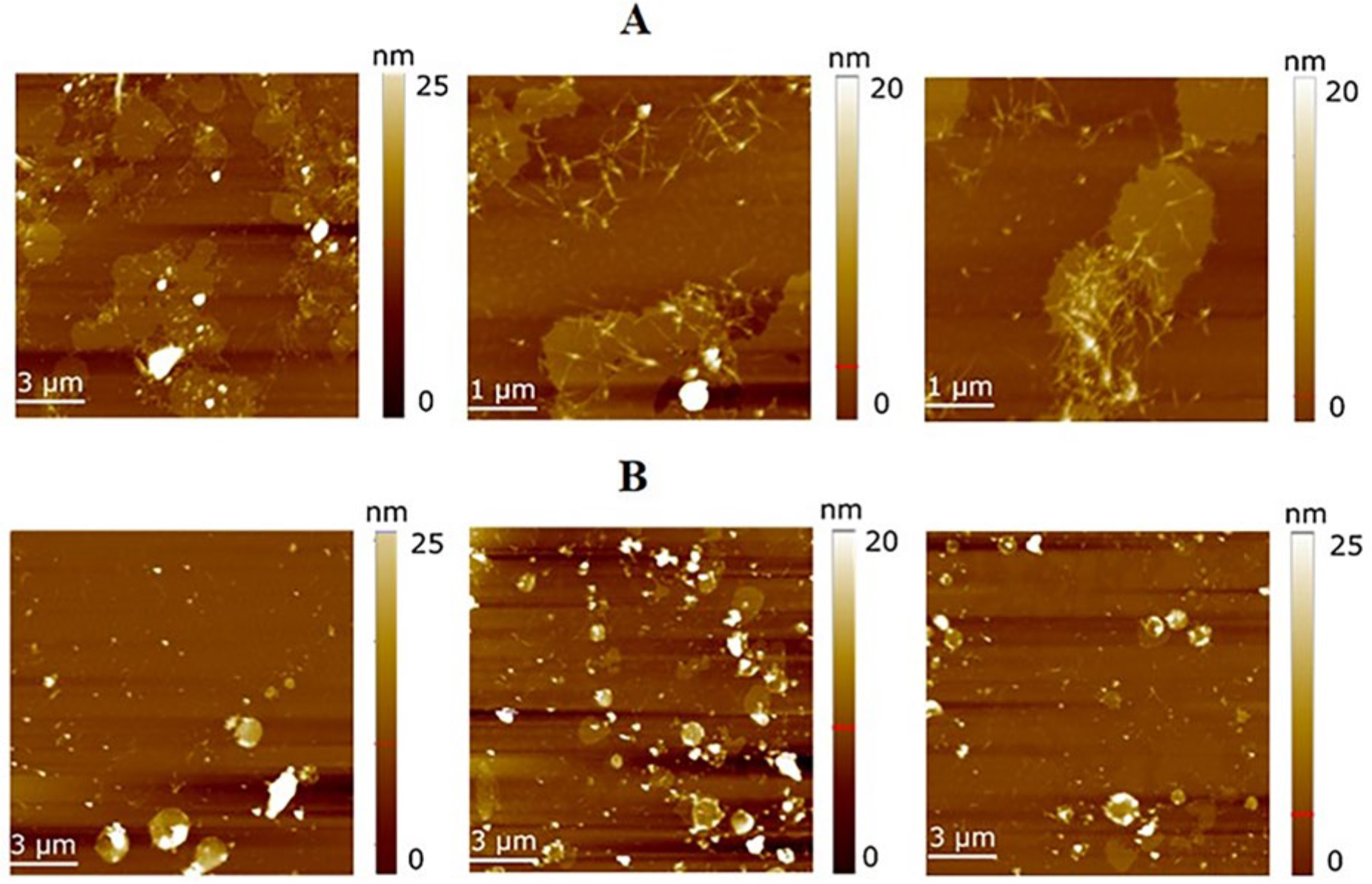
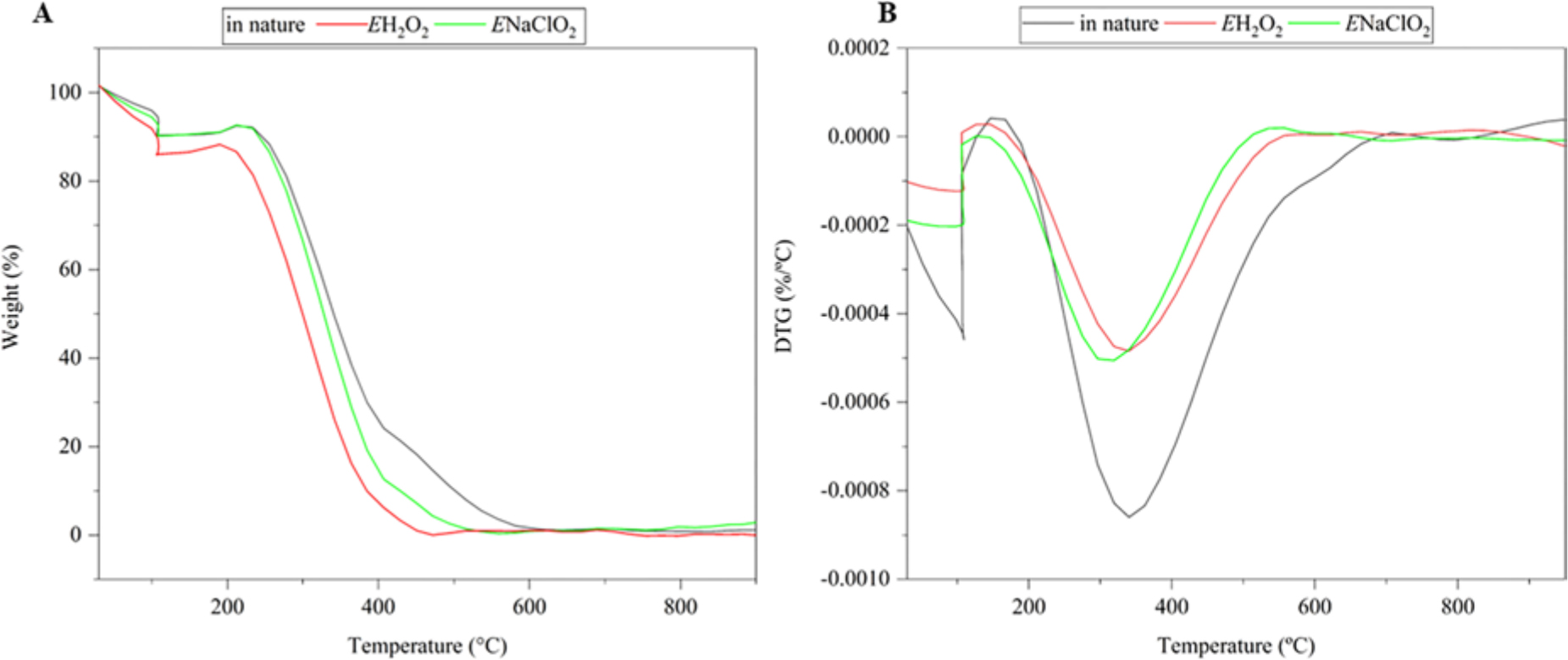
Figure 5 shows representative AFM images of the EH2O2 and ENaClO2 suspensions. The results indicated that acid hydrolysis successfully extracted nanocrystalline cellulose from the cellulose fibers of the açai residue, regardless of the delignification method applied to the residue. Figure 6 refers to the thermogravimetric curve of weight (%) (A) and differential thermogravimetric curves (DTG) (B) with sodium chlorite (NaClO2) and hydrogen peroxide (H2O2).
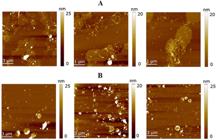
Atomic force microscopy images of cellulose nanofibril samples extracted from açaí residue pre-treated with hydrogen peroxide (EH2O2) A or sodium chlorite (ENaClO2) B.
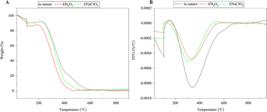
A) Thermogravimetric curve of weight (%) and B) differential thermogravimetric curves (DTG) of the residue of Euterpe oleracea in natura and nanocellulose extracted from the delignified residue with sodium chlorite (ENaClO2) or hydrogen peroxide (EH2O2).
4. DISCUSSION
The proportions of the chemical components observed in the present researchare generally typical of agro-industrial residues composed of fruit peels and seeds, with low mineral content, moderate extractive content, and high lignification [33]. Values ranging between 8.1–11.8, 29.7–44.1, 18.0–37.0, and 18.37–35.1 were found for extractives, cellulose, hemicelluloses, and lignin, respectively, for the same type of açaí residue [34,35,36,37,38,39]. Açaí showed low ash, extractive, and lignin content, and high alpha-cellulose content compared to other agro-industrial residues, indicating that they are a good material for nanocellulose production.
The pretreatment of lignocellulosic biomasses is the first step in the process of extracting plant nanocellulose and has been extensively studied for various types of biomass [38, 40] due to the importance of breaking lignocellulosic recalcitrance prior to acid hydrolysis.
In the representative micrograph of the raw residue in Figure 2, an individual fiber can be observed. The morphological surface of the fiber is rough and covered by a lipid layer, which is commonly found in this type of residue [4]. Throughout the fibrous structure, there are globular cells that are obstructed by a rosette-shaped structure (Figure 2A). These rosette structures have been previously described in the literature as silica rosettes, frequently found in fibers of açaí residue [41].
In addition to the fibers, the micrograph also presents a representative view of the açaí pericarp with a porous structure and irregular surface, which may be associated with the residue processing performed with a blade mill. This surface irregularity of the pericarp was also observed by other authors who studied the same type of açaí residue and attributed this morphology to the mechanical processing in a blade mill and the friction of the solid particles of the açaí residue during processing [42]. On the surface of the endocarp, rounded waxy punctuations can be observed, either individually or forming an aggregate of punctuations.
The yield of acid hydrolysis applied to the açaí residue treated with sodium chlorite was 0.5% (ENaCl2), while the material treated with hydrogen peroxide (EH2O2) resulted in 58.76%. This result demonstrates that the acid hydrolysis conditions applied to the material treated with sodium chlorite were too severe, leading to a low yield. On the other hand, the hydrolysis performed on the material treated with hydrogen peroxide had a high yield, indicating that the hydrolysis conditions were satisfactory for yield.
The yield may also have been affected by the acid’s accessibility to the cellulose fibers. Pretreatment with sodium chlorite is often described as an efficient route for the delignification of both woody and non-woody lignocellulosic biomass, and for increasing the efficiency of nanocellulose extraction methods due to greater exposure of the cellulose fibers [43].
Therefore, lignin was excessively removed when the NaClO2 pretreatment was applied to the açaí residue. In contrast, the delignifying action of H2O2 pretreatment is milder; the chromophore groups of lignin are oxidized, resulting in only partial delignification of the lignocellulosic biomass [44].
The peaks observed from 3600 to 3000 cm−1 and at 2800 cm−1 correspond to the stretching vibrations of OH groups in cellulose and CH stretching vibrations, respectively, which are present in all analyzed spectra [45, 46]. The stretching of the carbonyl group (C=O) from hemicelluloses and the aldehyde group from lignin is indicated by the bands at 1745 cm−1 and 1637 cm−1 and is observed in all FTIR spectra [47]. Peaks at 1600 cm−1, corresponding to aromatic skeletal vibration with C=O stretching, and 1508 cm−1, aromatic skeletal vibration, are characteristic of lignin and can also be observed [48, 49].
A peak is observed in all FTIR spectra at 1160 cm−1, characteristic of the asymmetric COC stretches of cellulose [50]. The natural spectra and sharp peaks of EH2O2 appear at 1070 and 900 cm−1, also corresponding to the amorphous structure of cellulose [45, 51, 52].
The reduction in the intensity of the bands 3600–3000 cm−1 in the bands corresponding to the material treated with NaClO2 may be associated with the breaking of inter and intramolecular hydrogen bonds. This change corroborates the XRD results, in which low crystallinity index values are observed, possibly associated with changes in the supramolecular arrangement of cellulose. Furthermore, the bands at 1745 and 1637 cm−1 and 1600 and 1508 cm−1 that specify the C=O of hemicelluloses and lignin and the aromatic skeleton of lignin, respectively, which were very accentuated in the curve corresponding to the in natura material, confirm the removal of hemicelluloses and lignin.
The XRD diffractograms showed significant differences between treatments. For the NaClO2 treatment, it was not possible to calculate the crystallinity index, indicating that the material underwent severe degradation during hydrolysis, presenting an amorphous character. This behavior suggests that pretreatment with sodium chlorite did not preserve the crystalline structure of cellulose, compromising the formation of nanocrystals. The H2O2 treatment presented a crystallinity index of 55.31%, a value compatible with the presence of crystalline regions characteristic of cellulose nanocrystals. These results demonstrate that hydrogen peroxide was more efficient in removing lignin without causing significant degradation of the cellulose. Both pretreatments were effective in delignification and obtaining nanocellulose, but the hydrolysis conditions in the NaClO2 treatment should be modified to increase the yield.
The morphology and dimensions of nanocellulose strongly depend on the type of technique, hydrolysis parameters, and the cellulose source. In general, stronger acidity, prolonged reaction time, and high temperatures reduce the width and length dimensions of nanocelluloses for acid hydrolysis techniques [53].
Figure 5A and B show thin fibrillar structures (diameter <100 nm) with several micrometers in length. These structures self-aggregate and form bundles of cellulose nanofibrils (CNC) through intra- and intermolecular hydrogen bonds. Figure 5A shows CNC for EH2O2 suspensions. The CNC presented the longest lengths, with several hundred micrometers, and diameters ranging from 20 to 60 nm in these suspensions, produced by mild acid hydrolysis (45% H2SO4, 45°C, and a reaction time of 60 minutes). The CNC was more dispersed and slightly entangled when the cellulose fibers from the açaí residue delignified with sodium chlorite were hydrolyzed with concentrated sulfuric acid at 55%, 45°C, and a reaction time of 30 minutes. A slightly shorter length (<500 nm) and diameters between 6 and 20 nm were also observed. Similar results were observed when wood cellulose fibers were hydrolyzed with sulfuric acid at 50% at 45°C [54]. According to the same authors, the separated CNC had several micrometers in length, with diameters between 10 and 30 nm, and were highly entangled.
A weight reduction of less than 4% is observed in the temperature range between 30 and 106°C for all samples, which is related to the evaporation of water present in the samples. A further drop is observed in the TGA curves for the raw, EH2O2, and ENaClO2 samples at 146°C, extending to 275°C, which can be associated with the thermal degradation of hemicelluloses and the onset of cellulose dehydration and depolymerization. In the DTG curve of the raw sample, the peak associated with the thermal degradation of hemicelluloses is more pronounced compared to the DTG peaks of EH2O2 and ENaClO2 in the temperature range between 146°C and 255°C due to the higher holocellulose content in the raw sample, as demonstrated in previous sections. The EH2O2 and ENaClO2 nanocellulose samples exhibited DTG curves typical of thermal degradation of nanocellulose extracted using the acid hydrolysis method. In the DTG curves of EH2O2 and ENaClO2, a weight loss of over 70% can be observed by the broad and well-defined peak formation in the temperature range of 300°C to 427°C, followed by the formation of residue due to the preferential depolymerization of amorphous cellulose still present after acid hydrolysis. Additionally, the nanocellulose samples showed a rapid weight loss, which can be seen in the DTG curves of EH2O2 and ENaClO2 at 319°C.
5. CONCLUSIONS
This study showed that it is possible to use the residue generated in the production chain of Euterpe oleracea as a source of cellulose fibers for the extraction of cellulose nanocrystals, due to its high alpha-cellulose content. Among the methods applied to perform the delignification of the residue, hydrogen peroxide pretreatment proved to be more efficient for cellulose fiber extraction, while the two-step sodium chlorite treatment was too aggressive, resulting in a low yield in the nanocrystal extraction process.
Thus, the research demonstrated that it is possible to extract cellulose nanocrystals from Euterpe oleracea residue by applying acid hydrolysis with sulfuric acid followed by ultrasonic processing as a way to add value to this lignocellulosic biomass source, which is still little explored. Future research should be conducted to optimize delignification conditions and to evaluate the effect of adding this nanocellulose to composites as a way to strengthen the potential of this raw material, contributing to the advancement of the circular bioeconomy.
6. BIBLIOGRAPHY
-
[1] CLAUSER, N.M., GONZÁLEZ, G., MENDIETA, C.M., et al., “Biomass waste as sustainable raw material for energy and fuels”, Sustainability, v. 13, n. 2, pp. 794, Jan. 2021. doi: https://doi.org/10.3390/su13020794.
» https://doi.org/10.3390/su13020794 - [2] COMPANHIA NACIONAL DE ABASTECIMENTO, Acompanhamento da safra brasileira de cana-de-açúcar, Relatório 4, Brasília, Companhia Nacional de Abastecimento, 2021.
- [3] IBGE, Produção de Açaí (cultivo), Rio de Janeiro, Instituto Brasileiro de Geografia e Estatística, 2024.
-
[4] MELO, P.S., SELANI, M.M., GONÇALVES, R.H., et al., “Açaí seeds: an unexplored agro-industrial residue as a potential source of lipids, fibers, and antioxidant phenolic compounds”, Industrial Crops and Products, v. 161, pp. 113204, Mar. 2021. doi: https://doi.org/10.1016/j.indcrop.2020.113204.
» https://doi.org/10.1016/j.indcrop.2020.113204 -
[5] GHASEMLOU, M., DAVER, F., IVANOVA, E.P., et al., “Surface modifications of nanocellulose: from synthesis to high-performance nanocomposites”, Progress in Polymer Science, v. 119, pp. 101418, Aug. 2021. doi: https://doi.org/10.1016/j.progpolymsci.2021.101418.
» https://doi.org/10.1016/j.progpolymsci.2021.101418 -
[6] CURVELLO, R., RAGHUWANSHI, V.S., GARNIER, G., “Engineering nanocellulose hydrogels for biomedical applications”, Advances in Colloid and Interface Science, v. 267, pp. 47–61, May. 2019. doi: https://doi.org/10.1016/j.cis.2019.03.002. PubMed PMID: 30884359.
» https://doi.org/10.1016/j.cis.2019.03.002 -
[7] LASRADO, D., AHANKARI, S., KAR, K., “Nanocellulose?based polymer composites for energy applications—A review”, Journal of Applied Polymer Science, v. 137, n. 27, pp. 48959, Jul. 2020. doi: https://doi.org/10.1002/app.48959.
» https://doi.org/10.1002/app.48959 -
[8] LOPEZ-POLO, J., MONASTERIO, A., CANTERO-LÓPEZ, P., et al., “Combining edible coatings technology and nanoencapsulation for food application: a brief review with an emphasis on nanoliposomes”, Food Research International, v. 145, pp. 110402, Jul. 2021. doi: https://doi.org/10.1016/j.foodres.2021.110402. PubMed PMID: 34112405.
» https://doi.org/10.1016/j.foodres.2021.110402 -
[9] MEZZOMO, M.I.C., KACHUBA, T.G., BILCATI, G.K., et al., “Avaliação mecânica de argamassas de revestimento com adição de polpa de nanofibrilada e microcelulose cristalina sob ação de ciclos de choque térmico”, Matéria, v. 30, pp. e20250176, 2025. doi: https://doi.org/10.1590/1517-7076-rmat-2025-0176.
» https://doi.org/10.1590/1517-7076-rmat-2025-0176 -
[10] SHREEDHANA, K., ILAVARASI, R., “Fabrication of nanocrystalline cellulose from banana peel obtained from unripe plantain bananas”, Journal of Physics: Conference Series, v. 1644, n. 1, pp. 012002, Oct. 2020. doi: https://doi.org/10.1088/1742-6596/1644/1/012002.
» https://doi.org/10.1088/1742-6596/1644/1/012002 -
[11] ASEM, M., NORAINI JIMAT, D., HUDA SYAZWANI JAFRI, N., et al., “Entangled cellulose nanofibers produced from sugarcane bagasse via alkaline treatment, mild acid hydrolysis assisted with ultrasonication”, Journal of King Saud University. Engineering Sciences, v. 35, n. 1, pp. 24–31, Jan. 2023. doi: https://doi.org/10.1016/j.jksues.2021.03.003.
» https://doi.org/10.1016/j.jksues.2021.03.003 -
[12] JOHAR, N., AHMAD, I., DUFRESNE, A., “Extraction, preparation and characterization of cellulose fibres and nanocrystals from rice husk”, Industrial Crops and Products, v. 37, n. 1, pp. 93–99, May. 2012. doi: https://doi.org/10.1016/j.indcrop.2011.12.016.
» https://doi.org/10.1016/j.indcrop.2011.12.016 -
[13] ZHENG, D., ZHANG, Y., GUO, Y., et al., “Isolation and characterization of nanocellulose with a novel shape from walnut (Juglans Regia L.) shell agricultural waste”, Polymers, v. 11, n. 7, pp. 1130, Jul. 2019. doi: https://doi.org/10.3390/polym11071130. PubMed PMID: 31277229.
» https://doi.org/10.3390/polym11071130 -
[14] SUPIAN, M.A.F., AMIN, K.N.M., JAMARI, S.S., et al., “Production of cellulose nanofiber (CNF) from empty fruit bunch (EFB) via mechanical method”, Journal of Environmental Chemical Engineering, v. 8, n. 1, pp. 103024, Feb. 2020. doi: https://doi.org/10.1016/j.jece.2019.103024.
» https://doi.org/10.1016/j.jece.2019.103024 -
[15] FARIAS, D.T.D., LABIDI, J., PEDRAZZI, C., et al., “Acid-hydrolysis-assisted cellulose nanocrystal isolation from Acacia mearnsii de wild. Wood kraft pulp”, Polymers, v. 16, n. 23, pp. 3371, Nov. 2024. doi: https://doi.org/10.3390/polym16233371. PubMed PMID: 39684119.
» https://doi.org/10.3390/polym16233371 -
[16] YU, S., SUN, J., SHI, Y., et al., “Nanocellulose from various biomass wastes: Its preparation and potential usages towards the high value-added products”, Environmental Science and Ecotechnology, v. 5, pp. 100077, Jan. 2021. doi: https://doi.org/10.1016/j.ese.2020.100077. PubMed PMID: 36158608.
» https://doi.org/10.1016/j.ese.2020.100077 -
[17] SADEGHIFAR, H., FILPPONEN, I., CLARKE, S.P., et al., “Production of cellulose nanocrystals using hydrobromic acid and click reactions on their surface”, Journal of Materials Science, v. 46, n. 22, pp. 7344–7355, Nov. 2011. doi: https://doi.org/10.1007/s10853-011-5696-0.
» https://doi.org/10.1007/s10853-011-5696-0 -
[18] ESPINOSA, S.C., KUHNT, T., FOSTER, E.J., et al., “Isolation of thermally stable cellulose nanocrystals by phosphoric acid hydrolysis”, Biomacromolecules, v. 14, n. 4, pp. 1223–1230, Apr. 2013. doi: https://doi.org/10.1021/bm400219u. PubMed PMID: 23458473.
» https://doi.org/10.1021/bm400219u -
[19] CHENG, M., QIN, Z., HU, J., et al., “Facile and rapid one–step extraction of carboxylated cellulose nanocrystals by H2SO4/HNO3 mixed acid hydrolysis”, Carbohydrate Polymers, v. 231, pp. 115701, Mar. 2020. doi: https://doi.org/10.1016/j.carbpol.2019.115701. PubMed PMID: 31888799.
» https://doi.org/10.1016/j.carbpol.2019.115701 -
[20] WANG, H., DU, H., LIU, K., et al., “Sustainable preparation of bifunctional cellulose nanocrystals via mixed H2SO4/formic acid hydrolysis”, Carbohydrate Polymers, v. 266, pp. 118107, Aug. 2021. doi: https://doi.org/10.1016/j.carbpol.2021.118107. PubMed PMID: 34044925.
» https://doi.org/10.1016/j.carbpol.2021.118107 -
[21] BANGAR, S.P., HARUSSANI, M.M., ILYAS, R.A., et al., “Surface modifications of cellulose nanocrystals: Processes, properties, and applications”, Food Hydrocolloids, v. 130, pp. 107689, Sep. 2022. doi: https://doi.org/10.1016/j.foodhyd.2022.107689.
» https://doi.org/10.1016/j.foodhyd.2022.107689 -
[22] RUBERTO, Y., VIVOD, V., GRKMAN, J.J., et al., “Slot-die coating of cellulose nanocrystals and chitosan for improved barrier properties of paper”, Cellulose, v. 31, n. 6, pp. 3589–3606, Apr. 2024. doi: https://doi.org/10.1007/s10570-024-05847-3.
» https://doi.org/10.1007/s10570-024-05847-3 -
[23] CHANDEL, N., JAIN, K., JAIN, A., et al., “The versatile world of cellulose-based materials in healthcare: From production to applications”, Industrial Crops and Products, v. 201, pp. 116929, Oct. 2023. doi: https://doi.org/10.1016/j.indcrop.2023.116929.
» https://doi.org/10.1016/j.indcrop.2023.116929 -
[24] AMINI, E., TAJVIDI, M., “Mechanical and thermal behavior of cellulose nanocrystals-incorporated Acrodur® sustainable hybrid composites for automotive applications”, Journal of Composite Materials, v. 54, n. 22, pp. 3159–3169, Sep. 2020. doi: https://doi.org/10.1177/0021998320912474.
» https://doi.org/10.1177/0021998320912474 -
[25] DU, H., LIU, C., ZHANG, Y., et al., “Preparation and characterization of functional cellulose nanofibrils via formic acid hydrolysis pretreatment and the followed high-pressure homogenization”, Industrial Crops and Products, v. 94, pp. 736–745, Dec. 2016. doi: https://doi.org/10.1016/j.indcrop.2016.09.059.
» https://doi.org/10.1016/j.indcrop.2016.09.059 - [26] TECHNICAL ASSOCIATION OF THE PULP AND PAPER INDUSTRY, TAPPI T204 CM-85: Solvent extractives of wood and pulp, Atlanta, Tappi, 2007.
- [27] TECHNICAL ASSOCIATION OF THE PULP AND PAPER INDUSTRY, TAPPI T222 OM-98: acidinsoluble lignin in wood and pulp, Atalnta, Tappi, 2006.
- [28] LE, W., “Chlorite holocellulose, its fractionation and bearing on summative wood analysis and on studies on the hemicelluloses”, Tech Assoc Pap, v. 29, pp. 210–218, 1946.
- [29] TECHNICAL ASSOCIATION OF THE PULP AND PAPER INDUSTRY, TAPPI 203 CM, Atalnta, Tappi, 1999.
- [30] TECHNICAL ASSOCIATION OF THE PULP AND PAPER INDUSTRY, TAPPI 211 OM-93: Ash in wood, pulp, paper and paperboard: Combustion at 525 degrees Celsius, Atlanta, Tappi, 1993.
-
[31] WELTER, C.A., FARIAS, D.T., CADEMARTORI, P.H.G., et al., “Valorization of Paulownia tomentosa wood wastes to produce cellulose nanocrystals”, Cerne, v. 30, n. 1, pp. e-103343, 2024. doi: https://doi. org/10.1590/01047760202330013343.
» https://doi.org/10.1590/01047760202330013343 -
[32] FRENCH, A.D., “Idealized powder diffraction patterns for cellulose polymorphs”, Cellulose, v. 21, n. 2, pp. 885–896, Apr. 2014. doi: https://doi.org/10.1007/s10570-013-0030-4.
» https://doi.org/10.1007/s10570-013-0030-4 -
[33] NOBRE, J.R.C., QUEIROZ, L.S., CASTRO, J.P., et al., “Potential of agro-industrial residues from the Amazon region to produce activated carbon”, Heliyon, v. 9, n. 7, pp. e17189, Jul. 2023. doi: https://doi. org/10.1016/j.heliyon.2023.e17189. PubMed PMID: 37483770.
» https://doi.org/10.1016/j.heliyon.2023.e17189 -
[34] BURATTO, R.T., COCERO, M.J., MARTÍN, Á., “Characterization of industrial açaí pulp residues and valorization by microwave-assisted extraction”, Chemical Engineering and Processing, v. 160, pp. 108269, Mar. 2021. doi: https://doi.org/10.1016/j.cep.2020.108269.
» https://doi.org/10.1016/j.cep.2020.108269 -
[35] LIMA, A.C.P.D., BASTOS, D.L.R., CAMARENA, M.A., et al., “Physicochemical characterization of residual biomass (seed and fiber) from açaí (Euterpe oleracea) processing and assessment of the potential for energy production and bioproducts”, Biomass Conversion and Biorefinery, v. 11, n. 3, pp. 925–935, Jun. 2021. doi: https://doi.org/10.1007/s13399-019-00551-w.
» https://doi.org/10.1007/s13399-019-00551-w -
[36] GALLARDO-SÁNCHEZ, M.A., DIAZ-VIDAL, T., NAVARRO-HERMOSILLO, A.B., et al., “Optimization of the obtaining of cellulose nanocrystals from agave tequilana Weber Var. Azul Bagasse by acid hydrolysis”, Nanomaterials, v. 11, n. 2, pp. 520, Feb. 2021. doi: https://doi.org/10.3390/nano11020520. PubMed PMID: 33670733.
» https://doi.org/10.3390/nano11020520 - [37] OLIVEIRA, J., KOMESU, A., MACIEL FILHO, R., “Hydrothermal pretreatment for enhancing enzymatic hydrolysis of seeds of acai (euterpe oleracea) and sugar recovery”, Chemical Engineering Transactions, v. 37, pp. 787–792, 2014.
-
[38] PESSOA, J.D.C., ARDUIN, M., MARTINS, M.A., et al., “Characterization of açaí (E. oleracea) fruits and its processing residues”, Brazilian Archives of Biology and Technology, v. 53, n. 6, pp. 1451–1460, Dec. 2010. doi: https://doi.org/10.1590/S1516-89132010000600022.
» https://doi.org/10.1590/S1516-89132010000600022 -
[39] SILVA, G.V.D., FARIAS, D.T.D., COLDEBELLA, R., et al., “Biomassa de Dendrocalamus giganteus como recurso bioenergético”, Ciência Florestal, v. 32, n. 4, pp. 2244–2262, Nov. 2022. doi: https://doi. org/10.5902/1980509867680.
» https://doi.org/10.5902/1980509867680 -
[40] TEIXEIRA, E.M., OLIVEIRA, C.R., MATTOSO, L.H.C., et al., “Nanofibras de algodão obtidas sob diferentes condições de hidrólise ácida, Polímeros”, v. 20, n. 4, pp. 264–268, Oct. 2010. doi: https://doi. org/10.1590/S0104-14282010005000046.
» https://doi.org/10.1590/S0104-14282010005000046 -
[41] LIMA, A.C.P.D., BASTOS, D.L.R., CAMARENA, M.A., et al., “Physicochemical characterization of residual biomass (seed and fiber) from açaí (Euterpe oleracea) processing and assessment of the potential for energy production and bioproducts”, Biomass Conversion and Biorefinery, v. 11, n. 3, pp. 925–935, Jun. 2021. doi: https://doi.org/10.1007/s13399-019-00551-w.
» https://doi.org/10.1007/s13399-019-00551-w -
[42] SILVA, M.P., SOUSA, S.H.B., CUNHA, V.M.B., et al., “Avaliação da estrutura morfológica, química elementar, parâmetros de cor e composição em minerais da polpa de açaí (euterpe oleraceamart.) De três diferentes localidades da região Amazônica”, Brazilian Journal of Development, v. 6, n. 4, pp. 18793–18803, 2020. doi: https://doi.org/10.34117/bjdv6n4-157.
» https://doi.org/10.34117/bjdv6n4-157 -
[43] POULOSE, A., PARAMESWARANPILLAI, J., GEORGE, J.J., et al., “Nanocellulose: a fundamental material for science and technology applications”, Molecules, v. 27, n. 22, pp. 8032, Nov. 2022. doi: https://doi.org/10.3390/molecules27228032. PubMed PMID: 36432134.
» https://doi.org/10.3390/molecules27228032 -
[44] CHEN, X., GE-ZHANG, S., HAN, Y., et al., “Ultraviolet-assisted modified delignified wood with high transparency”, Applied Sciences, v. 12, n. 15, pp. 7406, Jan. 2022. doi: https://doi.org/10.3390/app12157406.
» https://doi.org/10.3390/app12157406 -
[45] LUO, X., WANG, X., “Preparation and characterization of nanocellulose fibers from NaOH/Urea pretreatment of oil palm fibers”, BioResources, v. 12, n. 3, pp. 5826–5837, 2017. doi: https://doi.org/10.15376/biores.12.3.5826-5837.
» https://doi.org/10.15376/biores.12.3.5826-5837 -
[46] MANDAL, A., CHAKRABARTY, D., “Isolation of nanocellulose from waste sugarcane bagasse (SCB) and its characterization”, Carbohydrate Polymers, v. 86, n. 3, pp. 1291–1299, Aug. 2011. doi: https://doi. org/10.1016/j.carbpol.2011.06.030.
» https://doi.org/10.1016/j.carbpol.2011.06.030 -
[47] SARAVANAKUMAR, S.S., KUMARAVEL, A., NAGARAJAN, T., et al., “Characterization of a novel natural cellulosic fiber from Prosopis juliflora bark”, Carbohydrate Polymers, v. 92, n. 2, pp. 1928–1933, Feb. 2013. doi: https://doi.org/10.1016/j.carbpol.2012.11.064. PubMed PMID: 23399239.
» https://doi.org/10.1016/j.carbpol.2012.11.064 -
[48] JASMANI, L., ADNAN, S., “Preparation and characterization of nanocrystalline cellulose from Acacia mangium and its reinforcement potential”, Carbohydrate Polymers, v. 161, pp. 166–171, Apr. 2017. doi: https://doi.org/10.1016/j.carbpol.2016.12.061. PubMed PMID: 28189225.
» https://doi.org/10.1016/j.carbpol.2016.12.061 -
[49] RASHID, T., KAIT, C.F., MURUGESAN, T., “A “Fourier Transformed Infrared” compound study of lignin recovered from a formic acid process”, Procedia Engineering, v. 148, pp. 1312–1319, 2016. doi: https://doi.org/10.1016/j.proeng.2016.06.547.
» https://doi.org/10.1016/j.proeng.2016.06.547 -
[50] CAO, X., WANG, Y., CHEN, H., et al., “Preparation of different morphologies cellulose nanocrystals from waste cotton fibers and its effect on PLLA/PDLA composites films”, Composites. Part B, Engineering, v. 217, pp. 108934, Jul. 2021. doi: https://doi.org/10.1016/j.compositesb.2021.108934.
» https://doi.org/10.1016/j.compositesb.2021.108934 -
[51] ALEMDAR, A., SAIN, M., “Isolation and characterization of nanofibers from agricultural residues – Wheat straw and soy hulls”, Bioresource Technology, v. 99, n. 6, pp. 1664–1671, Apr. 2008. doi: https://doi.org/10.1016/j.biortech.2007.04.029. PubMed PMID: 17566731.
» https://doi.org/10.1016/j.biortech.2007.04.029 -
[52] FLAUZINO NETO, W.P., SILVÉRIO, H.A., DANTAS, N.O., et al., “Extraction and characterization of cellulose nanocrystals from agro-industrial residue – Soy hulls”, Industrial Crops and Products, v. 42, pp. 480–488, Mar. 2013. doi: https://doi.org/10.1016/j.indcrop.2012.06.041.
» https://doi.org/10.1016/j.indcrop.2012.06.041 -
[53] LIU, C., LI, B., DU, H., et al., “Properties of nanocellulose isolated from corncob residue using sulfuric acid, formic acid, oxidative and mechanical methods”, Carbohydrate Polymers, v. 151, pp. 716–724, Oct. 2016. doi: https://doi.org/10.1016/j.carbpol.2016.06.025. PubMed PMID: 27474618.
» https://doi.org/10.1016/j.carbpol.2016.06.025 -
[54] TIAN, C., YI, J., WU, Y., et al., “Preparation of highly charged cellulose nanofibrils using high-pressure homogenization coupled with strong acid hydrolysis pretreatments”, Carbohydrate Polymers, v. 136, pp. 485–492, Jan. 2016. doi: https://doi.org/10.1016/j.carbpol.2015.09.055. PubMed PMID: 26572379.
» https://doi.org/10.1016/j.carbpol.2015.09.055