 Tropaeolum: research trends, gaps, and future perspectives
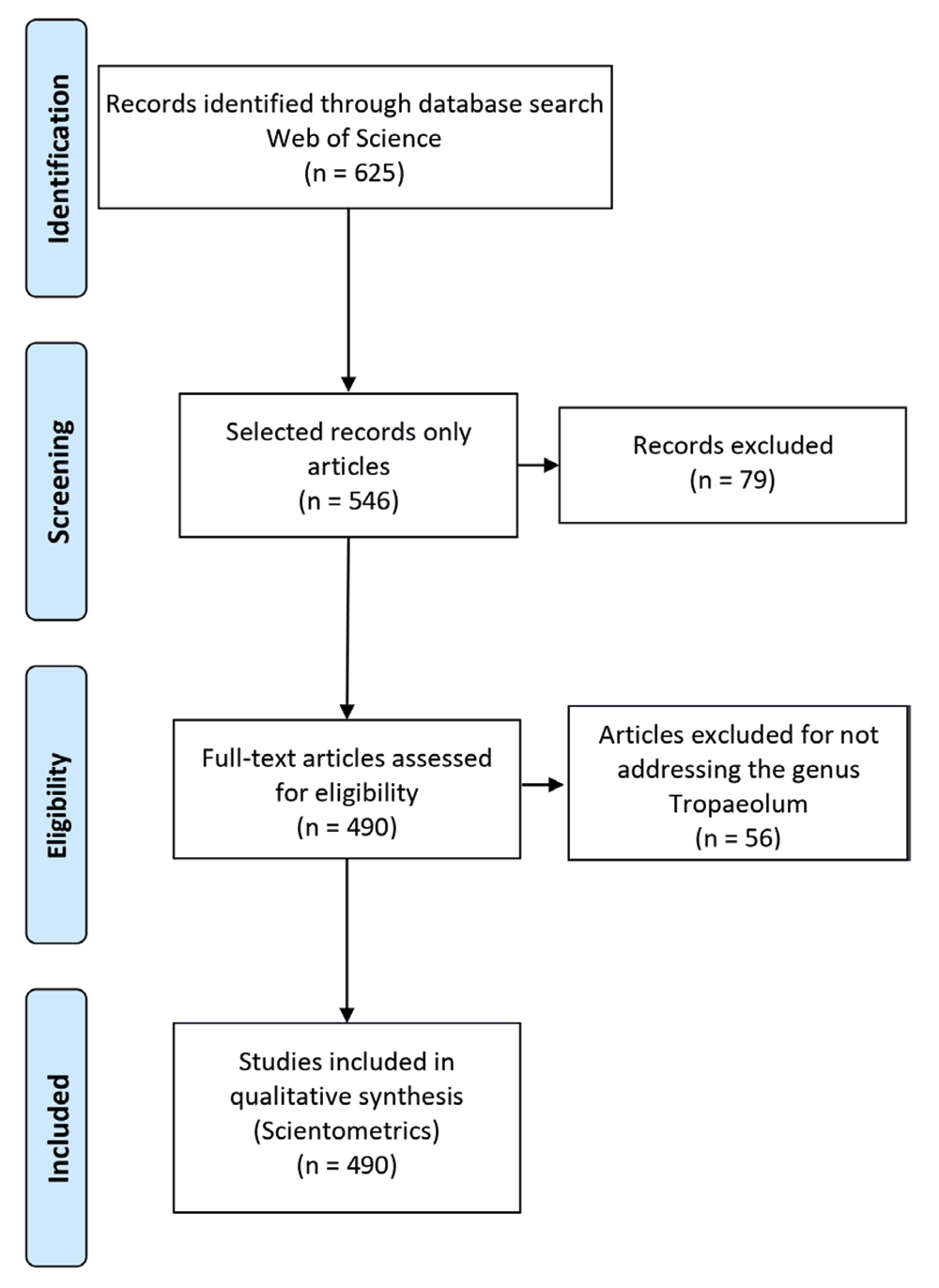
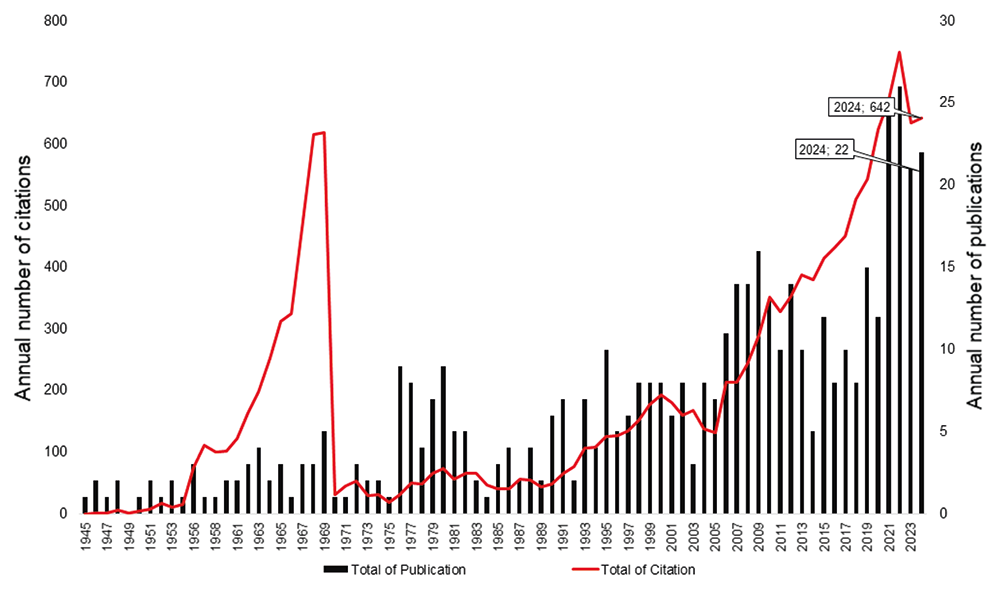
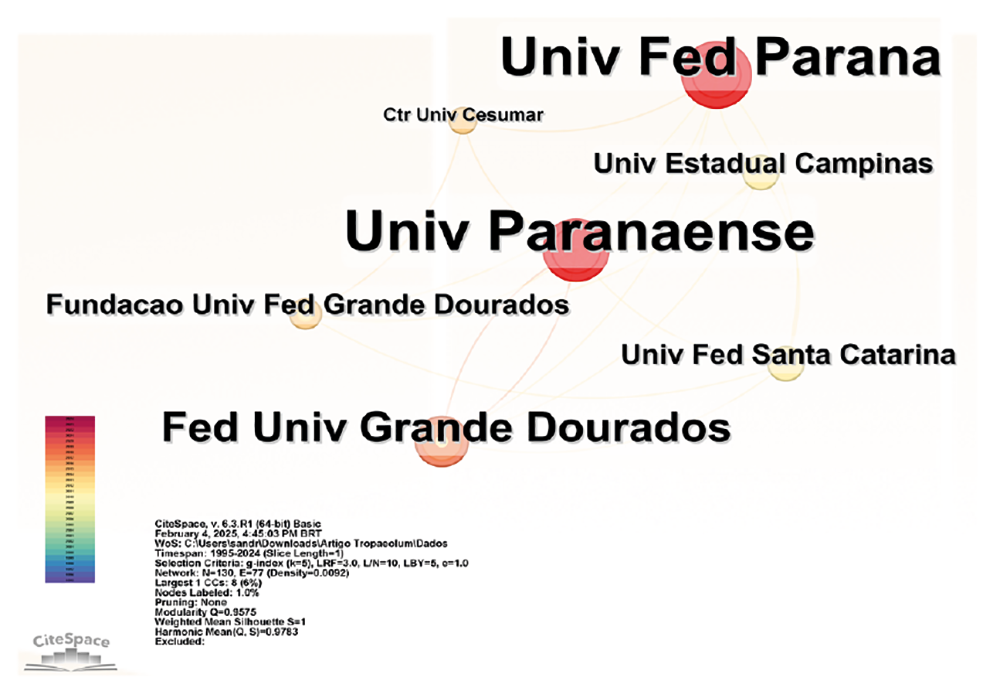
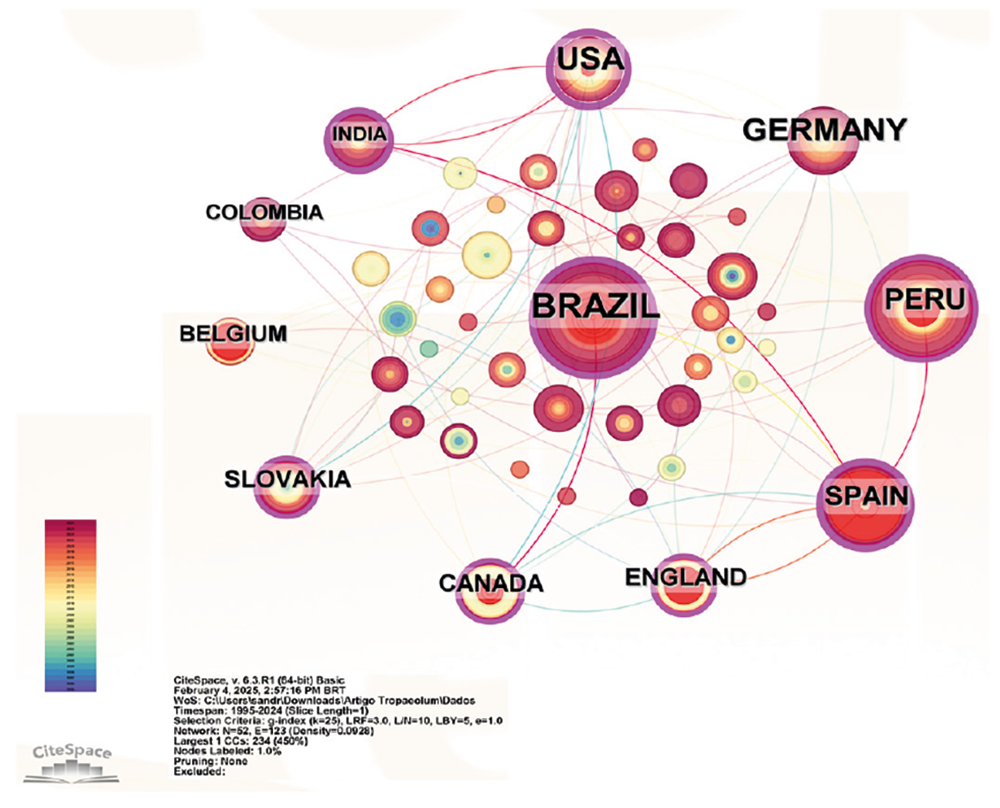
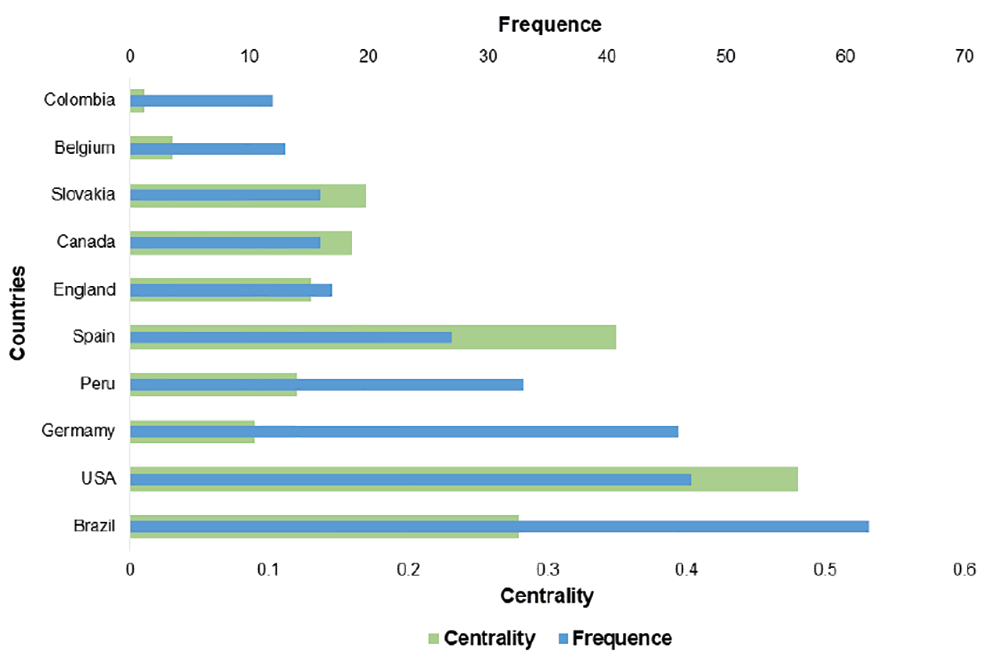
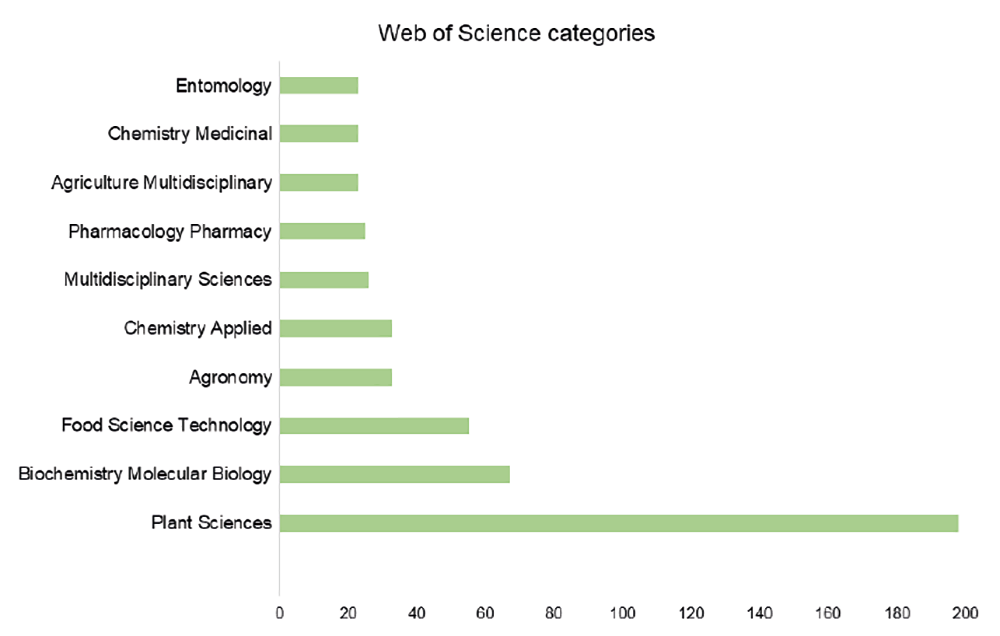
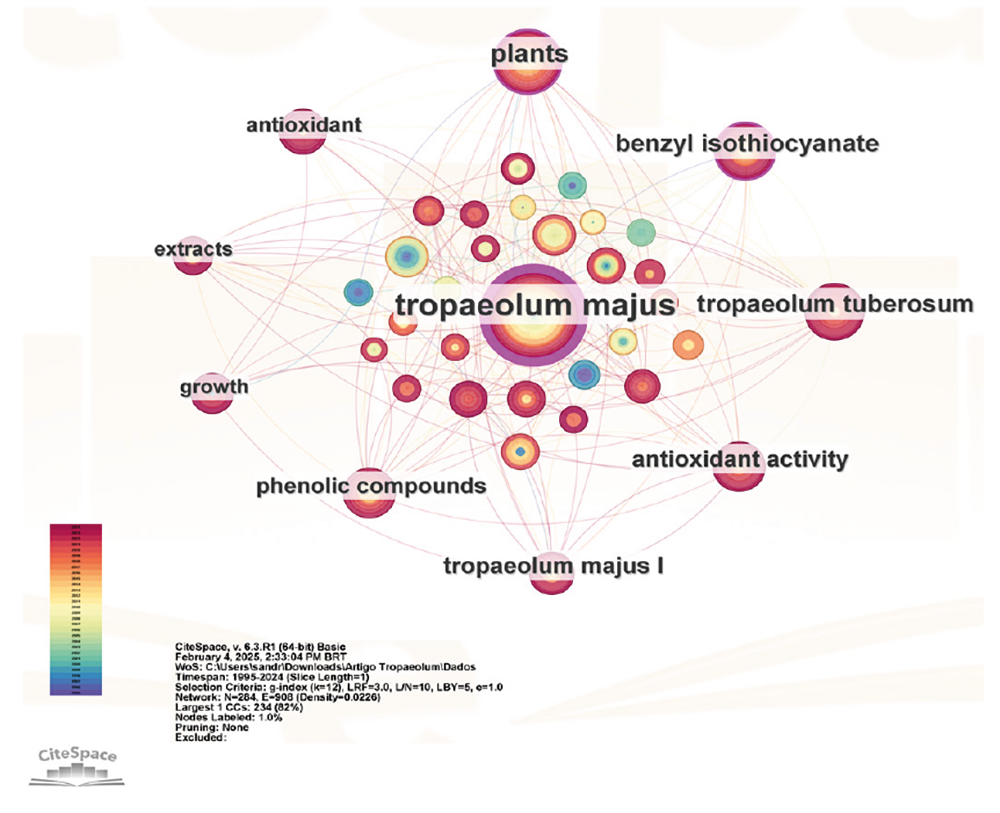
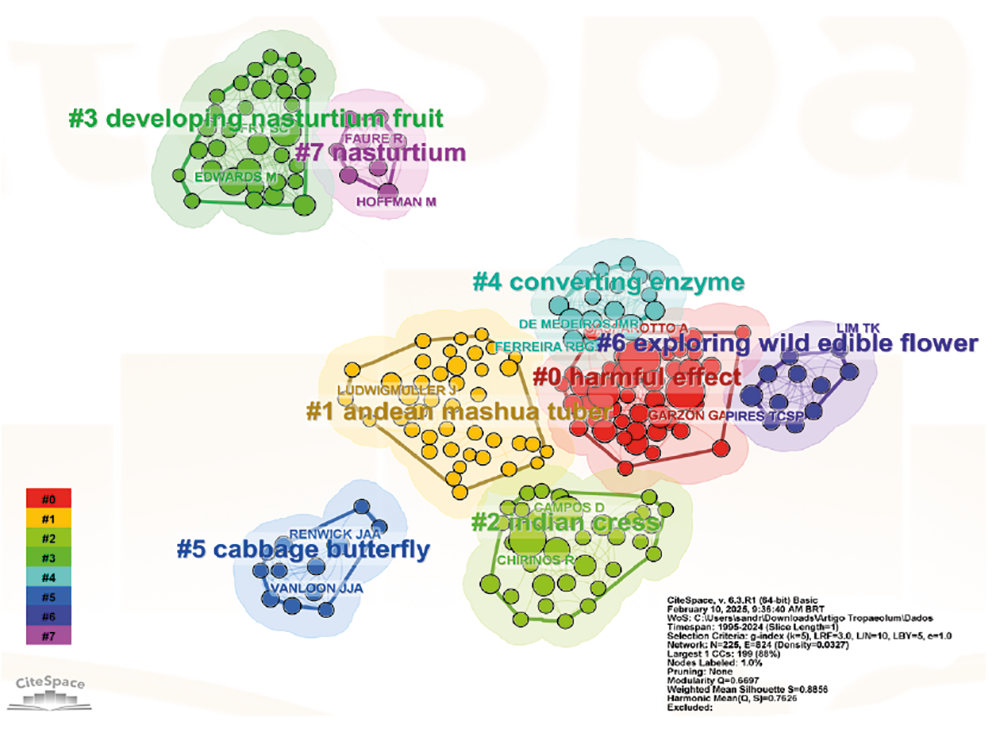
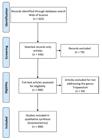
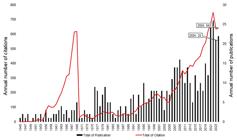
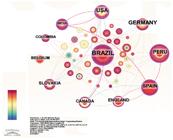
Tropaeolum (Tropaeolaceae) comprises nearly 95 species with a neotropical distribution, a few of which are of economic, gastronomic, medicinal, and landscape importance. In this study, we present a scientometric analysis of this genus using data from the Web of Science (1945-2024) to evaluate the research trends, gaps, and emerging topics. After screening, 490 documents were analyzed using CiteSpace and Microsoft Excel. The results revealed limited collaboration between Brazilian institutions and its impact on research, in contrast to those in the USA and European countries. Studies on the chemistry, biochemistry, and molecular biology of species in this genus have aroused the interest of the scientific community because of their specific characteristics, such as the presence of compounds such as glucosinolate, benzyl isothiocyanate, isothiocyanate, anthocyanin, and antioxidants. In this context, Tropaeolum majus and Tropaeolum tuberosum are the most extensively studied species; however, many others in this group, such as Tropaeolum pentaphyllum and Tropaeolum azureum, remain underexplored, highlighting the need for further research to address the knowledge gaps and unlock the potential of lesser-known species. These findings reinforce the importance of exploring the full potential of Tropaeolum, contributing to advancing scientific knowledge and discovering new applications of this promising genus.
Key words:
bioactive compounds; CiteSpace; database; scientometric analysis; Tropaeolaceae
 Thumbnail
 Thumbnail
 Thumbnail
 Thumbnail
 Thumbnail
 Thumbnail
 Thumbnail
 Thumbnail