
 Diet screeners and their association with constipation and stool consistency in school-aged children
Objective: To investigate the association of constipation and stool consistency with diet quality screeners in school-aged children.
Methods: A cross-sectional analysis was conducted using data from the second phase of the Botucatu Infant Cohort Study. During home visits, stool consistency was assessed using the Bristol Stool Form Scale, and the presence of constipation (yes/no) was defined according to the adapted Rome IV criteria. Dietary intake (yes/no) on weekdays and weekends of the seven foods used as dietary quality screeners by the Food and Nutrition Surveillance System (SISVAN) was assessed through telephone interviews. Two scores were calculated: the Healthy Eating Score (three fresh or minimally processed foods, range: 0–6) and the Unhealthy Eating Score (four ultra-processed foods, range: 0–8). Associations were tested using linear regression (scores vs. stool consistency) and Poisson regression (scores vs. constipation), with the significance level set at p<0.05.
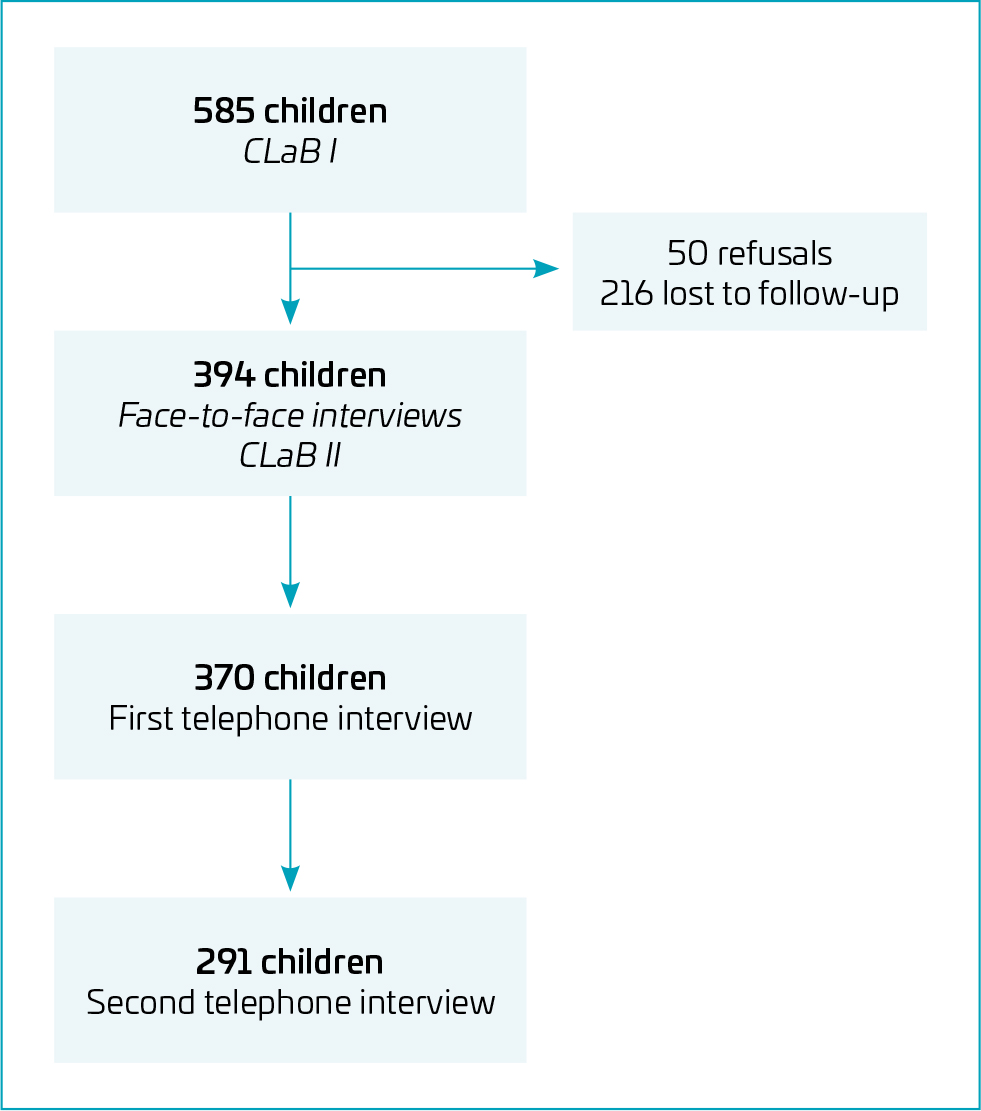
Results: Among 394 children (mean age: 7.9 years; SD=0.4), constipation prevalence was 10.2%. Most (68.5%) had daily bowel movements, with type 3 on the Bristol Scale being the most frequent (43.8%). Mean Healthy Eating Score was 3.7; Unhealthy Eating Score was 4.0, with no significant differences by constipation. The Unhealthy Eating Score was negatively associated with stool consistency (β=-0.10; 95%CI -0.18 to -0.02), but not with constipation.
Conclusions: In school-aged children, poor dietary quality, indicated by the consumption of ultraprocessed foods and sugar-sweetened beverages, was associated with harder stools, but not with constipation. These findings reinforce the usefulness of SISVAN dietary assessment forms for identifying children at risk of constipation.
Keywords:
Food consumption; Constipation; Feces; Child health
 Thumbnail
 Thumbnail
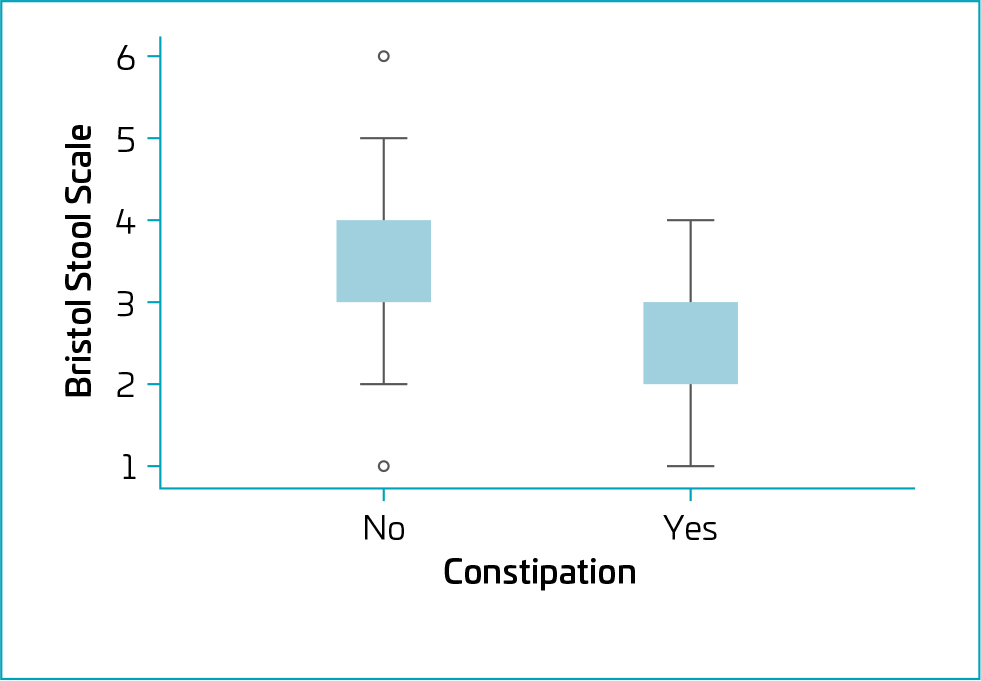 *Mann-Whitney test.