 Temperature anomalies as predictors of peach flowering in southern Brazil
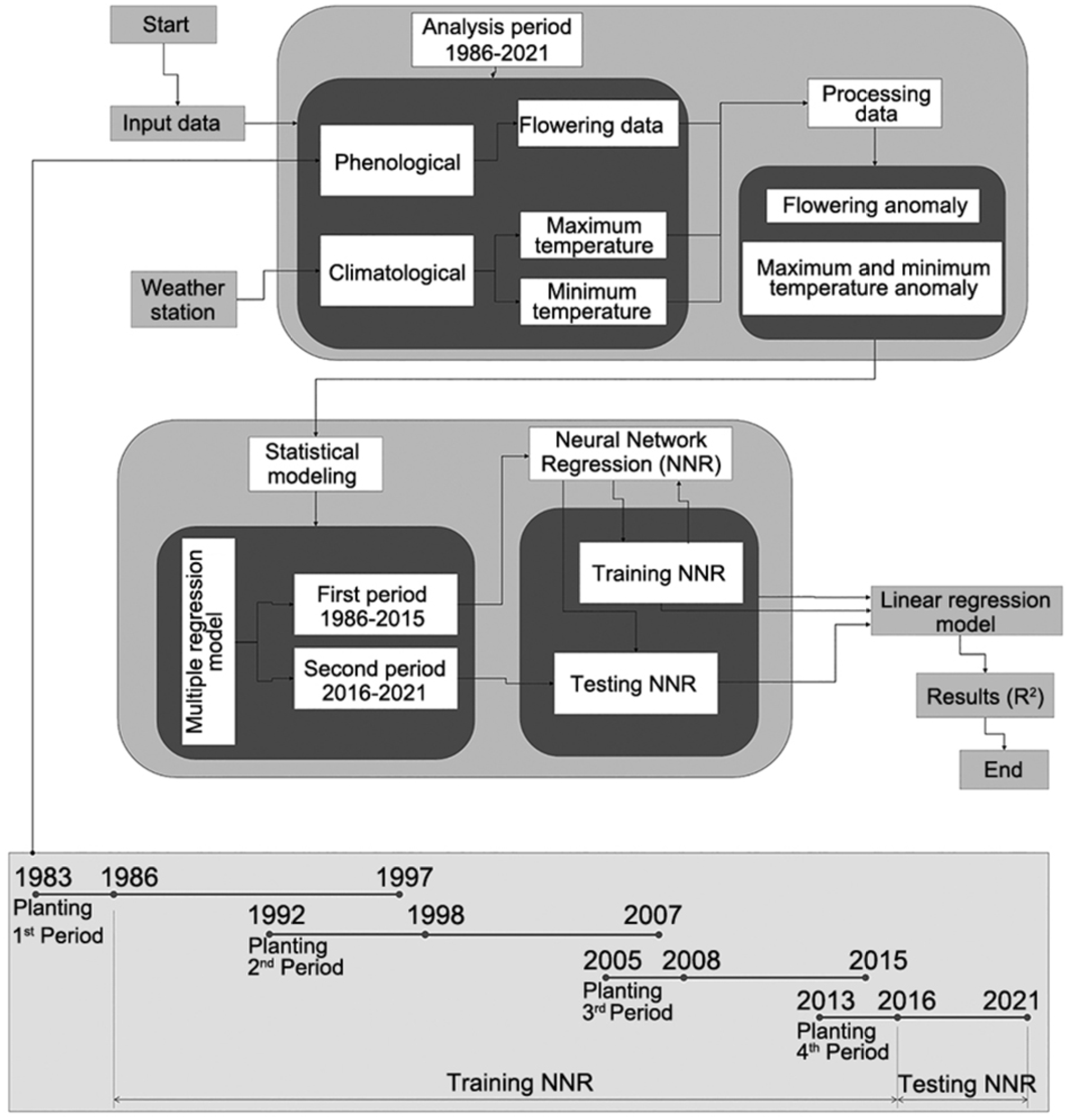
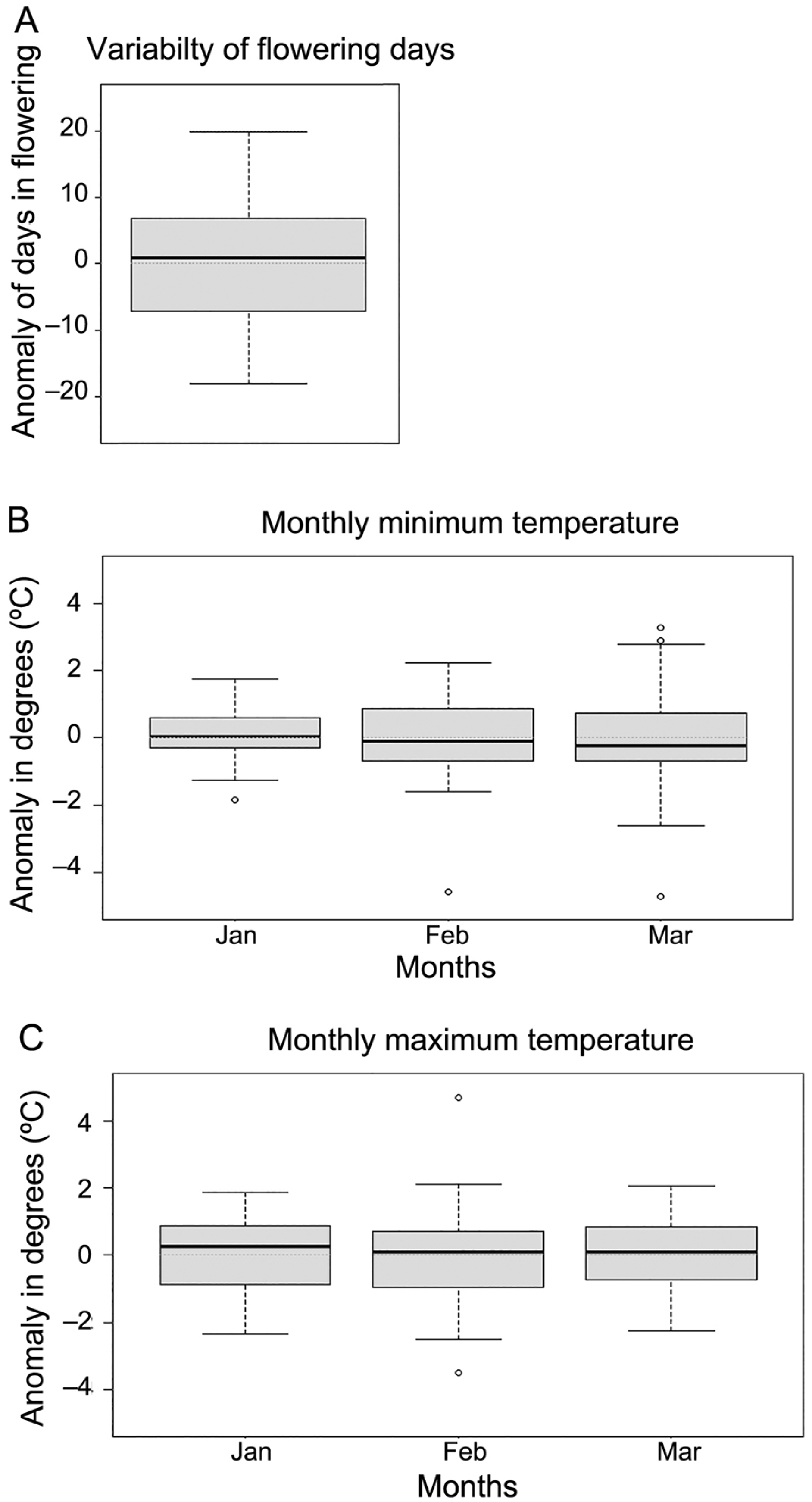
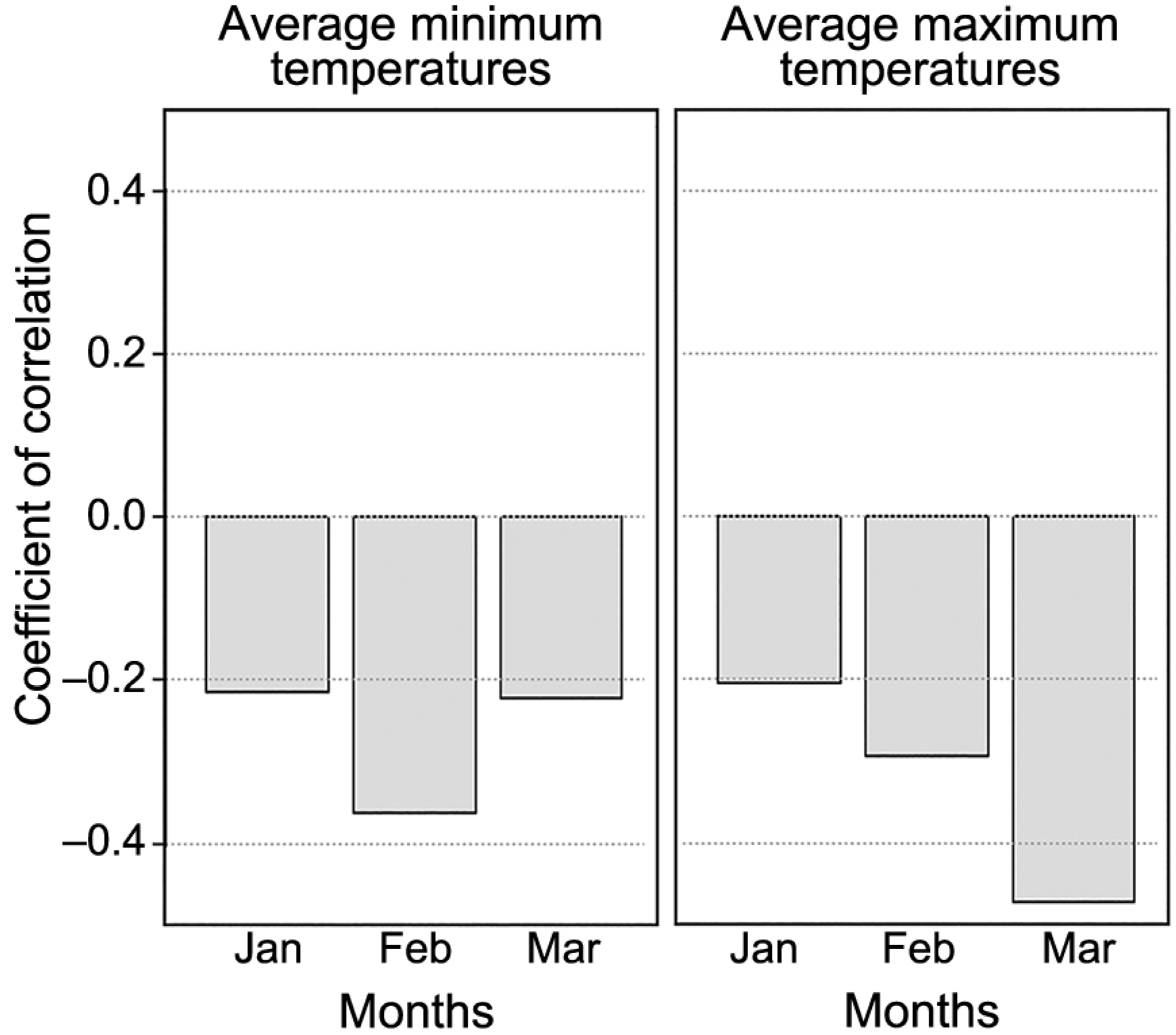
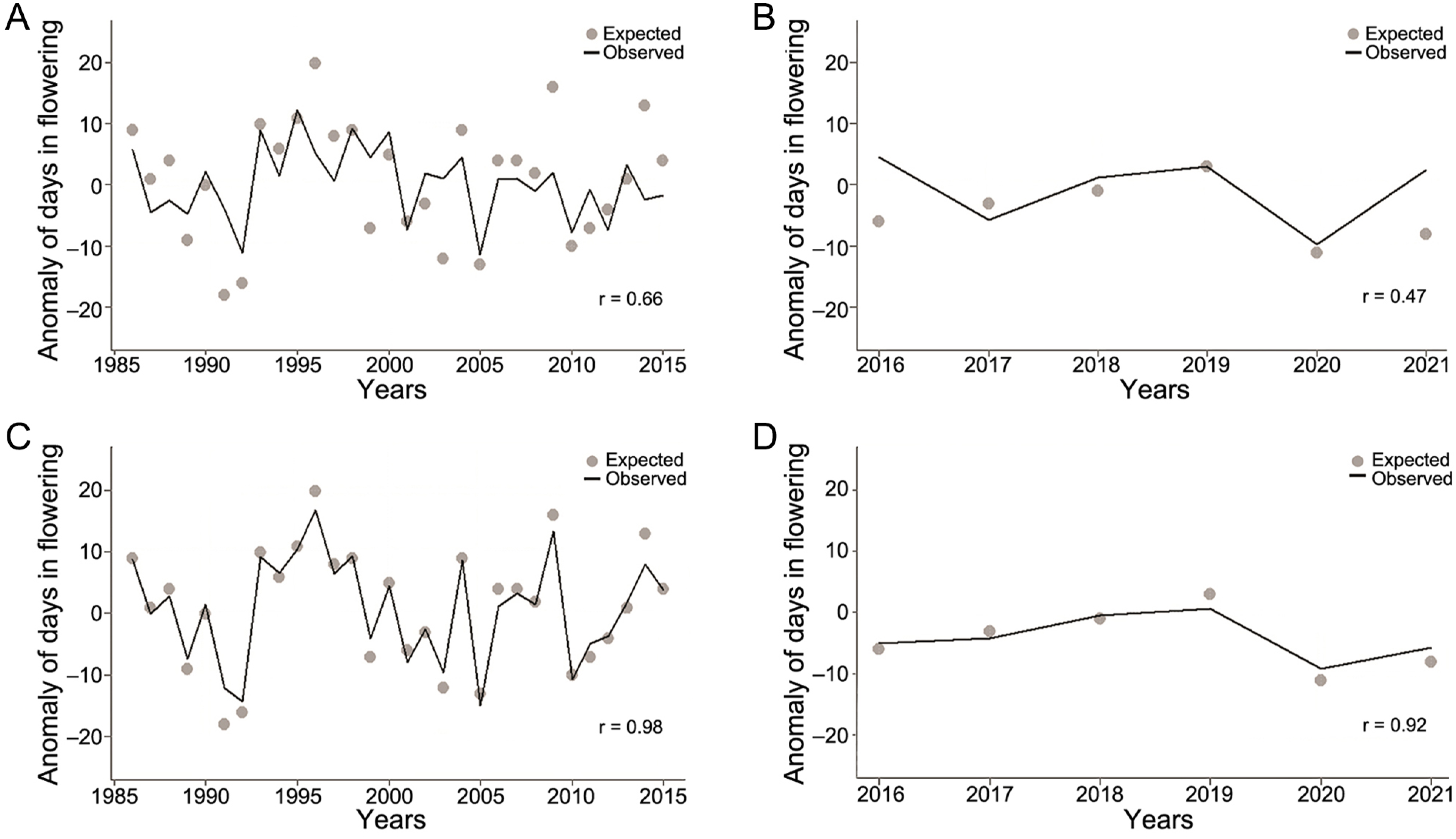
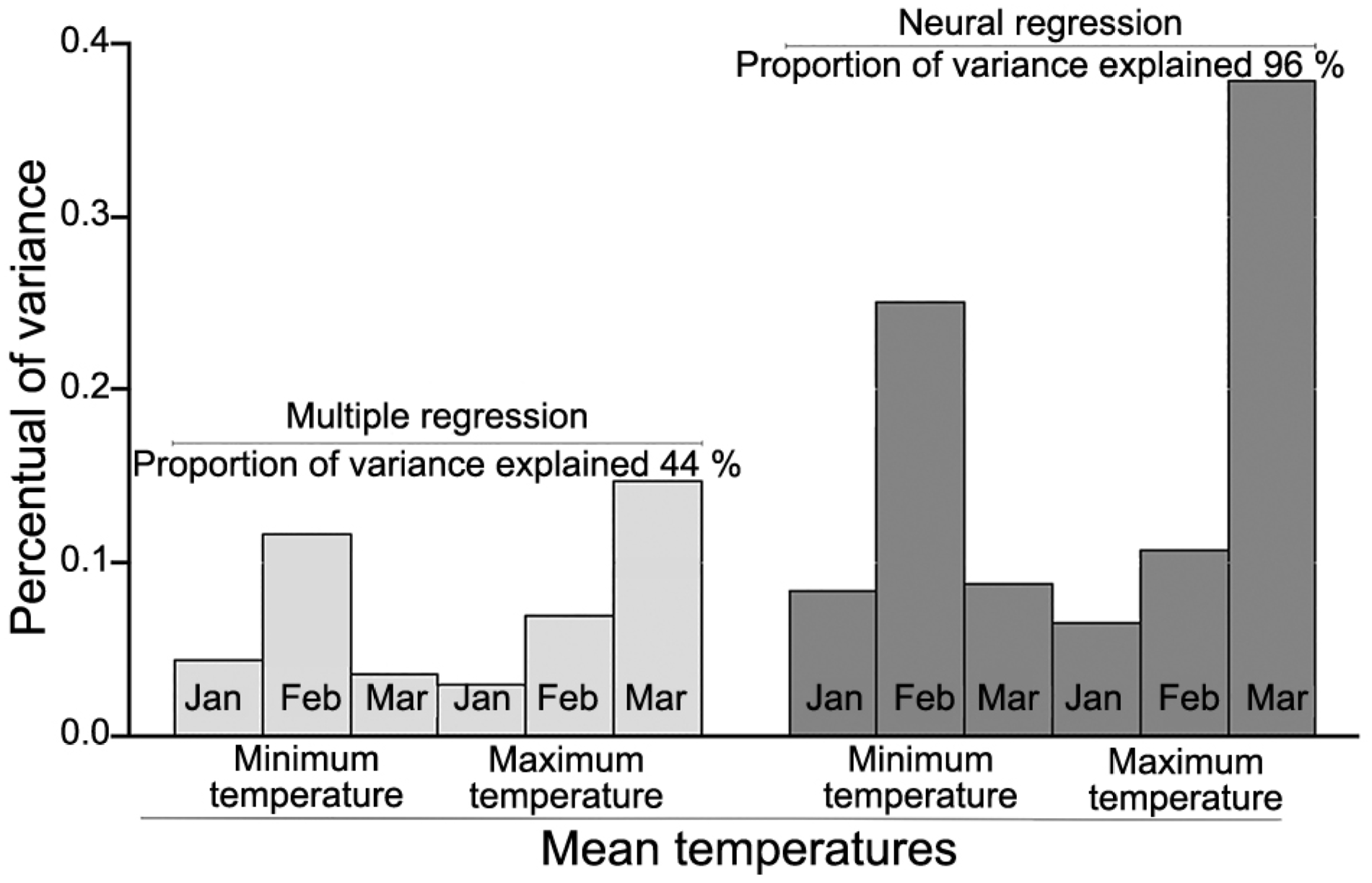
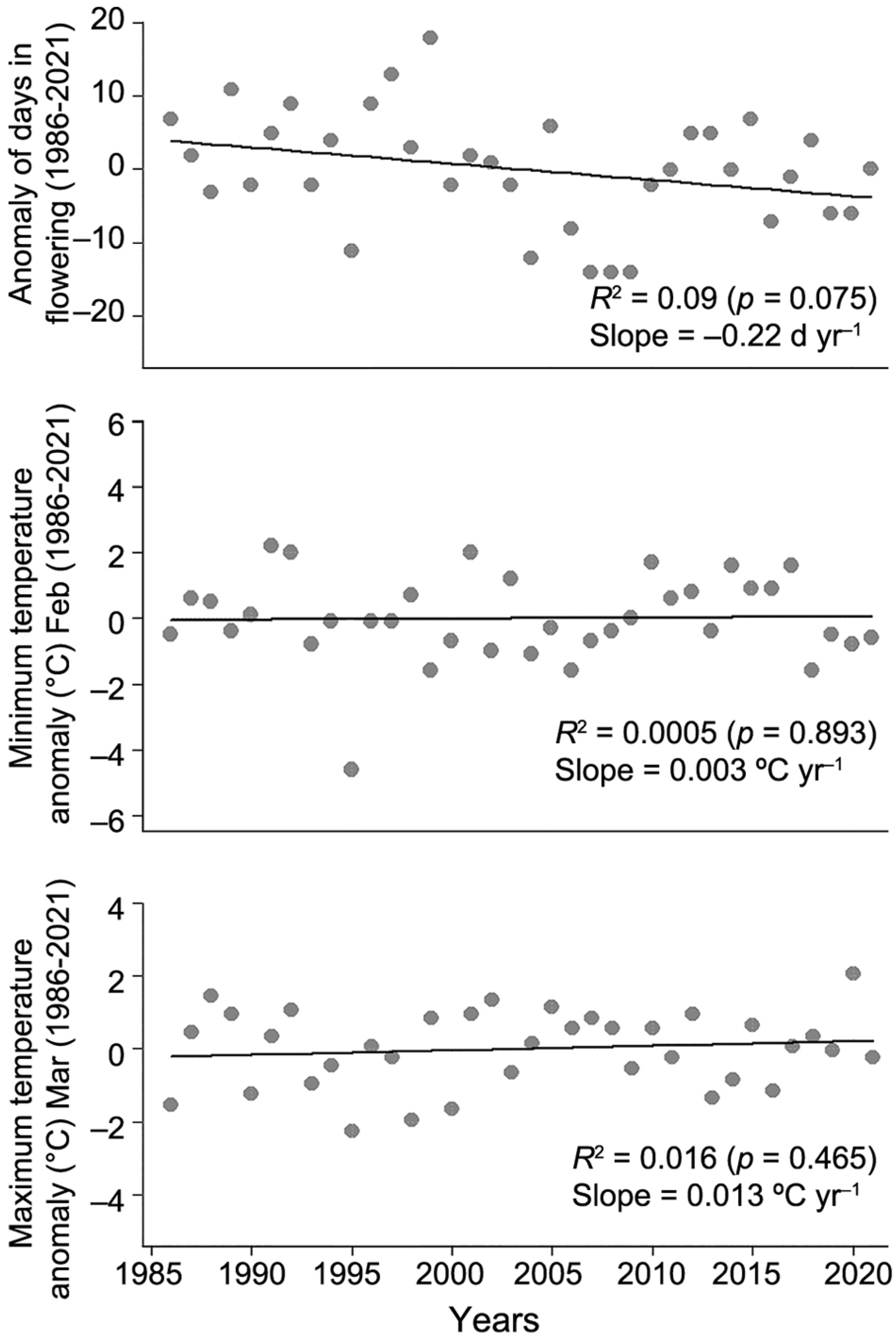
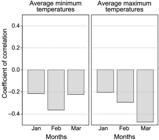
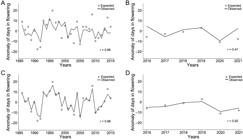
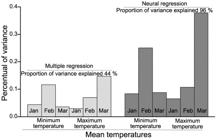
Atmospheric conditions, particularly air temperature, are elements crucial to the adaptation of temperate climate fruit species. Climatic variability in the Prunus-producing region of Brazil is a predominant factor in causing production alterations. One of the challenges in determining climatic effects is the availability of long-term phenological data. Thus, the aim of this study was to correlate temperature variations from Jan to Mar with peach flowering dates, applying neural networks as a modeling tool to improve phenological predictions. Research on flowering and budding of the ‘Chimarrita’ cultivar was based on plants from an active germplasm bank during the period of 1986 to 2021. The average start date of flowering for this period was calculated, as well as the deviations for each year, by subtracting the observed date from the average date. Variables’ climatic data were created and converted into anomalies. The annual flowering anomaly characterizes the number of days of advancement or delay, while the monthly anomalies of minimum and maximum temperatures characterize thermal variations in the environment. The results showed that coefficient of correlation, considering anomalies of minimum and maximum temperatures in the first quarter, serves as a predictive indicator of flowering on the ‘Chimarrita’ peach tree in southern Brazil. The neural regression model had significant influence on the total variation in flowering anomaly, suggesting a very promising application in regression models with a long series of phenological-climatic data.
Keywords:
climate variability; data series; meteorology; neural networks; phenology
 Thumbnail
 Thumbnail
 Thumbnail
 Thumbnail
 Thumbnail
 Thumbnail