 Can Bacillus subtilis, an old microorganism, be used as a new silage inoculant? A review
ABSTRACT:
Bacterial inoculants have been used to enhance silage preservation for over a century. Notably, most of these inoculants consist of lactic acid bacteria (LAB), with only a limited number of commercial products containing bacteria other than LAB. Recent research efforts have concentrated on identifying new bacterial species that could enhance silage preservation. For instance, although Bacillus subtilis was primarily studied as a single inoculant before the 1980s, most investigations into this bacterium have taken place in the last decade. Interestingly, the progression of scientific research often reflects a cycle of rediscovery. Despite the relatively small number of studies conducted to date, B. subtilis has demonstrated its ability to potentially improve dry matter recovery, aerobic stability, and in vitro digestibility across various crop silages. Furthermore, the positive effects of orally administering this bacterium on ruminant health have led to experiments involving feeding both large and small ruminants silage inoculated with B. subtilis in conjunction with other LAB. Given the promising potential of B. subtilis as a novel silage inoculant, this review aims to explore the mechanisms through which silage quality may be enhanced via inoculation with this bacterium and its implications for animal performance. Additionally, the disadvantages and limitations of using B. subtilis as a silage additive will also be discussed.
Keywords:
aerobic stability; dry matter loss; fermentation; microbiology; silage additive
Introduction
Bacterial inoculants have been utilized for decades to enhance silage preservation, predominantly consisting of lactic acid bacteria (LAB). Previous reviews have established that the fermentation process can be optimized by adding LAB inoculants during the ensiling process, which helps reduce dry matter (DM) loss and improve the aerobic stability of silages (Kleinschmit and Kung, 2006; Oliveira et al., 2017; Muck et al., 2018). However, the efficacy of inoculation is influenced by various factors, including the compatibility between the bacteria and the crops, the application level, the type of silo used, and other management practices (Muck, 2010; Oliveira et al., 2017). The anticipated benefits of inoculation can vary significantly (Rabelo et al., 2016), and in some cases, the benefits can be completely absent (Bernardi et al., 2019). Consequently, research aimed at identifying new silage inoculants, including non-LAB microorganisms, is essential to better modulate the fermentation process and inhibit the proliferation of undesirable microorganisms within the silo. This strategy could consistently reduce DM loss, both during ensiling and the feed-out phase, and enhance nutrient utilization from various crop silages – a benefit not yet observed in commercial products (Bernardi et al., 2019). It is posited that novel silage inoculants may prove effective across diverse conditions and for various purposes, considering that the type of crop ensiled (and even by-products and food waste currently used for animal feed) along with its maturity plays a pivotal role in silage fermentation.
Bacillus subtilis has been effectively utilized in various agricultural applications, such as fermenting by-products and food waste for bioethanol and biogas production (Kovács et al., 2015; Mushtaq et al., 2024). In the animal production chain, it serves several purposes, including: 1) enhancing rumen and gut microflora and body immunity (Su et al., 2020; Jia et al., 2023; Chen et al., 2024), 2) increasing feedstuff availability and utilization (Trivedi et al., 2022; Tanpong et al., 2024), and 3) reducing disease severity (Abiyev et al., 2022). In silage, Bacillus spp. are often viewed as undesirable because they compete with LAB for substrates, which can lead to silage deterioration during the feed-out phase and potentially contaminate dairy products with spores (Ávila and Carvalho, 2020). However, certain Bacillus species, particularly B. subtilis, can be beneficial to the ensiling process. Bacillus subtilis is a gram-positive, aerobic bacterium that thrives in both aerobic (obligate) and anaerobic (facultative) conditions, it requires minimal nutrients to survive. This adaptability allows it to colonize and proliferate in diverse environments (Mohamadzadeh and Abbaspour, 2024). Furthermore, B. subtilis species can produce enzymes such as cellulases and amylases (Van Soest et al., 1991; Su et al., 2020; Bonaldi et al., 2021). Cellulases help release water-soluble carbohydrates (WSC) by hydrolyzing plant cell walls, thereby stimulating silage fermentation primarily through lactic acid production (Khota et al., 2016; Li et al., 2018). This capability is particularly valuable for producing tropical grass silages, which have a high content of cell wall material. Amylases, on the other hand, enhance the digestibility of starch and dry matter (DM) in grain crop silages (Fernandes et al., 2022), making them especially beneficial for silages stored for short periods (< 30 days). The fermentation of grain silages often faces limitations due to their high DM content and low levels of WSC (Kung et al., 2018). Additionally, B. subtilis has been found to produce antibiotics (primarily peptides) and antifungal compounds, such as bacillomycin, mycobacillin, and fungistatin (Tabbene et al., 2009). These antifungal agents inhibit the growth of spoilage microorganisms, such as yeasts and molds, potentially prolonging the shelf-life of silage during unloading (Silva et al., 2010). These beneficial properties make B. subtilis a promising candidate for use as a silage inoculant.
In the last decade, only a limited number of studies have investigated the impact of applying B. subtilis to silage. However, the findings are encouraging, with reports of enhanced corn silage digestibility (Lara et al., 2016) and improved aerobic stability observed in both alfalfa (Medicago sativa L.) and corn (Zea mays L.) silages (Basso et al., 2012; Lara et al., 2016; Bai et al., 2020; Bonaldi et al., 2021). While the primary goal of silage additives is to minimize DM loss in the silo, research has also indicated benefits for animal performance in both large and small ruminants consuming silage inoculated with these additives (Weinberg and Muck, 1996; Kung and Muck, 1997; Basso et al., 2014). To date, there are no known reports detailing the effects of B. subtilis on animal performance when used as a single silage inoculant. In contrast, studies involving this bacterium in combination with other LAB (e.g., Lentilactobacillus buchneri and Lactiplantibacillus plantarum) have yielded inconsistent results regarding feed intake, apparent digestibility, and growth performance in sheep and beef cattle (Lara et al., 2018a, b; Rabelo et al., 2018, 2019a).
It is important to highlight that B. subtilis is not a novel silage inoculant, as its application as an additive to enhance silage preservation has been documented for some time (Burghardi et al., 1980). However, research specifically examining the use of this bacterium for silage preservation remains limited compared to studies on LAB. This review seeks to investigate the potential of B. subtilis for improving silage preservation and aims to further research in this field. The review will address the following topics: 1) classification of B. subtilis based on its fermentation characteristics; 2) the use of B. subtilis either as a single silage inoculant or in combination with other bacteria, as well as its effects on fermentation patterns, silage digestibility, and aerobic stability; 3) the impact of B. subtilis on the bacterial community within silage; 4) the effects of feeding B. subtilis-inoculated silages on animal productivity; and 5) concluding remarks and recommendations for future studies on the application of B. subtilis as a silage inoculant.
Classification of Bacillus subtilis based on its fermentation characteristics
Bacillus subtilis is an aerobic, gram-positive, endospore-forming, rod-shaped bacterium commonly found in soil, water, and associated with plants (Kunst et al., 1997; Nakano and Zuber, 1998). This bacterium can also grow anaerobically on crop forages using nitrate (NO3) as an electron acceptor (Kunst et al., 1997). Although Bacillus species are rare in fresh plant material, they can be found in silages, where they are not inhibited by fermentation products or the low pH characteristic of silage (Pahlow et al., 2003). Bacillus subtilis is capable of producing lactic and acetic acids during fermentation, although in smaller amounts than LAB (McDonald et al., 1991). The lower acid production in B. subtilis compared to LAB can be attributed to the absence or inefficiency of the glucose fermentation pathway. However, B. subtilis can grow anaerobically through fermentation when both glucose and pyruvate, or a combination of glucose and amino acids, are present (Nakano and Zuber, 1998; Romero et al., 2007). This ability contributes to the heightened concentrations of lactic acid observed in alfalfa, corn, and Sudangrass (Sorghum sudanense (Piper) Stapf) silages inoculated with B. subtilis compared to untreated silages (Bai et al., 2020; Guo et al., 2022; Zhang et al., 2022; Zhao et al., 2022).
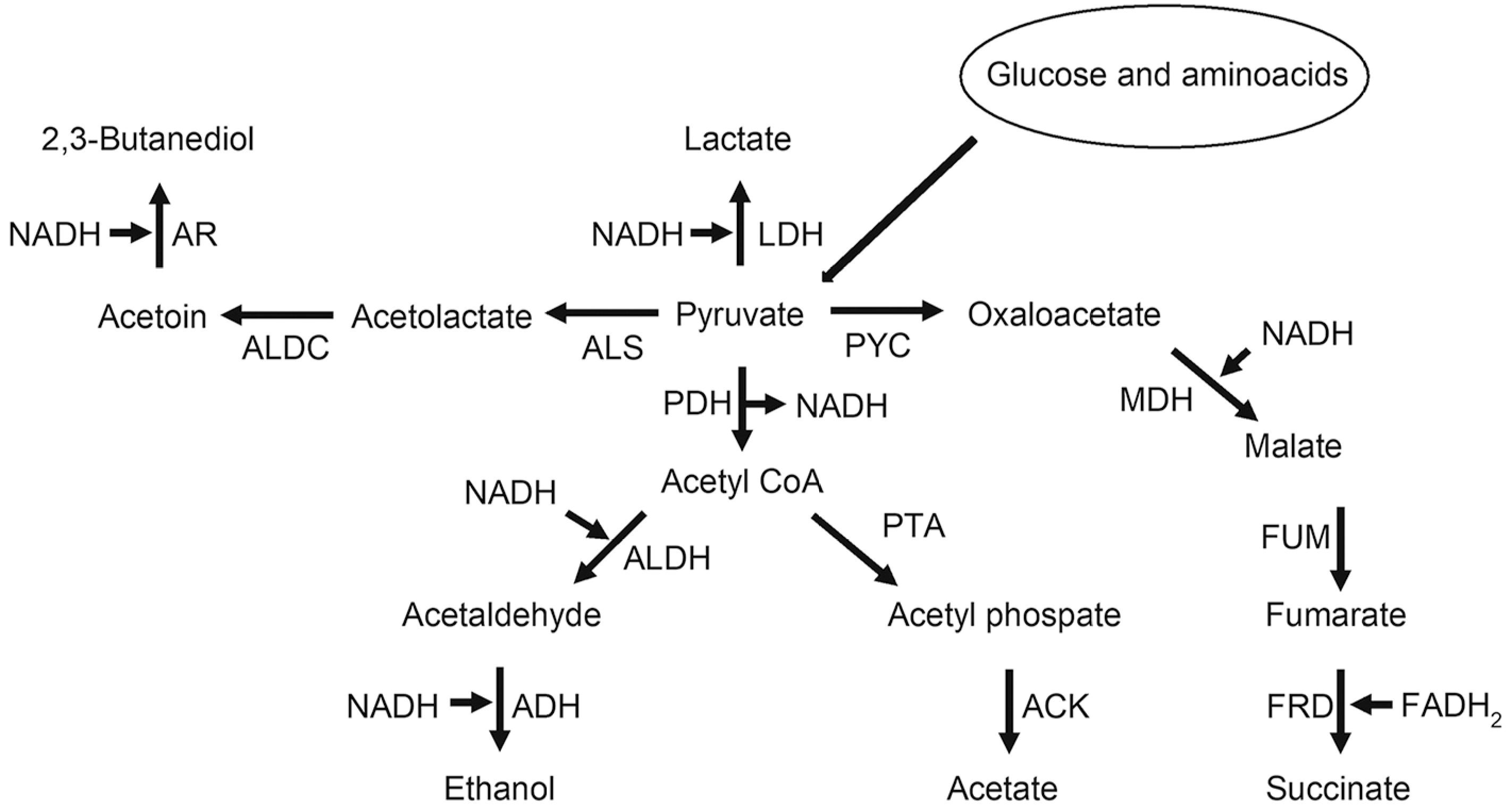
Bacillus subtilis produces various end-products during fermentation, including ammonia-N, ethanol, and small amounts of acetoin and 2,3-butanediol (Nakano et al., 1997; Hoffman et al., 1998; Romero et al., 2007). Acetic acid and ethanol are the primary end-products associated with the metabolism of B. subtilis (Nakano et al., 1997; Romero et al., 2007). Acetic acid has antifungal properties (Moon, 1983) and can help control the growth of yeasts and molds during silage unloading. Inoculating silage with B. subtilis has been shown to increase acetic acid concentration, which enhances the aerobic stability of whole-plant corn silage (Yin et al., 2023). Nevertheless, the production of acetic acid from water-soluble carbohydrates (WSC), such as glucose and fructose, during silage fermentation leads to CO2 production, which contributes to increased DM loss (McDonald et al., 1991). Similarly, ethanol is associated with elevated DM loss in silage due to CO2 production (Rabelo et al., 2019b), although this fermentation end-product can contribute to dietary energy (Daniel et al., 2013). Previous studies have attempted to outline the metabolic pathway used by B. subtilis under anaerobic conditions (Nakano et al., 1997; Romero et al., 2007; Figure 1). Research suggests that B. subtilis achieves the lowest energy recovery through multiple fermentation processes when under anaerobic conditions (Härtig and Jahn, 2012). However, published studies lack clarity regarding the expected DM and energy recovery from the metabolism of B. subtilis (Nakano et al., 1997; Romero et al., 2007). Additionally, elevated temperatures tend to favor the growth of B. subtilis, as its optimal growth temperature ranges from 30 °C to 37 °C. This adaptability likely enables Bacillus spp. to be more efficient than LAB at utilizing substrates under such conditions (Pahlow et al., 2003). Therefore, it can be assumed that B. subtilis may be more active in silages produced in tropical climates compared to those made under temperate climates.
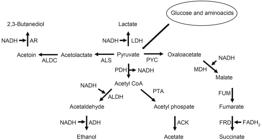
Fermentation pathways used by Bacillus subtilis. Enzyme abbreviations: ACK = acetate kinase; ADH = alcohol dehydrogenase; ALDC = acetolactate decarboxylase; ALDH = aldehyde dehydrogenase; ALS = acetolactate synthase; AR = acetoin reductase; FADH2 = flavin adenine dinucleotide, reduced form; FRD = fumarate reductase; FUM = fumarase; LDH = lactate dehydrogenase; MDH = malate dehydrogenase; NADH = nicotinamide adenine dinucleotide; PDH = pyruvate dehydrogenase; PTA = phosphotransacetylase; PYC = pyruvate carboxylase.
Research is increasingly exploring the functional properties of B. subtilis, particularly its ability to produce antibacterial substances and enzymes during ensiling. Bacillus subtilis generates antibacterial peptides that modify microbial communities during ensiling, which enhances lactic acid concentration and improves aerobic stability of silages (Bai et al., 2020, 2022). Additionally, B. subtilis produces antifungal and antibacterial compounds that inhibit the growth of undesirable microorganisms, such as yeasts and filamentous fungi, in silage (Bonaldi et al., 2021). Moreover, Bacillus amyloliquefaciens and B. subtilis have been shown to decrease starch content while increasing soluble carbohydrates and lactic acid levels in whole-crop corn silage, likely due to their amylase production (Bai et al., 2022). Although silage fermentation is fostered by the release of WSC from starch, the reduction in starch content is undesirable. Starch serves as a crucial dietary energy source for livestock; thus, it is essential for farms to prioritize the production of silages with high starch content to reduce costs associated with concentrate ingredients. Improved fermentation quality, as indicated by elevated lactic acid concentrations, has been documented in B. subtilis-inoculated silage (Guo et al., 2022). The authors propose that cellulase produced by B. subtilis contributes to the conversion of WSC into lactic acid in ensiled forages.
Despite its ability to produce antibacterial substances and enzymes, as well as its potential to modulate fermentation in specifics cases, B. subtilis it remains rarely found in commercial silage products. Several factors may explain this situation. One major issue is that B. subtilis primarily grows in aerobic conditions, making soil, water sources, and standing crops its natural habitats. Although it can grow anaerobically, the population of B. subtilis in silage is often associated with undesirable effects, such as competition with LAB for substrates and aerobic deterioration, as well as a lower capacity to reduce silage pH compared to LAB (Bonaldi et al., 2021). In addition, some Bacillus spp., such as B. cereus, are linked to the contamination of dairy products by spores (Ávila and Carvalho, 2020). Consequently, silages typically have low populations of epiphytic Bacillus spp. (McDonald et al., 1991), meaning that inoculations with B. subtilis would likely require high concentrations to significantly impact fermentation patterns and aerobic stability, as has been previously reported (Basso et al., 2012; Bai et al., 2020; Bonaldi et al., 2021). Moreover, the expected DM and energy recovery from B. subtilis inoculation in silage is not yet well understood, which may discourage its use as a silage inoculant. Research into non-LAB microorganisms for silage have also been limited by previous research (Pahlow et al., 2003) that indicated that the fermentation pattern of silage was unaffected by B. subtilis in additives containing LAB (Thonney et al., 1980; Moran et al., 1993). Furthermore, recent studies on B. subtilis and its effects on fermentation, DM recovery, energy recovery, aerobic stability, and silage digestibility have shown inconsistent results. This inconsistency is likely due to the variation in strains, dosages, and application methods (e.g., dried or in a medium) tested on different crops. However, such variability is a natural part of the research process and scientific discovery. The industry has also developed expertise in producing commercial products based on LAB, leading to its dominance in the market. Clearly, the commercial production of new silage additives involves not only the potential benefits of the target bacteria but also considerations such as the ease of large-scale production, storage requirements to maintain viability, and associated costs, all of which may make it unfeasible. Therefore, these factors pose challenges for the production and commercialization of B. subtilis.
It is important to note that for B. subtilis to be effective, it must be placed in an appropriate environment for growth after the forage is ensiled. Like any live microorganism used as a silage additive, the conditions within the silo play a crucial role in determining its success or failure. For instance, insufficient substrate possibly may hinder the growth of B. subtilis, thereby limiting its impact on silage fermentation. To enhance the effectiveness of bacterial inoculants, it is essential to harvest the forage at the right maturity – specifically, when DM content ranges from 30-38 % for direct-cut crops, as this supplies the WSC needed for fermentation. Additionally, using clean, chlorine-free water to apply the inoculant, ensuring rapid filling of the silo, adhering to recommended packing methods to expel air, and properly sealing the silo are all critical factors. However, further research is necessary to validate these observations under practical conditions.
The use of Bacillus subtilis as a single inoculant or in combination with other bacteria and its effects on silage properties
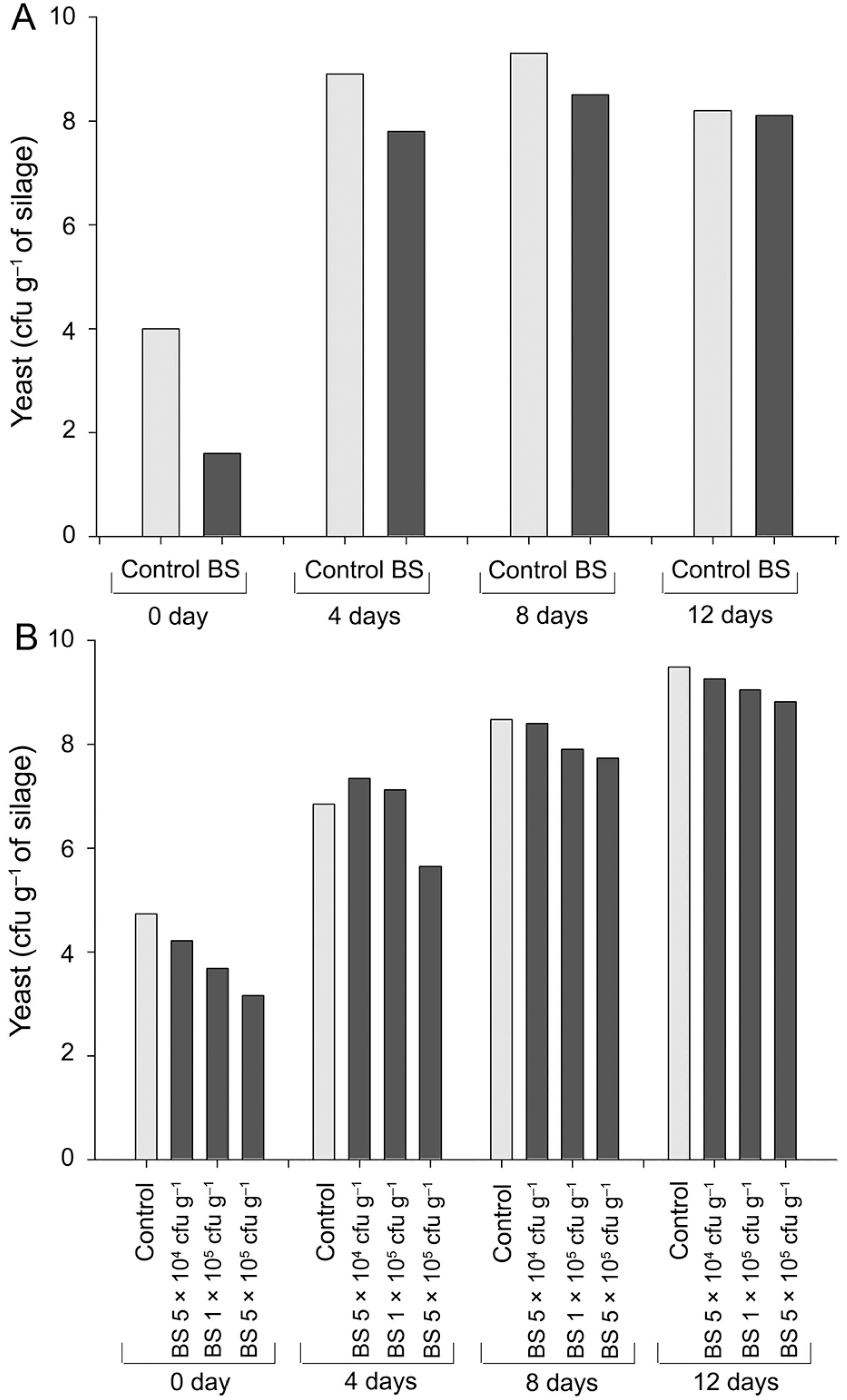
Under tropical conditions, inoculating corn silage with different doses of B. subtilis (i.e., 5 × 10⁴, 1 × 10⁵, and 5 × 10⁵ colony forming units (cfu) g−1 of silage) significantly increased aerobic stability. At the highest doses, stability reached 150 h, while the control group only achieved 24 h (Basso et al., 2012). The authors identified a reduction in the yeast population as the main factor contributing to this improvement (Figure 2A-B). At silo opening, the yeast population remained below 5 log10 cfu g−1 of silage after the inoculation with B. subtilis (Basso et al., 2012), which may lead to reduced silage deterioration (Woolford, 1990). Since acetic acid levels remained unchanged in that study, the authors attributed the enhanced aerobic stability to the production of bacteriocin-like substances by B. subtilis. This bacterium is known for producing antifungal compounds (Zuber et al., 1993; Todorova and Kozhuharova, 2009) that can inhibit the growth of yeasts and fungi (Munimbazi and Bullerman, 1998). In fact, two strains of B. subtilis isolated from soil and cultivated on a medium were found to inhibit the growth of 19 types of molds and two types of yeasts (Todorova and Kozhuharova, 2010). In this study, common genera of fungi and yeasts typically found in the silage environment, such as Aspergillus spp., Fusarium spp., Penicillium spp., and Saccharomyces cerevisiae, were inhibited by the antimicrobial substances produced by B. subtilis. Additionally, applying B. subtilis at a rate of 9 log10 cfu kg−1 of silage resulted in lower counts of yeasts and aerobic spore-forming bacteria in corn silage stored for 60 days (Bonaldi et al., 2021). Conversely, other studies have not reported any changes in yeast and mold populations after inoculating alfalfa and Sudangrass silages with B. subtilis (Zhao et al., 2022; Kravchenko, 2024). While some research suggests that the increased aerobic stability of silages can be attributed to bacteriocin-like substances produced by B. subtilis, no antimicrobial compounds from this bacterium have been detected in silages from various crops to date. This indicates that mechanisms other than the production of antimicrobial substances by B. subtilis may be responsible for the improved aerobic stability (Rabelo et al., 2018).
Effect of a single (1 × 10⁵ cfu g−1 of fresh forage) or various application rates of Bacillus subtilis (BS) on yeast counts of corn silage during the period of aerobic exposure. A = Lara et al., 2016; B = Basso et al., 2012.
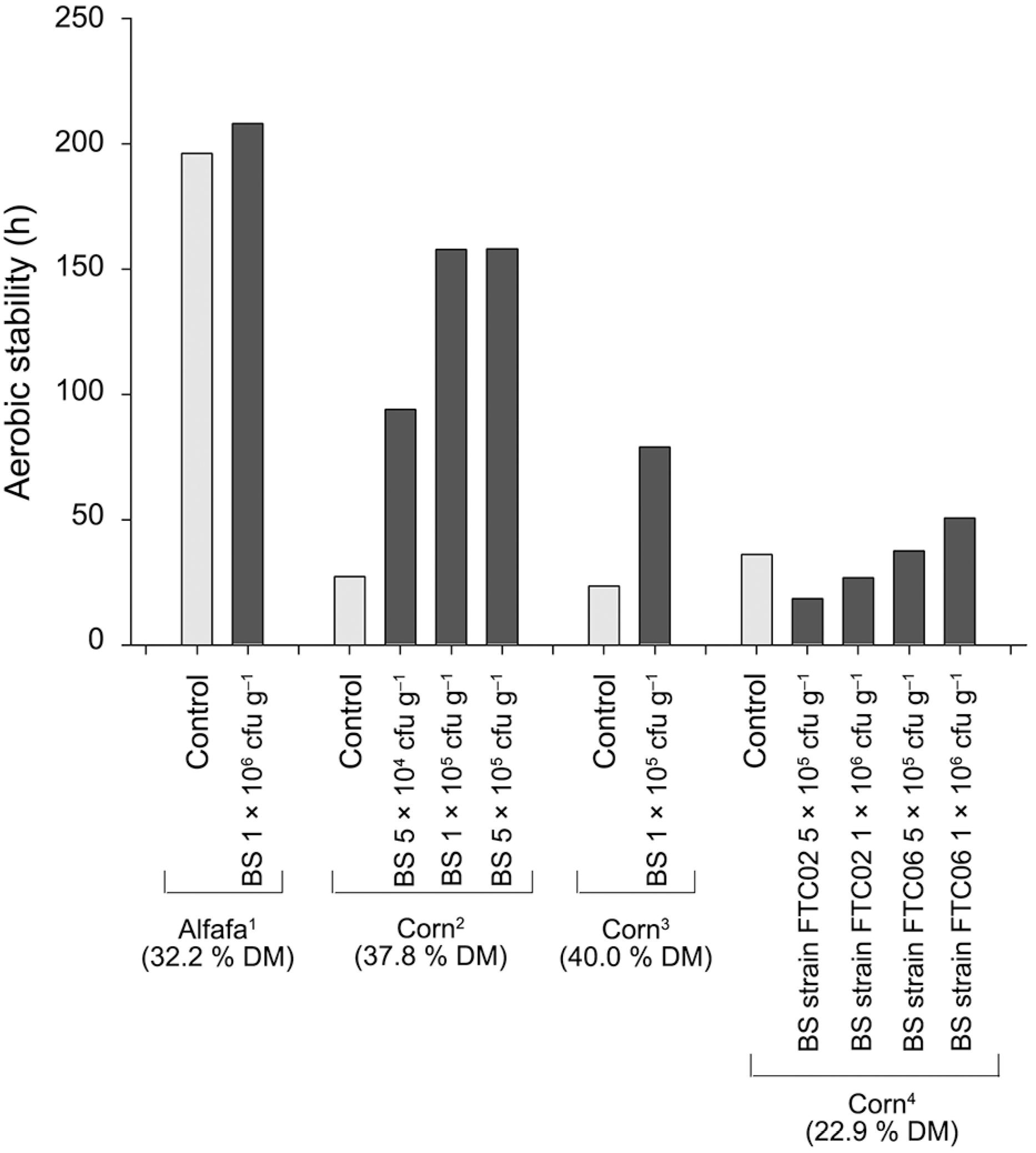
Several studies have shown that using B. subtilis as a single inoculant improved the aerobic stability of alfalfa and corn silage (Lara et al., 2016; Bai et al., 2020; Figure 3). The application levels tested included 1 × 10⁵ cfu g−1 of silage (Lara et al., 2016) and 1 × 10⁶ cfu g−1 of silage (Bai et al., 2020). One study reported that the yeast population in the inoculated corn silage remained consistently lower during eight days of aerobic exposure (Lara et al., 2016). However, no yeasts or molds were detected in alfalfa silage stored for 60 days (Bai et al., 2020). Additionally, the in vitro digestibility of DM and organic matter (OM) in corn silage improved due to inoculation (Lara et al., 2016), with these improvements attributed to changes in silage composition. Despite the potential benefits of B. subtilis on silage digestibility, mainly due to its ability to produce various enzymes, most research has focused on its effects on fermentation parameters and the microbial community. Evaluating the impact of B. subtilis on silage digestibility has proven challenging since this aspect has been minimally explored in mini-silo experiments. In one such trial conducted by the same research group, no changes in the digestibility of corn silage with low DM content (23 %) were observed (unpublished data). Additionally, an in vivo trial involving Nellore × Brown Swiss crossbred bulls reported a negative effect on DM and OM digestibility when B. subtilis was combined with L. plantarum (Rabelo et al., 2019a). Although B. subtilis can produce enzymes such as α-amylase, ferulate esterase, and xylanase (Donaghy and McKay, 1997; Priest, 1977; Van Soest et al., 1991), its effects on silage fermentation and digestibility are likely dependent on specific growth and enzyme production conditions. These conditions include factors such as crop type, temperature, pH, proteolysis, the specific enzymes expressed, and storage time (Reis et al., 2015).
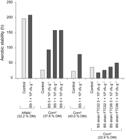
Aerobic stability of alfalfa and corn silages inoculated with different strains and doses of Bacillus subtilis (BS) (DM content of the crop prior to ensiling). DM = dry matter. 1Bai et al. (2020); 2Basso et al. (2012); 3Lara et al. (2016); 4Unpublished data.
Reduced proteolysis and decreased DM loss during fermentation have been observed in alfalfa silage inoculated with B. subtilis (Bai et al., 2020), likely due to increased lactic acid production. Silage proteolysis is typically attributed to the Clostridia genus, which is inhibited when the pH drops below 4.2 (Pahlow et al., 2003). However, a recent study found no advantages in inoculating corn silage with various strains (FTC02 and FTC06) and doses (5 × 10⁵ and 1 × 10⁶ cfu g−1 of silage) of B. subtilis concerning DM recovery and aerobic stability (unpublished data). Although the authors observed minimal effects on strain and dose, the very low DM content (23 %) of the corn silage used in the trial likely undermined any potential benefits from inoculation with B. subtilis. It is well documented that the DM content of the crop is crucial to the fermentation process, and ensiling crops with a DM content below 28 % is not advisable due to the unfavorable fermentation process conducted by Clostridia and other bacteria, as well as excessive effluent production (McDonald et al., 1991). Under these conditions, it is improbable that any bacterial inoculant would improve silage preservation. A summary of the earlier results is presented in Table 1.
Summary of the effects of Bacillus subtilis on the fermentation profile, microbial counts, and aerobic stability of silages from different crops.
Results from studies on corn silage indicate that the impact of B. subtilis on aerobic stability is influenced not only by the DM content but also by the specific crop and application level. For instance, enhanced aerobic stability was observed in corn silages with a DM content exceeding 37 %, whereas no improvement was noted in wet silages (< 25 % DM content) treated with B. subtilis (Table 1). It is widely recognized that high-DM silages are more susceptible to aerobic spoilage, as they undergo less extensive fermented compared to wet silages. Additionally, high-DM silages typically exhibit lower bulk density and higher porosity, facilitating increased air reentry into the silo (Buxton et al., 2003) and fostering the growth of yeasts, molds, and aerobic bacteria. Thus, one hypothesis for the improved aerobic stability in high-DM silages may stem from: 1) the exceptional ability of B. subtilis to thrive in both adverse and optimal conditions compared to LAB, and 2) the observation that silage inoculants with heterofermentative capabilities tend to offer greater benefits in high-DM silages than in wet silages. For instance, inoculating corn silage with L. buchneri resulted in a more significant increase in aerobic stability in high-DM silage (+187 h compared to the control) than in normal-DM silage (+69 h) (Hu et al., 2009). Give that high-DM silages typically harbor higher populations of yeasts and molds, and that fermentation is less intensive due to lower moisture content, the additional acetic acid produced by L. buchneri may contribute significantly to reducing these populations, thereby enhancing aerobic stability. However, this hypothesis, along with the factors contributing to the varying effects of B. subtilis on corn silage with different DM contents, requires further clarification.
Furthermore, while it has been noted in the literature that B. subtilis produces lower levels of lactic acid compared to LAB (McDonald et al., 1991), the research conducted by Bai et al. (2020) revealed that alfalfa silage treated with B. subtilis exhibited increased lactic acid concentration, a lower pH, and reduced DM loss compared to the control. Given that legume crops possess a high buffering capacity, which impedes the acidification process of the ensiled material, the inoculation of bacteria is crucial for modulating fermentation and swiftly lowering the silage pH (Oliveira et al., 2017). Although B. subtilis inoculation led to a lower silage pH (Bai et al., 2020), further studies are needed to substantiate this effect, as the existing literature on legume silage treated with B. subtilis is notably limited.
Few studies have investigated the potential of B. subtilis as a single inoculant for silage preservation. Instead, this bacterium is more commonly used in combination with other bacterial species, as its effects on silage fermentation can vary (Table 2). For instance, inoculating sugarcane silage with B. subtilis in combination with L. buchneri significantly reduced fungal populations and DM losses during aerobic exposure compared to silage that was untreated or solely treated with L. buchneri (Gandra et al., 2016). Overall, experiments conducted with mini-silos revealed that the combination of B. subtilis with either L. plantarum or L. buchneri yielded results comparable to those from silages inoculated solely with LAB. Notably, these findings align with observations made in large-scale silos (Lara et al., 2018a, b; Rabelo et al., 2019a), where the fermentation patterns of the silages showed only minor changes when B. subtilis was combined with other LAB. These results support earlier research (Thonney et al., 1980; Moran et al., 1993). However, given the significant advancements in molecular biology in recent years, it is now feasible to explore synergistic combinations of B. subtilis with other bacteria to further enhance silage preservation. Continued research in this field is encouraged.
Summary of the effects of Bacillus subtilis combined with lactic acid bacteria on dry matter (DM) loss, in vitro digestibility, and aerobic stability of silages from different crops.
Effects of Bacillus subtilis on bacterial community of silage
Silage production is a complex process that involves a diverse array of microorganisms, including LAB, spoilage bacteria, yeasts, molds, and Bacillus species. The composition of the microbial community can significantly impact silage quality, which in turn influences the rumen microbiota of ruminant animals. A previous study has demonstrated that the addition of LAB can modify bacterial diversity and community composition during the ensiling process (Guo et al., 2023). While B. subtilis is currently utilized as an unconventional silage additive, its effects on the bacterial communities within silage have also been documented (Table 3).
Summary of the effects of Bacillus subtilis (BS) combined with lactic acid bacteria on the bacterial community of silages from different crops.
Bacillus subtilis has been shown to increase the relative abundance of Weissella and unclassified Enterobacteria while reducing the proportion of Kazachstania in whole-crop corn silage compared to the control (Yin et al., 2023). Notably, Weissella are obligately heterofermentative microorganisms belonging to the LAB group, which contribute to the production of lactic and acetic acids through carbohydrate fermentation (Fusco et al., 2015). In contrast, Kazachstania is a non-Saccharomyces yeast genus within the family Saccharomycetaceae (Kurtzman and Robnett, 2003). Yeasts are often associated with silage deterioration (Woolford, 1990), consequently, the increased relative abundance of Weissella, coupled with a reduction in Kazachstania, can be beneficial for silage preservation. Conversely, Enterobacteria spp. are recognized as primary competitors for substrates against LAB (Pahlow et al., 2003), and their population is often linked to undesirable fermentation processes. Furthermore, peptide-producing B. subtilis has been observed to increase the abundances of Lactobacillus and Ascochyta in alfalfa silage, while decreasing the abundances of Enterococcus and Sporormiaceae after 60 days of fermentation (Bai et al., 2020). Additionally, inoculation with B. amyloliquefaciens and B. subtilis has been reported to decrease the relative abundances of undesirable bacteria, such as Acetobacter and Acinetobacter, in whole-crop corn silage (Bai et al., 2022). In summary, the studies mentioned above indicate that B. subtilis inoculation improves the fermentation quality of ensiled forages by modifying their bacterial community structures.
Feeding Bacillus subtilis-inoculated silages and their impact on animal productivity responses
It is important to note that the use of B. subtilis as a silage inoculant to enhance silage quality and livestock production is not a common practice today. This hesitance may be attributed to concerns regarding the toxigenic potential of B. subtilis, as previously described (Beattie and Williams, 1999). However, investigations conducted by the European Scientific Committee on Animal Nutrition have assessed the toxigenic potential of various strains of B. subtilis and found no evidence of toxicity linked to this bacterium (Bampidis et al., 2023; Villa et al., 2024). Additionally, both acute and chronic toxicity assessments in animal models have further confirmed the safety of different B. subtilis strains (Mohamadzadeh and Abbaspour, 2024). A similar observation was made for B. subtilis used as a probiotic for humans (Hong et al., 2008; Lefevre et al., 2017). Previous studies involving the administration of B. subtilis as a direct-fed microbial or silage inoculant in the diets of calves, beef cattle, and dairy cows reported no adverse effects on feed intake, growth performance, or the quality of beef and milk produced (Rabelo et al., 2019a; Sun et al., 2010, 2013). Thus, based on the existing literature, it is unlikely that employing B. subtilis as a silage inoculant would pose any risk to livestock health.
Although silage inoculants are primarily utilized to minimize DM loss and maintain the nutritional quality of silage, previous research has indicated that microbial inoculants may also enhance animal performance (Weinberg and Muck, 1996; Kung and Muck, 1997). In this context, B. subtilis has been successfully employed as a probiotic (direct-fed microbial) for various animals, offering benefits for both rumen and gut microflora (Jia et al., 2023; Chen et al., 2024), improving overall health and reducing the incidence of diseases (Abiyev et al., 2022). These benefits extend beyond enhancing feed efficiency and growth performance, which are sometimes observed in large ruminants (Bernardi et al., 2019). Consequently, further evaluations of feed intake and growth performance in ruminants fed silage inoculated with B. subtilis are warranted. Nevertheless, there remains limited information regarding the influence of feeding B. subtilis through silage on DM intake (DMI). The potential mechanisms by which B. subtilis could increase DMI include: 1) its antifungal properties, which may mitigate silage deterioration after opening the silos (Basso et al., 2012; Zuber et al., 1993); 2) enhancement of silage digestibility through the production of amylase and ferulic acid esterase (Donaghy and McKay, 1997; Lara et al., 2016; Van Soest et al., 1991; Zuber et al., 1993); and 3) the alteration of the ruminal bacterial community to improve ruminal fermentation (Hosoi et al., 2000). However, to the best of our knowledge, the effect of feeding silage inoculated with B. subtilis alone on animal performance has yet to be reported.
Feeding diets containing corn silage treated with L. plantarum and B. subtilis has been shown to increase nutrient digestibility and average daily gain (ADG) in lambs (Table 4). However, the authors did not offer a clear explanation for this finding (Lara et al., 2018a, b). This outcome is corroborated by other studies indicating that incorporating B. subtilis as a direct-fed microbial in the diets of calves and Nellore bulls resulted in enhanced growth performance (Sun et al., 2010). When administered orally, B. subtilis can reach the intestine where it may exert beneficial effects on the host through the secretion of active substances from germinated cells (Hosoi et al., 2000).
Summary of the effects of Bacillus subtilis in conjunction with lactic acid bacteria on feed intake, feed efficiency, and growth performance in sheep and beef cattle.
Conversely, the potential benefits associated with B. subtilis supplementation for the host were not observed by Rabelo et al. (2019a), who utilized this bacterium as a silage inoculant. In their study, the apparent digestibility of diets formulated from corn silage inoculated with B. subtilis and L. plantarum was found to be compromised. Furthermore, the DMI and ADG of Nellore bulls showed no significant changes due to silage inoculation (Table 4). The authors attributed these findings to the absence of notable differences in silage composition resulting from inoculation. Similarly, when the same diets from the aforementioned study were fed to lambs, no alterations were observed in feed intake, ruminal fermentation, or growth performance (Rabelo et al., 2018). It is important to emphasize that both studies reported consistent results – little to no effect – of B. subtilis inoculation in conjunction with L. plantarum, on feed intake, ruminal fermentation, and growth performance in both small and large ruminants. Moreover, during the ensiling process of corn, B. subtilis and L. plantarum were each applied at a rate of 1 × 10⁵ cfu g−1 of fresh forage, while the silage inclusion in the diet ranged from 40 % to 60 %. Thus, reports on the effects of using B. subtilis as a silage inoculant to improve livestock performance remain limited. Nevertheless, this method presents a novel approach to silage production and feeding (Rabelo et al., 2018).
Final Remarks
Bacillus subtilis has been little explored only a single inoculant to enhance silage quality, with its application primarily documented in alfalfa, corn, and Sudangrass silages. Consequently, further research should aim to assess the compatibility of B. subtilis with a wider range of crops, as well as investigate different strains and application levels. This will help generate a more comprehensive dataset to support more robust conclusions regarding this bacterium. Additionally, combining B. subtilis with other bacterial species has demonstrated modest effects on the preservation of silages from various crops, including corn, sugarcane, and sunflower. Advances in molecular biology may enable the identification of optimal bacterial combinations that can enhance silage preservation and aerobic stability. In addition to examining the influence of B. subtilis on the structure of the silage microbial community, it is also essential to study the changes in the abundance of B. subtilis itself and its role in the ensiling process. To date, the impacts of feeding silage solely inoculated with B. subtilis have not yet been explored, creating a critical knowledge gap that should be addressed.
Data availability statement
Data sharing is not applicable to this article, as no new data were generated or statistically analyzed in this study.
References
-
Abiyev A, Ekmen N, Özgül S, Ece S, Variş A, Kaya M, et al. 2022. The effect of Bacillus subtilis on gut microbiota, disease severity, and inflammatory parameters in irritable bowel syndrome: a pilot study. Journal of Enterocolitis 1: 56-60. https://doi.org/10.5152/Jenterocolitis.2022.221528
» https://doi.org/10.5152/Jenterocolitis.2022.221528 -
Ávila CLS, Carvalho BF. 2020. Silage fermentation-updates focusing on the performance of microorganisms. Journal of Applied Microbiology 128: 966-984. https://doi.org/10.1111/jam.14450
» https://doi.org/10.1111/jam.14450 -
Bai J, Xu D, Xie D, Wang M, Li Z, Guo X. 2020. Effects of antibacterial peptide-producing Bacillus subtilis and Lactobacillus buchneri on fermentation, aerobic stability, and microbial community of alfalfa silage. Bioresource Technology 315: 123881. https://doi.org/10.1016/j.biortech.2020.123881
» https://doi.org/10.1016/j.biortech.2020.123881 -
Bai J, Franco M, Ding Z, Hao L, Ke W, Wang M, et al. 2022. Effect of Bacillus amyloliquefaciens and Bacillus subtilis on fermentation, dynamics of bacterial community and their functional shifts of whole-plant corn silage. Journal of Animal Science and Biotechnology 13: 7. https://doi.org/10.1186/s40104-021-00649-0
» https://doi.org/10.1186/s40104-021-00649-0 -
Bampidis V, Azimonti G, Bastos ML, Christensen H, Dusemundi B, Durjava M, et al. 2023. Safety and efficacy of a feed additive consisting of Bacillus paralicheniformis DSM 5749 and Bacillus subtilis DSM 5750 (BioPlus® 2B) for piglets, calves for fattening and other growing ruminants (Chr. Hansen A/S). EFSA Journal 21: e07859. https://doi.org/10.2903/j.efsa.2023.7859
» https://doi.org/10.2903/j.efsa.2023.7859 - Basso FC, Lara EC, Assis FB, Rabelo CHS, Morelli M, Reis RA. 2012. Fermentation characteristics and aerobic stability of corn silages inoculated with Bacillus subtilis Revista Brasileira de Saúde e Produção Animal 13: 1009-1019 (in Portuguese, with abstract in English).
-
Basso FC, Adesogan AT, Lara EC, Rabelo CHS, Berchielli TT, Teixeira IAMA, et al. 2014. Effects of feeding corn silage inoculated with microbial additives on the ruminal fermentation, microbial protein yield, and growth performance of lambs. Journal of Animal Science 92: 5640-5650. https://doi.org/10.2527/jas.2014-8258
» https://doi.org/10.2527/jas.2014-8258 -
Beattie SH, Williams AG. 1999. Detection of toxigenic strains of Bacillus cereus and other Bacillus spp. with an improved cytotoxicity assay. Letters in Applied Microbiology 28: 221-225. https://doi.org/10.1046/j.1365-2672.1999.00498.x
» https://doi.org/10.1046/j.1365-2672.1999.00498.x -
Bernardi A, Härter CJ, Silva AWL, Reis RA, Rabelo CHS. 2019. A meta-analysis examining lactic acid bacteria inoculants for maize silage: effects on fermentation, aerobic stability, nutritive value and livestock production. Grass and Forage Science 74: 596-612. https://doi.org/10.1111/gfs.12452
» https://doi.org/10.1111/gfs.12452 -
Bonaldi DS, Carvalho BF, Ávila CLS, Silva CF. 2021. Effects of Bacillus subtilis and its metabolites on corn silage quality. Applied Microbiology and Biotechnology 73: 46-53. https://doi.org/10.1111/lam.13474
» https://doi.org/10.1111/lam.13474 -
Burghardi SR, Goodrich RD, Meiske JC. 1980. Evaluation of corn silage treated with microbial additives. Journal of Animal Science 50: 729-736. https://doi.org/10.2527/jas1980.504729x
» https://doi.org/10.2527/jas1980.504729x -
Buxton DR, Muck RE, Harrison JH. 2003. Silage Science and Technology. American Society of Agronomy, Madison, WI, USA. https://doi.org/10.2134/agronmonogr42
» https://doi.org/10.2134/agronmonogr42 -
Chen J, Mou L, Wang L, Wu G, Dai X, Chen Q, et al. 2024. Mixed Bacillus subtilis and Lactiplantibacillus plantarum-fermented feed improves gut microbiota and immunity of Bamei piglet. Frontiers in Microbiology 15: 1442373. https://doi.org/10.3389/fmicb.2024.1442373
» https://doi.org/10.3389/fmicb.2024.1442373 -
Daniel JLP, Amaral RC, Sá Neto A, Cabezas-Garcia EH, Bispo AW, Zopollatto M, et al. 2013. Performance of dairy cows fed high levels of acetic acid or ethanol. Journal of Dairy Science 96: 398-406. https://doi.org/10.3168/jds.2012-5451
» https://doi.org/10.3168/jds.2012-5451 -
Donaghy J, McKay AM. 1997. Purification and characterization of a feruloyl esterase from the fungus Penicilliumexpansum Journal of Applied Microbiology 83: 718-726. https://doi.org/10.1046/j.1365-2672.1997.00307.x
» https://doi.org/10.1046/j.1365-2672.1997.00307.x -
Fernandes T, Silva KT, Carvalho BF, Schwan RF, Pereira RAN, Pereira MN, et al. 2022. Effect of amylases and storage length on losses, nutritional value, fermentation, and microbiology of silages of corn and sorghum kernels. Animal Feed Science and Technology 285: 115227. https://doi.org/10.1016/j.anifeedsci.2022.115227
» https://doi.org/10.1016/j.anifeedsci.2022.115227 -
Fusco V, Quero GM, Cho GS, Kabisch J, Meske D, Neve H, et al. 2015. The genus Weissella: taxonomy, ecology and biotechnological potential. Frontiers in Microbiology 6: 155. https://doi.org/10.3389/fmicb.2015.00155
» https://doi.org/10.3389/fmicb.2015.00155 -
Gandra JR, Oliveira ER, Takiya CS, Goes RHTB, Paiva PG, Oliveira KMP, et al. 2016. Chitosan improves the chemical composition, microbiological quality, and aerobic stability of sugarcane silage. Animal Feed Science and Technology 214: 44-52. https://doi.org/10.1016/j.anifeedsci.2016.02.020
» https://doi.org/10.1016/j.anifeedsci.2016.02.020 -
Gandra JR, Oliveira ER, Gandra ERS, Takiya CS, Goes RHTB, Oliveira KMP, et al. 2017. Inoculation of Lactobacillus buchneri alone or with Bacillus subtilis and total losses, aerobic stability, and microbiological quality of sunflower silage. Journal of Applied Animal Research 45: 609-614. https://doi.org/10.1080/09712119.2016.1249874
» https://doi.org/10.1080/09712119.2016.1249874 -
Guo X, Guo W, Yang M, Sun Y, Wang Y, Yan Y, et al. 2022. Effect of Bacillus additives on fermentation quality and bacterial community during the ensiling process of whole-plant corn silage. Processes 10: 978. https://doi.org/10.3390/pr10050978
» https://doi.org/10.3390/pr10050978 -
Guo X, Xu D, Li F, Bai J, Su R. 2023. Current approaches on the roles of lactic acid bacteria in crop silage. Microbial Biotechnology 16: 67-87. https://doi.org/10.1111/1751-7915.14184
» https://doi.org/10.1111/1751-7915.14184 -
Härtig E, Jahn D. 2012. Regulation of the anaerobic metabolism in Bacillus subtilis Advances in Microbial Physiology 61: 195-216. https://doi.org/10.1016/B978-0-12-394423-8.00005-6
» https://doi.org/10.1016/B978-0-12-394423-8.00005-6 -
Hoffmann T, Frankenberg N, Marino M, Jahn D. 1998. Ammonification in Bacillus subtilisUtilizing Dissimilatory Nitrite Reductase Is Dependent onresDE Journal of Bacteriology 180: 186-189. https://doi.org/10.1128/jb.180.1.186-189.1998
» https://doi.org/10.1128/jb.180.1.186-189.1998 -
Hong HA, Huang JM, Khaneja R, Hiep LV, Urdaci MC, Cutting SM. 2008. The safety of Bacillus subtilis and Bacillus indicus as food probiotics. Journal of Applied Microbiology 105: 510-520. https://doi.org/10.1111/j.1365-2672.2008.03773.x
» https://doi.org/10.1111/j.1365-2672.2008.03773.x -
Hosoi T, Ametani A, Kiuchi K, Kaminogawa S. 2000. Improved growth and viability of lactobacilli in the presence of Bacillus subtilis (natto), catalase, or subtilisin. Canadian Journal of Microbiology 46: 892-897. https://doi.org/10.1139/w00-070
» https://doi.org/10.1139/w00-070 -
Hu W, Schmidt RJ, McDonell EE, Klingerman CM, Kung Jr L. 2009. The effect of Lactobacillus buchneri 40788 or Lactobacillus plantarum MTD-1 on the fermentation and aerobic stability of corn silages ensiled at two dry matter contents. Journal of Dairy Science 92: 3907-3914. https://doi.org/10.3168/jds.2008-1788
» https://doi.org/10.3168/jds.2008-1788 -
Jia P, Dong LF, Tu Y, Diao QY. 2023. Bacillus subtilis and Macleaya cordata extract regulate the rumen microbiota associated with enteric methane emission in dairy cows. Microbiome 11: 229. https://doi.org/10.1186/s40168-023-01654-3
» https://doi.org/10.1186/s40168-023-01654-3 -
Khota W, Pholsen S, Higgs D, Cai Y. 2016. Natural lactic acid bacteria population of tropical grasses and their fermentation factor analysis of silage prepared with cellulose and inoculant. Journal of Dairy Science 99: 9768-9781. https://doi.org/10.3168/jds.2016-11180
» https://doi.org/10.3168/jds.2016-11180 -
Kleinschmit DH, Kung Jr L. 2006. A meta-analysis of the effects of Lactobacillus buchneri on the fermentation and aerobic stability of corn and grass and small-grain silages. Journal of Dairy Science 89: 4005-4013. https://doi.org/10.3168/jds.S0022-0302(06)72444-4
» https://doi.org/10.3168/jds.S0022-0302(06)72444-4 -
Kovács E, Wirth R, Maróti G, Bagi Z, Nagy K, Minárovits J, et al. 2015. Augmented biogas production from protein-rich substrates and associated metagenomic changes. Bioresource Technology 178: 254-261. https://doi.org/10.1016/j.biortech.2014.08.111
» https://doi.org/10.1016/j.biortech.2014.08.111 -
Kravchenko NO. 2024. Growth dynamics, antagonistic activity and acid production of Lactiplantibacillus (= Lactobacillus) plantarum KT-L18/1 and Bacillus subtilis BPT-B1 inoculants in alfalfa silage. Agricultural Science and Practice 11: 57-68. https://doi.org/10.15407/agrisp11.02.057
» https://doi.org/10.15407/agrisp11.02.057 - Kung Jr L, Muck RE. 1997. Animal response to silage additives. p. 200-210. In: Proceedings of the Conference on Silage: Field to Feed Bunk. NRAES-99, North American Conference, Hershey, PA, USA.
-
Kung Jr L, Shaver RD, Grant RJ, Schmidt RJ. 2018. Silage review: interpretation of chemical, microbial, and organoleptic components of silages. Journal of Dairy Science 101: 4020-4033. https://doi.org/10.3168/jds.2017-13909
» https://doi.org/10.3168/jds.2017-13909 -
Kunst F, Ogasawara N, Moszer I, Albertini AM, Alloni G, Azevedo V, et al. 1997. The complete genome sequence of the gram-positive bacterium Bacillus subtilis Nature 390: 249-256. https://doi.org/10.1038/36786
» https://doi.org/10.1038/36786 -
Kurtzman CP, Robnett CJ. 2003. Phylogenetic relationships among yeasts of the "Saccharomyces complex" determined from multigene sequence analyses. FEMS Yeast Research 3: 417-432. https://doi.org/10.1016/S1567-1356(03)00012-6
» https://doi.org/10.1016/S1567-1356(03)00012-6 -
Lara EC, Basso FC, Assis FB, Souza FA, Berchielli TT, Reis RA. 2016. Changes in the nutritive value and aerobic stability of corn silages inoculated with Bacillus subtilis alone or combined with Lactobacillus plantarum Animal Production Science 56: 1867-1874. https://doi.org/10.1071/AN14686
» https://doi.org/10.1071/AN14686 -
Lara EC, Bragiato UC, Rabelo CHS, Messana JD, Reis RA. 2018a. Inoculation of corn silage with Lactobacillus plantarum and Bacillus subtilis associated with amylolytic enzyme supply at feeding. 1. Feed intake, apparent digestibility, and microbial protein synthesis in wethers. Animal Feed Science and Technology 243: 22-34. https://doi.org/10.1016/j.anifeedsci.2018.07.004
» https://doi.org/10.1016/j.anifeedsci.2018.07.004 -
Lara EC, Bragiato UC, Rabelo CHS, Messana JD, Sobrinho AGS, Reis RA. 2018b. Inoculation of corn silage with Lactobacillus plantarum and Bacillus subtilis associated with amylolytic enzyme supply at feeding. 2. Growth performance and carcass and meat traits of lambs. Animal Feed Science and Technology 243: 112-124. https://doi.org/10.1016/j.anifeedsci.2018.07.010
» https://doi.org/10.1016/j.anifeedsci.2018.07.010 -
Lefevre M, Racedo SM, Denayrolles M, Ripert G, Desfougères T, Lobach AR, et al. 2017. Safety assessment of Bacillus subtilis CU1 for use as a probiotic in humans. Regulatory Toxicology and Pharmacology 83: 54-65. https://doi.org/10.1016/j.yrtph.2016.11.010
» https://doi.org/10.1016/j.yrtph.2016.11.010 -
Li D, Ni KK, Zhang YC, Lin YL, Yang FY. 2018. Influence of lactic acid bacteria, cellulase, cellulase-producing Bacillus pumilus and their combinations on alfalfa silage quality. Journal of Integrative Agriculture 17: 2768-2782. https://doi.org/10.1016/S2095-3119(18)62060-X
» https://doi.org/10.1016/S2095-3119(18)62060-X - McDonald P, Henderson AR, Heron SJE. 1991. The biochemistry of silage. p. 40. Chalcomb, Marlow, England.
-
Mohamadzadeh M, Abbaspour S. 2024. Probiotic Applications of Bacillus subtilis p. 1-23. In: Razafindralambo H. ed. Bacillus subtilis: functionalities and one health applications. InTechOpen, Rijeka, Croatia. https://doi.org/10.5772/intechopen.1007134
» https://doi.org/10.5772/intechopen.1007134 -
Moon NJ. 1983. Inhibition of the growth of acid tolerant yeasts by acetate, lactate and propionate and their synergistic mixtures. Journal of Applied Bacteriology 55: 453-460. https://doi.org/10.1111/j.1365-2672.1983.tb01685.x
» https://doi.org/10.1111/j.1365-2672.1983.tb01685.x - Moran JP, Pullar D, Owen TR. 1993. The development of a novel bacterial inoculant to reduce mould spoilage and improve the silage fermentation in big bale silage. p. 85-86. In: O’Kiely P, O’Connell M, Murphy J. eds. Silage research, Dublin, Ireland.
-
Muck RE. 2010. Silage microbiology and its control through additives. Revista Brasileira de Zootecnia 39: 183-191. https://doi.org/10.1590/S1516-35982010001300021
» https://doi.org/10.1590/S1516-35982010001300021 -
Muck RE, Nadeau EMG, McAllister TA, Contreras-Govea FE, Santos MC, Kung Jr L. 2018. Silage review: recent advances and future uses of silage additives. Journal of Dairy Science 101: 3980-4000. https://doi.org/10.3168/jds.2017-13839
» https://doi.org/10.3168/jds.2017-13839 - Munimbazi C, Bullerman LB. 1998. Isolation and partial characterization of antifungal metabolites of Bacillus pumilus Journal of Applied Microbiology 84: 959-968.
-
Mushtaq Q, Ishtiaq U, Joly N, Spalletta A, Martin P. 2024. Harnessing Bacillus subtilis QY5 PP784163 for bioethanol production from potato peel waste and nutrient recovery for animal feed: maximizing resource efficiency. Fermentation 10: 523. https://doi.org/10.3390/fermentation10100523
» https://doi.org/10.3390/fermentation10100523 -
Nakano MM, Dailly YP, Zuber P, Clark DP. 1997. Characterization of anaerobic fermentative growth of Bacillus subtilis: identification of fermentation end products and genes required for growth. Journal of Bacteriology 179: 6749-6755. https://doi.org/10.1128/jb.179.21.6749-6755.1997
» https://doi.org/10.1128/jb.179.21.6749-6755.1997 -
Nakano MM, Zuber P. 1998. Anaerobic growth of a "strict aerobe" (Bacillus subtilis). Annual Review of Microbiology 52: 165-190. https://doi.org/10.1146/annurev.micro.52.1.165
» https://doi.org/10.1146/annurev.micro.52.1.165 -
Oliveira AS, Weinberg ZG, Ogunade IM, Cervantes, AAP, Arriola KG, Jiang Y, et al. 2017. Meta-analysis of effects of inoculation with homofermentative and facultative heterofermentative lactic acid bacteria on silage fermentation, aerobic stability, and the performance of dairy cows. Journal of Dairy Science 100: 4587-4603. https://doi.org/10.3168/jds.2016-11815
» https://doi.org/10.3168/jds.2016-11815 -
Pahlow G, Muck RE, Driehuis F, Oude Elferink SJWH, Spoelstra SF. 2003. Microbiology of ensiling. p. 31-94. In: Buxton DR, Muck RE, Harrison JH. eds. Silage science and Technology. American Society of Agronomy, Madison, WI, USA. https://doi.org/10.2134/agronmonogr42.c2
» https://doi.org/10.2134/agronmonogr42.c2 -
Priest FG. 1977. Extracellular enzyme synthesis in the genus Bacillus Bacteriological Reviews 41: 711-753. https://doi.org/10.1128/br.41.3.711-753.1977
» https://doi.org/10.1128/br.41.3.711-753.1977 -
Rabelo CHS, Mari LJ, Reis RA. 2016. Survey about the use of bacterial inoculants in Brazil: effects on silage quality and animal performance. p. 3-37. In: Silva TC, Santos EM. eds. Advances in silage production and utilization. InTech, Rijeka, Croatia. https://doi.org/10.5772/64472
» https://doi.org/10.5772/64472 -
Rabelo CHS, Lara EC, Basso FC, Härter CJ, Reis RA. 2018. Growth performance of finishing feedlot lambs fed maize silage inoculated with Bacillus subtilis and lactic acid bacteria. Journal of Agricultural Science 156: 839-847. https://doi.org/10.1017/S0021859618000679
» https://doi.org/10.1017/S0021859618000679 -
Rabelo CHS, Valente AL, Barbero RP, Basso FC, Reis RA. 2019a. Performance of finishing beef cattle fed diets containing maize silages inoculated with lactic-acid bacteria and Bacillus subtilis Animal Production Science 59: 266-276. https://doi.org/10.1071/AN16358
» https://doi.org/10.1071/AN16358 -
Rabelo CHS, Härter CJ, Ávila CLS, Reis RA. 2019b. Meta-analysis of the effects of Lactobacillus plantarum and Lactobacillus buchneri on fermentation, chemical composition and aerobic stability of sugarcane silage. Grassland Science 65: 3-12. https://doi.org/10.1111/grs.12215
» https://doi.org/10.1111/grs.12215 - Reis RA, Lara EC, Rabelo CHS. 2015. Enzimas na Nutrição de Ruminantes. p. 1-22. In: X Congresso Nordestino de Produção Animal, Teresina, PI, Brazil (in Portuguese).
-
Romero S, Merino E, Bolívar F, Gosset G, Martinez A. 2007. Metabolic engineering of Bacillus subtilis for ethanol production: lactate dehydrogenase plays a key role in fermentative metabolism. Applied and Environmental Microbiology 73: 5190-5198. https://doi.org/10.1128/AEM.00625-07
» https://doi.org/10.1128/AEM.00625-07 -
Silva JM, Carnauba JP, Silva IO, Andrade DEGT, Miranda EC, Amorim EPR. 2010. Influence of bacterial-enzymatic inoculant on microbiota and nutritional quality of humid maize grain silages. Ciência Animal Brasileira 11: 62-72 (in Portuguese, with abstract in English). https://doi.org/10.5216/cab.v11i1.4916
» https://doi.org/10.5216/cab.v11i1.4916 -
Su Y, Liu C, Fang H, Zhang D. 2020. Bacillus subtilis: A universal cell factory for industry, agriculture, biomaterials and medicine. Microbial Cell Factories 19: 173. https://doi.org/10.1186/s12934-020-01436-8
» https://doi.org/10.1186/s12934-020-01436-8 -
Sun P, Wang JQ, Zhang HT. 2010. Effects of Bacillus subtilis natto on performance and immune function of preweaning calves. Journal of Dairy Science 93: 5851-5855. https://doi.org/10.3168/jds.2010-3263
» https://doi.org/10.3168/jds.2010-3263 -
Sun P, Wang JQ, Deng LF. 2013. Effects of Bacillus subtilis natto on milk production, rumen fermentation and ruminal microbiome of dairy cows. Animal 7: 216-222. https://doi.org/10.1017/S1751731112001188
» https://doi.org/10.1017/S1751731112001188 -
Tabbene O, Slimene IB, Bouabdallah F, Mangoni ML, Urdaci MC, Liman F. 2009. Production of anti-methicillin-resistant Staphylococcus activity from Bacillus subtilis sp. strain B38 newly isolated from soil. Applied Biochemistry and Biotechnology 157: 407-419. https://doi.org/10.1007/s12010-008-8277-1
» https://doi.org/10.1007/s12010-008-8277-1 -
Tanpong S, Khochamit N, Pootthachaya P, Siripornadulsil W, Unnawong N, Cherdthong A, et al. 2024. Citric acid by-product fermentation by Bacillus subtilis I9: a promising path to sustainable animal feed. Veterinary Sciences 11: 484. https://doi.org/10.3390/vetsci11100484
» https://doi.org/10.3390/vetsci11100484 -
Thonney ML, Duhaime DJ, Jenkins TC, Ruppel CA. 1980. Microbial and chemical additives in alfalfa-timothy silage. Journal of Dairy Science 63: 587-593. https://doi.org/10.3168/jds.S0022-0302(80)82975-4
» https://doi.org/10.3168/jds.S0022-0302(80)82975-4 - Todorova S, Kozhuharova L. 2009. Characteristics and antimicrobial activity of Bacillus subtilis strains isolated from soil. Journal of Microbiology and Biotechnology 96: 1151-1161.
-
Todorova S, Kozhuharova L. 2010. Characteristics and antimicrobial activity of Bacillus subtilis strains isolated from soil. World Journal of Microbiology and Biotechnology 26: 1207-1216. https://doi.org/10.1007/s11274-009-0290-1
» https://doi.org/10.1007/s11274-009-0290-1 -
Trivedi S, Husain I, Sharma A. 2022. Purification and characterization of phytase from Bacillus subtilis P6: evaluation for probiotic potential for possible application in animal feed. Food Frontiers 3: 194-205. https://doi.org/10.1002/fft2.118
» https://doi.org/10.1002/fft2.118 -
Van Soest PJ, Robertson JB, Lewis BA. 1991. Methods for dietary fiber, neutral detergent fiber, and nonstarch polysaccharides in relation to animal nutrition. Journal of Dairy Science 74: 3583-3597. https://doi.org/10.3168/jds.S0022-0302(91)78551-2
» https://doi.org/10.3168/jds.S0022-0302(91)78551-2 -
Villa RE, Azimonti G, Bonos E, Christensen H, Durjava M, Dusemundi B, et al. 2024. Safety and efficacy of a feed additive consisting of Bacillus subtilis DSM 33862 and Lentilactobacillus buchneri DSM 12856 as a silage additive for all animal species (Lactosan GmbH & Co. KG). EFSA Journal 22: e9070. https://doi.org/10.2903/j.efsa.2024.9070
» https://doi.org/10.2903/j.efsa.2024.9070 -
Weinberg ZG, Muck RE. 1996. New trends and opportunities in the development and use of inoculants for silage. FEMS Microbiology Reviews 19: 53-68. https://doi.org/10.1016/0168-6445(96)00025-3
» https://doi.org/10.1016/0168-6445(96)00025-3 -
Woolford MK. 1990. The detrimental effects of air on silage. Journal of Applied Bacteriology 68: 101-116. https://doi.org/10.1111/j.1365-2672.1990.tb02554.x
» https://doi.org/10.1111/j.1365-2672.1990.tb02554.x -
Yin H, Zhao M, Pan G, Zhang H, Yang R, Sun J, et al. 2023. Effects of Bacillus subtilis or Lentilactobacillus buchneri on aerobic stability, and the microbial community in aerobic exposure of whole plant corn silage. Frontiers in Microbiology 14: 1177031. https://doi.org/10.3389/fmicb.2023.1177031
» https://doi.org/10.3389/fmicb.2023.1177031 -
Zhang Z, Wang Y, Wang S, Zhao L, Zhang B, Jia W, et al. 2022. Effects of antibacterial peptide-producing Bacillus subtilis, gallic acid, and cellulase on fermentation quality and bacterial community of whole-plant corn silage. Frontiers in Microbiology 13: 1028001. https://doi.org/10.3389/fmicb.2022.1028001
» https://doi.org/10.3389/fmicb.2022.1028001 -
Zhao M, Zhang H, Pan G, Yin H, Sun J, Yu Z, et al. 2022. Effect of exogenous microorganisms on the fermentation quality, nitrate degradation and bacterial community of sorghum-sudangrass silage. Frontiers in Microbiology 13: 1052837. https://doi.org/10.3389/fmicb.2022.1052837
» https://doi.org/10.3389/fmicb.2022.1052837 -
Zuber P, Nakano MM, Marahiel MA. 1993. Peptide antibiotics. p. 897-916. In: Sonenshein AL, Hoch JA, Losick R. eds. Bacillus subtilis and other gram-positive bacteria: biochemistry, physiology, and molecular genetics. American Society for Microbiology, Washington DC, USA. https://doi.org/10.1128/9781555818388.ch61
» https://doi.org/10.1128/9781555818388.ch61
Edited by
-
Edited by:
Clayton Quirino Mendes https://orcid.org/0000-0002-5076-539X

 Source: Adapted from