 Can Bacillus subtilis, an old microorganism, be used as a new silage inoculant? A review
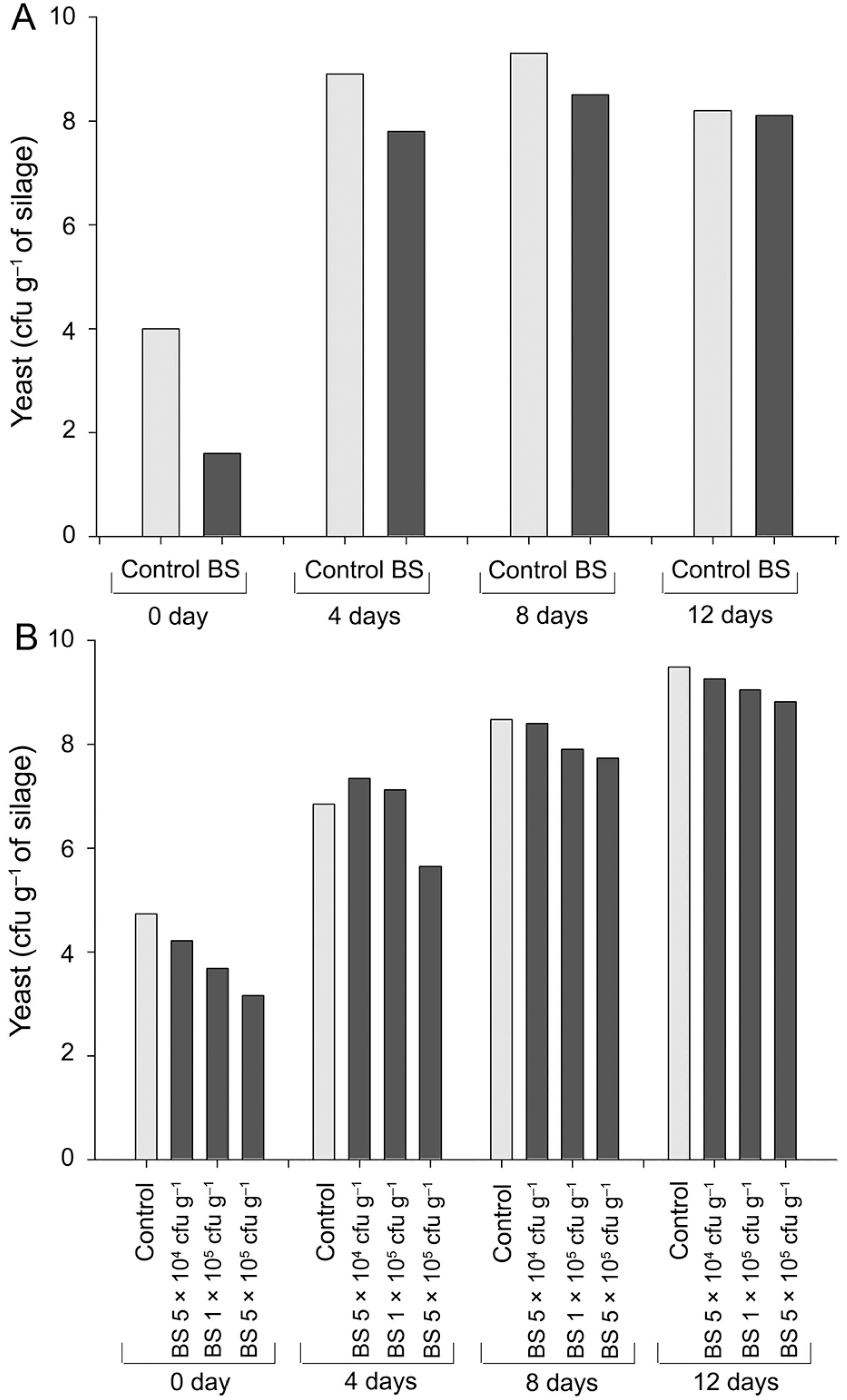
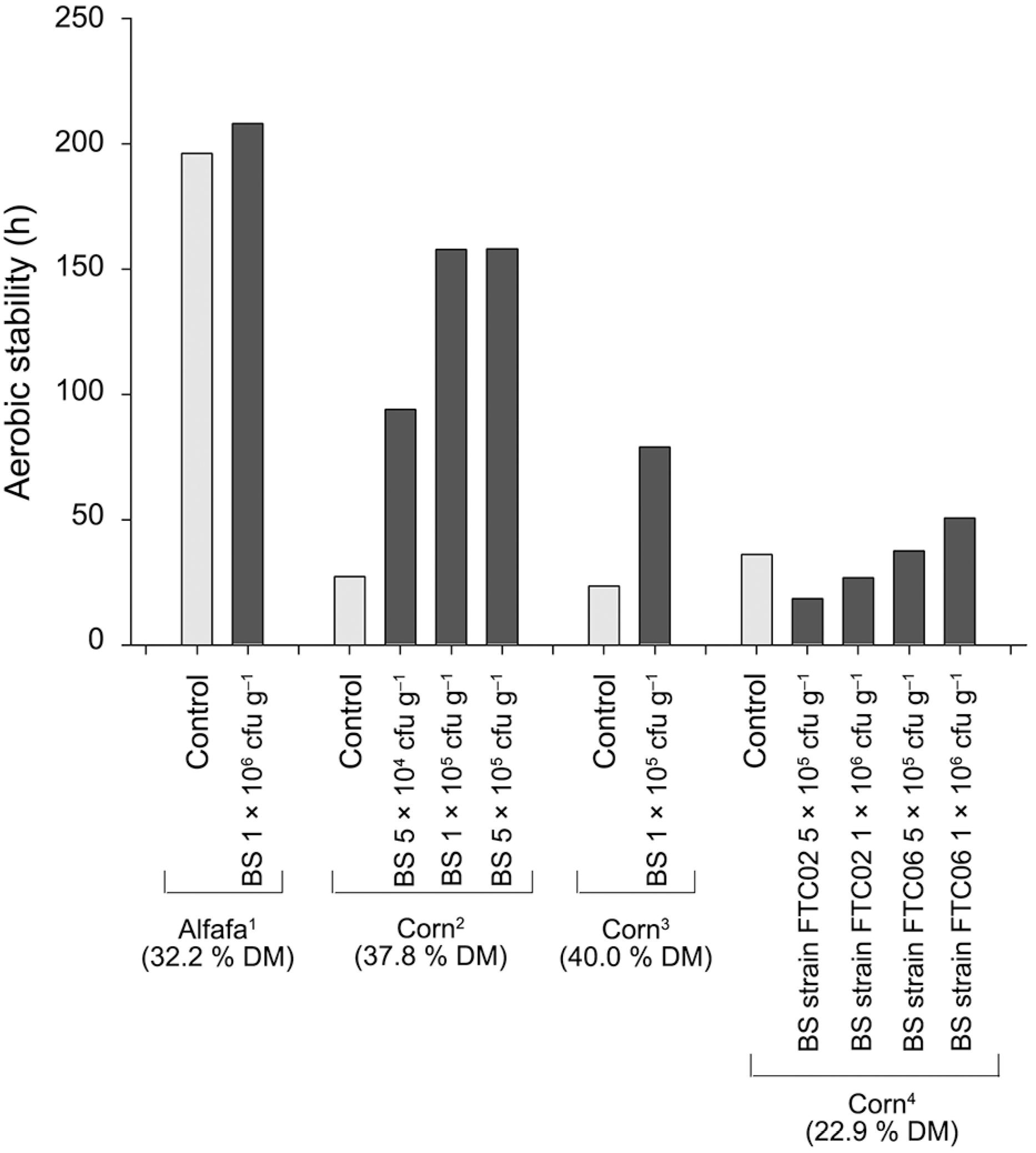
Bacterial inoculants have been used to enhance silage preservation for over a century. Notably, most of these inoculants consist of lactic acid bacteria (LAB), with only a limited number of commercial products containing bacteria other than LAB. Recent research efforts have concentrated on identifying new bacterial species that could enhance silage preservation. For instance, although Bacillus subtilis was primarily studied as a single inoculant before the 1980s, most investigations into this bacterium have taken place in the last decade. Interestingly, the progression of scientific research often reflects a cycle of rediscovery. Despite the relatively small number of studies conducted to date, B. subtilis has demonstrated its ability to potentially improve dry matter recovery, aerobic stability, and in vitro digestibility across various crop silages. Furthermore, the positive effects of orally administering this bacterium on ruminant health have led to experiments involving feeding both large and small ruminants silage inoculated with B. subtilis in conjunction with other LAB. Given the promising potential of B. subtilis as a novel silage inoculant, this review aims to explore the mechanisms through which silage quality may be enhanced via inoculation with this bacterium and its implications for animal performance. Additionally, the disadvantages and limitations of using B. subtilis as a silage additive will also be discussed.
Keywords:
aerobic stability; dry matter loss; fermentation; microbiology; silage additive
 Thumbnail
 Thumbnail
 Thumbnail
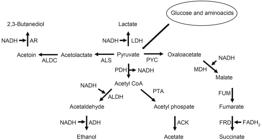
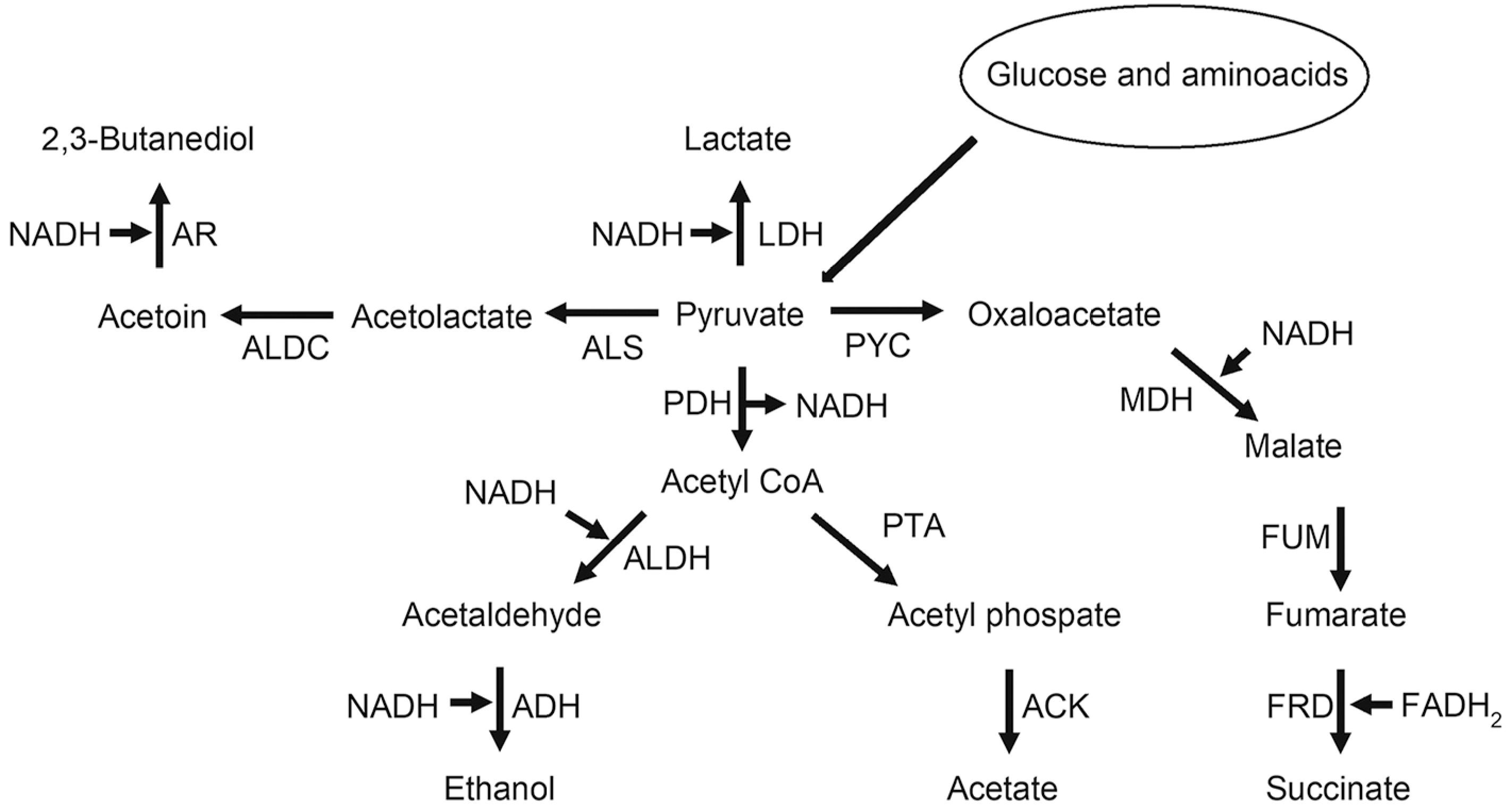 Source: Adapted from