
 Eutropiana Books Between Objects and Reading Practices of a Black Intellectual in Post-Abolition Brazil
This article examines the private library of José Eutrópio (1886-1929), which contains 410 volumes, including books, magazines, dictionaries, catalogues, sheet music, records, and film reels. a black man with a law degree, he dedicated himself to teaching and journalism. The analysis of this collection provides valuable insights into black intellectual thought during the post-abolition period, highlighting traits of the owner’s personality, interests, and preferences, as well as reading patterns and choices of works and authors. This research aids in understanding the production, circulation, and consumption of literate cultures in the early twentieth century. From a methodological standpoint, the article is based on José Eutrópio’s inventory and his intellectual output – chronicles, opinion pieces, and critical articles published in the press. Ultimately, studying this private library presents a historiographical opportunity to explore the reading practices of a generation of black intellectuals who were educated and politically active between the late nineteenth and early twentieth centuries in post-abolition Brazil.
KEYWORDS:
private book ownership; reading practices; post-abolition
 Thumbnail
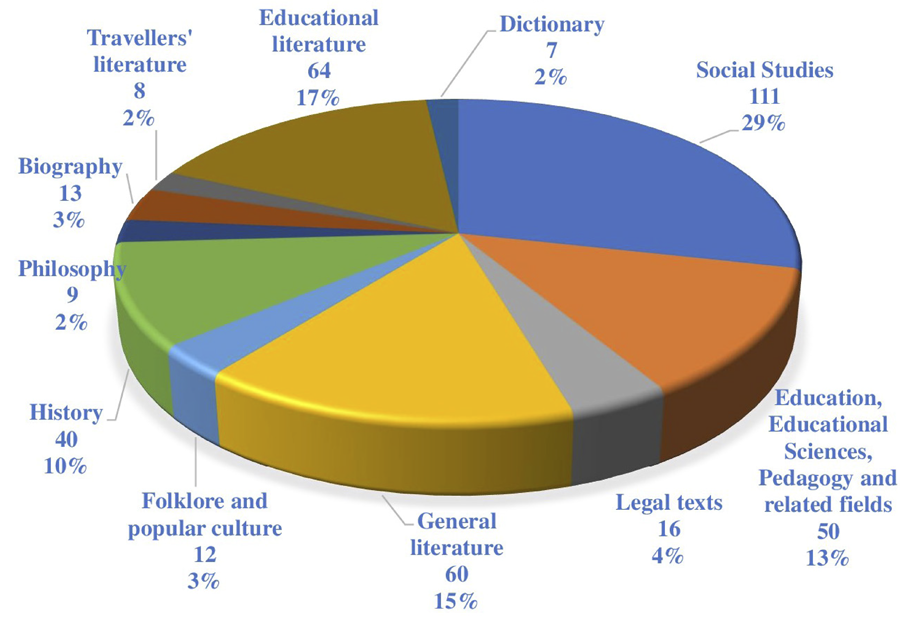 Source: AHJF. Inventory of José Eutrópio, 1929, n.p.