
 Criminal non-prosecution agreement and the negotiating power of the Public Prosecutor's Office: analysis and proposals based on interviews with MPDFT prosecutors
This article aims to analyze the negotiation phase and the bargaining power of the Public Prosecutor's Office, especially regarding the clauses and conditions stipulated in criminal non-prosecution agreements. To this end, in addition to a literature review, structured interviews were conducted with members of the Public Prosecutor's Office of the Federal District and Territories (MPDFT) to investigate the following issues: (a) Are there criteria to standardize the actions of the Public Prosecutor's Office and the definition of clauses in the criminal non-prosecution agreements ensuring equity in similar cases?; (b) Is there effective negotiation between the prosecution and the defense in defining the clauses of the agreement? Based on the narratives of the interviewed prosecutors, it was found that there are no uniform and publicly accessible standards for determining the conditions of proposals, but only general rules outlined in the Code of Criminal Procedure (CPP). Additionally, resistance from the defense was reported regarding the definition of the necessary content of the confession and the lack of evidence of damages to be repaired. Therefore, it is recommended to strengthen legislation and internal rules of Public Prosecutor's Offices to provide more clearly defined criteria, as well as implement more effective mechanisms for oversight.
Keywords:
Criminal non-prosecution agreement; Negotiations; Bargaining power; Public Prosecutor's Office; Clauses; Conditions; Control.
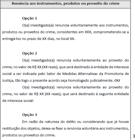 Thumbnail
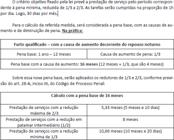 Thumbnail
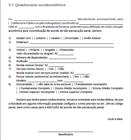 Thumbnail
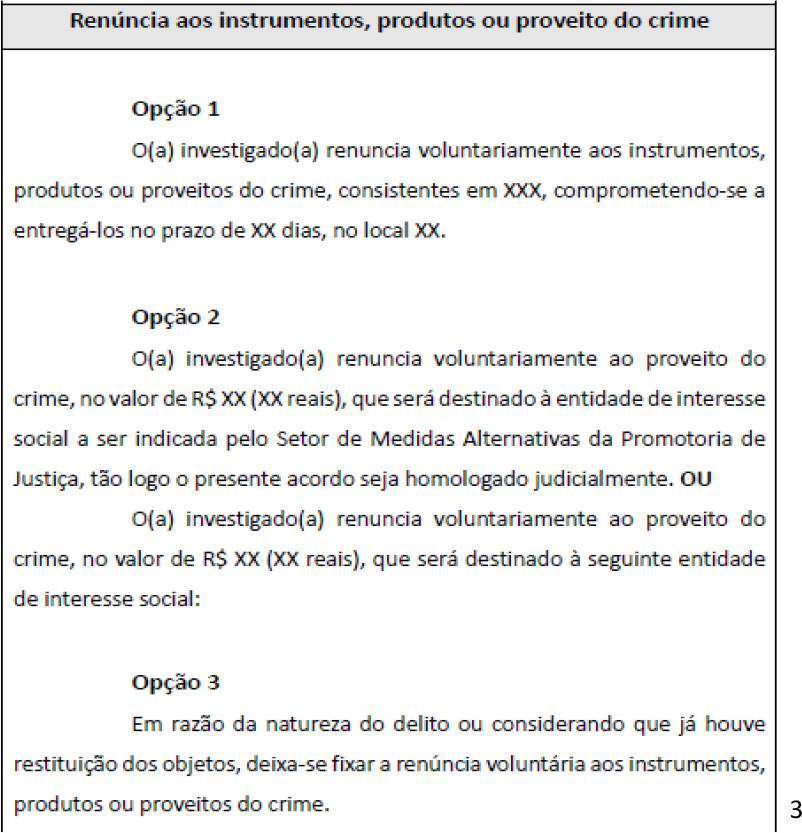
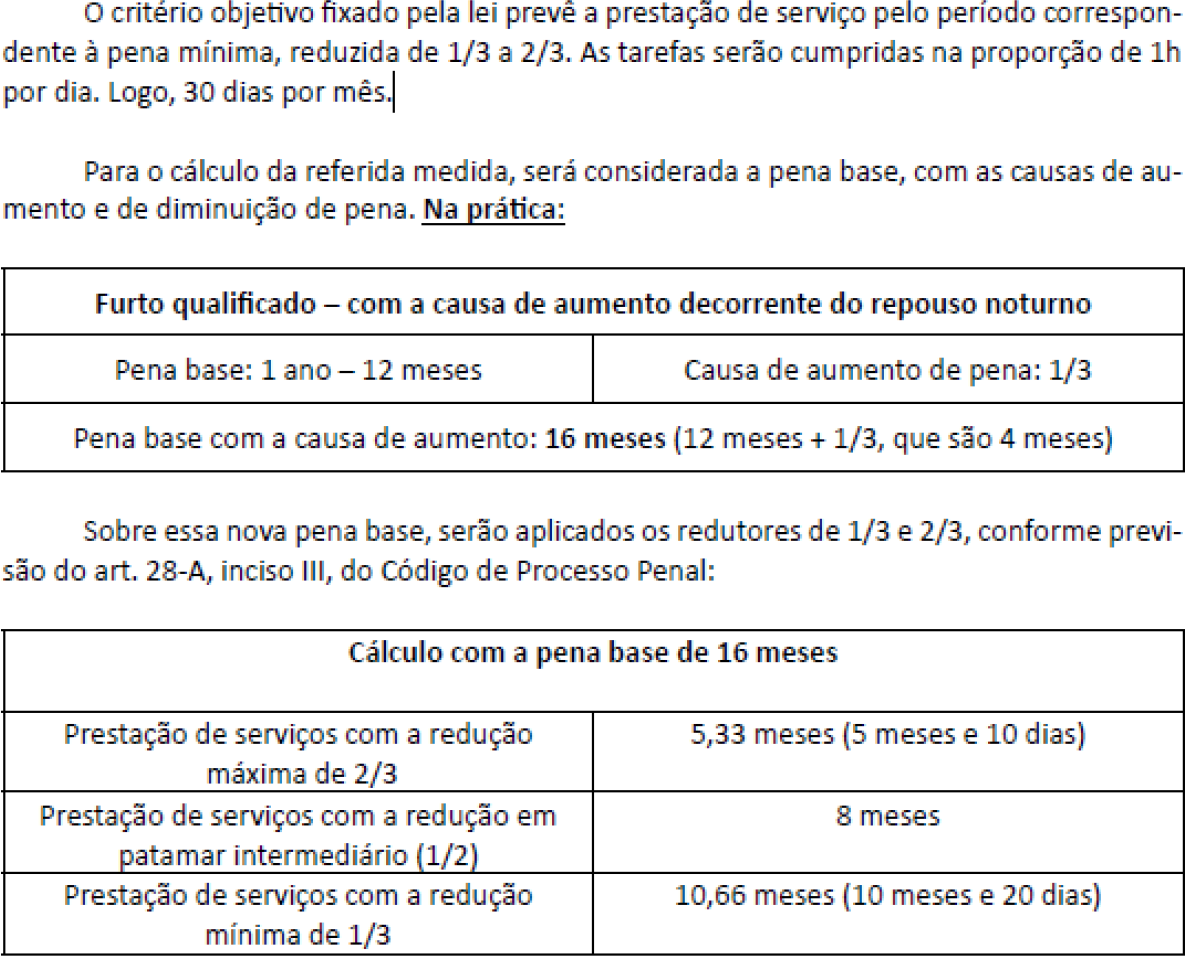 Fonte:
 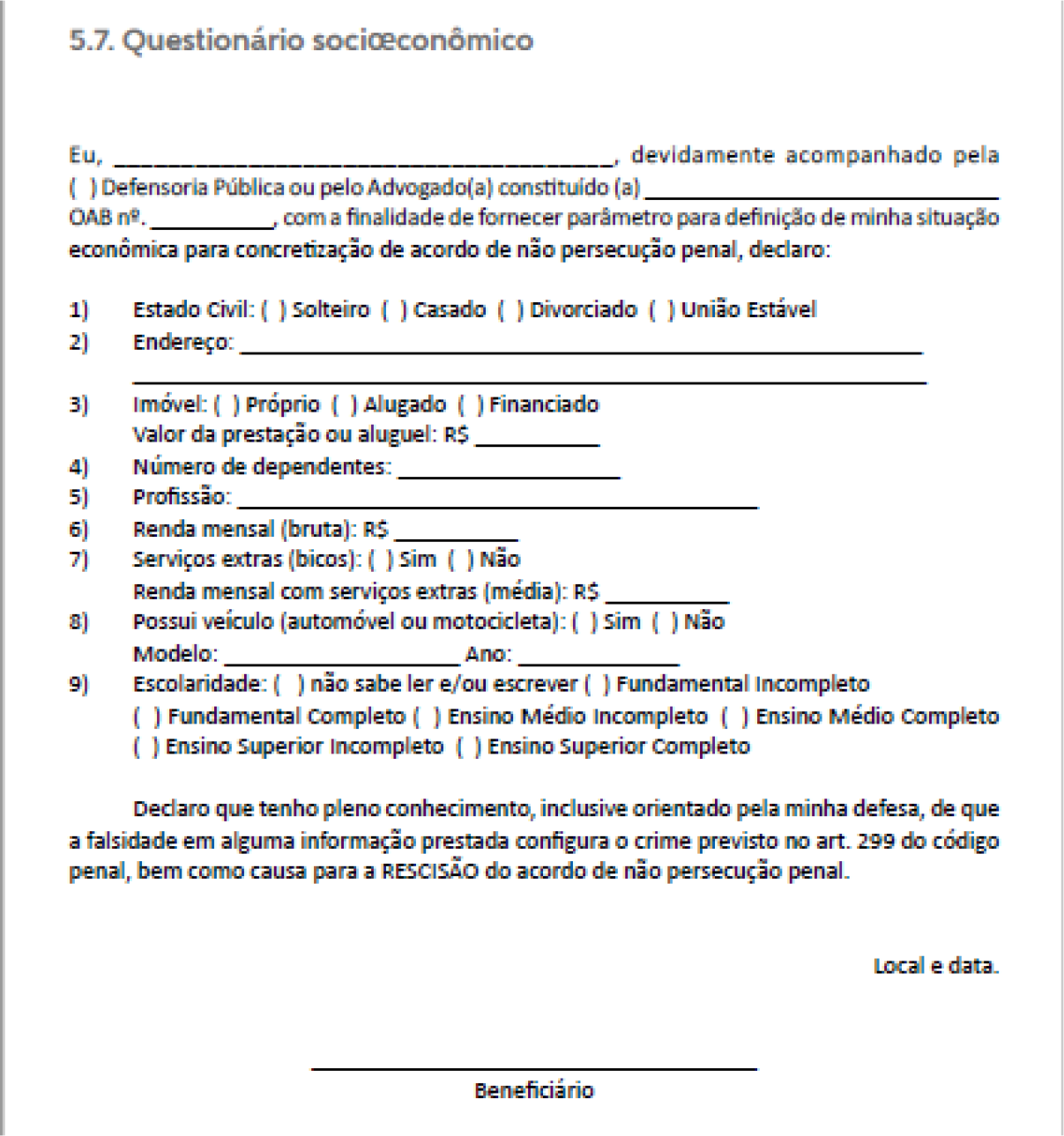 Fonte: