
 Socioenvironmental vulnerability: an integrated analysis of sociodemographic and environmental data
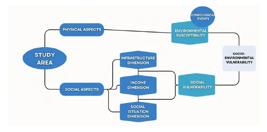
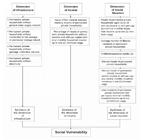
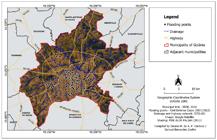
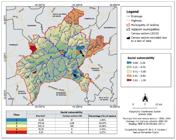
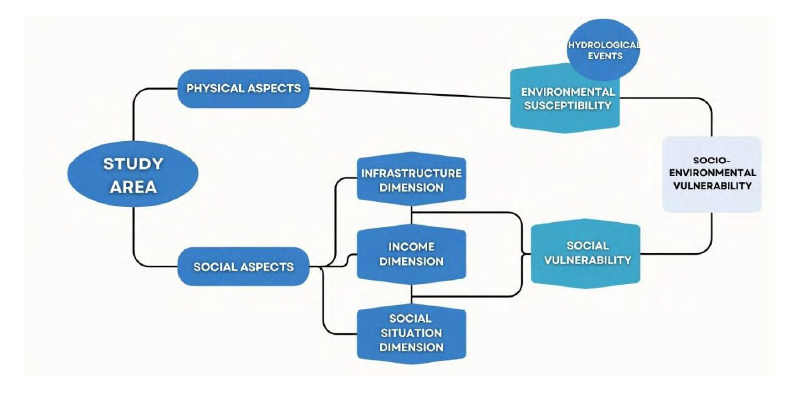
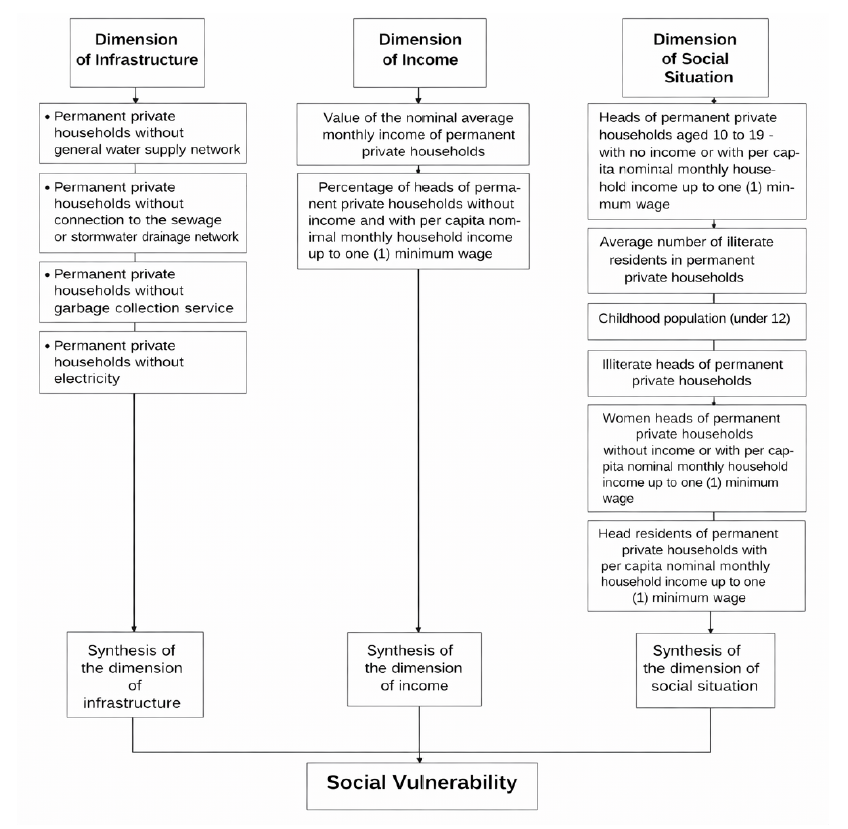
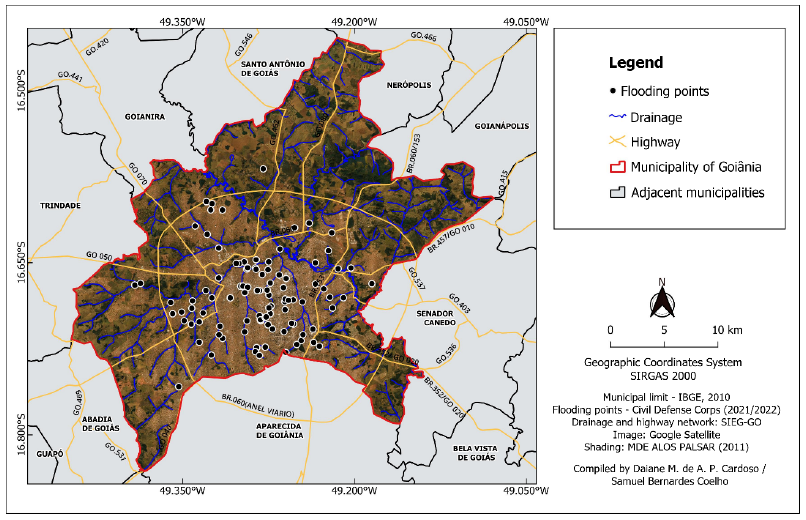
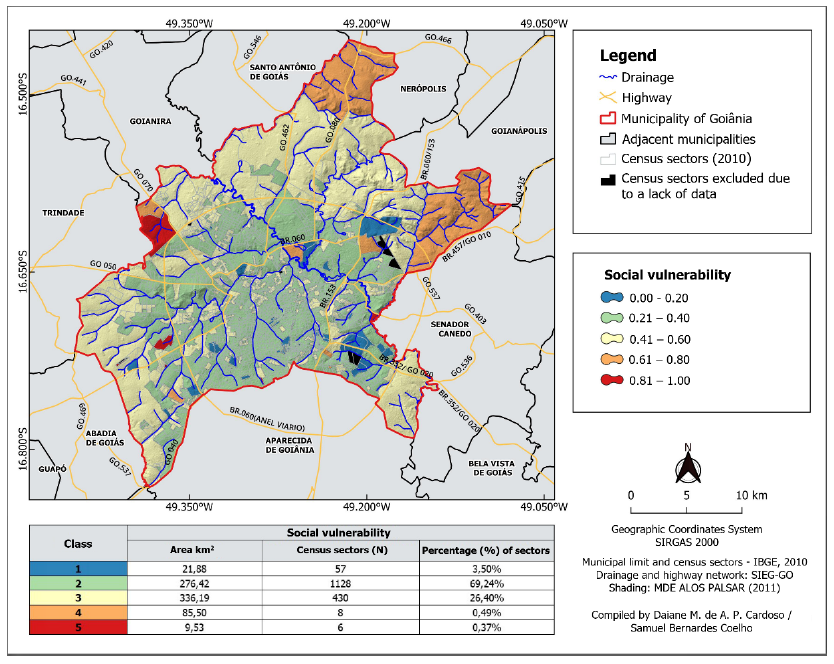
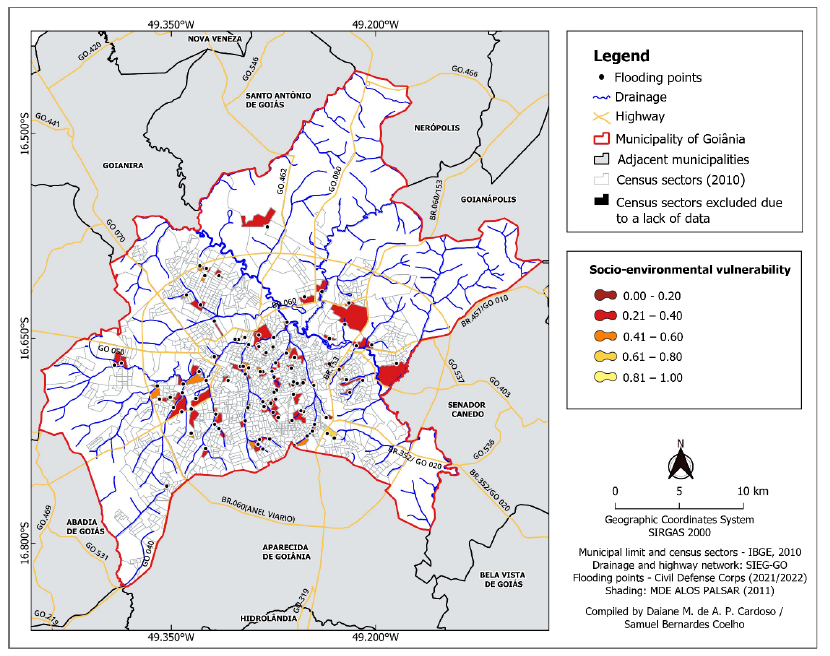
Climate change, the degradation of natural environments, and inadequate land use are all aggravating socioeconomic problems at a global scale. Understanding the link between these processes and socioeconomic conditions provides important insights for the development of more effective strategies for tackling these problems and adapting environmental policy. The present study describes the socioenvironmental vulnerability of areas affected by hydrological events in the central Brazilian city of Goiânia, the capital of Goiás state. For this, data on flooding events provided by the Civil Defense Corps were mapped in relation to social vulnerability, which was defined based on census data on infrastructure, social conditions, and income, extracted from the IBGE Automatic Recovery System, following the assumptions of Santos et al. (2017) and Cunico et al. (2021). In Goiânia, infrastructure and social factors accentuate vulnerability, while income is the principal factor determining a reduction in vulnerability. The mapping of socioenvironmental vulnerability from a socioeconomic perspective is fundamental to adequate urban planning, and the development of effective responses capable of reinforcing local resilience to environmental threats that are recurring with increasing frequency.
Keywords:
Hazard; environmental risk; hydrological disasters; census sectors; urban planning
 Thumbnail
 Thumbnail
 Thumbnail
 Thumbnail
 Thumbnail
 Source: Adapted from
  Source:
  Source:
  Source:
  Source: