 Teaching sexually transmitted infections in undergraduate nursing programs
ABSTRACT
Objective to identify curricular units/educational activities that address sexually transmitted infections in undergraduate nursing programs at federal universities in Brazil.
Method a qualitative, social-historical study using thematic oral history. Twenty-three professors from five undergraduate nursing programs at federal universities in Brazil participated. Atlas.ti® version 9.0 was used for coding the interviews and content analysis.
Results the analysis led to the development of two categories “Course structure and its complexities”; and “Inclusion of sexually transmitted infections in curricular units over time”.
Final considerations and implications for practice there is evidence of this topic in the curricula of all undergraduate nursing programs, whether in specific subjects or integrated with others, especially in the areas of women’s health and adult health. Teaching this topic helps prepare future professionals to prevent, diagnose, treat, and strengthen the population’s sexual and reproductive health.
Keywords:
Curriculum; Education, Nursing, Diploma Programs; Faculty; Sexually Transmitted Diseases; Teaching
RESUMO
Objetivo identificar as unidades curriculares/atividades educativas que abordam a temática das infecções sexualmente transmissíveis nos programas de graduação em enfermagem de universidades federais do Brasil.
Método estudo qualitativo, de cunho histórico social, com utilização da história oral temática. Participaram 23 docentes de cinco programas de graduação em enfermagem de universidades federais do Brasil. Utilizou-se o software Atlas.ti®, versão 9.0, para codificação das entrevistas e análise de conteúdo.
Resultados a análise permitiu a elaboração de duas categorias: “Estrutura do curso e suas complexidades”; e “Inserção das infecções sexualmente transmissíveis nas unidades curriculares ao longo do tempo”.
Considerações finais e implicações para a prática há evidências da temática nas unidades curriculares de todos os programas de graduação em enfermagem, seja em disciplina específica ou integrada a outras, principalmente nas áreas da saúde da mulher e saúde do adulto. O ensino do tema auxilia na preparação dos futuros profissionais para prevenção, diagnóstico, tratamento, e fortalecimento da saúde sexual e reprodutiva da população.
Palavras-chave:
Currículo; Docentes; Ensino; Infecções Sexualmente Transmissíveis; Programas de Graduação em Enfermagem
RESUMEN
Objetivo identificar unidades curriculares/actividades educativas que aborden el tema de las infecciones de transmisión sexual en los programas de pregrado de enfermería de universidades federales de Brasil.
Método estudio cualitativo sociohistórico mediante historia oral temática. Participaron 23 docentes de cinco programas de pregrado de enfermería de universidades federales de Brasil. Se utilizó el software Atlas.ti® versión 9.0 para la codificación de las entrevistas y el análisis de contenido.
Resultados el análisis condujo al desarrollo de dos categorías “Estructura del curso y sus complejidades”; e “Inclusión de las infecciones de transmisión sexual en las unidades curriculares a lo largo del tiempo”.
Consideraciones finales e implicaciones para la práctica este tema se encuentra presente en los planes de estudio de todos los programas de enfermería de pregrado, ya sea en disciplinas específicas o integrado con otras, especialmente en las áreas de salud de la mujer y la salud del adulto. Su enseñanza contribuye a la preparación de futuros profesionales para prevenir, diagnosticar, tratar y fortalecer la salud sexual y reproductiva de la población.
Palabras clave:
Curriculum; Docentes; Enseñanza; Enfermedades de Transmisión Sexual; Programas de Graduación en Enfermería
INTRODUCTION
Sexually transmitted infections (STIs) are considered a global public health problem that can affect both sexes, regardless of age, with a profound impact on sexual and reproductive health. Human Immunodeficiency Virus (HIV), viral hepatitis, and other STIs cause approximately 2.5 million deaths annually, with one million new cases per day worldwide. In 2023, there were 630,000 deaths from HIV, many due to delayed access to healthcare services. By 2022, only 13% of those with hepatitis B had been diagnosed, and 3% treated. Concerning hepatitis C, 36% were diagnosed, and 20% were treated. After the COVID-19 pandemic, adult and congenital syphilis increased, and vaccination against Human Papillomavirus (HPV), although it rose from 14% to 17% between 2020 and 2022, is still far from the 50% target by 2025. STIs are among the top ten reasons for seeking healthcare services, and are associated with significant health, social, and economic impacts.1
Given the magnitude of this problem, it is up to healthcare professionals and current public policies for controlling and managing the issue to intervene in health education, disease prevention, and health promotion, as well as empowering individuals in their self-care.2 Additionally, a qualified approach to this topic is necessary during the undergraduate education of healthcare professionals, and in the context of this study, nursing students. The university environment is essential for the development and implementation of technological and scientific advancements, and is also responsible for seeking ways to consolidate course pedagogical projects (CPPs) consistent with these advancements.3,4 In this way, professionals will receive the necessary technical and scientific preparation to face the challenges of modernity, with a view to an education/teaching process that can meet the population’s social demands.3
The term “curriculum”, in its broadest sense, can be interpreted as a set of learning experiences provided by the school and considered socially necessary in a given time and context.3 Historically, considering the inclusion of STI content in the curriculum as a necessary topic for undergraduate nursing students, since 1926 the Escola Anna Nery’s curriculum has included the “Venereal and Skin Diseases” subject, with 12 hours of coursework. Its objective was to expose nurses to venereal diseases, such as syphilis and gonorrhea, in order to provide guidance on prophylaxis to the population, as well as prevention and treatment resources.5 This curriculum was heavily influenced by the 1917 Standard Curriculum, which included the “Nursing in Occupational, Venereal, and Skin Diseases” subject, with a suggested workload of ten hours.6
Law 775/49, regulated by Decree 27,426/49 of November 14, 1949, mandates the subject “Nursing and Dermatological, Syphilitic, and Venereal Diseases” in the second year of undergraduate studies, to be taught during the general medical internship.7 Resolution 04/72 of the Federal Council of Education, regulated by Opinion 163/72, changes a subject previously called “Infectious Diseases” to “Nursing in Transmissible Diseases”, expanding the content to include other transmissible diseases.8-11 In legislation of 1962, 1972, and 1994, the topic disappeared as a specific subject.
In this retrospective, important changes occurred in higher education, with the reformulation of curricula of undergraduate nursing programs, which are currently promoted by the Brazilian National Curriculum Guidelines for Undergraduate Nursing Courses (In Portuguese, Diretrizes Curriculares Nacionais do Curso de Graduação em Enfermagem - DCN-Enf). Through these changes that occurred in CPPs, a proposal emerged to build new professional profiles that would assist in consolidating the Brazilian Health System (In Portuguese, Sistema Único de Saúde - SUS). Emphasis is placed on training qualified nursing professionals, capable of addressing and intervening in the most recurrent/prevalent health and disease problems in the national epidemiological profile and in their region of operation.12 The 2001 DCN-Enf do not propose specific subjects or program content to compose a nursing curriculum. They indicate that the course organization should have a CPP, developed collectively, centered on students as subjects of learning and supported by a professor as a facilitator and mediator of this process.12 Therefore, it is up to professors and the institution to carry out epidemiological analysis and emphasize the topic of STIs as necessary content in the curriculum.
Health education in higher education, especially in nursing training, is an important process for developing critical and reflective skills capable of meeting the needs and challenges of the current social context. The effectiveness of teaching STIs to undergraduate nursing students in various countries is evident, indicating that structuring the topic in curricula contributes to strengthening knowledge, attitudes, and perception, as well as promoting a reduction in anxiety and stigma.13 Although teaching STIs is recognized as important, there is still little knowledge about its organization in undergraduate curricula. It is not clear which subjects address the topic and how the content is distributed throughout the course.
Given the above, an intriguing question arises: how is STI education developed for undergraduate nursing students at federal universities in Brazil? The objective was to identify the curricular units/educational activities that address STIs in undergraduate nursing programs at federal universities in Brazil.
METHOD
This is a qualitative study, of a socio-historical nature, using thematic oral history. COnsolidated criteria for REporting Qualitative research guidelines based and structured this study to ensure methodological rigor.14
Data collection was conducted in five undergraduate nursing programs at federal universities in Brazil. To select these institutions, a search was performed on the e-MEC Portal, identifying the federal institution with the longest operating history in each Brazilian region, as shown in Chart 1.
The interviews and the search for documents relevant to the objective of this study took place between March and October 2022. Searches were conducted on the institutional websites and the Curriculum Lattes of the professors of each institution, in order to identify possible teaching topics and their research lines. Invitations to participate in the interviews were sent via email, and scheduled according to participants’ availability. Due to low initial participation, invitations were sent not only to professors in specific areas (sexuality, sexual health, diversity, infectious diseases, and STIs), but to the entire faculty of the institutions. Furthermore, at the end of each interview, participants were asked to suggest other colleagues who could contribute to the study, thus expanding the network of interviewees. Sampling was initially done intentionally, selecting participants with relevant experience or activity in the topic. Subsequently, the snowball sampling technique was used, in which participants nominated colleagues who met the study criteria. The study population consisted of 23 professors from the following universities: Universidade Federal do Rio de Janeiro (UFRJ) (n=6); Universidade Federal da Bahia (UFBA) (n=5); Universidade Federal do Rio Grande do Sul (UFRGS) (n=5); Universidade Federal de Mato Grosso (UFMT) (n=4); and Universidade Federal do Amazonas (UFAM) (n=3). Four professors in nursing coordination/management positions and 19 professors teaching subjects participated.
The study included coordinators/directors of undergraduate nursing programs to better understand the course structure, and professors responsible for teaching STIs in the curriculum subjects. The study excluded professors whose work is limited to teaching sexual diversity and sexuality without any connection to STIs, as well as professors of basic course subjects (immunology, pharmacology, physiology, among others).
The interviews were conducted using a semi-structured script, in a virtual environment (Google Meet®), with an average duration of 52 minutes. Theoretical data saturation was reached when participants’ information became repetitive and did not add new elements to the phenomenon, being considered sufficient in depth and quantity for understanding the object of study. The Informed Consent Form was sent virtually to participants, completed and authorized via Google Forms®, with one copy filed with the researcher. After transcription, participants validated the content of their interviews.
Data analysis was based on content analysis,15 and the analysis categories emerged from the insertion of the fully transcribed interviews, organization, and coding in Atlas.ti® version 9.0. The interviews were initially read in depth, allowing familiarization with the data. Subsequently, codes were applied based on statements, phrases, or paragraphs, considering their meaning and relationship to the topic under study. Based on the systematization of these codes, the findings were grouped and synthesized, resulting in categories of analysis that reflected an integrated understanding of the investigated phenomenon. Finally, it was possible to list two categories: “Course structure and its complexities”; and “Inclusion of sexually transmitted infections in curricular units over time”. The documentary sources consisted of pedagogical projects and curricula available on institutional websites, as well as teaching plans and lesson plans provided by the professors responsible for the subjects. An instrument for document analysis was used, which sought to identify the type of document, date, source, syllabi, teaching methodologies, resources used, workload, situation, and location within the curriculum.
The study followed the ethical guidelines of Resolution 466/2012 of the Brazilian National Health Council, obtaining approval from the Universidade Federal de Santa Catarina Research Ethics Committee, under Opinion 5,121,940/2021. Participant anonymity was guaranteed through the use of codes during data analysis and categorization, and professors received a code beginning with the letter N (Nurse) and numbering (N1, N2, N3) according to the chronological order in which the interviews took place.
RESULTS
Among the 23 participants, five (21.74%) were male and 18 (78.26%) were female. The age range varied from 31 to 68 years, with an average of 50.91 years. The mean length of time working as a professor at the institution was 20.96 years. Of the 23 participants in the study, seven (30.43%) did not complete their undergraduate nursing degree at the institution where they work as professors.
It was found that the faculty, during their undergraduate nursing training, had experiences with content strongly linked to the “Nursing in Transmissible Diseases” subject. With the evolution of curricula and their reforms, most institutions included the content in another subject or as a cross-curricular component throughout the course. It is possible to identify a significant influence of the subject matter within the specific areas of women’s health and adult health. Therefore, of the 19 professors involved in teaching STIs in curricular subjects, the following specific areas were identified: women’s health (n=8); adult health (n=6); epidemiology (n=2); public health (n=1); supervised internship (n=1); specific STI subject (n=1); gynecology and obstetrics (n=1); adolescent health (n=1); and newborn, child and adolescent health (n=1). Three professors worked in more than one specific area.
The curricular units related to teaching this topic vary among the institutions analyzed. Through the reports and analysis of curricula, it was possible to identify that, at UFAM, the content is addressed in the 5th semester, through the “Nursing in Transmissible Diseases” and “Nursing in Comprehensive Adult Health” subjects. At UFBA, the topic appears in the 5th and 6th semesters, in the “Nursing Care for Individuals in Hospital Settings” and “Nursing in Women’s Health in Primary Care” subjects. At UFMT, this approach is addressed in the 5th semester, with the “Nursing in Adult Health” subject. UFRGS addresses this topic in the 5th and 6th semesters with the “Nursing Care for Women and Newborns” and “Nursing Care for Newborns, Children, and Adolescents” subjects.
At UFRGS, it appears in the 7th semester with the “Nursing Care in Collective Health III” subject, and in the 9th semester with the “Curricular Internship in Primary Care” subject. Finally, at UFRJ, the “The Health of Young People and Me” subject emerges in the Interdepartmental Curricular Program II (2nd semester); in the 4th semester, the “Gynecology and Obstetrics” and “Epidemiology” subjects emerge; and in the Interdepartmental Curricular Program XIII (8th semester), the “Supervised Internship in G Nursing” subject emerges.
Professors also point to other subjects in which STIs can be addressed programmatically as content; however, since there are no reports (interviews) from professors working in these subjects, they were not included in the study. The topic may also appear in elective/optional courses, according to the professor’s interest in offering this content during the course.
Course structure and its complexity
Undergraduate nursing programs were identified in relation to their affiliation with federal universities as schools of nursing (UFAM, UFBA, UFRGS, and UFRJ) and faculties of nursing (UFMT). The curricular structures of undergraduate nursing programs in Brazil are not standardized. Therefore, it is important to highlight that the content related to STIs varies in terms of workload, location in the curriculum, specific scope, and whether it is focused, situational, or programmatic. Several difficulties are identified in the effective teaching of this content, often associated with how it is conceived (transversal, focused/situational, programmatic) and how it is offered in other subjects and content continuity.
Both the content on sexuality and that on sexually transmitted infectious diseases is content that needs to be cross-cutting, and professors need to be trained to deal with and discuss it with students in their training process. (N3)
We don’t have a professor who is solely in this area. We don’t have that reference, but everyone is able to address the topic, and it’s in the primary care booklets; it’s in the nursing diagnoses; and the guidelines that need to be considered are known. (N4)
Professors point out some difficulties regarding the effectiveness of the topic in the curriculum structure. Some aspects raised are hampered by how frequently curricula are developed and implemented based on the specific needs of the teaching staff or the requirements of the moment.
In undergraduate teaching, I see a very timid inclusion of this topic [...] it’s very much related to the hidden curriculum; it’s very much related to what the professor, let’s say, has expertise in, has an interest in (N5).
Many contents that permeate discussions of STIs as a form of transmission are given [...] as hidden content, i.e., it is not included in the course syllabus, for example, I have to talk about gender to talk about prevention. [...] and gender is not in the curriculum of any undergraduate nursing course. (N17)
The topic is also perceived by professors as something made invisible. At certain points in the curriculum development, it is rendered invisible because there is no professor who addresses the topic or follows up on the work of the professor who was teaching the subject, or it is only covered when teaching HIV/AIDS and other “forgotten” STIs.
And then something emerges that I think, in my view, in my thinking, that makes it much more interesting to talk about sexuality. “Why STIs?”, now, when we talk about sexuality, we don’t talk about STIs. [...] it’s inherent. [...] so, this topic basically disappears from the curriculum. [...] I think we’re in a state of silence, that these things are once again becoming invisible. In the last two years, our main focus has been the pandemic. [...] it’s as if we’ve already normalized it, so I’m not afraid anymore because today there’s treatment, everything is available. (N2).
The complexity involved in developing a CPP that encompasses the prevalent health and disease topics in each region is diverse. Operationalizing the approach to these contents requires efforts that go beyond simply including the topic in the curriculum. It necessitates the engagement of faculty across various subjects to enable epidemiological analysis and an assessment of the need to address the topic across different life cycles.
Inclusion of sexually transmitted infections in curricular units over time
In relation to professors’ experiences while they were undergraduate students at the same institution where they currently work as professors, some memoirs highlighted how the topic emerged during their undergraduate studies. The effective teaching through the “Nursing in Transmissible Diseases” subject in the minimum nursing curriculum was evident, as well as some experiences associated with the HIV/AIDS epidemic and its complexities.
I was a student at the school when HIV started. [...] the subject dealt with infectious and parasitic diseases, and that’s when we had this unprecedented content. It was the first class; we didn’t have a ward, and we participated in the opening of the wards at the university hospital. There was a fear of providing care because nobody knew anything. I must have experienced this movement in 1989/1990. (N1)
In the medical-surgical nursing department, the subject was called “Sexually Transmitted/Infectious Diseases”. There were several approaches; we delved into the epidemiology, looking at issues like syphilis, gonorrhea, chlamydia infection, all those kinds of issues. (N4)
Other professors pointed out that the topic emerged during their undergraduate studies through specific areas of study, not necessarily as a specific subject.
It was in the more basic subjects, pathology, I remember the professors talking about it. I even have a memory, not so much in the core nursing subjects, but in the core basic sciences. And then another memory I have, this one isn’t from the classroom, it’s from my internship field... it was in the late 1990s and early 2000s; we would find people with AIDS hospitalized, so there was a lot of care with biosafety. I ended up, in my experience as an undergraduate, attending to patients with AIDS. (N11)
I took the “Sexuality and Reproduction” subject, which they also offer at the Nursing School (FAEN), after “Adult Health”. The next semester’s topic is “Sexuality and Reproduction”. This content is in-depth and geared towards pregnant women and women in general. [...] I had this class during my undergraduate studies. I remember, within the “Sexuality and Reproduction” subject, this theoretical discussion within the context of women’s health consultations. We learned about the main sexually transmitted diseases, how to collect Pap smear samples, the approach to STIs, and the protocol. But I, personally, don’t remember actually contracting any STIs in practice. (N16)
Bringing insights into the performance and experience of teaching in undergraduate nursing programs, the inclusion of this content is raised and highlighted in some subjects throughout the curricula of each institution, according to professors’ intention and availability.
We had a subject called “Transmissible Diseases”, and the school was discussing at that time how to incorporate the content of this subject into other subjects. We embraced the issue of vertical transmission of infectious diseases, bringing it into the discussion and creating, as a field of internship, the possibility for students to work with the issue of AIDS in women. (N3)
This subject has a specific class, specific content where we work on this: the syndromic approach to STIs. Now, there are other approaches to STIs, scattered throughout the curriculum, as I told you; the subject that will work on vertical transmission from mother to baby of HIV and syphilis. Certainly, they must be pointing to something in public health. (N7)
It’s a subject within adult health that spans over 400 hours; it includes theory and practice. Within that, we have a section on infectious diseases in general. So, there’s a four-hour theoretical class, then a class on STIs, and a class on HIV/AIDS. That’s 12 hours of theory. Then, when it comes to the practical component, a student spends an average of two weeks in the STI/AIDS outpatient clinic, the Specialized Care Service (SAE) in the region. This is from Monday to Friday; it amounts to approximately 40 hours of practical training developing skills. (N16)
I work on this topic every semester, in practice, with adolescents, especially when I bring undergraduate students to elementary school. [...] we work in the hospital setting, but in the community setting, there are 11 of us professors. There are various fields, so yes, it comes up quite a bit in public health, because it’s done in outpatient clinics, consultations, and all these guidelines are given using the adolescent’s health booklet at the health center, which is a problem because many adolescents don’t go to the health center. (N18)
Only at UFAM is the “Transmissible Diseases” subject still included in its curriculum as a specific subject focused on the topic. Through the reports, it is possible to trace the trajectory of teaching and its approaches, as shown in Figure 1.
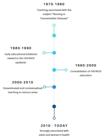
So, it has always been addressed, and it continues to be addressed in the “Transmissible Diseases” subject. They do internships, and the reference location here is the Tropical Hospital for Infectious Diseases [...]. So, the course load is 90 hours: 30 hours of theory and 60 hours of practice. [...] in those 30 hours, we never managed to cover all the infectious diseases, both from the Amazon region and at the national level in Brazil. In the practical component, which was 60 hours, we had rotating groups, and the students would go through the area I mentioned. They would spend two days with tuberculosis, then five days with STIs and leprosy, which was the planned area, and then they would go on to the remaining five days, which was the planned rotation. (N13)
DISCUSSION
Through professors’ experiences and perceptions, it is possible to identify that STI education in undergraduate nursing programs has a historical trajectory associated with the “Nursing in Transmissible Diseases” subject in the minimum curriculum. Over time, the inclusion of the topic within institutions has become varied, being integrated into other subjects and addressed in a cross-curricular or situational manner. The lack of curricular standardization results in considerable disparities in workload, positioning within the course, and depth of content. Professors point to difficulties in effective teaching, frequently associated with how the subject matter is conceived and implemented. Memories of their own training are marked by experiences during the HIV/AIDS epidemic, basic education subjects, sexuality, adult health, and women’s health.
As for the “Nursing in Transmissible Diseases” subject, a study conducted in the 1980s indicated that it was usually offered, in the vast majority of cases, in the 4th or 5th semester of undergraduate studies, with an average workload of 80 to 120 hours. Furthermore, despite the topic being a relevant issue in the field of public health in terms of prevention and control measures, there was little focus on a preventive approach in the curriculum. Nursing training was geared towards hospital care.10 There is also a study conducted in the 2000s that posits the subject’s role in strengthening the SUS, aiming to intervene in the determinants and conditioning factors of the health-disease process, and to adopt health surveillance as the central axis of health work.16
Currently, in institutions where the subject is still taught specifically, some topics are recurrent in the curriculum: tuberculosis; HIV/AIDS; STIs; healthcare-associated infections, with the aim of training nurses capable of working with STIs;17 overview of communicable diseases; vaccination schedules; health surveillance; viral hepatitis; syphilis; among others.18 Given the diversity of aspects and important information inherent in teaching about STIs, it is clear that this specific subject has always been of great importance and covers content related to most STIs with significant rates in the country. The teaching time dedicated to this topic in other subjects is minimal, requiring skill and competence from professors in planning educational activities.
As a cross-cutting topic, STIs should be theoretically discussed in various subjects within the curriculum of undergraduate nursing programs. Professors indicate that, in their courses, they are addressed programmatically. This cross-cutting nature can be understood as a strength or a weakness, because, through the flexibility of teaching proposed by DCN-Enf, the content may not be explicitly stated in CPPs and may end up occurring only situationally/sporadically in practical settings.
Cross-curricular topics are understood as a set of educational contents and guiding principles that are not linked to a particular subject, but which can be considered common so that their treatment is transversal in a global curriculum.19 A study on the reality in the United States and Canada indicates that, despite advances in nursing curricula, there are still gaps when teaching of topics such as transgender people and gender diversity.20 In Australia, although there has been progress in developing curricula focused on LGBTQIA+ health education, shortcomings in their implementation persist, highlighting the need for curricular standardization and professor training.21
These topics and STI education are problematized in terms of their transversality and specificity in nursing curricula.20-23 The findings highlight that the teaching is largely focused on women’s health. It is possible to identify that professors lack clarity or certainty that the content also encompasses other specific areas. The content relates to sexuality, reproduction, sexual health, contraceptive methods, pregnancy, childbirth, prevention, among other topics.
Studies indicate that women are more vulnerable to STIs due to several factors, such as biological characteristics and gender and social issues, which place them in a position of submission and inferiority in relation to men, depriving them of the power to decide on protected sexual activity. Early sexual activity, low education and income levels, and economic dependence, especially in developing countries, are aggravating factors, in addition to a lack of awareness regarding the risk of contracting an STI, due to considering the risk in other women and not in themselves, associating condom use only as a contraceptive method.24,25
Concerning STI education to undergraduate nursing students worldwide, a scoping review covering the decades from the 1980s to 2020 identified various teaching scenarios and strategies (extension activities, internships, lectures, comparative methods of educational activities, HIV/AIDS training, events, and workshops). The teaching focus is primarily on issues involving HIV/AIDS (history, epidemiology, treatments, prevention, transmission, psychosocial impact, nursing care, sex education, violence, and transgender populations).13
Teaching this subject changes according to the evolution of society in terms of social and economic changes, and the construction of public health and education policies, being shaped by the epidemiological rates of these infections. In this way, all institutions manage to cover this topic in undergraduate nursing programs, either more comprehensively, with its own course, or with a smaller number of hours, in another course.
Another study focused on undergraduate nursing education at a university in southern Brazil indicates that the topic was largely anchored in public health faculty during the 1970s and 1980s, with approaches associated with the Health Reform movement. With the advent of AIDS, the topic began to be offered with a focus on adult health by faculty with expertise. In other subjects, the approach is situational, with theoretical and practical activities.26
This reality is not far removed from the results obtained in this study. Similar aspects, such as programmatic content in a specific, situational area, lack of transversality, and specific professors for offering instruction on the subject, denote the reality of the Brazilian overview. This impossibility of tracing a linearity of the subject in nursing curricula raises reflections on the care provided to the diverse clienteles represented by the epidemiological indices of these infections.
Health and nursing education highlight the importance of producing knowledge about STIs, their risks and probabilities, as well as strategies for developing the skills of future professionals.27 It is essential to improve educational institutions to ensure proper management of STIs, as well as to address the specific needs of growing vulnerable social groups and their impact on public health.26
The vulnerability of STIs, HIV, and viral hepatitis lies in the fact that they disproportionately affect specific population groups, such as men who have sex with men, sex workers, people who inject drugs, transgender and gender-diverse people, people in prisons and other closed environments.28,29 Concomitantly, the Social Determinants of Health are also relevant, as they refer to the conditions in which individuals live, work, learn, and have leisure time, and have a significant impact on health risks, health outcomes, and quality of life.30,31 Determinants such as economic level, education, and access to healthcare are intrinsically related to health disparities. Regarding this and other studies, there are concerns about the vulnerability of adolescents and older adults, which are rarely mentioned by professors. The increased risk for STIs can be attributed to biological, behavioral, and identity factors.32,33
Among older adults, there is prejudice and stigma surrounding sexual practices, leading to a lack of information and reluctance by professionals to address this issue, which is reflected in the increase in epidemiological rates.34 STIs in older adults are a topic that is far from being of social, academic, and clinical interest. Therefore, concerns about these infections are irrelevant.35 A study points to disparities in HIV/STI testing, diagnosis, and use of prevention methods, showing that older people are less likely to use condoms and more likely not to use other prevention methods.36 The vulnerability in this group is also evidenced by low knowledge about STIs and the need for comprehensive solutions at the social level.37
Another indispensable aspect for reflection is the scope of the topic of HIV/AIDS and syphilis in classrooms, while other STIs appear timidly and inconsistently. HPV, rarely mentioned by professors, is an essential factor in potential health problems that go beyond infection and have a significant impact, especially on women’s health. A study focused on nursing students’ knowledge of HPV and its vaccine shows that there is greater knowledge about the vaccine than about HPV itself, and overall knowledge was considered satisfactory.38 Nursing students, upon entering university, already possess empirical knowledge about HPV, which facilitates teaching throughout the course.39 Integrating lectures and educational interventions into the nursing curriculum presents itself as a viable way to increase knowledge about HPV.40
There are still many issues to be addressed in shaping the profile that DNC-Enf indicate, such as being a critical, reflective nurse capable of intervening in prevalent health and disease problems. Teaching anchored in a specific focus and/or in faculty references ends up limiting opportunities for comprehensive management and care for populations in their various life stages, regardless of gender and sexual orientation. This study contributed to reflection on how this topic can be incorporated into undergraduate nursing programs in the country. The study encourages faculty to reflect on their practices and what needs to be improved in the curriculum. It is also possible to identify the population groups that are being prioritized in educational activities and their relationship with the country’s epidemiological profile.
FINAL CONSIDERATIONS AND IMPLICATIONS FOR PRACTICE
The information obtained in this study demonstrates that STI education occurs in all selected institutions in a programmatic manner, either in a specific subject or in another subject. It is not possible to affirm that it occurs across the curriculum; it may, from time to time, be addressed specifically in situations and cases that may arise in the theoretical and practical fields, especially in Primary Health Care. Given the great importance and participation of nursing in addressing this global public health problem, it can be inferred that the topic is introduced to undergraduate nursing students and that professors engaged in teaching this subject are actively participating in the teaching-learning process.
Teaching this subject matter is relevant for prevention and health promotion, early identification and diagnosis, counseling and support, case management and treatment, education promotion, and student awareness. Knowledge in this area allows future nurses to play a significant role in people’s sexual and reproductive health, contributing to reducing the spread of STIs and improving the population’s quality of life.
A limitation of the study is the number of professors who responded to interview invitations, which may be due to the low number of professors who teach this subject or their low willingness to participate in the study. Access only to the course syllabi from the institutions makes it difficult to understand the specificities of the content.
This study is expected to contribute to discussions and strengthen the approach to STIs within nursing curricula, encouraging the cross-cutting inclusion of the topic in different stages of human life. By highlighting the potential and gaps, it is hoped that important discussions will take place regarding the construction of curricula sensitive to sexual and reproductive health demands, aiming at training professionals committed to the epidemiological scenario of the country.
ACKNOWLEDGEMENTS
No acknowledgments.
-
a
Extracted from the thesis “Ensino das Infecções Sexualmente Transmissíveis nos Cursos de Graduação em Enfermagem do Brasil: um estudo histórico”, presented to the Graduate Program in Nursing, Universidade Federal de Santa Catarina, em 2023.
-
FINANCIAL SUPPORT
Brazilian National Council for Scientific and Technological Development (doctoral scholarship).
-
DATA AVAILABILITY RESEARCH
The underlying content of the research text is contained in the article.
References
-
1 World Health Organization. Implementing the global health sector strategies on HIV, viral hepatitis and sexually transmitted infections, 2022–2030: report on progress and gaps 2024. Geneva: World Health Organization; 2024 [citado 2025 Out 20]. Disponível em: https://iris.who.int/server/api/core/bitstreams/af363bc7-13b1-44f0-8a76-d03bcf875d8d/content
» https://iris.who.int/server/api/core/bitstreams/af363bc7-13b1-44f0-8a76-d03bcf875d8d/content -
2 Fittipaldi ALM, O’Dwyer G, Henriques P. Health education in primary care: approaches and strategies envisaged in public health policies. Interface Comun Saude Educ. 2021;25:e200806. https://doi.org/10.1590/interface.200806
» https://doi.org/10.1590/interface.200806 -
3 Padovani O, Corrêa AK. Curriculum and Nursing Education: challenges in universities today. Sau & Transf Soc [Internet]. 2017 [citado 2025 Jul 29];8(2):112-9. Disponível em: http://incubadora.periodicos.ufsc.br/index.php/saudeetransformacao/article/view/3841/4990
» http://incubadora.periodicos.ufsc.br/index.php/saudeetransformacao/article/view/3841/4990 -
4 Carmo BAG, Quadros NRP, Santos MMQ, Macena JKF, Oliveira MFV, Polaro SHI et al. Health education on sexually transmissible infections to Nursing college students. Rev Bras Promoc Saude. 2020;33:1-7. https://doi.org/10.5020/18061230.2020.10285
» https://doi.org/10.5020/18061230.2020.10285 - 5 Rizzotto MLF. História da Enfermagem e sua relação com a Saúde Pública. Goiânia: AB Editora; 1999.
- 6 Carvalho AC. Orientação e ensino de estudantes de enfermagem no campo clínico [dissertação]. São Paulo: Universidade de São Paulo; 1972.
-
7 Decreto nº 27.426 de 14 de novembro de 1949 (BR). Aprova o Regulamento básico para os cursos de Enfermagem e de auxiliar de Enfermagem. Diário Oficial da República Federativa do Brasil [Internet], Brasília (DF). 14 nov 1949 [citado 2025 Jul 29]. Disponível em: https://www.planalto.gov.br/CCIVIL_03//decreto/1930-1949/D27426.htm
» https://www.planalto.gov.br/CCIVIL_03//decreto/1930-1949/D27426.htm -
8 Resolução nº 04-72, de 25 de fevereiro de 1972 (BR). Rev Bras Enferm. 1973;26(4-5):361-3. https://doi.org/10.1590/0034-716719730005000017
» https://doi.org/10.1590/0034-716719730005000017 -
9 Aragon DPB, Grimberg G. Interpretação e operatividade da resolução n.º 04/72 (25/02) do ministério de educação e cultura e conselho federal de educação. Rev Bras Enferm. 1973;26(4-5):273-92. https://doi.org/10.1590/0034-716719730005000007
» https://doi.org/10.1590/0034-716719730005000007 - 10 Rocha MT, Secaf V, Kamiyana Y. Ensino de enfermagem em doenças transmissíveis - experiência de integração. Rev Bras Enferm. 1978;31(1):55-9. PMid:261387.
-
11 Araújo MRN, Chompré RR. Study of nursing teaching in common diseases in Brazil. Rev Esc Enferm USP. 1984;18(2):101-12. https://doi.org/10.1590/0080-6234198401800200101 PMid:28746646.
» https://doi.org/10.1590/0080-6234198401800200101 -
12 Resolução n° 3, de 07 de novembro de 2001 (BR). Institui Diretrizes Curriculares Nacionais do Curso de Graduação em Enfermagem. Diário Oficial da União [Internet], Brasília (DF). 7 nov 2001 [citado 2025 Jul 29]. Disponível em: https://portal.mec.gov.br/cne/arquivos/pdf/CES03.pdf
» https://portal.mec.gov.br/cne/arquivos/pdf/CES03.pdf -
13 Petry S, Padilha MI, Mazera MS, Silva AR. How to teach incurable sexually transmitted infections to undergraduate nursing students: a scoping review. Cogitare Enferm. 2023;28:1-19. https://doi.org/10.1590/ce.v28i0.91076
» https://doi.org/10.1590/ce.v28i0.91076 -
14 Souza VRS, Marziale MHP, Silva GTR, Nascimento PL. Translation and validation into Brazilian Portuguese and assessment of the COREQ checklist. Acta Paul Enferm. 2021;34:1-9. https://doi.org/10.37689/acta-ape/2021AO02631
» https://doi.org/10.37689/acta-ape/2021AO02631 - 15 Bardin L. Análise de conteúdo. São Paulo: Edições 70; 2016.
-
16 Fracolli LA, Nichiata LYI, Takahashi RF, Oliveira MAC, Gryschek ALFPI. Nursing in transmissible diseases: how to discuss this topic in nursing graduation? Rev Esc Enferm USP. 2000;34(4):395-400. https://doi.org/10.1590/S0080-62342000000400012 PMid:12033067.
» https://doi.org/10.1590/S0080-62342000000400012 -
17 Felix AMS, Soares RAQ. Active methodologies in nursing teaching in communicable diseases. Rev Enferm UFPE Online. 2019;13:e241816. https://doi.org/10.5205/1981-8963.2019.241816
» https://doi.org/10.5205/1981-8963.2019.241816 -
18 Pereira E, Ciaccio SA, Nichiata LYI, Sakata-So KN, Ribeiro JHM, Silva CLC et al. Estratégia teórico-prática no ensino de enfermagem em doenças transmissíveis com o foco na vigilância em saúde. Rev Grad USP. 2018;3(1):119-22. https://doi.org/10.11606/issn.2525-376X.v3i1p119-122
» https://doi.org/10.11606/issn.2525-376X.v3i1p119-122 - 19 Yus R. Temas transversais: em busca de uma nova escola. São Paulo: Editorial Graó; 2020.
-
20 Crawford J, Brandt A, Kramer M, Ristock J, Schultz ASH. Gender inclusive and affirming practices across undergraduate nursing curriculum: a scoping review. Nurse Educ Today. 2024;141:106320. https://doi.org/10.1016/j.nedt.2024.106320 PMid:39098092.
» https://doi.org/10.1016/j.nedt.2024.106320 -
21 Kuney A, Noble D, Stubbs M. LGBTQIA+ cultural competency in healthcare education programs: a scoping review. Nurse Educ Pract. 2025;84:104333. https://doi.org/10.1016/j.nepr.2025.104333 PMid:40174474.
» https://doi.org/10.1016/j.nepr.2025.104333 -
22 Beraldi ML, Paranhos W, Garcia ORZ, Horta ALM. The teaching of sexuality in undergraduate nursing courses: a systematic literature review. Interface. 2024;28:e230310. https://doi.org/10.1590/interface.230310
» https://doi.org/10.1590/interface.230310 -
23 Burton CW, Nolasco K, Holmes D. Queering nursing curricula: understanding and increasing attention to LGBTQIA+ health needs. J Prof Nurs. 2021;37(1):101-7. https://doi.org/10.1016/j.profnurs.2020.07.003 PMid:33674079.
» https://doi.org/10.1016/j.profnurs.2020.07.003 -
24 Brito ES, Knauth DR, Brand ÉM, Calvo KDS, Vigo Á, Pilecco FB et al. Factors associated with hiv and vulnerability contexts for women in brazil. Arch Sex Behav. 2021;50(7):3247-56. https://doi.org/10.1007/s10508-021-01960-7 PMid:33864176.
» https://doi.org/10.1007/s10508-021-01960-7 -
25 Moura SLO, Silva MAM, Moreira ACA, Freitas CASL, Pinheiro AKM. Women’s perception of their vulnerability to Sexually Transmitted Infections. Esc Anna Nery Rev Enferm. 2021;25(1):e20190325. https://doi.org/10.1590/2177-9465-ean-2019-0325
» https://doi.org/10.1590/2177-9465-ean-2019-0325 -
26 Petry S, Padilha MI. Approaching sexually transmitted infections in a nursing undergraduate curriculum. Rev Esc Enferm USP. 2021;55:e20210019. https://doi.org/10.1590/1980-220x-reeusp-2021-0019 PMid:34516608.
» https://doi.org/10.1590/1980-220x-reeusp-2021-0019 -
27 Ayres JR, Castellanos MEP, Baptista TWF. Interview with José Ricardo Ayres. Saude Soc. 2018;27(1):51-60. https://doi.org/10.1590/s0104-12902018000002
» https://doi.org/10.1590/s0104-12902018000002 -
28 UNAIDS. Global AIDS update - confronting inequalities - lessons for pandemic responses from 40 years of AIDS [Internet]. Geneva: UNAIDS; 2021 [citado 2025 Jul 29]. Disponível em: https://www.unaids.org/en/resources/documents/2021/2021-global-aids-update
» https://www.unaids.org/en/resources/documents/2021/2021-global-aids-update -
29 Kennedy C, Yeh PT, Verster A, Luhmann N, Konath NM, Mello MR et al. Counselling behavioural interventions for HIV, STI and viral hepatitis among key populations: a systematic review of effectiveness, values and preferences, and cost studies. J Int AIDS Soc. 2023;26(5):e26085. https://doi.org/10.1002/jia2.26085 PMid:37221978.
» https://doi.org/10.1002/jia2.26085 -
30 Chelak K, Chakole S. The role of social determinants of health in promoting health equality: a narrative review. Cureus. 2023;15(1):e33425. https://doi.org/10.7759/cureus.33425 PMid:36751221.
» https://doi.org/10.7759/cureus.33425 -
31 Lathrop B. Moving toward health equity by addressing social determinants of health. Nurs Womens Health. 2020;24(1):36-44. https://doi.org/10.1016/j.nwh.2019.11.003 PMid:31911097.
» https://doi.org/10.1016/j.nwh.2019.11.003 - 32 Agwu A. Sexuality, sexual health, and sexually transmitted infections in adolescents and young adults. Top Antivir Med. 2020;28(2):459-62. PMid:32886466.
-
33 Nagata J, Sajjad OM, Dhama S, Santelli JS. Progress and challenges of HIV and other STIs in adolescents and young adults. Lancet Child Adolesc Health. 2022;6(11):748-9. https://doi.org/10.1016/S2352-4642(22)00256-5 PMid:36108665.
» https://doi.org/10.1016/S2352-4642(22)00256-5 -
34 Van Epps P, Musoke L, Mcneil C. Sexually transmitted infections in older adults: increasing tide and how to stem it. Infect Dis Clin North Am. 2023;37(1):47-63. https://doi.org/10.1016/j.idc.2022.11.003 PMid:36805014.
» https://doi.org/10.1016/j.idc.2022.11.003 -
35 Kim HY, Choe HS, Lee DS, Yoo JM, Lee SJ. Sexual behavior and sexually transmitted infection in the elderly population of South Korea. Investig Clin Urol. 2019;60(3):202-9. https://doi.org/10.4111/icu.2019.60.3.202 PMid:31098428.
» https://doi.org/10.4111/icu.2019.60.3.202 -
36 Morgan E, Dyar C, Feinstein B. Differences in infection and prevention of HIV and other sexually transmitted infections among older adults in Columbus, Ohio. PLoS One. 2023;18(3):e0282702. https://doi.org/10.1371/journal.pone.0282702 PMid:36877711.
» https://doi.org/10.1371/journal.pone.0282702 -
37 Smith ML, Bergeron CD, Goltz HH, Coffey T, Boolani A. Sexually transmitted infection knowledge among older adults: psychometrics and test-retest reliability. Int J Environ Res Public Health. 2020;17(7):1-10. https://doi.org/10.3390/ijerph17072462 PMid:32260298.
» https://doi.org/10.3390/ijerph17072462 -
38 Silva Júnior JA, Santos SMP, Bezerra LLO, Freitas JLGS, Bezerra Neta ML. Nursing students and knowledge about human papillomavirus and its immunizing: a cross-sectional study. Rev Baiana Enferm. 2023;37:1-12. https://doi.org/10.18471/rbe.v37.48425
» https://doi.org/10.18471/rbe.v37.48425 -
39 Machado ALB, Melo DFC, Andrade MG, Melo FNP, Verissimo FAS, Cavalcante RS et al. Knowledge of nursing students about the human papillomavirus infection. Nursing. 2023;26(300):9653-60. https://doi.org/10.36489/nursing.2023v26i300p9653-9660
» https://doi.org/10.36489/nursing.2023v26i300p9653-9660 -
40 Berenson A, Hirth JM, Chang M, Kuo YF, Richard P, Jones DL. A brief educational intervention can improve nursing students’ knowledge of the human papillomavirus vaccine and readiness to counsel. Hum Vaccin Immunother. 2021;17(7):1952-60. https://doi.org/10.1080/21645515.2020.1852871 PMid:33517843.
» https://doi.org/10.1080/21645515.2020.1852871
Edited by
-
ASSOCIATED EDITOR
Fábio da Costa Carbogim https://orcid.org/0000-0003-2065-5998
-
SCIENTIFIC EDITOR
Marcelle Miranda da Silva https://orcid.org/0000-0003-4872-7252
The underlying content of the research text is contained in the article.

